
Creative Stage Effects with Cold Sparkler Machines
- Innovative cold spark applications for live performance
- Why I choose a cold sparkler machine for indoor shows
- Creative staging and choreography ideas I’ve tested
- Audio-visual synchronization tips I rely on
- Technical selection: what I inspect before buying
- Key specifications I compare
- Consumables and operational cost from my field notes
- Electrical, rigging and venue compatibility checks
- Safety, compliance, and maintenance practices I enforce
- Practical safety rules I always enforce onsite
- Maintenance routines that extend equipment life
- Emergency procedures I train crew to follow
- Comparing cold sparkler machines to traditional pyrotechnics — a factual table
- How I integrate Siterui SFX solutions for dependable results
- Why I partner with manufacturers like Siterui SFX
- Customization and system integration I often request
- Complementary Siterui product ecosystem I use
- Procurement and operational checklist I give clients
- Before purchase
- Pre-show and rehearsal
- Touring and long-term service
- Frequently Asked Questions
I distill my 15 years working with stage special effects equipment into practical guidance on designing, specifying, and operating cold sparkler machine systems that produce memorable visual moments without compromising safety or show reliability; this guide covers creative uses, technical selection criteria, rigging and control tips, maintenance, and how professional manufacturers like Siterui SFX support event teams with customized spark machine, fog machine, and CO₂ Jet Machine integration for live events and venues.
Innovative cold spark applications for live performance
Why I choose a cold sparkler machine for indoor shows
In my experience, the cold sparkler machine is the most flexible choice when I need a spark effect in an enclosed space. Compared with traditional pyrotechnics, cold spark devices produce visible metallic spark trails while keeping radiant heat and flame risk much lower—this allows use close to sets, drapery, and performers with fewer ignition concerns, provided venue fire-safety rules are followed and proper risk assessments are completed. I’ll reference safety frameworks such as NFPA and workplace safety guidance from OSHA when planning deployments.
Creative staging and choreography ideas I’ve tested
I’ve used the cold sparkler machine to punctuate key moments: a vocalist’s chorus high note framed by a low-angle spark curtain, a guitar solo with synchronized vertical sparks, and a theatrical scene change masked by overhead spark arcs. Because the machine can be programmed for duration and intensity, I’ve layered spark patterns to complement lighting cues and haze machine fills, achieving depth without obscuring facial visibility or camera exposure.
Audio-visual synchronization tips I rely on
To sync cold spark effects tightly with sound and lighting, I generally run a DMX or wireless trigger tied to the show controller and cross-check latency under full load; modern spark machines often accept DMX or wireless triggering for millisecond-accurate cues. I always conduct a dry run to confirm that the spark machine timing matches lighting strobe rates and that camera frame rates are not producing undesirable aliasing with the spark flicker.
Technical selection: what I inspect before buying
Key specifications I compare
When evaluating any cold sparkler machine I check: maximum output width and height, consumable cartridge type, run time per cartridge, control protocols (DMX, wireless, 0–10V), power requirements, and weight/rigging points. These specs directly affect whether the machine fits a touring rig, a fixed theater fly system, or a film soundstage load-in.
Consumables and operational cost from my field notes
Consumable cartridges (spark powders or granules) are the main recurring cost. I track burn time per cartridge during shows and plan spares to avoid mid-set swaps. Quality granules produce consistent color and spark length; poor consumables raise dust and shorten device lifespan. For multi-day tours I budget consumables as a predictable line item rather than an ad-hoc expense.
Electrical, rigging and venue compatibility checks
Before committing, I verify that the venue’s rigging points can bear the machine plus safety redundancy, and that available circuits match the machine’s rated amperage. I also confirm local regulations: some venues require a pyrotechnics license or a venue-specific risk assessment even for cold spark effects, so I plan paperwork and permit time into the schedule.
Safety, compliance, and maintenance practices I enforce
Practical safety rules I always enforce onsite
My safety checklist includes: a cleared radius based on the manufacturer’s guidelines, fire-retardant costume and set materials near spark zones, qualified operators, and a pre-show test under full load. I maintain a written record of each test run. For regulatory context I refer to fact-based guidance such as Pyrotechnics - Wikipedia and industry standards publishers like ISO for general equipment safety frameworks.
Maintenance routines that extend equipment life
I perform basic maintenance after every event: clean feed mechanisms, inspect nozzle and spark conduit for wear, replace seals, and verify control firmware. Calibrating the trigger response and verifying consumable loading prevents misfires and reduces downtime during tours.
Emergency procedures I train crew to follow
Even with cold spark systems I insist on an emergency plan: cut-power procedures, nearby fire extinguisher access, and stage evacuation routes. I brief stage managers and local fire marshals when required by the venue, and document the equipment’s thermal output and residue profile for their review.
Comparing cold sparkler machines to traditional pyrotechnics — a factual table
| Characteristic | Cold sparkler machine | Conventional pyrotechnics |
|---|---|---|
| Typical surface temperature near nozzle (operational) | Lower radiant heat; manufacturers commonly report safe-touch or substantially reduced radiant heat vs flame (varies by model) | Open flame/combustion; higher radiant heat and flame presence; requires flameproofing and clearance |
| Indoor use | Widely used indoors with venue approval and risk assessment | Often restricted indoors; many jurisdictions require specific permits and licensed pyrotechnicians |
| Residue and cleanup | Metallic particulate residue; generally minimal ash but requires vacuuming and wipe-down | Combustion residue, soot, and more ash; can deposit on scenery and equipment |
| Regulatory burden | Lower in many venues but still subject to safety codes and venue policy | Higher: specific pyrotechnic permits, licensed operators, and inspection often required |
| Typical application cost per effect | Moderate — consumables and maintenance dominate; cost-effective for repeated cues | Variable — single-use charges and specialist operator fees can be higher per event |
How I integrate Siterui SFX solutions for dependable results
Why I partner with manufacturers like Siterui SFX
Across my projects I prioritize suppliers who combine R&D depth, production quality, and after-sales service. Siterui SFX is a professional manufacturer engaged in the research and development, production, sales, and service of professional stage special effects equipment; that combination matters when you need consistent spark machine performance across tours and venues. I value manufacturers who provide documentation, spare parts, and firmware updates so I can maintain uptime.
Customization and system integration I often request
When I specify a system, I frequently ask for custom casing, logo printing, and integrated wireless control to match the production’s brand and load-in constraints. Siterui SFX offers flexible customization, including wireless control systems and synced multi-device setups, which I’ve used to create staggered sparkscapes across an arena where machines are synchronized to a central show controller.
Complementary Siterui product ecosystem I use
My show packages rarely rely on a single effect. I combine spark machines with haze machine fills, CO₂ Jet Machine bursts for rhythmic accents, and fog machine or dry ice machine atmospherics for depth. For themed builds I integrate Bubble Machine, Snow Machine, Foam Machine, and Confetti Machine effects. For high-impact moments I coordinate a CO₂ Jet Machine and a fire machine or dry ice machine moment (with strict safety protocols). Siterui SFX’s product line and engineering support reduce integration friction on complex builds. To learn more I often direct clients to the company website: Siterui SFX.
Procurement and operational checklist I give clients
Before purchase
Confirm venue rules, required permits, available power, and rigging capacity; request a live demo or video proof of performance; review consumable lifecycle and spare parts availability.
Pre-show and rehearsal
Run a full-cue rehearsal using the same consumable type and control method planned for the performance; verify timing, operator procedures, and emergency cutoffs.
Touring and long-term service
Arrange for periodic maintenance, an agreed SLA for spare parts and technical support, and a consumable delivery schedule to avoid supply chain gaps. Manufacturers with R&D and production capabilities (like Siterui SFX) make long-term touring logistics easier because they can customize product variants and supply spares reliably.
If you’re specifying effects for a show and want an expert system design or product demo, email sales01@strlighting.com or visit Siterui SFX to discuss spark machine, fog machine, Haze Machine, CO₂ Jet Machine, and other professional SFX integrations.
Frequently Asked Questions
What is a cold sparkler machine?
A cold sparkler machine is a device that produces metallic spark effects with much lower radiant heat and without open flame, enabling use closer to sets and performers when operated under a proper risk assessment and venue approval.
Are cold sparkler machines safe for indoor use?
Cold sparkler machines are widely used indoors with venue approval and a documented safety plan; they present lower flame risk than conventional pyrotechnics but still require cleared radii, fire-retardant materials nearby, and qualified operators.
Do cold sparkler devices require permits?
Permit requirements vary by jurisdiction and venue; while the regulatory burden is often lower than for traditional pyrotechnics, many venues still require a risk assessment or local permit, and I always confirm paperwork timelines before a load-in.
How much maintenance does a cold spark device need?
Basic maintenance after each event includes cleaning feed mechanisms, inspecting nozzles and seals, replacing worn parts, and verifying control firmware; this routine extends equipment life and prevents misfires.
How do I synchronize cold sparks with lighting and audio?
I synchronize cold spark machines using DMX or wireless triggers tied to the show controller, validate latency during rehearsals, and confirm timing under full load to prevent cue mismatch with lights or camera frame rates.
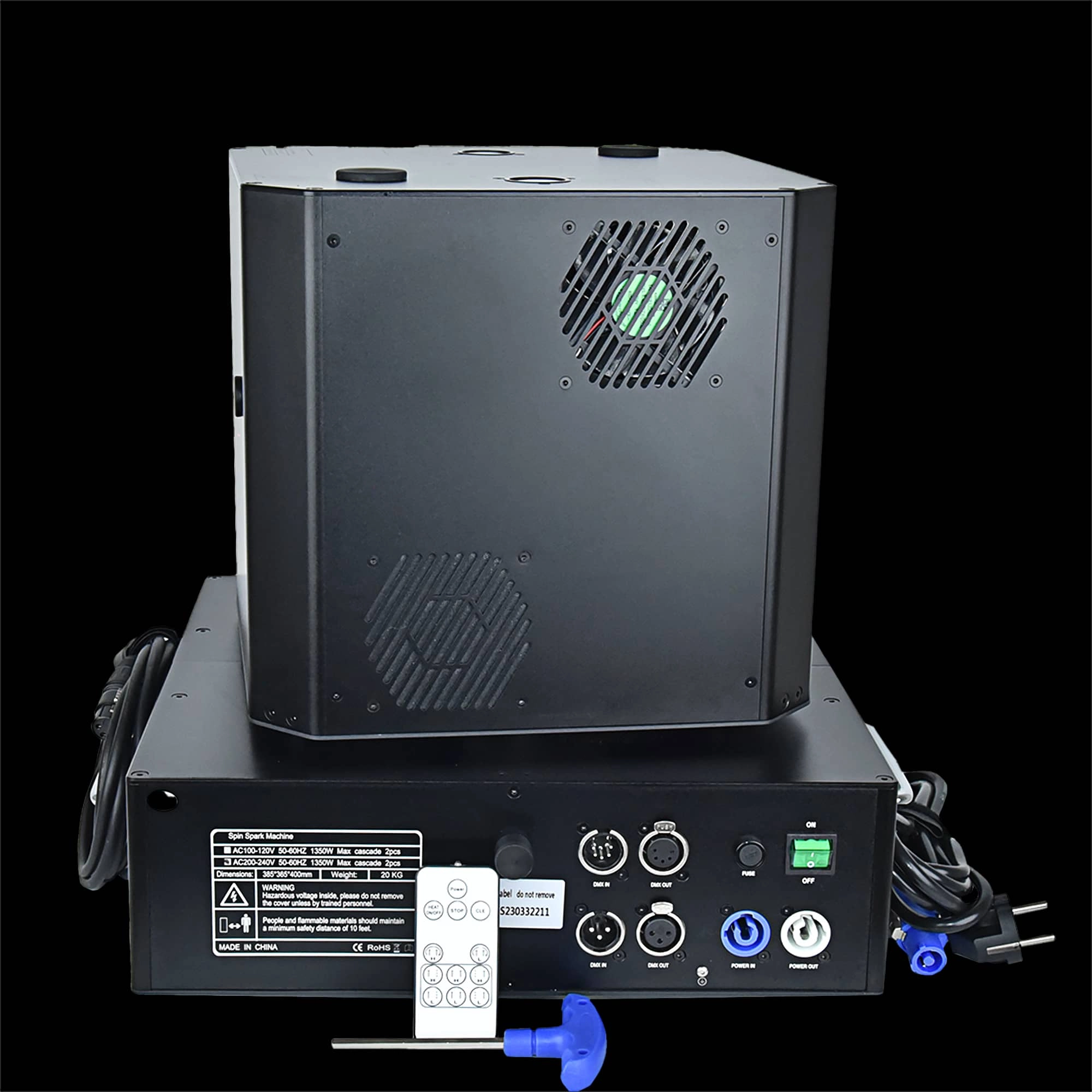
Double head 1300W Spin Spark machine -powerful dual-head 1300W spin spark effect with DMX + remote control for precise timing. Durable, professional-grade pyrotechnic effect ideal for concerts, clubs and events.


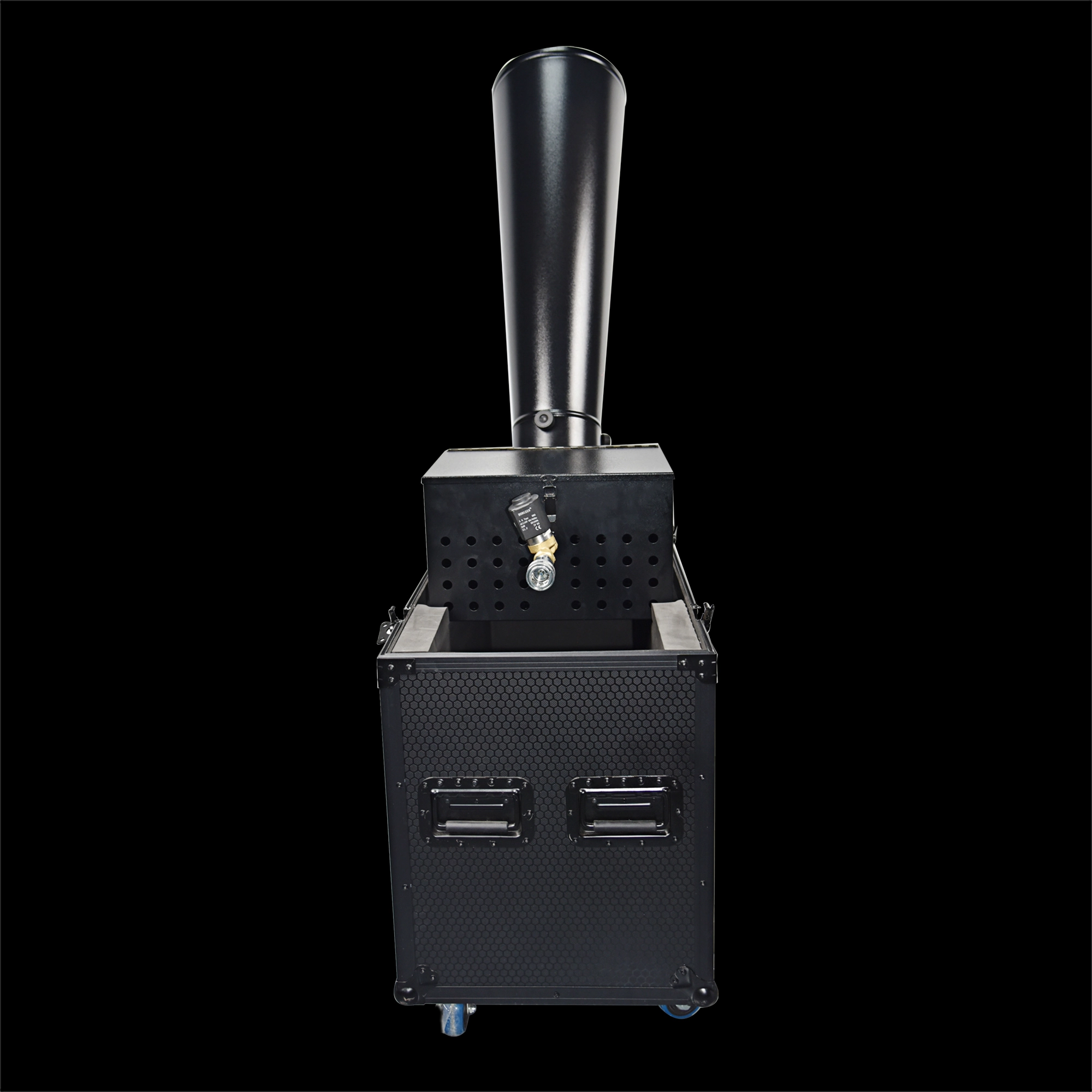
Email: sales01@strlighting.com
WhatsApp: +86 189 2232 4800
© 2025 Siterui SFX All Rights Reserved.
 Scan QR Code
Whatsapp: +8618922324800
siteruisfx_stage_equipment
Siterui
SITERUI-SFX
STRlighting
@siterui.sfx