
DMX vs Manual: Control Options for Digital Haze Machines
- Comparing digital networking and manual interfaces for atmospheric equipment
- Control paradigms explained
- Operational implications for productions
- Standards and interoperability
- Technical considerations: latency, diagnostics, and synchronization
- Latency and timing accuracy
- Diagnostics and fault isolation
- Synchronization across multiple machines
- Procurement and lifecycle costs: choosing the right control option
- CapEx vs OpEx trade-offs
- Scalability and future-proofing
- Serviceability and spare parts strategy
- Risk management: safety, fluid handling, and compliance
- Health and venue safety
- Regulatory and site-specific standards
- Electrical and signal integrity
- Implementation checklist for buyers and systems integrators
- Pre-purchase site assessment
- Specification and acceptance testing
- Training and documentation
- How Siterui SFX supports networked and local control strategies
- Engineering and product capabilities
- Customization and system integration services
- Product portfolio and support
- Quality assurance and compliance
- Contact and procurement
- Frequently Asked Questions
High-performance atmospheric systems require clear decisions about control architecture: centralized lighting network integration, local digital interfaces, or simple manual actuation. This summary compares the operational trade-offs—latency, synchronization, troubleshooting, commissioning effort, user training, and long-term lifecycle cost—between networked DMX control, device-level digital panels, and purely manual controls for professional haze and haze-like devices. The guidance targets procurement teams, rental operators, and systems integrators aiming to optimize venue uptime, operator ergonomics, and multi-device synchronization while ensuring regulatory compliance and maintainability.
Comparing digital networking and manual interfaces for atmospheric equipment
Control paradigms explained
Networked stage control uses a lighting protocol (commonly DMX) to manage multiple atmospheric units from a single console or automation system. Local numeric displays and onboard tactile buttons provide direct machine configuration and quick adjustments at the unit. Manual-only devices rely on basic switches or analog knobs, suitable for single-purpose or low-budget deployments but limited in synchronization and remote operation.
Operational implications for productions
Large-scale concerts, theatre runs, and film sets benefit from centralized control for frame-accurate cues and scene recalls. Local digital interfaces accelerate setup and troubleshooting by exposing device diagnostics, runtime counters, and fluid level indicators. Manual control remains viable where operators are physically present and cues are few, but it increases labor overhead and reduces repeatability for complex shows.
Standards and interoperability
Buyers should verify that networked control options adhere to recognized protocols and guidelines. The DMX512 protocol used across live entertainment is defined and supported across lighting consoles and show control suites; see DMX512 on Wikipedia for an overview and reference points. For industry-standard lifecycle and interoperability documentation, consult the Entertainment Services and Technology Association standards index at ESTA Standards.
Technical considerations: latency, diagnostics, and synchronization
Latency and timing accuracy
Latency is a critical parameter for time-sensitive cues. Wired DMX networks typically introduce negligible latency when properly terminated and addressed, enabling sub-second coordination across dozens of units. Wireless control technologies can add variable latency and require frequency planning and RF testing in busy venues.
Diagnostics and fault isolation
On-device digital readouts and menus reduce MTTR (mean time to repair) by reporting error codes, pump states, and fan speeds. This capability expedites pre-show checks and decreases unnecessary truck rolls for rental fleets. Systems that provide both on-panel diagnostics and networked logging offer the best support for predictive maintenance strategies.
Synchronization across multiple machines
Precision multi-device haze requires synchronized start/stop and output-level control. DMX or synchronized Ethernet-based control systems guarantee consistent output across a cluster, whereas manual control relies on operator coordination and visual cues. For choreography-driven effects or broadcast environments, centralized addressing is strongly recommended.
Procurement and lifecycle costs: choosing the right control option
CapEx vs OpEx trade-offs
Initial purchase cost for devices with full network capability and digital displays is higher, but the total cost of ownership reduces through faster setup, fewer operator hours, and lower failure rates. Manual-only units have lower upfront cost but higher recurring labor and potential for inconsistent effect quality in repeat engagements.
Scalability and future-proofing
Network-ready atmospheric machines support future expansions, show automation, and integration with third-party control systems. Selecting units that accept firmware updates and offer standard protocol compatibility protects investments as show control ecosystems evolve.
Serviceability and spare parts strategy
For rental and installation companies, modular designs with accessible pumps, fans, and control boards reduce downtime. Digital panels that display firmware version and serial numbers simplify field support escalation and parts ordering.
Risk management: safety, fluid handling, and compliance
Health and venue safety
Operators should evaluate machine emissions and fluid compositions relative to venue policies and local regulations; consult general information on theatrical fog and smoke generation at Fog machine (Wikipedia). When effects are used in public spaces, coordination with venue safety officers and clear evacuation plan considerations are essential.
Regulatory and site-specific standards
When effects interact with pyrotechnic elements or produce significant airborne particulates, compliance with fire codes and special effects standards is mandatory. Refer to authoritative guidelines on pyrotechnics and special effects from NFPA resources: NFPA standards and guidance. Documentation of local authority approvals should be part of the procurement package.
Electrical and signal integrity
Networked installations require proper grounding, cable management, and surge protection. Devices with onboard diagnostics for voltage and signal loss minimize installation errors. For high-reliability venues, implement redundant control paths and label patching according to project wiring diagrams.
| Attribute | Wired DMX / Networked Control | Onboard Digital Panel | Manual Switch/Analog |
|---|---|---|---|
| Typical Use Case | Concerts, touring rigs, theatre automation | Fixed installations, rental quick-setup, technicians | Small venues, single-act events, budget installs |
| Synchronization | Frame-accurate across devices | Good for individual device timing; manual sync required | Poor—operator dependent |
| Commissioning Time | Higher initial setup; faster repeat setups | Moderate—fast local calibration | Minimal setup but repeated manual checks |
| Scalability | High—supports large networks | Medium—each device configured separately | Low |
| Failure Modes | Network issues can impact many devices; redundancy mitigates | Single device failure; easier isolation | Single point; often visible immediately |
| Typical Procurement Cost | Higher (equipment + control infrastructure) | Moderate | Lowest |
Implementation checklist for buyers and systems integrators
Pre-purchase site assessment
Conduct a site survey focusing on control room locations, cable runs, DMX universe requirements, RF noise, and emergency egress. Ensure the chosen configuration aligns with venue HVAC and fire detection systems. Include contingency plans for smoke alarms and audience safety.
Specification and acceptance testing
Define acceptance criteria: start/stop latency, maximum continuous run time, fluid consumption rates, and fault recovery times. Require factory acceptance tests and produce a commissioning checklist that includes firmware baseline, addressing plan, and a documented rollback procedure.
Training and documentation
Require manufacturers to provide operator manuals, wiring diagrams, network addressing templates, and spare parts lists. For rental fleets or venue crews, schedule hands-on sessions covering both networked cues and local override operations.
How Siterui SFX supports networked and local control strategies
Engineering and product capabilities
Siterui SFX is a professional manufacturer engaged in the research and development, production, sales, and service of professional stage special effects equipment. Our engineering team designs atmospheric devices with multiple control layers: DMX512-compatible interfaces for centralized show control, intuitive onboard digital displays for rapid local configuration, and manual overrides for emergency use. Devices are built for modular serviceability to shorten maintenance cycles and minimize rental downtime.
Customization and system integration services
We offer custom firmware options, branded casings, and wireless control integration to meet venue-specific requirements. For complex installations, our team can deliver pre-configured addressing schemes, staged firmware rollouts, and integration into third-party automation systems. This reduces commissioning time and ensures deterministic behavior across multi-machine deployments.
Product portfolio and support
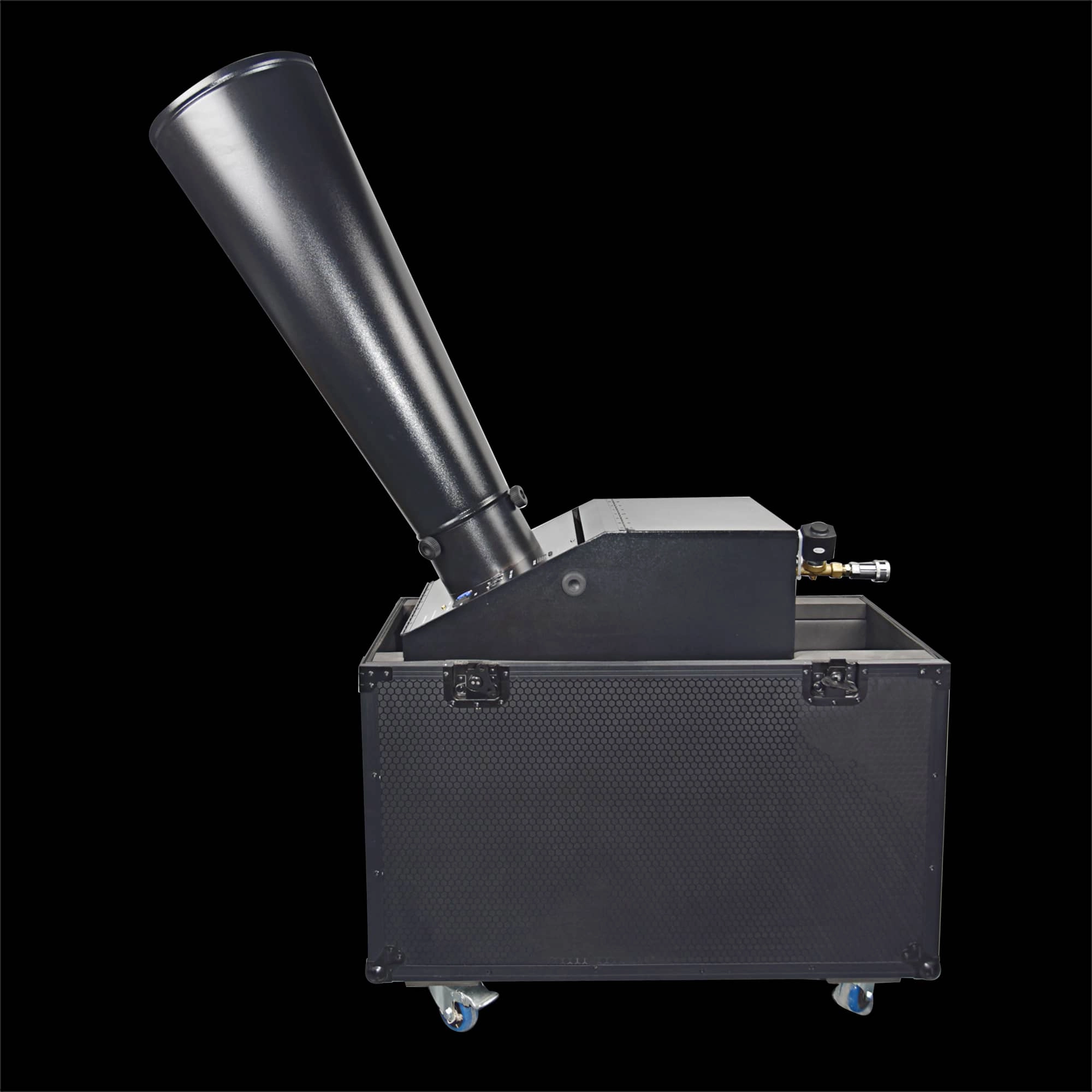
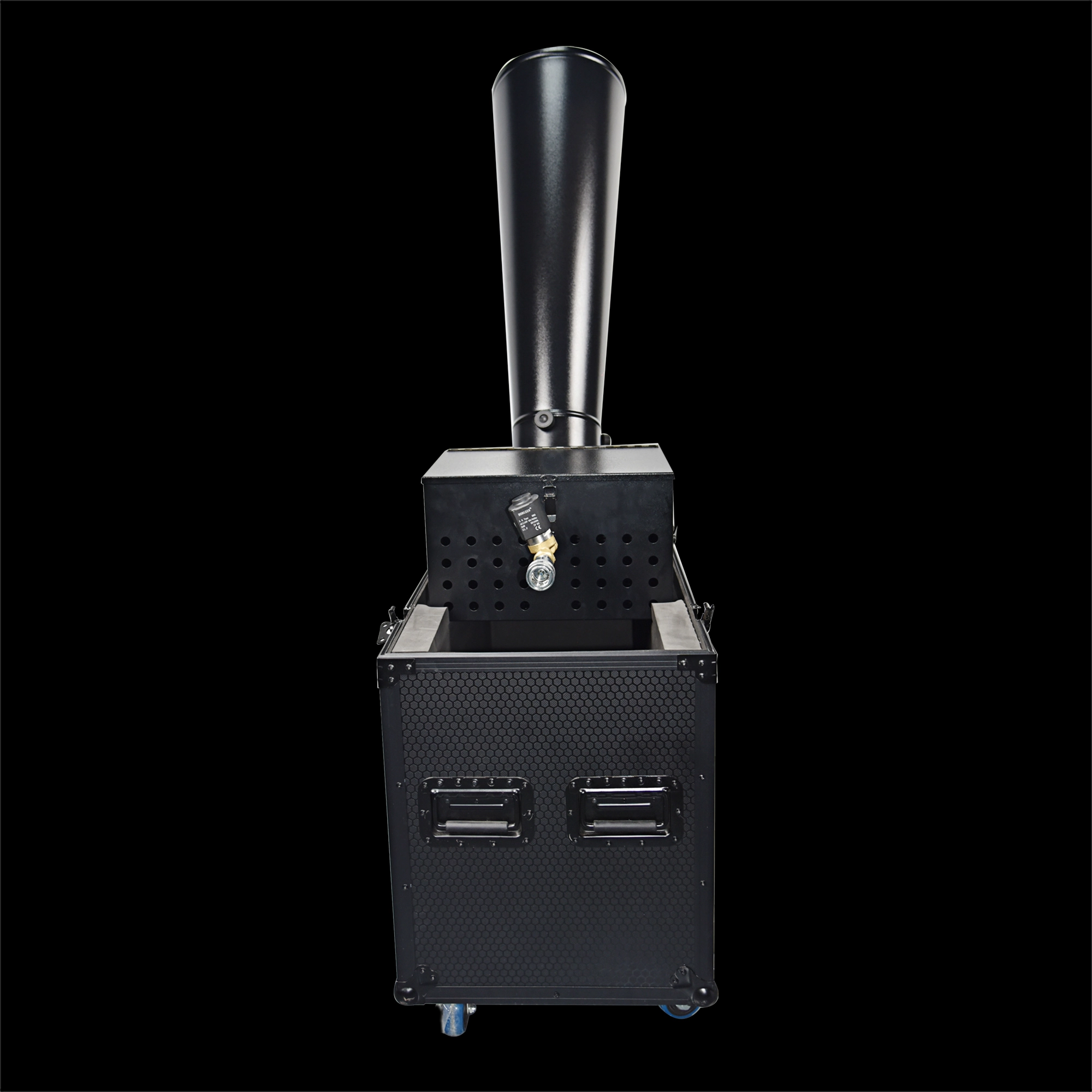
Our product range includes atmospheric and effect machines suitable for touring and fixed installations—spark units, haze generators, CO₂ jets, bubble and snow systems, foam and confetti dispensers, traditional foggers, fire-effect hardware, and dry ice units. Each product line is available with optional digital panels, DMX/Ethernet control modules, and service-friendly access points. Buyers can request datasheets, wiring templates, and maintenance schedules during procurement.
Quality assurance and compliance
We maintain rigorous quality control across manufacturing stages and supply chain verification. Customers receive device-level documentation, test certificates, and operational guidance. Siterui SFX encourages alignment with industry standards and venue safety policies to minimize risk during live operations.
Contact and procurement
For inquiries about configurable atmospheric systems, multi-device synchronized setups, or customized branding and firmware services, contact sales via sales01@strlighting.com or visit https://www.siteruisfx.com/ to review product specifications and request quotations. Our team supports procurement planning, site surveys, and on-site commissioning for global projects.
Frequently Asked Questions
Which control option provides the most reliable synchronization for multiple haze units?
Wired DMX or Ethernet-based network control provides the most reliable synchronization across numerous devices, enabling frame-accurate cues and centralized management for concert tours, theatre productions, and broadcast events.
When is an onboard digital interface preferable to full networked control?
Onboard digital displays and local menus are preferable for fixed installations, rental gear that needs quick reconfiguration, or venues where local technicians need immediate access to diagnostics and device settings without a centralized console.
What are the main maintenance advantages of machines with digital diagnostics?
Digital diagnostics reduce mean time to repair by surfacing error codes, reporting pump and fan states, firmware versions, and fluid-level indicators, which speeds troubleshooting, spare-parts ordering, and preventive maintenance scheduling.
Are there safety or regulatory considerations when deploying atmospheric machines in public venues?
Yes; operators must coordinate with venue safety officers and ensure effects comply with local fire codes and special effects standards. Reference NFPA guidance for pyrotechnics and special effects and follow venue-specific evacuation and smoke-detection policies.
How should buyers balance upfront cost versus lifetime operational expense when selecting control options?
Buyers should assess total cost of ownership: networked, display-equipped units have higher initial costs but lower long-term operational expenses due to reduced setup time, fewer operator hours, and better maintainability; manual devices have lower CapEx but higher OpEx in labor and inconsistent effect quality.

Email: sales01@strlighting.com
WhatsApp: +86 189 2232 4800
© 2025 Siterui SFX All Rights Reserved.
 Scan QR Code
Whatsapp: +8618922324800
siteruisfx_stage_equipment
Siterui
SITERUI-SFX
STRlighting
@siterui.sfx