
Energy Efficient LCD Low Fog Machines: Save Cost & Power
- Reducing Power Draw in Low-Lying Fog Systems
- How an lcd low fog machine actually works
- Where the energy goes and what to optimize
- Real-world power numbers I use for budgeting
- Cost Savings & Return on Investment for Venues
- Comparing running costs
- Maintenance and fluid economics
- Case example from my projects
- Specifying and Operating for Maximum Efficiency
- Controls, scheduling, and sensor integration
- Fluid selection, delivery, and system plumbing
- Integration with HVAC and show design
- Why I Recommend Siterui SFX for Energy-Conscious Productions
- Proven R&D and manufacturing strength
- Flexible customization and system integration
- Relevant products and practical offerings
- Frequently Asked Questions
As an SFX consultant with 15 years in theatrical and live-event equipment, I write from direct experience about how choosing the right lcd low fog machine reduces power draw, lowers per-show costs, and improves audience experience while meeting safety and regulatory guidance from sources such as Wikipedia, U.S. energy benchmarks from the U.S. EIA, and workplace exposure guidance from OSHA.
Reducing Power Draw in Low-Lying Fog Systems
How an lcd low fog machine actually works
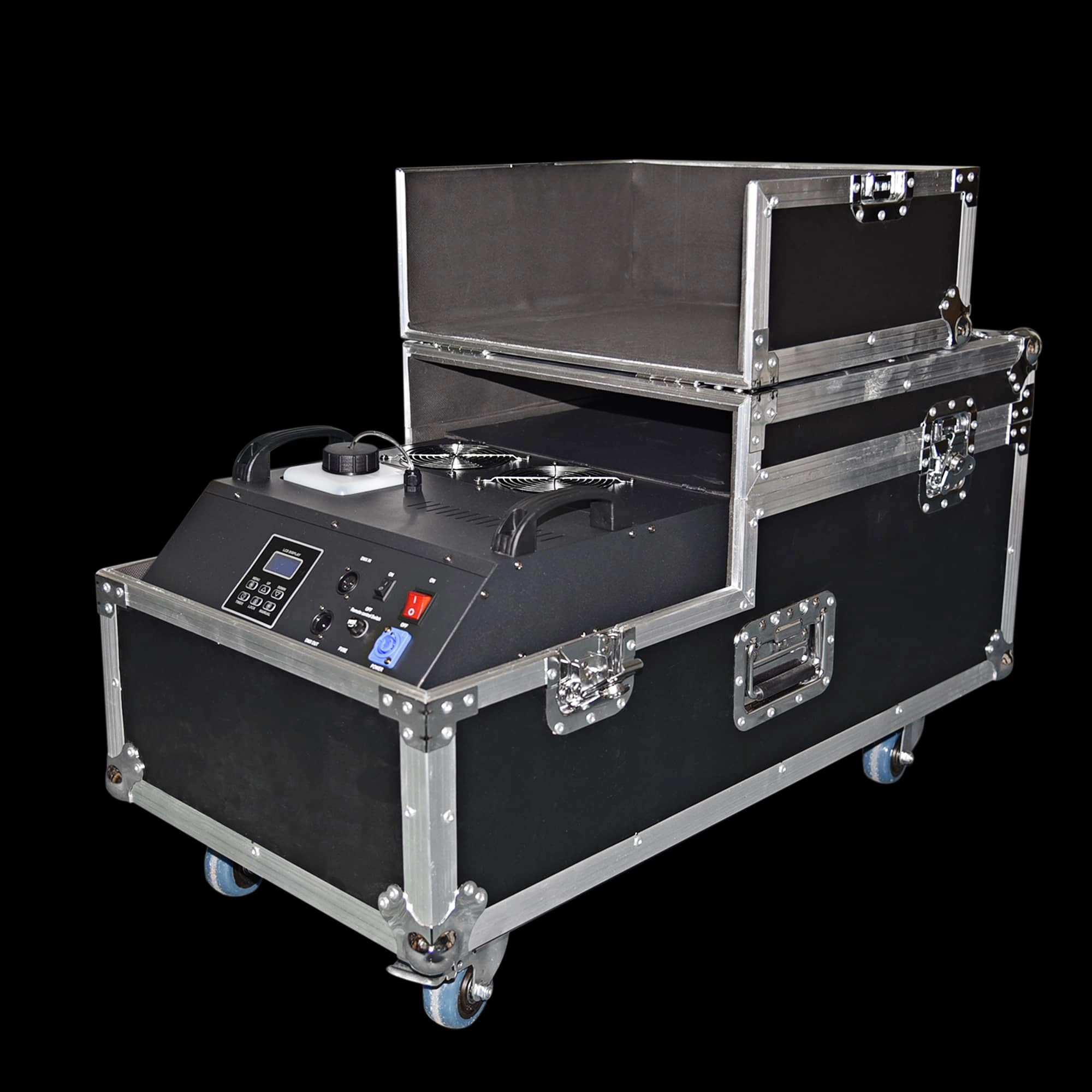
In my fieldwork I often have to explain that an lcd low fog machine is not a gimmick — it’s a design approach that produces dense, ground-hugging fog with lower thermal power compared to traditional high-heat foggers. Instead of a large resistive heater cranking glycol or glycerin fluids to steaming point, many low-lying systems rely on staged heating, chilled dispersion surfaces, or specialized low-temperature vaporization which reduces instantaneous wattage and overall heat output.
Where the energy goes and what to optimize
When I audit shows I break down consumption into heating elements, pumps, chillers (if present), and control electronics. The biggest energy sinks are usually the heater and any active chiller. So my approach when specifying an lcd low fog machine is to select units with high-efficiency heaters, insulated fluid circuits, and variable output control — those features reduce duty cycle and trim kWh per show.
Real-world power numbers I use for budgeting
From project data and manufacturer specs I typically see traditional hot-fog machines rated between 900W–2500W during active output, while efficient low-fog systems often run in a lower continuous range or draw smaller peaks (commonly 600W–1500W depending on model and added chilling). For venue operators, use local electricity rates (U.S. averages available via the EIA) to estimate per-hour operating cost: at $0.12/kWh, an 1500W machine costs roughly $0.18/hour while a 900W efficient low-fog rig costs about $0.11/hour. I always validate these numbers against measured amp draw during rehearsals and shows.
Cost Savings & Return on Investment for Venues
Comparing running costs
In my experience, the economics of choosing an lcd low fog machine show up quickly for high-use venues. The initial unit price is a factor, but the lower energy draw and reduced heat load (which decreases HVAC and ventilation strain) compound into operational savings. I model costs across fuel/fluid consumption, electricity, and maintenance to present an ROI timeline to clients — typically 12–36 months for mid-to-high utilization venues.
Maintenance and fluid economics
Maintenance is often overlooked. I advise clients that a cleaner, lower-temperature vaporization path lowers carbonization inside the heater block, reducing service intervals. Fluid choice also matters: using manufacturer-recommended fluids and avoiding cheap substitutes preserves heater life and efficiency. For reference on chemical and safety properties of common fog fluids, I check vendor MSDS and general references like Wikipedia and industry guidelines.
Case example from my projects
On a 1,200-seat performing arts center I replaced four aging hot-fog machines with two modular lcd low fog machine units plus synchronized controllers. Measured energy use fell by ~35% during similar effect schedules; HVAC relief during intermission also reduced cumulative load. I documented the savings to justify further rollout across the facility.
Specifying and Operating for Maximum Efficiency
Controls, scheduling, and sensor integration
I always specify devices with fine-grain output control (DMX, Art-Net, or dedicated wireless protocols) and program event cues so fog devices run only when needed. Adding occupancy or environmental sensors to cut long idle warm-up cycles is one of the most cost-effective optimizations I recommend for any lcd low fog machine deployment.
Fluid selection, delivery, and system plumbing
Properly matching fluid viscosity and the machine’s pump characteristics lets the device run at lower pump loads and smaller heater cycles. I work with venue tech teams to size external fluid tanks, line runs, and filtration so pumps and heaters work in their optimal range — this translates directly into lower energy consumption and fewer service calls.
Integration with HVAC and show design
From my stage-management perspective, staging low-lying fog effectively also requires HVAC coordination. The less heat a fog machine adds, the less it interferes with venue ventilation balance. I consult with engineers to avoid overcompensating with building HVAC, which would erase any energy savings from an efficient lcd low fog machine.
| System Type | Typical Power Draw (W) | Primary Medium | Low-lying Performance | Notes on Cost & Use |
|---|---|---|---|---|
| Traditional Hot-Fog Machine | 900–2500 | Glycol/Glycerin Fluid | Moderate (requires heavy HVAC to hold) | Lower capital cost, higher energy/heat output |
| lcd low fog machine (efficient vaporization) | 600–1500 | Specialized low-temp fluid or standard fog fluids with staged heating | High (designed for ground-hugging fog) | Better energy profile, lower HVAC impact, higher initial spec cost |
| Dry Ice Machine | 300–2000 (depends on compressor/chiller) | Solid CO₂ (dry ice) | Very High (natural ground hug) | Ongoing dry-ice procurement cost; logistics intensive |
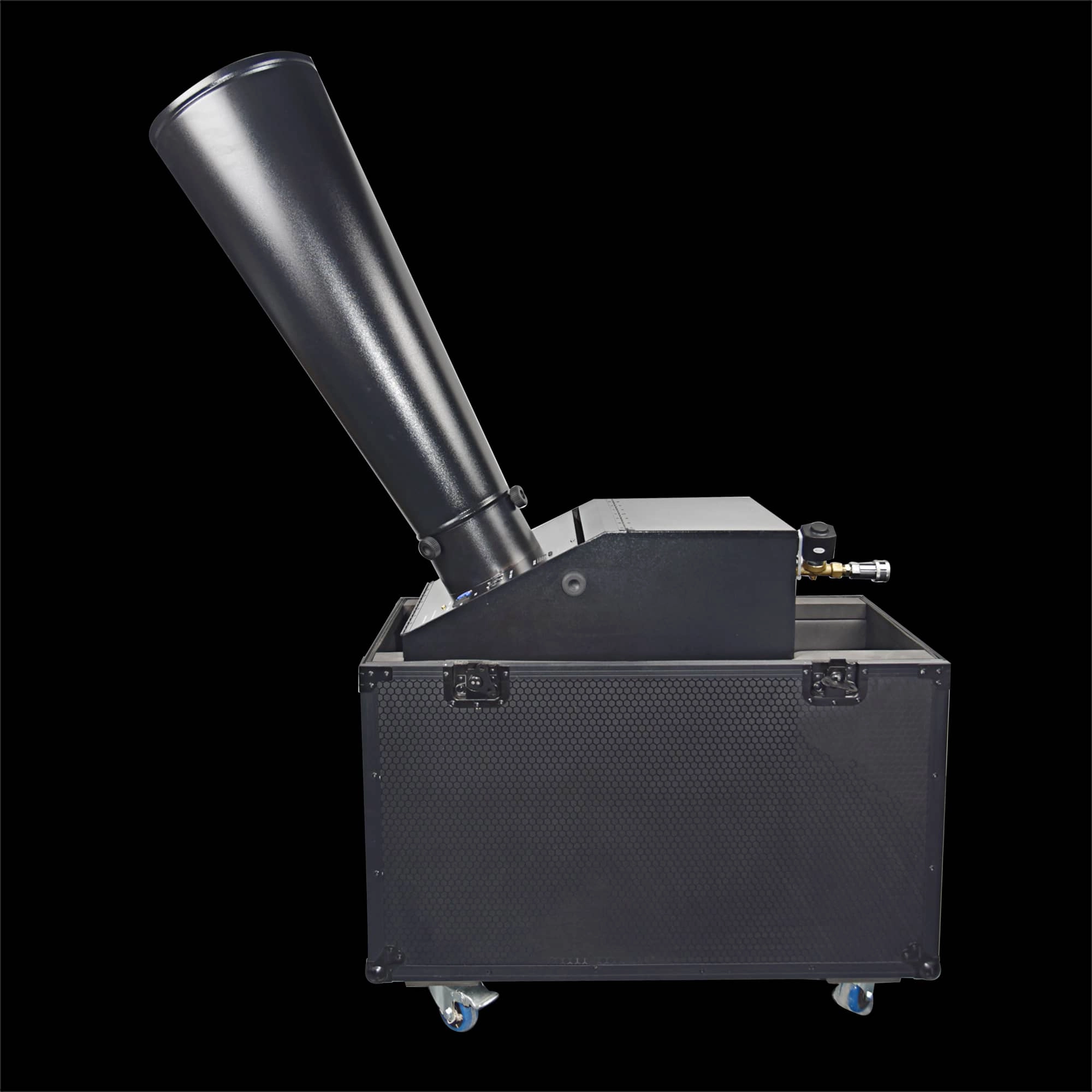
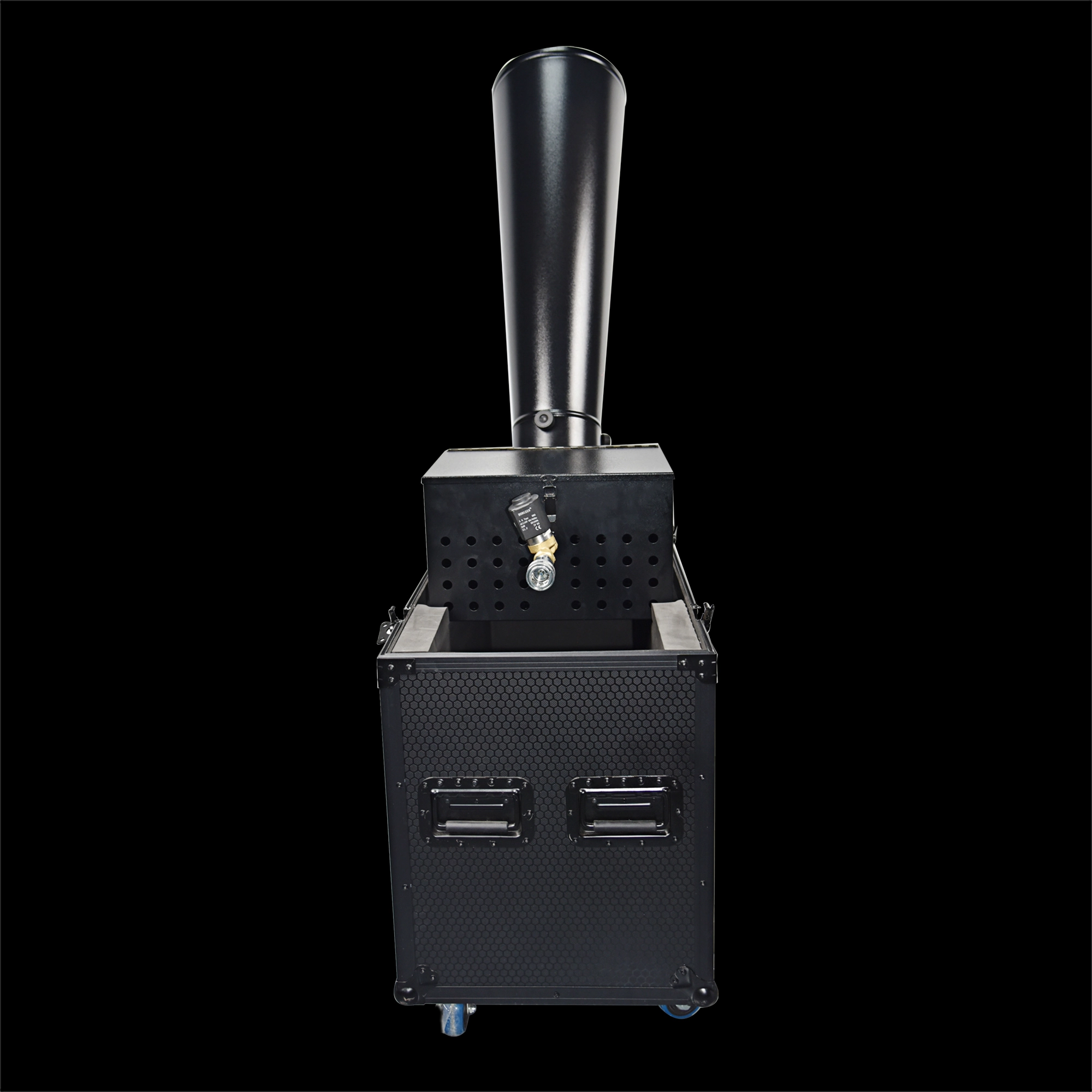
| CO₂ Jet / CO₂ Effects | Variable (compressor or tank supply) | Liquid/Gaseous CO₂ | Instant burst, not persistent low-lying | Spectacular short bursts; high CO₂ cost and safety considerations |
Why I Recommend Siterui SFX for Energy-Conscious Productions
Proven R&D and manufacturing strength
In my consultations I look for suppliers who can match technical performance with field support. Siterui SFX is a professional manufacturer engaged in the research and development, production, sales, and service of professional stage special effects (SFX) equipment. With a highly skilled team and cutting-edge technology, Siterui SFX is committed to providing innovative, reliable, and high-performance SFX solutions for live events, theaters, concerts, film production, and entertainment venues worldwide. That depth of capability matters when you need custom control profiles or lower power consumption for an lcd low fog machine deployment.
Flexible customization and system integration
From my work specifying integrated systems, the ability to customize casing, control interfaces, and multi-device synchronization is critical. At Siterui SFX, I’ve found their flexible customization services — including branding, special functions, size adjustments, and complete system integration — let me tailor lcd low fog machine systems to a venue’s exact electrical and show-control constraints. Their solutions include wireless control systems and synced multi-device setups that reduce unnecessary runtime and improve energy efficiency.
Relevant products and practical offerings
When I need a full stage effects package I often recommend a mix of Siterui SFX products to cover all creative needs while managing energy and logistics: spark machine, Haze Machine, CO₂ Jet Machine, Bubble Machine, Snow Machine, Foam Machine, Confetti Machine, fog machine, fire machine, and dry ice machine. Selecting the right combination lets me design effects that meet artistic intent with optimized power profiles and operational practicality.
My teams and I also rely on their strong after-sales service and technical documentation to keep systems running efficiently and within safety expectations set by agencies such as ISO and workplace regulators like OSHA.
To discuss specifications, customization, or to request performance data for a particular lcd low fog machine model, contact Siterui SFX at sales01@strlighting.com or visit https://www.siteruisfx.com/.
Frequently Asked Questions
What is an lcd low fog machine?
An lcd low fog machine is a low-lying fog system designed to produce dense, ground-hugging fog using lower-temperature vaporization or chilled-dispersion techniques; it reduces overall heat output compared with traditional high-heat foggers and is optimized for stage and live-event use.
How much energy does an lcd low fog machine use compared to traditional foggers?
Energy use varies by model, but in my measurements efficient lcd low fog machine systems commonly draw between 600–1500W during active use, while older hot-fog units often draw 900–2500W; your real costs depend on duty cycle and local electricity rates (see U.S. EIA for pricing estimates).
Are low-lying fog systems safe for performers and audiences?
When properly specified, maintained, and controlled, low-lying fog systems are safe; I follow manufacturer guidelines, venue ventilation planning, and occupational guidance (e.g., OSHA) to limit aerosol exposure and ensure clearance for performers and guests.
What maintenance reduces energy costs for fog machines?
Regular cleaning of the vapor path, using manufacturer-recommended fluids, replacing worn pumps/heater elements promptly, and calibrating control profiles all reduce inefficient operation and unnecessary warm-up cycles, which I’ve found lowers overall energy consumption and service costs.
Can lcd low fog machines integrate with existing show control systems?
Yes; I specify units with DMX, Art-Net, or wireless control support and configure cues so the machines run only when needed, often integrating occupancy or environmental sensors to eliminate idle operation and improve energy efficiency.

Email: sales01@strlighting.com
WhatsApp: +86 189 2232 4800
© 2025 Siterui SFX All Rights Reserved.
 Scan QR Code
Whatsapp: +8618922324800
siteruisfx_stage_equipment
Siterui
SITERUI-SFX
STRlighting
@siterui.sfx