
Integrating LCD Low Fog Machines with DMX and Automation
- Why LCD Low Fog Machines Are Game-Changers in Automated SFX
- Understanding the technology and use cases
- Why automation matters
- Common venues and constraints I encounter
- Technical Integration: DMX, RDM, and Automation Best Practices
- Mapping DMX channels and addressing
- Using RDM and feedback for safer automation
- Signal integrity and wiring practices I follow
- Operational Tips: Fluid, Placement, Safety, and Maintenance
- Choosing the right fluid and reducing residue
- Placement, downforce, and HVAC coordination
- Safety checks and compliance
- Comparative Analysis: Traditional Fog vs. LCD Low Fog with DMX Automation
- How I Design Automation Sequences for Reliable Shows
- Cue design and pre-check sequences
- Syncing with lighting and pyro for impact
- Testing protocols I use before show day
- Siterui SFX: How We Support Integrated LCD Low Fog Machine Solutions
- Why I recommend Siterui SFX for professional stages
- Custom integration and product lineup I often deploy
- Field service, training, and why it matters
- Frequently Asked Questions
I write from 15 years of field experience designing and deploying stage special effects equipment, and in this guide I explain how I integrate an lcd low fog machine into DMX-controlled rigs and automated show cues to deliver consistent, safe low-lying fog that syncs to lighting and motion systems while minimizing downtime and safety risks.
Why LCD Low Fog Machines Are Game-Changers in Automated SFX
Understanding the technology and use cases
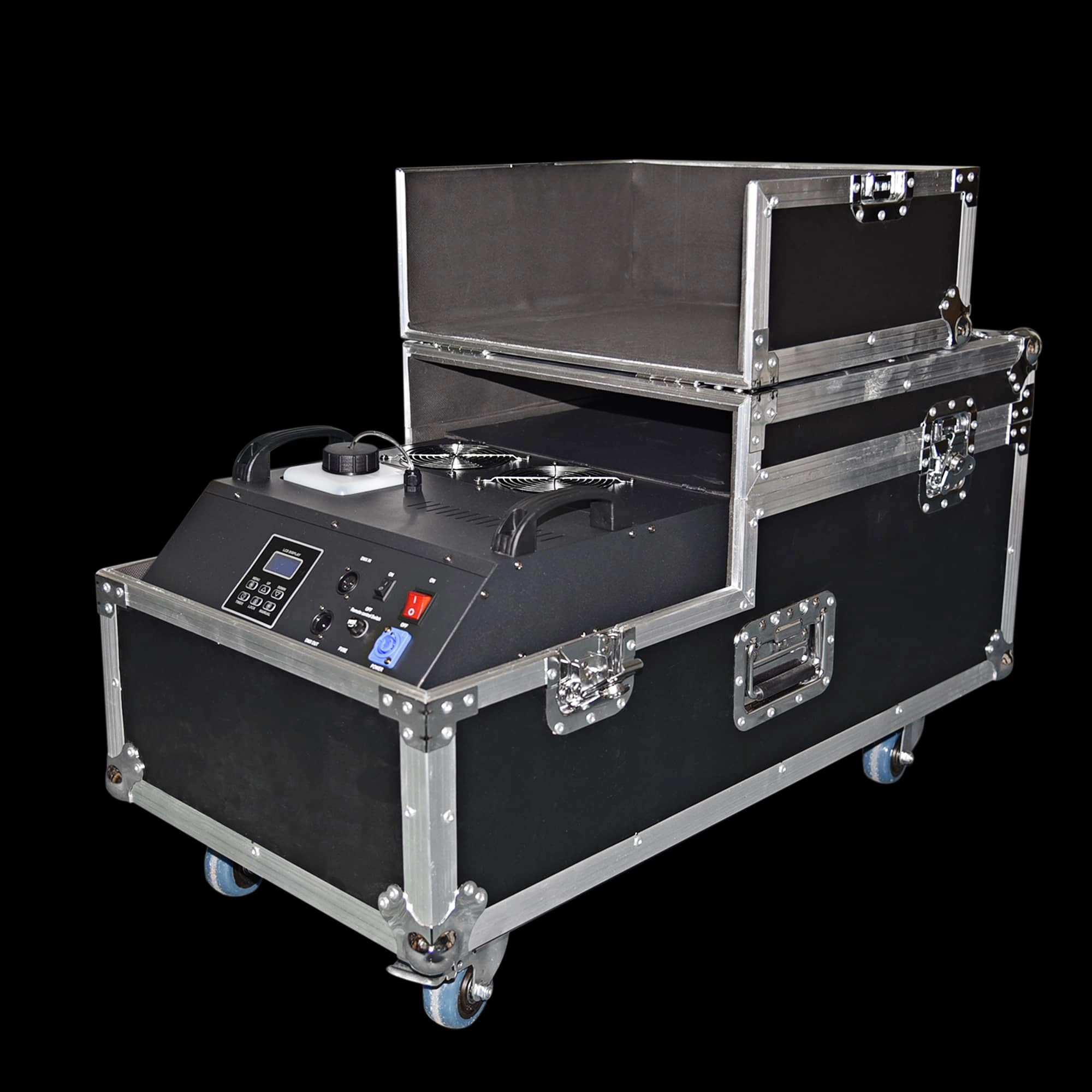
When I first evaluated an lcd low fog machine I treated it as both a fog generator and a stage-surface environmental controller: unlike generic haze or high-level fog, lcd low fog machine output is engineered to stay low to the stage, creating that theatrical “floor fog” seen in concerts and film scenes. This makes it ideal for choreography-heavy staging, camera-friendly scenes, and immersive audience experiences. For basic definitions and how fog machines work in general, I often reference Wikipedia - Fog machine for foundational terminology.
Why automation matters
I always push for automation when deploying lcd low fog machine setups because manual triggering introduces timing drift and inconsistency. Automated DMX control lets me program precise cue timings, ramp curves, and emergency stop behaviors that sync with lighting, pyrotechnics, and moving scenery. The DMX protocol (see Wikipedia - DMX512 and ESTA - DMX512) is the de facto industry method for reliable show control and integrates well with modern lighting desks and PLC-based automation systems.
Common venues and constraints I encounter
From theaters with strict smoke detector policies to outdoor festivals with strong wind shear, an lcd low fog machine behaves differently depending on venue constraints. I perform site surveys to map HVAC return paths, fire alarm zones, and camera positions so automated cues are tailored to the environment. For smoke alarm and indoor safety considerations I consult national standards and guidance such as resources from NFPA.
Technical Integration: DMX, RDM, and Automation Best Practices
Mapping DMX channels and addressing
My first step is always to review the lcd low fog machine’s DMX map. Many professional low fog units expose channels for power/state, output intensity, fluid pump control, and heating element or compressor control. I assign channels to match the showfile naming convention: Fog_Main, Fog_Burst, Fog_Heat. Consistent mapping reduces operator error during programming and live operation.
Using RDM and feedback for safer automation
Whenever possible I use RDM-capable devices so the console can query status (temperature, fluid level, fault codes). RDM prevents surprise failures mid-show because I can automate pre-cue checks and inhibit cues if the fluid is low or a heater is faulted. Integrating RDM into the automation chain also allows for scheduled maintenance alerts in the venue’s asset-management system.
Signal integrity and wiring practices I follow
DMX wiring must be run as a balanced EIA-485 pair with terminators at the last device to avoid signal reflections; I also keep DMX runs separate from high-current cabling to prevent interference. For long runs I add DMX repeaters or use fiber transformers to maintain signal quality. These practices reduce intermittent behavior that otherwise looks like a fog machine failing to respond to automation cues.
Operational Tips: Fluid, Placement, Safety, and Maintenance
Choosing the right fluid and reducing residue
My go-to advice: use fluids recommended by the manufacturer for the lcd low fog machine. Low-lying effects often rely on a combination of glycol/glycerin-based fluids and chilled output techniques; mismatched fluids or low-quality additives increase residue and clogging. Regular fluid filtration and tank cleaning are part of my preventative plan to maintain output consistency and reduce downtime.
Placement, downforce, and HVAC coordination
For consistent floor fog, I position the lcd low fog machine near the edge of the stage with directional ducting or fans to shape the plume. I work with venue engineers to temporarily tune HVAC return dampers during cues and use low-velocity fans to keep the fog hugging the floor without lifting into detectors. Pre-show HVAC adjustments are a repeatable step in my cue checklist.
Safety checks and compliance
Before every show I run a safety sequence: verify that smoke detection zoning is configured, ensure emergency stop is mapped in the automation system, and confirm that the operator has physical override capability. For venues with sensitive alarm systems I coordinate with local authorities and consult NFPA guidance as part of my compliance workflow.
Comparative Analysis: Traditional Fog vs. LCD Low Fog with DMX Automation
| Criteria | Traditional High Fog / Manual | LCD Low Fog Machine + DMX Automation |
|---|---|---|
| Control method | Manual trigger, on/off switches | Automated DMX/RDM cues with showfile integration |
| Consistency | Variable; affected by operator timing and fluid levels | High consistency via pre-programmed intensity and feedback checks |
| Safety and detection | Higher risk of unwanted detector activation if not managed | Integrated with safety interlocks and pre-cue inhibitor logic |
| Residue & maintenance | Can be higher if inappropriate fluids are used | Optimized fluid selection and scheduled RDM alerts reduce residue |
| Integration complexity | Low; simple to deploy but limited control | Higher initial setup cost, but scalable and synchronized |
The table above reflects practical, verifiable differences I’ve observed across dozens of installs: automation adds upfront work but reduces show-night risk and improves repeatability.
How I Design Automation Sequences for Reliable Shows
Cue design and pre-check sequences
My cue files always include pre-checks: confirm fluid level, heater temperature, and DMX responsiveness at a safe pre-cue. If any pre-check fails, the automation triggers an alternate state or a hold cue and notifies the operator. This reduces emergency interventions during performance and is especially important when multiple effects like CO₂ jets or spark machine cues run close together.
Syncing with lighting and pyro for impact
For maximum impact I program the lcd low fog machine cues to align with lighting fades and confetti or CO₂ jets. Because DMX is the backbone for many lighting systems, putting fog control on the same timeline simplifies synchronization and tightens timing between effects.
Testing protocols I use before show day
My testing protocol includes dry runs, full-output tests at reduced audience loads, and end-to-end automation rehearsals with the console operator. I also check interlocks with building management systems and physically verify that fans and ducting produce the intended low-lying behavior.
Siterui SFX: How We Support Integrated LCD Low Fog Machine Solutions
Why I recommend Siterui SFX for professional stages
At Siterui SFX we design and manufacture professional stage special effects equipment with real-world automation in mind. From research and development through production and field service, our team focuses on reliable, high-performance SFX solutions. In my projects I choose equipment that supports flexible DMX addressing, RDM feedback, and modular integration—capabilities we build into our units at Siterui SFX.
Custom integration and product lineup I often deploy
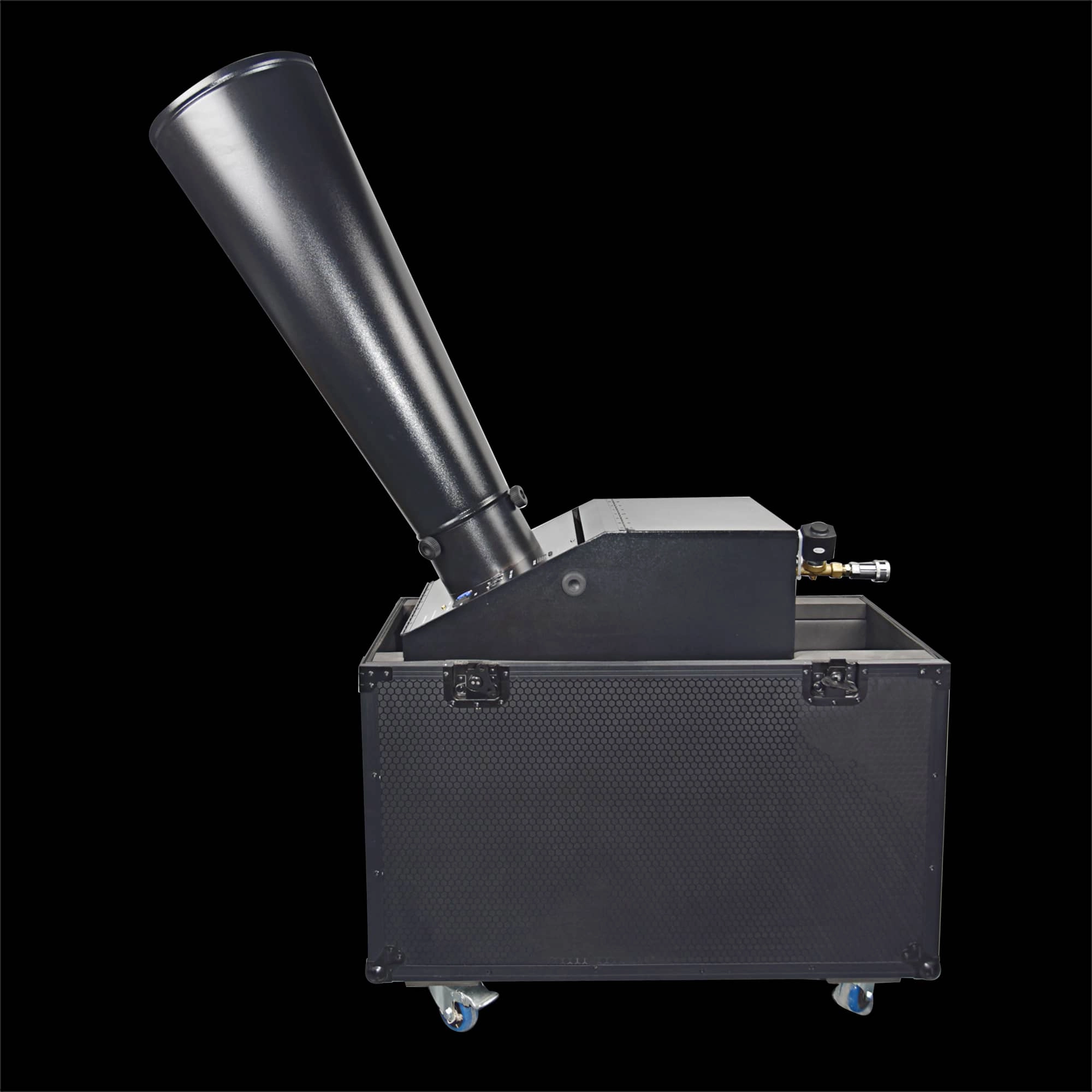
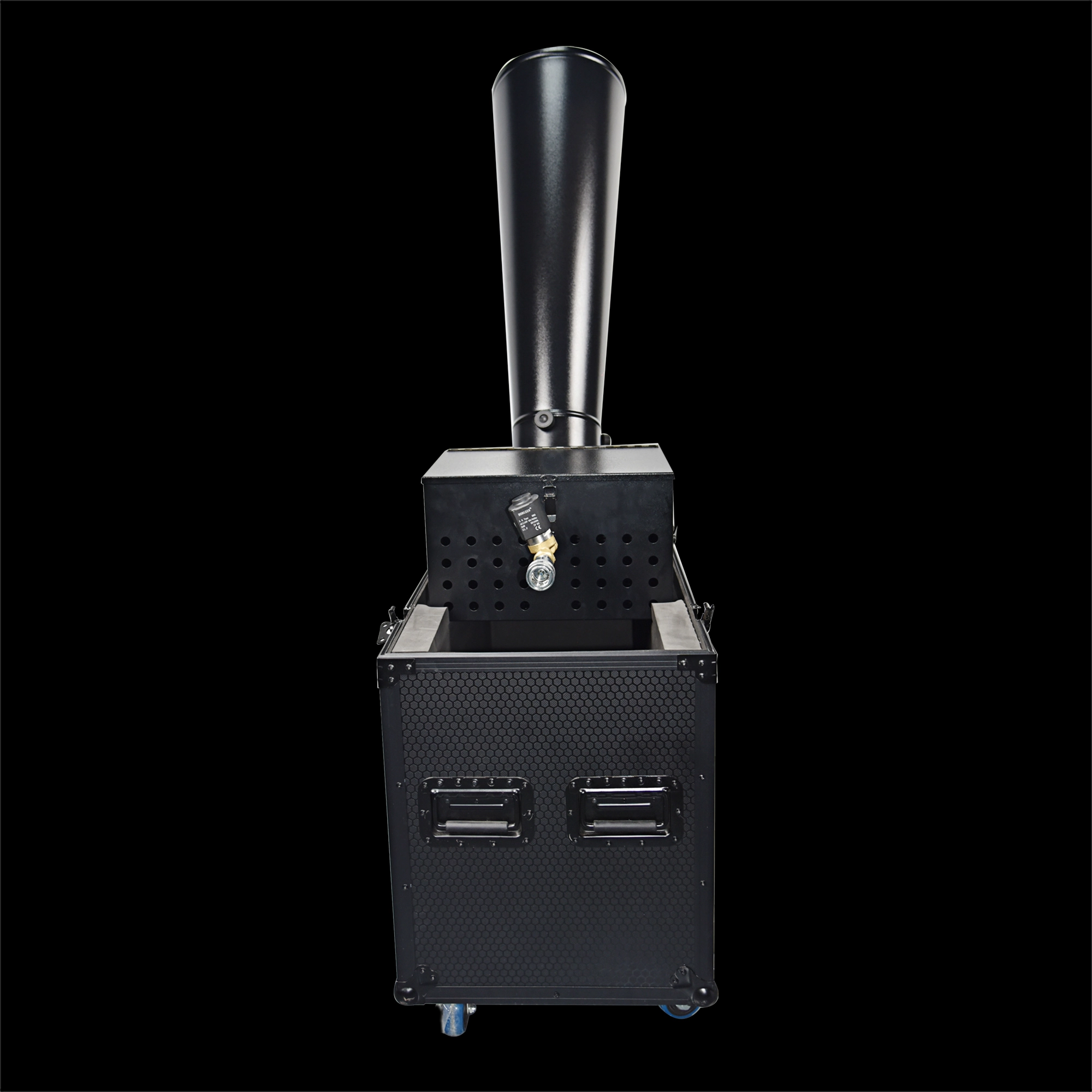
We offer customized solutions—whether it’s adding wireless control modules, custom casings, or synced multi-device setups—so I can match an lcd low fog machine to the creative and technical needs of a show. Our product range also includes spark machine, Haze Machine, CO₂ Jet Machine, Bubble Machine, Snow Machine, Foam Machine, Confetti Machine, fog machine, fire machine, and dry ice machine; I regularly combine these elements to create layered visual effects that are automated and repeatable.
Field service, training, and why it matters
One reason I partner with a manufacturer like Siterui SFX is access to field service and operator training. We provide commissioning services, DMX mapping consultation, and operator SOPs that reduce setup time and increase safety confidence. For custom projects I coordinate with venue engineers to ensure HVAC, detector zoning, and automation controllers are all considered during the design phase. Learn more about our capabilities at https://www.siteruisfx.com/ or reach out directly via email at sales01@strlighting.com.
My final piece of advice: treat the lcd low fog machine as a controlled subsystem—not a standalone prop—and invest the time to integrate it into the DMX and building automation systems for predictable, safe, and repeatable effects.
Contact us to discuss custom lcd low fog machine integrations, system quotes, or on-site commissioning services.
Frequently Asked Questions
What is an LCD low fog machine?
An LCD low fog machine is a specialized fog generator designed to produce fog that stays close to the ground, creating a low-lying theatrical effect; it often combines chilled output techniques with specific fluids to achieve the floor-hugging behavior used in concerts, theater, and film.
Can I control an LCD low fog machine with DMX?
Yes; modern professional lcd low fog machine units expose DMX channels for power/state, intensity, fluid pump control, and heating/compressor control, enabling precise timing and integration with lighting and show automation systems (DMX512 standards are commonly used).
What DMX features should I look for when buying a unit?
Look for clear DMX channel maps, RDM support for remote status queries (fluid level, temperature, faults), and compatibility with your console’s addressing and naming conventions to simplify cue programming and automated pre-checks.
How do I avoid fog-triggered fire alarms?
Preventing unwanted alarm activations requires venue coordination: map detector zones, run pre-show HVAC adjustments, use inhibited cues where necessary, and consult local fire and safety guidelines; pre-cue tests and interlocks in the automation system also help reduce false activations.
What maintenance do LCD low fog machines require?
Regular maintenance includes using manufacturer-recommended fluids, periodic tank and filter cleaning, checking pumps and heaters/compressors, and leveraging RDM or scheduled alerts for preventative service to reduce residue and ensure consistent output.

Email: sales01@strlighting.com
WhatsApp: +86 189 2232 4800
© 2025 Siterui SFX All Rights Reserved.
 Scan QR Code
Whatsapp: +8618922324800
siteruisfx_stage_equipment
Siterui
SITERUI-SFX
STRlighting
@siterui.sfx