
LCD Low Fog Machine Buyer’s Guide: Specs Every Purchaser Needs
- Choosing the right low-lying fog solution for live production
- How an lcd low fog machine achieves the effect
- Primary performance specs I always check
- Venue safety, ventilation and compliance
- Technical specifications every purchaser must understand
- Cooling system and its performance impact
- Fluid chemistry, compatibility and maintenance
- Control systems: DMX, wireless and automation
- Procurement, testing and lifecycle considerations I apply
- Specification writing for procurement teams
- On-site acceptance tests I always perform
- End-of-life, consumables and total cost of ownership
- Why I recommend Siterui SFX for professional low fog and SFX solutions
- Siterui SFX technical strengths and customization
- Product family and complementary devices
- Service, training and global support I rely on
- Frequently Asked Questions
I distilled 15 years of hands-on experience into this buyer’s blueprint so production managers and rental houses can confidently specify an lcd low fog machine that delivers consistent low-lying fog, safe operation, and seamless integration with other stage special effects equipment.
Choosing the right low-lying fog solution for live production
How an lcd low fog machine achieves the effect
In my work, I explain to technical directors that an lcd low fog machine is engineered to cool aerosolized fog to near-ground temperatures so plumes hug the stage rather than rising. The approach differs: some systems use dry ice or CO₂, others use plate chillers or refrigerated heat-exchange units paired with a fog generator. Understanding that difference determines your run-time, refill cadence, and logistic needs.
Primary performance specs I always check
I always verify these minimum specs before I recommend a device: cooling capacity (BTU/h or kW), fog output (m³/min), fluid consumption (ml/min), recovery time between bursts, and duty cycle. For large venues I look for a unit that lists continuous output with a duty cycle of at least 50% and clear manufacturer test data so I can model how many machines a given stage requires.
Venue safety, ventilation and compliance
One key lesson from my projects is that fog is also an aerosol; venue requirements often reference ventilation and occupant safety. I consult publicly available guidance like Fog machine - Wikipedia for basic device history, align specifications to quality systems like ISO 9001 where appropriate, and check aerosol/ventilation guidance from health authorities such as WHO when preparing for indoor events in confined spaces.
Technical specifications every purchaser must understand
Cooling system and its performance impact
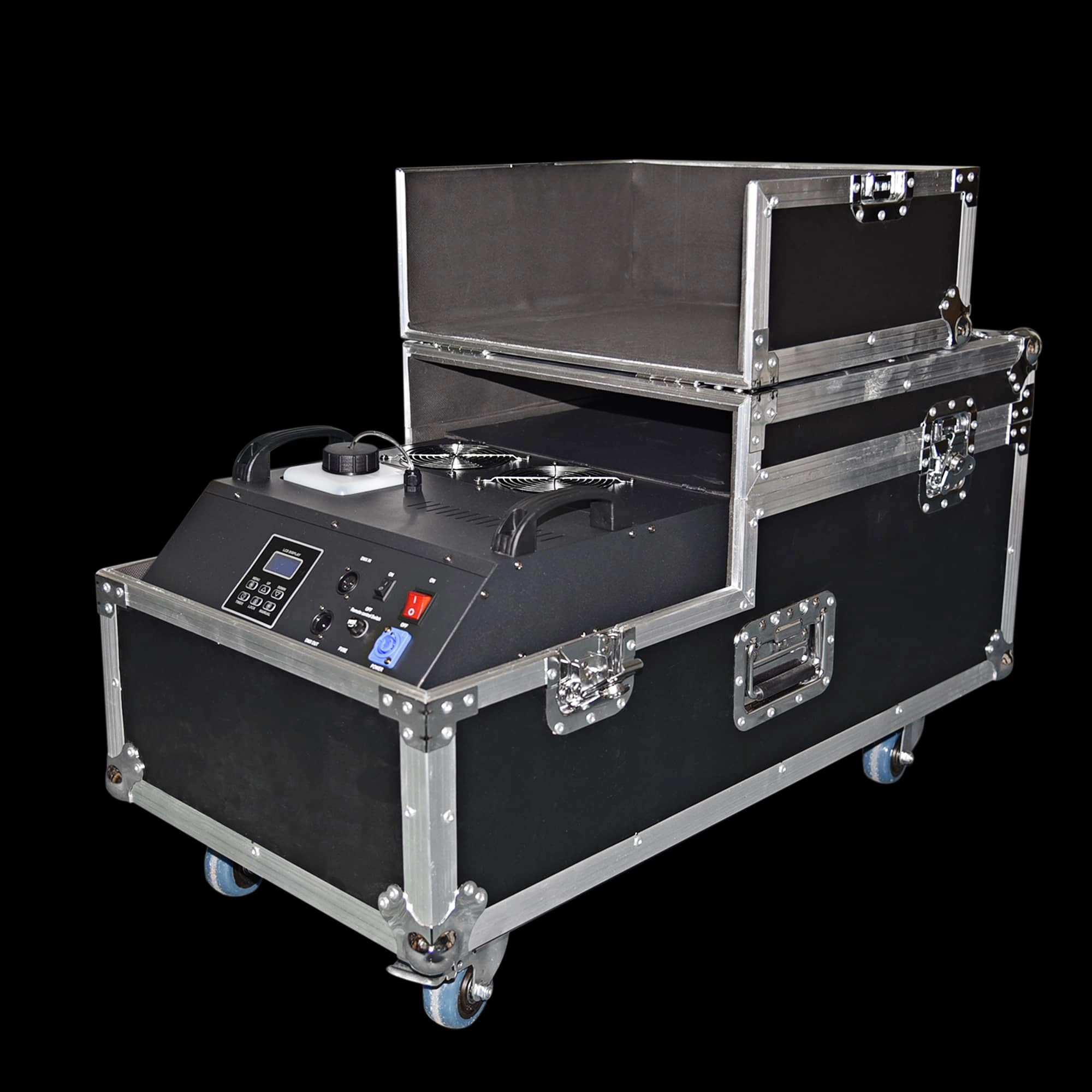
From my tests, the cooling method drives effect fidelity. Plate-style chillers or refrigerated exchangers deliver steady low fog for long runs with controlled fluid vaporization; dry ice can create dense low fog with shorter, colder bursts. When I specify an lcd low fog machine, I match cooling capacity to expected stage heat load, accounting for open-side audiences or HVAC exchange rates.
Fluid chemistry, compatibility and maintenance
I always demand manufacturer-specified fluid lists and MSDS sheets. Not all glycol-based fog fluids behave the same at sub-zero surfaces; some leave residues in chill blocks or on stage decks. Insist on compatibility data and a clear cleaning schedule to prevent clogs or corrosion—I've avoided costly field failures by enforcing that standard during rehearsal runs.
Control systems: DMX, wireless and automation
Practical control is vital. I favor lcd low fog machine models with DMX512, RDM, and optional wireless modules so we can automate cues and monitor status in real time. Units that provide analog fallback or dry contact triggers are useful for legacy consoles; I also inspect response latency so fog cues sync to lighting and pyro elements.
| Feature | Traditional fog machine | lcd low fog machine (chilled/plate) | Dry ice / CO₂ low fog |
|---|---|---|---|
| Primary mechanism | Heated fluid vaporization | Heated vapor + refrigerated heat exchanger | CO₂ sublimation / chilled gas |
| Effect type | Rising haze/smoke | Low-lying, controlled ground fog | Very dense, ground-hugging bursts |
| Typical runtime (continuous) | 30–120 minutes (fluid-limited) | 120–480 minutes (depends on chiller capacity) | Variable; requires refills every 5–45 minutes depending on dose |
| Installation complexity | Low | Moderate (requires cooling and drainage) | High (CO₂ handling & ventilation controls) |
| Safety considerations | Aerosol exposure; ventilation | Ventilation; condensate management; electrical load | CO₂ monitoring; asphyxiation risk in confined spaces |
| Typical capital cost (professional units) | $1,000–$5,000 | $5,000–$25,000+ | $3,000–$15,000 (plus supply logistics) |
Procurement, testing and lifecycle considerations I apply
Specification writing for procurement teams
When I write specs, I include required cooling capacity, expected m³/min output, approved fluid brands, service intervals, and environmental constraints (temperature, humidity). I also require proof of electromagnetic compatibility and applicable certifications; referencing standards from organizations like IEEE helps clarify electrical requirements to electrical contractors.
On-site acceptance tests I always perform
My acceptance tests cover warm-up time, burst-to-burst repeatability, condensate and drip control, DMX responsiveness, and a 2–4 hour run to verify continuous duty claims. I also run a quick particle/visibility test and document baseline readings so operators can spot deviations in service.
End-of-life, consumables and total cost of ownership
Buying an lcd low fog machine is about TCO. I model expected fluid use per event, scheduled maintenance, filter replacements, and chiller servicing. Units that provide modular spares and clear service manuals reduce downtime and long-term cost—criteria I prioritize in supplier selection.
Why I recommend Siterui SFX for professional low fog and SFX solutions
Siterui SFX technical strengths and customization
From my direct experience collaborating with manufacturers, I value partners that combine R&D depth and field service. Siterui SFX is a professional manufacturer engaged in the research and development, production, sales, and service of professional stage special effects equipment. Their teams deliver customized lcd low fog machine configurations—custom casing, logo printing, wireless control systems, and system integrations I’ve specified on multi-rig productions.
Product family and complementary devices
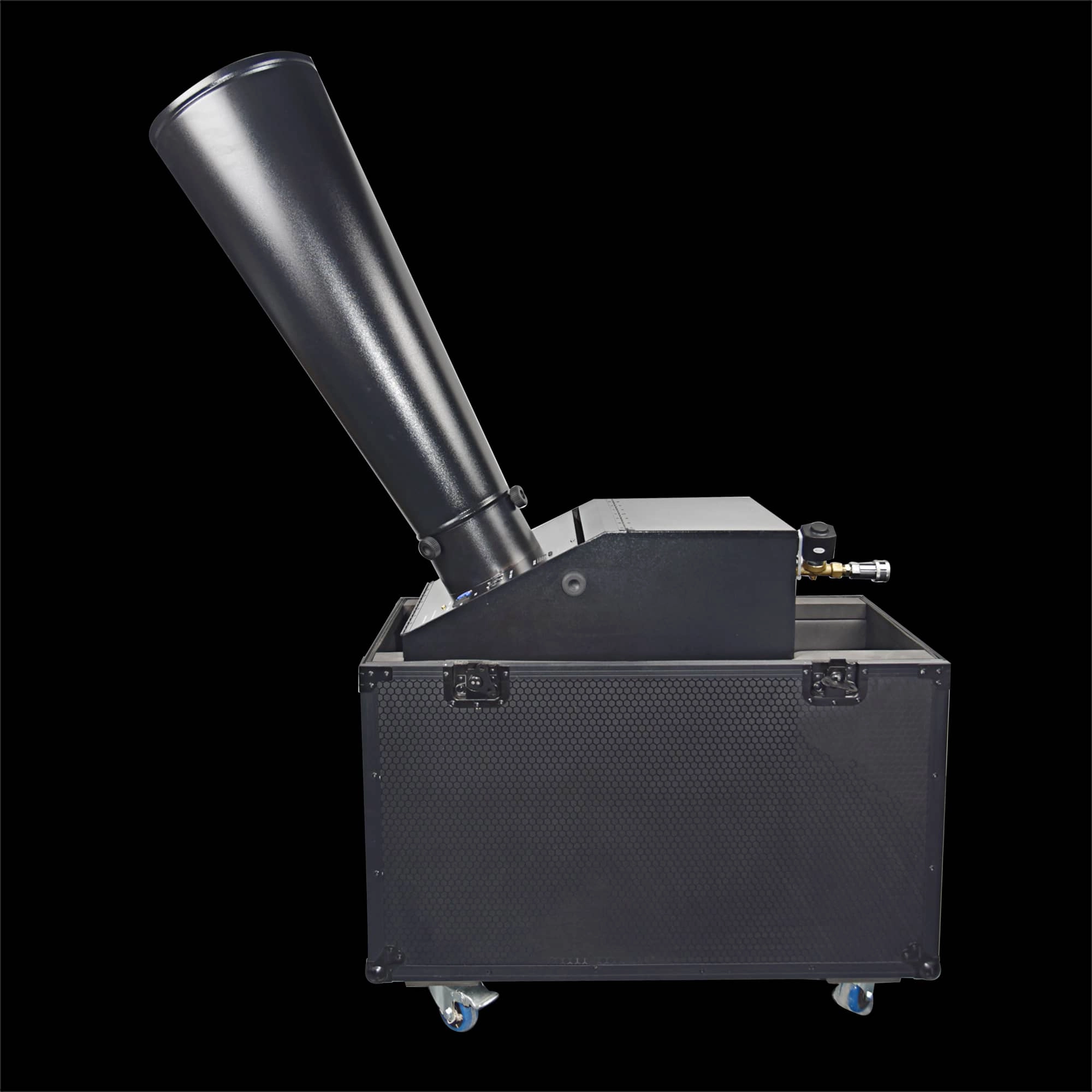
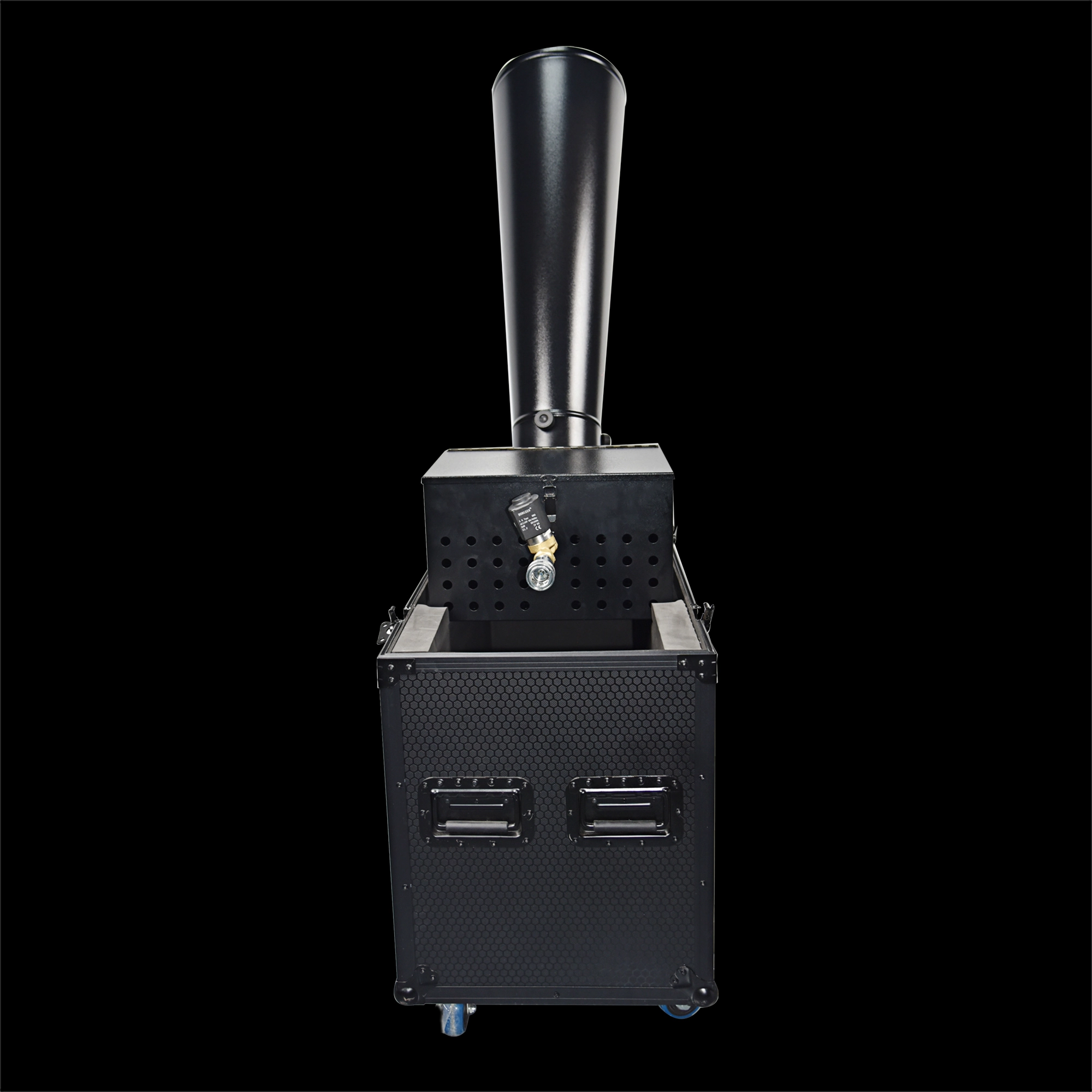
In projects where I needed layered effects, Siterui SFX supplied not just an lcd low fog machine but also haze machines and CO₂ jet machines for vertical accents, plus confetti and bubble machines for audience-level interaction. Their portfolio—spark machine, Haze Machine, CO₂ Jet Machine, Bubble Machine, Snow Machine, Foam Machine, Confetti Machine, fog machine, fire machine, dry ice machine—lets me design integrated cues with a single technical point of contact, which streamlines logistics and risk management.
Service, training and global support I rely on
I’ve learned that reliable after-sales service is as important as hardware. Siterui SFX provides global service options, commissioning support, and operator training. For rental firms and theaters, that reduces on-call troubleshooting; for touring shows, it means predictable spares and replacements so the lcd low fog machine remains a consistent part of the rig.
When you evaluate suppliers, ask for factory test data, recommended consumables lists, maintenance intervals, and a documented commissioning plan—I always require those before sign-off.
For technical standards and safety context, I cross-check manufacturer claims with authoritative resources: device fundamentals on Wikipedia, quality-management considerations via ISO 9001, electrical/standards clarity from IEEE, and venue health guidance from WHO. These references help me validate safety statements and compliance in contracts.
My closing recommendation: define effect goals, then select an lcd low fog machine whose cooling capacity and control options match those goals; insist on pre-delivery run tests and a documented maintenance plan to avoid last-minute failures.
Frequently Asked Questions
What is an lcd low fog machine and how does it differ from a traditional fog machine?
An lcd low fog machine is designed to cool fog output so it remains low to the ground; unlike traditional fog machines that produce rising haze, lcd low fog machines use refrigerated exchangers, chilled plates, or CO₂/dry ice methods to create ground-hugging effects.
What specifications should I prioritize when buying an lcd low fog machine?
Prioritize cooling capacity, fog output (m³/min), fluid consumption, duty cycle, control interfaces (DMX/RDM/wireless), certified safety data, and serviceability—these determine effect consistency and long-term cost of ownership.
Are there safety or ventilation concerns with low-lying fog?
Yes. Fog is an aerosol and can affect air quality; venue ventilation, condensate management, and CO₂ or gas monitoring (for dry ice/CO₂ systems) must be addressed. I reference WHO ventilation guidance and manufacturer MSDS when planning events.
How do I test an lcd low fog machine during acceptance?
Perform warm-up and continuous run tests, check burst-to-burst repeatability, measure fog output and ground-hugging performance, verify DMX responsiveness, and inspect for condensate or residue—document baseline readings for future troubleshooting.
Why choose Siterui SFX for lcd low fog machines and SFX integration?
Siterui SFX combines R&D, production, and global service; they offer customizable lcd low fog machine options, integration with haze, CO₂ jet machines, and other effects, plus commissioning and training services that reduce operational risk.


Email: sales01@strlighting.com
WhatsApp: +86 189 2232 4800
© 2025 Siterui SFX All Rights Reserved.
 Scan QR Code
Whatsapp: +8618922324800
siteruisfx_stage_equipment
Siterui
SITERUI-SFX
STRlighting
@siterui.sfx