
Maintenance Checklist for SFX Oil Based Smoke Machines
Comprehensive, procurement-focused maintenance guidance for oil-fueled theatrical smoke systems: a practical checklist covering daily pre-show checks, scheduled preventive servicing, parts replacement intervals, ventilation and air-quality controls, troubleshooting workflows, and compliance references to NFPA, OSHA, ISO, and industry literature. This resource targets facility managers, production buyers, rental houses, and technical directors seeking to minimize downtime, extend equipment lifespan, and ensure venue safety while optimizing total cost of ownership for professional stage special effects equipment.
- Operational Integrity Checklist for Oil-Fired Fog Generators
- Pre‑Event Visual and Mechanical Inspection
- Fluid Quality, Metering and Dispensing Controls
- Electrical Safety and Remote Control Verification
- Scheduled Preventive Service Procedures
- Heating Block, Nozzle and Atomizer Maintenance
- Pump, Tubing and Reservoir Lifecycle Management
- Filtration, Fans and Ventilation System Checks
- Failure Modes, Safety Compliance and Troubleshooting Protocols
- Common Fault Signatures and Rapid Repairs
- Indoor Air Quality, Exposure Limits and Ventilation Requirements
- Regulatory Documentation, Certification and Quality Management
- Procurement and Lifecycle Management Considerations
- Total Cost of Ownership and Spare Parts Strategy
- Vendor Due Diligence and Test Acceptance Criteria
- Training, Documentation and Operator Certification
- Why choose Siterui SFX for professional oil-fog systems
- Manufacturing Excellence and R&D Capabilities
- Customization, Integration and Global Service
- Product Portfolio and Complementary Effects
- Customer Support and Compliance Assistance
- Frequently Asked Questions
- How often should heating elements and nozzles be cleaned on professional oil-fueled aerosol generators?
- What type of fluid is recommended for long service life and low residue?
- What ventilation rates are required to maintain safe aerosol exposure for performers and audiences?
- Which consumable parts should be stocked as critical spares for touring productions?
- Does purchasing a service plan from the manufacturer reduce operational risk?
Comprehensive, procurement-focused maintenance guidance for oil-fueled theatrical smoke systems: a practical checklist covering daily pre-show checks, scheduled preventive servicing, parts replacement intervals, ventilation and air-quality controls, troubleshooting workflows, and compliance references to NFPA, OSHA, ISO, and industry literature. This resource targets facility managers, production buyers, rental houses, and technical directors seeking to minimize downtime, extend equipment lifespan, and ensure venue safety while optimizing total cost of ownership for professional stage special effects equipment.
Operational Integrity Checklist for Oil-Fired Fog Generators
Pre‑Event Visual and Mechanical Inspection
Prior to each use, operators should perform a standard visual audit: verify external casing and mounting hardware, inspect electrical cords for abrasion or heat damage, confirm cooling vents are unobstructed, and check that control interfaces respond correctly. Confirm that fluid reservoirs are sealed and that there are no leaks at fittings or tubing junctions. Document any anomalies in a pre-show log to support traceability and root-cause analysis for repeat faults.
Fluid Quality, Metering and Dispensing Controls
Use only manufacturer-approved hydrocarbon or glycol-based fluids that match the system’s pump and heater specifications. Check fluid clarity and smell for contamination; cloudy or discolored fluids often indicate microbial growth or cross-contamination and require replacement. Verify pump metering rates and ensure delivery tubing is free from kinks. For systems with mass-flow controllers, confirm calibration within the recommended tolerance to prevent over-delivery and residue buildup.
Electrical Safety and Remote Control Verification
Test grounding continuity and RCD/GFCI protective devices before activation. Validate remote and DMX/Art-Net control channels, including interlocks tied to venue systems (e.g., fire and HVAC). Confirm that emergency stop functions cut power to heating elements and pumps immediately. Maintaining an electrical safety checklist reduces fire risk and accelerates troubleshooting during load variations.
Scheduled Preventive Service Procedures
Heating Block, Nozzle and Atomizer Maintenance
Every 100–300 operating hours (manufacturer-specific), disassemble the vaporizing elements for cleaning. Carbonized residue and oil polymerization can constrict nozzles and reduce aerosolization efficiency. Use recommended cleaning solvents and follow torque specs on reassembly to avoid warping heating blocks. Replace gaskets and high-temperature seals during this interval to preserve thermal performance.
Pump, Tubing and Reservoir Lifecycle Management
Pump diaphragms and peristaltic tubing are wear items; schedule replacement based on runtime and fluid chemistry. For rental and touring rigs, consider swapping tubing every 6–12 months or sooner under heavy usage. Maintain a parts log to track serial numbers, replacement dates, and batch information for fluids to expedite warranty claims and quality audits.
Filtration, Fans and Ventilation System Checks
Clean or replace inline filters and fan guards every 250 hours or per venue environmental conditions. Restricted airflow accelerates heater stress and increases deposit formation inside the vapor path. Coordinate smoke generator maintenance with venue HVAC technicians to confirm exhaust capture rates meet the desired haze dispersion while keeping occupant exposure below recommended thresholds referenced by health authorities.
Failure Modes, Safety Compliance and Troubleshooting Protocols
Common Fault Signatures and Rapid Repairs
Typical failure modes include clogged nozzles (reduced output), pump cavitation (intermittent delivery), heater element failure (no aerosol production), and control board faults (erratic behavior). Implement an escalation matrix: Level 1 — on-site swap of consumables and fuses; Level 2 — module replacement from spare inventory; Level 3 — factory-level diagnostics. Maintain a stocked spare-parts kit tailored to device family to reduce mean time to repair (MTTR).
Indoor Air Quality, Exposure Limits and Ventilation Requirements
Operators must manage aerosol concentrations and ventilation to minimize respiratory exposure for performers and audience members. Consult workplace exposure guidance and venue ventilation standards to determine acceptable dilution rates. Refer to employer guidance on airborne contaminants from OSHA Indoor Air Quality and general aerosol information on Fog machine - Wikipedia for baseline considerations when developing venue-specific control plans.
Regulatory Documentation, Certification and Quality Management
Keep records of electrical safety tests, consumable batch numbers, service intervals, and calibration certificates to simplify regulatory inspections and insurance audits. Adopting a certified quality management program (for example, ISO 9001 principles) helps standardize servicing and supplier selection; see ISO 9001 Quality Management for implementation best practices. For flame and pyrotechnic adjacency, review standards listed by NFPA 160 to ensure coordinated safety procedures.
| Maintenance Approach | Recommended Frequency | Typical Tasks | Operational Impact |
|---|---|---|---|
| Routine Preventive Service | Daily checks; major service every 100–300 hrs | Inspect seals, clean nozzles, replace tubing, test controls | Low unexpected downtime; predictable service windows |
| Condition-Based Monitoring | Runtime & sensor-triggered | Replace parts when threshold reached; monitor pump currents | Optimized inventory; moderate planning required |
| Reactive Repair | As failures occur | Emergency part swaps, full-module replacement | High downtime; increased replacement costs |
Procurement and Lifecycle Management Considerations
Total Cost of Ownership and Spare Parts Strategy
Buyers should evaluate long-term costs beyond initial purchase: consumable fluid pricing, spare-part availability, recommended service intervals, and expected MTBF data from suppliers. Negotiate service-level agreements (SLAs) that include expedited parts shipping and technical support. Maintaining a tiered spare parts inventory (critical spares, consumables, backup modules) reduces production risk for touring acts and fixed venues alike.
Vendor Due Diligence and Test Acceptance Criteria
Require factory acceptance tests (FAT) with performance curves, electrical safety certificates, and third-party test reports where available. Include acceptance criteria for aerosol particle size distribution, output rates at defined pump settings, and electrical load under continuous operation. Verify that the supplier has a documented quality management system and returns policy for defective cores or control modules.
Training, Documentation and Operator Certification
Include formal operator training as part of procurement. Training should cover preventative maintenance tasks, emergency shutdown procedures, and chemical handling for fluids. Maintain up-to-date technical manuals and logs at the instrument, and require vendors to provide service bulletins for firmware or hardware updates.
Why choose Siterui SFX for professional oil-fog systems
Manufacturing Excellence and R&D Capabilities
Siterui SFX is a professional manufacturer engaged in the research and development, production, sales, and service of professional stage special effects equipment. Our engineering team applies rigorous testing protocols and continuous improvement processes to component selection, thermal management, and control firmware. This approach reduces field failures and shortens diagnostic cycles for enterprise clients.
Customization, Integration and Global Service
Our team offers flexible customization services to meet specific project requirements—branding, special functions, size adjustments, and full system integration are standard options. From custom casing and logo printing to wireless control systems and synchronized multi-device setups, we work closely with buyers to design solutions that align with production workflows and venue constraints. Global service networks and spare-parts programs support rental houses and touring production schedules.
Product Portfolio and Complementary Effects
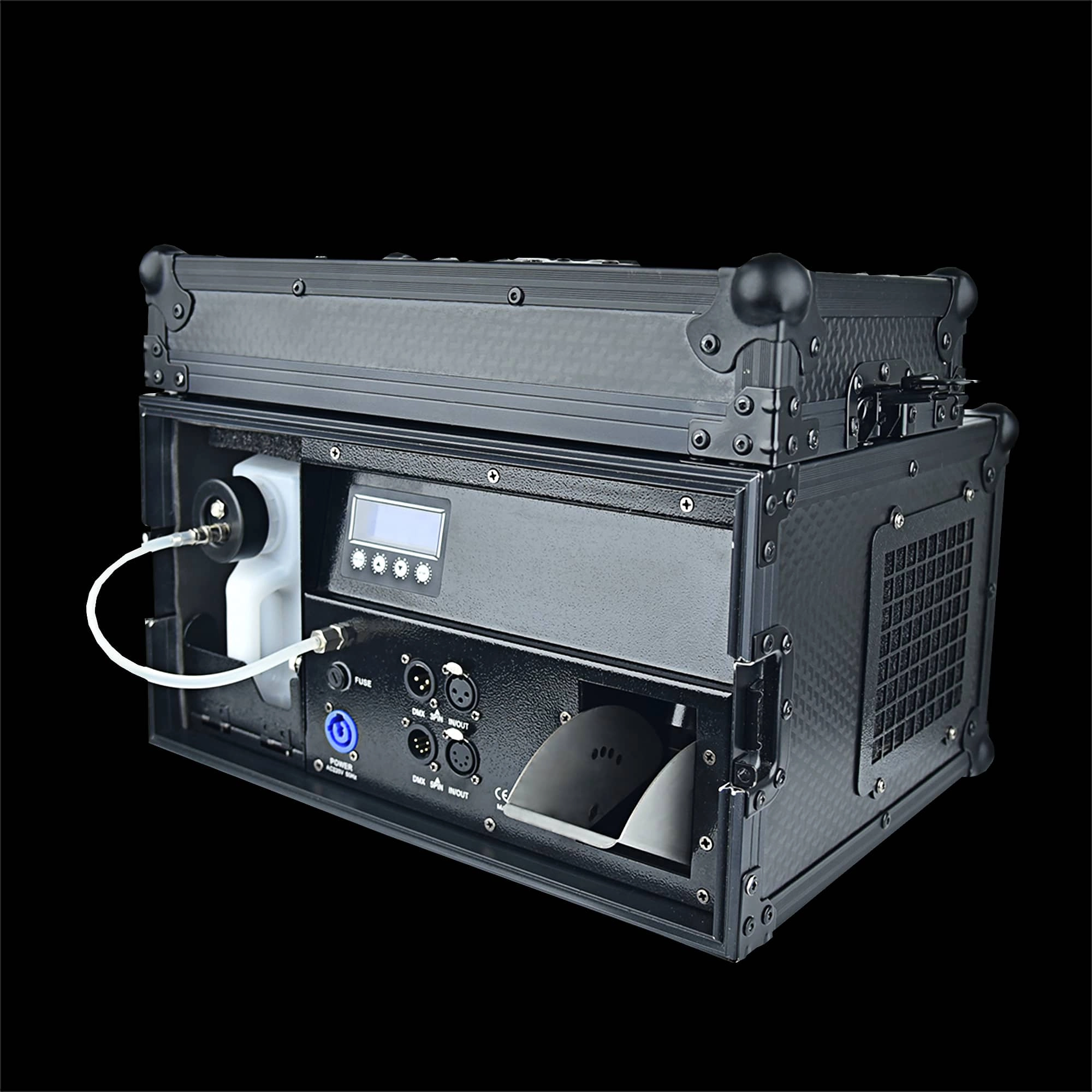
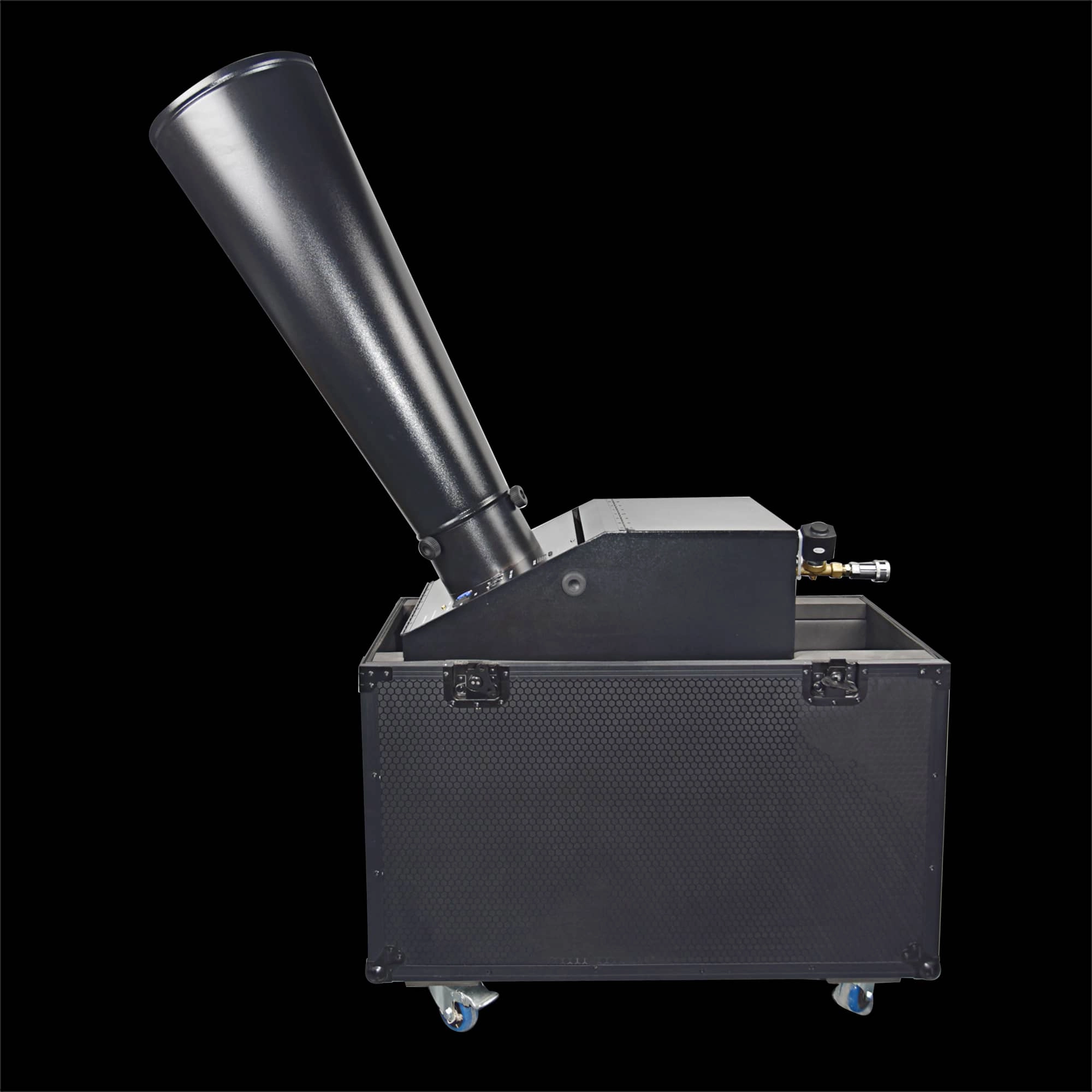
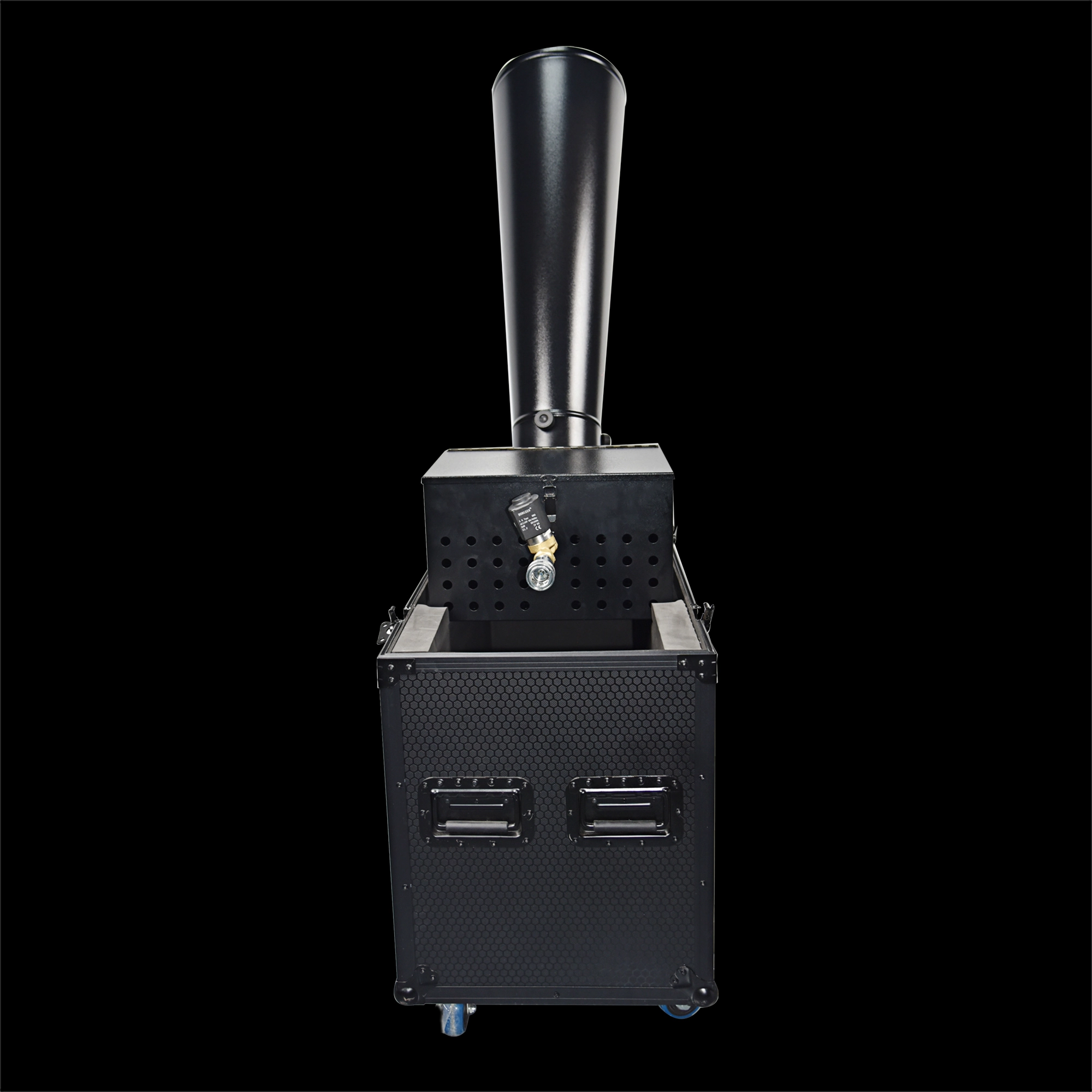
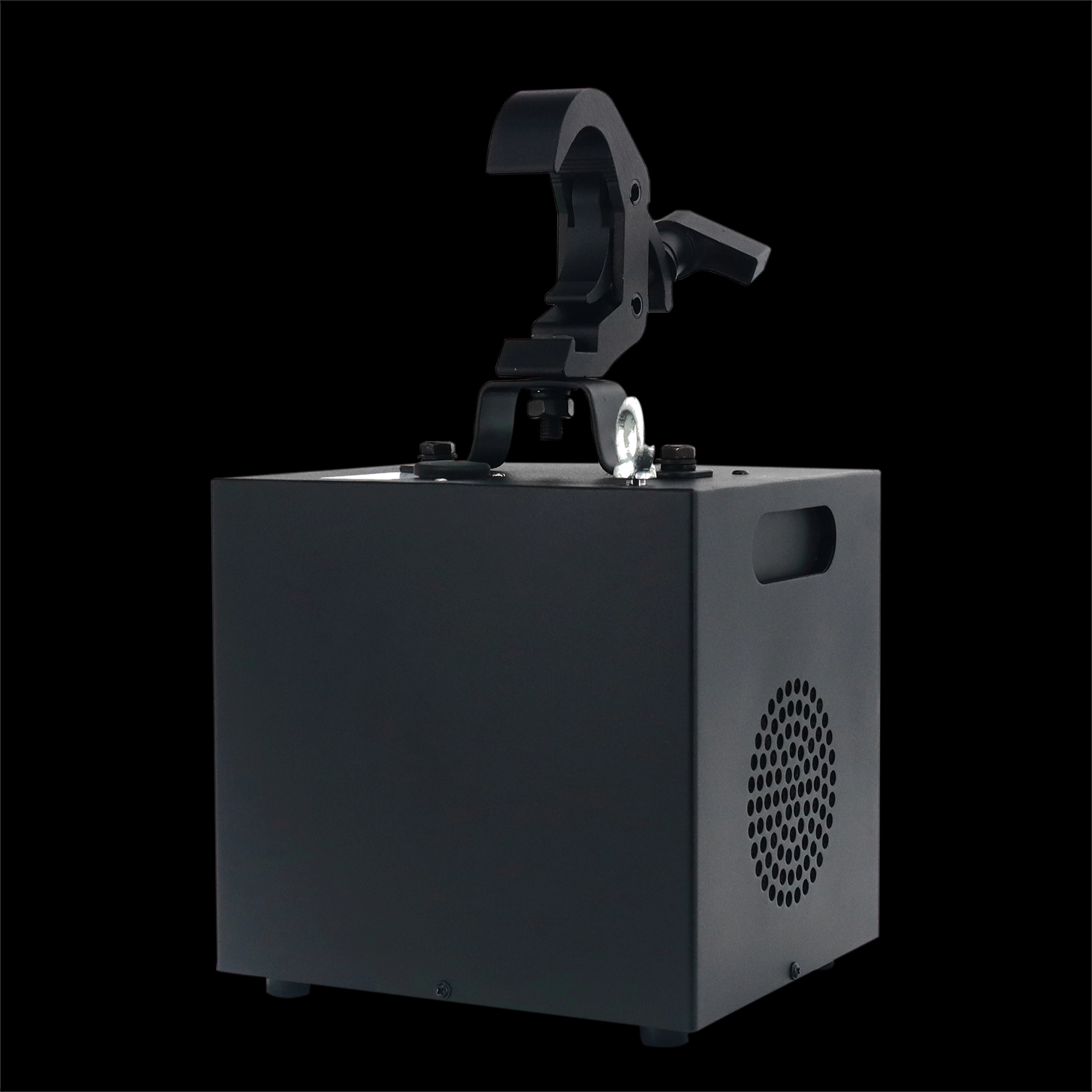
We supply a full suite of professional devices that complement oil-based haze technology, including spark systems, theatrical haze generators, CO₂ jet units, bubble and snow machines, foam and confetti systems, fog and cryogenic dry ice devices, and flame-effect modules. This product breadth simplifies procurement, reduces integration friction, and enables bundled service contracts to protect performance across the show lifecycle.
Customer Support and Compliance Assistance
We provide pre-sale technical consultation, on-site commissioning, and post-sale maintenance planning. Our documentation includes service schedules, parts lists, and safety data sheets for all recommended consumables. For clients requiring certification and compliance records, we assist with test reports and alignment to venue safety standards, helping procurement teams satisfy stakeholders, insurers, and regulatory bodies.
Frequently Asked Questions
How often should heating elements and nozzles be cleaned on professional oil-fueled aerosol generators?
Cleaning frequency depends on runtime and fluid chemistry; a typical service cadence is every 100–300 operating hours, with visual inspections performed daily to identify early signs of residue or flow restriction.
What type of fluid is recommended for long service life and low residue?
Use fluids specified by the device manufacturer that match pump and heater materials; High Quality, low-residue hydrocarbon or mineral-oil blends designed for theatrical use reduce polymerization and extend component life. Avoid improvised or unknown fluids to prevent warranty voids and accelerated wear.
What ventilation rates are required to maintain safe aerosol exposure for performers and audiences?
Ventilation requirements depend on venue volume, occupancy, and aerosol density; consult venue HVAC engineers and refer to workplace air guidance from OSHA and public health resources to set dilution targets appropriate to the event and local regulations.
Which consumable parts should be stocked as critical spares for touring productions?
Critical spares typically include pump modules, peristaltic tubing kits, heater elements, control fuses, nozzle assemblies, and replacement gaskets; suppliers should provide a recommended spare-parts list tailored to the model and expected runtime.
Does purchasing a service plan from the manufacturer reduce operational risk?
Yes. Manufacturer-backed service plans that include scheduled preventive maintenance, priority parts shipping, and technical support reduce downtime, simplify budgeting, and often extend warranty coverage—resulting in lower total cost of ownership over the equipment lifecycle.
Contact Siterui SFX to discuss tailored maintenance programs, product specifications, or to request a service quotation—visit https://www.siteruisfx.com/ or email sales01@strlighting.com.

Email: sales01@strlighting.com
WhatsApp: +86 189 2232 4800
© 2025 Siterui SFX All Rights Reserved.
 Scan QR Code
Whatsapp: +8618922324800
siteruisfx_stage_equipment
Siterui
SITERUI-SFX
STRlighting
@siterui.sfx