
Safety and Compliance for SFX Haze Machines with Displays
- Operational Safety Standards for Haze Generators with User Interfaces
- Relevant regulatory frameworks and certifications
- Air quality, particle size, and exposure limits
- Fire detection, smoke alarms and venue interoperability
- Selecting Control Interfaces and Readouts for Performance Hazers
- Types of operator displays and control ergonomics
- Networked control: DMX/RDM, OSC and IP-based protocols
- Access control, user levels and audit trails
- Maintenance, Testing, and Venue Compliance for Atmospheric Effects
- Routine inspection checklists for display-equipped devices
- Fluid management, storage, and SDS handling
- Incident reporting, data retention and testing regimes
- Procurement Checklist and Risk Mitigation for Buyers
- Specification alignment: metrics to request
- Warranty, service-level agreements and spare parts
- Training, documentation and operator certification
- Why Choose a Manufacturer with Engineering and Compliance Expertise
- Manufacturing controls and test procedures
- Siterui SFX: design, customization, and compliance support
- Product portfolio and deployment support
- Integration services and project collaboration
- Frequently Asked Questions
High-precision operational and compliance guidance for atmospheric effect devices equipped with electronic readouts and user interfaces, providing buyers and facility operators with a procedural framework for meeting workplace safety rules, electrical and emission standards, and venue fire-code requirements; links to authoritative standards such as OSHA, ISO, IEC, and NFPA are embedded for direct reference to regulatory text and best-practice guidance.
Operational Safety Standards for Haze Generators with User Interfaces
Relevant regulatory frameworks and certifications
Buyers and venue safety officers should require devices to comply with recognized conformity schemes for electrical and EMC safety (for example IEC/EN standards) and quality management systems such as ISO 9001 where applicable. Confirm evidence of CE marking for European operations and UL/ETL listings for North American deployments when electrical safety certification is required. Refer to ISO and IEC for technical standardization and to OSHA for workplace protection expectations.
Air quality, particle size, and exposure limits
Haze generation technologies vary in aerosol particle profile and carrier fluid chemistry. Procurement specifications should request independent particle-size distribution data and Safety Data Sheets (SDS) for any fog/haze fluid. Occupational exposure guidance and venue HVAC coordination are essential to ensure concentrations remain below local indoor air quality limits; engineers should account for venue volume and air-exchange rates when approving device placement.
Fire detection, smoke alarms and venue interoperability
Integration planning must address interaction with automatic fire detection systems. Dense plumes from older fog systems can nuisance-trigger alarms; modern low-output hazers and units with intelligent real-time output control—especially those with operator readouts—reduce false positives. Work with venue fire marshals and consult NFPA guidance on flame and smoke effects for permitting requirements.
Selecting Control Interfaces and Readouts for Performance Hazers
Types of operator displays and control ergonomics
Digital readouts range from LED numeric panels to full-color touchscreen interfaces. For production teams, a clear, tamper-resistant panel and lockable menu options prevent accidental parameter changes during runs. Evaluations should favor displays that show real-time fluid level, output percentage, pump status, and error codes to streamline on-site troubleshooting.
Networked control: DMX/RDM, OSC and IP-based protocols
Requirements should specify protocol compatibility: DMX512 and RDM remain industry standards for lighting and effects synchronization, while Art-Net or sACN (Streaming ACN) can be required for IP-based control networks. Devices with readable status on an onboard display plus remote telemetry simplify compliance record-keeping and allow operators to log performance metrics during shows.
Access control, user levels and audit trails
To reduce operational risk, favor systems that implement user-permission tiers and activity logs accessible via the digital interface. Audit trails support incident investigations and demonstrate due diligence for insurers and regulatory bodies when incidents occur.
Maintenance, Testing, and Venue Compliance for Atmospheric Effects
Routine inspection checklists for display-equipped devices
Maintenance schedules should include visual inspection of the control panel, verification of display accuracy, firmware updates, and health checks for pumps and heaters. Record calibration events and any firmware revisions in a maintenance log to satisfy compliance auditors and venue operators.
Fluid management, storage, and SDS handling
Supply-chain and storage controls minimize contamination and compliance exposure. Buyers should verify fluid batching traceability, recommended storage conditions on SDS documents, and disposal procedures. Liquid-handling policies must be part of vendor contracts to reduce liability and occupational exposure risks.
Incident reporting, data retention and testing regimes
Facilities must define incident thresholds that trigger formal reporting. When digital panels provide event codes and timestamps, integrate those logs into the venue’s safety management system. Retain maintenance and incident records for a minimum period consistent with local regulations and insurance requirements.
Procurement Checklist and Risk Mitigation for Buyers
Specification alignment: metrics to request
Procurement teams should request the following as minimum deliverables: electrical certification copies, SDS for all consumables, technical datasheets showing output curves, particle size distribution, user-interface screenshots, and a statement of conformity for EMC. Ensure compatibility with venue control systems (DMX/RDM or IP) and that the unit’s displayed readouts meet operator needs.
Warranty, service-level agreements and spare parts
Specify warranty coverage for electronics (including the display), response times for field service, firmware update policies, and availability of critical spares such as pumps, sensors, and control boards. A formal SLA reduces downtime risk for touring productions and permanent installations alike.
Training, documentation and operator certification
Include training on-screen navigation, error-code interpretation, and emergency shutdown procedures as part of the purchase. Well-documented operator manuals and a short certification program help ensure safe use and compliance with venue policies.
| Attribute | Traditional Non-Display Units | Modern Units with Digital Panels |
|---|---|---|
| Control Precision | Coarse manual controls, limited feedback | Fine percentage output, real-time telemetry |
| Safety Features | Basic thermal cutouts | Sensor-driven interlocks, lockable UI |
| Compliance Traceability | Paper logs or none | Event logs, timestamps, firmware versions |
| Maintenance | Reactive, frequent downtime | Predictive alerts via display and network |
| Integration | Standalone or basic DMX | DMX/RDM + IP protocols and remote diagnostics |
| Typical Use Case | Small venues with minimal regulatory scrutiny | Large tours, theatres, TV/film with strict compliance |
Why Choose a Manufacturer with Engineering and Compliance Expertise
Manufacturing controls and test procedures
Working with a manufacturer that operates an in-house R&D and testing laboratory ensures products are designed with compliance in mind. A reliable supplier should provide pre-shipment test reports that include electrical safety checks, functional verification of display electronics, and fluid compatibility testing.
Siterui SFX: design, customization, and compliance support
As a professional manufacturer engaged in research and development, production, sales, and service of stage special effects equipment, Siterui SFX offers engineered haze and fog systems that incorporate clear operator readouts, DMX/RDM compatibility, and safety interlocks. Our team can customize user-interface layouts, lockout permissions, and firmware logging to meet venue-specific safety and auditing requirements. Contact details: https://www.siteruisfx.com/ and sales01@strlighting.com.
Product portfolio and deployment support
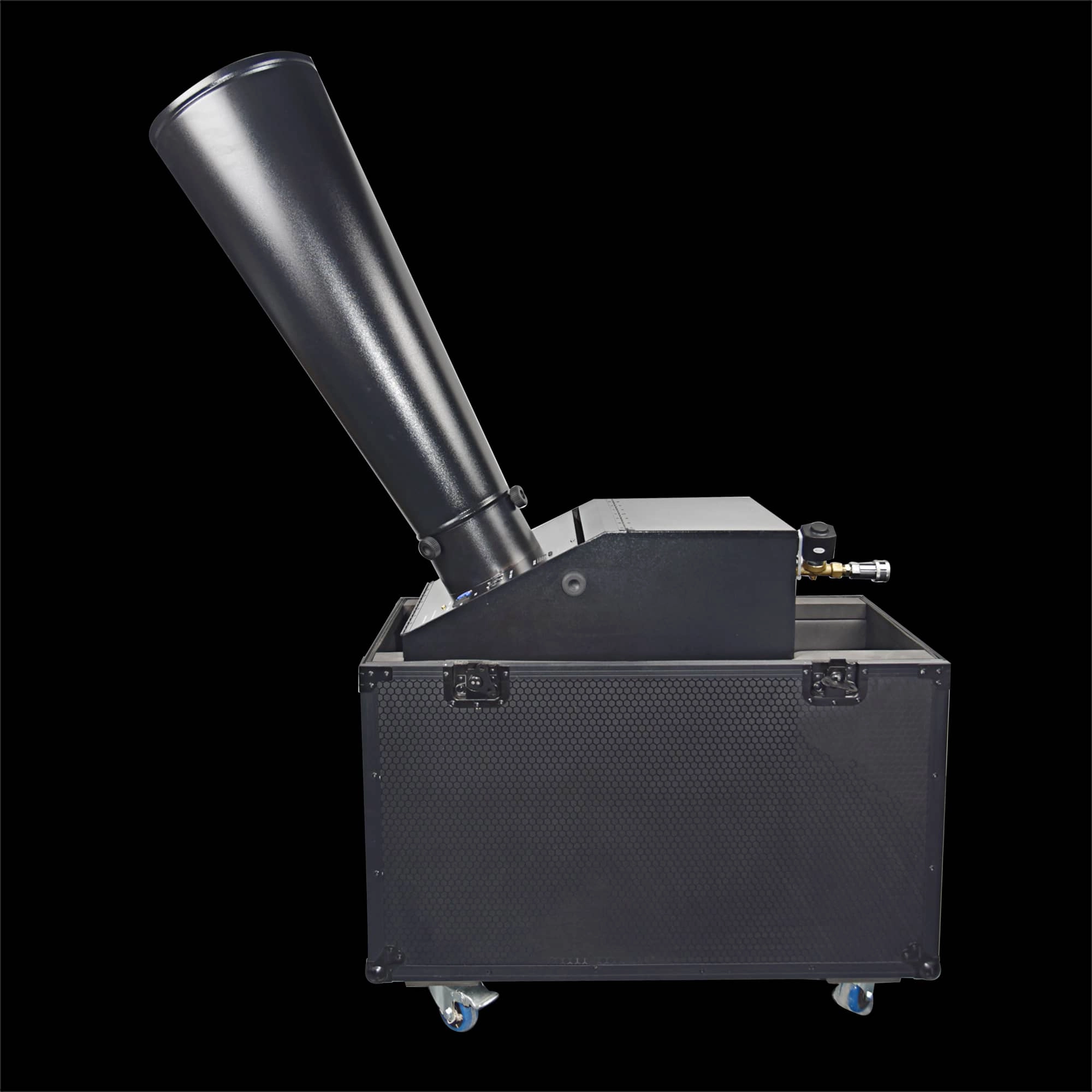
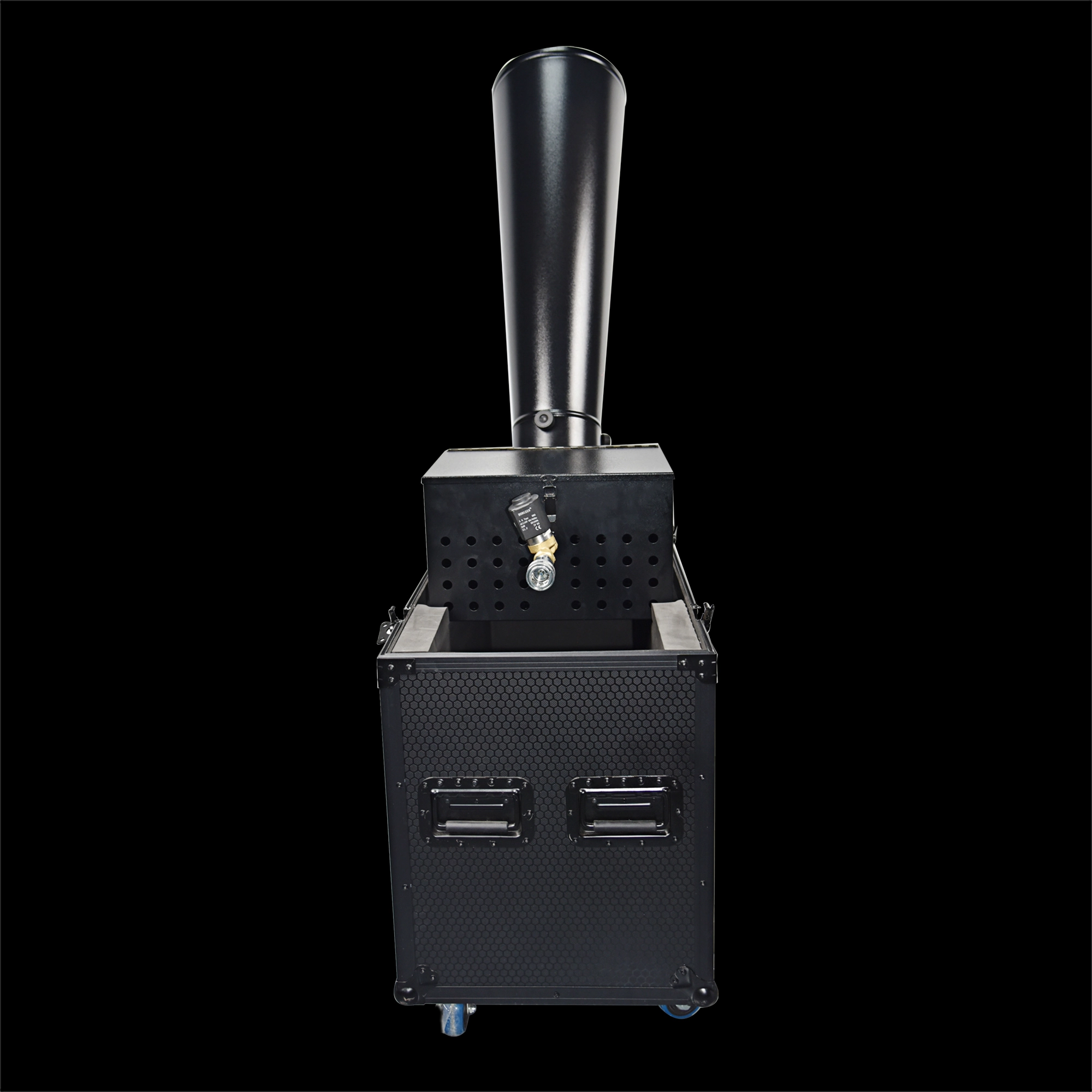
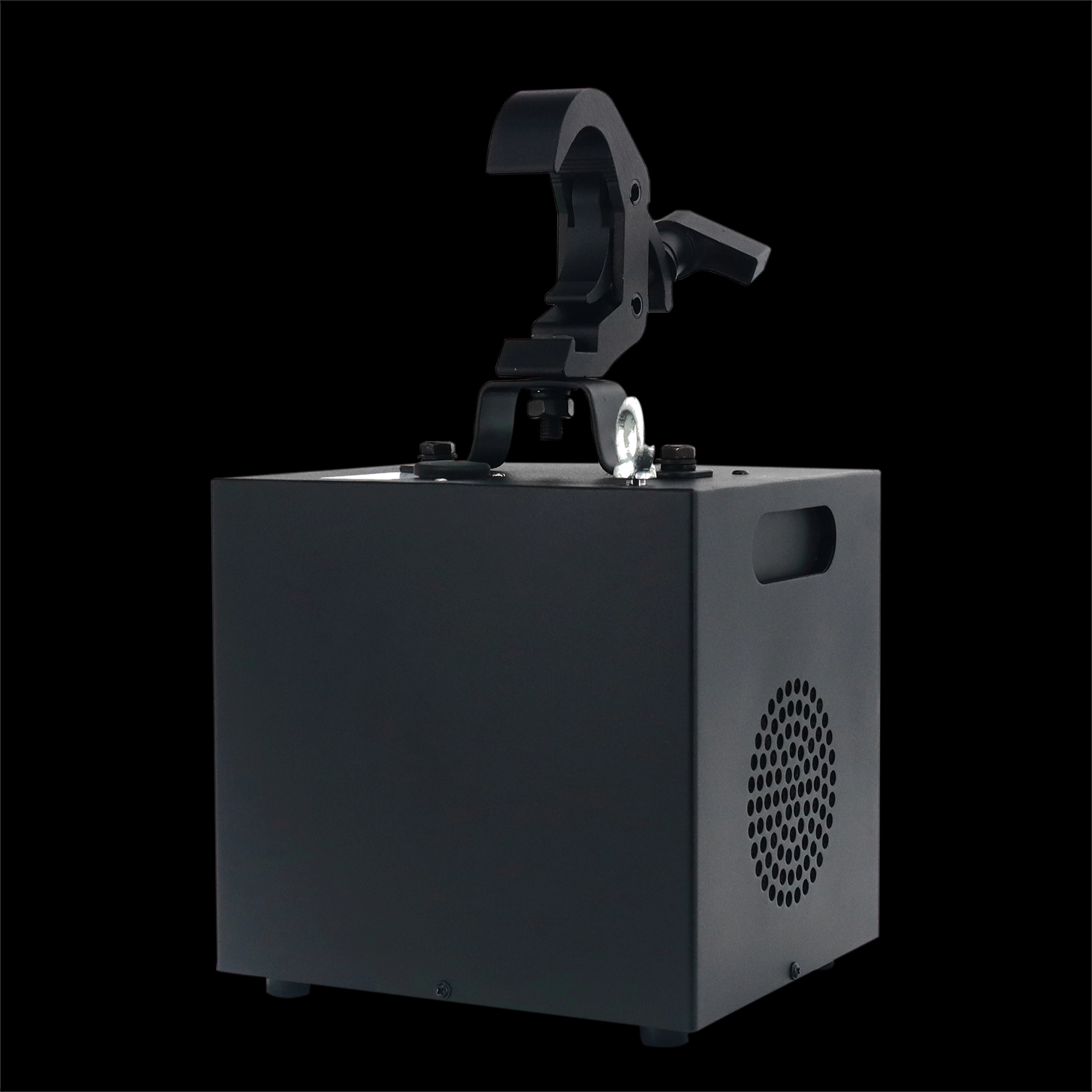
Our product range includes spark machines, atmospheric haze units, CO₂ jet systems, bubble and snow machines, foam and confetti devices, conventional fog generators, fire-effect machines, and dry ice fog systems. We provide documentation, training, and post-sales service agreements designed for touring productions, fixed-install venues, and film studios to reduce operational risk and maximize uptime.
Integration services and project collaboration
For system-level installations, our engineering team supports custom casing, logo printing, wireless control systems, and synchronized multi-device setups. Early-stage collaboration with venue M&E teams helps ensure HVAC and fire-detection interactions are modeled and mitigated before deployment.
Buyers and venue operators seeking equipment that balances creative output with operational safety should evaluate suppliers on certification transparency, maintenance planning, and the ability to provide firmware and control documentation for audits.
Frequently Asked Questions
What certifications should buyers require for haze units with electronic displays?
Buyers should request electrical safety and EMC certification (e.g., UL/ETL for North America, CE for Europe), copies of conformity assessments, and evidence of factory quality processes such as ISO 9001 when available; additionally, request SDS documents for supplied fluids and test reports for particle-size distributions.
How do digital readouts reduce operational risk compared to legacy hazers?
Digital operator interfaces provide real-time telemetry (fluid level, output percentage, fault codes), enable user permissioning and audit trails, and often include sensor-driven interlocks that reduce accidental over-output and false alarm conditions, thereby lowering the likelihood of nuisance-triggered fire alarms and incidents.
What are the ventilation and venue coordination requirements for atmospheric effects?
Coordination with venue HVAC and the local fire authority is required to ensure appropriate air-exchange rates and smoke-control strategies; calculations should consider venue volume, expected output, and detection system placement to keep aerosol concentrations within acceptable indoor air quality limits.
How should maintenance and firmware updates be handled for devices with displays?
Establish a routine maintenance schedule that includes visual inspection of UI components, verification of display accuracy, firmware version control, and logging of calibration events; include firmware update policies and spare-part lead times in SLAs to minimize downtime.
Can haze systems be integrated with DMX/RDM and IP-based control networks?
Yes. Many modern units support DMX512 and RDM for compatibility with lighting consoles and also offer Art-Net or sACN for IP-based control. Verify protocol support in specifications and request documentation on network configuration and remote diagnostic capabilities.

Email: sales01@strlighting.com
WhatsApp: +86 189 2232 4800
© 2025 Siterui SFX All Rights Reserved.
 Scan QR Code
Whatsapp: +8618922324800
siteruisfx_stage_equipment
Siterui
SITERUI-SFX
STRlighting
@siterui.sfx