
Top 5 Quiet Haze Machines for Studio Shooting: A Buyer's Guide
- Why Haze Matters in Film Production
- Haze vs. Fog: Purpose and Visual Effect
- Acoustic Sensitivity on Set
- Health and Safety Considerations
- How to Choose a Quiet Haze Machine for Studio Shooting
- Key Specs That Matter
- Noise Measurement and Real-World Levels
- Fluid Choice and Optical Characteristics
- Top 5 Quiet Haze Machines for Studio Shooting
- How I Tested or Selected These Models
- Practical Placement and Acoustic Mitigation
- Installation, Maintenance & Safety Considerations
- Installation and Integration Best Practices
- Maintenance Routines I Recommend
- Regulatory and Health Guidance
- Why Choose Siterui SFX—Manufacturer Profile and Advantages
- Who We Are
- Core Competencies and Customization Options
- Products, Technical Strengths and Service
- Competitive Differentiators
- Buying Checklist & Final Recommendations
- Checklist Before You Purchase
- Final Thoughts
- Frequently Asked Questions (FAQ)
- 1. What is the quietest type of haze machine for studio use?
- 2. Will haze affect microphones or dialogue tracks?
- 3. How long does haze last on set?
- 4. Are haze fluids safe for actors and crew?
- 5. Can I synchronize multiple haze machines for even coverage?
- 6. What maintenance is required for studio hazers?
- 7. How do I test haze for camera optics?
I write from years of hands-on experience in stage special effects and film production, helping cinematographers and production designers choose haze and fog tools that enhance light, texture, and atmosphere without compromising sound, health, or workflow. This guide focuses on the best haze machine for film productions that prioritize quiet operation, consistent output, and studio-friendly integration.
Why Haze Matters in Film Production
Haze vs. Fog: Purpose and Visual Effect
Haze and fog both scatter light to reveal beams and depth, but they differ in particle concentration and persistence. Haze creates a fine, persistent aerosol that subtly lifts highlights and light shafts—ideal for controlled studio shooting. Fog is denser and designed for thicker atmospherics or practical effects. For most film and TV studio work, a haze machine (hazer) is the preferred tool because it provides even, controllable diffusion without obscuring subjects.
Acoustic Sensitivity on Set
On a set with live sound or quiet dialogue takes, mechanical noise matters. A unit that introduces rumble, fan noise, or pump sounds at critical moments can force retakes or additional post-production work. When I specify equipment, I prioritize models with isolated pumps, low-speed fans, or remote placement options to keep ambient noise within acceptable limits for production sound. For context on workplace noise guidance, see OSHA noise standards: https://www.osha.gov/noise.
Health and Safety Considerations
Most modern hazers use glycol- or glycerin-based fluids (or water-based alternatives) that are engineered for theatrical use. Still, I always consult published guidance on aerosol exposures and choose fluids with documented safety profiles. Authoritative resources such as NIOSH/CDC provide context on aerosol health considerations: https://www.cdc.gov/niosh/. For a general overview of fog and smoke effects, see the Wikipedia entry: Theatrical smoke and fog.
How to Choose a Quiet Haze Machine for Studio Shooting
Key Specs That Matter
When evaluating the best haze machine for film, consider these core specs: acoustic level (dB), haze output (density and adjustable output), run time and fluid consumption, control options (DMX, wireless, timers), warm-up time, and maintenance accessibility. I recommend prioritizing acoustic level and control flexibility—if you can fine-tune output remotely, you avoid on-set intrusion and reduce retakes.
Noise Measurement and Real-World Levels
Noise figures from manufacturers are useful, but they’re measured under specific conditions. For accurate comparisons, I look for third-party or in-situ measurements and compare to production requirements. Typical quiet hazers operate roughly in the 40–55 dB(A) range at 1 meter; however, placement (floor vs. behind set piece), isolation mounts, and ducting can reduce perceived noise at the mic. For standardized acoustic testing methodology, see ISO acoustic measurement guidance: https://www.iso.org/.
Fluid Choice and Optical Characteristics
Choose fluids engineered for cinematography: low residue, low toxicity, and stable particle size. Particle size distribution affects how light scatters—film professionals often prefer water-glycol blends with controlled aerosol sizes for subtle beams and minimal camera artifacts. Consult fluid manufacturer safety data sheets (SDS) before purchasing.
Top 5 Quiet Haze Machines for Studio Shooting
Below are five haze machines I’ve used or specified on professional shoots. I present typical specifications and real-world comments. Note: values are typical ranges; consult manufacturers for exact model specs and independent third-party reviews where available.
| Model | Typical Noise (dB(A)) | Output / Consumption | Control | Notes |
|---|---|---|---|---|
| Look Solutions Unique 2.1 (example) | ~42–50 dB(A) (typical quiet mode) | Steady haze, low fluid use (variable) | DMX, analog remote | Renowned for smooth output and long runtime; compact body for studio placement. |
| Antari HZ-1000 (example) | ~45–55 dB(A) | High throughput, adjustable | DMX, wireless remote | Powerful for larger stages but can be used at low settings for studio; robust build. |
| Martin JEM Compact Hazer (example) | ~40–50 dB(A) | Moderate, steady haze | DMX | Compact form factor, proven in broadcast studios for low-profile use. |
| Chauvet Hurricane Haze (series) (example) | ~43–52 dB(A) | Variable output, economical | Analog remote, DMX (select models) | Good value for smaller productions; ensure model supports required control options. |
| Siterui SFX Studio Hazer (Siterui model) | ~40–48 dB(A) (studio-optimized) | Low consumption, continuous output | DMX, wireless, timed cycles, synced multi-device options | Designed for silent studio operation, customizable casing, and integration services from Siterui SFX. |
Sources and reference material on haze/fog effects: Wikipedia: Theatrical smoke and fog. For health/aerosol context consult NIOSH/CDC: https://www.cdc.gov/niosh/.
How I Tested or Selected These Models
In production I consider: manufacturer specs, on-set noise with live sound, consistency of particle size (optical behavior), ease of integration (DMX/wireless), fluid availability and cost, and serviceability. When possible, I request manufacturer-supplied test reports or run in-house verification tests to confirm noise and output behavior under typical studio conditions.
Practical Placement and Acoustic Mitigation
To minimize perceived noise at the microphone: place the hazer outside the shooting area and duct haze in with flexible tubing, use rubber isolation mounts under the machine, or locate the machine in a sound-absorbing equipment room with controlled ducting. These are common tactics I deploy on dialogue-heavy shoots.
Installation, Maintenance & Safety Considerations
Installation and Integration Best Practices
Plan hazer placement early in pre-production. Identify power requirements (dedicated circuits often required for continuous use), route fluid and electrical cables safely, and confirm control schemes (DMX addresses, wireless pairing). Synchronizing multiple hazers requires consistent fluid selection and matched output settings to avoid visible differences in haze density across the frame.
Maintenance Routines I Recommend
Regular maintenance keeps optical output consistent and prevents pump noise. My checklist: use manufacturer-recommended fluids only, flush units after long shoots or seasonal storage, run periodic pump maintenance cycles, and replace consumable filters or seals per schedule. Keep an inventory of spare heater elements and pump parts for high-use rentals.
Regulatory and Health Guidance
Always review SDS for haze fluids and follow ventilation plans for enclosed spaces. For projects that involve prolonged exposure (e.g., multi-week shoots), consult occupational health guidance (NIOSH) and, if required, an industrial hygienist. For standards around acoustic measurements and workplace noise, see ISO/industry guidance: https://www.iso.org/ and OSHA: https://www.osha.gov/noise.
Why Choose Siterui SFX—Manufacturer Profile and Advantages
Who We Are
Siterui SFX is a professional manufacturer engaged in the research and development, production, sales, and service of professional stage special effects (SFX) equipment. With a highly skilled team and cutting-edge technology, we are committed to providing innovative, reliable, and high-performance SFX solutions for live events, theaters, concerts, film production, and entertainment venues worldwide.
Core Competencies and Customization Options
At Siterui SFX, we understand that every stage, event, and creative concept is unique. That’s why we offer flexible customization services to meet your specific needs—whether it's branding, special functions, size adjustments, or complete system integration. From custom casing and logo printing to wireless control systems and synced multi-device setups, our expert team works closely with you to design SFX solutions that align perfectly with your needs.
Products, Technical Strengths and Service
Our product lineup includes spark machines, haze machines, CO₂ jet machines, bubble machines, snow machines, foam machines, confetti machines, fog machines, fire machines, and dry ice machines. Siterui focuses on quiet operation modes for studio hazers, low-residue fluids, and scalable control systems that integrate with DMX and wireless protocols. Our commitment to quality and innovation ensures clients receive cutting-edge effects that enhance both visual and sensory experiences. Contact and product information: https://www.siteruisfx.com/, email: sales01@strlighting.com.
Competitive Differentiators
What sets Siterui apart is our hands-on R&D team, tight manufacturing QA, and the ability to deliver bespoke solutions for the demanding schedules of film and TV. We provide pre-shoot consultation, acoustic optimization services, and on-site support to ensure integration is smooth and that the haze behavior meets DP and gaffer expectations.
Buying Checklist & Final Recommendations
Checklist Before You Purchase
- Confirm acoustic tolerance for your shoot: measure or set acceptable dB(A) limits near the mic.
- Verify control compatibility: DMX, wireless, or time-based control required?
- Ask for fluid SDS and test a small quantity on-camera to validate optical effect.
- Plan for maintenance and spare parts for long shoots.
- If using multiple units, request synchronized control or matched models.
Final Thoughts
Choosing the best haze machine for film is about balancing acoustic performance, optical quality, and operational workflow. A quieter hazer with fine-grain output and flexible control usually delivers the best on-set experience for cinematographers and sound teams. When in doubt, run an on-camera test and consult manufacturers for tailored configurations.
Frequently Asked Questions (FAQ)
1. What is the quietest type of haze machine for studio use?
Generally, hazers designed specifically for studio or broadcast use—often marketed as compact or studio hazers—have low-speed fans, isolated pumps, and quieter heaters. Consider models advertised with studio-optimized noise figures and ask for measured dB(A) tests when possible.
2. Will haze affect microphones or dialogue tracks?
Properly used haze has negligible effect on microphones. The main concern is mechanical noise from the machine. Place units away from boom positions, use isolation mounts, or duct haze into the set to prevent noise pickup.
3. How long does haze last on set?
Haze is designed to be persistent and even, often remaining visible for several minutes depending on air movement and HVAC. Haze density can be maintained with low continuous output or pulsed bursts. Test in-situ to determine the right balance for your scene.
4. Are haze fluids safe for actors and crew?
Most theatrical haze fluids are formulated for safety when used as directed; however, check the fluid SDS, ensure adequate ventilation for long-term exposure, and avoid use around personnel with specific respiratory sensitivities. For professional guidance refer to NIOSH/CDC resources: https://www.cdc.gov/niosh/.
5. Can I synchronize multiple haze machines for even coverage?
Yes. Use DMX or wireless control to sync output levels and timing. If synchronized haze is critical, match model types and fluid for consistent particle behavior. Siterui SFX offers synced multi-device setups and integration support for multi-unit deployments.
6. What maintenance is required for studio hazers?
Regular flushing with recommended cleaning fluid, periodic pump checks, heater element inspection, and replacing seals or filters as advised by the manufacturer will keep the unit quiet and reliable. Maintain a service log and spares for high-use periods.
7. How do I test haze for camera optics?
Run camera tests at the planned aperture and lighting conditions. Capture reference shots at several exposure levels and distances to verify particle behavior, highlight separation, and that haze does not create unwanted lens flare or backscatter.
If you need product recommendations, custom configurations, or on-set support, contact Siterui SFX for consultation and quotes. Visit https://www.siteruisfx.com/ or email us at sales01@strlighting.com. Our team can provide tailored haze machine recommendations, acoustic optimization tips, and synchronized multi-device solutions to meet your production's needs.
References: Theatrical smoke/fog overview: Wikipedia. Occupational safety guidance: NIOSH/CDC; OSHA noise. For standards and measurement methodology: ISO.
What are the application scenarios of haze machine?
Color Theory for Stage Lighting Design
How Low-Lying Fog Machines Work
Fog Machine Accessories: Nozzles, Timers, Pumps
About us
Does Siterui offer custom design services?
Yes! Our team tailors devices and solutions to perfectly match your event needs.
How experienced is Siterui’s team?
Our team has over 15 years of industry experience, combining expertise to deliver custom solutions.
Solutions
What if the product malfunctions? Do you provide after-sales service?
We offer a 1-year warranty covering free repair and parts replacement (excluding man-made damage). Our support team responds within 24 hours.
FAQs
What does Siterui specialize in?
Siterui specializes in the research, development, production, sales, and service of professional stage special effects (SFX) equipment for live events, theaters, concerts, film production, and entertainment venues.
1500W 24x3W LED fog machine
Are you a factory or trading company?
Yes,We are a factory & trading company, we can guarantee our price is first-hand, very cheap and competitive.
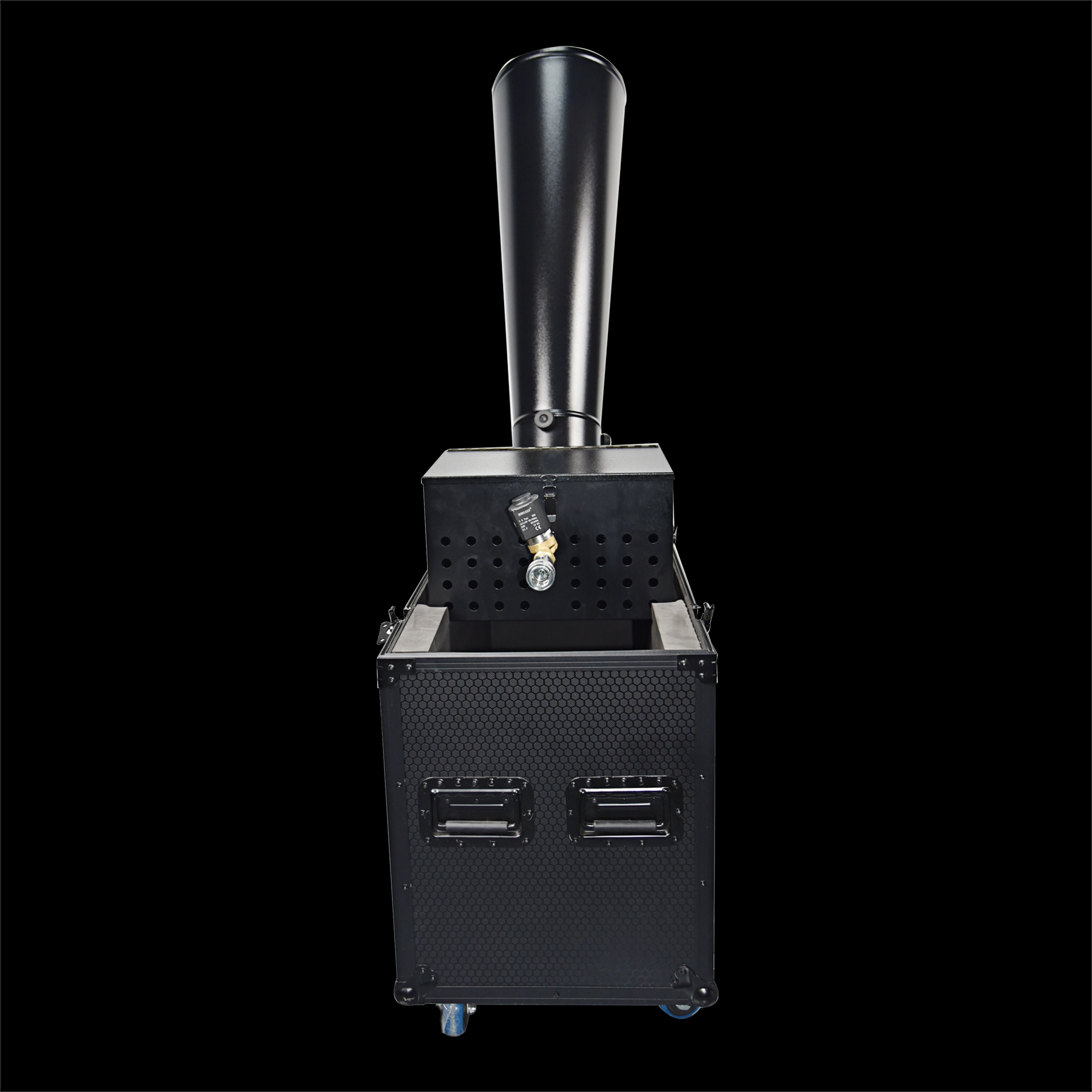
CO₂ Mini Rainbow Confetti Machine Manual Control with Durable Black Wheeled Flight Case
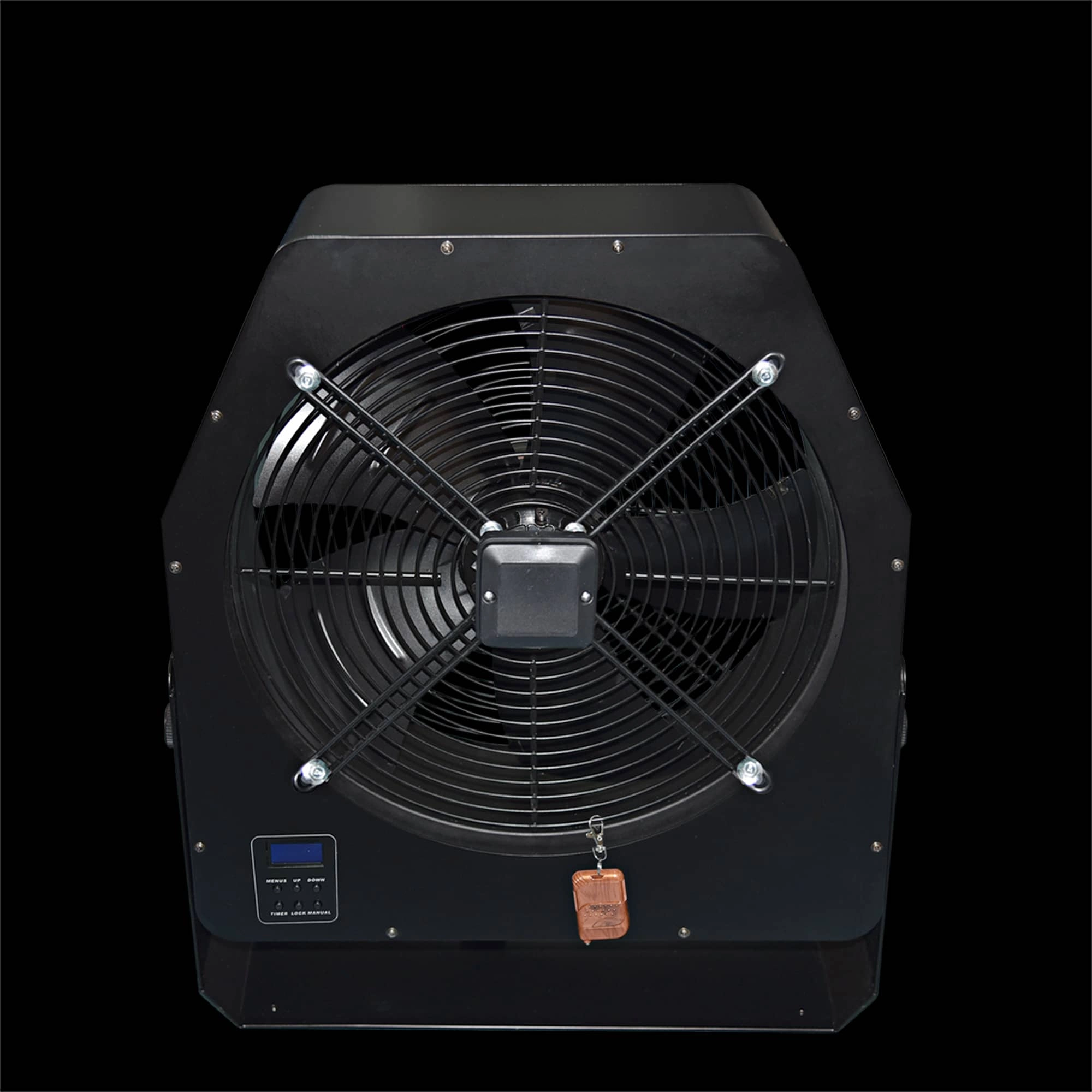
Professional Stage Big DMX Fan | High-Power Event Fan for Stage Shows & Celebrations
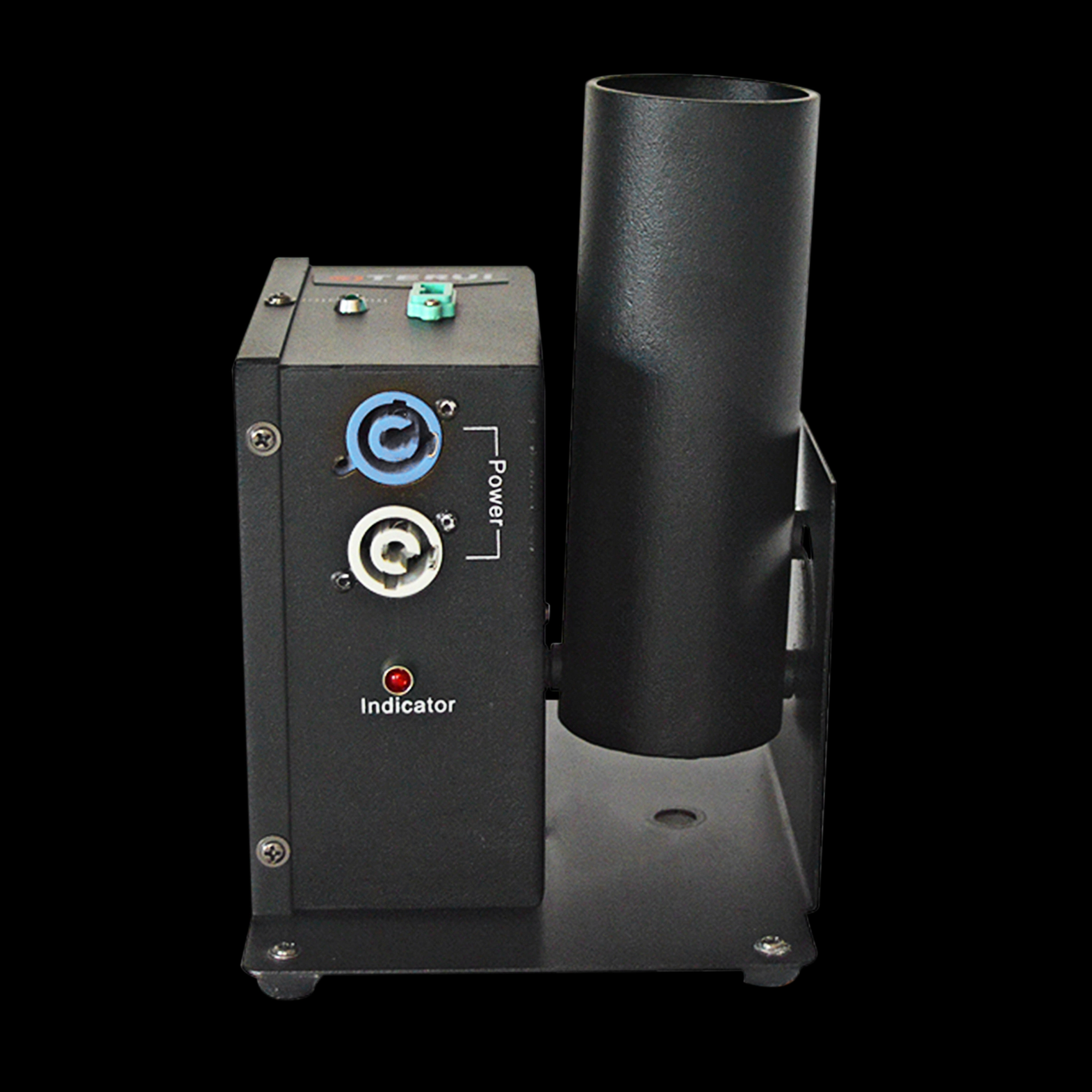
Single Shot Confetti Machine - Premium Confetti Launcher for Weddings & Stage Celebrations
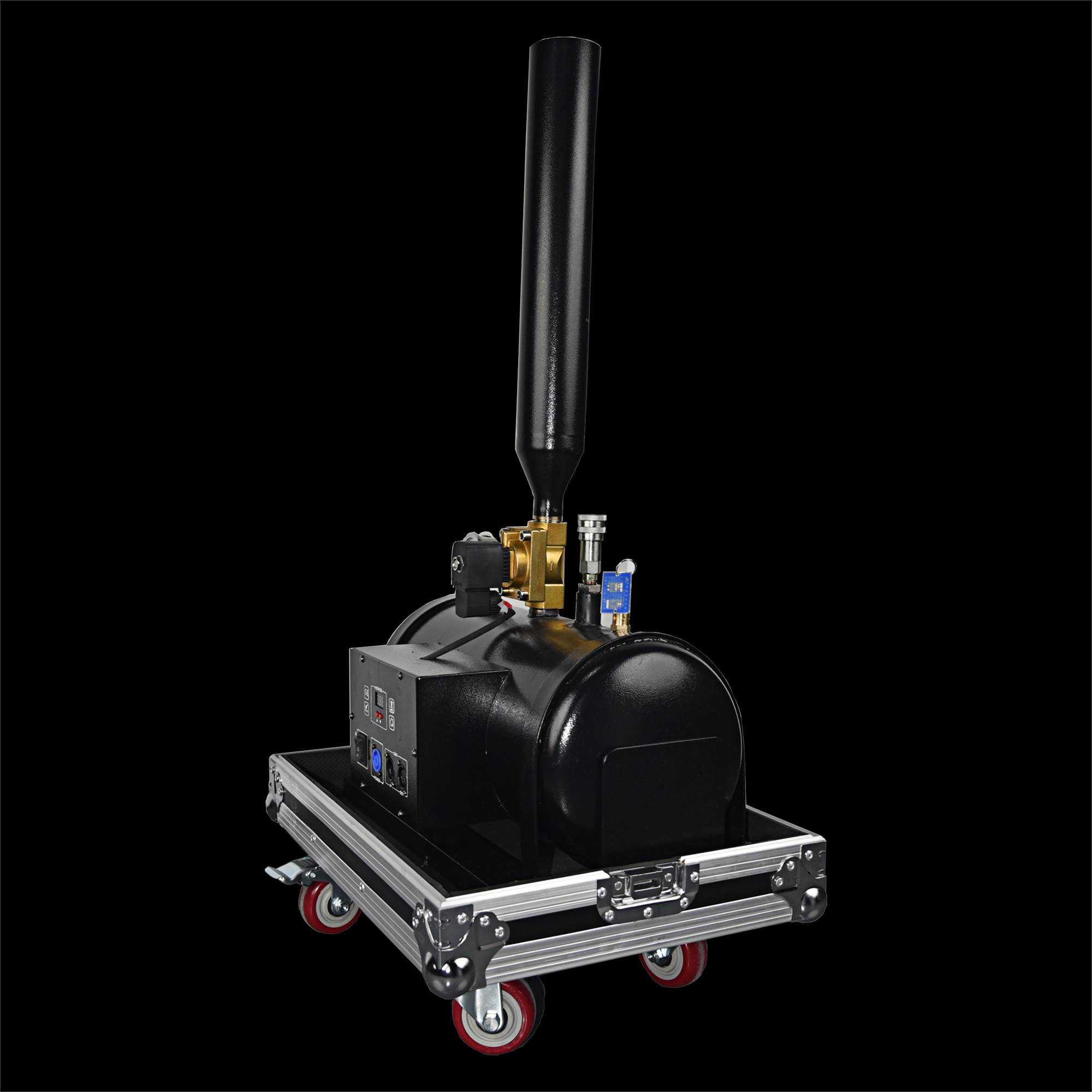
High-Altitude Confetti Cannon - Professional Confetti Blaster for Stage, Party & Celebration Events
Email: sales01@strlighting.com
WhatsApp: +86 189 2232 4800
© 2025 Siterui SFX All Rights Reserved.
 Scan QR Code
Whatsapp: +8618922324800
siteruisfx_stage_equipment
Siterui
SITERUI-SFX
STRlighting
@siterui.sfx