
Best Stage Haze Machines 2026: Reviews and Price Comparison
- Choose the Right Haze Machine for Your Stage: What Matters in 2026
- Why buy a haze machine (and not a fog machine)?
- How to evaluate a haze machine: the buyer’s checklist
- Best haze machine categories and recommended use cases (2026)
- Top haze machine picks by user need (reviews and rationale)
- Best for small venues and clubs — entry-level hazers
- Best for rental houses and touring — professional hazers
- Best for theaters and broadcast — low-noise, low-residue hazers
- Price comparison: representative market examples (2026)
- Operational tips: running a haze machine safely and economically
- Siterui SFX — professional stage special effects partner (manufacturer profile and advantages)
- Siterui SFX product strengths and primary offerings
- Maintenance checklist and troubleshooting for haze machines
- Buying and rental recommendations: what to ask suppliers
- FAQs — Common questions about haze machines
- 1. What is the difference between a haze machine and a fog machine?
- 2. Which haze fluid should I use?
- 3. How do I prevent haze from triggering smoke detectors?
- 4. How much does a professional haze machine cost to run?
- 5. Can I use multiple haze machines together?
- 6. Is a haze machine safe for performers and equipment?
- Contact and consultation (product trials, customization, and purchase)
- References
Choose the Right Haze Machine for Your Stage: What Matters in 2026
Haze machines (often called hazers) are essential tools for modern live events, theater productions, film shoots, and club installations. They create a thin, long-lasting atmospheric layer that enhances lighting beams, lasers, and overall visual depth without the dense clouds associated with fog machines. This guide reviews the best stage haze machines for 2026, compares price tiers, explains key technical factors, and offers buying and maintenance advice so you choose a hazer that matches your venue, budget, and control needs.
Why buy a haze machine (and not a fog machine)?
When lighting clarity and safety are priorities, a haze machine is often preferable. Haze delivers subtle particle density that highlights beam edges and volumetric light without reducing stage visibility or triggering frequent smoke-alarm activations. For concert producers, theater technical directors, and AV rental houses, a haze machine balances visual impact, fluid consumption, and operational control.
How to evaluate a haze machine: the buyer’s checklist
Before you buy a haze machine, evaluate these technical and practical criteria—each directly affects performance and operating cost.
- Output and distribution: Measured as aerosol dispersion or cu.ft/min (or m3/min) and how evenly the haze disperses across the stage or venue.
- Warm-up time and continuous runtime: Faster warm-up and long continuous output are critical for live events.
- Fluid type (water-based vs glycol-based): Water-based hazes are easier on smoke detectors and often result in less residue; glycol/propylene-glycol variants can produce longer-lasting haze but may require more ventilation and maintenance.
- Control options: Manual, wired DMX, Art-Net, wireless remote, and integrated timers. For multi-unit synchronization and networked shows, DMX/Art-Net/wireless control is a must.
- Portability and footprint: Weight, rack-mount capability, and built-in handles matter for touring rigs and rental fleets.
- Build quality and serviceability: Professional-grade pump systems, accessible filters, and reliable manufacturer service networks reduce downtime.
- Running costs: Fluid consumption (ml/hour), power draw, and replacement parts availability.
- Compliance and safety: Certification for CE, ETL/UL and compatibility with local safety standards where the unit will operate.
Best haze machine categories and recommended use cases (2026)
Instead of a one-size-fits-all 'best' unit, haze machines fall into categories. Below is a concise comparison to match needs to budget and venue size.
| Category | Typical Use | Key Features | Estimated Price Range (USD) |
|---|---|---|---|
| Entry-level / Club | Small clubs, houses of worship, hobbyists | Compact, lower output, simple remote control, affordable fluids | $120–$400 |
| Prosumer / Small Venues | Small theaters, corporate AV, DJ rigs | Improved dispersion, faster warm-up, DMX-ready options | $400–$1,200 |
| Professional / Touring | Concert tours, large theaters, rental houses | High output, robust pumps, multi-protocol control, quick serviceability | $1,200–$4,500+ |
| Theatrical / Permanent Install | Opera houses, broadcast studios, theme parks | Low-residue fluids, low-noise fans, concealment-friendly form factors | $1,000–$6,000+ |
Price ranges above are market averages compiled from industry retailers and manufacturer pricing lists. Actual price depends on features such as wireless control, fluid consumable bundles, and warranty/service packages.
Top haze machine picks by user need (reviews and rationale)
Best for small venues and clubs — entry-level hazers
For small venues, prioritize compact size, quick warm-up, and low maintenance. Look for units that offer a simple wired or wireless remote and accept standard water-based haze fluids. These units minimize upfront cost and are ideal for DJs and smaller houses of worship.
Best for rental houses and touring — professional hazers
Rental and touring rigs need high output, durability, and international power compatibility. Pro hazers usually deliver consistent aerosol with replaceable pump modules and robust control (DMX/Art-Net, RDM). For multi-device setups, choose models with proven synchronization capability and manufacturer service networks spanning major markets.
Best for theaters and broadcast — low-noise, low-residue hazers
Theatrical applications demand fine particulate haze that persists without interfering with microphones or camera sensors. Select units engineered for long-lasting, low-residue output, with compatibility for water-based haze fluids and low audible noise levels.
Price comparison: representative market examples (2026)
The following table gives representative models by category and typical price points in late 2026. Prices are approximate street prices for new units and exclude shipping and taxes.
| Representative Model / Category | Category | Control | Typical Output | Price (approx.) | Source (example) |
|---|---|---|---|---|---|
| Entry hazer (compact) | Entry-level | Wireless remote | Low | $150–$350 | Retailers (Sweetwater / Thomann) |
| Prosumer hazer (DMX-capable) | Prosumer | DMX / Timer | Medium | $500–$1,200 | Manufacturer / B2B retailers |
| Pro hazer (touring) | Professional | DMX / Art-Net / Wireless | High | $1,500–$4,500+ | Manufacturer / Rental houses |
| Theatrical low-residue hazer | Install | DMX / Wired control | Medium–High | $1,200–$6,000+ | Theatre equipment suppliers |
Note: The table intentionally lists category-level examples rather than specific model names to keep recommendations applicable across evolving 2026 product lines. For exact model selection, match this category to manufacturer tech specs and service network availability.
Operational tips: running a haze machine safely and economically
- Choose the right fluid: Use manufacturer-recommended fluids. Water-based fluids generally reduce residue and are kinder to finishes and electronics.
- Calculate fluid consumption: For long shows, estimate consumption by checking ml/hour figures in tech specs. Carry spare bottles and minimize blast modes when continuous, subtle effect is required.
- Service schedule: Replace filters, clean nozzles and fluid lines per manufacturer intervals. Regular flushes reduce blocked jets and pump strain.
- Environmental controls: Balance haze with venue ventilation rates and HVAC cycles to maintain consistent haze density without overloading detectors.
- DMX/Network hygiene: Use proper terminations, unique addresses for each unit, and test wireless control in advance to avoid interference on show day.
Siterui SFX — professional stage special effects partner (manufacturer profile and advantages)
Siterui SFX is a professional manufacturer engaged in the research and development, production, sales, and service of professional stage special effects (SFX) equipment. With a highly skilled team and cutting-edge technology, we are committed to providing innovative, reliable, and high-performance SFX solutions for live events, theaters, concerts, film production, and entertainment venues worldwide.
At Siterui SFX, we understand that every stage, event, and creative concept is unique. That’s why we offer flexible customization services to meet your specific needs—whether it's branding, special functions, size adjustments, or complete system integration. From custom casing and logo printing to wireless control systems and synced multi-device setups, our expert team works closely with you to design SFX solutions that align perfectly with your needs.
Our commitment to quality and innovation ensures that our clients receive cutting-edge effects that enhance the visual and sensory experience of every performance. We pride ourselves on exceptional customer service and continuous advancement, positioning Siterui as a trusted partner in the professional special effects industry.
Siterui SFX product strengths and primary offerings
- Product range: spark machine, haze machine, CO₂ jet machine, bubble machine, snow machine, foam machine, confetti machine, fog machine, fire machine, dry ice machine.
- Customization: Custom casing, logo printing, special functions, and system integration for tours and permanent installs.
- Control flexibility: DMX, Art-Net, wireless control options, and synced multi-device configurations for complex shows.
- Technical support & service: Global after-sales service, replacement parts, and technical consultation for system design and maintenance.
- Quality assurance: R&D-driven design with emphasis on reliability, low maintenance, and consistent output for professional environments.
Choosing Siterui SFX means working with a manufacturer that balances production-scale capability and bespoke development—ideal for rental companies, touring productions, and venues requiring integrated SFX systems.
Maintenance checklist and troubleshooting for haze machines
Regular maintenance prevents downtime. Follow this basic checklist before every show and on a weekly/monthly cadence depending on use intensity:
- Check fluid level and top up with recommended fluid.
- Run the unit through a short warm-up to spot leaks or odd noises.
- Inspect and clean filters; replace as required.
- Flush the system with manufacturer flush solution if recommended (especially when switching fluid types).
- Verify control communications (DMX addresses, wireless link strength).
- If output is weak or inconsistent: clean nozzle, check pump priming, verify power supply voltages.
Buying and rental recommendations: what to ask suppliers
When sourcing a haze machine from manufacturers or rental houses, ask for:
- Detailed tech specs (output rate, fluid consumption in ml/hour, warm-up time, noise level in dB).
- Service interval recommendations and warranty terms.
- Compatibility list for fluids and control protocols.
- Availability of spare parts and local service partners.
- Demonstration or short-term rental option to test on your stage or venue.
FAQs — Common questions about haze machines
1. What is the difference between a haze machine and a fog machine?
Haze machines create a thin, evenly dispersed atmospheric layer that enhances light beams and lasers but keeps visibility clear. Fog machines produce denser clouds for dramatic effects. Haze is typically used for lighting effects, while fog is for sudden dramatic moments.
2. Which haze fluid should I use?
Use the fluid recommended by your haze machine manufacturer. Water-based fluids reduce residue and are often preferred in theaters and long-run installations. Glycol/propylene-glycol blends can produce longer-lasting haze but may require additional maintenance.
3. How do I prevent haze from triggering smoke detectors?
Use water-based low-density haze fluids, control output levels carefully, coordinate with venue safety teams, and test detector sensitivity with your chosen haze fluid and production settings. In many venues, detector zoning or temporary suppression protocols can be arranged with fire safety authorities.
4. How much does a professional haze machine cost to run?
Running cost depends on fluid consumption (ml/hour), electricity usage, and maintenance. Typical costs range from a few dollars per hour (entry-level) to $10–$30+/hour for high-output professional units when factoring fluid and wear. Calculate based on the model's specified ml/hour and current fluid prices.
5. Can I use multiple haze machines together?
Yes—synchronized haze machines provide even coverage for larger venues. Use DMX or networked control (Art-Net/sACN) and staggered placement to avoid visual hotspots. Confirm that units can be addressed and controlled centrally for consistent density levels.
6. Is a haze machine safe for performers and equipment?
When used with recommended low-residue fluids and proper ventilation, haze machines are generally safe. Ensure good ventilation, use fluids compatible with stage finishes, and follow manufacturer safety guidelines. Keep performers informed about effect timing and density.
Contact and consultation (product trials, customization, and purchase)
If you're evaluating haze machines for a tour, theater install, or rental fleet, Siterui SFX offers product trials, system customization, and technical consultation. Contact Siterui SFX for a tailored quote, demo, or to discuss multi-device synchronized setups and custom branding. Visit the Siterui SFX sales team for specifications, warranty options, and global after-sales support.
References
- B&H Explora — Fog vs. Haze: What's the Difference? — B&H Photo Video. Accessed 2025-12-07. https://www.bhphotovideo.com/explora/
- Thomann — Hazer product category listings and price comparisons. Accessed 2025-12-07. https://www.thomann.de/
- Sweetwater — Fog & Haze Machines category pages and buyer guidance. Accessed 2025-12-07. https://www.sweetwater.com/
- Manufacturer product pages and technical datasheets (examples: Antari, Chauvet, Le Maitre). Accessed 2025-12-07. https://www.antari.com/, https://www.chauvetlighting.com/, https://www.lemaitre.co.uk/
- ProductionHUB / Pro Sound Web — Industry articles and rental house guidance on haze use. Accessed 2025-12-07. https://www.productionhub.com/, https://www.prosoundweb.com/
Smoke machines for outdoor concerts: weather tips
Troubleshooting Common Fog Machine Problems
Portable Fog Machines for Touring Bands and DJs
What are the application scenarios of snow machine?
3000W fog machine
Are you a factory or trading company?
Yes,We are a factory & trading company, we can guarantee our price is first-hand, very cheap and competitive.
Solutions
Are your products exportable? Is the shipping safe?
Yes, our products meet international shipping standards. All items are securely packed, and special effect liquids are export-compliant. We ship worldwide.
FAQs
What does Siterui specialize in?
Siterui specializes in the research, development, production, sales, and service of professional stage special effects (SFX) equipment for live events, theaters, concerts, film production, and entertainment venues.
600W High-Quality Stainless Steel
Can the spray height be adjusted mid-performance?
Absolutely! Use the remote control or DMX interface for real-time adjustments.
1500W Professional Snow Machine
How does your factory do regarding quality control?
All the products will be 100% checked before the shipment.
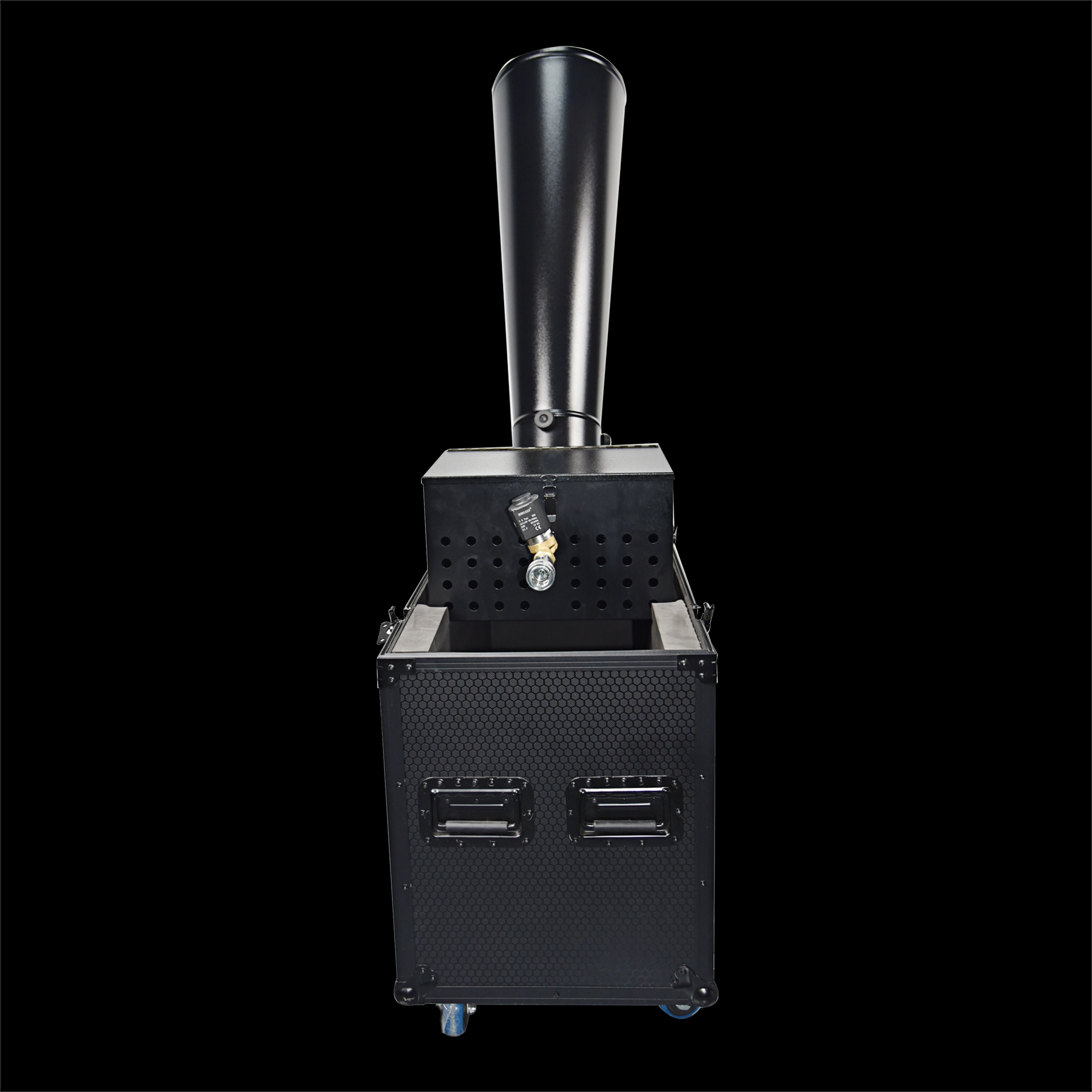
CO₂ Mini Rainbow Confetti Machine Manual Control with Durable Black Wheeled Flight Case
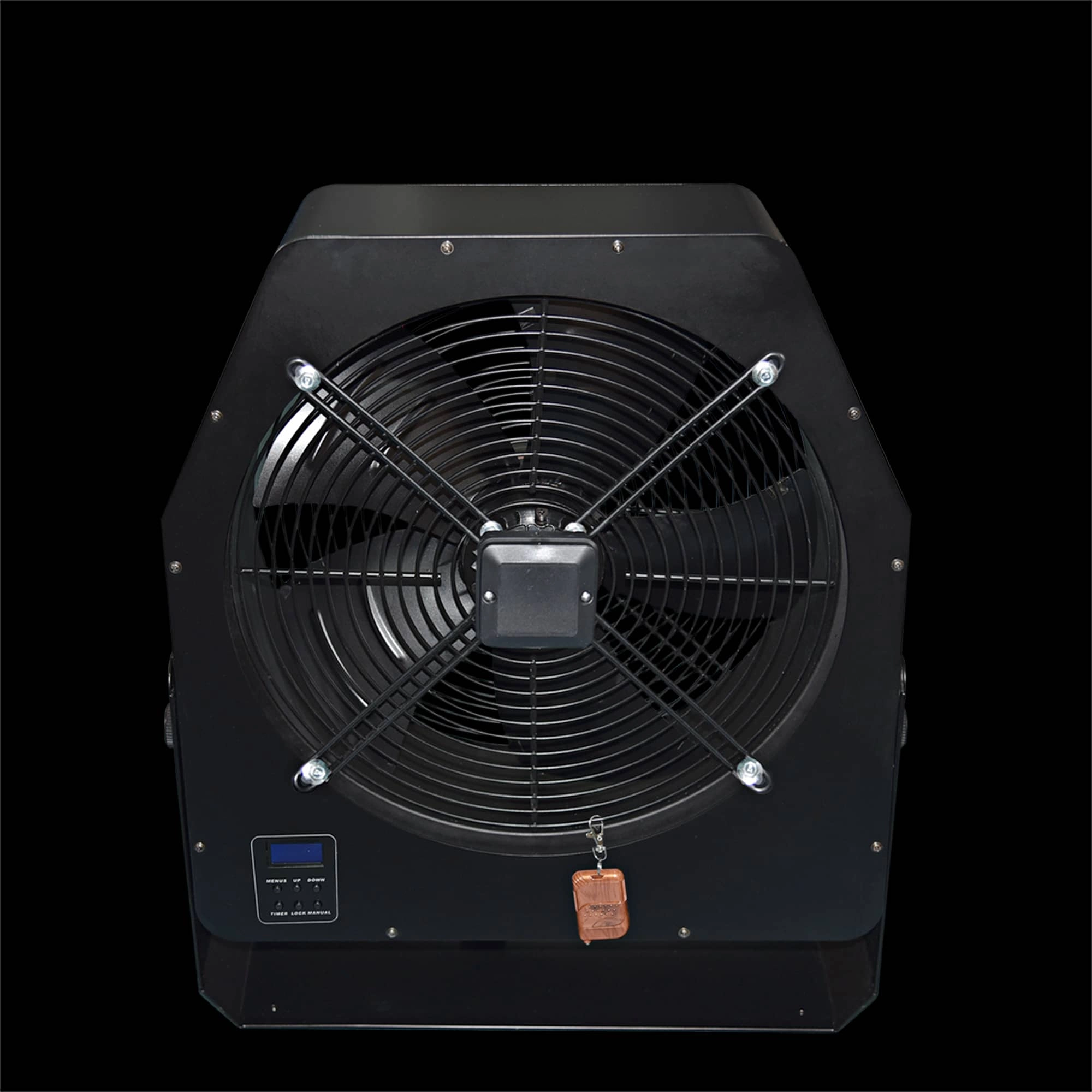
Professional Stage Big DMX Fan | High-Power Event Fan for Stage Shows & Celebrations
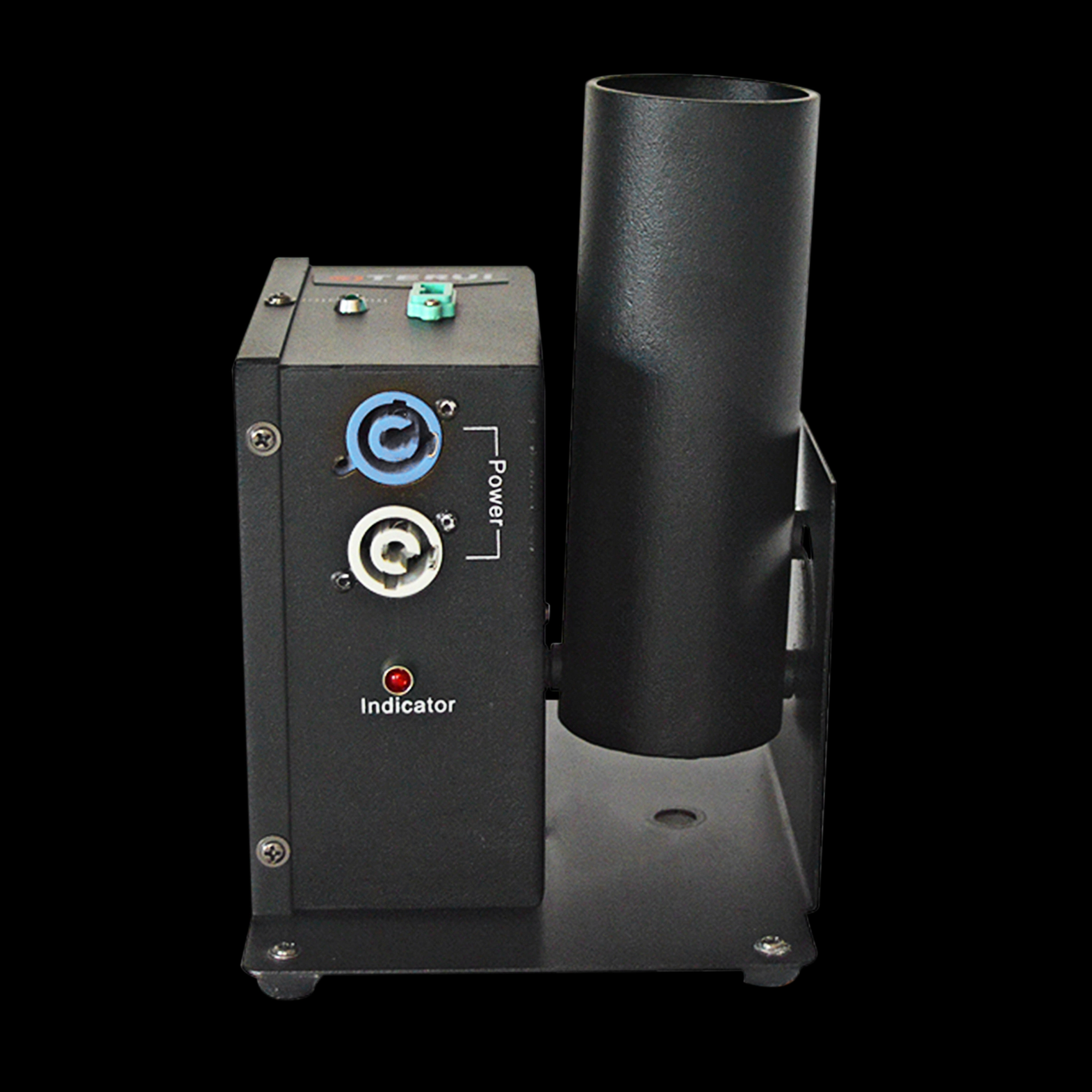
Single Shot Confetti Machine - Premium Confetti Launcher for Weddings & Stage Celebrations
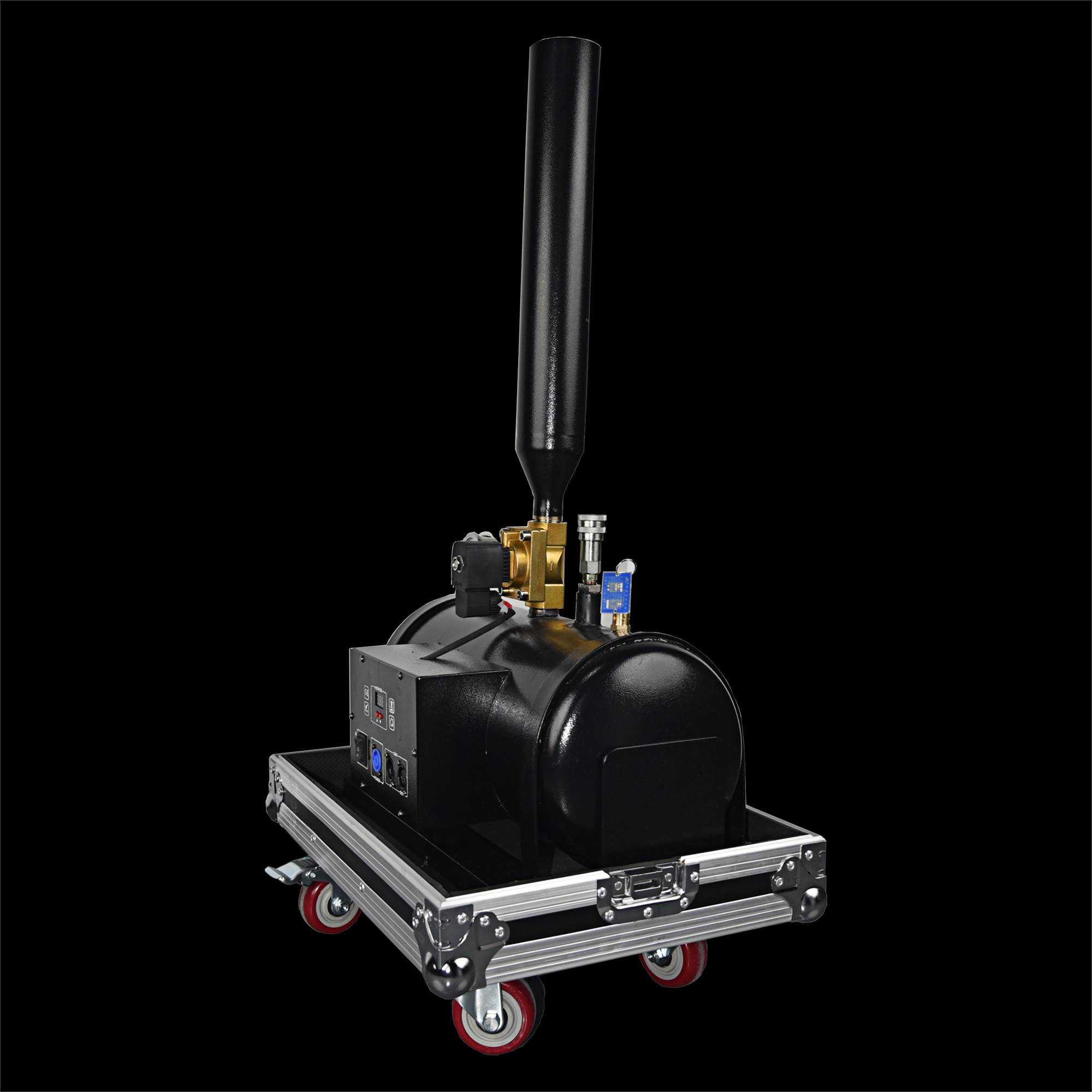
High-Altitude Confetti Cannon - Professional Confetti Blaster for Stage, Party & Celebration Events
Email: sales01@strlighting.com
WhatsApp: +86 189 2232 4800
© 2025 Siterui SFX All Rights Reserved.
 Scan QR Code
Whatsapp: +8618922324800
siteruisfx_stage_equipment
Siterui
SITERUI-SFX
STRlighting
@siterui.sfx