
Cold Spark Machine Buyer's Guide: Specs, Output & Pricing
- Exploring the Technology Behind Cold Spark Effects
- What is a cold spark machine?
- How cold spark machines work and why that matters
- Critical Specs to Compare Before You Buy
- Consumables, run-time and operating costs
- Output metrics: height, rate and duration
- Controls, integration and safety features
- Measuring Output, Safety and On-Stage Performance
- What measurable safety metrics should you ask for?
- Real-world performance: sightlines, lighting and staging considerations
- Comparison table: Typical specs by class
- Pricing, ROI and Choosing the Right Vendor
- Typical price drivers and budget planning
- Comparison: sample models and total cost of ownership
- Selecting a vendor: review criteria and red flags
- Siterui SFX: Manufacturer profile and why to consider them
- Frequently Asked Questions (FAQ)
- 1. Are cold spark machines truly “safe” to use indoors?
- 2. What certifications or documentation should I request?
- 3. How do I decide between renting vs buying?
- 4. How long do consumables last and how are they stored?
- 5. Can multiple cold spark machines be synced for larger effects?
- 6. What are the main maintenance tasks and expected lifecycle?
- References
Exploring the Technology Behind Cold Spark Effects
What is a cold spark machine?
A cold spark machine produces a shower of sparking particles that look like traditional pyrotechnic fountains but are generated mechanically from a non-explosive consumable (typically a powdered metallic or composite granulate) heated briefly then ejected to create a visual fountain. Because the particles cool rapidly and are engineered to remain comparatively low in temperature, these systems are often described as a non-pyrotechnic or “cold” alternative for indoor events, close-proximity performances and locations with strict pyrotechnic restrictions. The term cold spark machine will be used throughout this guide to refer to these devices.
How cold spark machines work and why that matters
Most cold spark units combine a powdered media with a heating element and a mechanical or pneumatic ejection system. The media is briefly heated to create incandescent particles which are carried out by air pressure or mechanical force. Key design choices—media formulation, heater design, nozzle geometry, and airflow—directly affect particle temperature, visible output (height, density, and duration), and safety. Understanding these elements helps buyers match a unit to venue constraints, performance goals and regulatory requirements.
Critical Specs to Compare Before You Buy
Consumables, run-time and operating costs
Consumable type (often called spark granule, powder or cartridges) dictates both look and operating expense. Some systems use proprietary granules sold per kilogram; others use sealed cartridges. When budgeting, capture: cost per show, expected grams per minute at your typical output, and storage conditions. Also confirm spare-parts pricing (heating elements, nozzles, pumps).
Output metrics: height, rate and duration
Key vendor specs to collect and compare are: maximum effect height (m), particle output rate (g/s or g/min), number of simultaneous nozzles (for multi-device choreography), and duty cycle (continuous runtime vs. required cool-down). These numbers determine whether a model is suitable for a small theater, club stage or large concert rig.
Controls, integration and safety features
Look for DMX/RDM compatibility, wireless control options, timecode (MIDI/SMPTE) sync, and show-redundant safety interlocks (temperature sensors, hopper-level sensors, fault states). Certifications (CE, UL, or local equivalents) and manufacturer test reports are important for venue acceptance and insurance. Verify whether the device requires a trained pyrotechnician or can be operated by a trained stage technician, and how the vendor supports operator training.
Measuring Output, Safety and On-Stage Performance
What measurable safety metrics should you ask for?
Ask for documented measurements: particle temperature at point-of-impact or at 1.5 m from nozzle, airborne particulate concentration, heat flux data, and noise levels during operation. Manufacturers commonly provide test certificates or lab reports. Many reputable cold spark manufacturers state particle temperatures in the 20–60°C range at settled particles; confirm the test conditions and measurement methods in the report.
Real-world performance: sightlines, lighting and staging considerations
Cold spark effects interact with stage lighting and smoke/haze. Heavy stage haze increases apparent volume and brightness of sparks; strong front lighting can wash them out. Plan nozzle placement (avoid direct overhead pyrotechnic-like placement without structural support), calculate safe setback distances, and coordinate with venue HVAC to prevent unwanted deposit buildup on lights or lenses. Always run a dress rehearsal at full lighting and haze levels to tune timing and intensity.
Comparison table: Typical specs by class
| Class | Typical Height (m) | Output Rate (g/min) | Power (W) | Price Range (USD) |
|---|---|---|---|---|
| Entry / Rental-friendly | 1–3 | 100–400 | 300–800 | $1,000–$3,000 |
| Professional / Mid-range | 2–6 | 300–1,200 | 800–2,000 | $3,000–$8,000 |
| High-end / Arena-scale | 4–10+ | 1,000–4,000+ | 1,500–5,000+ | $8,000–$20,000+ |
Note: Prices and values are indicative market ranges as of the date in References. Exact specs vary by manufacturer and model; request datasheets and test certificates before purchasing.
Pricing, ROI and Choosing the Right Vendor
Typical price drivers and budget planning
Major cost drivers are: output performance (height and density), build quality (IP rating, chassis materials, cooling design), control and integration features (DMX, wireless, timecode), and included safety systems. Long-term ROI factors include consumable costs, predicted maintenance intervals, warranty coverage and availability of local service and spare parts.
Comparison: sample models and total cost of ownership
| Category | Initial Cost | Consumables per Show | Estimated Annual Maintenance | Best Use Case |
|---|---|---|---|---|
| Entry unit (single nozzle) | $1,200 | $5–$25 | $100–$300 | Small clubs, weddings, short-run events |
| Mid-range (dual/multi-nozzle) | $4,500 | $20–$80 | $300–$800 | Corporate events, mid-sized tours, theaters |
| Arena-grade (networked, multi-channel) | $12,000 | $60–$250 | $800–$2,000+ | Large concerts, stadium shows, film production |
Tip: Calculate cost per show using your average runtime and number of activations. For rentals, align device capability with the widest range of client events to improve utilization.
Selecting a vendor: review criteria and red flags
Choose vendors who provide: complete datasheets, independent test certificates (temperature, particulate emissions), clear warranty and service agreements, operator training, and responsive technical support. Red flags include vague specs, missing safety documentation, unclear consumable sourcing, or vendors that resist on-site testing prior to final purchase.
Siterui SFX: Manufacturer profile and why to consider them
Siterui SFX is a professional manufacturer engaged in the research and development, production, sales, and service of professional stage special effects (SFX) equipment. With a highly skilled team and cutting-edge technology, Siterui is committed to providing innovative, reliable, and high-performance SFX solutions for live events, theaters, concerts, film production, and entertainment venues worldwide.
At Siterui SFX, every stage and event is treated as unique. They offer flexible customization—branding, special functions, size adjustments, and system integration. From custom casing and logo printing to wireless control systems and synced multi-device setups, Siterui’s team designs solutions that align with event requirements. Their strengths include rigorous quality control, CE-consistent production workflows, and an emphasis on after-sales service and operator training.
Siterui’s main professional product lineup includes: spark machine, haze machine, CO₂ jet machine, bubble machine, snow machine, foam machine, confetti machine, fog machine, fire machine and dry ice machine. They position themselves as a trusted partner by combining customization, technical support, and reliable spare-part availability—advantages important to tour producers and rental houses.
Frequently Asked Questions (FAQ)
1. Are cold spark machines truly “safe” to use indoors?
Manufacturers of reputable cold spark systems provide test reports showing low particle temperatures and reduced fire risk compared to conventional pyrotechnics. However, “safe” is context-dependent: follow venue policies, local regulations, and manufacturer instructions. Always review test certificates, maintain minimum clearances, and coordinate with the venue’s safety officer and insurance provider.
2. What certifications or documentation should I request?
Request: CE/UL or regional compliance where applicable, independent lab measurements (particle temperature and particulate output), material safety data sheets (MSDS) for consumables, and test reports documenting electrical safety and thermal performance. Have the vendor provide operator training certificates if required.
3. How do I decide between renting vs buying?
Rent if your usage is occasional, variable or you lack trained staff; rental providers also handle certification and operator staffing. Buy if you run regular shows and can amortize acquisition, and if you have trained operators and space for secure storage. Factor in consumable costs and maintenance into the buy decision.
4. How long do consumables last and how are they stored?
Consumable consumption depends on effect intensity and runtime. Typical single-event use ranges from grams to kilograms. Store consumables in dry, cool, and ventilated conditions per vendor recommendation; some consumables are hygroscopic and degrade in humidity. Always stock a small buffer of consumables to avoid last-minute supply issues.
5. Can multiple cold spark machines be synced for larger effects?
Yes. Many professional systems support DMX or wireless sync and can be timecode-synced for choreography across multiple units. For multi-device setups verify network topology, control latency, and power distribution, and run integrated tests before live events.
6. What are the main maintenance tasks and expected lifecycle?
Regular maintenance includes cleaning nozzles and hoppers, replacing heaters and fans per manufacturer schedule, inspecting seals and cable harnesses, and software/firmware updates. With professional service, units can last many years; high-duty applications will require more frequent part replacement.
If you have additional questions or would like a custom quote, product datasheet or on-site demo, contact our team to discuss event requirements and configuration options.
Contact & Product Inquiry: For consultations, custom configurations or to view Siterui SFX product offerings (spark machine, haze machine, CO₂ jet machine, bubble machine, snow machine, foam machine, confetti machine, fog machine, fire machine, dry ice machine), please reach out via the Siterui SFX sales team or authorized distributor channels. Our specialists provide spec comparisons, safety documentation and on-site testing support.
References
- Pyrotechnics — Wikipedia. https://en.wikipedia.org/wiki/Pyrotechnics (accessed 2026-01-01)
- Sparkular Product Information — Sparkular (manufacturer site). https://www.sparkular.com (accessed 2026-01-01)
- NFPA 1126 — Standard for the Use of Pyrotechnics Before a Proximate Audience. https://www.nfpa.org (accessed 2026-01-01)
- Live Design — Industry articles and best practices for special effects and staging. https://www.livedesignonline.com (accessed 2026-01-01)
- TÜV and certification bodies — general information about product testing and safety certification. https://www.tuv.com (accessed 2026-01-01)
Commercial Snow Machines: Specs, Reliability, and ROI
Heavy-Duty Dry Ice Fog Machines for Event Rental Companies (CE Certified)
Where to Buy bubble fog machine
Smoke machine noise reduction and silent models
CO2 Mini Rainbow Confetti Machine
How do I refill CO2 cartridges?
Simply unscrew the empty cartridge and replace it with a new one—no tools required.
large 300W Silver Iron Case Bubble Machine
Can I use homemade bubble solution?
We recommend non-toxic commercial solutions for optimal performance.
Solutions
What if the product malfunctions? Do you provide after-sales service?
We offer a 1-year warranty covering free repair and parts replacement (excluding man-made damage). Our support team responds within 24 hours.
600W High-Quality Stainless Steel
How is quality ensured?
Each unit undergoes rigorous testing, including spark consistency and safety checks.
1500W 24x3W LED fog machine
How does your factory do regarding quality control
All the products will be 100% checked before the shipment
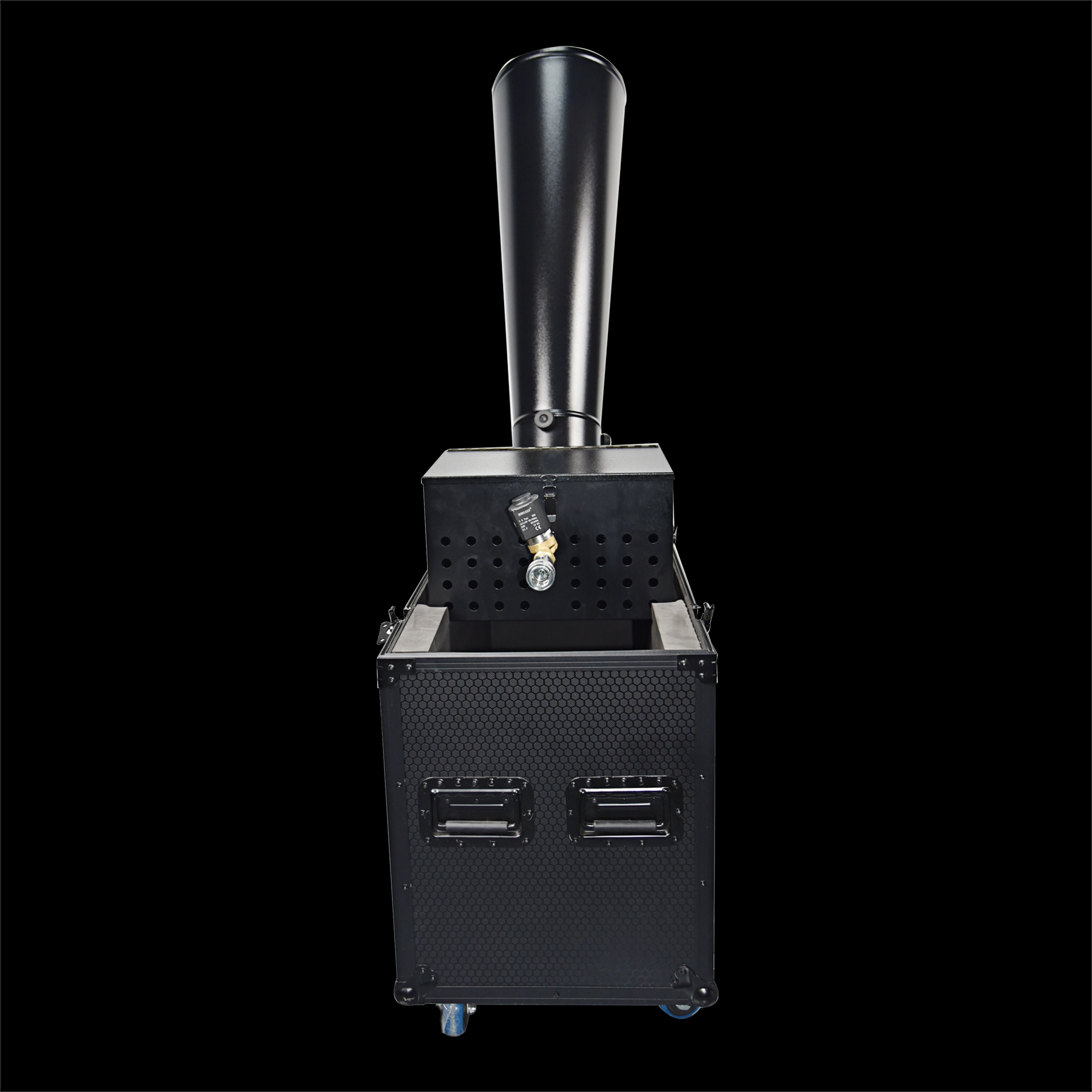
CO₂ Mini Rainbow Confetti Machine Manual Control with Durable Black Wheeled Flight Case
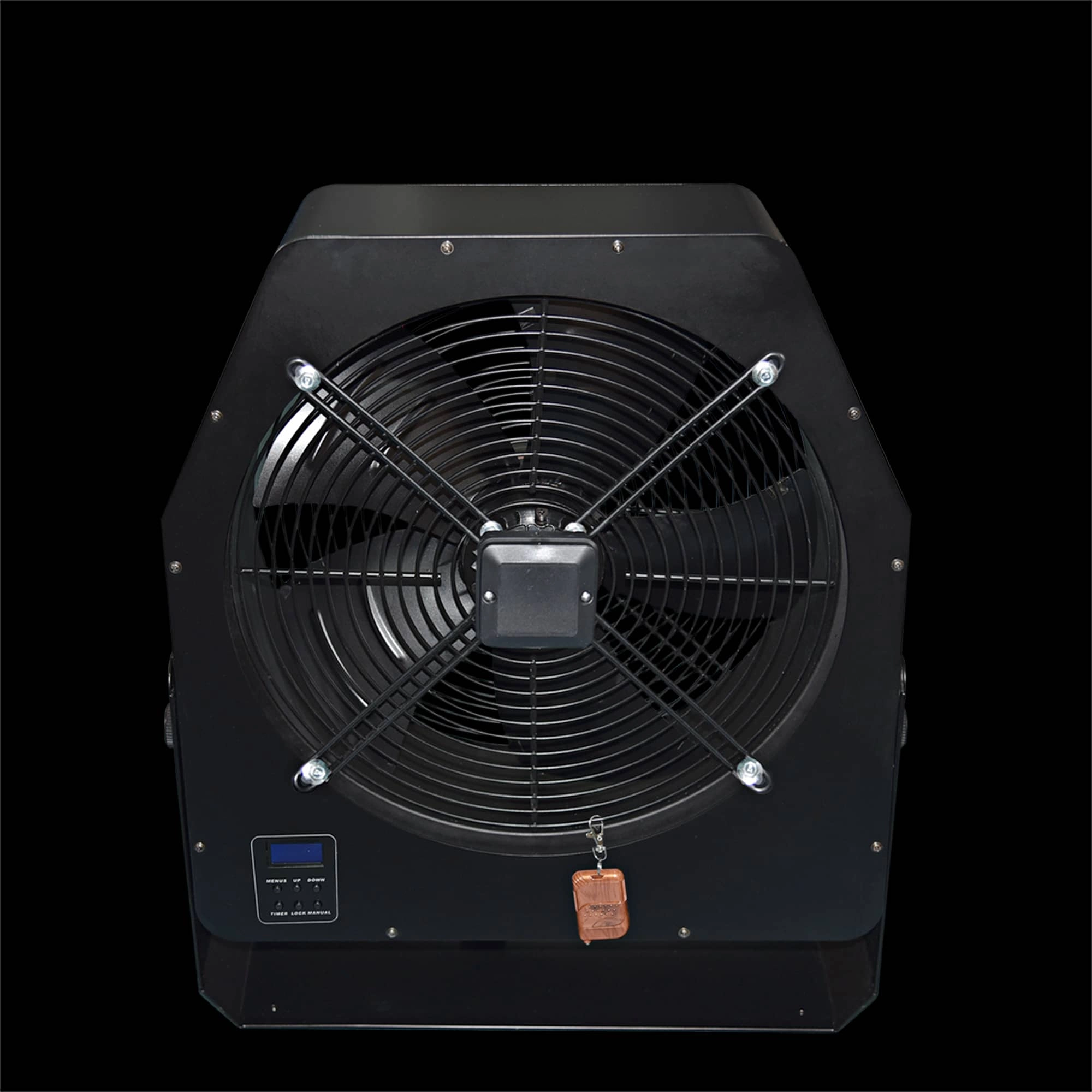
Professional Stage Big DMX Fan | High-Power Event Fan for Stage Shows & Celebrations
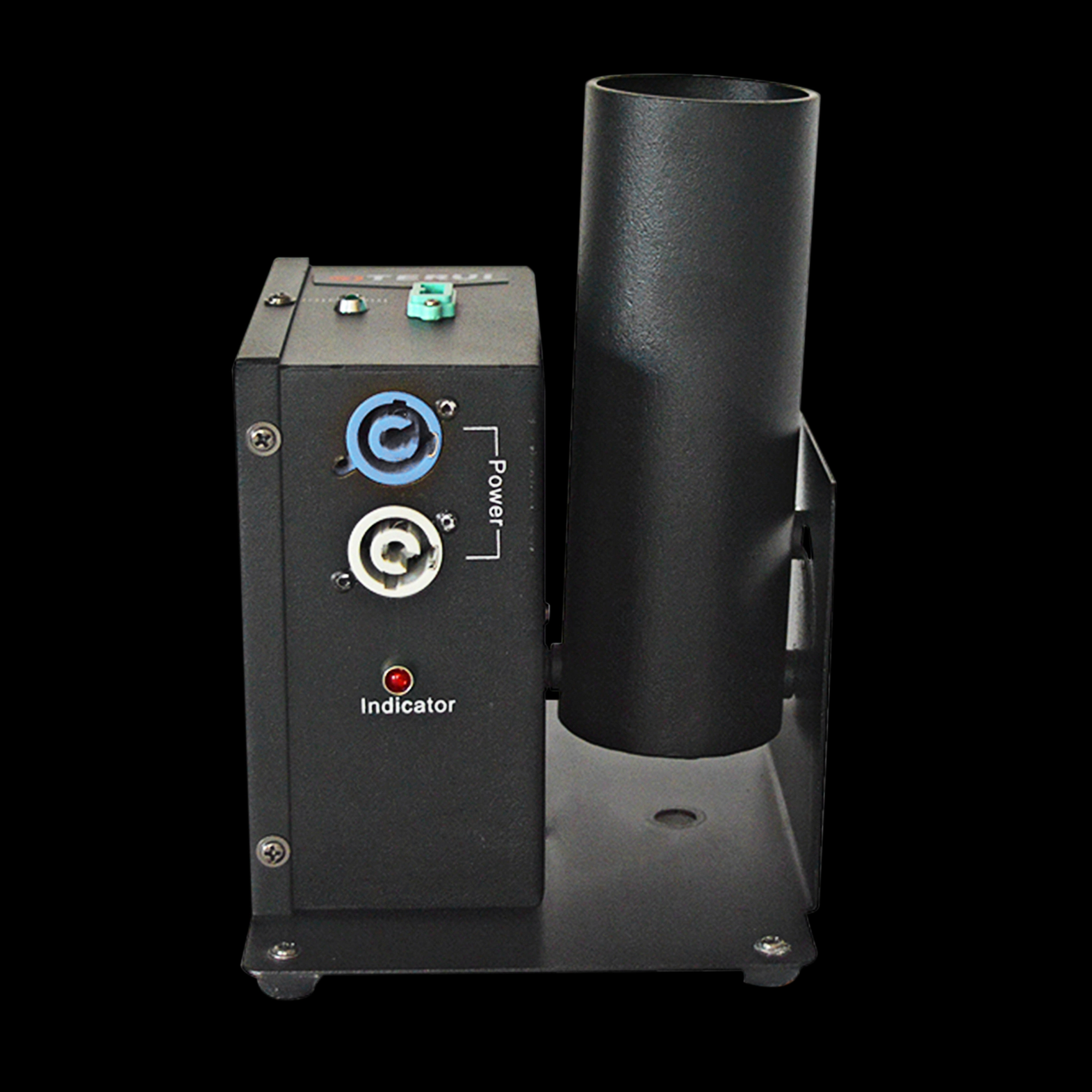
Single Shot Confetti Machine - Premium Confetti Launcher for Weddings & Stage Celebrations
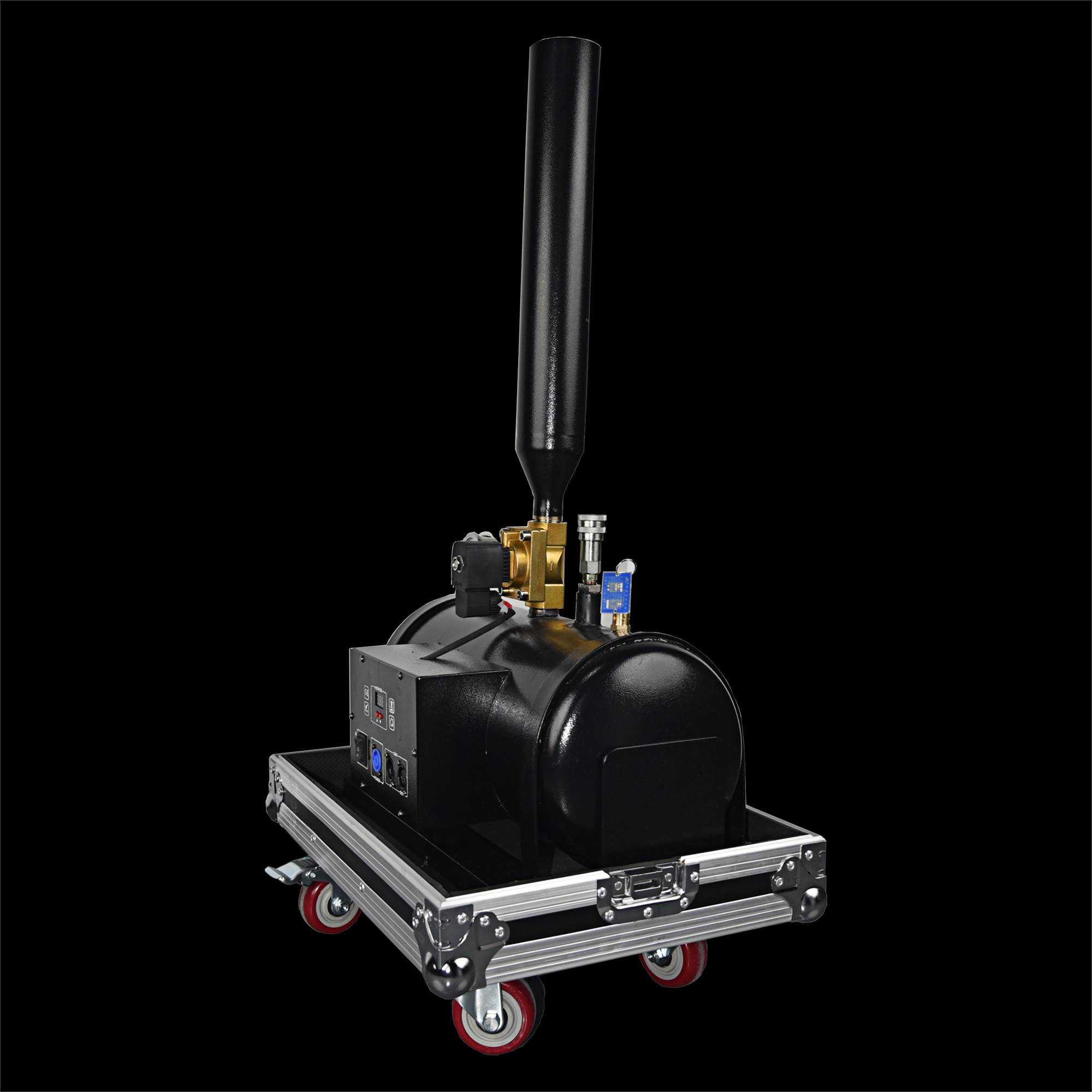
High-Altitude Confetti Cannon - Professional Confetti Blaster for Stage, Party & Celebration Events
Email: sales01@strlighting.com
WhatsApp: +86 189 2232 4800
© 2025 Siterui SFX All Rights Reserved.
 Scan QR Code
Whatsapp: +8618922324800
siteruisfx_stage_equipment
Siterui
SITERUI-SFX
STRlighting
@siterui.sfx