
Commercial hazers for theme parks and attractions
- Why haze is essential in modern themed entertainment
- How a commercial hazer differs from fog and smoke machines (key choices for attractions)
- Side-by-side technical comparison
- Selecting the right hazer for theme parks and attractions
- Checklist for attraction procurement teams
- Safety, indoor air quality, and regulatory compliance when using a hazer
- Maintenance, servicing and runtime optimization for commercial hazers
- Sample maintenance schedule (operating 10–12 hours/day)
- Integration strategies: show control, HVAC, and distributed hazer networks
- Performance and cost comparison: haze systems at a glance
- Environmental and guest comfort considerations when deploying a hazer
- Case studies: how top attractions use hazers effectively
- Siterui SFX: professional hazers and comprehensive stage special effects for attractions
- Siterui SFX advantages and core offerings
- Why choose Siterui SFX for attraction hazer deployments?
- Purchasing, warranty, and lifecycle planning for park operators
- Frequently Asked Questions (FAQ)
- 1. What is the difference between a hazer and a fog machine?
- 2. Are haze fluids safe for guests and staff?
- 3. How many hazers do I need for a dark ride or attraction?
- 4. What are the operational costs to run a hazer in a park?
- 5. Can hazers be integrated with show-control systems?
- 6. How to handle guests with sensitivity to haze?
- Contact & next steps
- References
Why haze is essential in modern themed entertainment
Haze is a subtle atmospheric effect used across theme parks, dark rides, live shows, and walkthrough attractions to increase visual depth, improve lighting beams, and enhance immersion. A commercial hazer—commonly called a hazer—produces a long-lasting, ultra-fine aerosol that suspends in air and makes light sources, lasers, and scenic textures read more vividly to visitors without obscuring sightlines. For parks focused on guest experience, throughput, and operational uptime, choosing the right hazer technology and integrating it properly is a practical, revenue-supporting decision.
How a commercial hazer differs from fog and smoke machines (key choices for attractions)
Understanding differences between a hazer and fog or smoke machines is critical for attraction designers and operations teams. Hazer output generally produces smaller particles and a more homogeneous aerosol, creating an even atmospheric veil that enhances beams and scenic lighting without creating dense clouds. In contrast, traditional fog machines and smoke generators produce larger droplets or visible plumes that intentionally obscure or dramatize sightlines.
Side-by-side technical comparison
| Characteristic | Commercial Hazer | Fog/Smoke Machine |
|---|---|---|
| Particle size | Submicron to low-micron range (fine aerosol) | Larger droplets; visible clouds |
| Visual effect | Even veil; enhances beams and lighting | Dense clouds for dramatic occlusion |
| Duration | Long-lasting, low consumption | Shorter-lived plumes; higher fluid usage |
| Typical uses in parks | Ambient enhancement in dark rides, stage shows | Momentary effects, scene transitions, scare scenes |
Sources: industry white papers and manufacturer technical notes explain haze and fog mechanics; operators should verify product specs (particle size, output rate, fluid type) to match attraction intent and HVAC capabilities.
Selecting the right hazer for theme parks and attractions
Choosing a commercial hazer for a theme park installation requires balancing effect, safety, maintenance, and total cost of ownership. Key keyword factors to evaluate include output control (continuous vs. timed bursts), fluid type (water/glycol or mineral oil-based), particle size distribution, duty cycle rating, DMX or wireless control options, and serviceability. For attractions with long operating hours, prioritize hazers designed for continuous operation with easy service access and reliable pump/heat systems.
Checklist for attraction procurement teams
- Confirm duty cycle and mean time between failures (MTBF) for 12–16 hour daily operations.
- Ensure fluid compatibility and verify SDS for indoor air quality and cleaning requirements.
- Choose units with integrated filtration or accessible components for routine maintenance.
- Require DMX/RDM or Ethernet-based control for synchronization with lighting and show control systems.
- Consider modular or rack-mountable hazers for discrete mechanical-room installations.
Safety, indoor air quality, and regulatory compliance when using a hazer
Safety and indoor air quality (IAQ) are the top concerns for operators. Modern haze fluids are typically glycol- or glycerin-based (water-propylene glycol, di-propylene glycol, or mineral oil variants). When selecting a hazer, insist on manufacturer-provided Safety Data Sheets (SDS) and independent inhalation or exposure data. Facilities should coordinate with HVAC engineers to assess ventilation rates, particulate recirculation, and filtration. Regular monitoring of particulate concentrations during peak show cycles can help ensure compliance with local occupational and public health guidelines.
Relevant guidance exists from health and safety agencies regarding exposure limits for aerosolized glycols; consult NIOSH and local occupational health authorities to plan safe exposure profiles for staff and guests (see references).
Maintenance, servicing and runtime optimization for commercial hazers
Operational uptime in a park environment depends on a robust preventive maintenance plan for each hazer. Typical best practices include daily visual checks, scheduled fluid-line purges, weekly tank/inlet inspections, monthly pump and heater assessments, and annual full-service with parts replacement (pumps, seals, filters). Documented maintenance logs and on-site spare-parts kits (pumps, nozzles, tubing) reduce downtime. Choose hazer models with easily accessible service panels and widely available replacement parts.
Sample maintenance schedule (operating 10–12 hours/day)
| Interval | Task |
|---|---|
| Daily | Visual check; top off approved haze fluid; check control connectivity |
| Weekly | Inspect and clean intake/exhaust screens; run diagnostic cycles |
| Monthly | Inspect pumps and tubing; verify fluid lines for deposits; check DMX/RDM response |
| Annually | Full service: replace wear parts, calibration, and verify emission/particle profiles |
Integration strategies: show control, HVAC, and distributed hazer networks
For multi-attraction sites or large indoor areas, a distributed network of smaller hazers controlled centrally is often preferable to a few high-output units. This approach allows zoned control (only haze where and when needed), reduces visible plumes when guests transition between scenes, and aligns with ride timing and show cues. Integrate hazer control into your show-control system via DMX, Art-Net, sACN, or wired/wireless Ethernet for precise timing with lighting, audio, and animatronics.
Coordinate with HVAC and facility engineers before installation: recirculation patterns can concentrate aerosol in areas with low airflow, and vents may alter haze distribution. Using computational fluid dynamics (CFD) modeling during design can predict haze dispersal and help position units for optimal effect with minimal fluid consumption.
Performance and cost comparison: haze systems at a glance
Below is a representative comparison to help operations and procurement teams evaluate typical hazer options for theme parks. Values are representative ranges; always confirm with vendor data sheets.
| Metric | Small Continuous Hazer | High-Output Hazer (theater-grade) | Oil-Based Hazer |
|---|---|---|---|
| Typical output (mL/hr) | 10–50 | 50–250 | 50–200 |
| Duty cycle | Continuous (rated) | Continuous (industrial) | Continuous |
| Fluid types | Water-glycol | Water-glycol / mineral oil | Mineral oil |
| Typical applications | Small walkthroughs, show scenes | Main stages, large dark rides | Specialized visual finish; less hygroscopic |
Note: Confirm manufacturer specs for particle size and fluid consumption. Operational costs should include fluid, electricity, preventive maintenance, and spare parts over a 5–10 year lifecycle.
Environmental and guest comfort considerations when deploying a hazer
Guest comfort and inclusivity are critical. While haze is designed to be unobtrusive, visible aerosol can be a concern for visitors with respiratory sensitivities. To mitigate issues, parks should: use the lowest effective haze density, post clear signage where haze is used, offer alternate routes or sensory-friendly showtimes, and train staff to respond to guest complaints. Evaluate ventilation rates and verify that haze concentrations remain well below occupational exposure limits recommended by relevant authorities for staff.
Case studies: how top attractions use hazers effectively
Leading attractions use hazers to enhance theatricality without impeding sightlines or flow. Examples include dark rides that use zoned hazers to reveal light shafts during key scenes, indoor parades where low-level haze accentuates laser and projection mapping, and enclosed theaters that employ continuous haze to keep beams consistent across long show runs. In each case, layered control and predictive maintenance ensured consistent guest experiences and minimized operational interruptions.
Siterui SFX: professional hazers and comprehensive stage special effects for attractions
Siterui SFX is a professional manufacturer engaged in the research and development, production, sales, and service of professional stage special effects (SFX) equipment. With a highly skilled team and cutting-edge technology, Siterui SFX delivers innovative, reliable, and high-performance solutions tailored to live events, theaters, concerts, film production, and entertainment venues worldwide. For theme parks and attractions seeking a trusted partner for hazer systems, Siterui combines manufacturing capability with industry know-how to provide both off-the-shelf and custom solutions.
Siterui SFX advantages and core offerings
Siterui stands out through: flexible customization (branding, size, special functions), robust quality control, and full lifecycle support (installation, maintenance, spare parts). Their product range includes spark machines, Haze Machine, CO₂ Jet Machine, Bubble Machine, Snow Machine, Foam Machine, Confetti Machine, fog machine, fire machine, and dry ice machine. Whether a park needs discreet rack-mounted hazers for HVAC-room installation or wireless, synced multi-device hazers for a ride system, Siterui provides tailored engineering and integration services.
Why choose Siterui SFX for attraction hazer deployments?
- Customization: custom casing, logo printing, and unique control interfaces.
- Integration: support for wireless and wired show-control protocols and synced multi-device setups.
- Technical support: professional installation, commissioning, and training.
- Reliability: engineering for continuous operation and simplified serviceability.
Contact Siterui SFX to discuss specific haze requirements, obtain detailed technical specifications, or request a customized RFP for large-scale attraction installations.
Purchasing, warranty, and lifecycle planning for park operators
When procuring hazers, include total lifecycle costs and warranty terms in vendor evaluations. Ask for MTBF data, mean time to repair (MTTR), service response SLAs, recommended spare-part lists, and training packages. Procurement should require SDS for all fluids, proof of independent testing for particle emissions if available, and references from other attraction installations where possible.
Frequently Asked Questions (FAQ)
1. What is the difference between a hazer and a fog machine?
A hazer creates a fine, even aerosol to enhance lighting and beams with minimal visibility; a fog machine produces denser, visible clouds used for dramatic obscuration. Hazers are typically used for ambient enhancement, fog machines for strong moments or scares.
2. Are haze fluids safe for guests and staff?
Most commercially used haze fluids are water-glycol or propylene glycol based and are designed for theatrical use. Parks should request SDS from suppliers, follow manufacturers' usage guidance, coordinate with HVAC engineers, and monitor exposure in staff areas. Consult public health and occupational agencies (NIOSH, local authorities) for exposure recommendations.
3. How many hazers do I need for a dark ride or attraction?
That depends on venue volume, scene sizes, HVAC patterns, and desired effect. For controlled scenes, zoned placement of multiple smaller hazers often gives better coverage and control than a single large unit. Use CFD modeling or vendor planning services for precise layouts.
4. What are the operational costs to run a hazer in a park?
Operational costs include haze fluid, electricity, routine maintenance, and spare parts. Fluid consumption for continuous-use hazers is typically measured in mL/hour and varies by model—confirm vendor specifications and calculate annual fluid cost based on runtime.
5. Can hazers be integrated with show-control systems?
Yes. Professional hazers commonly support DMX/RDM, Art-Net/sACN, or Ethernet control. Siterui and other manufacturers can provide custom control interfaces or networked solutions to synchronize haze events with lighting, audio, and ride systems.
6. How to handle guests with sensitivity to haze?
Provide clear signage, alternative routes, and designated sensory-friendly showtimes. Train staff to respond promptly and have protocols for reducing haze density or suspending effects if required.
Contact & next steps
Ready to evaluate hazer options for your park or attraction? Contact Siterui SFX for product specifications, on-site consultations, and custom SFX system design. Request a demo, technical datasheet, or an installation proposal to see how professional hazers can enhance guest experience while meeting operational and safety needs.
References
- NIOSH Pocket Guide to Chemical Hazards — Propylene glycol (PG) — Centers for Disease Control and Prevention. https://www.cdc.gov/niosh/npg/npgd0490. (accessed 2025-12-19).
- Theatrical smoke and fog — Wikipedia. https://en.wikipedia.org/wiki/Theatrical_smoke_and_fog (accessed 2025-12-19).
- Fog machine — Wikipedia. https://en.wikipedia.org/wiki/Fog_machine (accessed 2025-12-19).
- Chauvet Professional — Hazer product information and technical resources. https://www.chauvetprofessional.com (accessed 2025-12-19).
- Look Solutions — Haze and fog technical guides. https://looksolutions.com (accessed 2025-12-19).
- Entertainment Services and Technology Association (ESTA) — Technical resources for theatrical effects and safety standards. https://tsp.esta.org (accessed 2025-12-19).
Portable Snow Machines for Touring and Outdoor Events
Mounting and rigging smoke machines safely
How Dry Ice Machines Create Theatre Fog Effects
Fog Fluid Types Explained: Water vs Oil Based
Solutions
Are your products exportable? Is the shipping safe?
Yes, our products meet international shipping standards. All items are securely packed, and special effect liquids are export-compliant. We ship worldwide.
1200W Haze Machine
Can I use other brands of haze fluid?
We recommend our certified fluid for optimal performance and longevity.
What’s the warranty period?
1 year for parts and labor (excluding fluid-related issues).
About us
Can Siterui handle large-scale projects?
Absolutely! Our expertise, equipment, and resources enable us to tackle complex orders.
600W High-Quality Stainless Steel
Can the spray height be adjusted mid-performance?
Absolutely! Use the remote control or DMX interface for real-time adjustments.
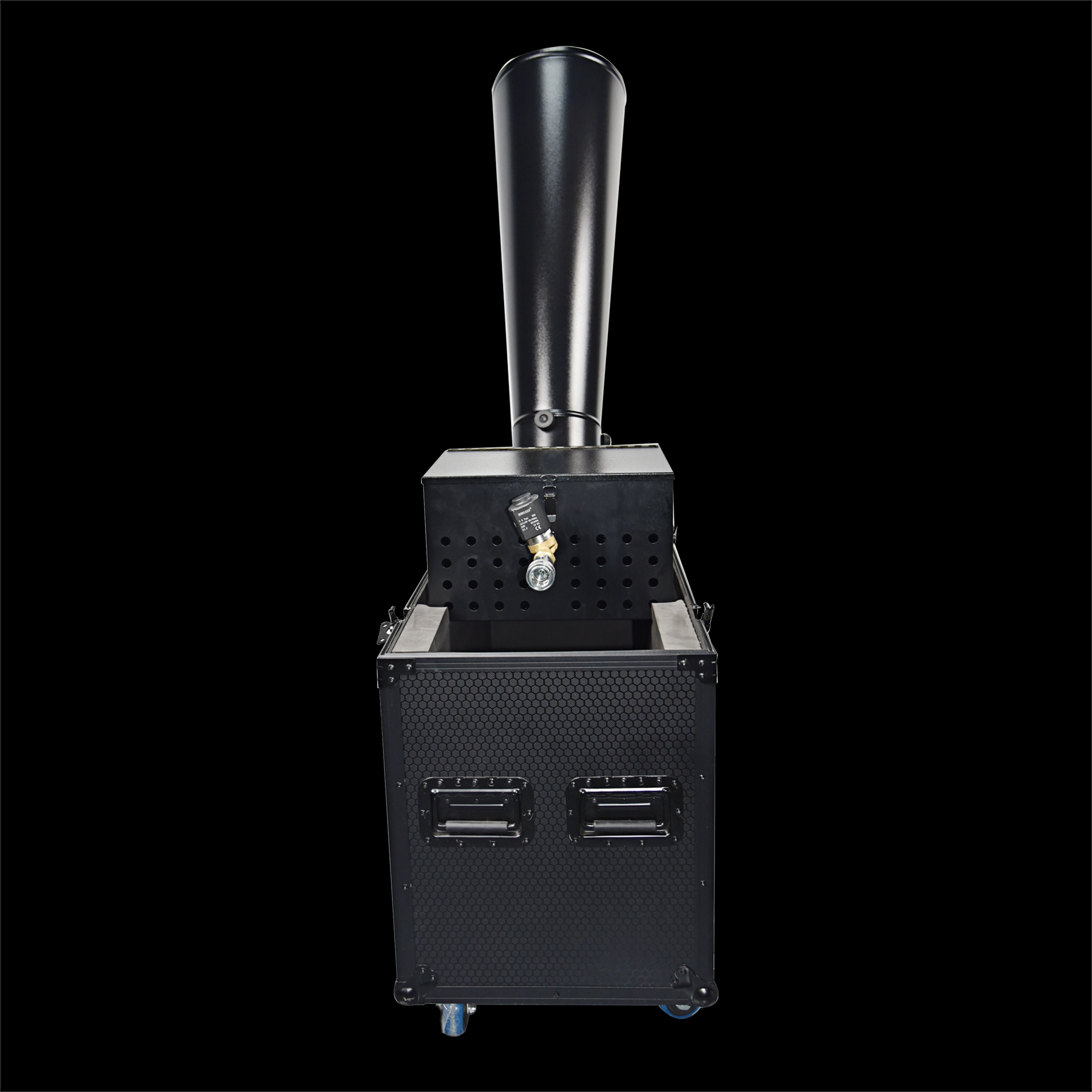
CO₂ Mini Rainbow Confetti Machine Manual Control with Durable Black Wheeled Flight Case
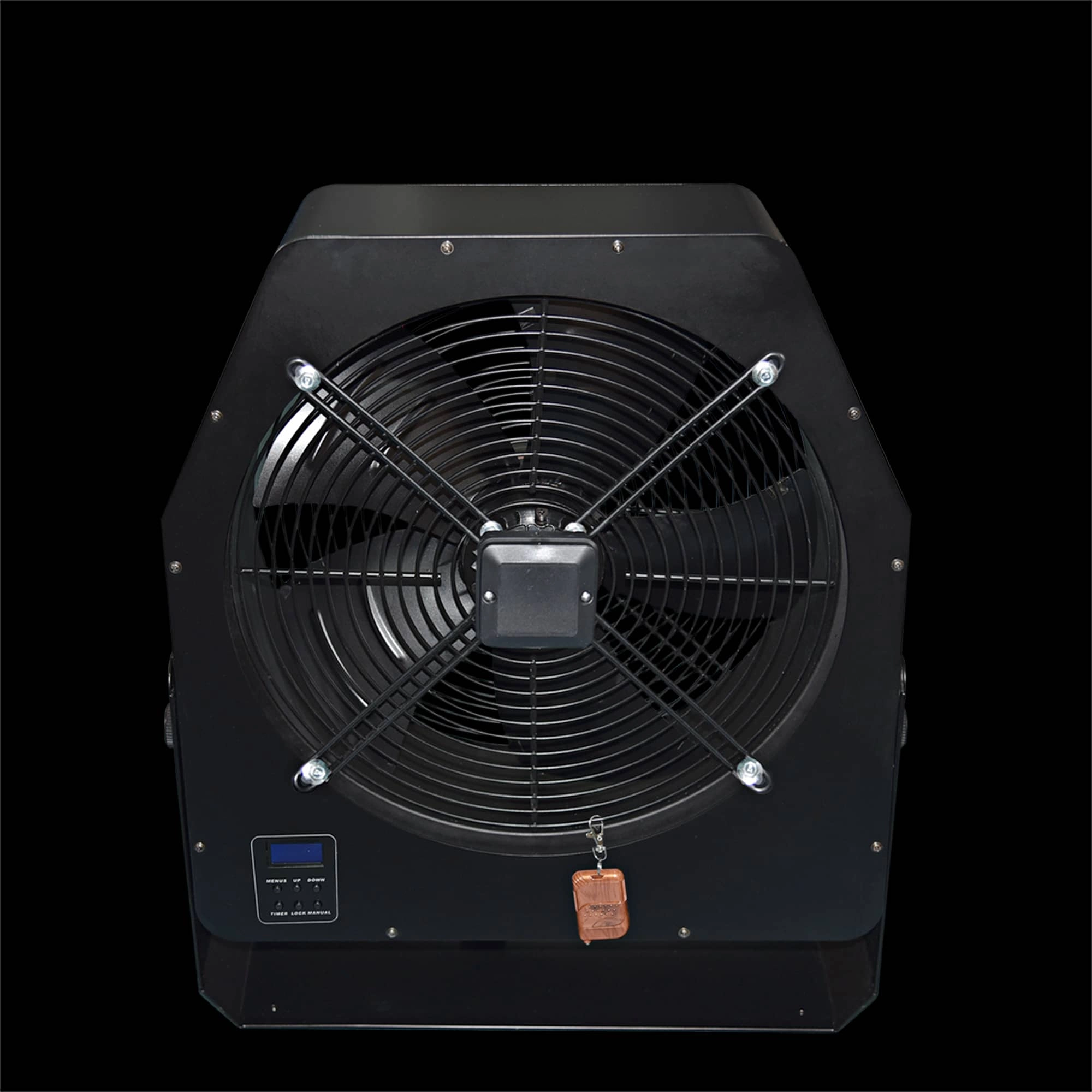
Professional Stage Big DMX Fan | High-Power Event Fan for Stage Shows & Celebrations
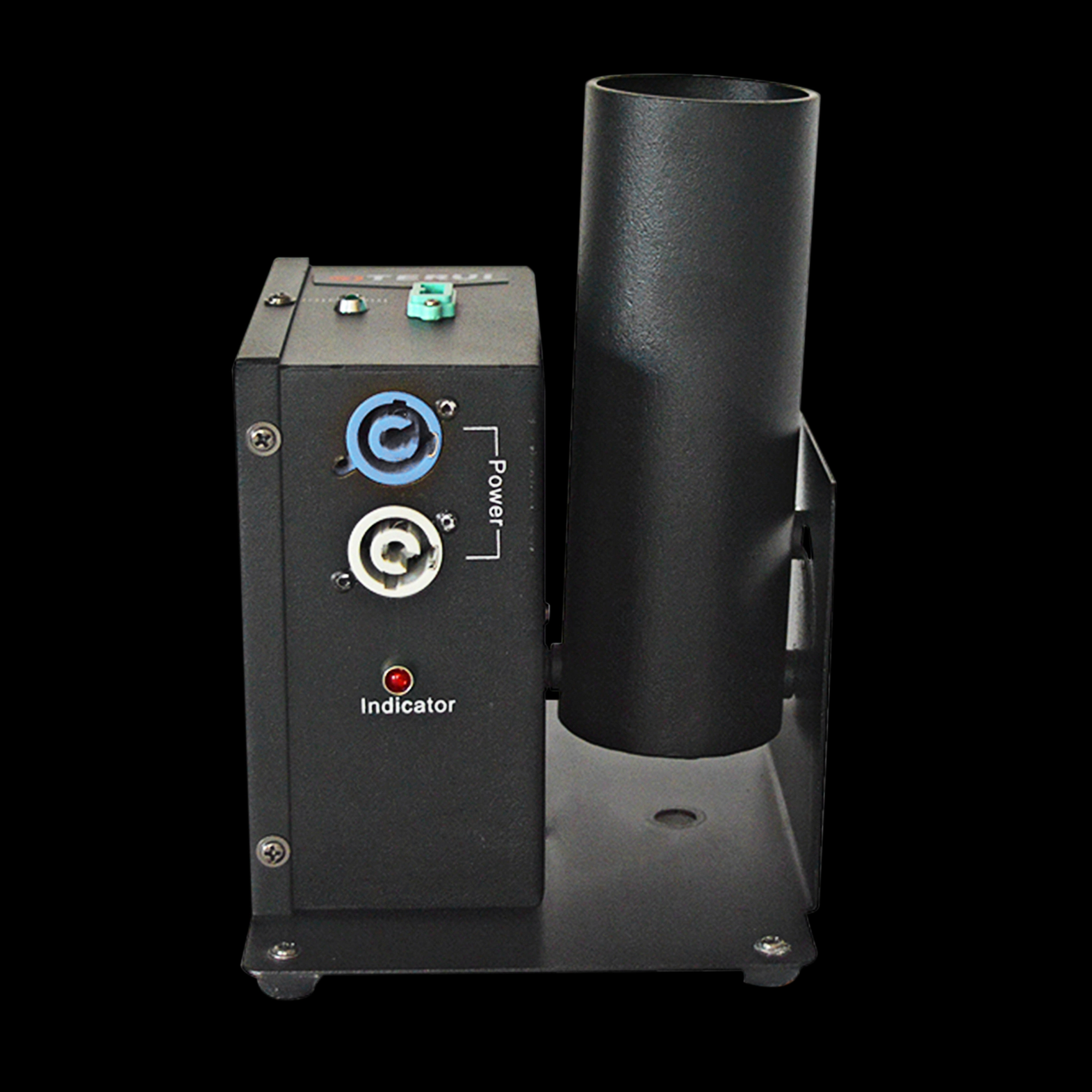
Single Shot Confetti Machine - Premium Confetti Launcher for Weddings & Stage Celebrations
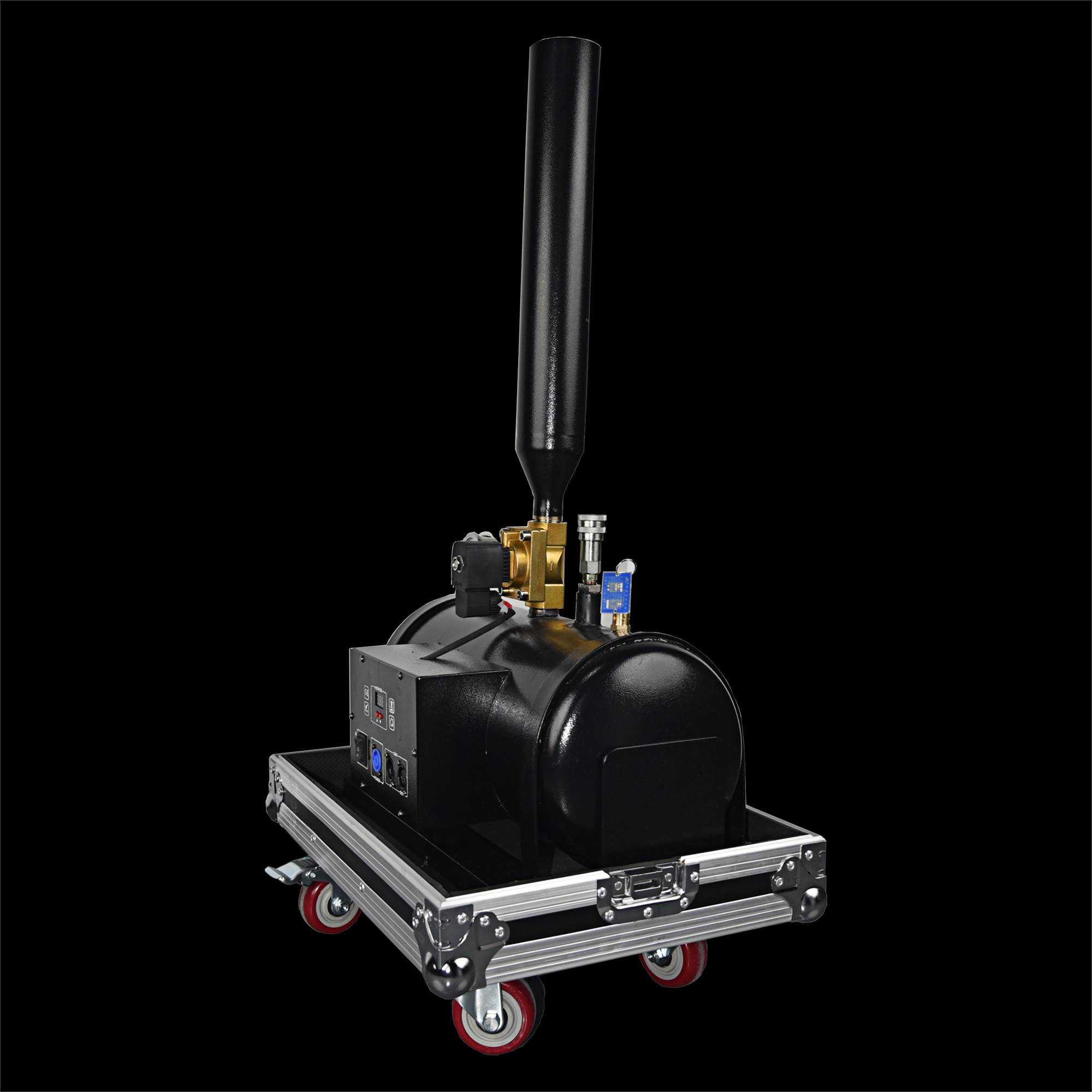
High-Altitude Confetti Cannon - Professional Confetti Blaster for Stage, Party & Celebration Events
Email: sales01@strlighting.com
WhatsApp: +86 189 2232 4800
© 2025 Siterui SFX All Rights Reserved.
 Scan QR Code
Whatsapp: +8618922324800
siteruisfx_stage_equipment
Siterui
SITERUI-SFX
STRlighting
@siterui.sfx