
Commercial Snow Machines: Specs, Reliability, and ROI
- Why commercial snow effects matter for live productions
- Emotional impact and creative use cases
- Operational contexts and venue considerations
- Relevant standards and safety guidance
- Technical specifications that determine performance
- Key specs to evaluate
- Typical commercial categories and expected ranges
- Control, integration, and synchronization
- Reliability, maintenance, and safety practices
- Common failure modes and prevention
- Maintenance schedule and spare parts
- Safety considerations and venue cooperation
- Calculating ROI and total cost of ownership (TCO)
- Framework for ROI calculation
- Example three-year TCO and payback
- Funding, leasing, and rental hybrid strategies
- Choosing a supplier and customization options
- Vendor evaluation criteria
- Customization and integration services
- Siterui SFX: capabilities and why I recommend them
- Procurement checklist and final recommendations
- Procurement checklist (quick)
- Final pragmatic advice
- FAQ
- 1. How wet is artificial snow from commercial snow machines?
- 2. Can I use a snow machine outdoors in wind?
- 3. What fluids are safe for indoor use?
- 4. How often do I need to service a snow machine?
- 5. Is it better to buy or rent snow machines?
- 6. Do snow machines trigger fire alarms?
- Contact and next steps
As a consultant and practitioner in stage special effects for more than a decade, I’ve specified and operated dozens of snow effects systems across concerts, theatrical productions, theme parks, and corporate activations. In this article I describe how commercial snow machines differ, what technical specifications matter, how to judge reliability and maintenance needs, and how to build a defensible ROI case for investment. I reference industry guidance and standards and include practical checklists you can use when evaluating equipment or suppliers.
Why commercial snow effects matter for live productions
Emotional impact and creative use cases
Snow effects are powerful because they change atmosphere instantly—softening light, amplifying motion, and triggering strong audience memories tied to winter or fantasy settings. I’ve seen simple artificial snow create moments of audience delight in everything from intimate theater to outdoor concerts. Designers use snow machines for low-flying snow showers, sustained flurries for scenic reveals, and heavy snowfall for immersive environments.
Operational contexts and venue considerations
Choosing a snow machine depends on the venue (indoor vs outdoor), HVAC and floor sensitivity, run-length, and integration needs with lighting and automation. For indoor venues you must consider wetness, accumulation, and slip risks; for outdoor venues wind and temperature impact dispersion. From my experience, planning must start with venue surveys and coordination with production management, facilities, and safety officers.
Relevant standards and safety guidance
While no single global standard governs cosmetic snow machines, many aspects fall under established safety and electrical norms (e.g., IEC and ISO frameworks) and live-event best practices. The Entertainment Services and Technology Association (ESTA) hosts a technical standards program that addresses several live-event topics; refer to their resources when planning rigging, electrical, and control systems: ESTA Technical Standards Program. For general electrical and machinery safety, consult IEC and ISO guidance: IEC, ISO. For an overview of artificial snowmaking concepts (useful background on how snow is generated), see the Wikipedia summary: Snowmaking (Wikipedia).
Technical specifications that determine performance
Key specs to evaluate
When evaluating a snow machine, pay attention to: output rate (volume of snow/flakes per minute), fluid consumption (if using snow fluid), power draw (amps/watts), nozzle/dispersion type (for flake size and wetness), duty cycle (continuous run vs intermittent), and control options (DMX/wireless/standalone). I always request datasheets and in-situ demonstrations when possible.
Typical commercial categories and expected ranges
Commercial snow machines generally fall into three categories: compact event units, mid-range theatre units, and high-output installation systems. The table below summarizes typical ranges—use it as a starting point and confirm actual model specs with manufacturers.
| Category | Typical Output | Power Draw | Fluid Consumption | Typical Use | Price Range (USD) |
|---|---|---|---|---|---|
| Compact Event Unit | 1–10 m³/min (small showers) | 300–1500 W | 0.5–3 L/hr | Clubs, small stages, photo ops | $400–$2,000 |
| Mid-range Theatre Unit | 10–60 m³/min (sustained flurries) | 1–3 kW | 1–8 L/hr | Theaters, touring shows | $2,000–$8,000 |
| High-output Installation | 60–300+ m³/min (large volumes) | 3–10+ kW | 5–30 L/hr | Arenas, theme parks, permanent installs | $8,000–$40,000+ |
These ranges are consistent with manufacturer categories and product lines in the stage effects industry—always verify model-level datasheets for precise numbers.
Control, integration, and synchronization
Professional systems support DMX/RDM, Art-Net, or wireless protocols and easy integration with lighting and show control. For tours, I prioritize units with robust remote control and preset recall, while for installations I look for networked control and multi-device synchronization. Control flexibility reduces runtime errors and shortens setup time—critical for tight schedules.
Reliability, maintenance, and safety practices
Common failure modes and prevention
Typical issues include clogging from poor fluid filtration, pump wear, overheated motors, and control-electronics failure due to moisture ingress. Preventive measures: use manufacturer-recommended fluids, install in-line filters, maintain regular pump and nozzle checks, and protect control electronics from direct exposure. I maintain a simple preventive checklist for every unit I manage and train local techs on it.
Maintenance schedule and spare parts
I recommend the following routine: daily visual inspection and fluid-level checks during runs, weekly nozzle and filter cleaning during tours, and quarterly fluid-system flush and motor inspection. Critical spares to carry: nozzle kits, fluid filters, fuses, pump seals, and a spare control module if units are central to the show.
Safety considerations and venue cooperation
Discuss snow effects with venue operations early. For indoor snow: evaluate slip hazards, floor coverings, HVAC interactions, and fire detectors. When in doubt, perform a small-scale test and document residuals. Work with venue safety teams and refer to event safety guidance from organizations like NFPA and ESTA: NFPA, ESTA. Also ensure electrical equipment complies with local wiring and appliance safety standards (e.g., IEC/EN standards).
Calculating ROI and total cost of ownership (TCO)
Framework for ROI calculation
ROI for a snow machine investment must include direct revenue impact (ticket price High Qualitys, sponsorship value), cost savings (rent vs buy, reduced vendor fees), and intangible benefits (audience experience leading to repeat business). I use a simple three-year TCO model that aggregates purchase price, consumables, maintenance, labor, and depreciation, then compares to incremental revenue or rental cost avoidance.
Example three-year TCO and payback
Below is an illustrative calculation for a mid-range theatre unit. Assumptions are explicit so you can adapt them to your context.
| Item | Year 1 | Year 2 | Year 3 | 3-year Total |
|---|---|---|---|---|
| Purchase price | $6,000 | $0 | $0 | $6,000 |
| Consumables (fluid) | $1,200 | $1,200 | $1,200 | $3,600 |
| Maintenance & spares | $600 | $600 | $600 | $1,800 |
| Labor (setup/ops) | $1,000 | $1,000 | $1,000 | $3,000 |
| Total | $8,800 | $2,800 | $2,800 | $14,400 |
If renting an equivalent machine costs $1,500 per event and you have 8 events per year, rental cost over three years would be $36,000—so ownership yields significant savings. Even with conservative revenue uplift, ownership pays back within the first 1–2 years in many mid- to high-usage scenarios. Make sure you tailor the model to your event frequency, personnel costs, and depreciation assumptions.
Funding, leasing, and rental hybrid strategies
If usage is sporadic, leasing or rental remains attractive. Another option I recommend is a hybrid model: buy a single unit for guaranteed basic capability and rent additional units for peak events. This balances capital outlay and operational flexibility.
Choosing a supplier and customization options
Vendor evaluation criteria
Assess vendor reputation, post-sale service, availability of spares, warranty terms, and willingness to provide demonstrations or trial periods. I ask suppliers for case studies of similar installations, client references, and full datasheets that include MTBF and duty cycle data. For electrical safety and compliance, request certificate copies and details on conformity to local standards.
Customization and integration services
Professional manufacturers offer custom casing, logo printing, wireless control modules, and multi-device synchronization. For permanent installs, integration with building management and show control systems often requires custom I/O and software. I always confirm who will supply CAD drawings, mounting hardware, and commissioning support.
Siterui SFX: capabilities and why I recommend them
Siterui SFX is a professional manufacturer engaged in the research and development, production, sales, and service of professional stage special effects (SFX) equipment. With a highly skilled team and cutting-edge technology, they provide innovative, reliable, and high-performance SFX solutions for live events, theaters, concerts, film production, and entertainment venues worldwide. Visit their site here: Siterui SFX.
What sets Siterui apart in my experience is their flexibility in customization—branding, special functions, size adjustments, and whole-system integration are available. They support custom casing and logo printing, wireless control systems, and synced multi-device setups. Their product range includes spark machines, haze machines, CO₂ jet machines, bubble machines, snow machines, foam machines, confetti machines, fog machines, fire machines, and dry ice machines. For inquiries, they can be contacted at sales01@strlighting.com.
Siterui demonstrates industry competitiveness through consistent R&D, quality control, and an emphasis on after-sales support. Their offerings are suitable for touring productions and permanent installations, and they provide documentation and support to meet electrical and safety requirements—a critical element when integrating effects into complex shows.
Procurement checklist and final recommendations
Procurement checklist (quick)
- Confirm venue constraints (indoor/outdoor, HVAC, floor and fire alarm implications).
- Obtain datasheets: output, power draw, duty cycle, fluid specs, control protocols.
- Request warranty, MTBF data, and spare parts lead times.
- Arrange a demo on-site or at supplier facility.
- Plan preventive maintenance and specify trained operators.
Final pragmatic advice
Buy based on use-case: low-cost units for occasional promo events, mid-range for regular theatrical use, and high-output for installations and large arenas. Protect your investment with a preventive maintenance plan and train operators to reduce downtime. When arguing for capital expenditure, build a clear TCO and payback case and include intangibles like guest experience and brand impact.
FAQ
1. How wet is artificial snow from commercial snow machines?
It varies by technology and fluid. Some machines produce light, dry flakes ideal for theatrical effects; others generate wetter flakes that settle. Check nozzle/type and fluid specs. Always run a small test on-site to evaluate residue and slip risk.
2. Can I use a snow machine outdoors in wind?
Yes, but wind disperses snow rapidly—plan for higher output or directional nozzles, and locate machines on the sheltered side of the stage. Consider temporary windbreaks or higher mounting positions to improve spread.
3. What fluids are safe for indoor use?
Use fluids specifically rated for indoor snow effects; they should be non-toxic, leave minimal residue, and meet local health and safety regulations. Ask suppliers for MSDS (Material Safety Data Sheet) and test samples before use.
4. How often do I need to service a snow machine?
Basic daily checks during use, weekly cleaning during active seasons, and a full service quarterly or after intensive tours. Replace pump seals and filters per manufacturer guidance—usually every 6–12 months for regular use.
5. Is it better to buy or rent snow machines?
If you run frequent events (dozens/year), buying often gives fast ROI. For occasional use, renting reduces capital and maintenance burden. A hybrid approach—owning a core unit and renting extras for peak events—often provides the best balance.
6. Do snow machines trigger fire alarms?
Snow machines themselves usually do not trigger smoke detectors, but if mixed with fog or haze, particle density can influence certain detectors. Coordinate with venue safety teams and perform detector sensitivity tests in advance.
Contact and next steps
If you’d like help specifying models for a particular venue or building a three-year TCO tailored to your schedule and pricing, I offer consulting and specification services. For product inquiries and custom solutions, Siterui SFX can provide detailed datasheets, demos, and customization: https://www.siteruisfx.com/ or email sales01@strlighting.com. I’m also available to review proposed specs and tender documents—reach out and I’ll help you match the right snow machine to your creative and operational needs.
Quick CTA: Contact Siterui SFX for product details, demos, and custom configurations, or reach me to discuss procurement strategy and ROI modeling for your production.
Top 5 dry ice blast machine Company List and Products Compared
Ultimate Guide to Commercial Low Fog Machines: 3000W to 6000W Models
Installation Tips for Stage Snow Machines and Layouts
DMX control for smoke machines: setup and tips
FAQs
What distinguishes Siterui’s products from others in the market?
large 300W Silver Iron Case Bubble Machine
How could l get a sample?
if you can not buy our product in your local area, we will ship a sample to you.You will be charged a sample priceplus all related shipping costs.Express delivery charge depends on the quantity of the samples.
CO2 Mini Rainbow Confetti Machine
How do I refill CO2 cartridges?
Simply unscrew the empty cartridge and replace it with a new one—no tools required.
1500W Professional Snow Machine
Are you a factory or trading company?
Yes,We are a factory & trading company, we can guarantee ourprice is first-hand, very cheap and competitive.
About us
Can Siterui handle large-scale projects?
Absolutely! Our expertise, equipment, and resources enable us to tackle complex orders.
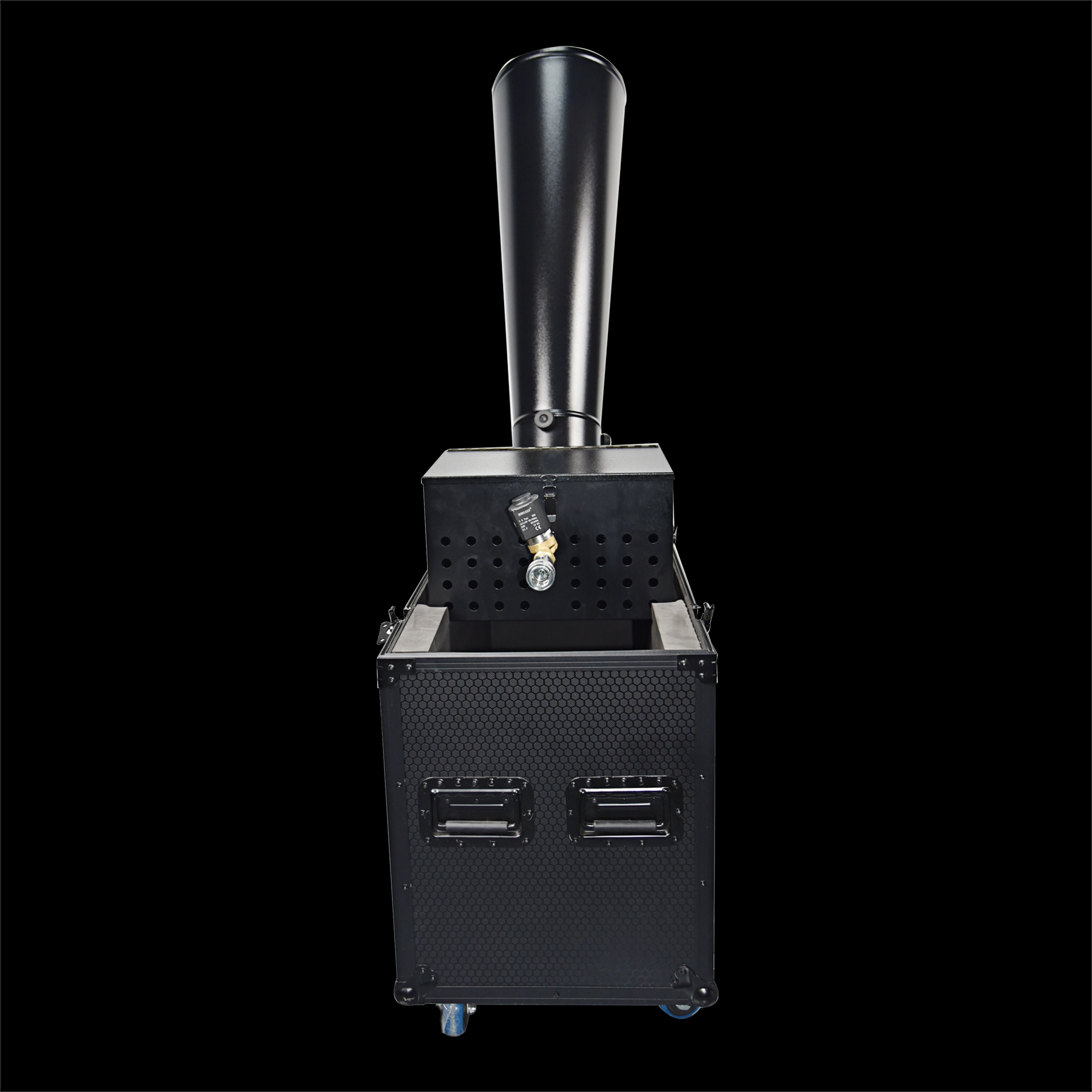
CO₂ Mini Rainbow Confetti Machine Manual Control with Durable Black Wheeled Flight Case
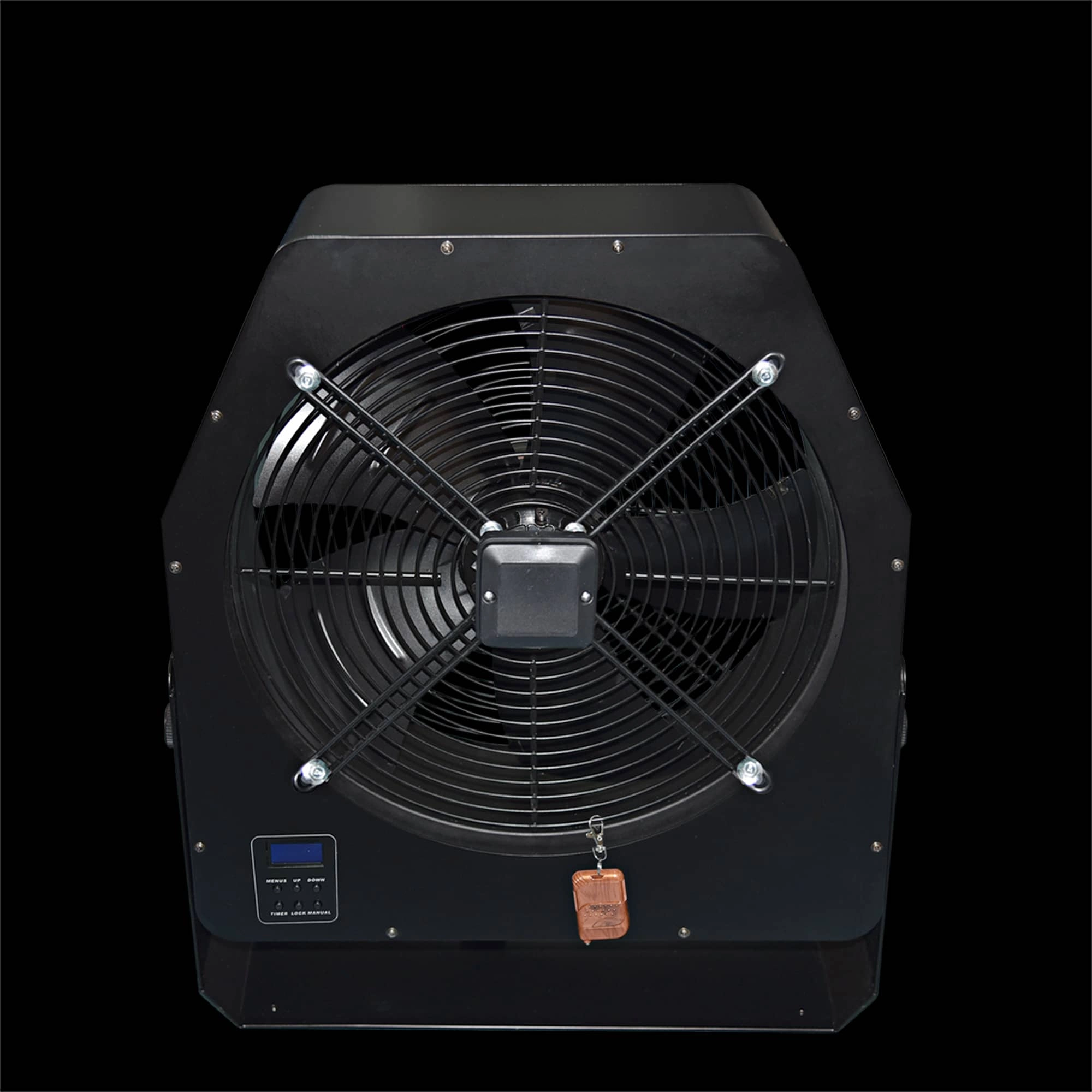
Professional Stage Big DMX Fan | High-Power Event Fan for Stage Shows & Celebrations
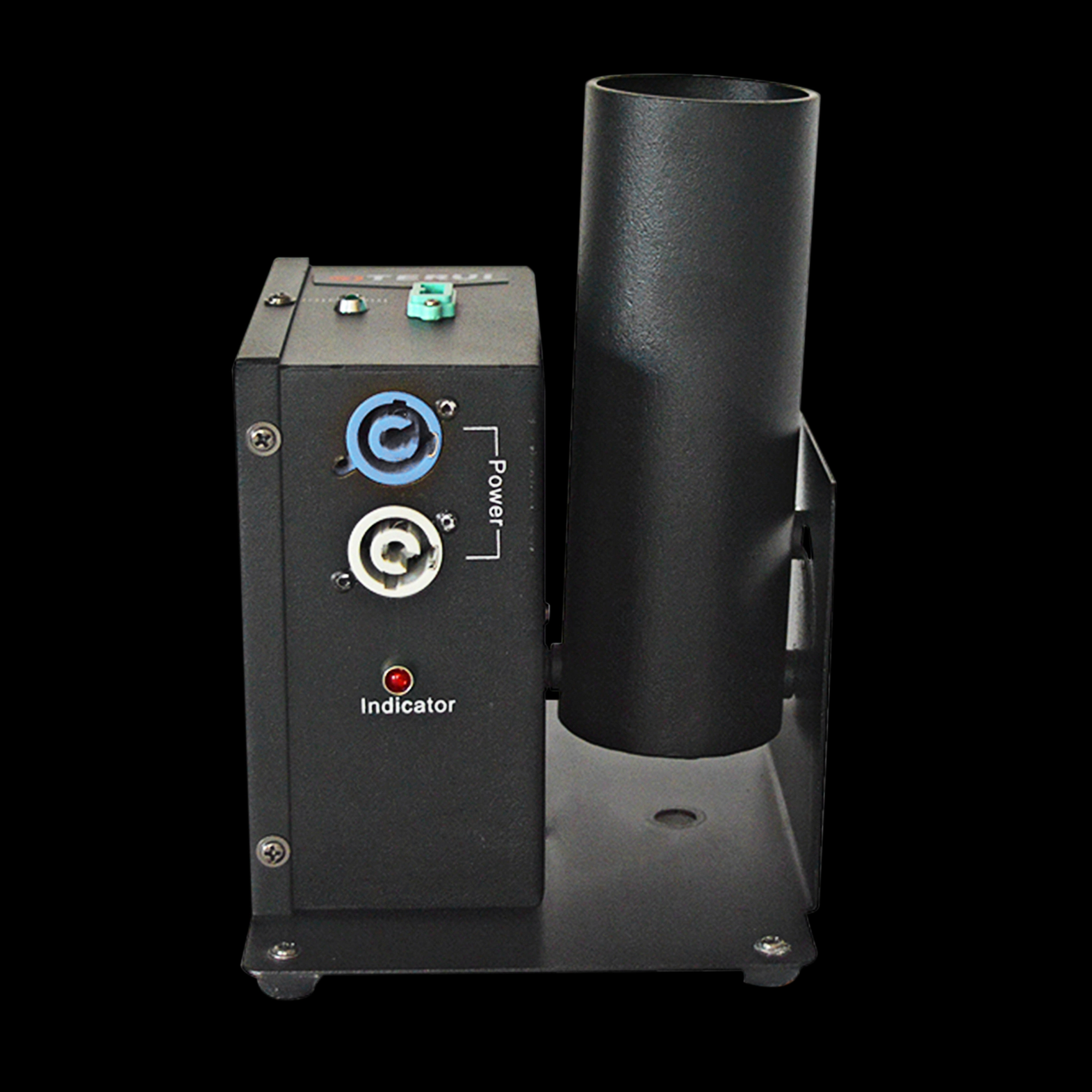
Single Shot Confetti Machine - Premium Confetti Launcher for Weddings & Stage Celebrations
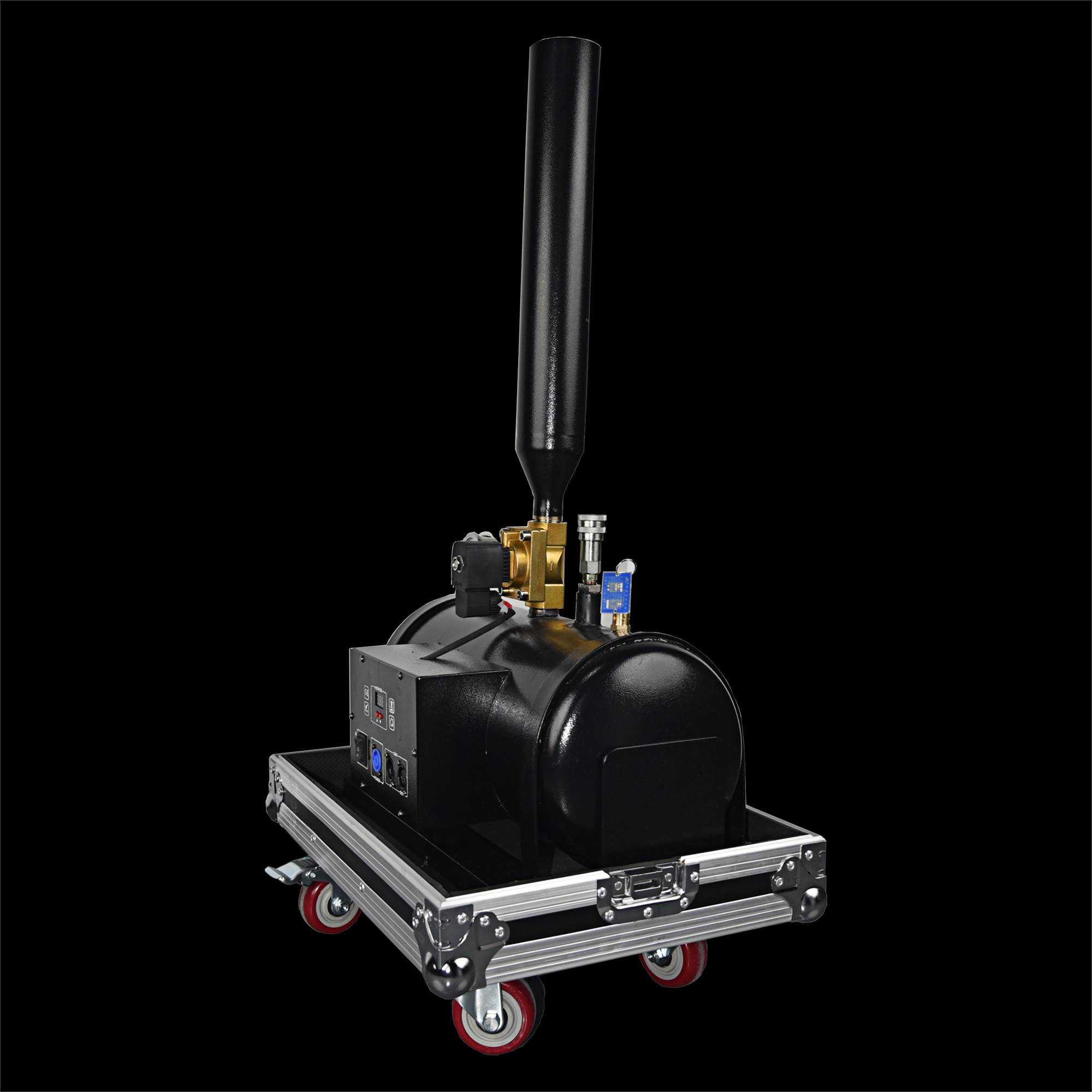
High-Altitude Confetti Cannon - Professional Confetti Blaster for Stage, Party & Celebration Events
Email: sales01@strlighting.com
WhatsApp: +86 189 2232 4800
© 2025 Siterui SFX All Rights Reserved.
 Scan QR Code
Whatsapp: +8618922324800
siteruisfx_stage_equipment
Siterui
SITERUI-SFX
STRlighting
@siterui.sfx