
DMX and Remote Controls for Professional Haze Machines
- Understanding control options for professional haze machines
- Why control choice matters for a haze machine
- Common control interfaces and how they differ
- DMX512: the professional standard for haze machine control
- Core concepts: addressing, channels, and universes
- Typical DMX channel maps for haze machines
- Advantages and limitations of wired DMX
- Wireless remote control options: wireless DMX, RF, IR and networked protocols
- Wireless DMX and radio systems
- RF and IR remotes: simplicity vs. control granularity
- Networked control: Art-Net and sACN
- Implementation best practices for reliability and safety
- Installation and cabling
- Redundancy and fail-safe strategies
- Operational considerations: fluid, warm-up, duty cycle
- Comparing control methods — quick reference
- Practical programming tips for lighting and effects designers
- Synchronizing haze output with lighting cues
- Channel strategies and cue management
- Siterui SFX: professional SFX manufacturer and customization partner
- Who we are and what we offer
- Customization and integration capabilities
- Our product range and competitive advantages
- Troubleshooting and maintenance checklist
- Common control-related issues and fixes
- Routine preventative maintenance
- FAQs
- 1. Can all haze machines be controlled via DMX?
- 2. What’s the difference between wireless DMX and generic wireless remotes?
- 3. How do I plan for redundancy with haze control?
- 4. Are there safety or regulatory concerns with haze machines?
- 5. How can I ensure consistent haze density across multiple machines?
- 6. What latency can I expect with wireless DMX?
- Contact and product inquiry
- References and authoritative sources
Understanding control options for professional haze machines
Why control choice matters for a haze machine
Haze machines are used to enhance lighting beams, create atmosphere, and ensure consistent visual effects across performances. The chosen control method—DMX, wireless DMX, RF/IR remotes, or local timers—affects responsiveness, repeatability, safety, and integration into larger show control systems. Professional productions require predictable, low-latency control, fail-safe behavior, and often synchronized multi-device setups.
Common control interfaces and how they differ
Typical interfaces for professional haze machines include wired DMX512, wireless DMX (proprietary radio implementations), simple RF/IR handheld remotes, onboard digital controllers, and network-based protocols (Art-Net/sACN). Each option has trade-offs in terms of reliability, range, channel granularity, and ease of integration with consoles and automation systems.
DMX512: the professional standard for haze machine control
Core concepts: addressing, channels, and universes
DMX512 (often shortened to DMX) is a unidirectional, 512-channel lighting control protocol widely used in stage and event technology. A haze machine mapped to DMX will respond to one or more channels (e.g., master output, fan speed, pump on/off). For large deployments, multiple universes or gateways (Art-Net/sACN to DMX nodes) are common.
Typical DMX channel maps for haze machines
Manufacturers vary, but common channel assignments include:
- 1-channel: master output (0–255) — simple proportional control
- 2–3 channels: separate pump/fan control, and intensity or output modes
- 4+ channels: advanced modes, timed bursts, and configuration locks
Always consult the device manual for exact channel maps and default addressing. Using a standardized mapping across devices simplifies show programming and troubleshooting.
Advantages and limitations of wired DMX
Wired DMX offers high reliability, predictable latency, and easy integration with lighting consoles and automation systems. Its limitations include cable runs, potential physical damage to connectors, and the need for DMX terminators and correct wiring (use 120-ohm shielding for long runs). For very large venues, DMX over Ethernet (Art-Net or sACN) provides networked expansion.
Wireless remote control options: wireless DMX, RF, IR and networked protocols
Wireless DMX and radio systems
Wireless DMX devices (e.g., LumenRadio, ETC, etc.) transmit DMX data over licensed or robust proprietary radio protocols and are designed to meet professional reliability needs. Wireless DMX preserves DMX channel mapping and integrates with consoles with minimal changes. For crowded RF environments, choose radios that support frequency hopping, encryption, and strong error correction.
RF and IR remotes: simplicity vs. control granularity
Handheld RF/IR remotes are useful for quick, local control (start/stop, burst, intensity presets) and for non-critical operations or when an operator is mobile. Advantages: low cost and ease of use. Limitations: fewer control parameters, potential interference (RF), line-of-sight requirements (IR), and poor scalability for multi-unit synchronized control.
Networked control: Art-Net and sACN
For installations with complex routing and many devices, Art-Net and sACN allow DMX data to be carried over IP networks. Gateways translate network universes to physical DMX lines. Advantages include centralized monitoring, flexible routing, and integration with show control systems; however, network design (bandwidth, multicast, QoS) matters to prevent packet loss or latency spikes.
Implementation best practices for reliability and safety
Installation and cabling
Use purpose-built DMX cables for wired runs and observe the 120-ohm termination for the last fixture. Keep power and data cabling separated to reduce noise and use secure mechanical mounting for haze machines to prevent accidents. For wireless DMX, plan antenna placement and conduct RF scans before events.
Redundancy and fail-safe strategies
For critical performances, implement redundancy: duplicate universes/gateways, fallback DMX profiles, and local timed modes on the haze machine in case of signal loss. Configure devices to revert to a safe default when control is lost (e.g., cease pumping after a timeout or maintain a low standby output) to prevent undesired long bursts or overheating.
Operational considerations: fluid, warm-up, duty cycle
Different haze fluids (glycol-based, water-based) affect output characteristics and maintenance. Most professional haze machines require a warm-up period and have manufacturer-specified duty cycles—observe these to avoid pump or heater failures. When programming DMX cues, allow for machine response time and prime cycles so visual results match expectations.
Comparing control methods — quick reference
| Control Type | Best for | Pros | Cons |
|---|---|---|---|
| Wired DMX512 | Conventionally controlled shows and consoles | Reliable, low latency, widely supported | Cable runs, connector vulnerability |
| Wireless DMX (professional) | Large venues, mobile rigs without cable runs | Maintains DMX mapping, flexible placement | RF interference in congested bands; needs planning |
| RF/IR remotes | Quick local control, small events | Simple, low cost, portable | Limited channels, poor synchronization for many units |
| Art-Net / sACN (network) | Large distributed systems, integrated show control | Scalable, networked monitoring and routing | Requires network design and IT coordination |
Practical programming tips for lighting and effects designers
Synchronizing haze output with lighting cues
Program pre-cues with sufficient lead time for haze output to build; haze density changes are not instantaneous. Use subtler, sustained haze for beam definition during full-band reaches and short bursts for dramatic effects. Test on-site under actual lighting conditions—photometrics and beam visibility vary with fixture types and ambient conditions.
Channel strategies and cue management
Map simple, high-level functions to single channels (e.g., master intensity) and reserve extra channels for advanced features (pump threshold, burst duration). Keep a labeled channel sheet for each haze machine and use consistent addressing across devices to simplify console programming and technician handoff.
Siterui SFX: professional SFX manufacturer and customization partner
Who we are and what we offer
Siterui SFX is a professional manufacturer engaged in the research and development, production, sales, and service of professional stage special effects (SFX) equipment. With a highly skilled team and cutting-edge technology, we are committed to providing innovative, reliable, and high-performance SFX solutions for live events, theaters, concerts, film production, and entertainment venues worldwide.
Customization and integration capabilities
At Siterui SFX, we understand that every stage, event, and creative concept is unique. That’s why we offer flexible customization services to meet your specific needs—whether it's branding, special functions, size adjustments, or complete system integration. From custom casing and logo printing to wireless control systems and synced multi-device setups, our expert team works closely with you to design SFX solutions that align perfectly with your needs.
Our product range and competitive advantages
Our commitment to quality and innovation ensures that our clients receive cutting-edge effects that enhance the visual and sensory experience of every performance. We pride ourselves on exceptional customer service and continuous advancement, positioning Siterui as a trusted partner in the professional special effects industry.
Key products and advantages:
- Spark Machine — precision ignition and safety interlocks for indoor/outdoor use
- Haze Machine — professional haze machines with DMX, wireless DMX options, and robust duty cycles
- CO₂ Jet Machine — fast-response bursts for dramatic stage moments
- Bubble Machine, Snow Machine, Foam Machine, Confetti Machine — configurable effects and materials
- Fog Machine, Fire Machine, Dry Ice Machine — specialized solutions with compliance to safety standards
Why choose Siterui SFX:
- Flexible customization: from casing and logos to control system integration
- Technical strength: R&D team skilled in electronics, RF, and software for show control
- Global service and support: responsive assistance, spare parts, and documentation
- Quality assurance: rigorous testing and adherence to industry safety norms
Troubleshooting and maintenance checklist
Common control-related issues and fixes
- No response to DMX: verify addressing, check terminator, confirm cable integrity and pinout (use XLR-5 or XLR-3 per manufacturer), test with a known-good controller.
- Wireless dropouts: relocate antennas, reduce RF congestion, switch channels or use licensed-band radios, verify line-of-sight for problematic links.
- Unexpected bursts or continuous output: check firmware settings, timeout/fail-safe behaviors, and console cue values; inspect for stuck channels.
Routine preventative maintenance
Follow manufacturer schedules for fluid replacement, filter cleaning, pump servicing, and heater checks. Keep firmware updated for compatibility with modern control protocols. Maintain a log with run-hours and any error codes encountered during events.
FAQs
1. Can all haze machines be controlled via DMX?
Not all haze machines include DMX by default; some are manual, have simple remotes, or offer optional DMX modules. When purchasing, verify the control options and channel maps. Pro-grade models intended for integration usually offer DMX512 or networked control options.
2. What’s the difference between wireless DMX and generic wireless remotes?
Wireless DMX transmits standard DMX channel data over radio, allowing full channel-level control and integration with consoles. Generic wireless remotes (RF/IR) typically offer preset functions and fewer control parameters. For synchronized multi-unit setups and console-driven shows, wireless DMX is preferred.
3. How do I plan for redundancy with haze control?
Use dual DMX universes or duplicate wireless gateways, program local machine timers as fallback modes, and ensure operators know the failover procedure. Also keep spare remotes and a physical control path (local panel) available during events.
4. Are there safety or regulatory concerns with haze machines?
Yes. Use the recommended fluid types, follow ventilation and exposure guidelines, and comply with venue-specific safety protocols. For indoor use, confirm that haze emissions are compatible with smoke detectors and local health regulations. Always consult manufacturer safety data and venue policies.
5. How can I ensure consistent haze density across multiple machines?
Standardize machine models or use matched machines with identical channel mapping and calibration routines. Use DMX grouping or a central console to send identical output levels and account for placement and ambient airflow. Perform on-site calibration before the show.
6. What latency can I expect with wireless DMX?
Professional wireless DMX implementations are engineered for low latency suitable for live shows, often at or near wired DMX latency. Actual latency depends on hardware, network topology, and possible retransmission strategies in noisy RF environments.
Contact and product inquiry
If you need tailored advice, system integration, or want to see our product range, contact Siterui SFX for consultation or to request a quote. View our haze machines and other SFX products, discuss custom control solutions (DMX, wireless DMX, Art-Net/sACN), and get support for multi-device synchronous setups.
Contact: info@siterui-sfx.com | Visit: https://www.siterui-sfx.com (product pages and support)
References and authoritative sources
- DMX512 — Wikipedia. https://en.wikipedia.org/wiki/DMX512 (Accessed 2026-01-02)
- ESTA (Entertainment Services and Technology Association) — DMX resources and standards. https://tsp.esta.org/tsp/standards (Accessed 2026-01-02)
- LumenRadio — What is Wireless DMX? https://www.lumenradio.com/what-is-wireless-dmx/ (Accessed 2026-01-02)
- Art-Net and sACN overview — ETC Knowledge Base. https://support.etcconnect.com/ (Search: Art-Net sACN) (Accessed 2026-01-02)
- Manufacturer haze machine manuals and product pages (examples for control mappings and safety): major professional SFX and lighting manufacturers' support pages (e.g., Chauvet, Martin). See individual product manuals for exact DMX maps (Accessed 2026-01-02)
Maintenance Checklist for Reliable Snow Machine Operation
Best Fog Machines for Live Concert Production
How to choose the right fluid to avoid machine damage
Snow Machine Maintenance: Tips to Extend Lifespan and Reliability
1500W Haze Machine
Can I use other brands of haze fluid?
Yes, but high-quality fluids ensure optimal performance and longevity.
How often should I clean the nozzle?
Recommend cleaning every 20 hours of Use water spray for cleaning
Is this machine suitable for outdoor use?
Yes, but avoid direct rain or extreme temperatures.
1500W 24x3W LED fog machine
What is the warranty period?
The standard warranty is 1 year, covering manufacturing defects.
1200W Haze Machine
What’s the warranty period?
1 year for parts and labor (excluding fluid-related issues).
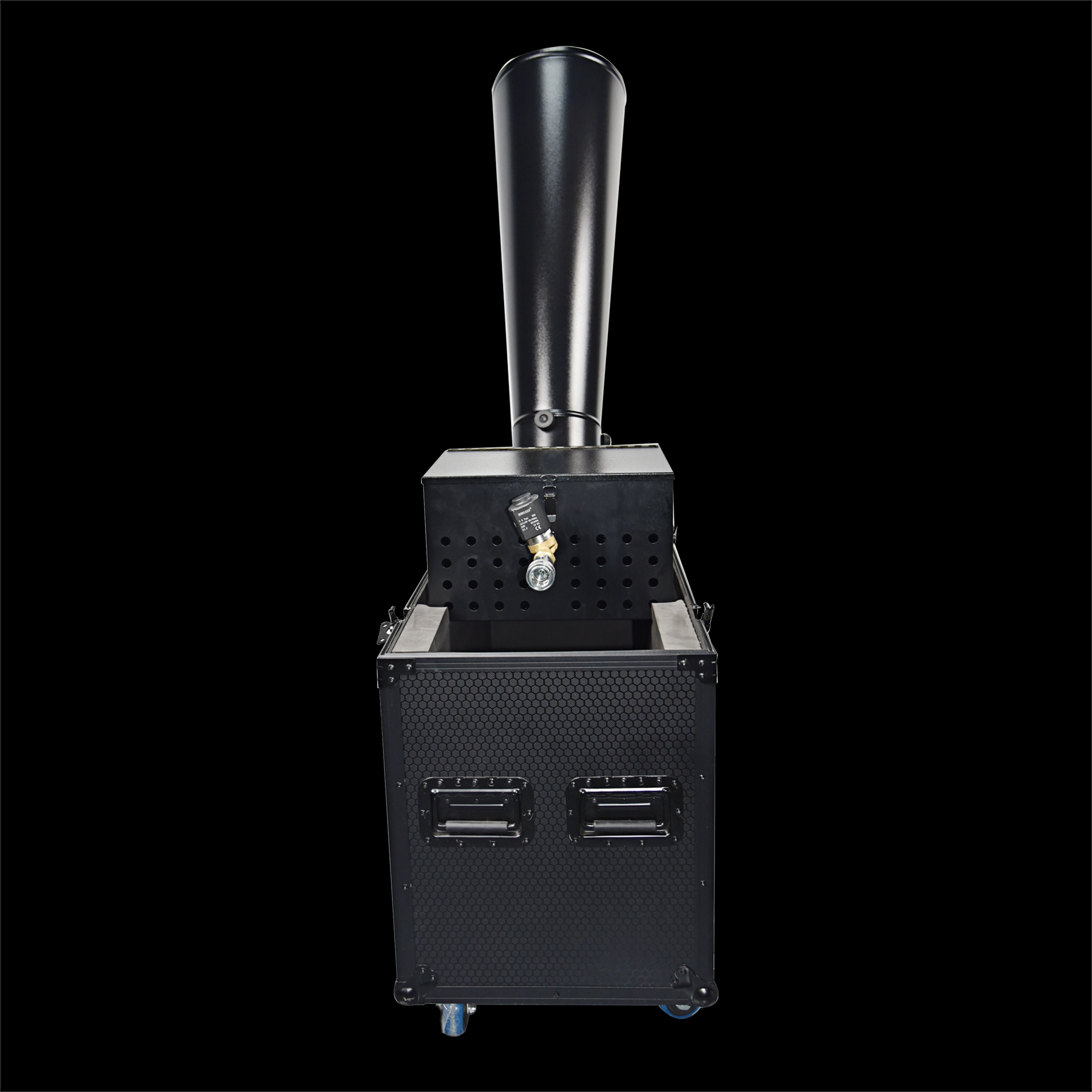
CO₂ Mini Rainbow Confetti Machine Manual Control with Durable Black Wheeled Flight Case
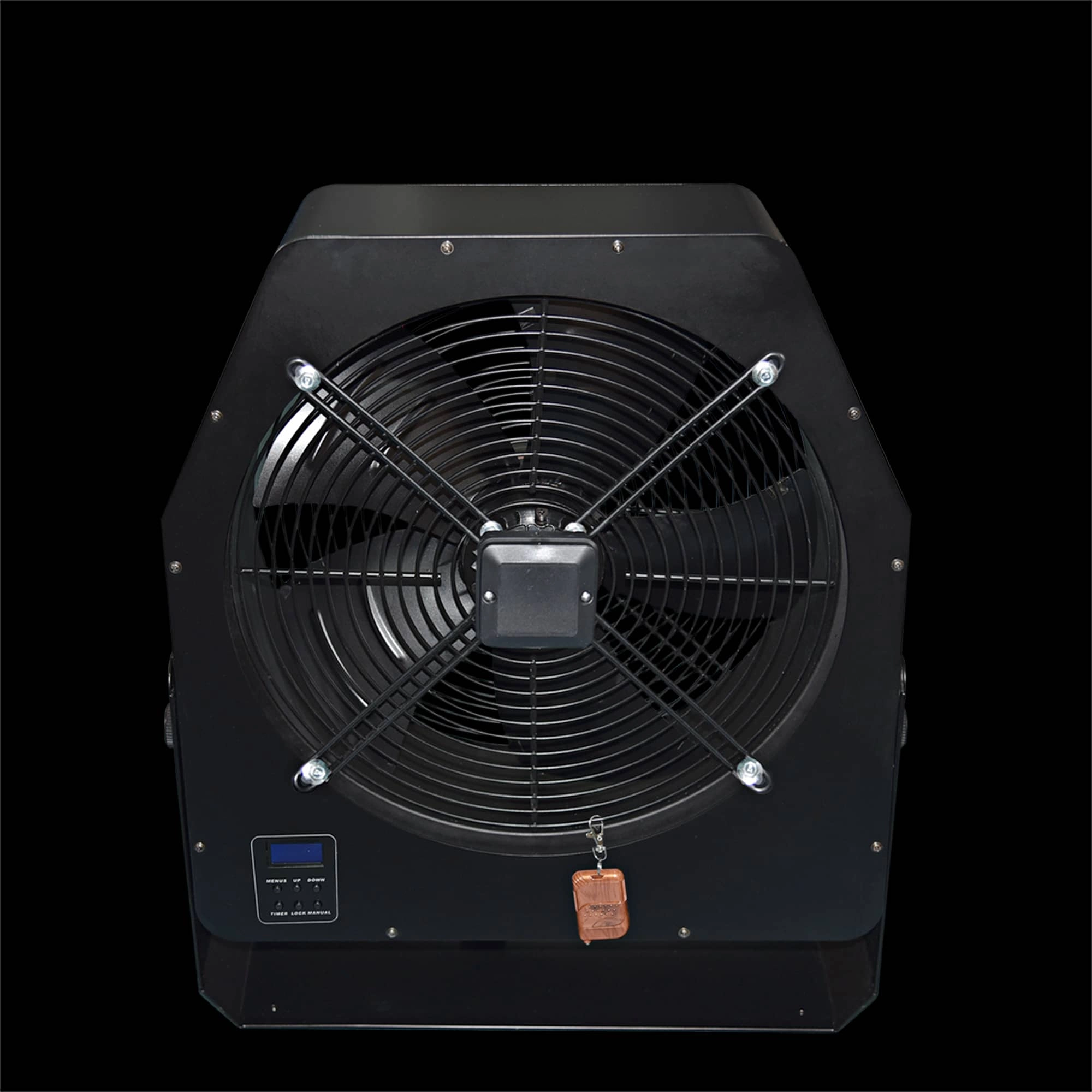
Professional Stage Big DMX Fan | High-Power Event Fan for Stage Shows & Celebrations
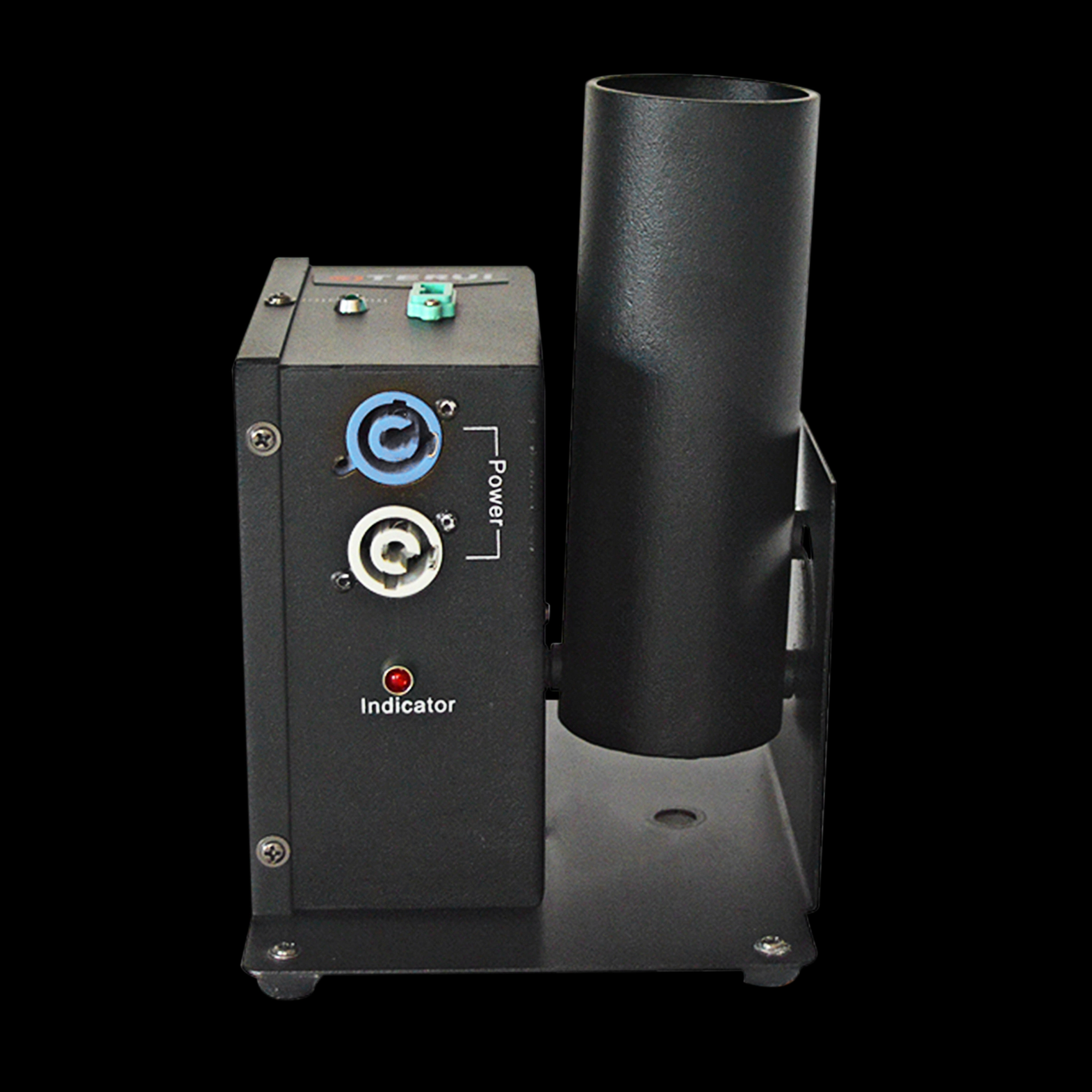
Single Shot Confetti Machine - Premium Confetti Launcher for Weddings & Stage Celebrations
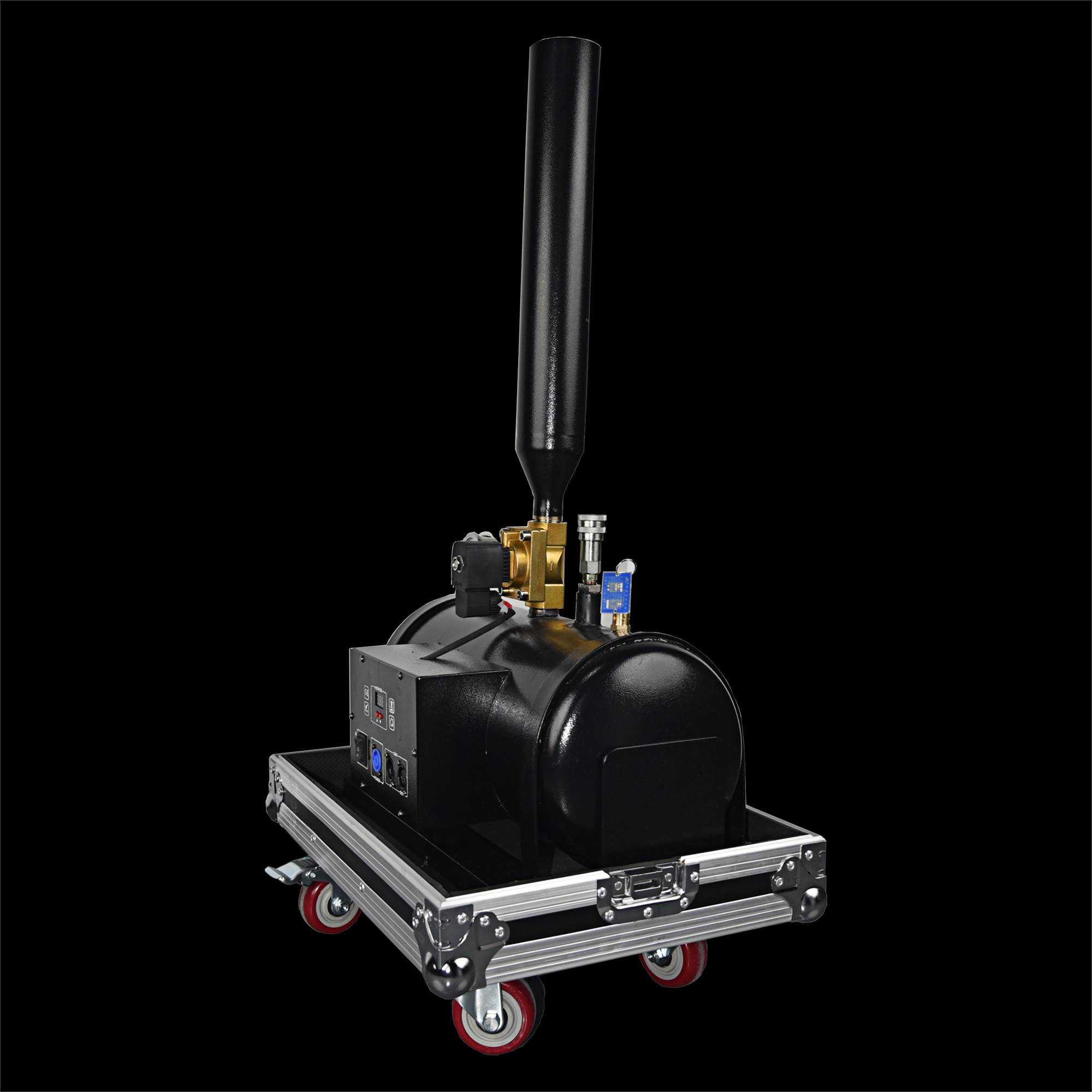
High-Altitude Confetti Cannon - Professional Confetti Blaster for Stage, Party & Celebration Events
Email: sales01@strlighting.com
WhatsApp: +86 189 2232 4800
© 2025 Siterui SFX All Rights Reserved.
 Scan QR Code
Whatsapp: +8618922324800
siteruisfx_stage_equipment
Siterui
SITERUI-SFX
STRlighting
@siterui.sfx