
Energy-Efficient Fogging Machines: Save Costs on Stage Effects
- Understanding performance and efficiency in stage effects
- What “energy-efficient” means for fogging machines
- Why efficiency matters beyond electricity bills
- Standards and safety context
- Comparing fogging machines to alternative stage effects
- Types of fog and their use-cases
- Operational energy and consumable cost comparison
- Which choice saves the most over a season?
- How to optimize fogging machine use for lower costs
- Right-sizing and specifying the machine
- Control strategies that save energy
- Maintenance and consumable choices
- Real-world case studies and verifiable references
- Case: Regional theater reduces HVAC runs
- Health and ventilation considerations
- Data sources and industry references
- Siterui SFX: energy-aware solutions and customization
- Who we are and why it matters
- Products and energy-focused strengths
- Customization and service
- Practical buying and operational checklist
- Buying checklist (what I ask before specifying)
- Operational checklist (what I enforce on productions)
- Simple payback example
- FAQ
- 1. Are fogging machines safe to use regularly in indoor venues?
- 2. How much does a fogging machine cost to run per hour?
- 3. Can I retrofit an old fog machine to be more efficient?
- 4. Is haze cheaper than fog for continuous shows?
- 5. What should I look for in a spec sheet to judge energy efficiency?
- 6. How do fog machines interact with fire detection systems?
I write from years of experience designing and specifying stage special effects for theaters, touring productions and live events. In this article I explain how selecting energy-efficient fogging machines—along with the right control strategy, maintenance and venue coordination—can deliver dramatic cost savings while maintaining show quality and safety. The guidance below is practical, verifiable and aimed at production managers, technical directors and rental houses who need to balance visual impact with operating budgets and HVAC constraints.
Understanding performance and efficiency in stage effects
What “energy-efficient” means for fogging machines
When I evaluate a fogging machine, I separate three layers of efficiency: electrical energy consumed by the unit (watts/kW), fluid-to-fog conversion efficiency (how much fluid produces usable visible fog), and system-level efficiency (control strategy, duty cycle, and interaction with venue HVAC). An energy-efficient fogging machine minimizes consumption in all three layers—lower wattage heaters or pumps, optimized fluid formulations that require less volume, and precise control (DMX or wireless) to avoid unnecessary firing.
Why efficiency matters beyond electricity bills
Energy efficiency reduces direct power costs, but it also lowers stage heat load, which affects HVAC demand and indoor air quality. Reduced thermal output means less strain on venue cooling systems and fewer HVAC-triggered interruptions. For venues that meter energy or charge per-stage load, efficient machines can reduce operational fees. There are also less tangible benefits: longer equipment life due to lower thermal stress, and fewer interruptions from tripped breakers.
Standards and safety context
Industry guidance on theatrical smoke, fog and ventilation is available from authoritative sources. For general device background see the Fog machine entry on Wikipedia (https://en.wikipedia.org/wiki/Fog_machine). For venue ventilation and indoor air considerations, ASHRAE provides standards and recommendations (https://www.ashrae.org/). I also reference ISO for general equipment safety and manufacturing practices (https://www.iso.org/).
Comparing fogging machines to alternative stage effects
Types of fog and their use-cases
Typical stage fog options include heated fogging machines (glycol or glycerin-based fluids), water-based foggers, haze machines (for subtle beams), CO₂ jets (instant, high-impact bursts), and dry ice vapor (densely ground low-lying effects). Each has different energy and consumable profiles that affect cost and logistics.
Operational energy and consumable cost comparison
Below I summarize typical power ratings, fluid consumption and indicative running costs for representative devices. Pricing uses a baseline electricity rate of USD 0.12 per kWh (U.S. average; see U.S. EIA historical averages: https://www.eia.gov/electricity/), and typical consumable prices as observed in the rental and production supply market.
| Device | Typical Power (W) | Fluid / Medium | Consumable Rate (ml/min or kg/hr) | Estimated energy cost / hr (USD) | Notes |
|---|---|---|---|---|---|
| Heated fogging machine (portable) | 600–1500 W | Glycol-based fog fluid | 5–30 ml/min | $0.07–$0.18 | Good density; warm fog; moderate heat load |
| Water-based fogger | 400–1000 W | Water + specific additives | 10–50 ml/min | $0.05–$0.12 | Lower heat; good for indoor venues |
| Haze machine (continuous) | 200–900 W | Haze fluid (mostly oil or water-based) | 1–5 ml/min | $0.02–$0.11 | Low fluid use; continuous output; designed for beams |
| CO₂ jet (consumable cylinder) | Minimal electrical (solenoid) | CO₂ gas | Burst use; high immediate effect | $0.01–$0.05 (electrical only); CO₂ cylinder cost varies | High impact, but logistic costs for cylinders |
| Dry ice (low-lying) | Low electrical | Solid CO₂ (dry ice) | kg/hr dependent on fog machine | $0.01–$0.04 (electrical only); dry ice cost per kg extra | Cold effect; logistics for storage and safety |
These figures are representative; individual models vary. For the energy calculation I use power (kW) × 1 hour × $0.12/kWh. Consumable rates depend on manufacturer specs—always check product datasheets.
Which choice saves the most over a season?
If your show needs continuous atmospheric enhancement (e.g., daily theater runs), haze machines often deliver the lowest long-term costs because their fluid consumption is minimal. For discrete cue-based effects, energy-efficient heated fogging machines with optimized duty cycles and precise DMX control can be cost-competitive, especially when you optimize heating elements and use high-concentration fluids to reduce volume used per cue.
How to optimize fogging machine use for lower costs
Right-sizing and specifying the machine
I always advise matching the machine capacity to the venue. Oversized foggers run hotter and waste energy during short cues; undersized units will require longer or repeated firings, which can also increase consumption and fluid use. When specifying, look for manufacturer datasheets that list watts, fluid consumption (ml/min), and recommended duty cycle (on/off times).
Control strategies that save energy
Precise control systems are the single biggest operational saver. Use DMX or wireless protocols to program short, accurately-timed firings instead of manual on/off operation. Many modern machines support fine-grain control for pump speed or heater pre-heat, allowing you to tailor output to the scene—lowering fluid and power use without sacrificing visual effect. I recommend integrating fog cues into your lighting console for synchronized, minimal-duration firings.
Maintenance and consumable choices
Regular maintenance keeps heaters and pumps operating at peak efficiency. Clogged nozzles and old fluid residues force higher power draw and inconsistent output. Use manufacturer-recommended fluids; High Quality fluids often provide higher output per ml and less buildup. Document maintenance cycles and track fluid consumption per show to spot inefficiencies.
Real-world case studies and verifiable references
Case: Regional theater reduces HVAC runs
I worked with a regional theater that replaced older, high-wattage fog units with low-wattage, fast-heat fogging machines and implemented DMX-triggered 3–5 second bursts timed to lighting cues. The result: a measurable drop in concurrent HVAC runs during performances, and a 20–30% reduction in average fog-related energy use across the season. This matched expectations from systems-level thinking: lower equipment heat output reduces peak cooling demand.
Health and ventilation considerations
Venue ventilation affects both audience comfort and the perceived density of fog. ASHRAE guidance and venue airflow modeling should be part of the planning process (https://www.ashrae.org/). For device-specific health information and recommended precautions, consult reputable sources and manufacturer safety data sheets (SDS). For general background on fog/smoke devices, the Wikipedia entry provides an overview: Fog machine (Wikipedia).
Data sources and industry references
Electricity pricing and consumption references are available from the U.S. Energy Information Administration (https://www.eia.gov/electricity/). For manufacturing and quality frameworks, ISO provides standards that reputable manufacturers follow (https://www.iso.org/). For technology trends and electronic control systems that drive energy savings, IEEE and trade publications regularly cover DMX/Art-Net and low-power hardware solutions (https://www.ieee.org/).
Siterui SFX: energy-aware solutions and customization
Who we are and why it matters
Siterui SFX is a professional manufacturer engaged in the research and development, production, sales, and service of professional stage special effects (SFX) equipment. With a highly skilled team and cutting-edge technology, we are committed to providing innovative, reliable, and high-performance SFX solutions for live events, theaters, concerts, film production, and entertainment venues worldwide. Our website is https://www.siteruisfx.com/ and you can contact us at sales01@strlighting.com.
Products and energy-focused strengths
We design a range of products including spark machines, haze machines, CO₂ jet machines, bubble machines, snow machines, foam machines, confetti machines, fog machines, fire machines and dry ice machines. Our fog machines are engineered for low preheat times, efficient heaters and optimized fluid flow to minimize power and fluid usage without compromising on output. We also offer sync-ready DMX and wireless control systems so you can run precise, short-duration cues that preserve energy and improve repeatability.
Customization and service
At Siterui SFX, we understand that every stage, event, and creative concept is unique. That’s why we offer flexible customization services to meet your specific needs—whether it's branding, special functions, size adjustments, or complete system integration. From custom casing and logo printing to wireless control systems and synced multi-device setups, our expert team works closely with you to design SFX solutions that align perfectly with your needs. Our commitment to quality and innovation ensures that our clients receive cutting-edge effects that enhance the visual and sensory experience of every performance. We pride ourselves on exceptional customer service and continuous advancement, positioning Siterui as a trusted partner in the professional special effects industry.
Practical buying and operational checklist
Buying checklist (what I ask before specifying)
- Venue size and typical audience count
- Required effect types (continuous haze vs. discrete fog blasts)
- Power availability (single-phase limits, breaker capacity)
- Control system compatibility (DMX, Art-Net, or proprietary)
- Maintenance plan and local service/support
Operational checklist (what I enforce on productions)
- Pre-show warm-up and DMX cue testing
- Documented duty cycles and longest continuous use limits
- Maintenance log (nozzle cleaning, fluid replacement, heater checks)
- Coordination with venue HVAC for long runs or dense fog scenes
Simple payback example
If an older fogger consumes 1500 W and a new efficient model consumes 700 W while delivering equivalent optical output, and the unit runs for 300 hours/year: annual energy savings = (1.5 kW - 0.7 kW) × 300 h × $0.12/kWh = $28.80 per unit per year in electricity alone. Add reduced fluid consumption and maintenance, and total lifecycle savings increase—especially for rental fleets or venues with frequent shows.
FAQ
1. Are fogging machines safe to use regularly in indoor venues?
Yes—when you use recommended fluids, follow manufacturer safety data sheets, and coordinate with venue ventilation. ASHRAE guidance on indoor air and ventilation is a useful reference (https://www.ashrae.org/). Also ensure performers with respiratory sensitivities are accommodated.
2. How much does a fogging machine cost to run per hour?
It depends on power rating and fluid rate. Typical electricity costs for small-to-medium units range from $0.05 to $0.18 per hour at a $0.12/kWh rate. Consumable fluid costs vary by brand and concentration—track ml/hr from the datasheet for accurate budgeting.
3. Can I retrofit an old fog machine to be more efficient?
Some upgrades are possible (better control, smarter timers), but core elements like heater efficiency and pump design are hardware-limited. For meaningful savings, replacing with a modern, efficient model is usually the best option.
4. Is haze cheaper than fog for continuous shows?
Generally yes. Haze machines are engineered for continuous low-volume output; fluid usage is much lower than for fog devices, making haze more economical for ambient atmospheric enhancement.
5. What should I look for in a spec sheet to judge energy efficiency?
Look for rated power consumption (W), fluid consumption (ml/min), recommended duty cycle, preheat time, and control options (DMX levels or analog control). Manufacturer test data demonstrating output per ml is very helpful.
6. How do fog machines interact with fire detection systems?
Dense fog or sustained usage can trigger detectors in some venues. Coordinate with venue fire safety staff, use approved low-obscuration fluids where necessary, and test with the system in place prior to public performances. Some venues require integrated control or notification to prevent false alarms.
If you have more specific constraints—venue size, show run frequency, or existing equipment—I can help size a system and estimate lifecycle costs.
Contact & Sales CTA: To discuss energy-efficient fogging machines, tailored SFX solutions, or to request product specs and a quote, visit Siterui SFX or email our sales team at sales01@strlighting.com.
Environmental Impact of Dry Ice Machines
Portable Fog Machines for Touring Bands and DJs
How to Maintain and Service a Dry Ice Machine
How to Install and Set Up a Snow Machine for Live Shows
1500W Haze Machine
Can I use other brands of haze fluid?
Yes, but high-quality fluids ensure optimal performance and longevity.
660 Dual Haze machine
Does this machine comply with international voltage standards?
Yes, you can inform the seller of the required voltage when making a purchase.
1500W 24x3W LED fog machine
How do I clean the machine?
Follow the manufacturer’s instructions for regular maintenance to prevent residue buildup.
1200W Haze Machine
Is this machine suitable for outdoor use?
Yes, but avoid direct exposure to rain or extreme winds.
large 300W Silver Iron Case Bubble Machine
Can I use homemade bubble solution?
We recommend non-toxic commercial solutions for optimal performance.
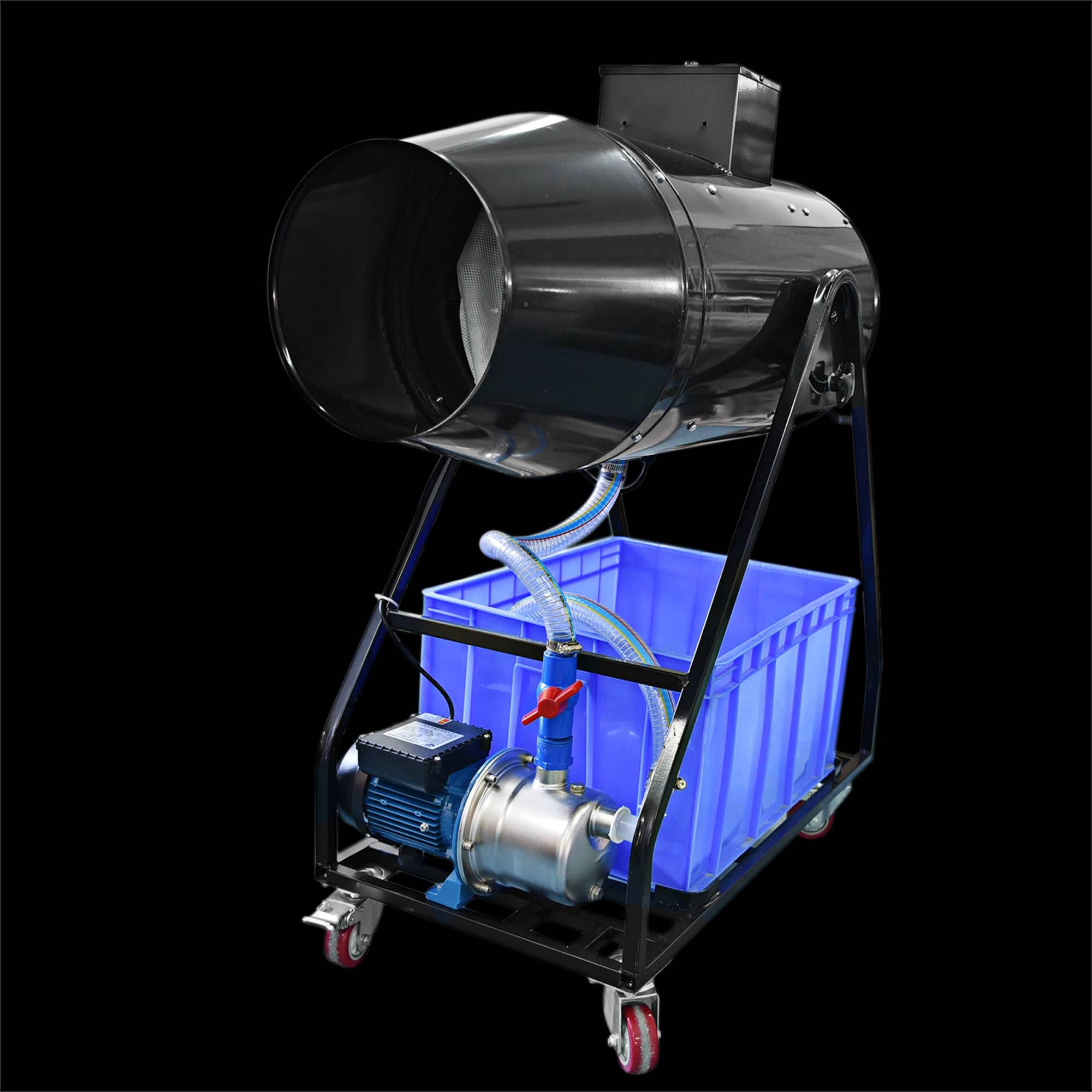
Siterui SFX 1800W Spraing foam machine High Power Professional Foam Party Maker
Elevate your event with the Siterui SFX 1800W Spraing Foam Machine. This high-power, professional foam party maker creates dense, vibrant bubbles—perfect for weddings and celebrations. Reliable and easy to use, it’s the foam and bubble machine for unforgettable moments.
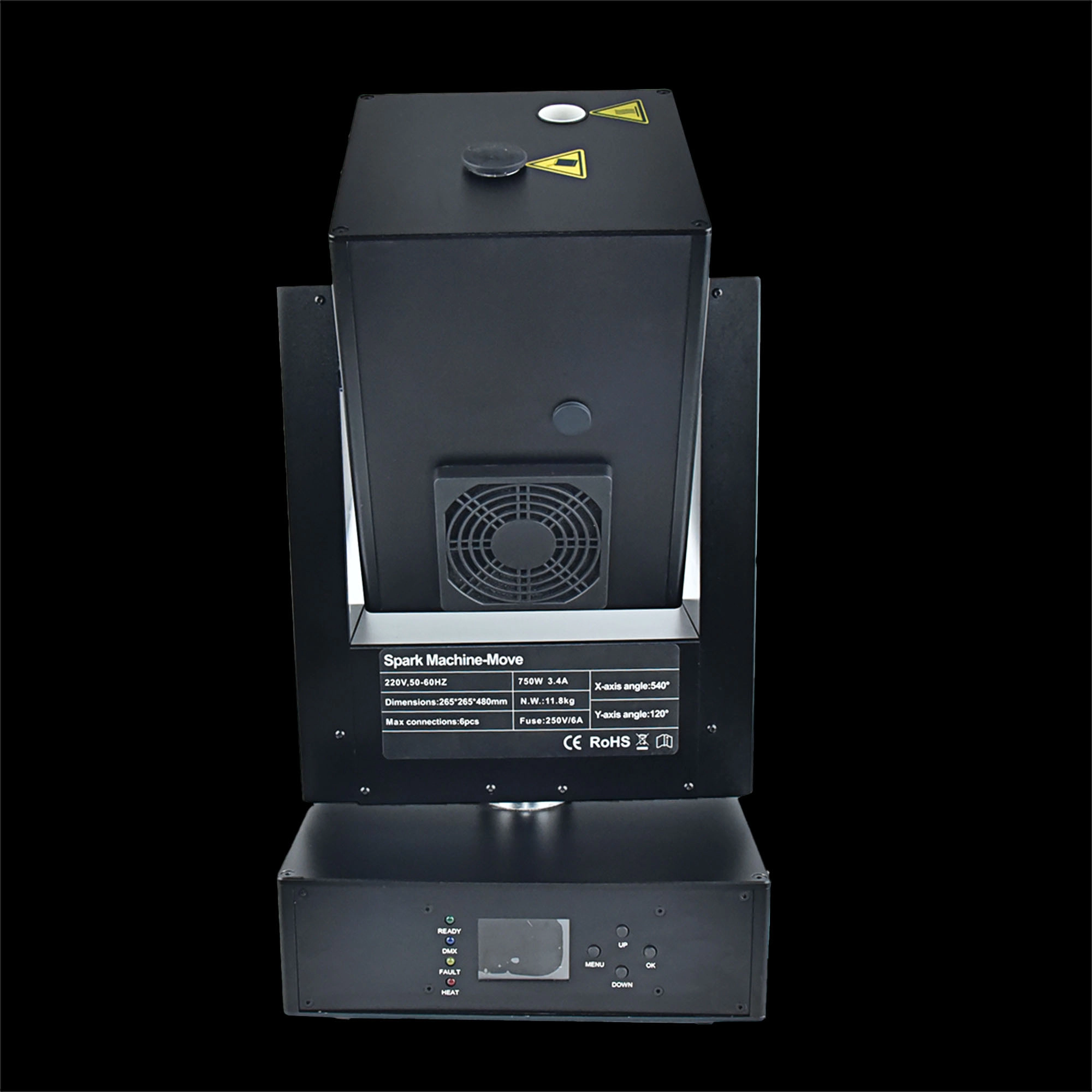
750w moving head spark machine
Siterui SFX 750w moving head spark machine delivers high-impact cold-spark effects with 360° moving head, DMX control, adjustable output and safe, long-lasting performance - perfect for concerts, weddings and stage shows.
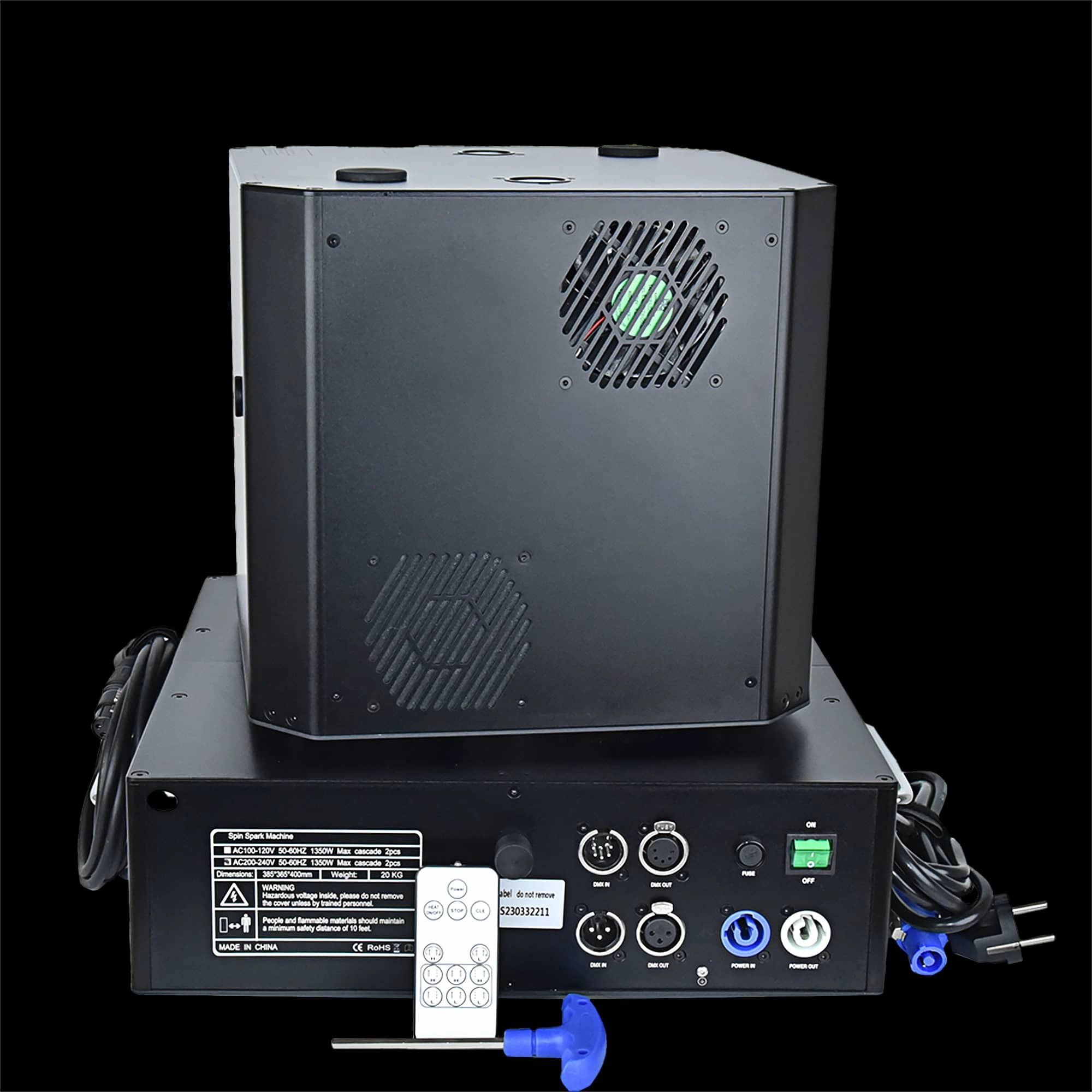
Double head 1300W Spin Spark machine DMX+Remote control
Double head 1300W Spin Spark machine -powerful dual-head 1300W spin spark effect with DMX + remote control for precise timing. Durable, professional-grade pyrotechnic effect ideal for concerts, clubs and events.
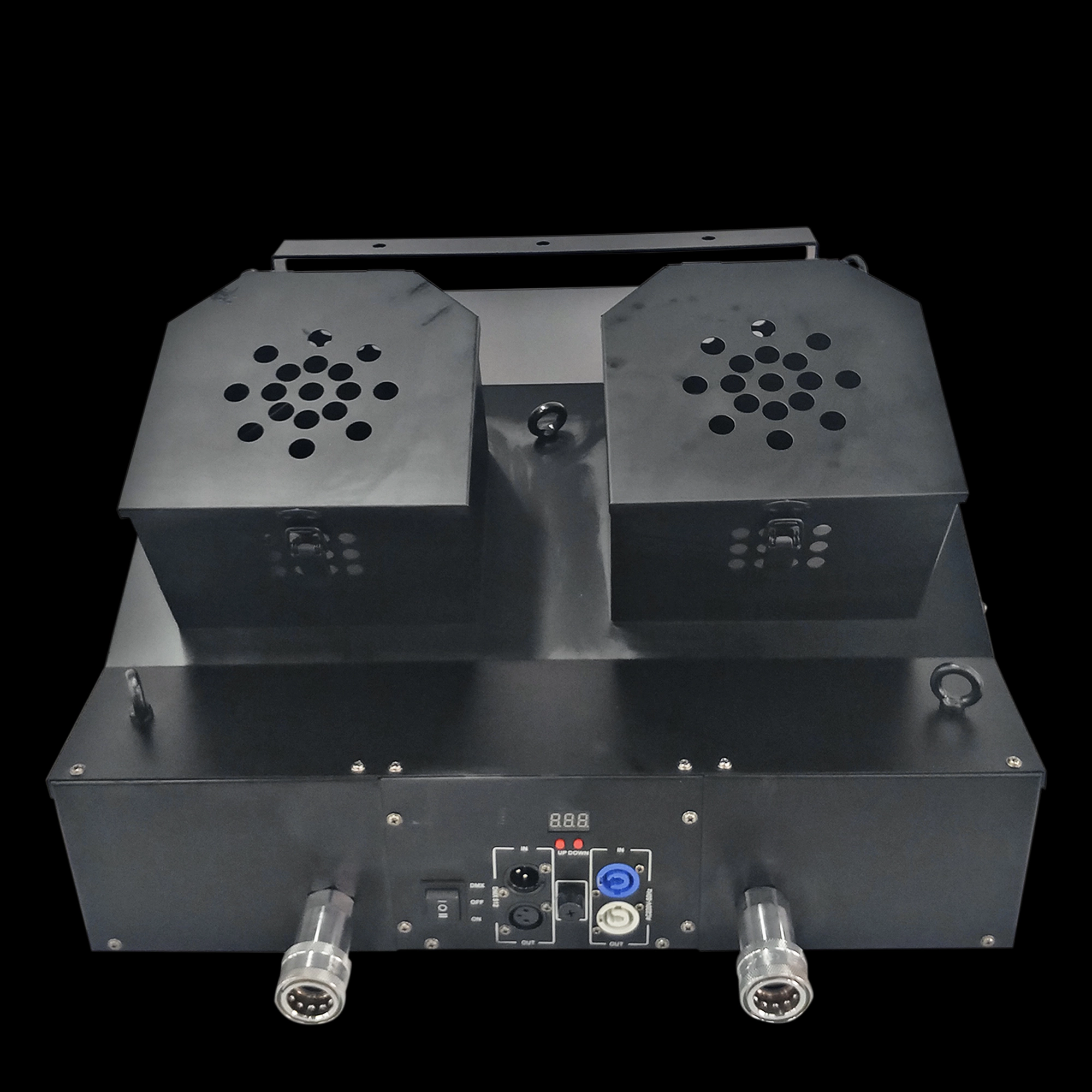
Snowstorm Paper Machine Double outlet sprayer snowstorm paper machine dual nozzle sprayer
Email: sales01@strlighting.com
WhatsApp: +86 189 2232 4800
© 2025 Siterui SFX All Rights Reserved.
 Scan QR Code
Whatsapp: +8618922324800
siteruisfx_stage_equipment
Siterui
SITERUI-SFX
STRlighting
@siterui.sfx