
Fog Machine Maintenance and Care Checklist
- Understanding Fog Fluids, Types, and Safety
- Types of fog machines and how they affect maintenance
- Fog fluid composition and storage best practices
- Health and regulatory considerations
- Routine Maintenance Checklist
- Daily and pre-show checks
- Weekly and post-show maintenance
- Monthly and quarterly tasks
- Troubleshooting, Diagnostics, and Repairs
- Common faults and step-by-step diagnostics
- When to call a technician or the manufacturer
- Siterui SFX: Products, Customization, and After-Sales Support
- Company overview and product lineup
- Customization, integration, and technical advantages
- Service, warranty, and spare parts
- Maintenance Schedules and Cost-Effective Practices
- Recommended maintenance schedule (summary table)
- Cost-saving tips without compromising reliability
- Troubleshooting Reference and Technical Tips
- Electrical and control interface checks
- Cleaning recipes and what to avoid
- FAQs
- 1. How often should I change fog fluid?
- 2. Can I use any fog fluid in my machine?
- 3. My fog machine smells during warm-up—should I be concerned?
- 4. How do I prevent fog from triggering smoke detectors?
- 5. When should parts be replaced instead of repaired?
- 6. Does Siterui SFX provide training and maintenance contracts?
- Final Checklist — Quick Reference
Fog machines are essential tools for live events, theatre, film, and themed attractions, but their performance and longevity depend on disciplined maintenance and correct operation. This guide provides a practical, experience-driven maintenance and care checklist for fog machines, combining safety references and troubleshooting workflows to keep units reliable, minimize downtime, and protect performers and audiences.
Understanding Fog Fluids, Types, and Safety
Types of fog machines and how they affect maintenance
Fog machines broadly fall into two main categories: thermal (heat-based) units that vaporize a glycol- or glycerin-based fluid, and ultrasonic/ultra-low-fluid-consumption units that use high-frequency transducers. Thermal machines (most common for high-output stage fog) have heaters, pumps, and plumbing that require different maintenance than ultrasonic or hazers. Knowing your machine type informs the maintenance checklist—heater descaling and heater element checks are essential for thermal units, while transducer cleaning and mineral buildup controls matter more for ultrasonic units.
Fog fluid composition and storage best practices
Typical stage fog fluids are formulated from water mixed with glycols (propylene glycol, triethylene glycol) or glycerin blends. Incorrect or low-quality fluids can leave residues that clog nozzles, alter pump performance, and increase maintenance frequency. Store unopened fluids in a cool, dry place, away from direct sunlight, and follow manufacturer expiry guidance. For general safety and IAQ considerations, review EPA indoor air quality guidance at EPA: Indoor Air Quality.
Health and regulatory considerations
Using theatrical fog can raise questions about occupant exposure and smoke alarms. Consult authoritative resources on theatrical smoke and fog at Theatrical smoke and fog (Wikipedia) and coordinate with venue safety officers to test smoke detection systems and ventilation. For specific regulatory compliance or worker protections, consult local occupational safety authorities.
Routine Maintenance Checklist
Daily and pre-show checks
- Visual inspection for leaks, loose fittings, or damaged power cables. - Confirm fluid level and that you’re using manufacturer-approved fluid; avoid mixing different brands in the same reservoir. - Power-on self-test: warm-up time consistent with previous behavior, no unusual smells, no error LEDs. - Test DMX or wireless controls to ensure reliable remote firing (if applicable).
Weekly and post-show maintenance
- Run a short cleaning shot of manufacturer-recommended cleaner or a 50:50 mixture of distilled water and fog fluid (only if recommended) to flush the pump and lines. - Inspect and gently clean the nozzle and surrounding plate—carbonized residue or crystallization can concentrate here. - Check filters (if fitted) and replace or blow them clean with compressed air from a safe distance.
Monthly and quarterly tasks
- Thorough internal inspection: open service panels per manual and check wiring terminations, hose clamps, and pump seals for wear. - Check heater element operation and measure warm-up time against baseline. Excessive warm-up often precedes heater failure or clogged plumbing. - Lubricate mechanical linkages or fan bearings if manufacturer guidance allows.
Troubleshooting, Diagnostics, and Repairs
Common faults and step-by-step diagnostics
Use a logical troubleshooting flow: isolate the symptom, verify the simple fixes, then proceed to component-level checks. The table below summarizes common faults, probable causes, and first-line actions.
| Symptom | Likely Causes | First-Line Actions |
|---|---|---|
| No fog output | Empty/blocked fluid line, pump failure, heater not reaching temp | Confirm fluid, prime pump (run cleaning cycle), check heater LED/thermostat, inspect fuse |
| Weak or intermittent output | Partial clog, old fluid, air in line, worn pump | Flush system, replace fluid with fresh supply, bleed air, monitor pump current |
| Burning smell or smoke from unit | Overheated element, spilled fluid on heater, electrical fault | Power off immediately, allow cool-down, inspect heater area, engage qualified technician |
| Fluid leaking | Damaged reservoir seal, loose hose clamps, cracked tubing | Drain fluid, tighten or replace fittings, replace cracked reservoirs or hoses |
When to call a technician or the manufacturer
Call professional service if you observe persistent heater faults, electrical arcing, pump motor failure, or if the unit requires internal part replacement. If the unit is under warranty, contact the manufacturer before opening sealed components to avoid voiding coverage. Manufacturer support often provides calibrated parts and service bulletins that improve long-term reliability.
Siterui SFX: Products, Customization, and After-Sales Support
Company overview and product lineup
Siterui SFX is a professional manufacturer engaged in the research and development, production, sales, and service of professional stage special effects (SFX) equipment. With a highly skilled team and cutting-edge technology, Siterui provides innovative, reliable, and high-performance SFX solutions for live events, theaters, concerts, film production, and entertainment venues worldwide. Main products include spark machines, haze machines, CO₂ jet machines, bubble machines, snow machines, foam machines, confetti machines, fog machines, fire machines, and dry ice machines. Visit Siterui's website at https://www.siteruisfx.com/ for product details.
Customization, integration, and technical advantages
Siterui SFX offers flexible customization—branding, unique enclosures, size adjustments, wireless control, and synchronized multi-device setups—so systems can be tailored to venue constraints and creative briefs. The company's technical competency includes robust thermal management, modular pump assemblies for easy service, and DMX/RDM-compatible control options for integration with modern lighting and show-control ecosystems.
Service, warranty, and spare parts
Reliable after-sales support reduces downtime. Siterui emphasizes quality control and offers spare parts and service pathways, plus expert advice on routine maintenance and preventive replacements to maximize lifecycle value. For sales and technical inquiries, contact sales01@strlighting.com.
Maintenance Schedules and Cost-Effective Practices
Recommended maintenance schedule (summary table)
| Interval | Tasks | Who should perform |
|---|---|---|
| Before every show | Visual check, fluid level, brief test output, control check | Operator/tech |
| Weekly | Flush lines, clean nozzle, inspect filters | Operator/tech |
| Monthly | Open-panel inspection, check wiring, inspect pump seals and clamps | Technician |
| Annually | Full service: heater test/replacement, pump overhaul, replace hoses and seals | Manufacturer-certified service center or technician |
Cost-saving tips without compromising reliability
- Use high-quality, manufacturer-approved fog fluids to reduce residue and clogging. - Maintain a stable inventory of spare hoses, nozzles, and fuses to minimize show-day outages. - Implement a simple logbook (digital or paper) tracking hours of use, fluid changes, and any anomalies—patterns help predict failures and plan preemptive maintenance.
Troubleshooting Reference and Technical Tips
Electrical and control interface checks
Always verify power supply rating and cable integrity first. Many fog machines have inrush currents that trip weak extension cables or inadequate surge protection. For DMX-controlled units, check termination, addressing, and RDM (if supported) to read status and fault codes. For wireless systems, ensure frequency compliance with local regulations and that antenna connections are secure.
Cleaning recipes and what to avoid
Only use cleaning agents recommended by the manufacturer. A common safe approach is to run a short cycle with distilled water mixed with a small percentage of fog fluid (only if the manufacturer allows) to dissolve light residues. Avoid solvents, strong acids, or abrasive tools that can damage nozzles or seals.
FAQs
1. How often should I change fog fluid?
Change fluid when it looks discolored, has particulates, or after long storage (>12 months). For active rental or production units, changing fluid every 2–6 months is a practical rule depending on usage intensity and manufacturer recommendations.
2. Can I use any fog fluid in my machine?
No. Always use fluids approved by the fog machine manufacturer. Using the wrong fluid can cause residue buildup, clogging, reduced output, and potential damage to pumps and heaters.
3. My fog machine smells during warm-up—should I be concerned?
A light, transient smell the first time after long storage can be normal. Persistent burning smells, heavy smoke, or smoke from the electronics housing indicate a problem—power down and have a qualified technician inspect the unit.
4. How do I prevent fog from triggering smoke detectors?
Coordinate with venue engineers: use detector masking protocols if allowed, test detectors in-situ, use lower-density fog fluids or haze machines for continuous low-density atmospheric effects, and ensure adequate ventilation. For technical background on smoke alarms and environmental considerations, consult general resources such as Fire alarm systems (Wikipedia).
5. When should parts be replaced instead of repaired?
Replace consumables (hoses, seals, filters) on a schedule (see table above). Replace pumps or heater assemblies when diagnostics show reduced efficiency, abnormal currents, or if thermal cycling becomes inconsistent. Consider replacement over repair if the cost approaches the market value of a refurbished or new unit, or if the unit will be used in critical, high-reliability environments.
6. Does Siterui SFX provide training and maintenance contracts?
Yes. Siterui offers customer support, spare parts supply, and can provide guidance on preventive maintenance. Contact sales01@strlighting.com or visit Siterui SFX to discuss service, warranty, and customization options.
Final Checklist — Quick Reference
- Pre-show: Visual inspection, fluid level, quick test.
- Weekly: Flush lines, clean nozzle, check filters.
- Monthly: Inspect wiring, clamps, and pump seals.
- Annually: Full service by certified technician, heater and pump overhaul.
- Ongoing: Keep a usage log, use approved fluids, and maintain spare parts inventory.
Well-maintained fog machines improve show reliability, reduce repair costs, and enhance safety for performers and audiences. For professional-grade fog machines and full SFX solutions including customization and after-sales support, explore Siterui SFX's product range—spark machine, haze machine, CO₂ jet machine, bubble machine, snow machine, foam machine, confetti machine, fog machine, fire machine, and dry ice machine—at https://www.siteruisfx.com/. For inquiries, email sales01@strlighting.com.
References: Fog machine technical overview: Wikipedia: Fog machine; Theatrical smoke and fog: Wikipedia; Indoor air quality guidance: EPA.
Top fog and bubble machine Manufacturers and Suppliers in us
What are the application scenarios of foam making machine?
Haze Machine vs Fog Machine: Key Differences and Guide
Commercial Dry Ice Machines for Massive Stage Effects (Wholesale Pricing)
1500W 24x3W LED fog machine
How do I clean the machine?
Follow the manufacturer’s instructions for regular maintenance to prevent residue buildup.
1500W Professional Snow Machine
Are you a factory or trading company?
Yes,We are a factory & trading company, we can guarantee ourprice is first-hand, very cheap and competitive.
Single-Head CO2 Jet Machine
What is the warranty period?
The standard warranty is 1 year, covering manufacturing defects.
2100W Morning Haze Machine
Can I use third-party haze fluids?
We recommend using approved fluids to ensure optimal performance and longevity.
660 Dual Haze machine
Does this machine comply with international voltage standards?
Yes, you can inform the seller of the required voltage when making a purchase.
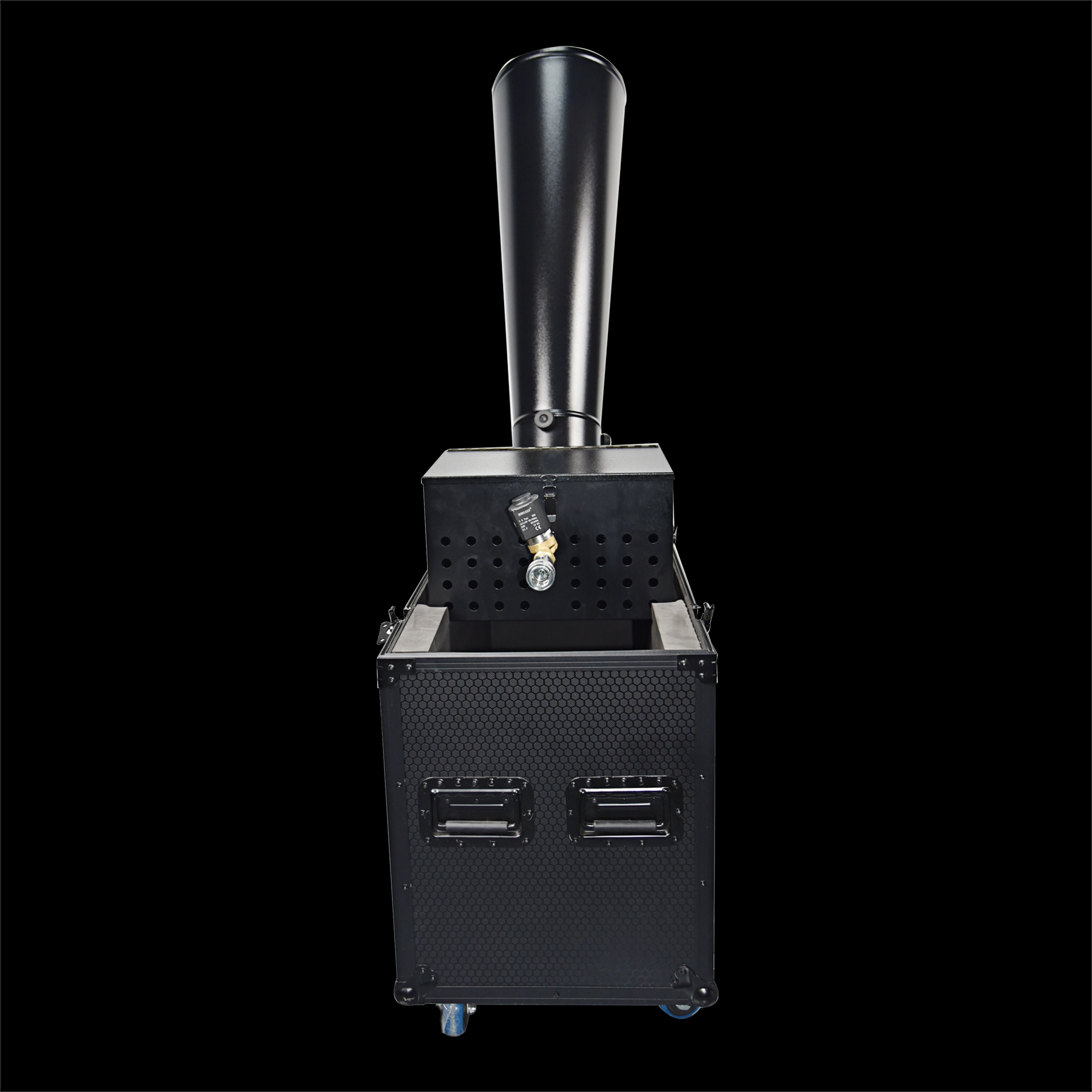
CO₂ Mini Rainbow Confetti Machine Manual Control with Durable Black Wheeled Flight Case
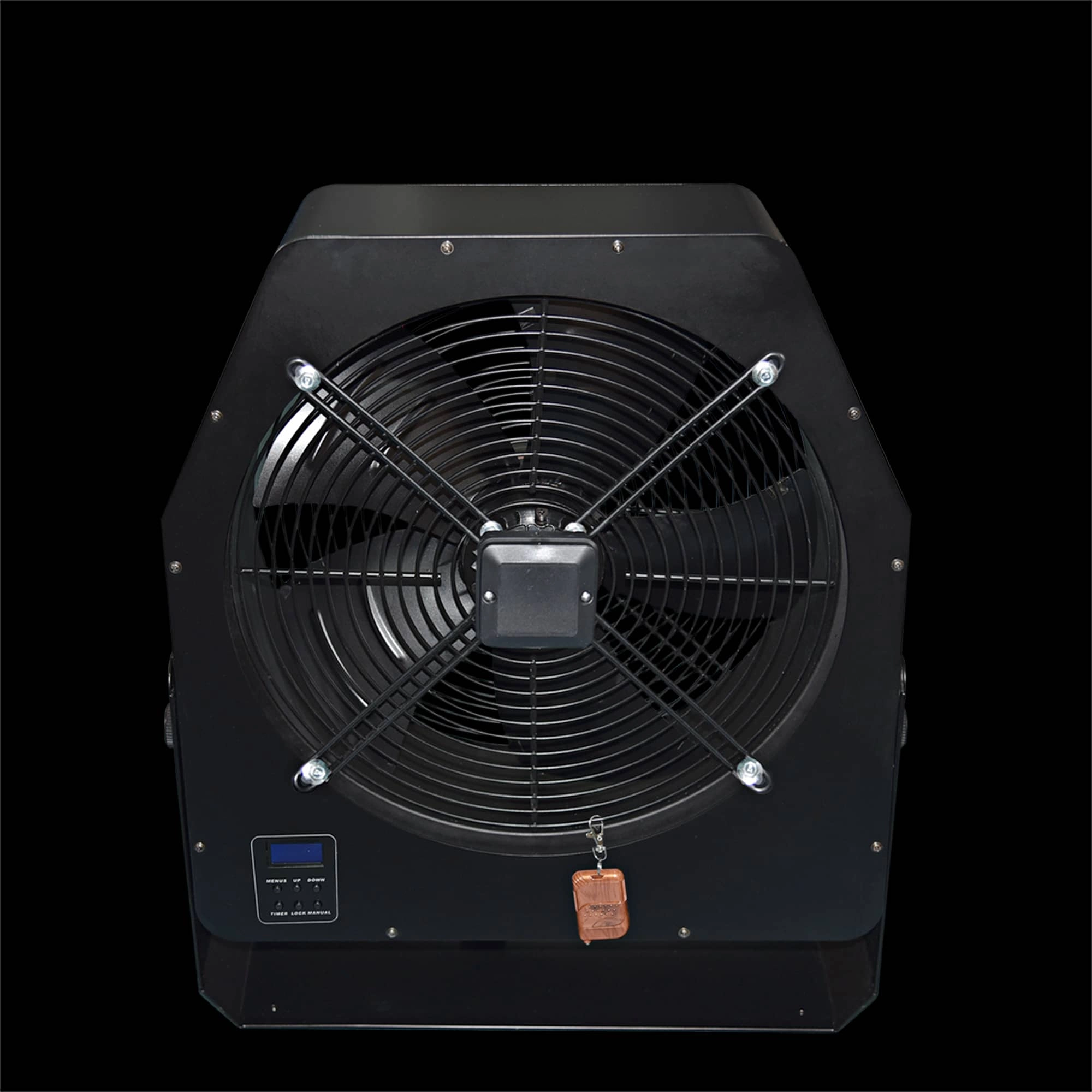
Professional Stage Big DMX Fan | High-Power Event Fan for Stage Shows & Celebrations
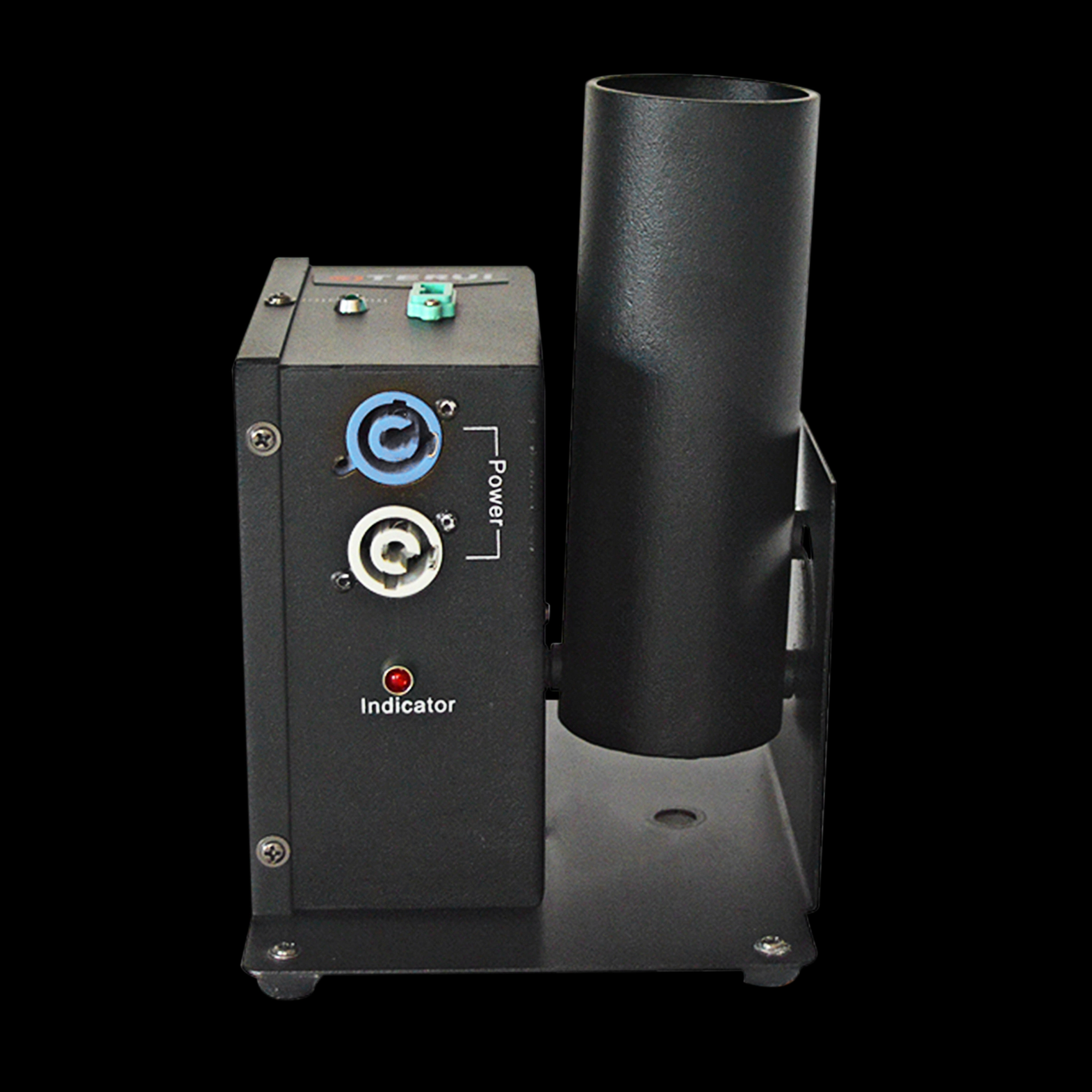
Single Shot Confetti Machine - Premium Confetti Launcher for Weddings & Stage Celebrations
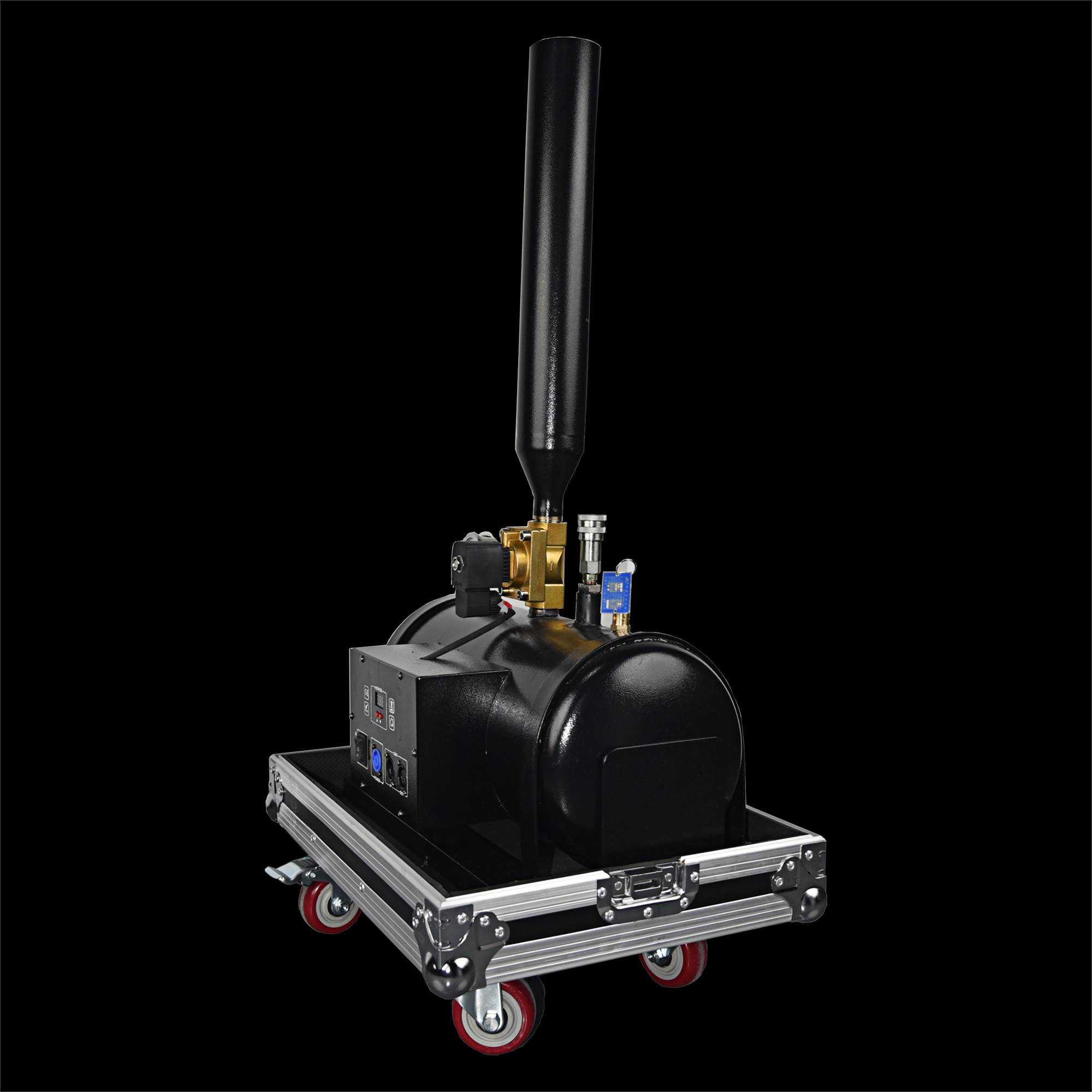
High-Altitude Confetti Cannon - Professional Confetti Blaster for Stage, Party & Celebration Events
Email: sales01@strlighting.com
WhatsApp: +86 189 2232 4800
© 2025 Siterui SFX All Rights Reserved.
 Scan QR Code
Whatsapp: +8618922324800
siteruisfx_stage_equipment
Siterui
SITERUI-SFX
STRlighting
@siterui.sfx