
Fogging Machine vs Haze Machine: Which Is Right for Your Venue?
- Understanding atmospheric effects: purpose and perception
- How fogging and haze work
- What a fogging machine does
- What a haze machine does
- Particle size and optical behavior
- Direct comparison: fogging machine vs haze machine
- Technical and operational considerations
- Fluids, compatibility and maintenance
- Power, heat and output control
- Integration with lighting and control systems
- Health, safety and compliance
- Air quality and respiratory considerations
- Alarms and building systems
- Regulatory and insurance implications
- Choosing the right solution for your venue
- Small theaters and corporate events
- Concerts, clubs and large arenas
- Film, TV and museums
- Budgeting and lifecycle costs
- Siterui SFX: manufacturer capabilities and how we help
- Practical checklist before you buy
- Key questions to answer
- Testing and acceptance
- Frequently Asked Questions (FAQ)
- 1. Will a fogging machine set off the fire alarm?
- 2. Is theatrical haze harmful to performers or audiences?
- 3. How often should I maintain my fogging or haze machine?
- 4. Can I use any fluid in my fogging machine?
- 5. Which is better for concert lighting effects: haze or fog?
- 6. How do I estimate fluid consumption?
- Final recommendation and next steps
Understanding atmospheric effects: purpose and perception
When I design visual atmospheres for stages, concerts, theaters, or themed attractions, the first question I ask is: what do we want the audience to feel and see? That question guides whether a fogging machine or a haze machine will best serve the creative brief. Both devices create aerosols that interact with lighting, but they do so in different ways, produce different particle sizes and densities, and carry different operational and safety requirements. In this article I break down the technical differences, performance trade-offs, health and safety considerations, and real-world venue recommendations so you can pick the right atmospheric tool for your production.
How fogging and haze work
What a fogging machine does
A fogging machine (often called a fog machine) produces a dense, localized cloud that scatters light strongly and creates visible beams and silhouettes. Most fogging machines heat a glycol- or glycerin-based fluid until it vaporizes and then condenses into tiny droplets as it exits the nozzle. The result is a concentrated, short-duration fog that is ideal for dramatic reveals, simulated smoke, or special effects that require strong opacity. For a general overview of fog machines and theatrical fog, see the Wikipedia entry on fog machines: https://en.wikipedia.org/wiki/Fog_machine.
What a haze machine does
A haze machine creates a fine, long-lasting aerosol that subtly enhances light beams and stage depth without obscuring visibility. Haze typically uses a different fluid formulation and distribution method (including rotary atomizers or low-temperature heat exchangers) to create much smaller particles that remain suspended longer and disperse evenly across the venue. Haze is favored when continuous, low-density atmosphere is needed to reveal light shafts and maintain sightlines.
Particle size and optical behavior
Particle size largely explains the different visual effects. Fogging machines produce larger droplets (micron sizes highly variable depending on device), which yield dense clouds and fast settling. Haze machines produce much smaller particles that scatter light forward and form visible beams while keeping overall transparency. Understanding particle dynamics helps predict residues, cleanup needs, and how effects will look under various lighting rigs.
Direct comparison: fogging machine vs haze machine
Below is a concise, factual comparison table I use when advising venues. The metrics are drawn from manufacturer specifications and industry practices (typical ranges), and reflect real-world use cases.
| Feature | Fogging Machine | Haze Machine |
|---|---|---|
| Primary effect | Dense, localized clouds/simulated smoke | Subtle, evenly distributed atmospheric veil enhancing light beams |
| Particle size | Larger droplets; variable (tens to hundreds of nm–µm range) | Smaller, fine particles (often < 1 µm on average) |
| Persistence | Short bursts, quick dissipation or fast clearing with ventilation | Longer-lasting, can be continuous at low density |
| Typical use | Effects, reveals, smoke simulations, fog banks | Lighting enhancement, ambience, film/TV soft atmosphere |
| Visibility impact | High (can obscure performers or sightlines) | Low (maintains sightlines) |
| Residue & cleanup | Potentially sticky/residue depending on fluid; risk for sensors | Low residue with modern water- or glycol-based hazes |
| Typical cost (equipment) | Mid-range; consumer to high-power professional units | Mid- to high-range; some high-end theatrical hazers cost more |
| Control | Pulseable bursts, DMX/remote options | Continuous output, fine DMX/analog control for density |
Note: For technical safety guidance and best practices in entertainment rigging and effects, industry organizations like the Entertainment Services and Technology Association (ESTA) are authoritative resources: https://tsp.esta.org/.
Technical and operational considerations
Fluids, compatibility and maintenance
Fogging machine fluids are typically glycol- or glycerin-based; haze fluids are often specially formulated to produce fine aerosols and reduce residues. Using the wrong fluid in a machine designed for another type can clog nozzles, produce excessive residue, or void warranties. I always recommend following manufacturer specifications and schedule preventive maintenance (cleaning heaters and nozzles, replacing filters) to ensure longevity and consistent output.
Power, heat and output control
Fogging machines that use heated elements can require warm-up time and draw significant current for short bursts. Haze machines designed for continuous low-output operation may have lower peak power demands but run for longer periods. For venues with power constraints or where silent operation is required, low-heat pneumatic or ultrasonic haze solutions may be better suited.
Integration with lighting and control systems
Both fogging and haze units commonly support DMX or wireless control for synchronized cues. Haze machines often require finer granular control to maintain consistent ambient density, while fogging machines need reliable burst timing. I advise testing cues with the full lighting rig in the venue to confirm the visual balance before public performances.
Health, safety and compliance
Air quality and respiratory considerations
A common question I get faced with is whether fog or haze harm performers or audiences. Studies and industry guidance indicate that when used correctly with approved fluids, theatrical fog and haze typically present low risk to healthy adults, but people with respiratory conditions may be sensitive. For workplace respiratory protection and air quality standards, consult authoritative agencies such as OSHA: https://www.osha.gov/ and the CDC. If you expect sensitive individuals or prolonged exposure, perform a risk assessment and consider local ventilation or switching to water-based haze fluids.
Alarms and building systems
One operational risk is unintentional fire alarm activation. Dense fog can trigger smoke detectors unless the system is configured to tolerate theatrical effects. Always coordinate with facility managers and fire authorities; some venues use detector bypass systems and pre-programmed zones. Industry best practices and local codes should be followed—ESTA resources and local fire codes are the governing references for safe deployment: https://tsp.esta.org/.
Regulatory and insurance implications
Using atmospheric effects can affect insurance terms and permit requirements, especially for dense fogging. Before public events, document the type of fluids used, the concentration of output, and safety measures. Where required, obtain written approvals from venue operators and local authorities. Manufacturers' material safety data sheets (MSDS) for fog and haze fluids provide technical details and should be part of your safety documentation.
Choosing the right solution for your venue
Small theaters and corporate events
For intimate spaces where sightlines and vocal clarity matter, I often recommend a low-output haze machine. It enhances lighting without obscuring performers, and modern hazers have low residue and quiet operation. If you need occasional dramatic moments, a small fogging machine can be used sparingly, but plan ventilation and alarm coordination.
Concerts, clubs and large arenas
Large venues often use both. Haze provides continuous ambience and makes lighting visible across vast spaces; fogging machines deliver impactful bursts for drops, climaxes, or special moments (e.g., pyrotechnic integration). For touring productions, choose robust, serviceable units with DMX/remote control and easy maintenance access.
Film, TV and museums
For film and television, the choice hinges on camera requirements. Haze is preferred for consistent light beams without blocking faces; fog is used for specific visual moments. Museums and themed attractions often prefer haze for long-run operations because it maintains atmosphere without frequent clearing.
Budgeting and lifecycle costs
Initial purchase price is only part of the cost. Consider fluid consumption, maintenance, service contracts, and potential venue modifications (e.g., detector adjustments). Haze machines running continuously can have higher fluid usage over long shows; fogging machines use more fluid during bursts but less overall if used sparingly. Factoring total cost of ownership helps avoid surprises.
Siterui SFX: manufacturer capabilities and how we help
Siterui SFX is a professional manufacturer engaged in the research and development, production, sales, and service of professional stage special effects (SFX) equipment. With a highly skilled team and cutting-edge technology, we are committed to providing innovative, reliable, and high-performance SFX solutions for live events, theaters, concerts, film production, and entertainment venues worldwide.
At Siterui SFX, we understand that every stage, event, and creative concept is unique. That’s why we offer flexible customization services to meet your specific needs—whether it's branding, special functions, size adjustments, or complete system integration. From custom casing and logo printing to wireless control systems and synced multi-device setups, our expert team works closely with you to design SFX solutions that align perfectly with your needs.
Our commitment to quality and innovation ensures that our clients receive cutting-edge effects that enhance the visual and sensory experience of every performance. We pride ourselves on exceptional customer service and continuous advancement, positioning Siterui as a trusted partner in the professional special effects industry.
Siterui SFX advantages and main products include spark machine, Haze Machine, CO₂ Jet Machine, Bubble Machine, Snow Machine, Foam Machine, Confetti Machine, fog machine, fire machine, dry ice machine. We emphasize:
- Custom engineering and reliable manufacturing quality;
- Flexible system integration (DMX, wireless, synced multi-device setups);
- Comprehensive after-sales service and global logistics.
Visit our website: https://www.siteruisfx.com/ or contact us at sales01@strlighting.com to discuss custom solutions or request a quote.
Practical checklist before you buy
Key questions to answer
- What visual effect do you want (dense cloud vs continuous beams)?
- What are the venue’s ventilation and fire detection constraints?
- How often and for how long will the unit run?
- What control integration is required (DMX, remote, wireless)?
- Do you need customization or specific mounting/branding?
Testing and acceptance
Always perform an on-site acceptance test with the final lighting rig and occupancy to validate density, exposure to detectors, and audience sightlines. Document test results and any agreed detector bypass policies with facility management.
Frequently Asked Questions (FAQ)
1. Will a fogging machine set off the fire alarm?
Dense fog can trigger smoke detectors if the system is not configured for theatrical use. Many venues implement pre-approved detector bypasses or use addressable detectors with tolerance settings. Always coordinate with the venue’s fire safety team and follow local regulations. For industry guidance, consult ESTA resources: https://tsp.esta.org/.
2. Is theatrical haze harmful to performers or audiences?
When using approved fluids and operating within recommended concentrations, haze is generally considered low risk for healthy adults. However, individuals with asthma or respiratory sensitivities may be affected. Consult MSDS for the chosen fluid and consider ventilation or alternative creative approaches if sensitive audience members are expected. For workplace respiratory safety, see OSHA: https://www.osha.gov/.
3. How often should I maintain my fogging or haze machine?
Maintenance frequency depends on usage. For frequent shows, perform basic cleaning weekly and a deeper service every few months. Clean nozzles, check heaters, replace filters, and use manufacturer-recommended fluids. Regular servicing extends equipment life and prevents clogs or inconsistent output.
4. Can I use any fluid in my fogging machine?
No. Always use fluids specified by the machine manufacturer. Incompatible fluids can damage internal components, cause residue or safety issues, and void warranties. If in doubt, consult the manufacturer or vendor.
5. Which is better for concert lighting effects: haze or fog?
For continuous visible beams across a venue, haze is typically better. For sudden dramatic moments, fog provides impactful density. Many concert productions use both: haze for ambiance and fog for climactic visual hits.
6. How do I estimate fluid consumption?
Estimate fluid use from manufacturer specifications (ml/min at specific output settings). For continuous haze, multiply the ml/min by expected show minutes. For fog bursts, use per-burst consumption numbers. Always carry spare fluid inventory for events.
Final recommendation and next steps
Choosing between a fogging machine and a haze machine depends on your creative goals, venue constraints, and operational capacity. If you need dramatic, high-opacity effects for short durations, a fogging machine is the right tool. If your priority is subtle enhancement of lighting and long-duration ambience with minimal visibility impact, choose a haze machine. For many professional productions, a combined approach provides the most flexibility.
If you’d like tailored advice for your venue, I recommend a site visit or sharing floor plans, lighting plots, and expected use patterns. For high-quality, customizable equipment, contact Siterui SFX at https://www.siteruisfx.com/ or email sales01@strlighting.com. Our team can propose a solution—whether it’s a standalone fogging machine, a continuous haze system, or an integrated multi-device setup matched to your technical requirements.
Ready to explore product options or request a quote? Reach out to Siterui SFX and describe your venue size, desired effects, and control preferences. We’ll help you select and customize the right atmospheric solution.
Where to Buy co2 jet machine
Ultrasonic vs heated foggers: pros and cons
Smoke machines for outdoor concerts: weather tips
Top 5 spray foam machine Company List and Products Compared
FAQs
What distinguishes Siterui’s products from others in the market?
1500W Haze Machine
Is this machine suitable for outdoor use?
Yes, but avoid direct rain or extreme temperatures.
What’s the warranty period?
1 year for parts and labor (excludes fluid-related issues).
About us
Can Siterui handle large-scale projects?
Absolutely! Our expertise, equipment, and resources enable us to tackle complex orders.
Does Siterui operate globally?
Yes! Our international team serves clients across regions with localized support.
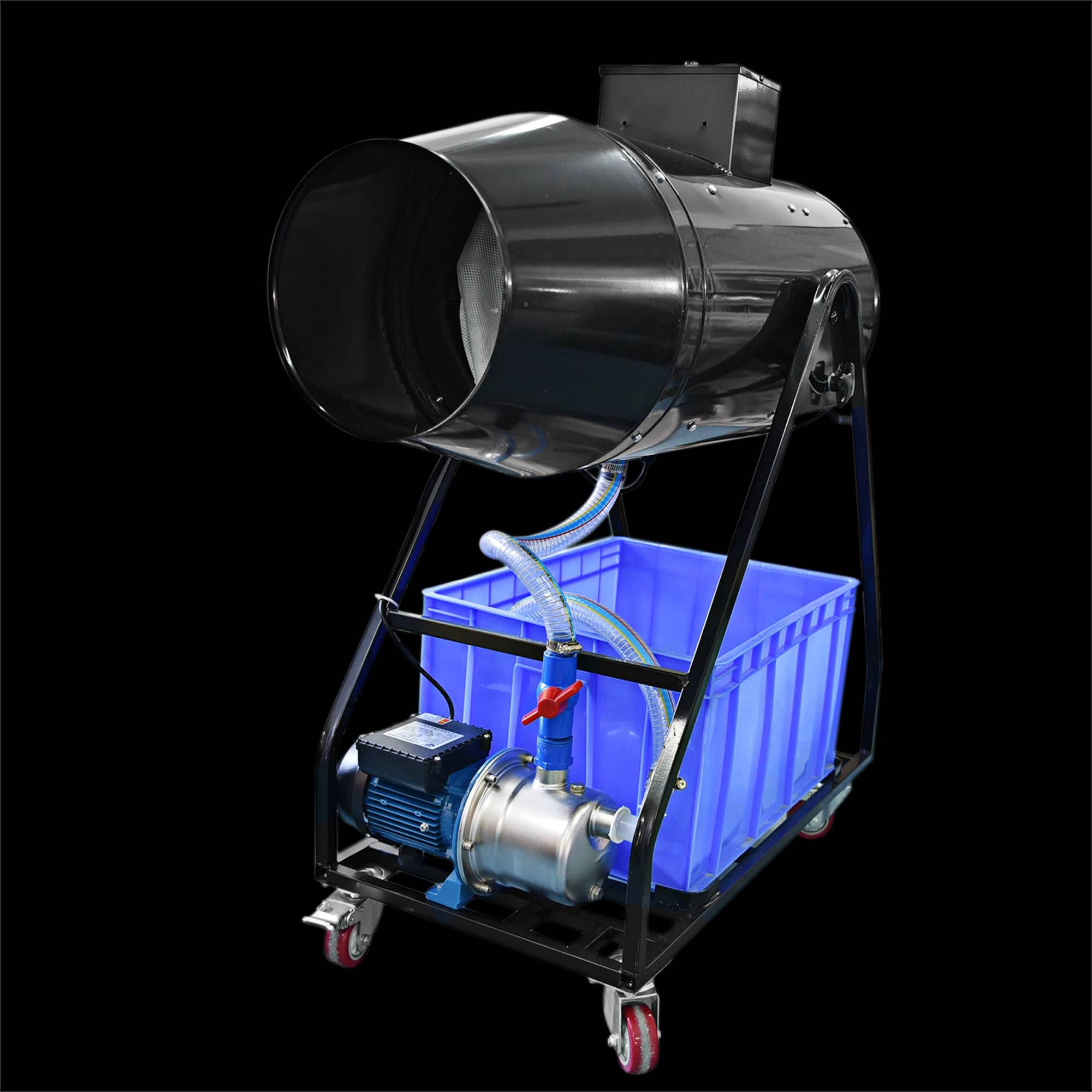
Siterui SFX 1800W Spraing foam machine High Power Professional Foam Party Maker
Elevate your event with the Siterui SFX 1800W Spraing Foam Machine. This high-power, professional foam party maker creates dense, vibrant bubbles—perfect for weddings and celebrations. Reliable and easy to use, it’s the foam and bubble machine for unforgettable moments.
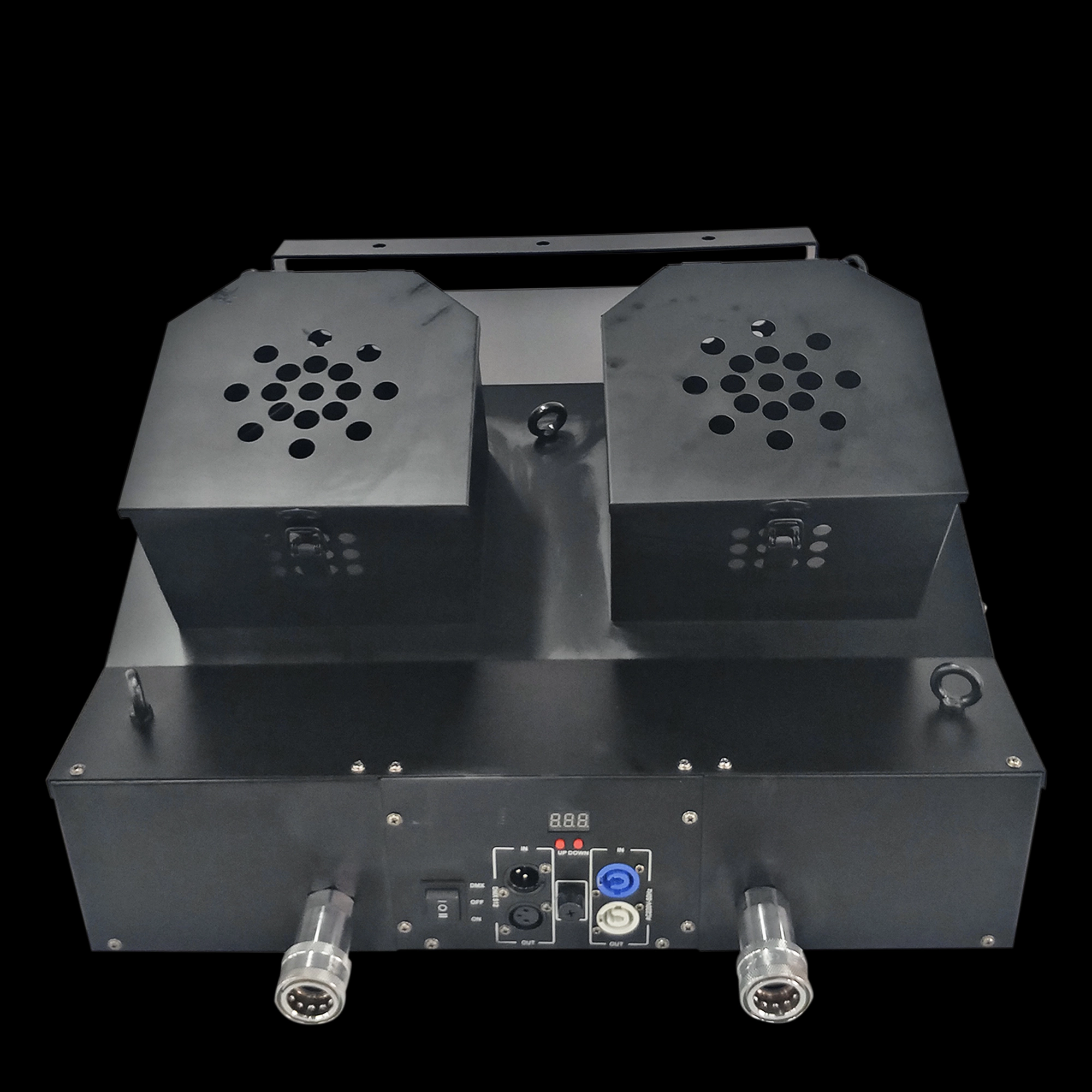
Snowstorm Paper Machine Double outlet sprayer snowstorm paper machine dual nozzle sprayer
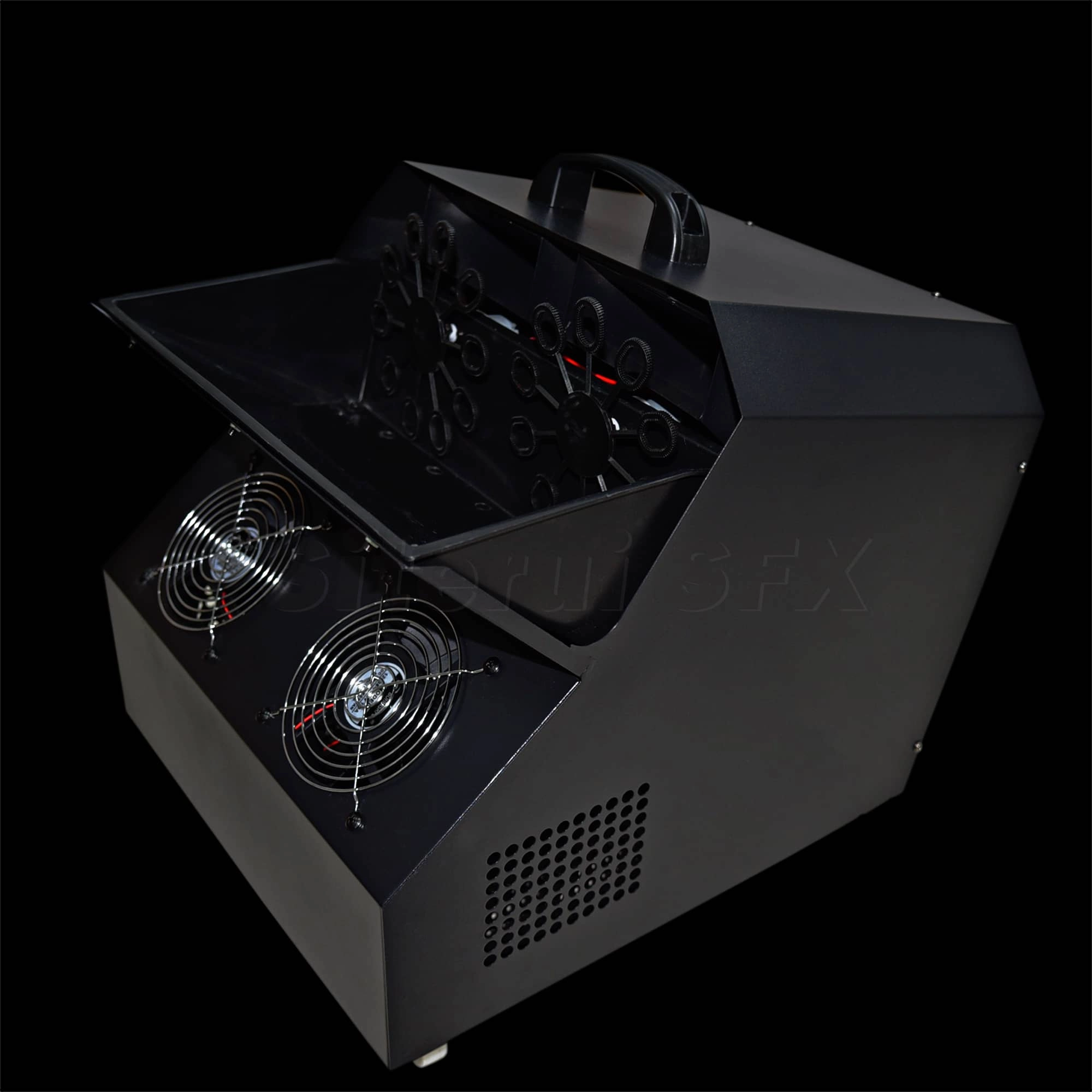
Big black housing bubble machine wireless remote + electric control
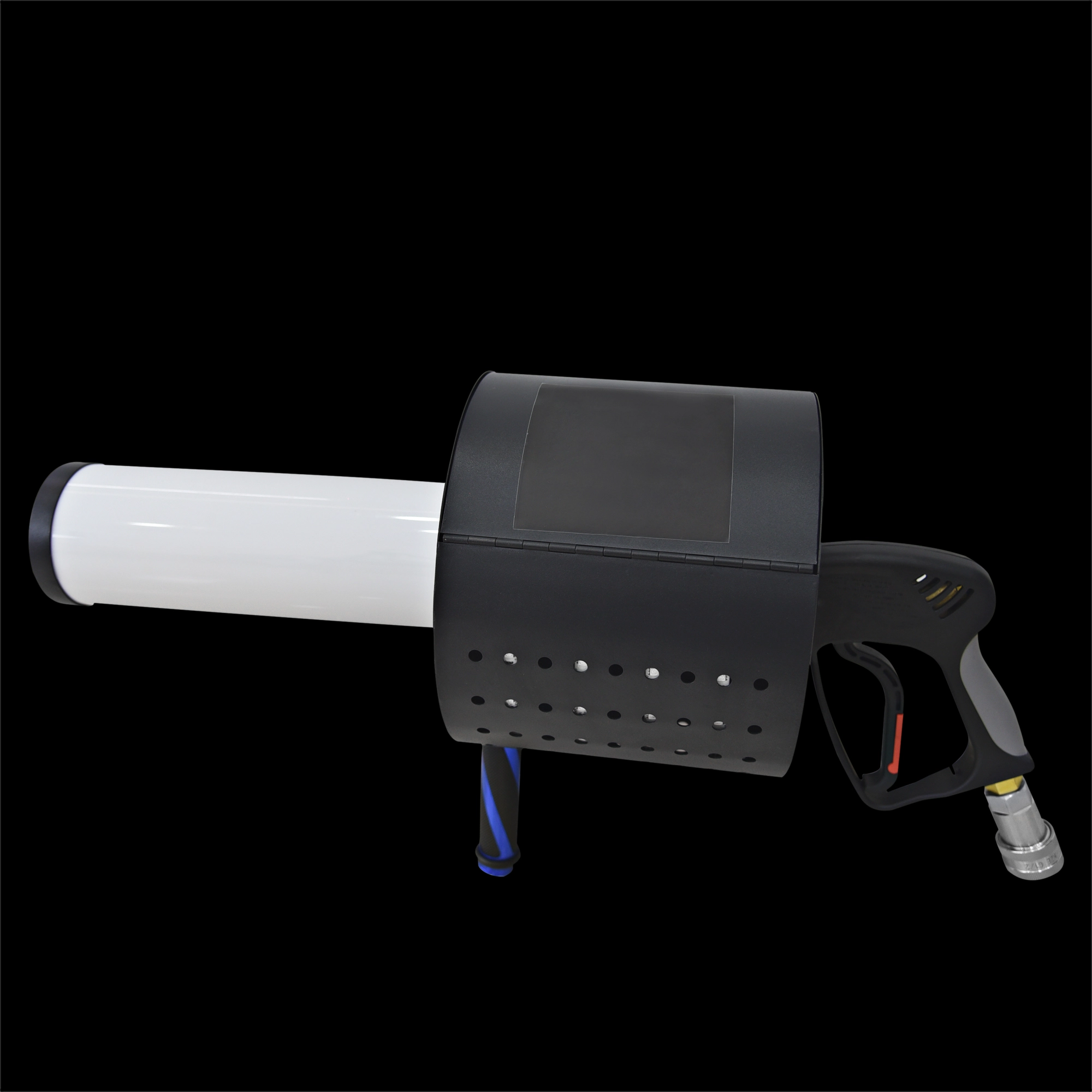
LED co2 jet confetti gun LED CO2 confetti cannon for stage shows DMX LED CO2 confetti gun for concerts Portable LED CO2 confetti blaster
Email: sales01@strlighting.com
WhatsApp: +86 189 2232 4800
© 2025 Siterui SFX All Rights Reserved.
 Scan QR Code
Whatsapp: +8618922324800
siteruisfx_stage_equipment
Siterui
SITERUI-SFX
STRlighting
@siterui.sfx