
Energy Efficiency and Operating Costs of Haze Machines
- Understanding the operational profile of a haze machine
- What a haze machine does and how it consumes energy
- Duty cycle and real-world energy use
- Comparing haze machines to other atmospheric effects
- Energy and consumable differences (haze vs fog vs CO₂ jets)
- Illustrative energy and operating-cost comparison
- Key drivers of operating cost and how to reduce them
- Fluid consumption and cost-per-event
- Electrical costs and real examples of savings
- Maintenance, lifetime, and hidden costs
- Designing for efficiency without compromising performance
- Choosing the right machine and control strategy
- Technical features that improve efficiency
- Environmental and regulatory considerations
- When to choose haze vs other effects: cost-benefit scenarios
- Continuous ambiance for theatres and museums
- Short high-impact cues (concerts, club shows)
- Outdoor vs indoor use
- Siterui SFX: energy-aware SFX solutions and product strength
- Company overview and commitment to performance
- Customization, efficiency-focused design, and service
- Products and competitive advantages
- Practical checklist to reduce haze machine operating costs
- Procurement and configuration
- Operational best practices
- Maintenance and lifecycle
- Frequently Asked Questions (FAQ)
- 1. How much electricity does a haze machine use per hour?
- 2. Is haze more cost-effective than fog?
- 3. How much haze fluid will I need for a weekly theatre run?
- 4. Can smart control systems reduce operating costs?
- 5. Are there environmental or regulatory concerns with haze fluid?
- 6. How do I choose between multiple haze machine models?
- References
Understanding the operational profile of a haze machine
What a haze machine does and how it consumes energy
A haze machine produces a thin, persistent atmospheric veil by heating a haze fluid (commonly water-glycol or mineral-oil based) and dispersing fine aerosol particles. Energy consumption is primarily electrical and goes toward the heater (to vaporize the fluid or keep fluid at production temperature), the pump(s) and fan(s) that move fluid and aerosol, and control electronics (timers/DMX/remote modules). Typical commercial haze machines have rated electrical power draws ranging from a few hundred watts for compact units to over 1,200 W for high-output models. Understanding the device’s rated wattage and duty cycle is the first step toward estimating operating costs.
Duty cycle and real-world energy use
Manufacturers often list maximum continuous power draw — but real-world consumption depends on duty cycle (continuous vs intermittent use). A haze machine running in low-output mode for ambient haze may cycle its heater or run at partial power, reducing average energy consumption significantly compared to maximum-rated power. Conversely, when used at high-output for concert applications the unit will approach its rated consumption. Planning duty cycles and control profiles is therefore essential for accurate cost forecasting and energy management.
Comparing haze machines to other atmospheric effects
Energy and consumable differences (haze vs fog vs CO₂ jets)
Haze machines are designed to generate long-lasting, low-density aerosol and are often more energy-efficient per hour than intermittent high-density fog machines that use larger heaters and heavier fluid consumption for dense bursts. CO₂ jets and dry ice effects rely on compressed gas or sublimation and have different cost profiles — often lower electrical draw but higher consumable costs (CO₂ canisters or dry ice). Choosing the right technology requires balancing electrical costs, consumables, and the artistic requirement for density, persistence and safety.
Illustrative energy and operating-cost comparison
The following table provides an illustrative comparison using typical power ranges and an assumed electricity price (see notes and references). Individual products and local prices will vary — use this as a planning template.
| Effect Type | Typical Power Draw (W) | Avg. kW | Electricity Cost/hr (assume $0.16/kWh) | Notes on Consumables |
|---|---|---|---|---|
| Small Haze Machine | 200–400 W | 0.2–0.4 | $0.03–$0.06 | Low fluid use; continuous operation possible |
| Large/Concert Haze Machine | 800–1,500 W | 0.8–1.5 | $0.13–$0.24 | Higher output, higher fluid consumption |
| Fog Machine (theatrical, high-density) | 1,000–2,000 W | 1.0–2.0 | $0.16–$0.32 | Heavier fluid consumption during bursts |
| CO₂ Jet | 200–600 W (electrical); consumable: CO₂ | 0.2–0.6 | $0.03–$0.10 (electric only) | Low electrical draw but CO₂ cost per shot can be high |
Assumptions: electricity price = $0.16/kWh (U.S. average reference; see sources). Power draws are typical manufacturer ranges and depend on mode/duty cycle.
Key drivers of operating cost and how to reduce them
Fluid consumption and cost-per-event
Haze fluid costs are a non-trivial portion of operating expense for continuous haze use. Fluid use varies by machine design and output setting. Typical haze fluid consumption ranges from about 10–100 ml per hour for low-to-medium output small units, up to several hundred ml per hour for high-output units. Bottled fluid prices range widely by brand and formulation — common market prices fall roughly between $10 and $40 per liter depending on quality and volume discounts. Calculating cost-per-hour: if a machine uses 50 ml/hr and fluid costs $20/L, fluid cost is $1/hr.
Electrical costs and real examples of savings
Electricity is calculated as power (kW) × hours × local price/kWh. Reductions in average power come from using lower output settings, selecting units with efficient heaters and fans, and applying intelligent control (timers, DMX, occupancy sensors). For example, switching a 1,200 W continuous haze profile to a pulsed low-output profile that averages 400 W reduces electric consumption by ~67% and correspondingly lowers hourly electricity cost.
Maintenance, lifetime, and hidden costs
Regular maintenance reduces long-term costs. Typical maintenance items include pump and tubing replacement, heater coil cleaning or replacement, and periodic fan maintenance. Units that are easier to service and use higher-quality parts typically have lower total cost of ownership even if initial price is higher. Preventive maintenance schedules should be built into operating budgets to avoid emergency replacements that can be costlier.
Designing for efficiency without compromising performance
Choosing the right machine and control strategy
Select equipment sized for the venue and desired atmospheric effect. Oversizing leads to unnecessary power and fluid use; undersizing leads to overrun and potential overuse of equipment. Use multi-stage control: baseline low-output haze to maintain ambience, with short high-output presets for cues. DMX and wireless control systems allow precision, scheduling, and integration with lighting and show control to minimize waste.
Technical features that improve efficiency
- Pre-heat and standby modes that reduce full-power cycling time.
- Variable-speed fans and proportional pumps that adjust output smoothly.
- Smart presets and sensor-based automation to limit unnecessary run-time.
- Efficient heater elements and high-quality vaporization chambers to reduce power draw for equivalent output.
Environmental and regulatory considerations
Choose fluids and equipment compliant with local indoor air quality and fire-safety regulations. Haze is often preferred in theatres because lower density reduces audience and performer exposure while delivering optical effects. Confirm MSDS for fluids, verify venue ventilation capability, and coordinate with safety officers to keep regulatory risk and incidental costs (e.g., additional ventilation runs) low.
When to choose haze vs other effects: cost-benefit scenarios
Continuous ambiance for theatres and museums
For ambient atmospheric effects required over extended periods (hours), haze machines are typically the most cost-efficient choice per hour due to lower fluid consumption and lower average power draws when properly controlled. Design systems with low-output baseline and event-triggered boosts to balance ambience and budget.
Short high-impact cues (concerts, club shows)
For short, high-density cues, fog machines or CO₂ jets may be artistically superior. While these can have higher electricity draw during bursts, overall event cost may still be low because of short duration. Consider combined systems — a baseline haze machine for ambience and fog/CO₂ for momentary accents.
Outdoor vs indoor use
Outdoor effects disperse quickly requiring higher output and thus more energy and fluid to achieve visible effects. This increases cost; for outdoor shows, consider pyrotechnic or CO₂-based solutions for short bursts, and ensure compliance with local regulations.
Siterui SFX: energy-aware SFX solutions and product strength
Company overview and commitment to performance
Siterui SFX is a professional manufacturer engaged in the research and development, production, sales, and service of professional stage special effects (SFX) equipment. With a highly skilled team and cutting-edge technology, we are committed to providing innovative, reliable, and high-performance SFX solutions for live events, theaters, concerts, film production, and entertainment venues worldwide.
Customization, efficiency-focused design, and service
At Siterui SFX, we understand that every stage, event, and creative concept is unique. That’s why we offer flexible customization services to meet your specific needs—whether it's branding, special functions, size adjustments, or complete system integration. From custom casing and logo printing to wireless control systems and synced multi-device setups, our expert team works closely with you to design SFX solutions that align perfectly with your needs. Our commitment to quality and innovation ensures that our clients receive cutting-edge effects that enhance the visual and sensory experience of every performance. We pride ourselves on exceptional customer service and continuous advancement, positioning Siterui as a trusted partner in the professional special effects industry.
Products and competitive advantages
Siterui SFX offers a broad product range optimized for performance and operational efficiency, including spark machines, Haze Machine, CO₂ Jet Machine, Bubble Machine, Snow Machine, Foam Machine, Confetti Machine, fog machine, fire machine, and dry ice machine. Key differentiators include:
- Engineering for real-world duty cycles to lower average energy consumption.
- Smart control integration (DMX/Art-Net/Wireless) for precise output and reduced waste.
- Customizable form factors and system integration for better fit and lower installation overhead.
- After-sales service and preventive maintenance programs to reduce lifetime cost of ownership.
Whether your priority is a low-energy ambient haze system for a theater, a high-output synchronized rig for stadium shows, or a hybrid approach, Siterui SFX can help specify and deliver a solution tuned to both artistic and budgetary goals.
Practical checklist to reduce haze machine operating costs
Procurement and configuration
- Right-size the unit for the venue and typical use patterns.
- Prioritize models with variable output and standby modes.
- Consider manufacturer support, warranties, and availability of consumables.
Operational best practices
- Use DMX or timers to limit run time to strictly required periods.
- Run low baseline output with occasional boosts for cues.
- Monitor fluid consumption and have a predictable refill schedule.
Maintenance and lifecycle
- Follow preventive maintenance to avoid inefficiencies (clogging, pump wear).
- Replace wear-prone parts on schedule to preserve energy performance.
- Document duty cycles and maintenance to refine future procurement and budget forecasts.
Frequently Asked Questions (FAQ)
1. How much electricity does a haze machine use per hour?
It depends on model and mode. Typical small haze units draw 200–400 W; large units can draw 800–1,500 W. Multiply the machine’s kW rating by your local kWh price to estimate electricity cost per hour. For planning, using $0.16/kWh, a 400 W average draw equals about $0.06/hr in electricity.
2. Is haze more cost-effective than fog?
For continuous ambiance, yes: haze often requires less fluid and lower average electrical power compared with dense fog, making haze more cost-effective for long-duration use. For short, dramatic cues fog may be more appropriate despite higher instantaneous energy use.
3. How much haze fluid will I need for a weekly theatre run?
Estimate based on machine consumption and show hours. Example: if a show runs 4 hours nightly and the machine uses 50 ml/hr, that’s 200 ml per show; for 6 shows/week, ~1.2 L/week. Local prices and actual consumption will vary — test-run and log usage for best forecasts.
4. Can smart control systems reduce operating costs?
Yes. DMX, timers, and occupancy or show-based automation reduce unnecessary run time and avoid excessive boosting, which lowers electrical and fluid costs and prolongs equipment life.
5. Are there environmental or regulatory concerns with haze fluid?
Choose fluids with appropriate safety data sheets and comply with local indoor air quality regulations. Many modern haze fluids are formulated for minimal residue and lower respiratory irritation, but venue ventilation and occupancy must be considered.
6. How do I choose between multiple haze machine models?
Consider venue volume, desired haze persistence, duty cycle, control features (DMX/wireless), maintenance accessibility, and total cost of ownership (including fluid and service). Request power and fluid-consumption curves from manufacturers to compare real operating profiles.
If you’d like help specifying a haze solution, estimating operating costs for a venue, or arranging a custom SFX system, contact Siterui SFX for consultation or view our product range.
Contact / Request a Quote: For customized solutions, system integration, or product demos from Siterui SFX, reach out via our sales and support channels to discuss your venue, budget, and creative needs.
References
- Fog machine — Wikipedia. https://en.wikipedia.org/wiki/Fog_machine (accessed 2026-01-05)
- U.S. Energy Information Administration (EIA) — Frequently Asked Questions: How much electricity does an appliance use? https://www.eia.gov/tools/faqs/faq.php?id=97&t=3 (accessed 2026-01-05)
- Chauvet DJ — Product and Learning Center (manufacturer reference for haze/fog technologies). https://www.chauvetdj.com/ (accessed 2026-01-05)
- Occupational Safety and Health Administration (OSHA) — Indoor Air Quality. https://www.osha.gov/indoor-air-quality-iaq (accessed 2026-01-05)
- Industry guidance and best practices: Stage Management & Technical Theatre resources and product manuals — for example, vendor product spec sheets and MSDS for haze fluids (consult specific manufacturer pages for exact specs; accessed 2026-01-05)
Health & Environmental Considerations for Fog Fluid
Safety, Ventilation and Regulations for Haze Machine Use
Intelligent Lighting: Features of Modern Stage Lights
Setting Up Stage Lights for Small Venues
1500W Professional Snow Machine
Are you a factory or trading company?
Yes,We are a factory & trading company, we can guarantee ourprice is first-hand, very cheap and competitive.
750W Move Head Cold Electronic Spark Machine
Are you a factory or trading company?
We are a factory with direct pricing, ensuring competitive rates.
1200W Haze Machine
What’s the warranty period?
1 year for parts and labor (excluding fluid-related issues).
600W High-Quality Stainless Steel
Can the spray height be adjusted mid-performance?
Absolutely! Use the remote control or DMX interface for real-time adjustments.
CO2 Mini Rainbow Confetti Machine
Is the confetti biodegradable?
Yes, we recommend using eco-friendly paper confetti (sold separately).
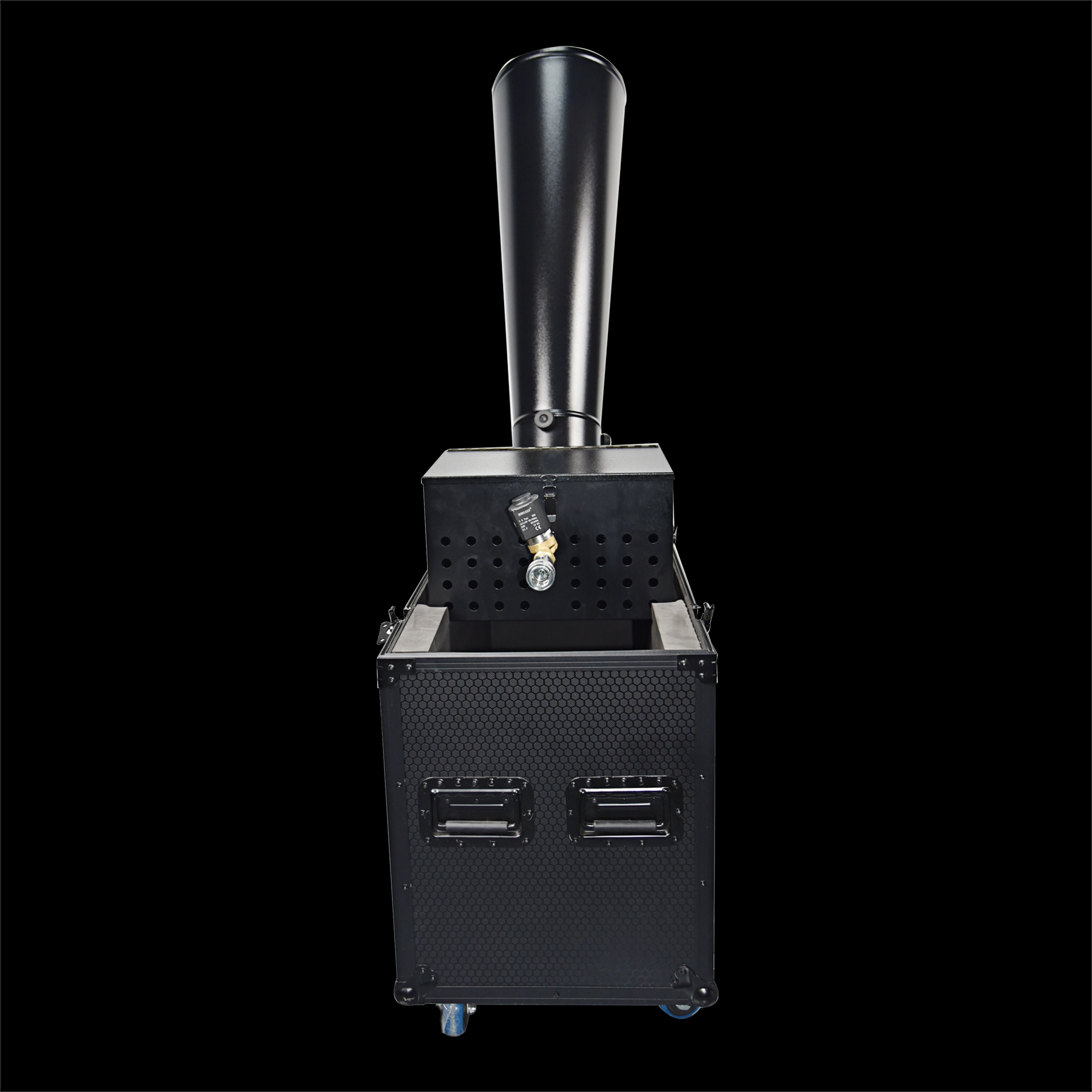
CO₂ Mini Rainbow Confetti Machine Manual Control with Durable Black Wheeled Flight Case
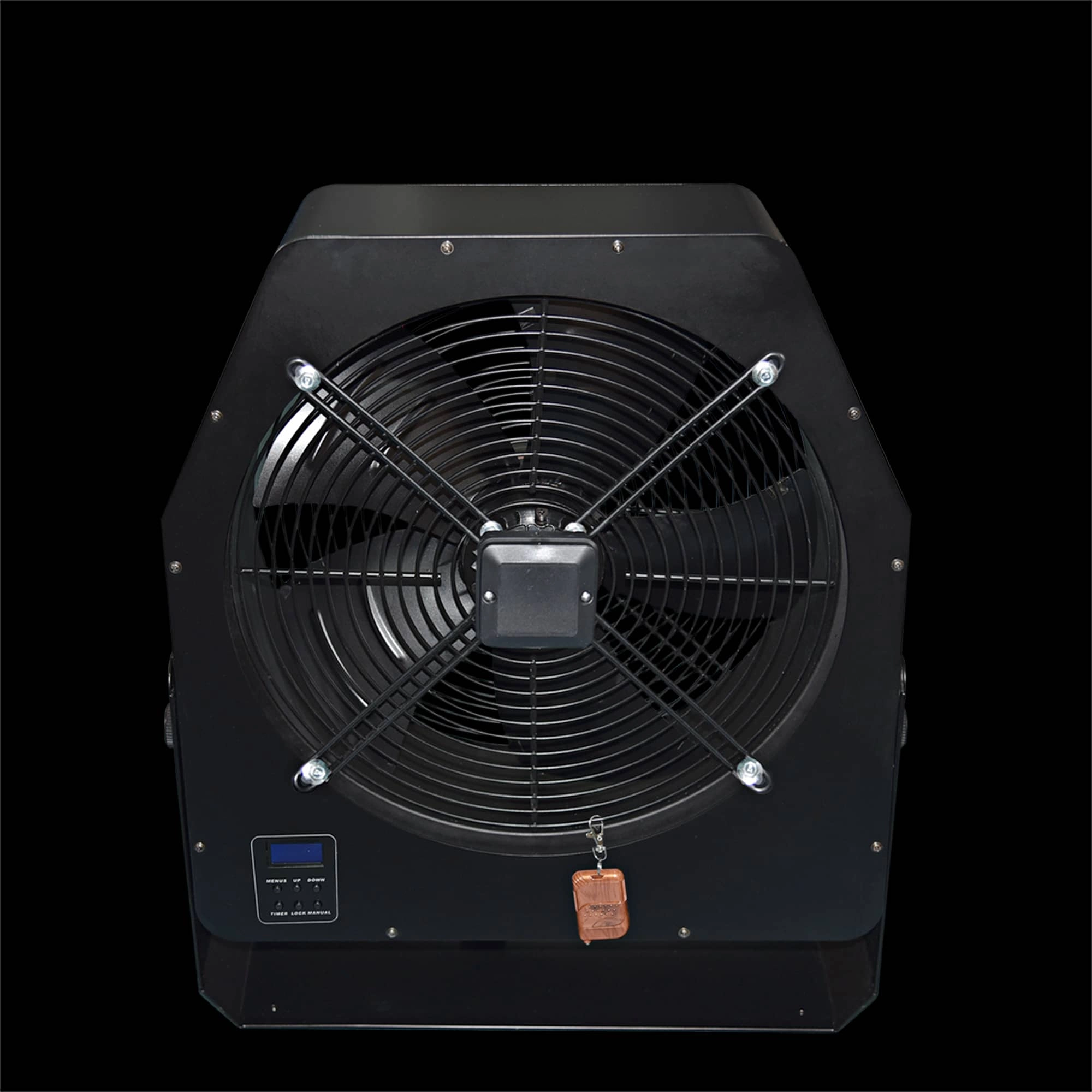
Professional Stage Big DMX Fan | High-Power Event Fan for Stage Shows & Celebrations
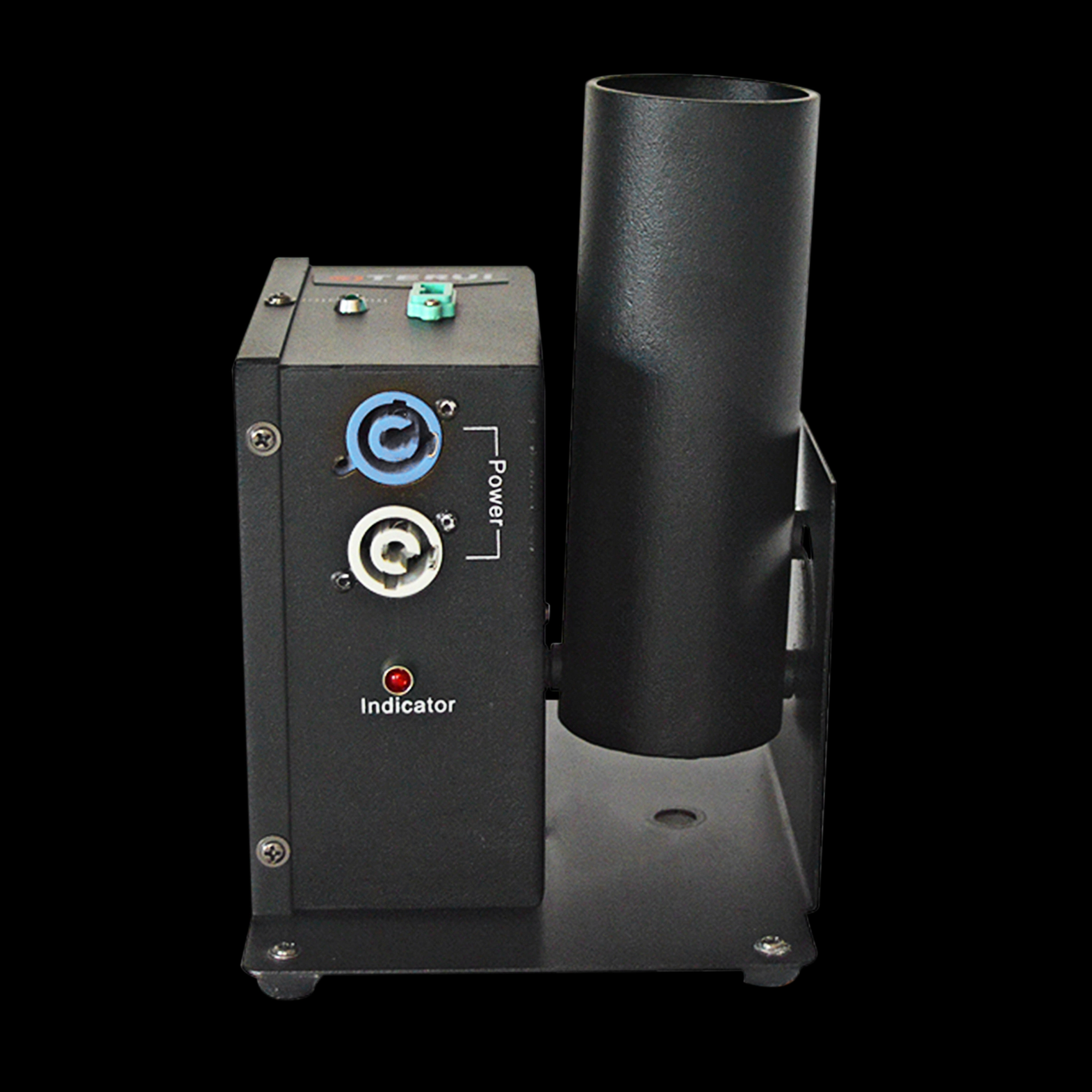
Single Shot Confetti Machine - Premium Confetti Launcher for Weddings & Stage Celebrations
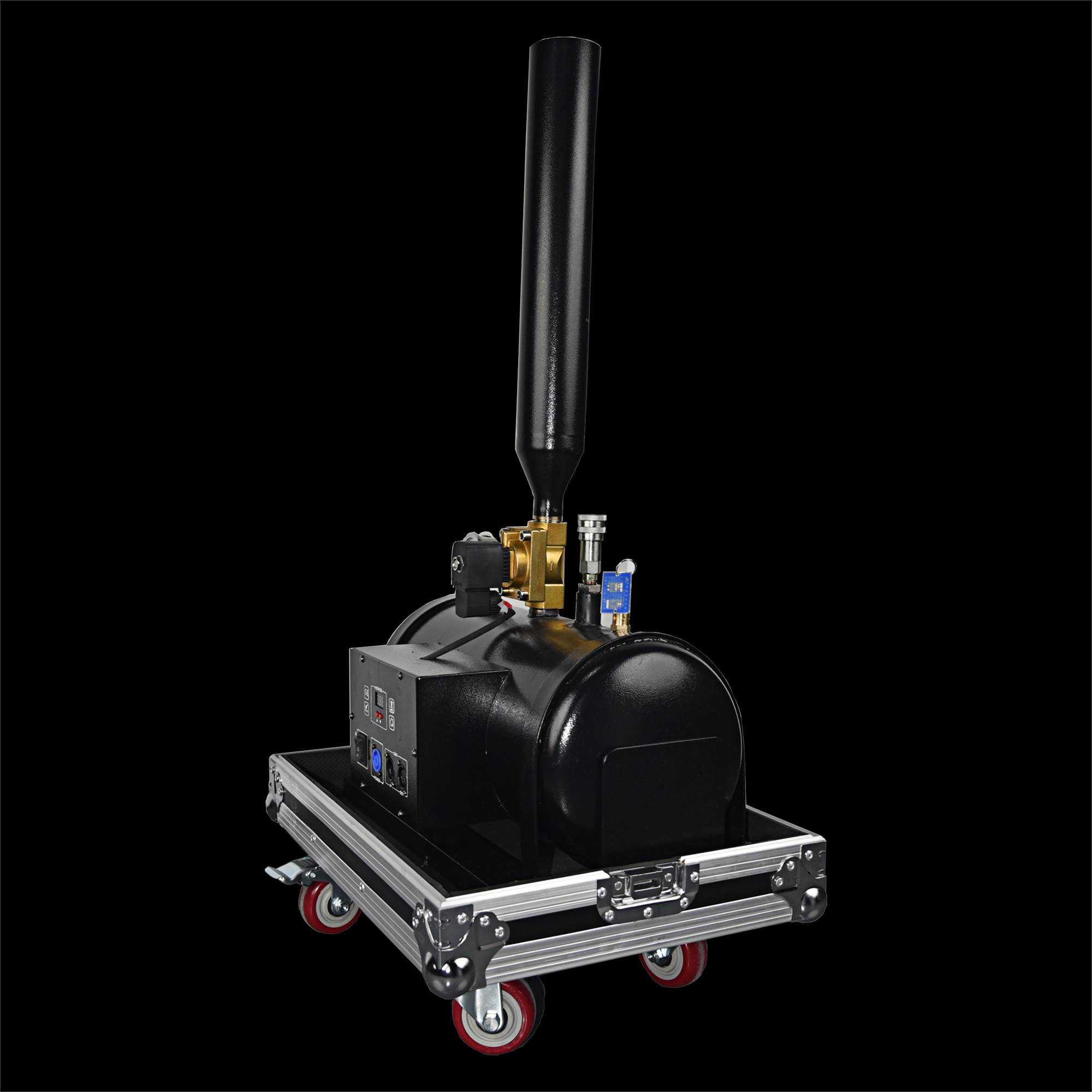
High-Altitude Confetti Cannon - Professional Confetti Blaster for Stage, Party & Celebration Events
Email: sales01@strlighting.com
WhatsApp: +86 189 2232 4800
© 2025 Siterui SFX All Rights Reserved.
 Scan QR Code
Whatsapp: +8618922324800
siteruisfx_stage_equipment
Siterui
SITERUI-SFX
STRlighting
@siterui.sfx