
How to Use Fog Machines Safely on Stage
- Essential Safety Principles for Using Fog Machines on Stage
- Understand the Types of Fog Machines and Fluids (keyword: fog machine)
- Assess Health Risks and Regulatory Guidance (keyword: fog machine)
- Plan Ventilation and Airflow Controls (keyword: fog machine)
- Design Safe Placement and Control Systems (keyword: fog machine)
- Personal Protective Equipment and Crew Training (keyword: fog machine)
- Smoke Alarms, Fire Detection, and Fire Codes (keyword: fog machine)
- Monitoring and Exposure Limits (keyword: fog machine)
- Troubleshooting Common Operational Issues (keyword: fog machine)
- Comparing Fog Methods: Practical Considerations (keyword: fog machine)
- Best Practices Checklist Before Each Show (keyword: fog machine)
- When to Avoid Using a Fog Machine (keyword: fog machine)
- Siterui SFX: Professional SFX Solutions and Safe Fog Machine Integration (keyword: fog machine)
- Emergency Response and Incident Procedures (keyword: fog machine)
- Frequently Asked Questions (FAQ)
- 1. Will fog machines trigger smoke detectors?
- 2. Are fog machine fluids toxic?
- 3. How long does fog linger after a cue?
- 4. Can I use fog machines with flame or pyrotechnics?
- 5. What should I do if audience members complain of irritation?
- 6. How can I minimize residue on costumes and set pieces?
- 7. Do I need to monitor air quality?
- References
Essential Safety Principles for Using Fog Machines on Stage
Fog machines are powerful tools to add atmosphere, depth, and visibility control to live performances. When used correctly, they enhance storytelling and stage visuals; used improperly, they can cause discomfort, trigger alarms, or create real health and safety risks. This guide explains how to use a fog machine safely on stage, balancing creative intent with audience and crew health, code compliance, and reliable operation.
Understand the Types of Fog Machines and Fluids (keyword: fog machine)
Not all fog is the same. Selecting the right fog machine and fluid is the first safety step because fluid composition affects particle size, residue, and potential respiratory irritation.
| Fog Type | Common Fluids | Characteristics | Typical Uses |
|---|---|---|---|
| Heated fog (vaporizing) | Glycol- or glycerin-based fluids (propylene glycol, triethylene glycol) | Visible vapor; moderate persistence; may leave light residue; small aerosol particles | Concerts, theater scenes, dense fog effects |
| Haze | Low-concentration glycol or mineral-oil-based fluids | Fine suspension, long-lasting, minimal opacity | Lighting beams, subtle atmospheric depth |
| CO₂/Dry ice (cold fog) | Water only (with CO₂ or dry ice) | Ground-hugging; very cold; no chemical aerosol but CO₂ can displace oxygen | Low-level effects, channeled fog |
| Water-based aerosol | Water + additives | Lower residue and irritation potential; may produce larger droplets | Family/indoors shows with sensitive audiences |
Always consult the fluid manufacturer’s Safety Data Sheet (SDS) before use. SDS documents list composition, inhalation hazards, first-aid, and recommended controls.
Assess Health Risks and Regulatory Guidance (keyword: fog machine)
Audience and crew sensitivity varies: children, elderly, asthmatics, and people with chronic respiratory conditions are more likely to react. Several authoritative bodies provide guidance relevant to fog machine use:
- OSHA and NIOSH resources on indoor air quality and aerosol exposures emphasize ventilation and exposure control as primary protective measures.
- NFPA standards govern flame effects and pyrotechnics; fog can interact with flame/smoke systems and fire detection — check NFPA 160 and local fire codes when combining effects.
- Local venue policies, municipal fire departments, and theater unions (where applicable) may have specific requirements about notification, testing, or prohibitions.
Action: require medical and sensitivity warnings in casting/crew communications; post audience advisories when fog will be used.
Plan Ventilation and Airflow Controls (keyword: fog machine)
Proper ventilation is the most effective control to limit airborne concentrations from a fog machine. Consider the venue size, air changes per hour (ACH), HVAC mixing, and local airflows caused by doors, stage wings, and house ventilation.
- Calculate approximate dilution: in general, larger volumes and higher ACH reduce aerosol concentration quickly. For critical scenes, increase HVAC fresh air intake and run exhaust fans during and after fog use.
- Avoid directing fog into HVAC intakes that recirculate to the audience without filtration — use exhaust where possible or capture and vent to the outside.
- For tight black-box theaters, schedule fog cues with pauses to allow clearing, or use smaller, localized fog devices with focused ducting.
Design Safe Placement and Control Systems (keyword: fog machine)
Placement and control minimize risks to performers, equipment, and sightlines.
- Mount units securely; use manufacturer mounting hardware. Keep fog machines away from direct contact with combustible scenery or fabrics.
- Use DMX or wireless control with interlocks and manual override. Implement lock-out timers and software failsafes to prevent continuous firing in case of malfunction.
- Position units to avoid blasting performers with hot outputs; allow adequate clearance for heat-dissipation and maintenance access.
Personal Protective Equipment and Crew Training (keyword: fog machine)
While audience masks aren’t typically practical, crew performing maintenance or working in close contact with fog machines should use PPE.
- Gloves and eye protection for filling and servicing to avoid skin/eye contact with concentrated fluids.
- If performing maintenance in enclosed spaces with high plume concentrations, use properly fitted respiratory protection (e.g., NIOSH-certified respirators) per a site-specific risk assessment.
- Train operators to recognize early signs of irritation, to interpret SDSs, and to execute emergency ventilation and evacuation procedures.
Smoke Alarms, Fire Detection, and Fire Codes (keyword: fog machine)
Fog and haze can trigger smoke detectors and may interact with flame effects. Coordination with venue management and local fire authorities is essential.
- Consult the venue’s fire alarm engineer about temporary detector masking, detector zoning, or use of aspirating detection systems. Any masking or detector changes must be authorized and documented.
- If effects include fire, follow NFPA 160 (Standard for the Use of Flame Effects Before an Audience) and local fire marshal directives. Have certified fire-watch personnel when required.
Monitoring and Exposure Limits (keyword: fog machine)
Routine environmental monitoring gives objective data. While specific universal occupational exposure limits for theatrical fog aerosols are limited, monitoring helps ensure concentrations remain low.
- Use particle counters and area air sampling during technical rehearsals to benchmark typical aerosol concentrations from chosen fluids and devices.
- Compare results with relevant occupational guidance for aerosol mists (consult SDS components — e.g., propylene glycol, glycerin — for applicable exposure limits such as ACGIH or national guidelines).
Troubleshooting Common Operational Issues (keyword: fog machine)
Knowing how to react to malfunctions keeps the show safe and on schedule.
- No output: check fluid level, pump priming, power supply, element heating, and DMX/control signals.
- Excessive residue: reduce fluid concentration, lower output intensity, clean nozzles and heat exchangers, or switch to a low-residue fluid.
- Smell or smoke-like combustion: power down immediately, ventilate, and inspect for burned elements, fluid leaks, or blockages.
Comparing Fog Methods: Practical Considerations (keyword: fog machine)
The following table summarizes trade-offs to help choose the right effect for your safety and creative needs.
| Method | Pros | Cons | Safety Notes |
|---|---|---|---|
| Heated glycol/glycerin fog machine | High output, controllable density | Can leave residue; potential irritation for sensitive people | Use recommended fluids, monitor residue, ventilate |
| Haze machine | Subtle, long-lasting; ideal for lighting | Continuous use can increase background aerosol levels | Lower fluid concentration; HVAC management |
| CO₂/dry ice | Dense ground effects without chemical aerosols | Cold, can create slip risk; CO₂ may displace oxygen in poorly ventilated spaces | Ensure adequate oxygen monitoring and no buildup in confined areas |
| Low-residue water-based | Lower irritation potential | May require higher volumes for same optical effect | Check for microbial growth in water systems; follow fluid manufacturer guidance |
Best Practices Checklist Before Each Show (keyword: fog machine)
Use this short checklist as part of your pre-show safety routine:
- Verify fog machine model and fluid compatibility; check SDS.
- Confirm mounting, clearances, and that no combustible materials are within required distances.
- Confirm HVAC settings and additional exhaust if needed.
- Coordinate with house management and fire/safety personnel about effect timing and detector zones.
- Perform a quick functional test during technical rehearsal and sample air if audience will be present.
- Have emergency ventilation and evacuation procedures posted and rehearsed.
When to Avoid Using a Fog Machine (keyword: fog machine)
There are scenarios where fog should be reduced or not used:
- If the venue can’t provide sufficient ventilation or if instrumentation shows high baseline aerosol levels.
- When audience includes a high proportion of at-risk individuals and no reasonable accommodation can be provided.
- If local fire authorities or venue policy prohibit fog effects without special permits or mitigations.
Siterui SFX: Professional SFX Solutions and Safe Fog Machine Integration (keyword: fog machine)
Siterui SFX is a professional manufacturer engaged in R&D, production, sales, and service of stage special effects equipment. Our product line includes spark machines, haze machines, CO₂ jet machines, bubble machines, snow machines, foam machines, confetti machines, fog machines, fire machines, and dry ice machines. We focus on innovation, reliability, and performance for live events, theaters, concerts, film production, and entertainment venues worldwide.
Why partner with Siterui SFX for fog machine solutions?
- Technical expertise: our team designs devices that prioritize controllability, consistent particle output, and safe thermal management.
- Customization: from custom housing and logo printing to wireless control and synchronized multi-device systems, we create solutions matched to your venue and creative brief.
- Regulatory and operational support: we provide SDS documentation, recommended operating procedures, and training material for safe deployment.
- Service and quality: rigorous QA, responsive after-sales support, and global service network reduce downtime and increase reliability.
Siterui’s fog machines are engineered to work seamlessly with haze, CO₂, and pyrotechnic systems, and can be tailor-made to meet constraints like low-residue requirements or integration into HVAC-managed venues. For safety-conscious productions, our team can consult on device placement, control strategies, and maintenance plans to minimize audience and crew exposure while achieving artistic goals.
Emergency Response and Incident Procedures (keyword: fog machine)
If a fog-related incident occurs (e.g., unexpected respiratory complaints, fire alarm activation, or equipment failure), follow these steps:
- Stop fog emission immediately and power down the device if safe to do so.
- Increase ventilation and evacuate affected areas if symptoms are severe.
- Provide first aid per SDS guidance for exposure (fresh air, rest, seek medical attention if needed).
- Notify venue safety officer and document the incident — time, fluid used, device, number of people affected.
- Review monitoring data and perform a post-incident technical inspection before resuming use.
Frequently Asked Questions (FAQ)
1. Will fog machines trigger smoke detectors?
Yes, fog and haze can trigger smoke detectors depending on detector type and sensitivity. Coordinate with venue technical staff and fire authorities to manage detector zoning, use aspirating or beam detectors appropriately, or schedule temporary mitigations with official approval.
2. Are fog machine fluids toxic?
Most professional fog fluids use propylene glycol or glycerin bases that are formulated for theatrical use and are low in acute toxicity. However, they are aerosols and can irritate sensitive individuals. Always check the fluid SDS and use recommended concentrations and ventilation.
3. How long does fog linger after a cue?
Persistence depends on fog density, particle size, venue volume, and ventilation. Haze can persist for tens of minutes in poorly ventilated spaces, while dense fog may clear faster with high ACH. Use technical rehearsals and particle monitoring to establish clearing times for your space.
4. Can I use fog machines with flame or pyrotechnics?
Combining effects increases complexity and risk. Follow NFPA standards and obtain approvals from the fire marshal. Implement fire watches, interlocks, and strict cue sequencing when integrating fog with flame or pyrotechnics.
5. What should I do if audience members complain of irritation?
Respond quickly: reduce or stop fog output, increase ventilation, and provide assistance to affected individuals. Record the complaint, fluid used, and timeline, and review whether a change in fluid, intensity, or mitigation is needed for future shows.
6. How can I minimize residue on costumes and set pieces?
Use low-residue fluids, maintain proper nozzle and heat-exchanger cleanliness, reduce output intensity, and position devices to avoid direct deposition on scenery. Regular cleaning schedules for costumes and sets also mitigate buildup.
7. Do I need to monitor air quality?
Yes. For venues that use fog or haze regularly, periodic particle monitoring during technical rehearsals helps quantify exposures and optimize controls. Use the data to justify ventilation changes or alternative effects.
For product inquiries, customization, or technical consultation on safe fog machine integration, contact Siterui SFX to discuss solutions tailored to your venue and artistic needs. View our fog machines and full SFX product line or request a safety consultation at: https://www.siteruisfx.com (contact form and product catalog).
References
- OSHA. Indoor Air Quality (IAQ). U.S. Occupational Safety and Health Administration. https://www.osha.gov/indoor-air-quality (accessed 2025-11-29).
- CDC/NIOSH. NIOSH Hierarchy of Controls. Centers for Disease Control and Prevention. https://www.cdc.gov/niosh/topics/hierarchy/default. (accessed 2025-11-29).
- NFPA. Standards and Codes — refer to NFPA 160 for flame effects. National Fire Protection Association. https://www.nfpa.org/ (accessed 2025-11-29).
- HSE. Control of Substances Hazardous to Health (COSHH). Health & Safety Executive (UK). https://www.hse.gov.uk/coshh/ (accessed 2025-11-29).
- Entertainment Services & Technology Association (ESTA). Recommended Practices and technical documents for theatrical fog and haze (technical resources). https://tsp.esta.org/tsp/documents/published_docs. (accessed 2025-11-29).
- Manufacturer SDS and technical documentation. Always consult the Safety Data Sheet (SDS) for any fog or haze fluid used (example SDS libraries are available from manufacturers and distributors; consult product-specific URLs; accessed 2025-11-29).
Last updated: 2025-11-29.
What are the application scenarios of bubble fog machine?
Top fog and bubble machine Manufacturers and Suppliers in us
Hazer vs fog machine: differences and uses
Wholesale fog maker machine manufacturer and supplier in china
1200W Haze Machine
Can I use other brands of haze fluid?
We recommend our certified fluid for optimal performance and longevity.
600W High-Quality Stainless Steel
Do you offer sample orders?
Yes, samples are available. Contact us for pricing and shipping details.
Is this machine suitable for outdoor use?
Yes, the stainless steel shell provides excellent weather resistance.But it is not suitable for outdoor use in rainy days.
About us
How does the team collaborate on projects?
Cross-functional collaboration ensures seamless execution from design to delivery.
What after-sales support does Siterui provide?
Rapid response and resolution for installation, training, and maintenance issues.
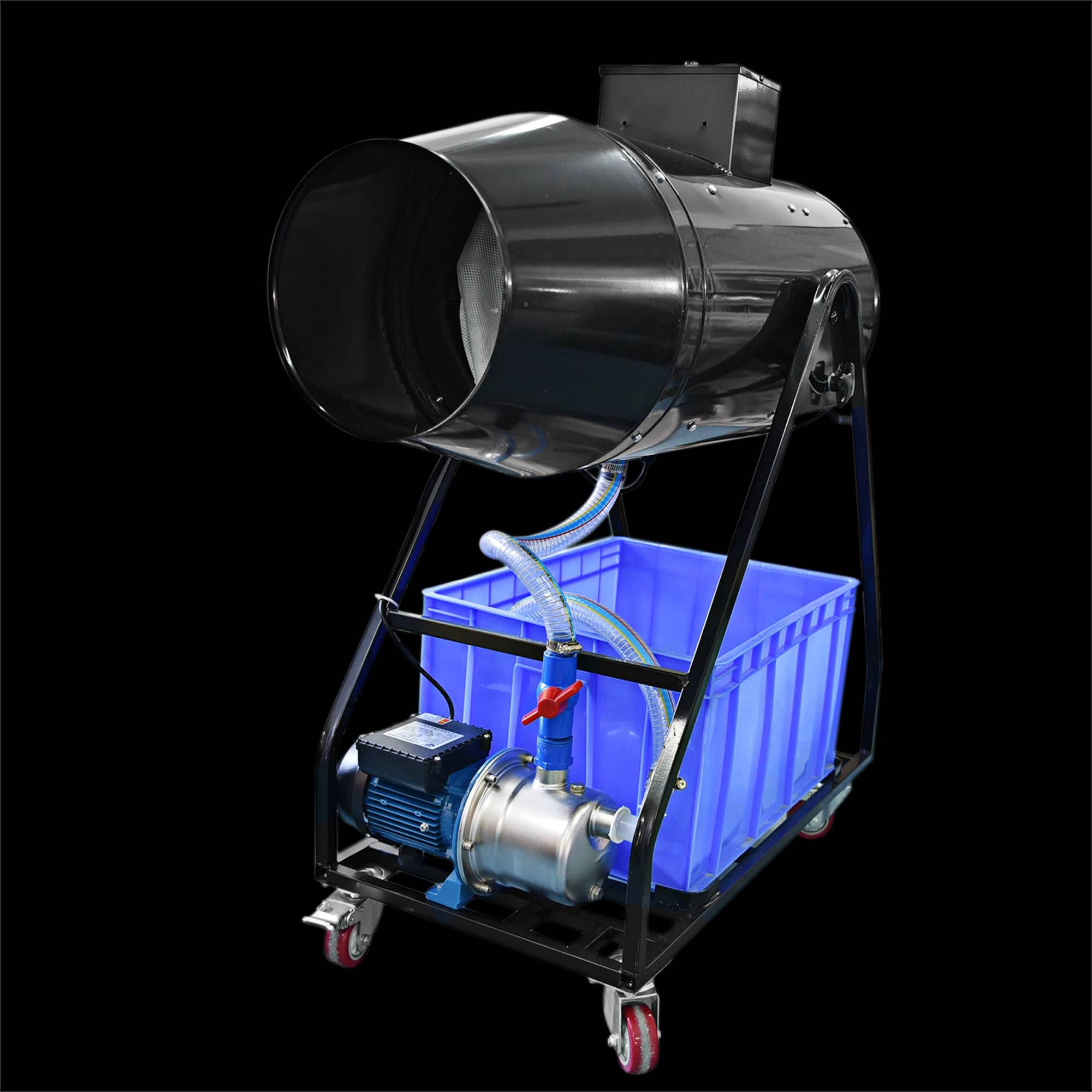
Siterui SFX 1800W Spraing foam machine High Power Professional Foam Party Maker
Elevate your event with the Siterui SFX 1800W Spraing Foam Machine. This high-power, professional foam party maker creates dense, vibrant bubbles—perfect for weddings and celebrations. Reliable and easy to use, it’s the foam and bubble machine for unforgettable moments.
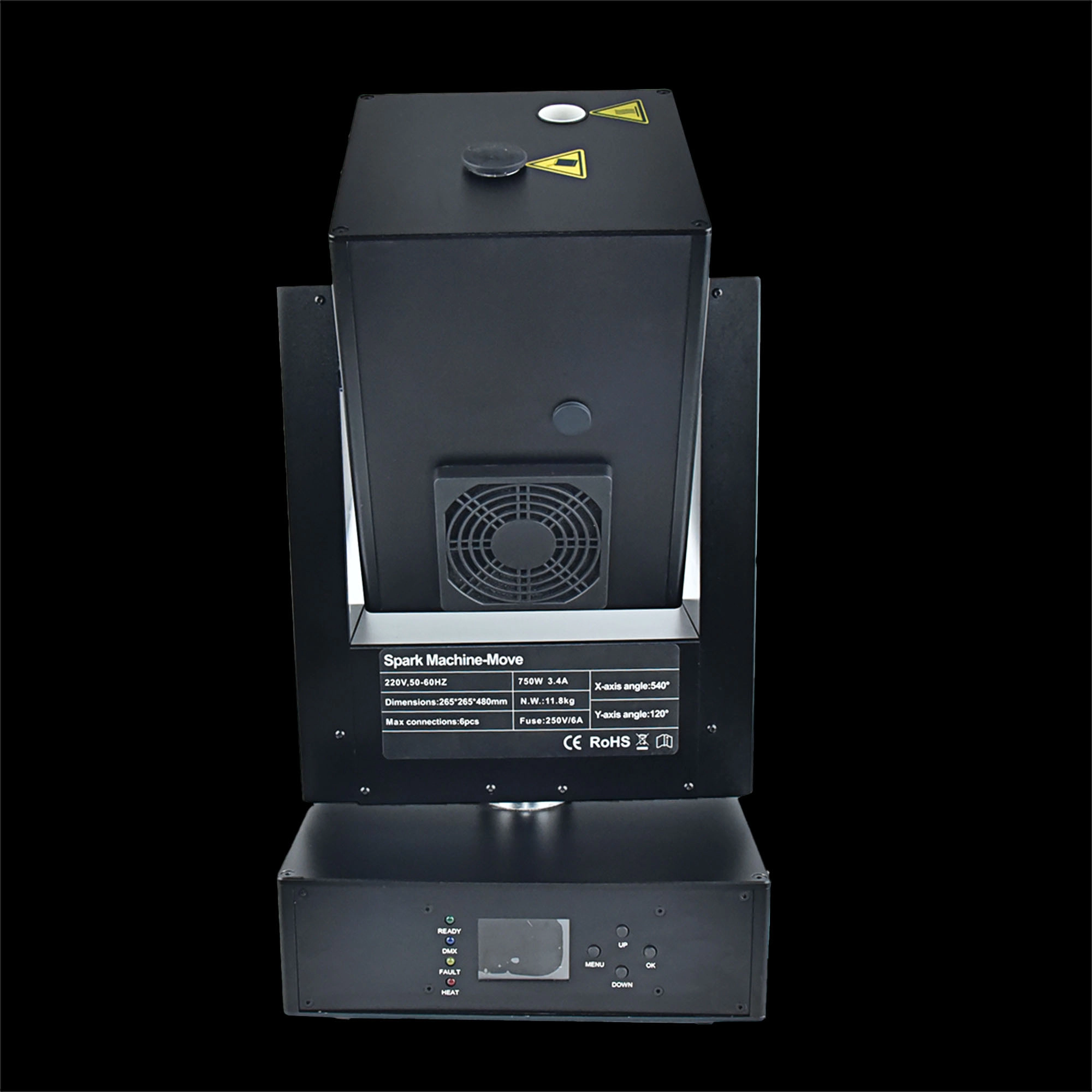
750w moving head spark machine
Siterui SFX 750w moving head spark machine delivers high-impact cold-spark effects with 360° moving head, DMX control, adjustable output and safe, long-lasting performance - perfect for concerts, weddings and stage shows.
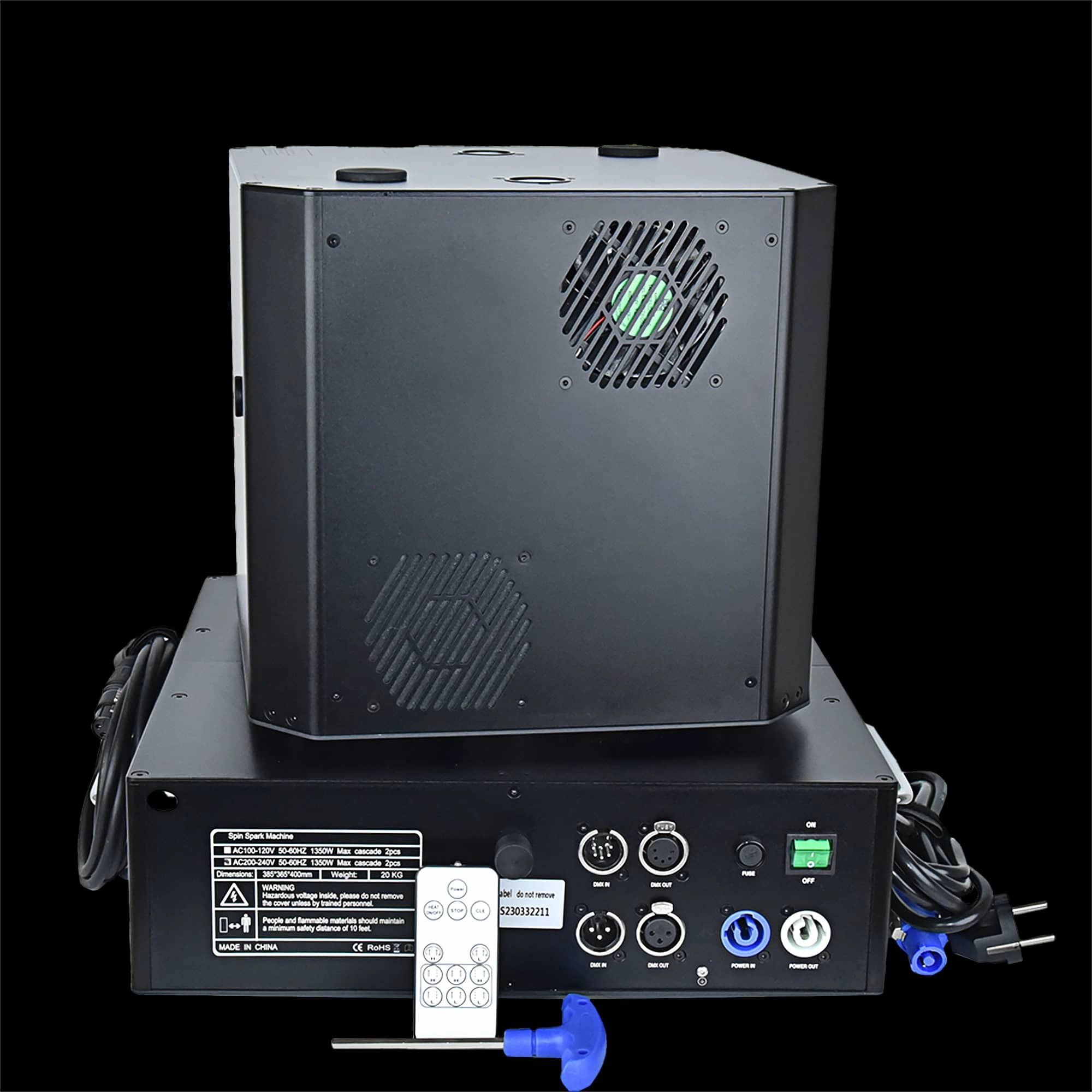
Double head 1300W Spin Spark machine DMX+Remote control
Double head 1300W Spin Spark machine -powerful dual-head 1300W spin spark effect with DMX + remote control for precise timing. Durable, professional-grade pyrotechnic effect ideal for concerts, clubs and events.
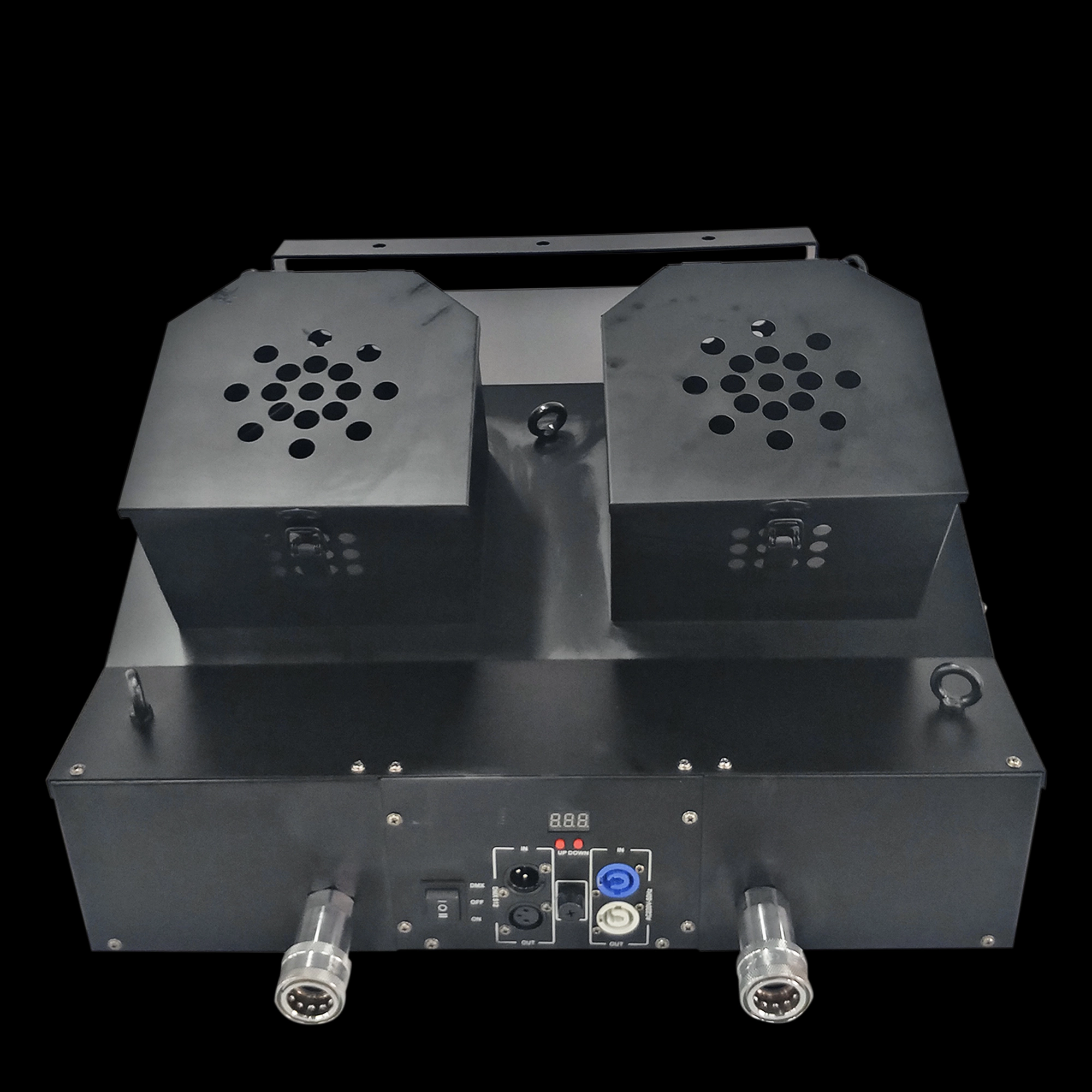
Snowstorm Paper Machine Double outlet sprayer snowstorm paper machine dual nozzle sprayer
Email: sales01@strlighting.com
WhatsApp: +86 189 2232 4800
© 2025 Siterui SFX All Rights Reserved.
 Scan QR Code
Whatsapp: +8618922324800
siteruisfx_stage_equipment
Siterui
SITERUI-SFX
STRlighting
@siterui.sfx