
Industrial Foggers vs Stage Fog Machines: Key Differences
- Why Fog Effects Matter in Live Production and Industry
- Emotional and Visual Impact
- Functional Uses Beyond Aesthetics
- Regulatory and Safety Considerations
- Core Technical Differences Between Industrial Foggers and Stage Fog Machines
- Fluid Chemistry and Source Materials
- Output Characteristics: Droplet Size, Density, and Persistence
- Power, Heat, and Control Systems
- Operational Use Cases, Venue Considerations, and Purchasing Guidance
- Choosing for Theaters, Concerts, and Film Sets
- Industrial and Commercial Applications
- Maintenance, Reliability, and Lifecycle Costs
- Safety, Regulations, and Best Practices
- Health and Ventilation
- Fire Detection and Alarm Compatibility
- Operational Best Practices
- Siterui SFX: Professional Solutions and Customization
- Comparison Summary and Buying Checklist
- Frequently Asked Questions (FAQ)
- 1. What is the difference between a fog machine and a haze machine?
- 2. Can fog machines trigger smoke detectors?
- 3. Are industrial foggers safe for use around people?
- 4. How do I choose the right fog fluid?
- 5. What maintenance does a fog machine require?
- 6. Can I sync multiple fog machines for larger shows?
- 7. How should I test a fog system before a public event?
Fog effects are an essential tool across entertainment and industrial settings. Whether called fog machines, theatrical foggers, hazers, or industrial foggers, these devices produce suspended aerosols that change visibility, create atmosphere, or serve functional roles like humidification and dust suppression. This article compares industrial foggers and stage fog machines in depth—covering fluid chemistry, particle size, output behavior, controls (including DMX and wireless options), ventilation and safety, maintenance, and typical applications—so you can select the right fog machines for concerts, theaters, film production, or industrial environments.
Why Fog Effects Matter in Live Production and Industry
Emotional and Visual Impact
Fog machines and haze machines are used to shape light beams, add depth to a stage, and heighten sensory immersion. Theatrical fog tends to be denser and more transient, making it ideal for sudden reveals, while haze provides a persistent, fine aerosol that enhances lighting without obscuring performers. Semantic keywords relevant to —fog machines, haze machine, theatrical fogger—are embedded naturally in this section to aid discovery by event designers and technical buyers.
Functional Uses Beyond Aesthetics
In industrial contexts, foggers may be used for odor control, humidification, cooling, or dust suppression. Industrial foggers prioritize coverage, droplet size tuned for evaporation or settling, and often continuous operation. This contrasts with stage fog machines whose primary metrics are visual density, particle size distribution for light scattering, and rapid on/off control.
Regulatory and Safety Considerations
Choice of fog or haze system must account for venue-specific regulations, fire detection compatibility, and audience/crew health. For example, some venues limit the use of dense theatrical smoke because of smoke detector activation or local indoor air quality rules. Always check local codes and test devices in advance; see general background on theatrical smoke and stagecraft on Wikipedia — Fog machine and Stagecraft for context.
Core Technical Differences Between Industrial Foggers and Stage Fog Machines
Fluid Chemistry and Source Materials
Stage fog machines typically use water-glycol or water-glycerin fluids (commonly called fog fluid) that are vaporized and condensed to form visible aerosols. Haze machines often use low-concentration glycol/water or mineral oil (in some older units) to produce fine particles for sustained atmospheric haze. Industrial foggers may atomize plain water or specialized solutions (e.g., biocides, odor neutralizers) using ultrasonic or high-pressure nozzles. The choice of fluid affects residue, smell, corrosivity, and health considerations; always use manufacturer-specified fluids and consult material safety data sheets (MSDS).
Output Characteristics: Droplet Size, Density, and Persistence
Particle/droplet size is a primary differentiator. Typical ranges:
- Stage theatrical fog: larger droplets / aerosol clusters that produce opaque clouds for a short duration.
- Haze machines: very fine particles (often < 5 microns) that remain suspended longer to reveal beams of light.
- Industrial foggers: droplet size varies widely—ultrasonic foggers create submicron mists for humidification; high-pressure nozzles produce larger droplets for surface wetting or dust suppression.
These distinctions determine visual behavior (visibility vs. light scattering) and safety (inhalation exposure and detector interaction).
Power, Heat, and Control Systems
Stage fog machines often rely on internal heaters to vaporize fluid; they need warm-up time and provide bursts of fog controlled by manual switches or DMX512 for lighting/sound cues. Many modern stage fog machines support DMX and wireless protocols for synchronized multi-unit operation. Industrial foggers emphasize continuous runtime, pump reliability, and control via simple on/off, timers, or building automation (e.g., BACnet). Control needs—like fast fog bursts versus steady haze generation—should guide device selection.
| Feature | Stage Fog Machines / Theatrical Foggers | Industrial Foggers |
|---|---|---|
| Primary use | Visual effects for entertainment (dense clouds, cue-based) | Humidification, dust suppression, odor control, cooling, insect control |
| Fluid type | Glycol/glycerin water-based fog fluids | Water, additives, or specialized chemical solutions |
| Droplet size | Typically larger aerosols for opacity | Varies: submicron (ultrasonic) to large droplets (high-pressure) |
| Control | DMX, wireless, timer, remote push-button | Timers, simple on/off, PLC/Building automation |
| Runtime | Short bursts, intermittent | Continuous or long cycles |
| Safety considerations | Detector compatibility, respiratory exposure, residue | Chemical exposure, wetting, corrosion, electrical safety |
Sources for technical background: Fog machine — Wikipedia and Smoke machine — Wikipedia.
Operational Use Cases, Venue Considerations, and Purchasing Guidance
Choosing for Theaters, Concerts, and Film Sets
If your priority is artistic control—precise bursts, DMX synchronization, or a particular visual density—choose a professional stage fog machine or hazer made for entertainment. Consider fog fluid evaporation properties, DMX integration, wireless control, refill logistics, and servicing. For film, fog density and color temperature interaction with lighting should be tested on camera beforehand; fog machines and haze machines can behave differently under camera lights and exposure.
Industrial and Commercial Applications
Industrial foggers are selected for coverage, droplet size appropriate to the task (e.g., very fine for humidification, larger for dust knockdown), and robustness for long operating cycles. For applications like odor neutralization or pesticide delivery, follow regulatory guidelines and documented safe application rates. Industrial units often integrate into building systems and require maintenance plans to avoid bacterial growth in water-based systems.
Maintenance, Reliability, and Lifecycle Costs
Long-term cost is driven by fluid consumption, nozzle/heater wear, and serviceability. Industrial foggers using water and high-pressure pumps may require more frequent filter/nozzle maintenance; stage fog machines need periodic cleaning of heaters and fluid lines to avoid clogging. Warranty terms, availability of replacement parts, and local technical support are critical—especially for touring rigs or continuous industrial use.
Safety, Regulations, and Best Practices
Health and Ventilation
Fog fluid compositions (glycols, glycerin) and aerosol size influence inhalation exposure. While many theatrical fluids are formulated for temporary, low-level exposure, producers should follow venue-specific occupational health advice. For technical background on smoke and fog in performance environments, consult general references such as Fog machine — Wikipedia and test devices in the actual environment prior to performances.
Fire Detection and Alarm Compatibility
Fog and haze can trigger smoke detectors—especially optical detectors sensitive to particle scattering. Coordinate with venue engineers and alarm vendors to implement detector masking, pre-planned alarm suppression (where permitted), or localized ventilation strategies. Some detectors have guidelines for use with theatrical effects; always obtain written approval from venue safety officers and local authorities.
Operational Best Practices
- Run a dress rehearsal to confirm fog behavior, alarm interactions, and evacuation visibility.
- Use only manufacturer-approved fluids and follow MSDS instructions.
- Implement a maintenance schedule: clean nozzles, replace filters, and service heaters/pumps.
- Document procedures for emergency shutdown and staff training on fog system operation.
Siterui SFX: Professional Solutions and Customization
Siterui SFX is a professional manufacturer engaged in the research and development, production, sales, and service of professional stage special effects (SFX) equipment. With a highly skilled team and cutting-edge technology, we are committed to providing innovative, reliable, and high-performance SFX solutions for live events, theaters, concerts, film production, and entertainment venues worldwide.
At Siterui SFX, we understand that every stage, event, and creative concept is unique. That’s why we offer flexible customization services to meet your specific needs—whether it's branding, special functions, size adjustments, or complete system integration.
From custom casing and logo printing to wireless control systems and synced multi-device setups, our expert team works closely with you to design SFX solutions that align perfectly with your needs. Our commitment to quality and innovation ensures that our clients receive cutting-edge effects that enhance the visual and sensory experience of every performance. We pride ourselves on exceptional customer service and continuous advancement, positioning Siterui as a trusted partner in the professional special effects industry.
Siterui SFX advantages and main products include: spark machine, Haze Machine, CO₂ Jet Machine, Bubble Machine, Snow Machine, Foam Machine, Confetti Machine, fog machine, fire machine, dry ice machine. Key competitive points: tailored customization, DMX and wireless integration, durable components suited for touring and continuous industrial operation, and responsive global service. For buyers seeking fog machines across entertainment and industrial categories, Siterui offers both off-the-shelf professional foggers and bespoke systems engineered to venue requirements.
Comparison Summary and Buying Checklist
When deciding between industrial foggers and stage fog machines, use the following checklist:
- Primary purpose: visual effect vs. functional humidification/dust suppression.
- Required aerosol characteristics: droplet size, persistence, and density.
- Control needs: DMX/wireless cueing vs. continuous automation integration.
- Venue restrictions: detector compatibility, local regulations, and indoor air quality.
- Maintenance capabilities: on-site technicians, spare parts access, and service contracts.
For professional-grade fog machines, selecting a reputable manufacturer with testing, certifications, and an established service network is essential—Siterui SFX provides these capabilities along with customizable systems for both theatrical and industrial use.
Frequently Asked Questions (FAQ)
1. What is the difference between a fog machine and a haze machine?
Fog machines produce denser clouds with larger particles intended for short, dramatic effects; haze machines generate a fine, persistent aerosol that enhances lighting beams without heavy opacity. Both are types of fog machines but serve different visual roles. See general background at Fog machine — Wikipedia.
2. Can fog machines trigger smoke detectors?
Yes—dense fog or smoke can trigger optical smoke detectors. Always coordinate with venue safety personnel and test effects during rehearsals. Some venues permit temporary alarm management procedures performed by approved technicians.
3. Are industrial foggers safe for use around people?
Industrial foggers used for humidification or cooling are designed with droplet sizes and fluids suitable for human exposure at specified concentrations. However, if chemicals, disinfectants, or pesticides are used, follow the product MSDS, regulatory rules, and ensure proper application rates and ventilation.
4. How do I choose the right fog fluid?
Use fluids recommended by the fog machine manufacturer. Entertainment fog fluids are typically water/glycol-based; industrial systems may use plain water or formulated solutions. Incorrect fluids can clog heaters, corrode components, or produce harmful residues.
5. What maintenance does a fog machine require?
Regular tasks include cleaning the fluid path and nozzles, replacing filters, descaling (if using water), checking pumps and heaters, and verifying control interfaces (DMX/wireless). Follow the manufacturer's service schedule to maintain reliable performance.
6. Can I sync multiple fog machines for larger shows?
Yes. Stage fog machines often support DMX512 or wireless sync to coordinate bursts of fog across multiple units. For synchronized haze, use units rated for continuous, matched output and ensure consistent fluid type across devices.
7. How should I test a fog system before a public event?
Perform a full dress rehearsal with finalized lighting and sound. Check for alarm activation points, evacuation visibility, and perform air quality checks if necessary. Document procedures and have technicians assigned for live adjustments.
If you need help selecting the right fog machines, comparing haze vs. theatrical fog, or specifying a custom SFX package—contact Siterui SFX for consultation and product information. Browse our product portfolio or request a quote to see how we can tailor a fog solution to your venue and creative needs.
Contact & Product Inquiry: For project quotes, technical specifications, or custom SFX solutions (fog machine, haze machine, CO₂ jet machine, spark machine and more), contact Siterui SFX via our website or sales team to discuss requirements and receive professional guidance.
Setting Up Stage Lights for Small Venues
How to Train Crew to Operate Dry Ice Machines
Haze vs Fog Machines: Differences, Pros and Cons for Stages
The latest trends for co2 jet gun
1500W Professional Snow Machine
How could l get a sample?
If you can not buy our product in your local area, we will ship a sample to you.You will be charged a sample priceplus all related shipping costs.Express delivery charge depends on the quantity of the samples.
About us
How does Siterui’s customer service communicate with clients?
Via phone, email, or online platforms—always responsive and solution-focused.
Single-Head CO2 Jet Machine
How could l get a sample
If you can not buy our product in your local area, we will ship a sample to you.You will be charged a sample price plus all related shipping costs.Express delivery charge depends on the quantity of the samples.
FAQs
How can I contact Siterui for product inquiries or support?
1500W Haze Machine
What’s the warranty period?
1 year for parts and labor (excludes fluid-related issues).
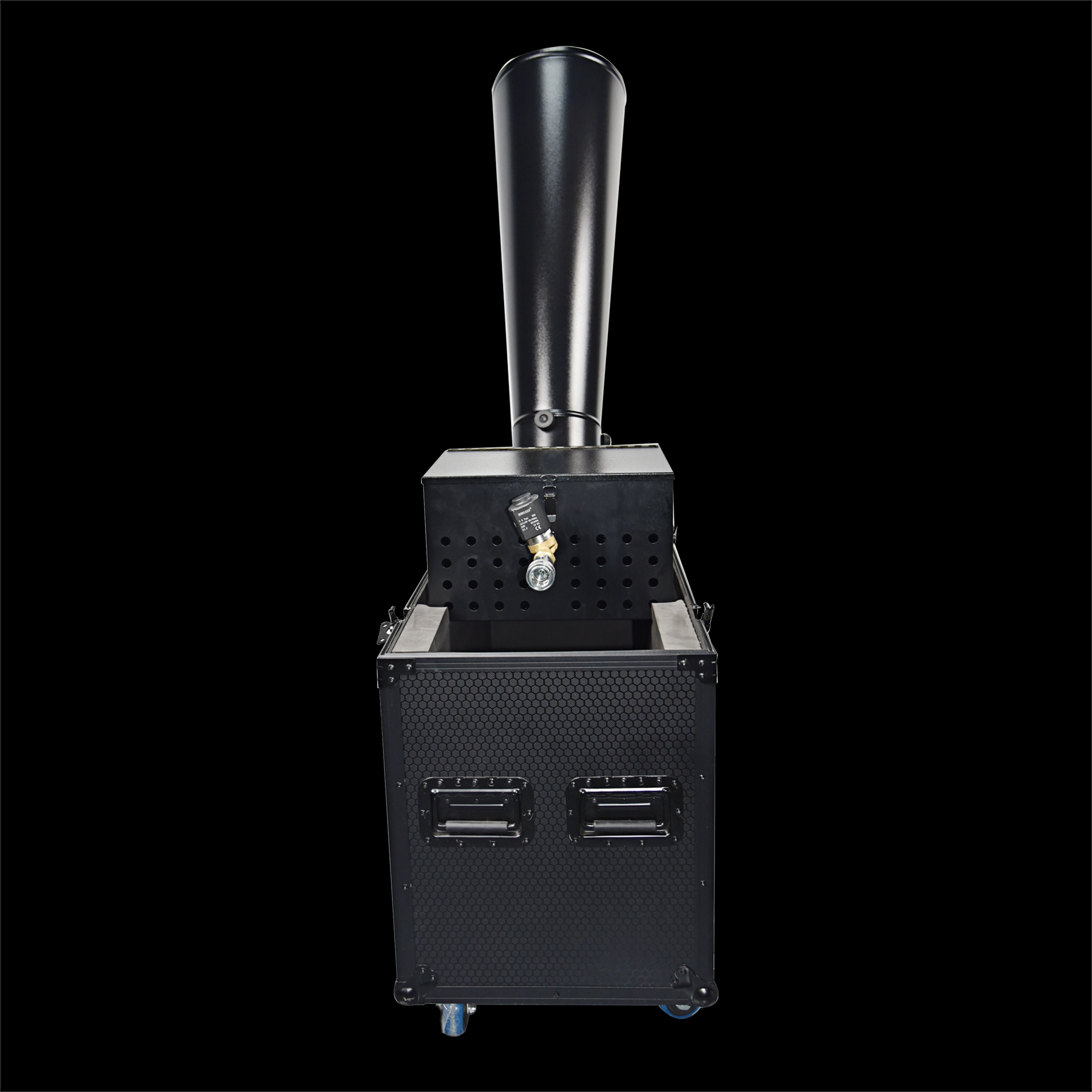
CO₂ Mini Rainbow Confetti Machine Manual Control with Durable Black Wheeled Flight Case
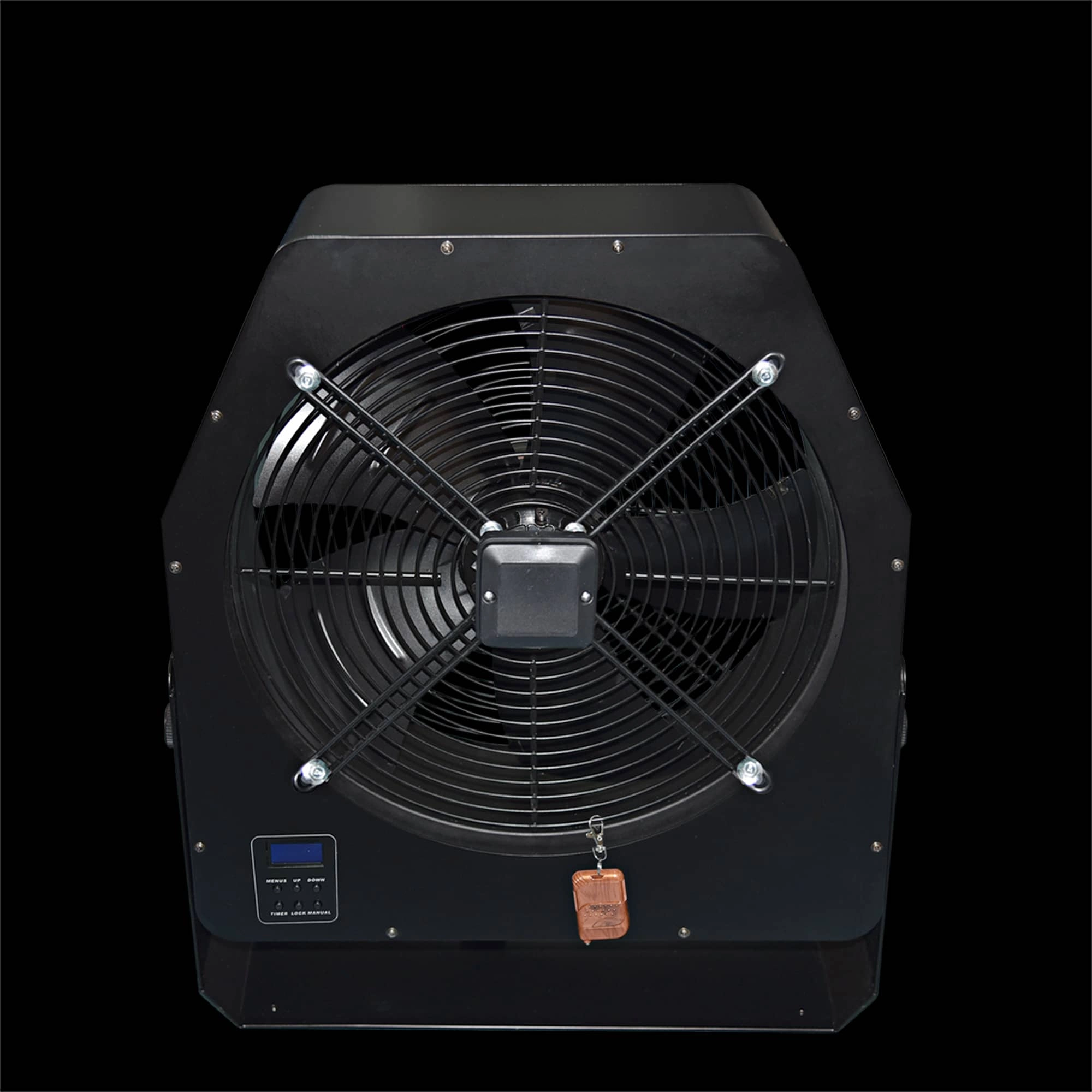
Professional Stage Big DMX Fan | High-Power Event Fan for Stage Shows & Celebrations
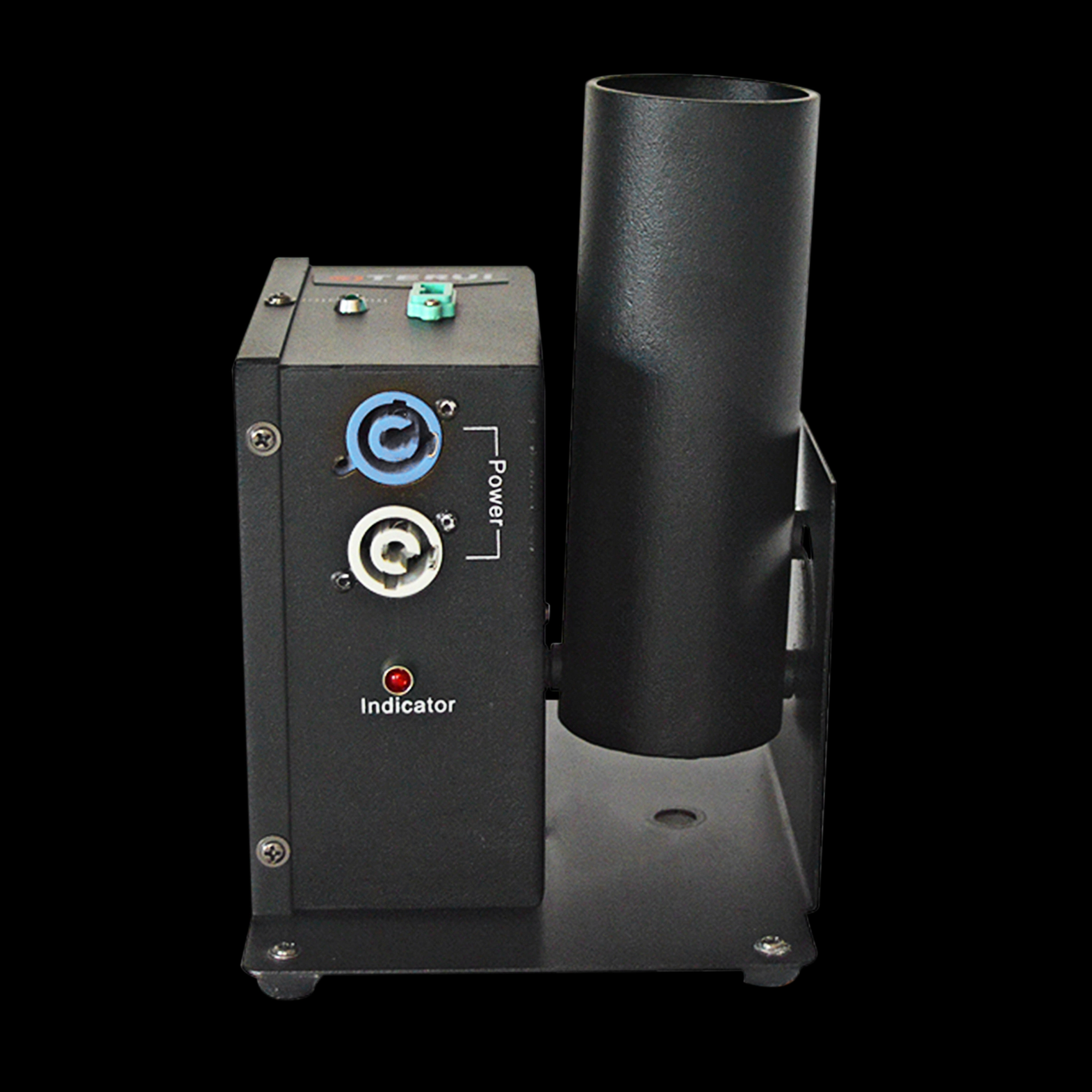
Single Shot Confetti Machine - Premium Confetti Launcher for Weddings & Stage Celebrations
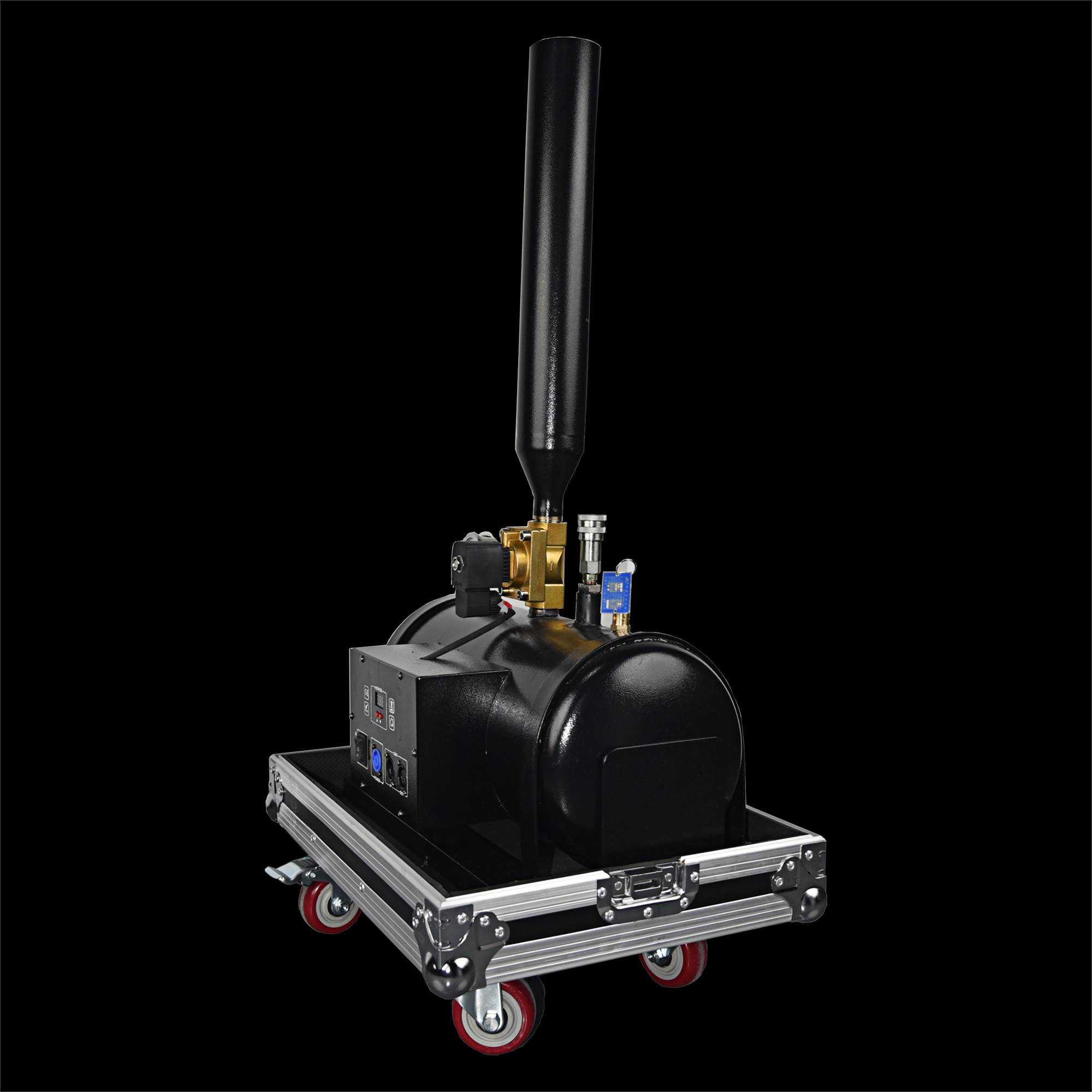
High-Altitude Confetti Cannon - Professional Confetti Blaster for Stage, Party & Celebration Events
Email: sales01@strlighting.com
WhatsApp: +86 189 2232 4800
© 2025 Siterui SFX All Rights Reserved.
 Scan QR Code
Whatsapp: +8618922324800
siteruisfx_stage_equipment
Siterui
SITERUI-SFX
STRlighting
@siterui.sfx