
How to Install Snow Machines for Indoor and Outdoor Shows
- Understanding Snow Effects: Types, Uses, and Key Considerations
- Types of snow effects and how they look on stage
- Typical use cases and performance expectations
- Environmental, health, and cleanup considerations
- Choosing the Right Snow Machine for Indoor and Outdoor Shows
- Performance specs: what to compare
- Mobility, mounting, and rigging options
- Power, fluid supply, and logistics
- Installation and Operation Best Practices
- Site survey and risk assessment
- Mounting, wiring, and fluid routing
- Control systems and synchronization
- Maintenance, Safety, and Compliance
- Routine maintenance checklist
- Fire, slip, electrical safety and ventilation
- Regulatory compliance and documentation
- Comparing Indoor vs Outdoor Installations
- Types of Snow Machines: Quick Comparison
- Siting Examples and Practical Tips from the Field
- Example 1: Small theater production (50–200 seats)
- Example 2: Arena concert or festival
- Example 3: TV or film shoot
- Troubleshooting Common Issues
- Siterui SFX: Manufacturer Capabilities and How We Can Help
- FAQs
- 1. Can I use a snow machine indoors without triggering fire alarms?
- 2. What maintenance tasks should I do before every show?
- 3. How do I choose between soap-based and paper snow?
- 4. What are typical fluid consumption rates?
- 5. Do snow machines pose electrical hazards?
- 6. How do I minimize slip risks after a snow cue?
- Contact and Next Steps
As a specialist in stage special effects with years of on-site installation and touring experience, I know that installing a snow machine for live events requires more than plugging in a unit and pressing a button. Venue type, audience proximity, floor finish, HVAC, local codes, and the artistic goal all influence the right machine choice, mounting method, fluid selection, and safety measures. Below I walk through the practical steps to plan, install, commission, and maintain snow effects for both indoor and outdoor shows so you can deliver reliable, safe, and visually convincing snow moments.
Understanding Snow Effects: Types, Uses, and Key Considerations
Types of snow effects and how they look on stage
Not all snow is the same. In stage and event production, the main categories are:
- Soap-based snow (biodegradable foam-based flakes): lightweight, floats slowly, and creates a gentle falling effect suitable for indoor audiences.
- Paper/pulp snow (confetti-style): heavier, often used outdoors or in controlled settings where cleanup and slip risks are managed.
- Foam-blown snow (foam generator with surfactant): creates dense, short-lived clouds—good for close-up effects but can wet surfaces.
- Compressed-air or fan-blown synthetics: durable flakes designed for long hang time and outdoor wind resistance.
Choosing the right media affects visibility, cleanup, and audience safety. For indoor theater, biodegradable soap-based fluids are often preferred because they produce light, non-abrasive flakes that evaporate or can be vacuumed without damaging surfaces.
Typical use cases and performance expectations
I always start by defining the creative intent: a light snowfall for an intimate scene, a heavy blizzard for a dramatic moment, or low-lying ground snow for imagery. Typical performance metrics to request from manufacturers include coverage area (m²), runtime per liter of fluid, particle size distribution, throw distance, and sound level. Expect different machines to deliver coverage from a few square meters up to hundreds of square meters per minute depending on fan size and fluid feed rates.
Environmental, health, and cleanup considerations
Snow fluid composition matters. Use fluids certified as non-toxic, biodegradable, and non-conductive for electronics proximity. For indoor shows I coordinate with venue operations to evaluate HVAC (to prevent recirculation or rapid dispersion), floor finishes (high gloss floors increase slip risk), and fire alarm systems (some aerosols/particulates can trigger detectors). Refer to general guidance from occupational safety bodies like OSHA for indoor air quality considerations (OSHA) and industry fire-safety standards from NFPA (NFPA).
Choosing the Right Snow Machine for Indoor and Outdoor Shows
Performance specs: what to compare
When evaluating options, I focus on these measurable specs:
- Coverage area and throw distance — ensures the effect reaches the stage and front audience without overexposing backstage.
- Fluid consumption rate (L/hr) — impacts run time and onsite fluid logistics.
- Power draw (A and W) and voltage compatibility (110/230V) — dictates cable management and distribution planning.
- Noise emission (dB) — essential for acoustic-sensitive venues.
- Control protocols (DMX, Art-Net, wireless) and synchronization features for cues.
Manufacturers' datasheets and independent reviews are the best source for verified numbers; when in doubt, test the unit onsite with the exact fluid to be used.
Mobility, mounting, and rigging options
Snow machines come in floor models, truss-mountable units, and compact wireless versions. I advise these mounting rules:
- Indoor theatrical use: prefer overhead truss mounting with safety cable and a secondary restraint, positioned so flakes drift over the stage and not directly into the audience's faces.
- Outdoor festivals: weatherproof housings and higher throw distances to compensate for wind; secure mounting against gust loads.
- Temporary floor units: keep clear paths for the public and ensure anti-slip mats or absorbent rugs where flakes may accumulate.
Power, fluid supply, and logistics
Typical stage snow machines run on single-phase 110–240V and draw between 1–10A depending on fan and pump size. Fluid reservoirs vary from integrated 1–10 L tanks up to remote-supply systems for long runs. Plan fuel (fluid) logistics: bring at least 20–30% extra fluid for rehearsals, extended cues, and contingencies. For large shows with multiple devices, consider centralized fluid pumping with filtered lines to each machine to avoid repeated refills during performance.
Installation and Operation Best Practices
Site survey and risk assessment
I never install without a structured site survey. Key items I check and document:
- Audience sightlines and proximity — keep flakes from obstructing vision or irritating eyes.
- Floor type and slip risk — especially slick polymer, marble, or painted wood floors.
- HVAC intake locations and smoke/fire detectors — coordinate with venue engineering to avoid unwanted alarm activation.
- Electrical capacity and breaker labeling — ensure dedicated circuits where possible.
Document the survey in a short site report and get sign-off from venue safety or technical management before the final install.
Mounting, wiring, and fluid routing
Follow these practical steps for safe installations:
- Rig the machine with certified clamps and safety cables to rated truss points. Use secondary restraints for all overhead devices.
- Route power using multicore rated for the current draw; avoid daisy-chaining beyond the recommended lengths. Label all cables and lock them down to avoid trip hazards.
- Use low-voltage remote pumps or gravity-feed with properly filtered fluid lines for continuous shows. Install inline filters (mesh 100–200 micron) to prevent particulate blockage.
- Position machines to avoid direct spray onto instruments, sensitive lighting fixtures, or video projectors; keep at least 1.5–2 m clearance from hot fixtures unless the machine is specifically rated for proximity.
Control systems and synchronization
Professional shows require tight synchronization. I prefer DMX or Art-Net control because they allow precise cue timing and monitoring. For multi-device setups, synchronize machines either via wired DMX or a reliable wireless mesh system. Program pre-cues for fluid pre-priming and test runs during rehearsals to confirm visual density and dispersion times. If a controller supports sensor feedback (fluid low, pump fault), integrate those alarms into the venue's stage management console.
Maintenance, Safety, and Compliance
Routine maintenance checklist
To achieve consistent performance, follow a scheduled maintenance plan:
- Daily (or pre-show): inspect fluid level, quick check for leaks, ensure filters are clear, and run a short test cue.
- Weekly: clean fan blades, check pump seals, inspect rigging points, and verify control signal integrity.
- Quarterly or every 100 hours: flush fluid lines, replace inline filters, check electrical connections, and lubricate mechanical joints as per manufacturer guidance.
Keep a maintenance log and tag equipment with the last service date.
Fire, slip, electrical safety and ventilation
Safety is non-negotiable. I apply these rules on every job:
- Never use flammable fluids. Use only fluids rated for stage use and verified non-flammable by the manufacturer and, when available, by independent labs.
- Coordinate with venue fire safety to temporarily adjust smoke detector settings only when permitted and under supervision; some venues use localized detector masking but this must follow NFPA guidance.
- Mitigate slip hazards with signage, mats, and rapid vacuuming or absorption during scene changes. Choose fluid formulations that leave minimal residue.
- Ensure all electrical work follows local code and directives; for complex installs, use licensed stage electricians and a qualified E-stewardship process that tracks load and breaker details. Refer to ISO and local electrical code resources for standards.
Regulatory compliance and documentation
Depending on your location, indoor use of aerosols or particulates may be regulated. Document Material Safety Data Sheets (MSDS) for all fluids, maintain inspection certificates for rigging, and ensure operators are trained. When in doubt, consult local authorities and standards organizations such as NFPA or governmental safety regulators.
Comparing Indoor vs Outdoor Installations
| Parameter | Indoor | Outdoor |
|---|---|---|
| Typical media | Soap-based biodegradable fluid, light flakes | Durable synthetic flakes, paper/pulp |
| Coverage | Controlled 10–200 m² per cue (depends on machine) | 200–1000+ m²; must account for wind |
| Power requirements | 110–230V, 1–10A typical | 110–230V, larger fans may draw 5–16A |
| Cleanup | Vacuuming and absorbents; potential slip mitigation | Environmental cleanup depending on material; biodegradable is preferred |
| Key risks | Fire alarm activation, HVAC interaction, slips | Wind, weather damage, environmental littering |
Sources: manufacturer datasheets and general artificial snow background (Wikipedia - Artificial snow, Wikipedia - Snowmaking).
Types of Snow Machines: Quick Comparison
| Type | Strengths | Weaknesses |
|---|---|---|
| Fan-based snow machine | Good coverage, controllable, quieter | Requires power and space; may blow into unwanted areas |
| Foam/soap generator | Lightweight flakes, great for indoor drama | Can wet surfaces; needs quick cleanup |
| Paper/pulp confetti machine | Heavy visual effect, durable on-camera | Cleanup intensive, slip risk if indoors |
Siting Examples and Practical Tips from the Field
Example 1: Small theater production (50–200 seats)
For intimate theatres I typically mount a compact fan-based snow machine 3–5 m above the stage center with a 45° downward angle. I use a low-consumption soap-based fluid and program short cues to avoid HVAC recirculation. I also pre-arrange cleaning windows with stage crew to vacuum and dry treat the floor at intermission or scene changes.
Example 2: Arena concert or festival
Outdoor, large venues require multiple higher-output machines rigged across the front truss and secondary units downstage. I specify machines with higher throw and wind compensation strategies (staggered firing, higher elevation) and arrange for environmental crews to handle biodegradation or waste removal afterwards.
Example 3: TV or film shoot
For camera work I always test on-camera first: some fluids look too glossy under high-intensity lighting. I choose particle sizes that read well on camera (sometimes denser paper-pulp for foreground snow) and ensure no reflective residue remains on camera lenses or equipment.
Troubleshooting Common Issues
- Machine not producing snow: check fluid level, inline filter clog, pump priming, and control signal. Run a short manual prime cycle if available.
- Weak dispersion: inspect fan blades for buildup, verify pump pressure, and check for kinks in fluid lines.
- Smoke detector activation: coordinate with venue engineering to verify the detector type and consider relocating machines or using detector masking procedures only with authority permission (NFPA).
- Slip incidents: increase floor protection, reduce cue duration, and increase housekeeping during scene changes.
Siterui SFX: Manufacturer Capabilities and How We Can Help
Siterui SFX is a professional manufacturer engaged in the research and development, production, sales, and service of professional stage special effects (SFX) equipment. With a highly skilled team and cutting-edge technology, we are committed to providing innovative, reliable, and high-performance SFX solutions for live events, theaters, concerts, film production, and entertainment venues worldwide.
At Siterui SFX, we understand that every stage, event, and creative concept is unique. That’s why we offer flexible customization services to meet your specific needs—whether it's branding, special functions, size adjustments, or complete system integration.
From custom casing and logo printing to wireless control systems and synced multi-device setups, our expert team works closely with you to design SFX solutions that align perfectly with your needs. Our commitment to quality and innovation ensures that our clients receive cutting-edge effects that enhance the visual and sensory experience of every performance. We pride ourselves on exceptional customer service and continuous advancement, positioning Siterui as a trusted partner in the professional special effects industry.
Our main product lineup includes spark machine, Haze Machine, CO₂ Jet Machine, Bubble Machine, Snow Machine, Foam Machine, Confetti Machine, fog machine, fire machine, and dry ice machine. For snow effects we supply models suitable for small theaters to stadium shows, offer both integrated and remote-fluid systems, and provide customized control interfaces like DMX, Art-Net, and wireless solutions. Learn more at Siterui SFX or contact our technical sales team at sales01@strlighting.com.
FAQs
1. Can I use a snow machine indoors without triggering fire alarms?
Possibly, but you must coordinate with venue engineering. Evaluate the machine's particulate output, choose fluids that minimize aerosolization, and, where necessary, obtain temporary detector masking permission following local fire authority procedures and NFPA guidance (NFPA).
2. What maintenance tasks should I do before every show?
Check fluid levels, inspect inline filters, perform a short test cue, look for leaks, verify rigging and safety cables, and confirm control connectivity. Keep a maintenance log for traceability.
3. How do I choose between soap-based and paper snow?
Use soap-based fluids for indoor, audience-facing effects where quick dissipation and easy cleanup are priorities. Choose paper/pulp for durable on-camera flakes or outdoor settings where biodegradability and cleanup are managed.
4. What are typical fluid consumption rates?
Consumption varies by model and cue intensity. Many stage snow machines consume between roughly 0.5–3 L/hr under standard operating conditions; high-output festival units can be higher. Always request manufacturer datasheets and test the actual fluid planned for the show.
5. Do snow machines pose electrical hazards?
They can if not properly installed. Use licensed electricians for permanent installs, ensure proper grounding, route cables to prevent trip hazards, and avoid placing units where fluid could enter electrical equipment. Conform to local electrical codes and ISO/IEC standards where applicable (ISO).
6. How do I minimize slip risks after a snow cue?
Limit cue duration, place absorbent mats near stage edges, schedule housekeeping windows for vacuuming, and choose low-residue fluids. Inform front-of-house staff about potential slick areas.
Contact and Next Steps
If you need help selecting, customizing, or installing snow machines for your next indoor or outdoor show, I recommend starting with a site survey and a short demo using your exact fluid and camera setup. For tailored equipment, Siterui SFX offers a full range of snow machines and custom integration services. Visit https://www.siteruisfx.com/ or email our sales team at sales01@strlighting.com for product information, datasheets, and on-site support.
With careful planning, correct machine selection, and disciplined safety practices, snow effects will reliably enhance the storytelling and emotional impact of your shows without compromising safety or operations.
The latest trends for mini fog machine
Regulatory Considerations: Smoke Alarms and Venue Policies
Pairing Snow Machines with Lighting and Fog Effects
Hazer fluid types: compatibility and safety
Single-Head CO2 Jet Machine
How could l get a sample
If you can not buy our product in your local area, we will ship a sample to you.You will be charged a sample price plus all related shipping costs.Express delivery charge depends on the quantity of the samples.
FAQs
What distinguishes Siterui’s products from others in the market?
1500W Professional Snow Machine
Are you a factory or trading company?
Yes,We are a factory & trading company, we can guarantee ourprice is first-hand, very cheap and competitive.
750W Move Head Cold Electronic Spark Machine
Can I request a sample?
Yes. Samples are available at a discounted price + shipping cost.
About us
What after-sales support does Siterui provide?
Rapid response and resolution for installation, training, and maintenance issues.
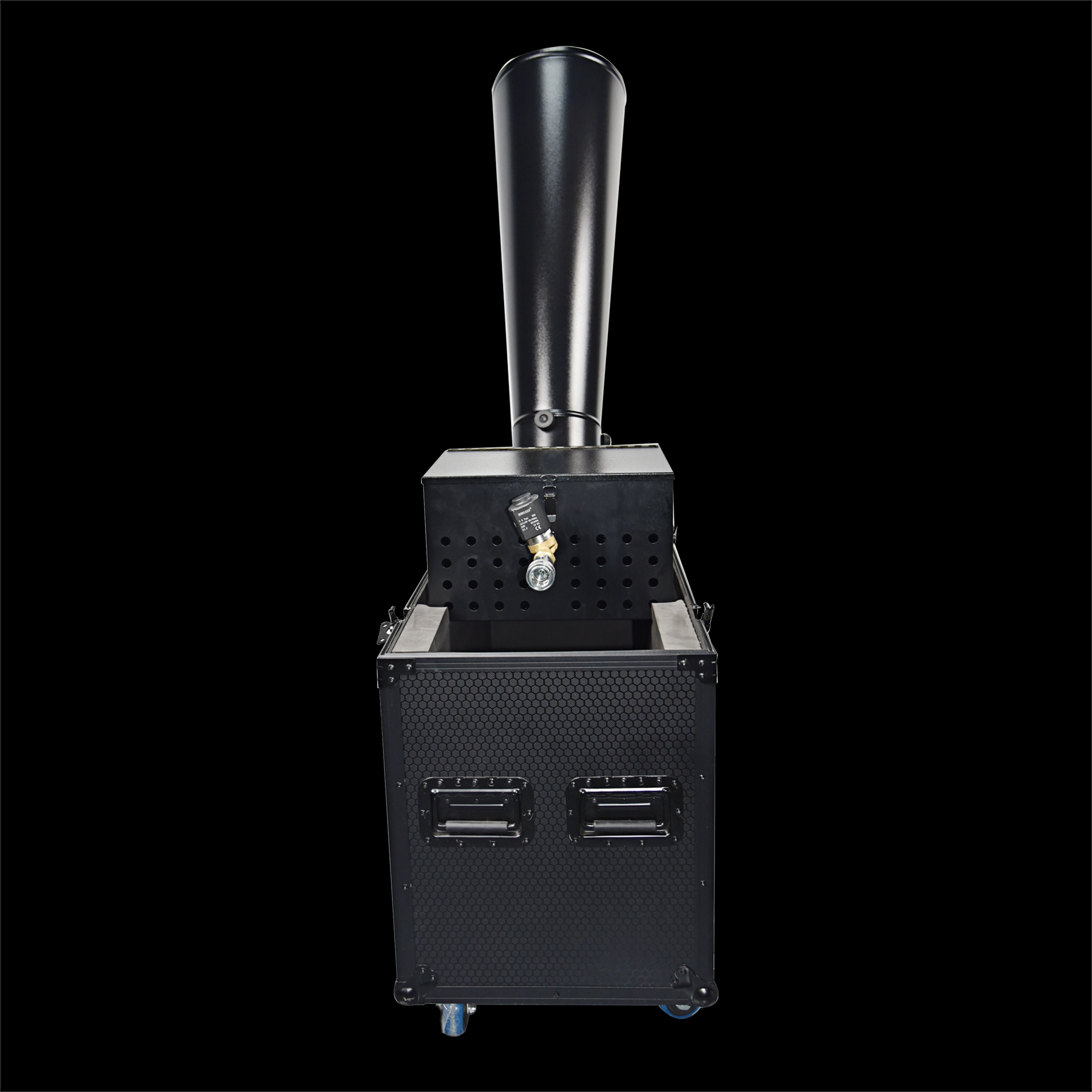
CO₂ Mini Rainbow Confetti Machine Manual Control with Durable Black Wheeled Flight Case
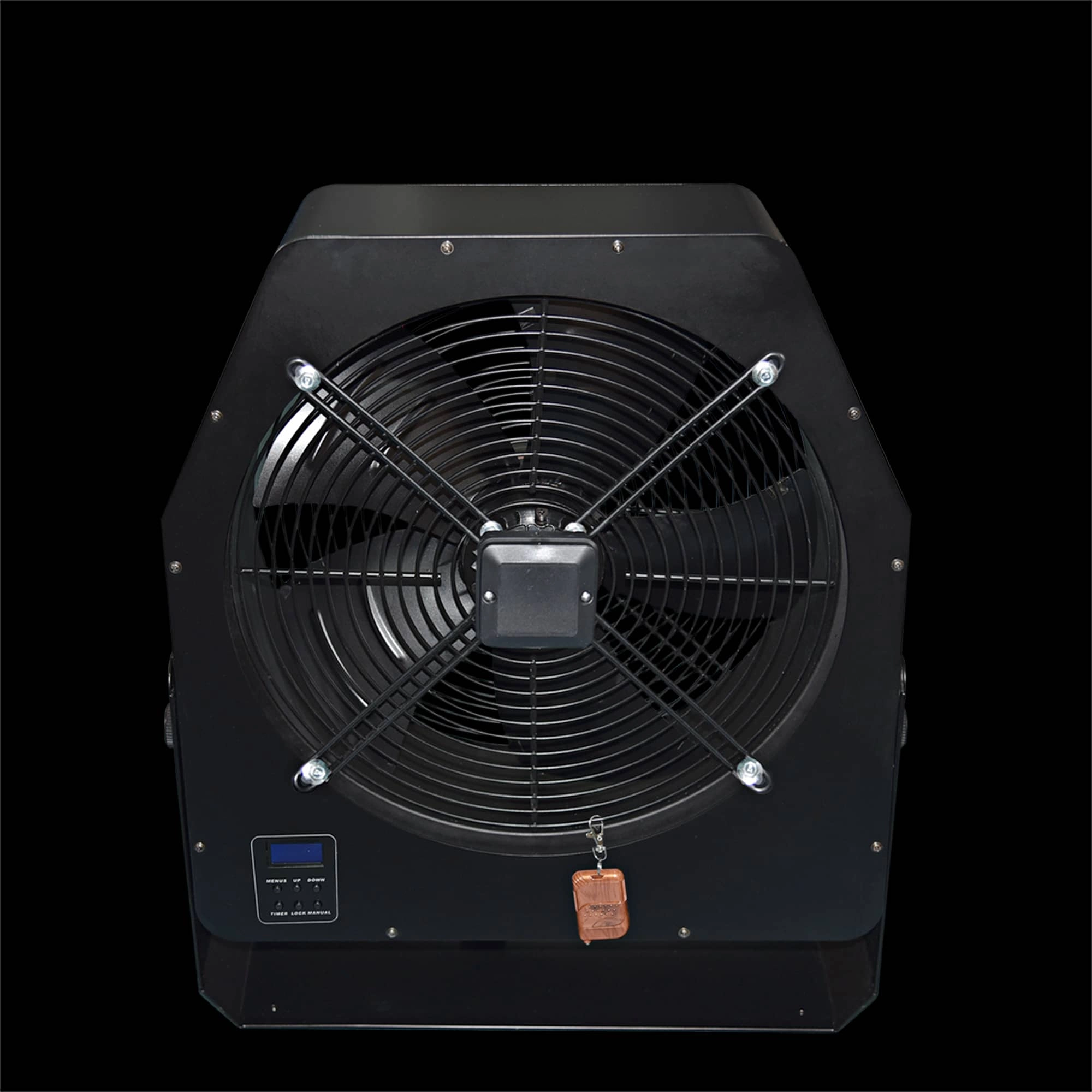
Professional Stage Big DMX Fan | High-Power Event Fan for Stage Shows & Celebrations
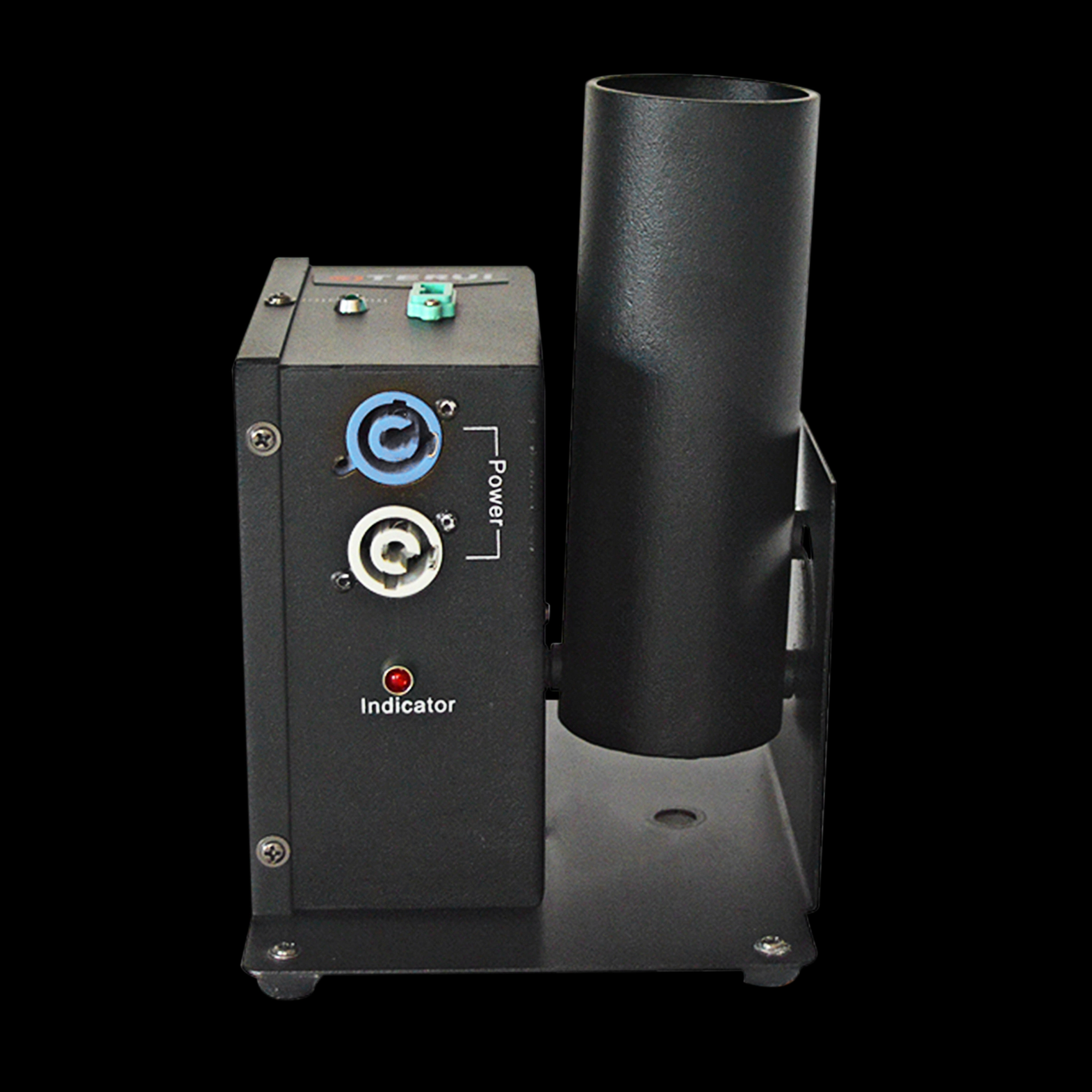
Single Shot Confetti Machine - Premium Confetti Launcher for Weddings & Stage Celebrations
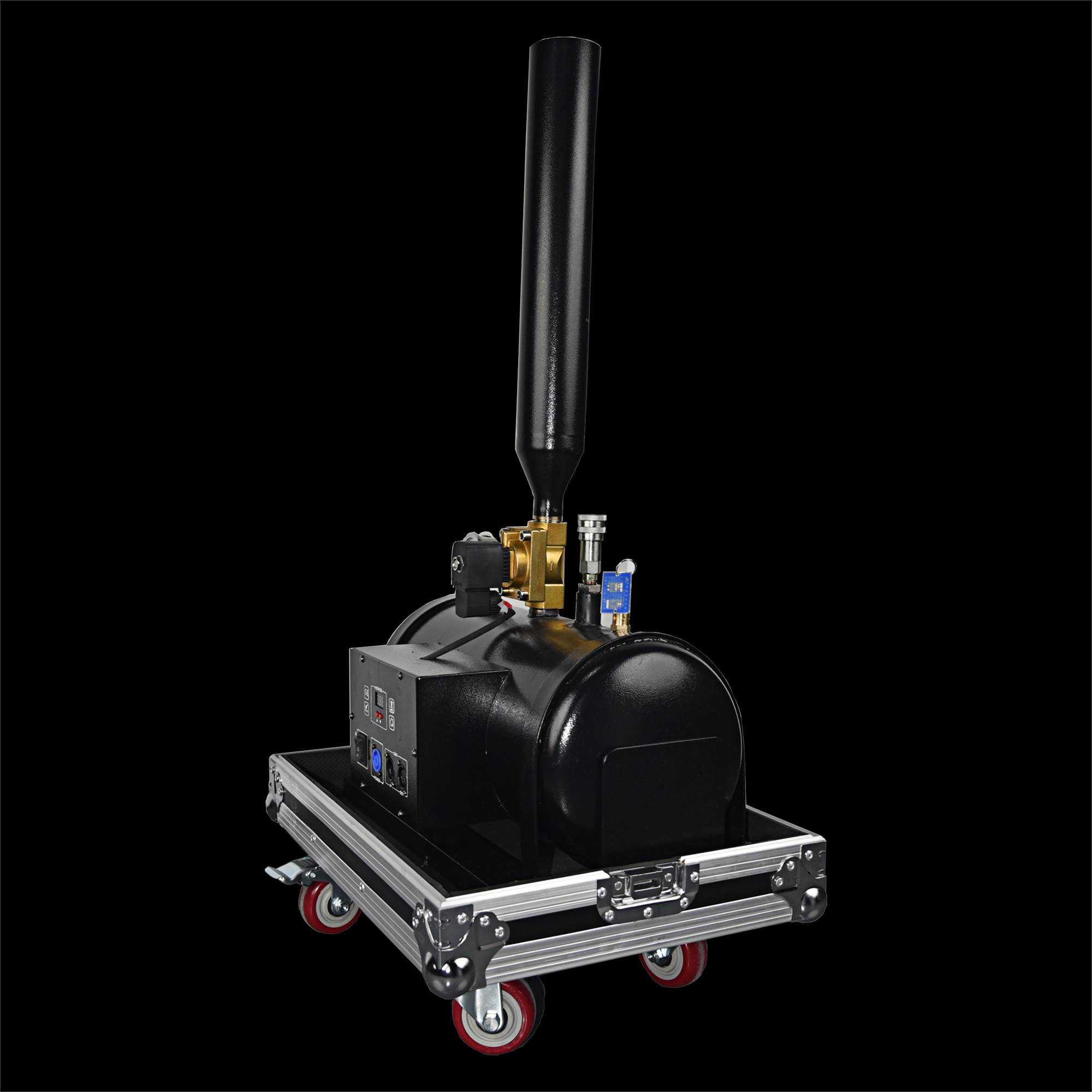
High-Altitude Confetti Cannon - Professional Confetti Blaster for Stage, Party & Celebration Events
Email: sales01@strlighting.com
WhatsApp: +86 189 2232 4800
© 2025 Siterui SFX All Rights Reserved.
 Scan QR Code
Whatsapp: +8618922324800
siteruisfx_stage_equipment
Siterui
SITERUI-SFX
STRlighting
@siterui.sfx