
Maintenance Checklist for Commercial Fog Machines
- Why routine maintenance matters for commercial fog machines
- Daily and pre-show checklist
- Visual & operational checks
- Fluid, connections, and environment
- Weekly and after-event maintenance
- Cleaning and short-term preventive steps
- Electrical and safety checks
- Monthly, quarterly, and annual servicing
- Scheduled component inspection
- Performance verification & calibration
- Fog fluid types, compatibility and handling
- Fluid categories and recommended uses
- Safe storage and handling
- Troubleshooting common failures
- No output or weak output
- Erratic output, surging or overheating
- Tools, consumables, and recommended spare parts
- Essential toolkit
- Consumables and spares (recommended inventory)
- Record-keeping, compliance and lifecycle management
- Maintenance logs and performance records
- Regulatory coordination and venue policies
- Checklist summary (quick reference)
- FAQ — Maintenance Checklist for Commercial Fog Machines
- 1. How often should I flush my fog machine?
- 2. Can I use tap water to dilute fog fluid?
- 3. My machine trips the circuit breaker—what should I check?
- 4. How do I know which fluid is compatible with my fog machine?
- 5. Can fog machines affect smoke detectors or ventilation systems?
- 6. What environmental conditions shorten machine life?
- 7. When should I contact the manufacturer for service?
- References and authoritative resources
Why routine maintenance matters for commercial fog machines
Commercial fog machines are critical staging assets that affect show quality, safety compliance, and venue uptime. Regular maintenance reduces the risk of sudden failure during performances, minimizes costly repairs, ensures consistent output (particle size and density), and keeps emissions within safety and venue ventilation limits. This guide provides a step-by-step, verifiable maintenance checklist for fog machines—covering daily checks, preventive servicing, troubleshooting, recommended fluids, and record-keeping—aimed at technical directors, rental companies, AV technicians, and facility managers.
Daily and pre-show checklist
Visual & operational checks
- Inspect exterior for physical damage, loose fasteners, cracked housings, or damaged wiring. Replace frayed cables immediately.
- Verify mounting hardware and safety chains are secure for suspended units.
- Power on the unit and run a short test cycle to confirm heater warm-up, pump operation, and consistent output. Listen for abnormal sounds (grinding, hissing) that indicate mechanical issues.
Fluid, connections, and environment
- Check fluid level; top up only with manufacturer-recommended fluid to avoid clogging and warranty voids. Record fluid batch if required by venue health policy.
- Inspect hose fittings, clamps, and quick-disconnects for leaks. Tighten or replace components showing wear.
- Ensure the machine is positioned with adequate ventilation (clearance per manufacturer specs) and that venue HVAC settings meet smoke/fog dispersion plans.
Weekly and after-event maintenance
Cleaning and short-term preventive steps
- Flush the fluid system after prolonged use or if switching fluid types (see fluid compatibility below). Run manufacturer-approved cleaning solution or a 50:50 mix of distilled water and approved cleaner through the system to remove residue.
- Use compressed air (low pressure) to blow dust from cooling vents; keep intake and exhaust unobstructed.
- Check pump and tubing for discoloration or residue buildup. Replace tubing every 3–12 months depending on usage intensity and fluid type.
Electrical and safety checks
- Test earth/ground continuity and inspect plugs and connectors for heat damage. Use an RCD/GFCI where required.
- Confirm control protocols (DMX, wireless triggers, timers) are responding correctly. Reconfigure or update controller firmware when manufacturer-provided updates are published.
Monthly, quarterly, and annual servicing
Scheduled component inspection
- Monthly: Inspect heating elements, replace inline filters, and verify thermostat calibration using a handheld infrared thermometer.
- Quarterly: Open access panels to examine electrical boards for corrosion, blown capacitors, or resin leaks (on high-humidity sites). Tighten terminal blocks to recommended torque values.
- Annually: Replace wearable parts according to the manufacturer’s maintenance schedule—heating blocks, seals, tubing, and pumps—especially for rental fleets with heavy duty cycles.
Performance verification & calibration
- Measure fog output consistency using photographic or light-scatter tests for repeatable shows. Keep a record of output levels and heater warm-up times to detect degrading performance.
- Where venues need to comply with local fire codes or smoke detection sensitivities, coordinate an annual test with fire safety officers and ensure detection thresholds are documented.
Fog fluid types, compatibility and handling
Fluid categories and recommended uses
Choosing the correct fog fluid affects performance, maintenance frequency, and safety. Common categories:
| Fluid Type | Typical Composition | Pros | Cons |
|---|---|---|---|
| Glycol-based (propylene glycol, PG) | PG mixed with distilled water | Good particle size control, long-lasting fog; widely used in stage | Requires good filtration; residues accumulate if overheated |
| Glycerin-based | Glycerin + water | Thicker, low-sag fog; effective for low-lying effects (with chillers) | Higher residue potential, hygroscopic |
| Water-based (theatre-grade) | Specialized additives with water | Low residue, better for venues with strict detection systems | Shorter visible duration; may require higher flow rates |
Always consult the machine’s manual for manufacturer-approved fluids. Mixing different brands or types without flushing can cause clogs and damage.
Safe storage and handling
- Store fluids in original, labeled containers in a cool, dry place. Observe MSDS (SDS) guidelines for each product.
- Keep an inventory log of fluid batches and usage dates—valuable when tracing cause of equipment or health issues.
- Dispose of used or contaminated fluid per local hazardous-waste regulations and manufacturer instructions.
Troubleshooting common failures
No output or weak output
Possible causes and steps:
- Clogged nozzle or tubing — flush system with approved cleaner and distilled water.
- Empty or contaminated fluid — replace fluid and check inline filters.
- Heater failure — check heater continuity and replace if open-circuit. Consult manufacturer if under warranty.
Erratic output, surging or overheating
- Verify correct voltage and stable power supply. Brownouts can cause erratic pump/heater behavior.
- Check control signal integrity (DMX noise, grounding issues). Use opto-isolators or DMX terminators to reduce interference.
- Overheating often indicates failed thermostats or blocked ventilation; clean vents and test thermal cutout switches.
Tools, consumables, and recommended spare parts
Essential toolkit
- Basic multimeter (for continuity, voltage)
- Infrared thermometer (heater and warm-up verification)
- Low-pressure compressed air canister and lint-free wipes
- Hand tools: screwdrivers, hex keys, torque driver (as per manufacturer torque specs)
Consumables and spares (recommended inventory)
| Item | Suggested Qty for Small Fleet (5–10 units) | Why |
|---|---|---|
| Inline filters | 10–20 | Prevent pump/nozzle clogging |
| Replacement tubing | 10–20 m | Wear item; prevents leaks and contamination |
| Heating element / thermal fuse | 2–5 | Common failure on high-cycle units |
| Manufacturer-approved fluid | Bulk per usage (e.g., 20–200 L) | Reduce frequent reordering; ensure batch consistency |
Record-keeping, compliance and lifecycle management
Maintenance logs and performance records
- Maintain a machine-specific log (date, operator, fluid batch, hours runtime, performed tasks, replaced parts). Logs are critical for warranty claims and when troubleshooting intermittent faults.
- Track mean time between failures (MTBF) for fleet planning. For rental fleets, record run-time per job and environmental conditions.
Regulatory coordination and venue policies
- Coordinate with venue safety officers and local fire authorities for events where theatrical fog may trigger detectors. Maintain documentation of fluid SDS and test results.
- Follow manufacturer-specified intervals for electrical safety testing (PAT testing in the UK, or local equivalents) and ensure units used in public venues have up-to-date inspections.
Checklist summary (quick reference)
| Frequency | Key Actions |
|---|---|
| Daily / Pre-show | Visual inspection, fluid check, short test fire, secure mounts |
| Weekly | Flush lines after heavy use, clean vents, inspect tubing |
| Monthly | Check heater performance, replace inline filters, electrical checks |
| Quarterly | Open-panel inspection, tighten terminals, replace wear parts |
| Annually | Full service: replace heating blocks, full calibration, compliance testing |
FAQ — Maintenance Checklist for Commercial Fog Machines
1. How often should I flush my fog machine?
Flush after every heavy-use event (multiple hours of continuous operation) and whenever changing fluid types. For typical weekly venue use, flush weekly with the manufacturer-recommended cleaner or distilled water mix.
2. Can I use tap water to dilute fog fluid?
No—use distilled or deionized water only. Tap water contains minerals that can precipitate under heat, leading to nozzle and heater deposits that reduce output and damage components.
3. My machine trips the circuit breaker—what should I check?
Check for short circuits in wiring, damaged power cords, and overheating components. Ensure the circuit rating matches the fog machine’s power draw and that inrush current is within breaker capability. If uncertain, have a qualified electrician inspect the unit.
4. How do I know which fluid is compatible with my fog machine?
Refer to the machine’s user manual and manufacturer technical support; manufacturers publish approved fluid lists and SDS. Using non-approved fluids can void warranty and increase maintenance needs.
5. Can fog machines affect smoke detectors or ventilation systems?
Yes. Fog output and particle size can trigger smoke detectors or alter HVAC behavior. Coordinate with venue safety staff before shows, perform detector sensitivity tests, and use low-detection fluids or local suppression if required by venue rules.
6. What environmental conditions shorten machine life?
High humidity, dusty/dirty environments, and extreme heat shorten component life. Salt-air environments (near coastlines) can accelerate corrosion—use protective coatings and more frequent inspections there.
7. When should I contact the manufacturer for service?
Contact the manufacturer for persistent heater failures, electronic control faults, or if the unit is under warranty. For rental fleets, consider authorized factory servicing annually to maintain warranty and reliability.
If you need professional servicing, fleet maintenance programs, or want to review our commercial fog machine models and approved fluids, contact our technical team or view our product range:
References and authoritative resources
- National Fire Protection Association (NFPA) — Accessed 2026-01-12
- Occupational Safety and Health Administration (OSHA) — Accessed 2026-01-12
- CDC / NIOSH — Accessed 2026-01-12
- Antari — Technical Support & Product Pages — Accessed 2026-01-12
- Chauvet Professional — Fog & Hazer Product Information — Accessed 2026-01-12
- Look Solutions — Fog & Haze Technology — Accessed 2026-01-12
Data and recommendations in this article are derived from industry best practices, manufacturer technical documentation, and safety guidance from referenced authorities. For machine-specific procedures always consult the unit’s user manual or an authorized service provider.
How to store a haze machine between events safely
Energy-Efficient Fog Machines for Long Events
Commercial Dry Ice Machines for Massive Stage Effects (Wholesale Pricing)
Pros and cons of high-pressure vs low-pressure hazers
600W High-Quality Stainless Steel
Can the spray height be adjusted mid-performance?
Absolutely! Use the remote control or DMX interface for real-time adjustments.
1500W 24x3W LED fog machine
What is the price of shipping?
Depending upon the port of delivery, prices varies.
1200W Haze Machine
Is this machine suitable for outdoor use?
Yes, but avoid direct exposure to rain or extreme winds.
Single-Head CO2 Jet Machine
How could l get a sample
If you can not buy our product in your local area, we will ship a sample to you.You will be charged a sample price plus all related shipping costs.Express delivery charge depends on the quantity of the samples.
FAQs
How can I contact Siterui for product inquiries or support?
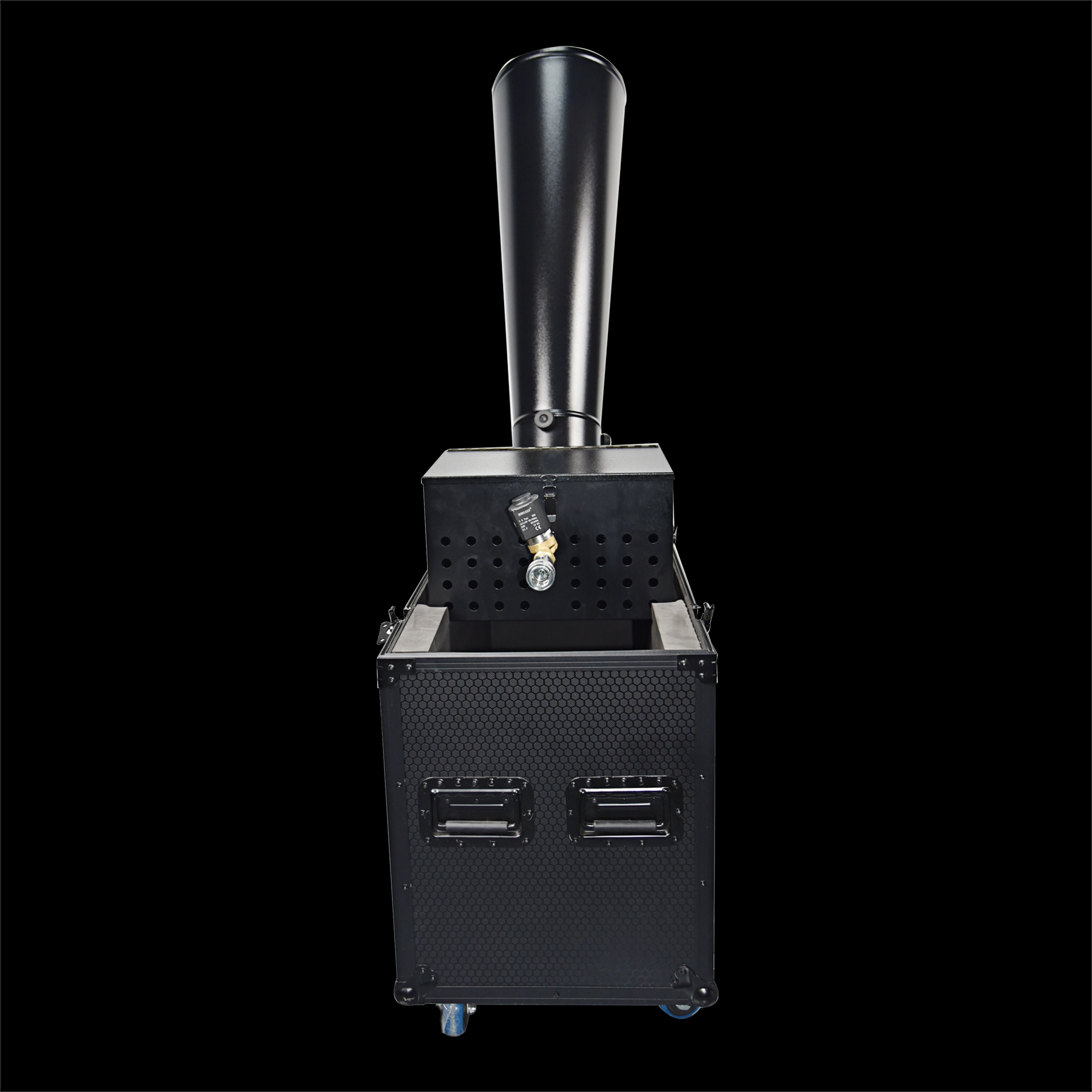
CO₂ Mini Rainbow Confetti Machine Manual Control with Durable Black Wheeled Flight Case
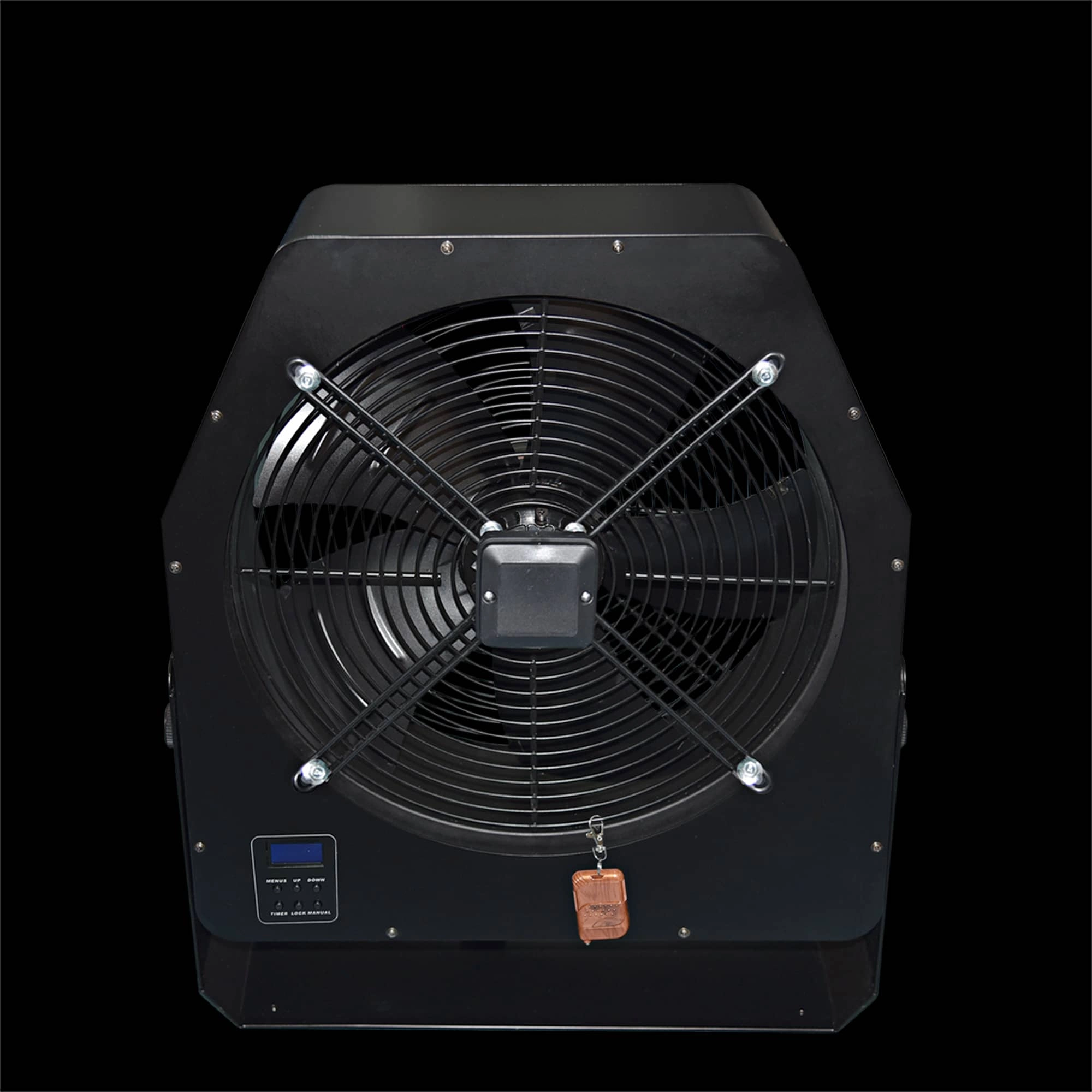
Professional Stage Big DMX Fan | High-Power Event Fan for Stage Shows & Celebrations
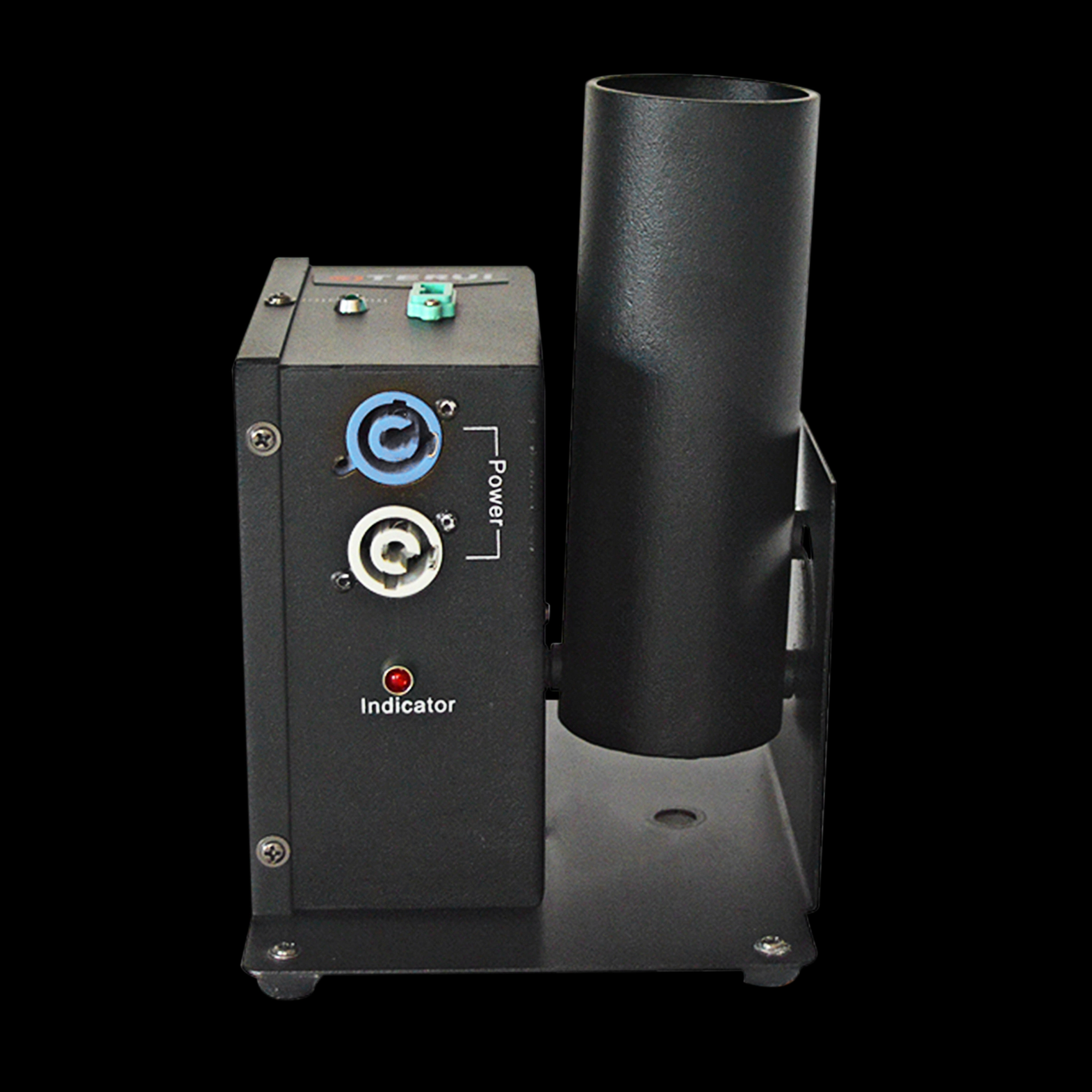
Single Shot Confetti Machine - Premium Confetti Launcher for Weddings & Stage Celebrations
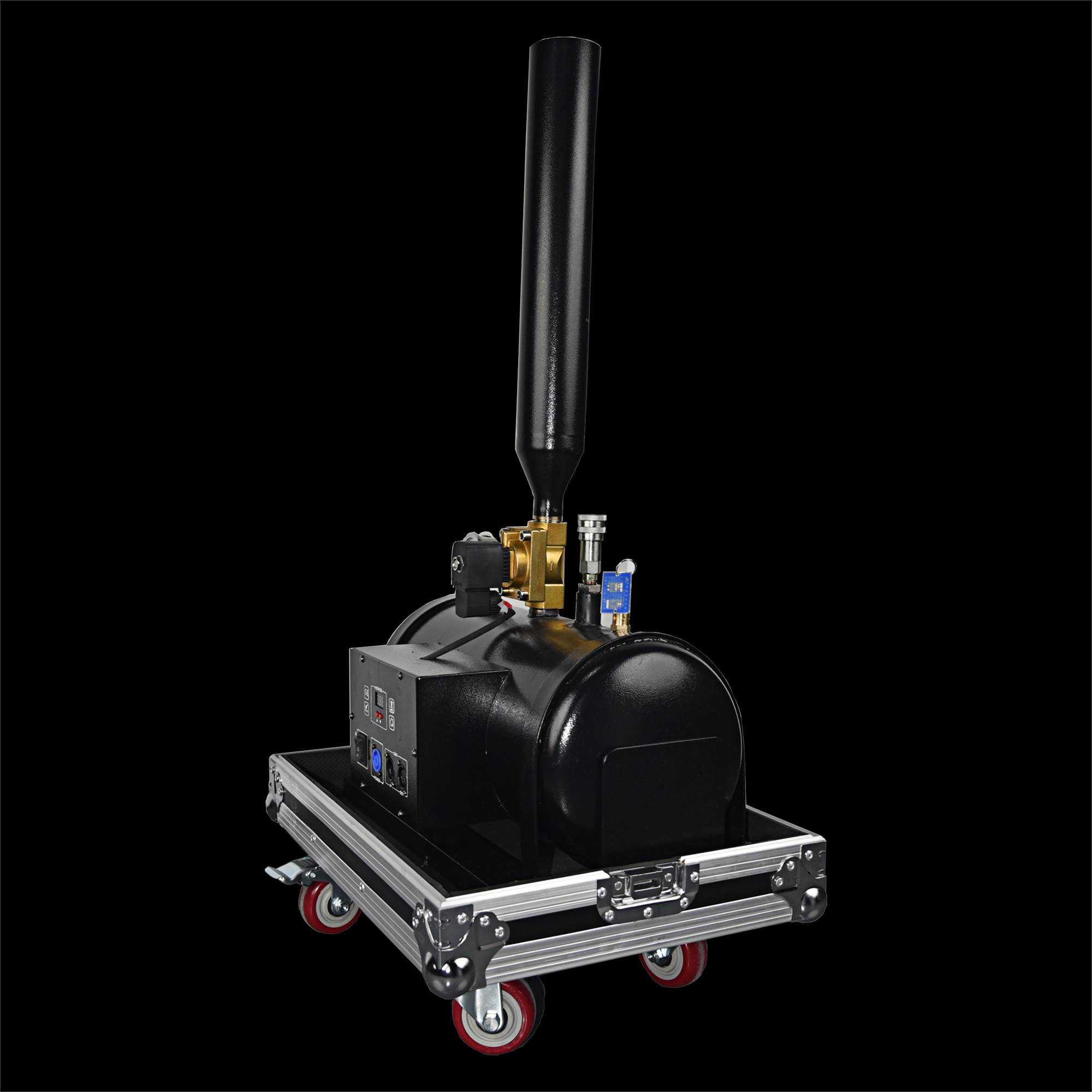
High-Altitude Confetti Cannon - Professional Confetti Blaster for Stage, Party & Celebration Events
Email: sales01@strlighting.com
WhatsApp: +86 189 2232 4800
© 2025 Siterui SFX All Rights Reserved.
 Scan QR Code
Whatsapp: +8618922324800
siteruisfx_stage_equipment
Siterui
SITERUI-SFX
STRlighting
@siterui.sfx