
Pairing Snow Machines with Lighting and Fog Effects
- Design principles for mixed atmospheric effects
- Understanding the visual language: contrast, depth, and motion
- Choosing the right snow effect for the scene
- How fog/haze modifies snow perception
- Technical integration: control, placement, and timelines
- Placement strategies for snow, fog, and lights
- DMX, wireless, and timecode synchronization
- Programming techniques for believable moments
- Safety, environmental and operational considerations
- Health, ventilation and material safety
- Fire, slip and electronic equipment risks
- Environmental impact and clean-up
- Practical setups, measurement, and comparative data
- Choosing machines by output and coverage
- Quick comparison table: snow vs. fog vs. haze for event design
- Measuring success: test metrics and KPIs
- Siterui SFX: products, customization, and why it matters
- About Siterui SFX and capabilities
- Customization and integration services
- Quality, support, and industry trust
- Implementation checklist and best practices
- Pre-show checklist
- Show-day best practices
- Post-show evaluation
- FAQs
- 1. Can I use any snow fluid in any snow machine?
- 2. Will snow and fog machines damage lighting fixtures?
- 3. How do I prevent the stage from becoming slippery after snow effects?
- 4. How can I synchronize snow bursts with lighting and pyro safely?
- 5. What are the best colors and angles to light snow for television?
- 6. Do I need venue approval to use snow machines?
Combining snow machines with lighting and fog effects elevates atmosphere and immersion for concerts, theatre, film, corporate events, and themed attractions. This guide explains the artistic and technical principles behind effective pairings, addresses control and safety, offers setup and tuning strategies, and provides comparative data and real-world recommendations so designers and technicians can create convincing, safe, and repeatable snow-and-light moments.
Design principles for mixed atmospheric effects
Understanding the visual language: contrast, depth, and motion
When you add a snow machine to a lighting and fog rig, you are introducing moving luminous particles into the scene. Snowflakes (or artificial snow flakes/fibers) act as dynamic catchlights for beams and washes. Use backlight and side-light to silhouette flakes and create depth; soft front fills should be minimized if you want flakes to appear crisp. Fog and haze establish a volumetric medium for light beams—snow provides discrete highlights moving through that volume.
Choosing the right snow effect for the scene
Not all snow is the same: soap-based low-velocity snow, foam-snow, and paper-like flakes create different behaviors. Low-velocity liquid or foam snow drifts slowly and reads romantically in warm lighting; paper or biodegradable flakes tumble faster and read well in colder blue/white palettes. Match particle size and fall-rate to the intended mood—romantic snowfall versus celebratory confetti-like snow.
How fog/haze modifies snow perception
Fog increases the apparent density of snow by adding a diffuse background that makes flakes stand out when strongly backlit. Haze (low-density, long-lasting) is ideal when you want fine beam visibility without obscuring performers. Use haze to maintain beam definition and fog for denser, transient clouding effects. Refer to general descriptions of fog and haze technology for performance and control expectations (Wikipedia: Fog machine, Wikipedia: Haze machine).
Technical integration: control, placement, and timelines
Placement strategies for snow, fog, and lights
Placement is critical. Snow machines should be located so flakes fall through key lighting planes without obstructing performers: typical positions include front-of-house (high), elevated side positions, or integrated into scenic units above the stage. Fog/haze sources should be placed to create a uniform volumetric field—haze machines often live FOH or at wing positions; fog machines may be in low-level traps if ground-hugging fog is required. Plan cable runs and rigging points early to avoid shadowing or safety conflicts.
DMX, wireless, and timecode synchronization
Modern shows demand precise synchronization between snow bursts, fog density ramps, and lighting cues. Use DMX-compatible devices or integrate via RDM, Art-Net, sACN, or wireless DMX. For tight timing with action and media, embed SFX cues in SMPTE timecode or use show-control systems (e.g., ETC Eos/Nomad, MA Lighting) that can trigger snow, fog, and light cues together. Industry guidance on technical standards and interoperability can be found at the Entertainment Services & Technology Association (ESTA).
Programming techniques for believable moments
Layer effects: for a single believable snow moment, program a short fog ramp (0–30% density), a burst or continuous snow output matched to fall rate, and a coordinated lighting crossfade (cold color temperatures + stronger back/side light). Avoid simultaneous maximum outputs across devices: overcrowding light and atmosphere reduces visual clarity and increases safety risks. Use pre-visualization tools or a video mockup when possible to test complex cues before load-in.
Safety, environmental and operational considerations
Health, ventilation and material safety
Snow fluids and fog/haze fluids are typically water- and glycol- or glycerin-based; always use manufacturer-recommended fluids to avoid residue or respiratory irritation. Check MSDS/SDS for any fluid used and ensure venue ventilation supports the show’s cumulative particulate load. Regulatory and safety frameworks such as NFPA guidance for theatrical effects and flame use can provide baseline safety requirements—see NFPA resources (NFPA).
Fire, slip and electronic equipment risks
Wet or soap-based snow can create slip hazards on stage floors. Design drainage and non-slip floor treatments, and schedule mop breaks on multi-show days. Avoid placing smoke/fog machines where condensed moisture may enter lighting fixtures or dimmer racks. Adhere to local fire codes and coordinate with venue safety officers—professional organizations like ESTA provide best practices for equipment and procedural safety (ESTA Technical Standards Program).
Environmental impact and clean-up
Choose biodegradable, non-toxic snow fluids and flakes where possible. Test clean-up in advance—some films degrade into fine residues that require special vacuums, while biodegradable foam/snow often rinses with water. Include clean-up and drainage considerations in your event budget and labour planning.
Practical setups, measurement, and comparative data
Choosing machines by output and coverage
Select a snow machine based on required coverage area, particle type, and run-time. Typical snow-machine metrics: output volume (g/min or ml/min of fluid or grams of flakes), effective coverage radius (meters), and run-time per reservoir. Haze machines are rated by aerosol output and clearance time; fog machines by output volume and warm-up time. Always cross-check manufacturer specifications under load.
Quick comparison table: snow vs. fog vs. haze for event design
| Effect | Primary visual role | Typical control | Cleanup / Risks |
|---|---|---|---|
| Snow machine (foam/liquid/flakes) | Dynamic particles, seasonal realism, confetti-like moments | DMX/Wireless or manual; burst or continuous | Floor wetting, slipping, residue—use biodegradable fluids |
| Fog machine (dense fog) | Creates opaque clouds, low-level atmosphere, scene transitions | DMX, analog, or manual; fast ramp-up | Condensation risk for fixtures; may obscure performers if overused |
| Haze machine (thin haze) | Enhances beam visibility and volumetric lighting without obscuration | DMX or continuous mode; low fluid consumption | Minimal cleanup; prolonged use increases particulate concentration |
Sources: manufacturer specifications and general overviews of fog/haze technology (Wikipedia: Haze machine, Wikipedia: Fog machine).
Measuring success: test metrics and KPIs
Define measurable success criteria: visual clarity on camera (measured by test footage), performer comfort (satisfaction + any reports of irritation), and cleanup time/cost. Run a full tech rehearsal with camera checks to evaluate how flakes read at different shutter speeds and lighting intensities—this is especially important when broadcasting or streaming a show.
Siterui SFX: products, customization, and why it matters
About Siterui SFX and capabilities
Siterui SFX is a professional manufacturer engaged in the research and development, production, sales, and service of professional stage special effects (SFX) equipment. With a highly skilled team and cutting-edge technology, we are committed to providing innovative, reliable, and high-performance SFX solutions for live events, theaters, concerts, film production, and entertainment venues worldwide. Our product line includes spark machines, haze machines, CO₂ jet machines, bubble machines, snow machines, foam machines, confetti machines, fog machines, fire machines, and dry ice machines. Visit our website at https://www.siteruisfx.com/ for product specs and detailed datasheets.
Customization and integration services
At Siterui SFX, we understand that every stage, event, and creative concept is unique. That’s why we offer flexible customization services to meet your specific needs—whether it's branding, special functions, size adjustments, or complete system integration. From custom casing and logo printing to wireless control systems and synced multi-device setups, our expert team works closely with you to design SFX solutions that align perfectly with your needs. Our engineers can integrate DMX/RDM, Art-Net, or wireless control modules and design sync-ready kits for complex shows.
Quality, support, and industry trust
Our commitment to quality and innovation ensures that clients receive cutting-edge effects that enhance the visual and sensory experience of every performance. We pride ourselves on exceptional customer service and continuous advancement, positioning Siterui as a trusted partner in the professional special effects industry. For inquiries, product quotes, or technical consultations, contact sales01@strlighting.com.
Implementation checklist and best practices
Pre-show checklist
- Confirm fluid types and quantities; verify MSDS/SDS for all fluids.
- Plan rigging and machine placement to avoid fixture interference.
- Program and test DMX/RDM or timecode synchronization in rehearsal.
- Coordinate with venue safety and obtain any required permits; consult NFPA/venue codes (NFPA).
Show-day best practices
- Warm up machines per manufacturer instructions and run pre-show tests on fog/haze levels with the lighting designer present.
- Assign staff for cleanup and stage-safety monitoring when snow or wet effects are used.
- Monitor performer and audience feedback for respiratory or slip issues; reduce density if needed.
Post-show evaluation
Collect footage from multiple cameras to evaluate how effects read on broadcast and in-house screens. Log fluid consumption and machine runtime for future planning. Update cue lists with any timing or intensity adjustments based on real-world performance.
FAQs
1. Can I use any snow fluid in any snow machine?
No. Use only fluids that the snow machine manufacturer specifies. Incompatible fluids can clog pumps, leave residue, damage internal components, or create safety hazards. Always check the machine’s manual and SDS sheets.
2. Will snow and fog machines damage lighting fixtures?
Condensation from fog and residue from certain snow fluids can affect fixtures, especially if they enter moving parts or lenses. Keep machines positioned to minimize direct spray into fixtures, and schedule regular maintenance and cleaning for lamps and optics.
3. How do I prevent the stage from becoming slippery after snow effects?
Use biodegradable, low-slip fluids, place non-slip mats where performers cross, and schedule cleaning breaks between cues or sets. Test the effect on the actual stage surface during tech rehearsals to determine necessary countermeasures.
4. How can I synchronize snow bursts with lighting and pyro safely?
Use a centralized show-control system that supports DMX/Art-Net/sACN and SMPTE timecode. Test all cues at reduced intensity before full run. Coordinate with pyrotechnic operators and local authorities—pyro often has separate permitting and must be physically separated from snow/fluid sources.
5. What are the best colors and angles to light snow for television?
Use cool backlights (blue/white) for crisp contrast and edge definition, combined with soft warm fills if you need facial visibility. Side backlight at low angles enhances flake silhouette on camera. Adjust shutter speeds and frame rates on cameras during tech to optimize capture of moving flakes.
6. Do I need venue approval to use snow machines?
Yes. Most venues require prior approval for atmospheric effects. Provide SDS documentation, planned placement, and cleanup procedures. Notify venue safety and local authorities if required by code.
For professional-grade equipment and tailored SFX solutions that integrate snow machines with lighting and fog systems, contact Siterui SFX. Visit https://www.siteruisfx.com/ or email sales01@strlighting.com for product spec sheets, customization options, and a consultation. Siterui SFX supplies spark machines, haze machines, CO₂ jet machines, bubble machines, snow machines, foam machines, confetti machines, fog machines, fire machines, and dry ice machines, with flexible customization to meet production needs.
Budget-Friendly Stage Lighting for Community Theaters
Setting Up Stage Lights for Small Venues
Top haze bubble machine Manufacturers and Suppliers in us
Snow Machine Maintenance: Tips to Extend Lifespan and Reliability
About us
What are the team members’ backgrounds?
Engineers (15+ years), production staff (4–12 years), designers (10+ years), IT specialists (CAD/PS), and sales professionals (8+ years).
Single-Head CO2 Jet Machine
What is the price of shipping?
Depending upon the port of delivery, prices varies.
large 300W Silver Iron Case Bubble Machine
Is this machine suitable for outdoor use?
Yes, the iron case is weather-resistant, but avoid direct rain exposure.
2100W Morning Haze Machine
Can I use third-party haze fluids?
We recommend using approved fluids to ensure optimal performance and longevity.
660 Dual Haze machine
How long is the warranty period?
This product comes with a 1-year warranty, excluding damages caused by human factors.
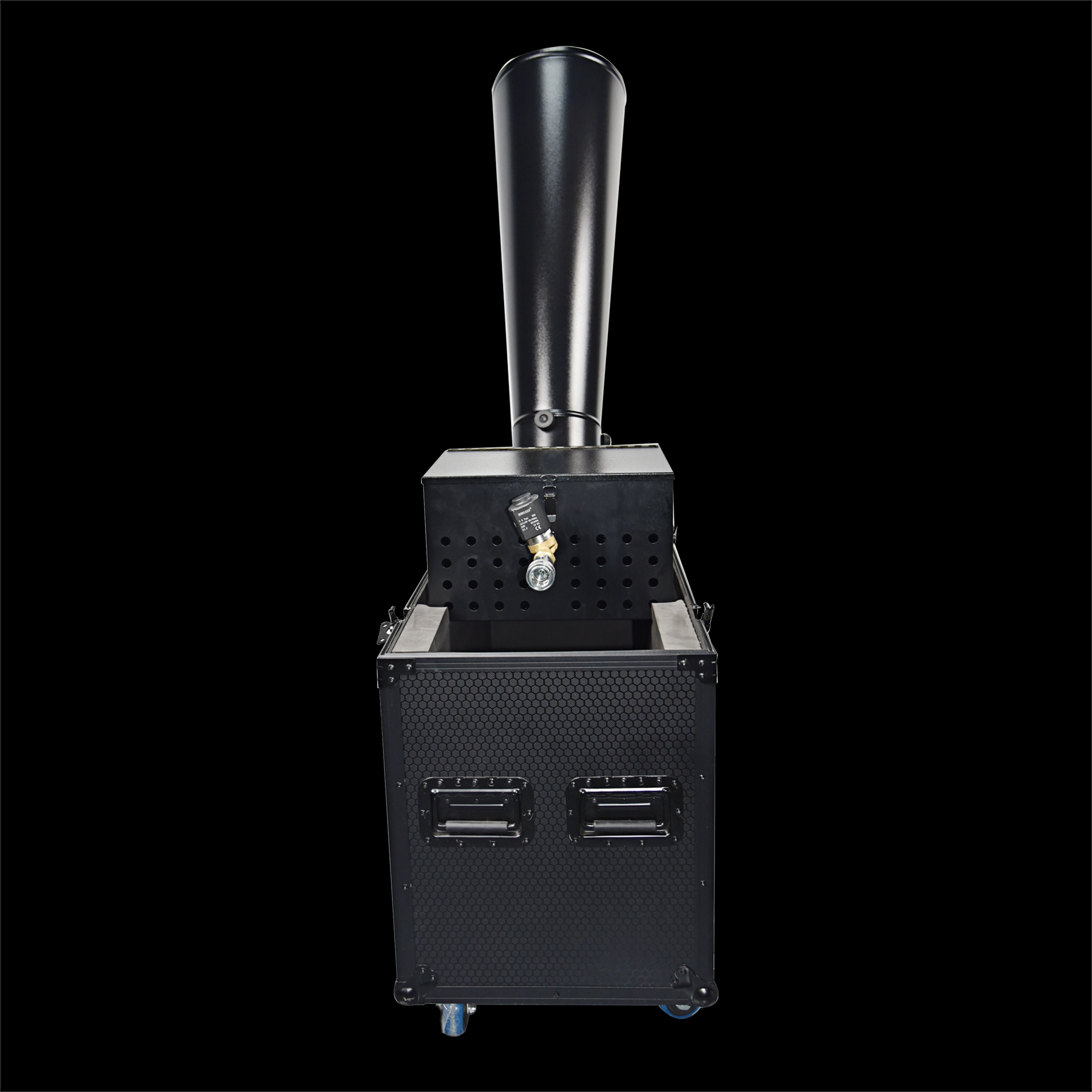
CO₂ Mini Rainbow Confetti Machine Manual Control with Durable Black Wheeled Flight Case
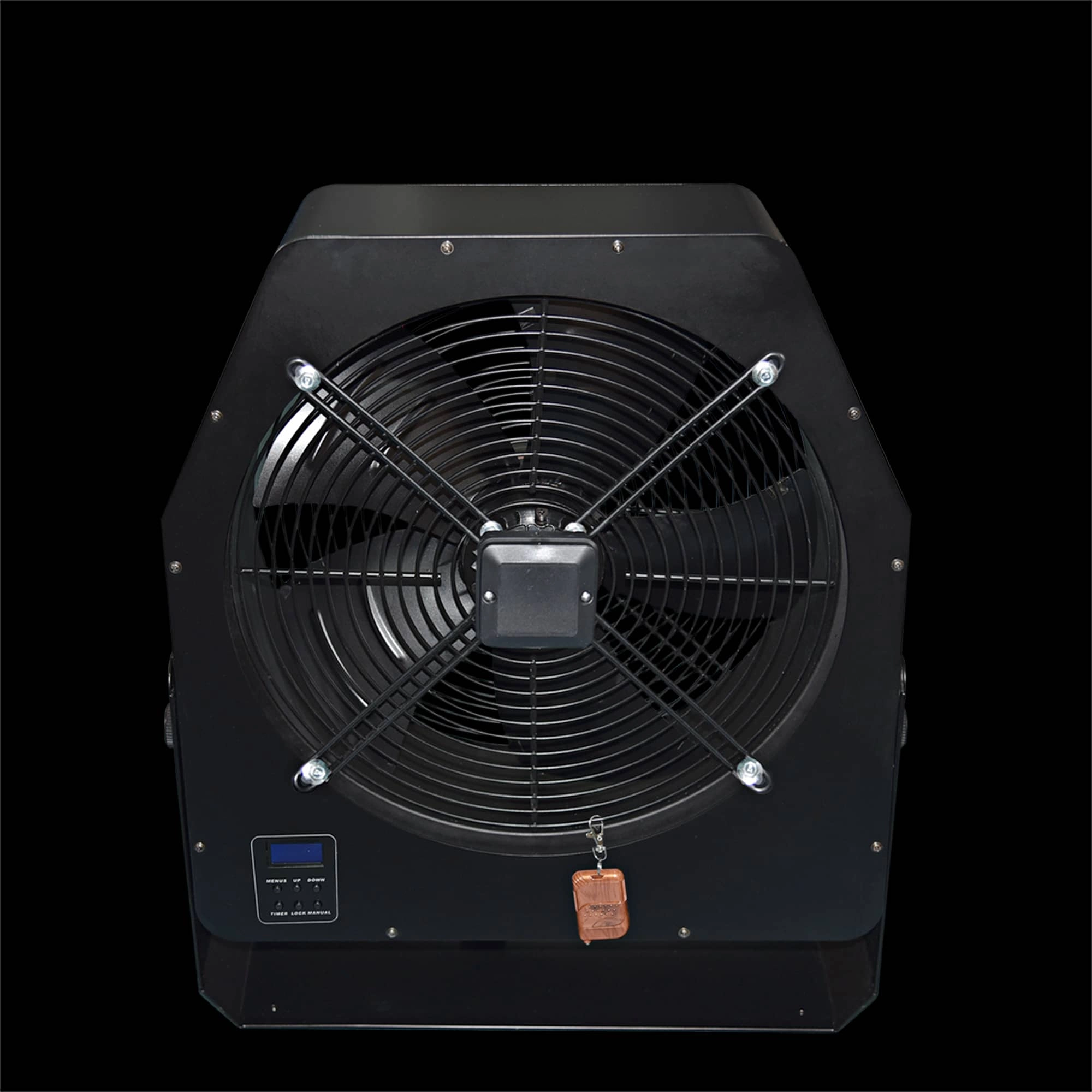
Professional Stage Big DMX Fan | High-Power Event Fan for Stage Shows & Celebrations
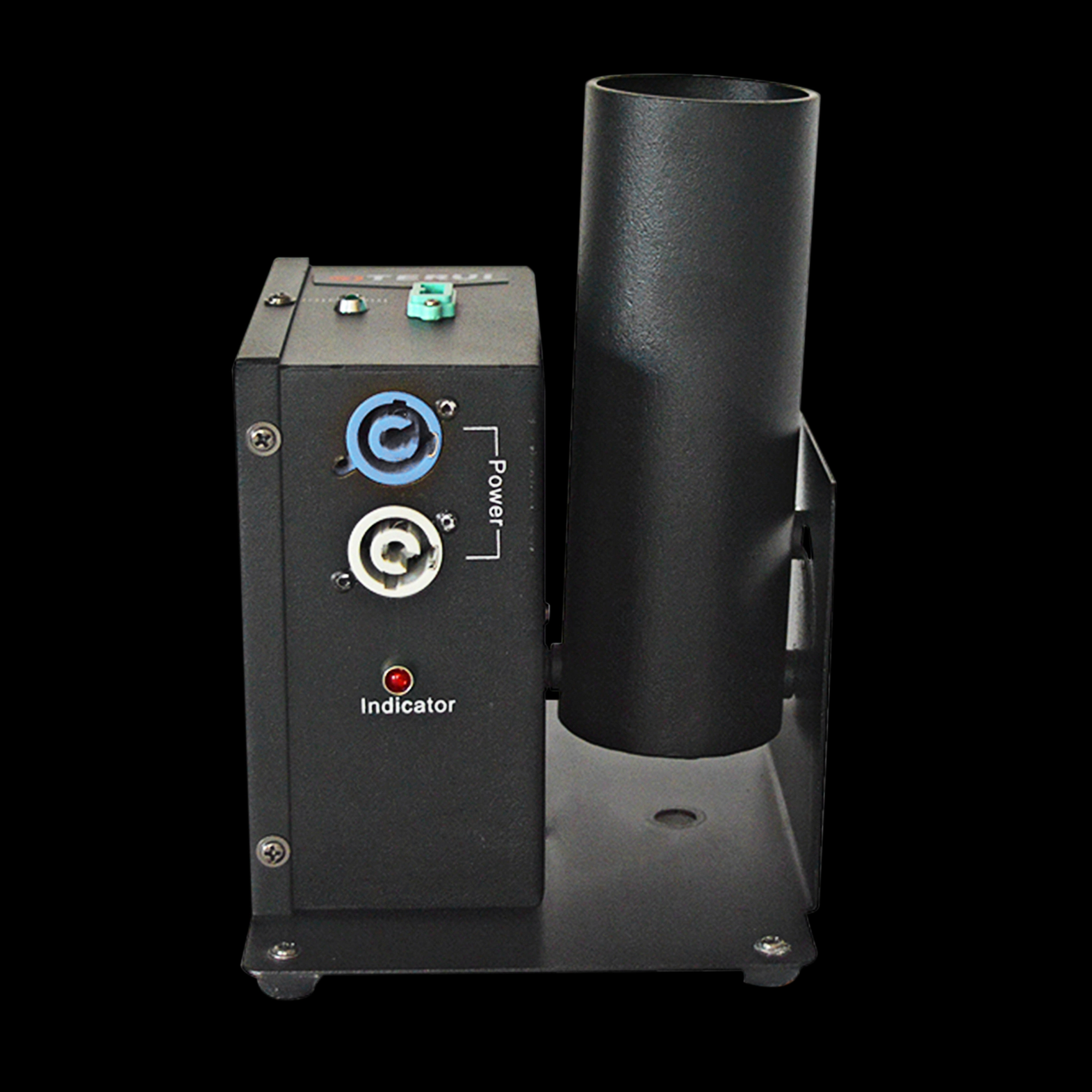
Single Shot Confetti Machine - Premium Confetti Launcher for Weddings & Stage Celebrations
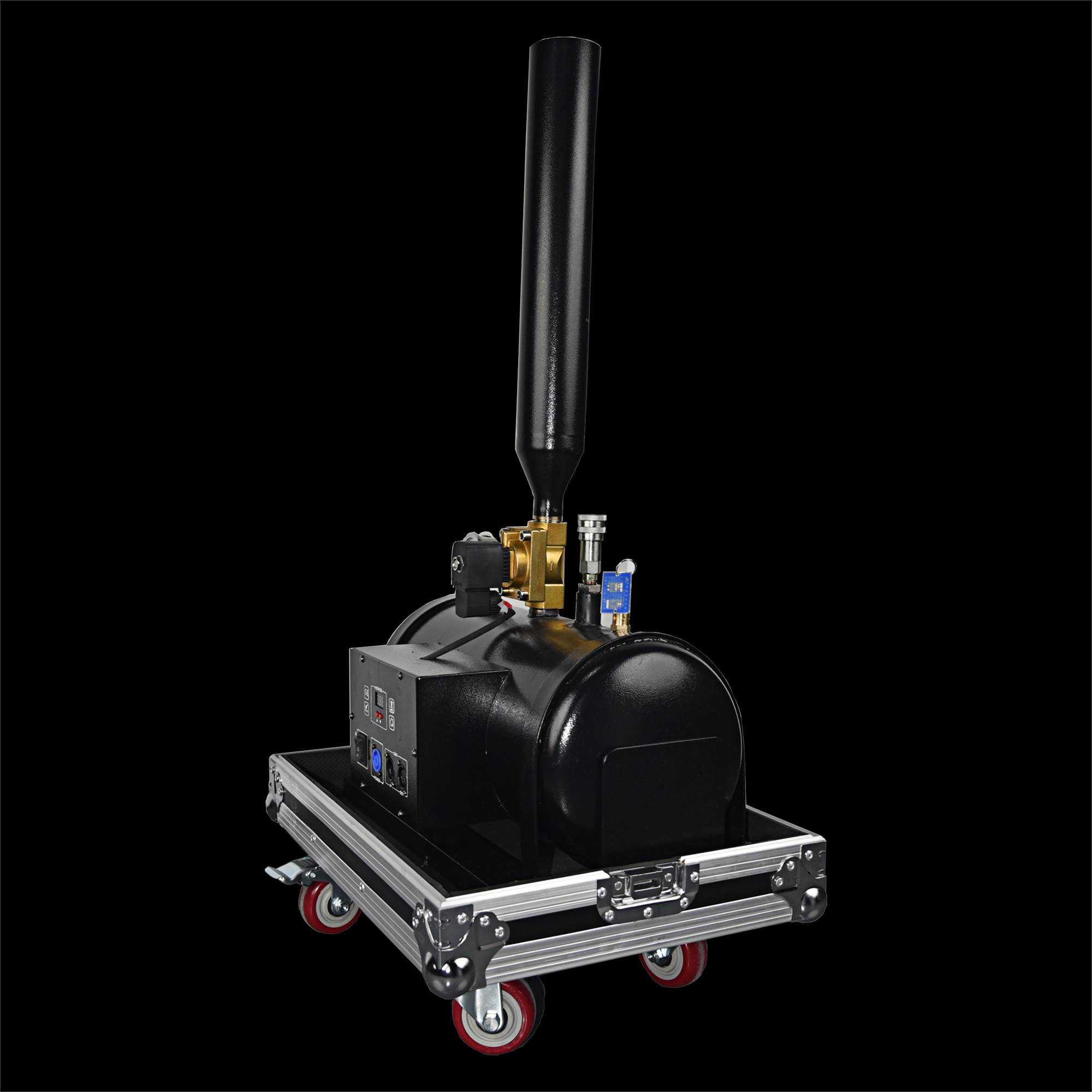
High-Altitude Confetti Cannon - Professional Confetti Blaster for Stage, Party & Celebration Events
Email: sales01@strlighting.com
WhatsApp: +86 189 2232 4800
© 2025 Siterui SFX All Rights Reserved.
 Scan QR Code
Whatsapp: +8618922324800
siteruisfx_stage_equipment
Siterui
SITERUI-SFX
STRlighting
@siterui.sfx