
Preventing Residue and Damage from Fog Machines
- Why residue forms: chemistry, mechanics, and use patterns
- Types of residues and visible signs
- Chemistry and physics: how fluids become residue
- Operational factors that increase residue risk
- Choosing the right fog fluid and equipment
- Fluid types compared
- Machine technologies and their residue profiles
- Specifying equipment features to reduce deposits
- Maintenance, cleaning, and site practices to prevent damage
- Daily and weekly maintenance checklist
- Deep cleaning and servicing procedures
- Ventilation, HVAC coordination, and air-quality monitoring
- Damage prevention strategies for different equipment and venues
- Protecting lighting fixtures and lenses
- Minimizing impact on audio equipment and rigging
- Stage finishes, set pieces, and textiles
- Siterui SFX solutions and how professional manufacturing reduces residue risk
- About Siterui SFX
- Products and technical strengths
- Customization, testing, and after-sales service
- Operational best practices and verification
- Pre-show testing and documentation
- Routine auditing and corrective actions
- Insurance, codes, and regulatory considerations
- FAQ — Preventing residue and damage from fog machines
- 1. How can I tell if my fog fluid is causing residue?
- 2. Are water-based haze fluids always residue-free?
- 3. How often should I clean fog machine nozzles and heating elements?
- 4. Will fog residues damage my LED fixtures or lenses?
- 5. What immediate steps should I take if heavy residue appears after a show?
- 6. How do I balance desired visual density with residue prevention?
Fog machines are essential tools for creating atmosphere in live events, theatre, film, and themed attractions, but if used incorrectly they can leave residues, accelerate wear on lighting and audio equipment, and degrade indoor air quality. This guide explains why fog residues form, how to choose fluids and hardware to minimize deposits, practical maintenance and cleaning protocols, and venue-specific prevention measures. It draws on industry guidance and safety standards to provide verifiable, actionable steps for SFX professionals and venue operators.
Why residue forms: chemistry, mechanics, and use patterns
Types of residues and visible signs
Residue from fog machines commonly appears as sticky films on lenses, haze on metal surfaces, grainy deposits on painted sets, or accelerated dust adhesion on rigging. These residues are typically from fog fluid components (glycols, glycerin, mineral oils) and entrained particulates that condense on cooler surfaces. For health and safety context, see the Health and Safety Executive guidance on theatrical fog and haze (HSE: Fog and haze).
Chemistry and physics: how fluids become residue
Most commercial fog fluids are aqueous solutions of glycols (propylene glycol, triethylene glycol) or glycerin, and some haze fluids use mineral oil or blended formulas. When the heated aerosol cools, non-volatile components (residual glycols/oils, additives) can deposit on surfaces. Poorly atomized droplets or oversized droplets increase wet deposition. For an overview of fog machine technology and fluid types, see the fog machine entry on Wikipedia (Fog machine - Wikipedia).
Operational factors that increase residue risk
Common operational drivers of residue include prolonged heavy use without ventilation exchange, using non-recommended or cheap fluids, high-density bursts that over-saturate the air, and inadequate machine maintenance (clogged nozzles, degraded heating elements). Venue HVAC and surface temperatures also determine where and how fast deposits form.
Choosing the right fog fluid and equipment
Fluid types compared
Selecting an appropriate fluid is the single most effective way to reduce residue. The table below summarizes common fluid classes, their residue tendency, and typical applications.
| Fluid Type | Typical Composition | Residue Tendency | Best Uses |
|---|---|---|---|
| Glycol-based (propylene glycol, triethylene glycol) | Aqueous glycols with stabilizers | Moderate — can leave a slightly tacky film if overused | Concerts, theatrical effects where quick clearing is acceptable |
| Glycerin-based | Glycerin + water | Moderate to high — hygroscopic, can attract dust | High-humidity applications; some specialty looks |
| Mineral oil / oil-based haze | Light mineral oils or esters | Higher — oily films more noticeable on lighting lenses | Long-lasting haze for film sets (with precautions) |
| Water-based haze (low-residue formulations) | Modified water with small aerosolizing agents | Low — engineered to minimize non-volatile content | Theatres, museums, and museums-sensitive environments |
Manufacturer technical data sheets normally list ingredients and recommended use. When in doubt, request a Certificate of Analysis and residue test data from your supplier.
Machine technologies and their residue profiles
Different fog machine types—heat-exchange thermal foggers, ultrasonic hazers, ultrasonic foggers, and CO₂-based jets—produce aerosols with different droplet-size distributions and residue behaviours. Ultrasonic haze machines and specialized low-residue haze units produce finer particulates that tend to remain airborne longer and deposit less on surfaces, but verify manufacturer particulate size specifications and MERV/HEPA compatibility.
Specifying equipment features to reduce deposits
Seek machines with precise temperature control, adjustable output (to avoid saturation), easily accessible nozzles and heating elements for cleaning, and integrated filtration where possible. DMX or wireless control helps reduce operator error by conditioning output during cues rather than manual full-throttle bursts.
Maintenance, cleaning, and site practices to prevent damage
Daily and weekly maintenance checklist
- Use only manufacturer-recommended fluids; label and store fluids properly.
- Run a short daily purge cycle at low output to keep heated lines clear.
- Inspect nozzle and tubing for buildup; clean or replace as specified.
- Wipe nearby lighting lenses and microphones after heavy use to prevent bonding of residues.
- Log operating hours and service intervals — machines with thermal elements often require cleaning every 50–200 hours depending on fluid.
Deep cleaning and servicing procedures
Perform manufacturer-recommended deep cleaning: flush the system with approved cleaning fluids, remove and inspect heating elements and pumps, replace seals and tubing as needed, and clean or replace filters. For fog machines with oil or heavy residues, an approved solvent flush (per manufacturer guidance) may be required. Retain service records for warranty and insurance purposes.
Ventilation, HVAC coordination, and air-quality monitoring
Coordinate with venue HVAC to increase air exchange after heavy fog use. Where possible, schedule high-density fog cues when outside air exchange can be increased. For indoor environments sensitive to particulates (museums, hospitals adjacent spaces), consider portable HEPA filtration units and use low-residue haze alternatives. Relevant guidance on indoor air and particulates can be found at the U.S. Environmental Protection Agency (EPA IAQ) and CDC/NIOSH industrial hygiene resources (CDC/NIOSH).
Damage prevention strategies for different equipment and venues
Protecting lighting fixtures and lenses
Lighting optics are particularly vulnerable: residue reduces light output and can bake onto lenses when fixtures heat up. Recommended steps:
- Install gobo and lens covers where possible during fog use.
- Use local extraction near heavy fog emitters; position fixtures outside the main emission plume.
- Perform routine lens cleaning with manufacturer-approved cleaners; avoid abrasive solvents that damage coatings.
Minimizing impact on audio equipment and rigging
Microphones and speaker diaphragms can attract deposits that alter sound. Protective measures include:
- Use windshields and moisture-resistant covers on mics when fog is used regularly.
- Route cable runs to avoid direct exposure and schedule post-show cleaning where residue builds up.
- Implement periodic inspection of connectors and lubricated components to prevent corrosion or sticky build-up.
Stage finishes, set pieces, and textiles
Porous surfaces (fabrics, painted wood) more readily trap residues. Use low-residue fluids for close-to-audience effects. When designing sets, consider sealed surfaces or sacrificial coatings that are easier to clean between shows. Test any coating or finish with the chosen fluid ahead of load-in.
Siterui SFX solutions and how professional manufacturing reduces residue risk
About Siterui SFX
Siterui SFX is a professional manufacturer engaged in the research and development, production, sales, and service of professional stage special effects (SFX) equipment. With a highly skilled team and cutting-edge technology, we are committed to providing innovative, reliable, and high-performance SFX solutions for live events, theaters, concerts, film production, and entertainment venues worldwide.
Products and technical strengths
Our product range includes spark machines, haze machines, CO₂ jet machines, bubble machines, snow machines, foam machines, confetti machines, fog machines, fire machines, and dry ice machines. Many Siterui units are designed with serviceability and low-residue operation in mind: modular heating blocks, accessible nozzles, OEM-approved fluid compatibility, and advanced control (DMX/wireless) to precisely manage output.
Customization, testing, and after-sales service
At Siterui SFX, we understand that every stage, event, and creative concept is unique. That’s why we offer flexible customization services—branding, special functions, size adjustments, or complete system integration. From custom casing and logo printing to wireless control systems and synced multi-device setups, our expert team works closely with you to design SFX solutions that align perfectly with your needs. We also provide commissioning, on-site training, and maintenance packages to ensure your fog machines perform reliably with minimal residue. Learn more at Siterui SFX or contact our sales team at sales01@strlighting.com.
Operational best practices and verification
Pre-show testing and documentation
Always perform a full-system run-through during load-in and document output levels, fluid batches, and HVAC settings. Use simple particulate monitors or visual checks to verify acceptable clearing times and absence of film formation in the final cue sequence.
Routine auditing and corrective actions
Include residue inspections in routine safety and maintenance audits. If deposits are found, trace back to fluid batch, operator procedures, and machine maintenance records. Corrective steps often include switching to a specified low-residue fluid, updating DMX cue curves, or scheduling an immediate deep clean.
Insurance, codes, and regulatory considerations
Understand local fire codes and insurance requirements for theatrical effects. NFPA and local authorities may require permits or notify fire services for certain fog or pyrotechnic operations; check guidance at the National Fire Protection Association (NFPA). Maintain records of manufacturer recommendations and service invoices to support compliance.
FAQ — Preventing residue and damage from fog machines
1. How can I tell if my fog fluid is causing residue?
Inspect surfaces nearest the emitter after a typical cue. Sticky, slightly glossy films or increased dust adhesion usually indicate non-volatile fluid components. Compare with a control surface away from the plume. Contact your fluid supplier for a safety data sheet (SDS) and request residue data.
2. Are water-based haze fluids always residue-free?
No fluid is absolutely residue-free, but modern low-residue water-based haze fluids are engineered to minimize non-volatile content and thus leave much less deposit than traditional oil-based fluids. Always test in your venue and follow manufacturer guidance.
3. How often should I clean fog machine nozzles and heating elements?
Cleaning frequency depends on fluid type and usage: light users can follow a 50–100-hour interval, while heavy daily use may require monthly or biweekly servicing. Follow the manufacturer maintenance schedule and keep operation logs.
4. Will fog residues damage my LED fixtures or lenses?
Yes — residues can reduce light output and, if allowed to bake on, can degrade coatings. Protective positioning, covers, and routine lens cleaning reduce risk. For high-value fixtures, prefer low-residue haze and distance them from the emission plume.
5. What immediate steps should I take if heavy residue appears after a show?
Stop using the fluid batch, increase ventilation and filtration, perform a targeted cleaning of affected equipment, and review logs to identify recent changes in fluid, output, or maintenance. Contact your machine vendor or manufacturer for advice on appropriate cleaning solvents and procedures.
6. How do I balance desired visual density with residue prevention?
Use DMX-controlled gradual buildups rather than sudden full-power blasts, increase ambient air exchange during heavy cues, and select the fluid and machine combination that produces the required effect at lower non-volatile output. Pre-show testing in the venue is essential.
For customized advice, equipment specifications, or to evaluate low-residue fog and haze solutions for your venue, contact Siterui SFX. Visit https://www.siteruisfx.com/ or email our sales team at sales01@strlighting.com to request product data sheets, residue testing, and commissioning services. Our product range includes spark machine, haze machine, CO₂ Jet Machine, Bubble Machine, Snow Machine, Foam Machine, Confetti Machine, fog machine, fire machine, and dry ice machine—designed for reliability, low residue, and superior performance.
References: HSE guidance on fog and haze (HSE), Fog machine overview (Wikipedia), EPA indoor air quality resources (EPA), and CDC/NIOSH indoor environment topics (CDC/NIOSH).
Best Snow Machines for Concerts, Theaters, and Events
Best Fog Machines for Small Theaters and Schools
Safety Tips for Using Dry Ice Machines on Stage
Top bubble haze machine Manufacturers and Suppliers in us
1500W Professional Snow Machine
Are you a factory or trading company?
Yes,We are a factory & trading company, we can guarantee ourprice is first-hand, very cheap and competitive.
Single-Head CO2 Jet Machine
How could l get a sample
If you can not buy our product in your local area, we will ship a sample to you.You will be charged a sample price plus all related shipping costs.Express delivery charge depends on the quantity of the samples.
Can this machine be used outdoors?
Yes, but avoid extreme weather conditions to ensure longevity and performance.
Solutions
What if the product malfunctions? Do you provide after-sales service?
We offer a 1-year warranty covering free repair and parts replacement (excluding man-made damage). Our support team responds within 24 hours.
600W High-Quality Stainless Steel
How is quality ensured?
Each unit undergoes rigorous testing, including spark consistency and safety checks.
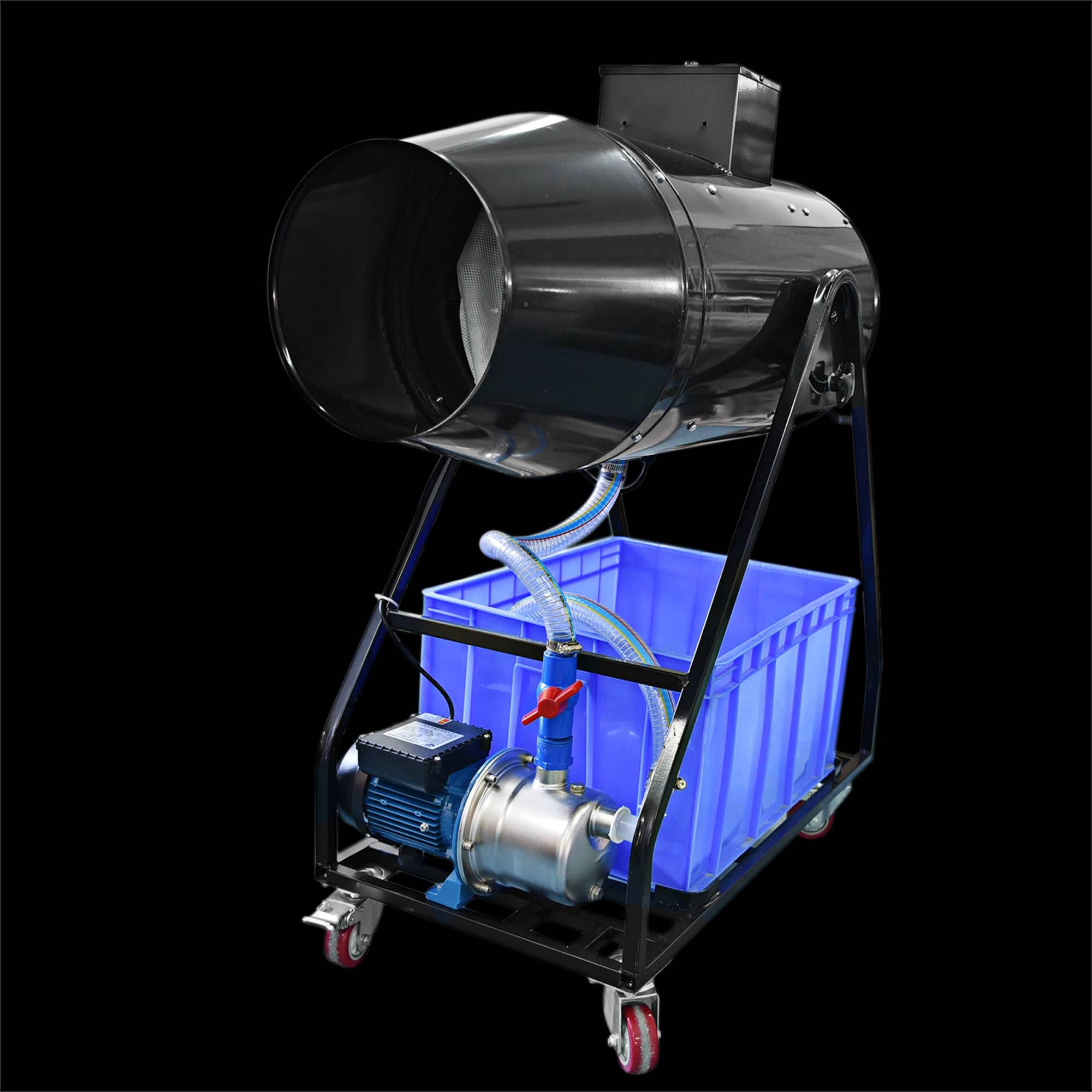
Siterui SFX 1800W Spraing foam machine High Power Professional Foam Party Maker
Elevate your event with the Siterui SFX 1800W Spraing Foam Machine. This high-power, professional foam party maker creates dense, vibrant bubbles—perfect for weddings and celebrations. Reliable and easy to use, it’s the foam and bubble machine for unforgettable moments.
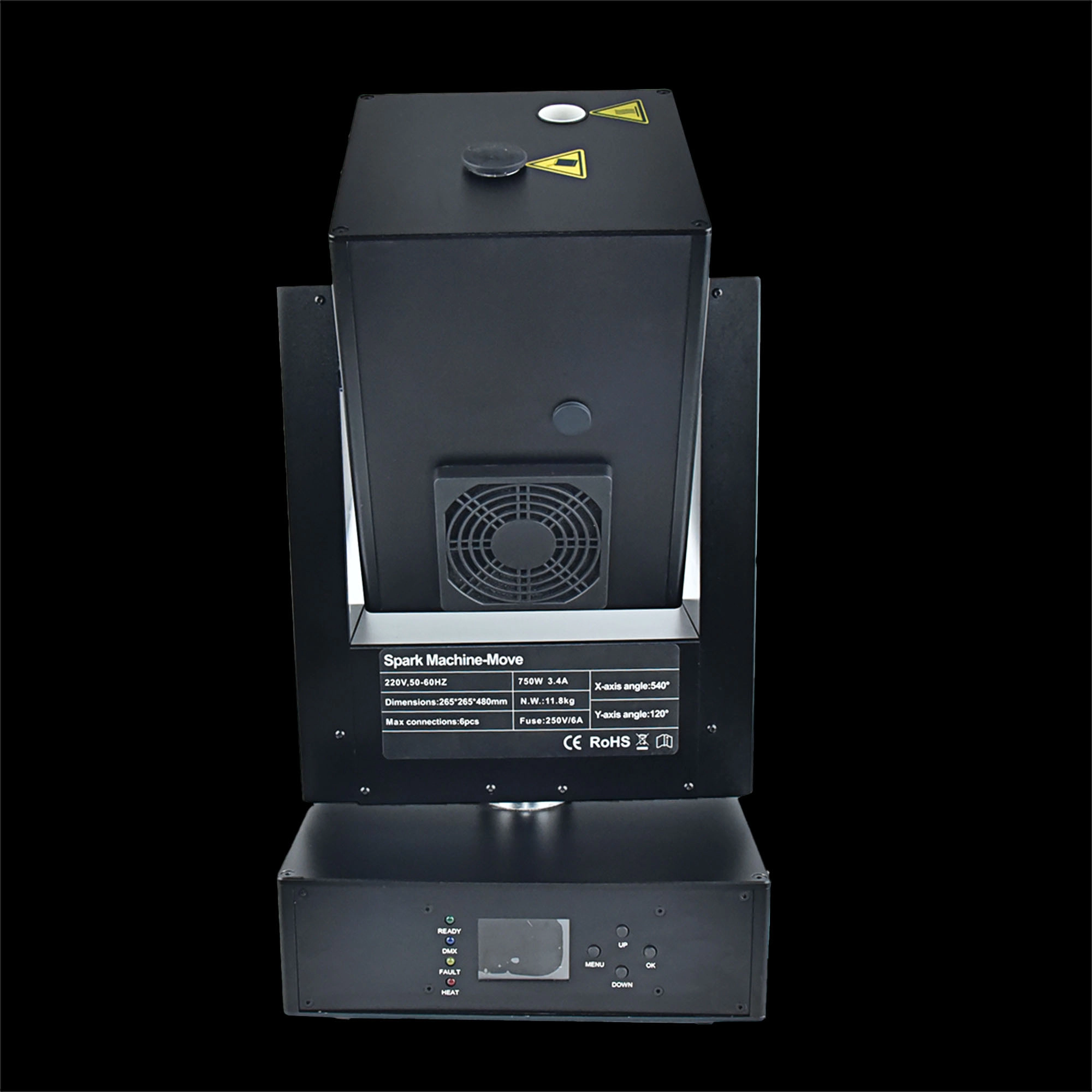
750w moving head spark machine
Siterui SFX 750w moving head spark machine delivers high-impact cold-spark effects with 360° moving head, DMX control, adjustable output and safe, long-lasting performance - perfect for concerts, weddings and stage shows.
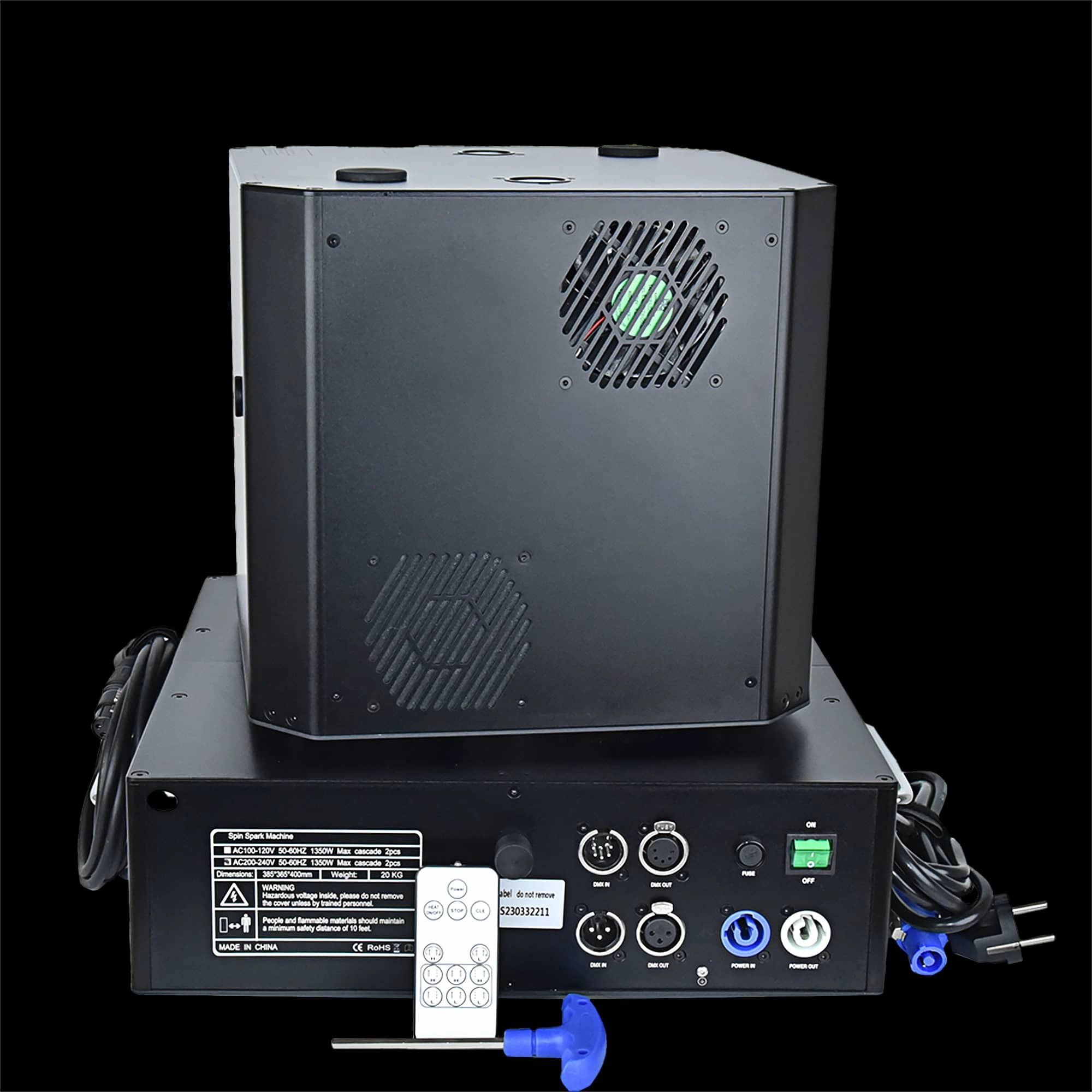
Double head 1300W Spin Spark machine DMX+Remote control
Double head 1300W Spin Spark machine -powerful dual-head 1300W spin spark effect with DMX + remote control for precise timing. Durable, professional-grade pyrotechnic effect ideal for concerts, clubs and events.
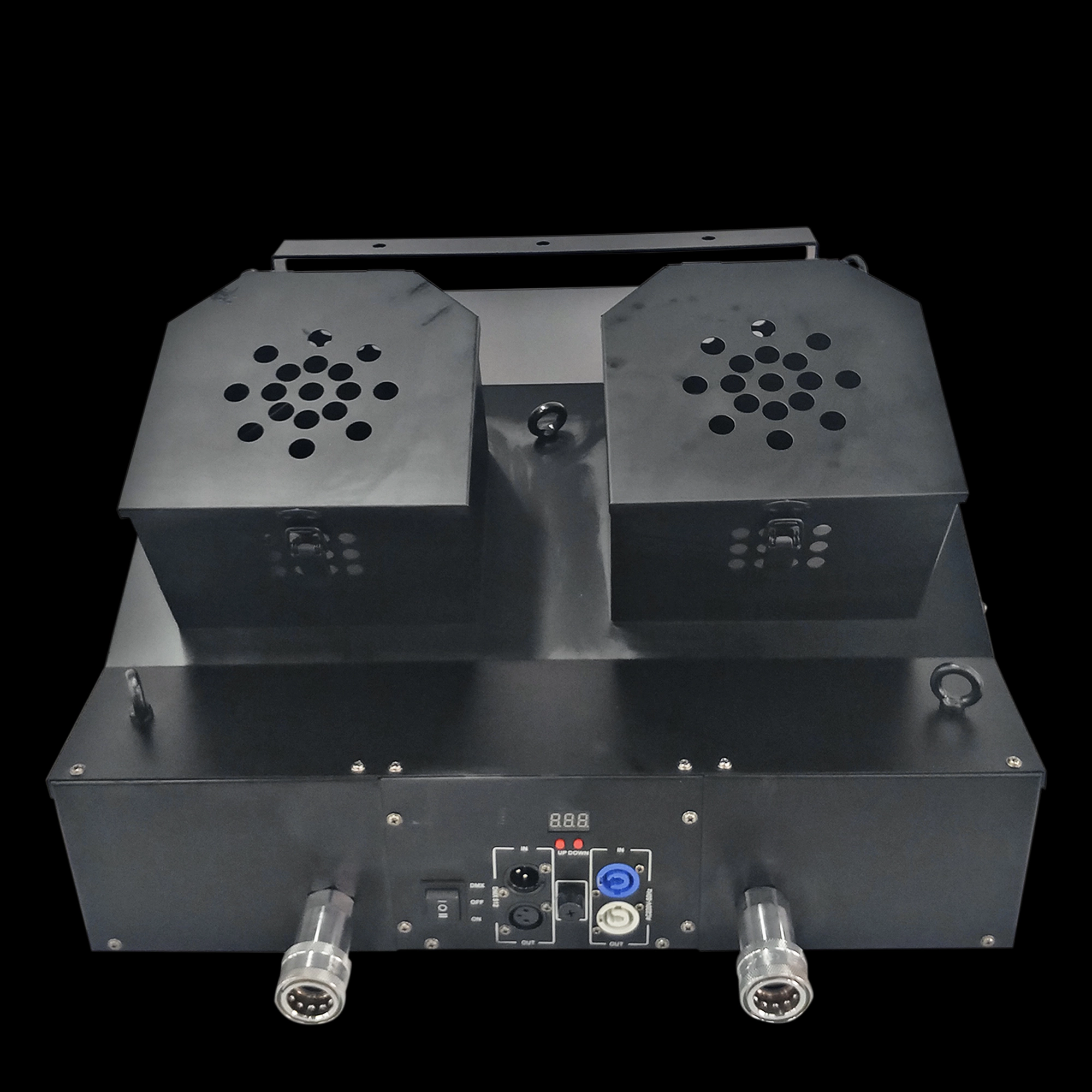
Snowstorm Paper Machine Double outlet sprayer snowstorm paper machine dual nozzle sprayer
Email: sales01@strlighting.com
WhatsApp: +86 189 2232 4800
© 2025 Siterui SFX All Rights Reserved.
 Scan QR Code
Whatsapp: +8618922324800
siteruisfx_stage_equipment
Siterui
SITERUI-SFX
STRlighting
@siterui.sfx