
Snow Machine Maintenance Checklist to Maximize Lifespan
- Why regular maintenance pays off for snow effects
- Reliability and consistent visual effect
- Safety and compliance
- Cost control and asset life
- Core snow machine maintenance checklist
- Daily / Pre-use checklist (before each event)
- Monthly / After-event maintenance
- Annual overhaul
- Hands-on procedures: fluids, pumps, and nozzles
- Choosing and managing snow fluid
- Cleaning and inspecting nozzles
- Pump maintenance and fluid handling
- Storage, winterization and troubleshooting
- Safe storage and winterization
- Common faults and first-line fixes
- When to call a professional
- Siterui SFX: professional support and customizable solutions
- How Siterui SFX supports maintenance and lifecycle
- When to choose integrated service
- Appendix: tools and spare parts I recommend keeping on-hand
- Frequently Asked Questions (FAQ)
- 1. How often should I clean the snow machine nozzles?
- 2. Can I use any snow fluid I find online?
- 3. What are common signs of pump failure?
- 4. How should I winterize a snow machine between seasons?
- 5. Is professional servicing necessary or can my in-house techs handle everything?
- 6. What routine checks reduce liability and safety risk?
Snow machines are a staple of immersive live events, theatre productions, and film sets. In this guide I provide an actionable, experience-based maintenance checklist to maximize the lifespan and reliability of your snow machine. The checklist covers pre-use checks, regular cleaning, fluid handling, troubleshooting, winterization, and when to seek professional service—information that helps venue technicians, rental houses, and production crews keep effects consistent and safe for audiences.
Why regular maintenance pays off for snow effects
Reliability and consistent visual effect
From my years designing and servicing stage special effects, the single biggest complaint I hear is the snow looked weak or stopped during the show. Those failures are almost always preventable—by following standardized pre-run and routine maintenance procedures. Proper upkeep ensures correct fluid atomization, stable pump pressure, and unclogged nozzles, which together deliver consistent particle size and drift behavior for your artificial snow effect.
Safety and compliance
Snow machines involve electrical components, pumps, and consumable fluids. That creates hazards (electrical shock, fire risk from damaged wiring, slip hazards from excess accumulation) that must be managed. I follow general electrical and workplace safety guidance such as that published by OSHA to set safe work practices for inspection and operation (https://www.osha.gov/).
Cost control and asset life
Routine maintenance reduces emergency replacements and downtime. Replacing worn seals, cleaning filters, and using the right snow fluid prevents abrasive wear on pumps and nozzles; over time those small actions save substantial replacement costs and preserve resale value.
Core snow machine maintenance checklist
Daily / Pre-use checklist (before each event)
- Visual inspection of housing, power cable, and connectors for abrasion, kinks, or exposed conductors.
- Check fluid level and top up with manufacturer-approved snow fluid; confirm fluid is well mixed and within shelf life.
- Run a brief warm-up and observe output for spray pattern, consistency, and unusual vibration or noise.
- Verify all external fasteners and mounts are secure; check rigging points if the unit is flown.
Monthly / After-event maintenance
- Drain and filter fluids; inspect intake strainers for debris or crystallization.
- Inspect and clean nozzles and manifold ports—use soft brushes and manufacturer-advised solvents to remove residue.
- Lubricate mechanical moving parts per the unit manual and check pump seals for leakage.
- Test the unit under load for at least 15 minutes to detect intermittent faults.
Annual overhaul
- Replace wear items (seals, O-rings, intake filters, nozzle tips) as a preventive measure.
- Disassemble and inspect pumps and valves for erosion; measure pump performance against baseline specs.
- Update firmware/software in intelligent controllers and verify DMX/RDM or wireless control systems for latency and dropout.
For reference and planning, here is a practical maintenance interval table I use with rental departments and in-house technical teams:
| Interval | Primary Tasks | Why it matters |
|---|---|---|
| Daily / Pre-Use | Visual checks, fluid level, warm-up test | Prevents in-show failure and safety hazards |
| Monthly / After heavy use | Drain/filter fluid, clean nozzles, inspect pumps | Removes buildup and prevents wear |
| Quarterly | Electrical inspection, tighten fasteners, test controls | Maintains electrical safety & control reliability |
| Annual | Seal replacement, pump teardown, firmware updates | Restores performance to near-new condition |
Hands-on procedures: fluids, pumps, and nozzles
Choosing and managing snow fluid
Not all snow fluids are created equal. Professional-grade formulations are engineered for consistent atomization, low residue, and environmental compatibility. I always recommend using manufacturer-recommended fluids to preserve pump internals and nozzle geometry. Be aware of shelf life—biodegradable formulations can separate or ferment if stored improperly.
Storage tips: keep fluids in cool, shaded areas, seal containers after opening, and rotate stock FIFO. Label containers with open date and batch number for traceability.
Cleaning and inspecting nozzles
Nozzles determine droplet size and distribution. Visually inspect for erosion, pitting, or asymmetric wear. For cleaning:
- Use soft, non-metallic picks or brushes—metal tools can change nozzle geometry.
- Soak nozzle tips in warm water or recommended solvent to dissolve residue; avoid strong acids or caustics unless specified by the manufacturer.
- Measure flow rate after reassembly; if output has dropped or pattern is uneven, replace the nozzle tip.
Pump maintenance and fluid handling
Pumps are the most service-sensitive component of a snow machine. Typical failure modes are seal wear, cavitation, and particulate damage. I recommend:
- Maintaining an intake screen and cleaning it frequently to keep particulates out of the pump housing.
- Monitoring pump inlet pressure and temperature—unexpected drops in inlet pressure indicate clogged lines or air ingress.
- Replacing seals proactively during annual maintenance and keeping a spare seal kit on site.
Storage, winterization and troubleshooting
Safe storage and winterization
When not in use for extended periods, a snow machine should be fully drained (including low points), dried, and stored in a climate-controlled area to prevent microbial growth and freeze damage. If winterizing for cold climates, follow these steps:
- Drain fluids and flush the system with manufacturer-advised antifreeze or a compatible flushing solution when required.
- Remove batteries and store them separately at proper charge levels.
- Cover the machine with dust-proof material and store on pallets away from direct floor contact.
Common faults and first-line fixes
Below are common fault symptoms and pragmatic first-response actions I use on-site:
- No output or reduced output: check fluid level, intake screens, nozzle blockage, pump priming.
- Intermittent output: inspect electrical connectors, control wiring, DMX/RDM addressing or wireless interference.
- Strange noises or vibration: stop operation and inspect for loose fasteners, failing bearings, or imbalanced components.
When to call a professional
If you encounter pump cavitation, persistent leaks despite seal replacement, internal corrosion, or control-board faults, it’s time to escalate to factory service. Untrained attempts at major pump reparations or PCB-level work can void warranties and cause irreparable damage.
I regularly rely on third-party verifiable standards to guide safety and quality processes. For example, ISO 9001 gives a framework for quality management systems which is useful when creating maintenance plans for technical fleets (https://www.iso.org/iso-9001-quality-management.), and general industry descriptions of snowmaking technology are available on Wikipedia to understand physical principles of droplet formation (https://en.wikipedia.org/wiki/Snowmaking).
Siterui SFX: professional support and customizable solutions
As a consultant who collaborates with equipment manufacturers, I can vouch for the value of working with a partner that provides not only robust machines but also accessible technical support. Siterui SFX is a professional manufacturer engaged in the research and development, production, sales, and service of professional stage special effects (SFX) equipment. With a highly skilled team and cutting-edge technology, Siterui is committed to providing innovative, reliable, and high-performance SFX solutions for live events, theaters, concerts, film production, and entertainment venues worldwide.
At Siterui SFX, they understand that every stage, event, and creative concept is unique. That’s why they offer flexible customization services—branding, special functions, size adjustments, or complete system integration. From custom casing and logo printing to wireless control systems and synced multi-device setups, their expert team works closely with clients to design SFX solutions that align perfectly with production needs.
Siterui SFX quality advantages include strict manufacturing controls, modular designs for easy serviceability, and clear spare-parts availability—key differentiators that reduce downtime and lower lifecycle costs. Their main professional products include spark machine, haze machine, CO₂ jet machine, bubble machine, snow machine, foam machine, confetti machine, fog machine, fire machine, and dry ice machine. Learn more at https://www.siteruisfx.com/ or contact sales at sales01@strlighting.com.
How Siterui SFX supports maintenance and lifecycle
- Spare parts and seal kits available for common wear components.
- Technical documentation and service manuals for trained technicians.
- Customizable control schemes and networking for centralized monitoring of multiple units.
When to choose integrated service
If your operation runs frequent events, renting or buying maintenance packages from a manufacturer like Siterui SFX can be cost-effective. These packages typically include scheduled inspections, priority spare parts, and firmware updates—measures that align with ISO-quality approaches and reduce unexpected downtime.
Appendix: tools and spare parts I recommend keeping on-hand
- Spare nozzle tips and tip-cleaning kit
- Seal and O-ring kits for the specific pump model
- Inline fluid filters and spare intake strainers
- Basic electrical test kit (multimeter, clamp meter)
- Soft-bristle brushes, lint-free cloths, and approved cleaning solvent
Frequently Asked Questions (FAQ)
1. How often should I clean the snow machine nozzles?
I recommend cleaning nozzle tips monthly for moderate use and after every heavy event. If you notice reduced output or an uneven spray pattern, clean and inspect immediately.
2. Can I use any snow fluid I find online?
No—use fluids specified or approved by your machine manufacturer. Incompatible fluids can cause pump corrosion, clogging, or produce unwanted residue. When in doubt, consult the machine manual or the manufacturer’s technical support.
3. What are common signs of pump failure?
Common signs include decreased flow, cavitation noises, leaks around pump seals, and increased motor current draw. If these appear, perform inlet checks and strainers first; replace seals if required and consult factory service for internal damage.
4. How should I winterize a snow machine between seasons?
Drain all fluid, blow out low points with compressed air if safe and recommended, remove batteries, and store in a dry, climate-controlled area. If freezing temperatures are expected, follow the manufacturer’s antifreeze or flushing procedure to prevent freeze cracking.
5. Is professional servicing necessary or can my in-house techs handle everything?
Your in-house technicians can handle daily checks, nozzle cleaning, and basic seal replacements if trained. However, for pump teardowns, control-board repairs, or warranty-covered work, use authorized service to avoid voiding warranties and ensure correct repair procedures.
6. What routine checks reduce liability and safety risk?
Daily visual inspections of electrical cables and connectors, securing mounts and rigging, and ensuring runoff areas are free of tripping or slip hazards are basic steps that reduce liability. Adopting a pre-use sign-off sheet for operators is a good risk management practice.
If you need specialist parts, a preventive maintenance plan, or custom integration for a staged snow effect, Siterui SFX can help with technical solutions and service packages. Visit Siterui SFX for product details or email sales01@strlighting.com to discuss custom configurations, spare parts, or maintenance contracts.
Maintaining snow machines is a combination of disciplined routine checks, correct fluid management, and timely professional servicing. Follow the checklist above and you’ll significantly reduce in-show failures and extend the useful life of your equipment.
Smoke machine accessories every tech should own
Replacing parts: how to change the pump, heating element and filters
DMX and Remote Control Setup for Professional Snow Machines
How to Choose a Fog Machine for Stage Productions
Solutions
What if the product malfunctions? Do you provide after-sales service?
We offer a 1-year warranty covering free repair and parts replacement (excluding man-made damage). Our support team responds within 24 hours.
750W Move Head Cold Electronic Spark Machine
What’s the warranty policy?
1-year warranty with lifetime technical support.
600W High-Quality Stainless Steel
How is quality ensured?
Each unit undergoes rigorous testing, including spark consistency and safety checks.
About us
How does Siterui ensure on-time project delivery?
Dedicated project managers coordinate timelines and progress to meet deadlines.
1500W 24x3W LED fog machine
Can this machine be used outdoors?
Yes, but avoid extreme weather conditions to ensure longevity and performance.
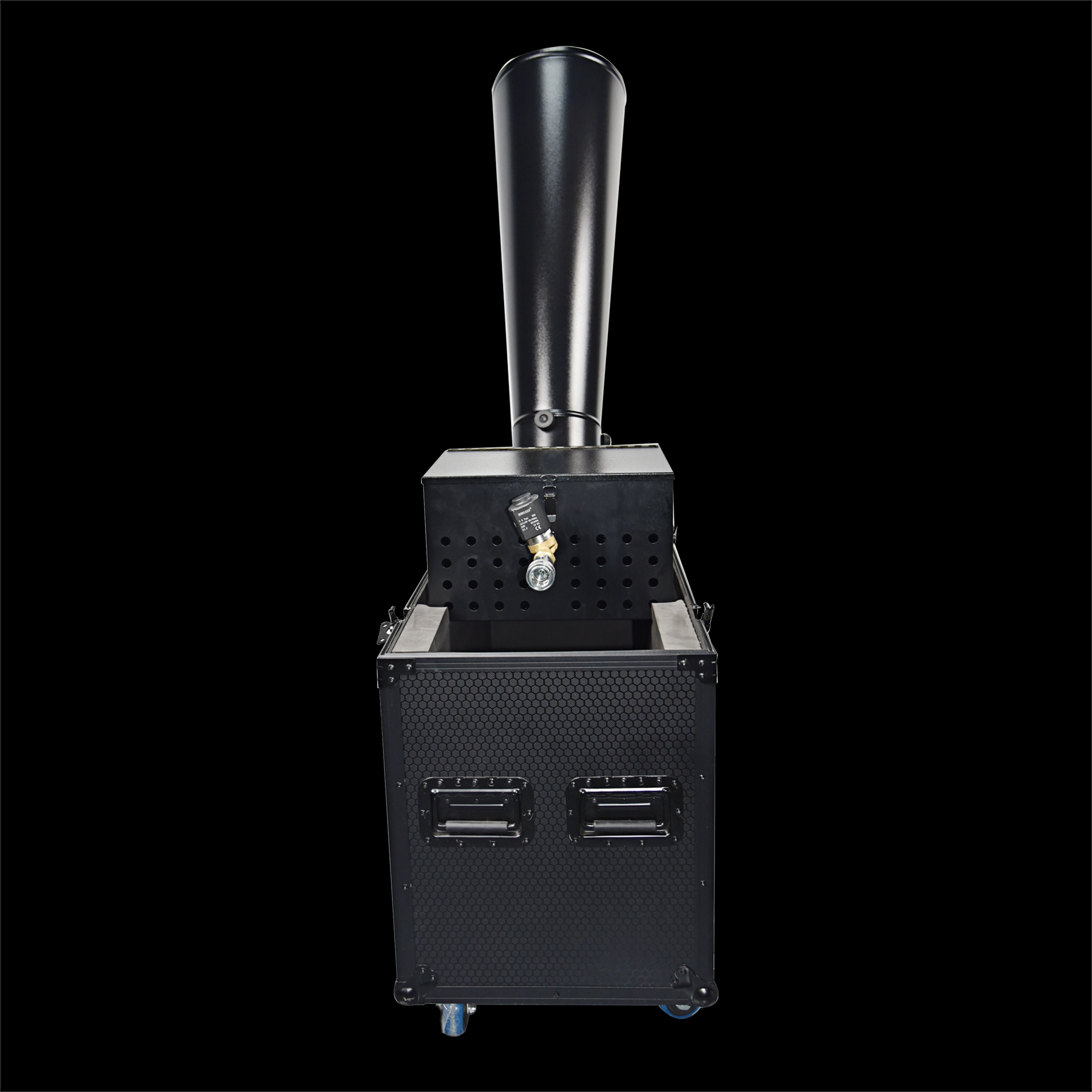
CO₂ Mini Rainbow Confetti Machine Manual Control with Durable Black Wheeled Flight Case
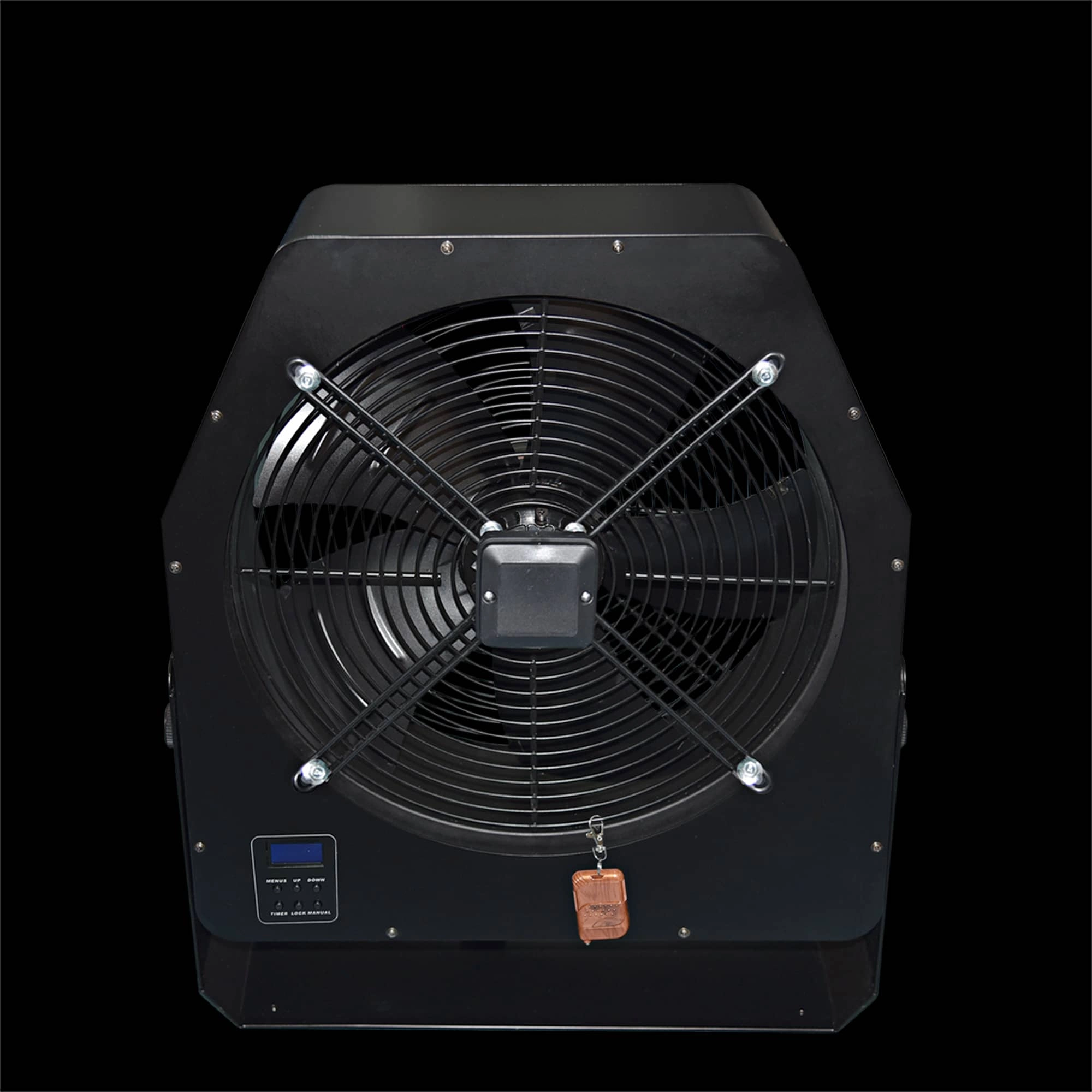
Professional Stage Big DMX Fan | High-Power Event Fan for Stage Shows & Celebrations
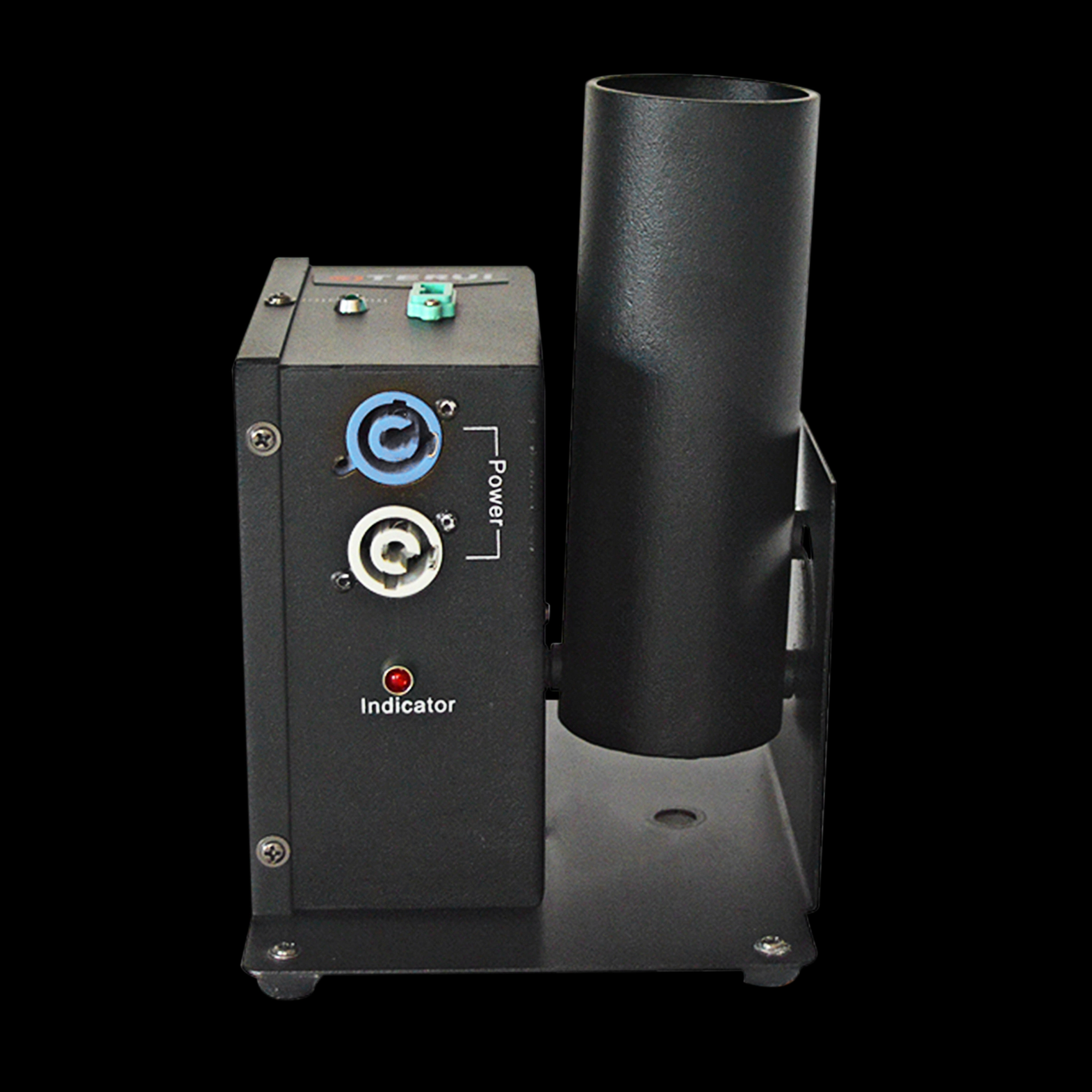
Single Shot Confetti Machine - Premium Confetti Launcher for Weddings & Stage Celebrations
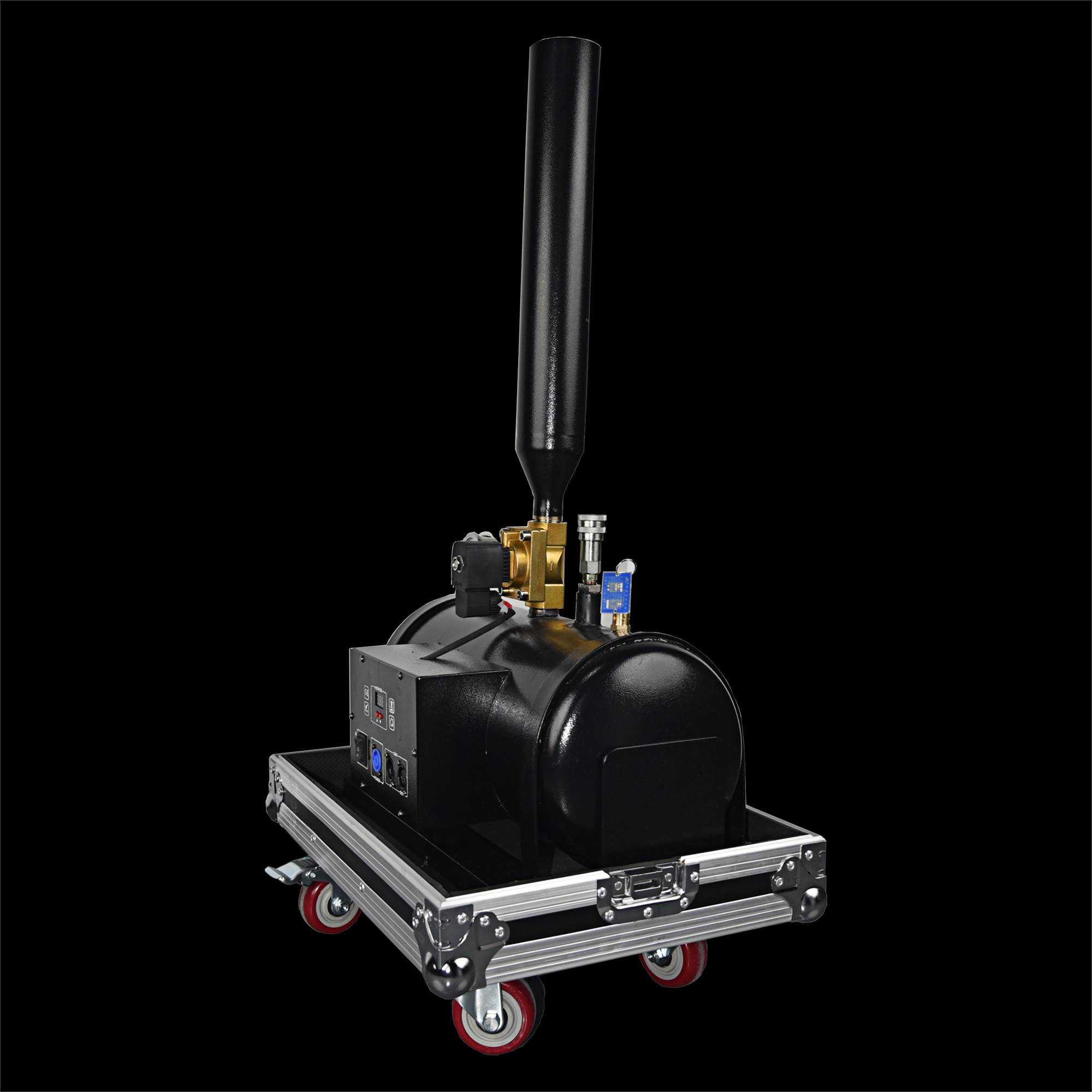
High-Altitude Confetti Cannon - Professional Confetti Blaster for Stage, Party & Celebration Events
Email: sales01@strlighting.com
WhatsApp: +86 189 2232 4800
© 2025 Siterui SFX All Rights Reserved.
 Scan QR Code
Whatsapp: +8618922324800
siteruisfx_stage_equipment
Siterui
SITERUI-SFX
STRlighting
@siterui.sfx