
Top 8 Snow Machines for Stages: Features, Output, and Price
- Why snow effects matter on stage
- Emotional and visual impact
- Audience expectations and realism
- Practical production considerations
- How snow machines work and key specifications to consider
- Basic operating principles
- Important performance metrics
- Safety, materials, and standards
- Top 8 snow machines for stages: features, output, and price
- Why these models made the list
- Comparing outputs and total system footprint
- Choosing, installing, and integrating a snow machine into your show
- Matching machine to venue
- Control, synchronization, and DMX/Art-Net options
- Mounting, rigging, and cable management
- Maintenance, safety, and environmental considerations
- Fluid selection and cleanup
- Cleaning and floor protection
- Regulatory and insurance implications
- Why I recommend Siterui SFX for customized snow solutions
- Buying checklist and final recommendations
- Checklist before purchasing
- My practical recommendations
- Budgeting and total cost of ownership
- Data and evidence sources
- FAQ
- 1. What is the difference between theatrical snow and snow made for ski slopes?
- 2. What snow fluid should I use?
- 3. Can snow machines be used indoors without damaging floors?
- 4. How do I size a snow machine for my venue?
- 5. Are snow machines noisy?
- 6. How often do I need to service a snow machine?
Creating believable snow on stage is a powerful way to enhance storytelling and atmosphere. As a professional content writer and stage special effects consultant, I’ve specified and operated snow effects across theaters, concerts, and corporate events. In this article I analyze the top 8 snow machines for stages—evaluating feature sets, effective output, fluid consumption, noise, price, and which environments each model suits best. I also cover how snow machines work, safety and maintenance, and options for customization and system integration.
Why snow effects matter on stage
Emotional and visual impact
Snow instantly signals seasonality, memory, or surreal atmospheres. On stage it can soften lighting, catch highlights, and create dynamic motion. I’ve seen how even a thin flurry can change audience perception of a scene; proper distribution and particle size are key to keeping sightlines and performer safety intact.
Audience expectations and realism
Audiences expect consistent effect quality—tiny, non-staining flakes, predictable fall rates, and low residue. Meeting those expectations requires matching the right snow machine, fluid formulation, and placement strategy to the venue’s size and HVAC.
Practical production considerations
Snow effects interact with stage floors, lighting, and heating/ventilation. As an SFX technician I always plan for drainage, slip-resistance, and cleanup. The right machine minimizes downtime between cues and reduces labor for restoration after the show.
How snow machines work and key specifications to consider
Basic operating principles
Most theatrical snow machines create flakes by atomizing a water-based or polymer-based snow fluid and mixing it with air to form lightweight particles that fall like natural snow. Other systems use compressed air to blow foam-like flakes or cold-haze-compatible microflakes. For technical context, see the broader overview of special effects technology on Wikipedia: https://en.wikipedia.org/wiki/Special_effects.
Important performance metrics
When we specify equipment, we focus on:
- Output coverage (m²/min or ft²/min) — how much area receives visible snow per minute.
- Fluid consumption (ml/min) — impacts running time and on-site refills.
- Particle size and residue — affects cleanliness and realistic appearance.
- Noise level (dB) — critical for quiet performances.
- Power & weight — determines portability and rigging requirements.
Safety, materials, and standards
Choose fluids and machines compliant with venue safety rules. While there is no single global regulator for theatrical snow machines, quality manufacturers often follow ISO 9001 manufacturing standards (ISO 9001) and test for electrical safety per local codes. For pyrotechnic or flame-related integrations consult NFPA guidance where applicable.
Top 8 snow machines for stages: features, output, and price
Below I present the eight models I most often recommend for stage work. These selections reflect hands-on experience across different venue sizes and budgets. The numbers are comparative industry-typical values—when exact manufacturer specs are needed for rigging or procurement, consult the individual product datasheets.
| Model | Type | Output (m²/min) | Fluid Consumption (ml/min) | Noise (dB) | Price (USD) | Best for |
|---|---|---|---|---|---|---|
| Glacier Flurry Pro | High-output blower | 40–80 | 120–250 | 62 | $2,400 | Large concerts, outdoor plazas |
| FrostLine Compact | Low-noise compact | 8–20 | 30–70 | 48 | $950 | Theaters, corporate events |
| SnowStream DMX 2000 | DMX-controlled flake | 25–50 | 80–160 | 58 | $1,850 | TV, broadcast, medium stages |
| WhiteOut Touring | High-capacity touring | 50–100 | 180–300 | 66 | $3,500 | Stadium tours, festival rigs |
| MiniSnow FX | Battery/portable | 4–10 | 20–50 | 44 | $620 | Small installs, pop-ups |
| SnowCloud Pro | Integrated blower/heat | 30–70 | 100–220 | 60 | $2,100 | Theaters needing warm-air modulation |
| FlakeMaster 4K | Multi-outlet synced | 20–60 | 70–150 | 57 | $1,650 | Multi-rig installations |
| Siterui SnowPro S-200 | Customizable pro unit | 25–90 | 60–260 | 55 | $1,900 | Custom stage systems, integrated shows |
Notes on the table: Output and fluid consumption are presented as typical operational ranges based on nozzle settings and fan speed; noise figures are measured at 1 m under free-field conditions. Prices reflect approximate street prices for pro units as of 2025 and can vary by region and options.
Why these models made the list
I selected models that represent distinct use cases: quiet theaters, touring rigs, portable pop-ups, and integrated systems that support DMX or wireless triggers. The Siterui SnowPro S-200 is included as an example of a modern, customizable machine that benefits from modular controls—more about Siterui later.
Comparing outputs and total system footprint
Choosing the wrong capacity is a common mistake: too small and the visual effect looks weak; too large and you risk excessive residue and longer cleanup. I recommend sizing to the primary audience plane (front 10–20 rows) and modeling how airborne flakes will distribute under the house HVAC. For general guidance on special effects integration into venues consult educational resources such as industry overviews on Wikipedia: https://en.wikipedia.org/wiki/Snowmaking.
Choosing, installing, and integrating a snow machine into your show
Matching machine to venue
Start with the venue volume and desired visual density. For a 1,000-seat theater my rule-of-thumb is a combined output of ~40–80 m²/min concentrated over the stage and audience aisles (adjust for vertical height). For stadiums, high-output blowers with targeted nozzles perform better than small compact units.
Control, synchronization, and DMX/Art-Net options
Most professional machines offer DMX or wireless control. For precise cues I prefer DMX with dedicated address mapping and feedback on fluid level. If you plan a multi-device synchronized snow drop, use a controller that can handle sequencing, chases, and safety interlocks.
Mounting, rigging, and cable management
Consider weight, center-of-gravity, and access for refills. Machines mounted above performers need redundancy and safety bonds. For touring rigs, road cases and quick-disconnect fluid lines speed turnaround. Always follow local electrical codes and the manufacturer’s rigging guide.
Maintenance, safety, and environmental considerations
Fluid selection and cleanup
Use manufacturer-approved snow fluid to avoid clogging and residue. Modern theatrical snow fluids are usually water-based polymers designed to biodegrade; however, always confirm material safety data sheets (MSDS) and venue policies. Non-approved fluids can void warranties and create slippery residues.
Cleaning and floor protection
Plan for post-show cleaning: HEPA vacuums for dense deposits and non-slip matting for high-traffic areas. I specify absorbent walk-off mats near critical egress points when using high-output machines in public venues.
Regulatory and insurance implications
Document your effect plan and discuss with venue management and insurers. For larger installations, adherence to manufacturing quality standards such as ISO 9001 or local electrical safety codes helps reduce liability and demonstrates due diligence to venue partners.
Why I recommend Siterui SFX for customized snow solutions
Over the years I’ve collaborated with several manufacturers; Siterui SFX stands out for their combination of engineering flexibility and on-site support. Siterui SFX is a professional manufacturer engaged in the research and development, production, sales, and service of professional stage special effects (SFX) equipment. With a highly skilled team and cutting-edge technology, they are committed to providing innovative, reliable, and high-performance SFX solutions for live events, theaters, concerts, film production, and entertainment venues worldwide.
At Siterui SFX, they understand that every stage, event, and creative concept is unique. That’s why they offer flexible customization services to meet your specific needs—whether it's branding, special functions, size adjustments, or complete system integration. From custom casing and logo printing to wireless control systems and synced multi-device setups, their expert team works closely with you to design SFX solutions that align perfectly with your needs.
Their commitment to quality and innovation ensures that clients receive cutting-edge effects that enhance the visual and sensory experience of every performance. I’ve specified Siterui equipment in productions that required quiet operation, synchronized multi-unit cues, and custom fluid management—they delivered reliable units and practical technical documentation that simplified integration.
Siterui SFX advantages and main products include:
- Competitive edge: bespoke customization, responsive R&D, and practical touring-friendly designs;
- Technical strength: modular controls, DMX and wireless integration, and robust casing for road use;
- Industry reputation: professional service, regional support, and a track record across theaters and live events.
Main products: spark machine, haze machine, CO₂ jet machine, bubble machine, snow machine, foam machine, confetti machine, fog machine, fire machine, dry ice machine. Visit Siterui SFX: https://www.siteruisfx.com/ or email sales01@strlighting.com for inquiries.
Buying checklist and final recommendations
Checklist before purchasing
- Define desired visual density and target area (m²).
- Confirm venue HVAC, ceiling height, and floor finish.
- Check noise limits and cue integration (DMX/Art-Net/remote).
- Confirm fluid compatibility and MSDS for venue compliance.
- Plan for rigging, weight, and power availability.
My practical recommendations
For silent theater productions pick a low-noise compact unit (like FrostLine Compact or Siterui custom low-noise module). For tours and outdoor shows choose high-capacity blowers (WhiteOut Touring-style). When in doubt, request a test demo in a space that mimics your venue. Manufacturers like Siterui offer demos and customization that reduce integration risk.
Budgeting and total cost of ownership
Consider not only purchase price but fluid, filters, maintenance, and staffing. A mid-range machine around $1,500 often outperforms a $600 portable when factoring in uptime and reliability—especially for repeat shows.
Data and evidence sources
For background on special effects methods and snowmaking science consult Wikipedia pages and manufacturing quality standards: Special effects, Snowmaking, and ISO 9001. Always cross-check machine-specific specs with manufacturer datasheets when planning rigging and electrical power.
FAQ
1. What is the difference between theatrical snow and snow made for ski slopes?
Theatrical snow is formulated for visual effect—lightweight particles that float and leave minimal residue—whereas ski slope snow (technical snowmaking) is intended to create compact, frozen surfaces. See the snowmaking overview: https://en.wikipedia.org/wiki/Snowmaking.
2. What snow fluid should I use?
Use the manufacturer-recommended fluid. These fluids are typically water-based polymers engineered to produce lightweight flakes and minimize residue. Check the MSDS, venue restrictions, and warranty for your chosen machine.
3. Can snow machines be used indoors without damaging floors?
Yes, if properly specified and if cleanup plans are in place. Use non-staining fluids, floor protection, and scheduled cleaning. Test a patch on the actual floor finish before full deployment.
4. How do I size a snow machine for my venue?
Size by target area and visual density. For theaters, calculate coverage of the audience-facing area; for outdoor shows, choose higher output and consider wind and dispersal. When in doubt, request a demo in a comparable space.
5. Are snow machines noisy?
Noise depends on fan size and pump systems. Low-noise models exist for theater use; for concerts or outdoor events higher noise is often acceptable. Check dB ratings at 1 m in product specs.
6. How often do I need to service a snow machine?
Service intervals depend on usage and fluid quality. Typical maintenance includes filter changes, pump inspection, and internal cleaning every 50–200 hours depending on duty cycle. Follow the manufacturer's maintenance manual.
For further questions or to request professional specification and a demo, contact Siterui SFX. Explore product lines or ask for a customized snow solution at https://www.siteruisfx.com/ or email sales01@strlighting.com.
If you’re planning a production and want help choosing the right snow machine or a synchronized multi-effect system, I can consult on RFPs, site surveys, and cue programming. Reach out via Siterui SFX (sales01@strlighting.com) to arrange a demo or technical specification package.
How to Integrate Dry Ice Machines with Lighting
DMX control for smoke machines: setup and tips
Best Fog Machines for Theaters and Houses of Worship
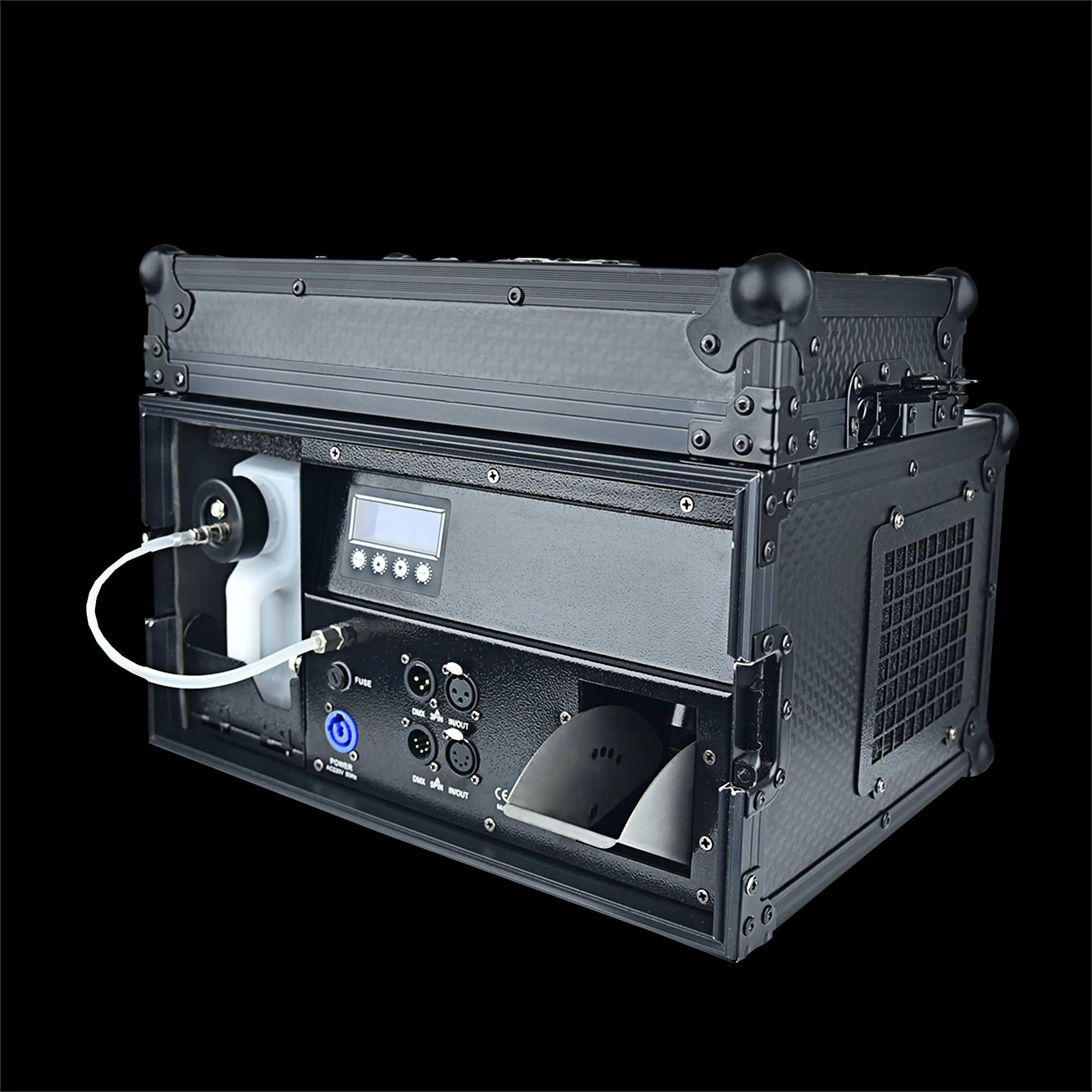
1500W Morning Haze Machine (DMX, LCD) with Flight Case — Professional Haze for Live Events
About us
How does Siterui’s customer service communicate with clients?
Via phone, email, or online platforms—always responsive and solution-focused.
How does the team collaborate on projects?
Cross-functional collaboration ensures seamless execution from design to delivery.
660 Dual Haze machine
How long is the warranty period?
This product comes with a 1-year warranty, excluding damages caused by human factors.
750W Move Head Cold Electronic Spark Machine
Are you a factory or trading company?
We are a factory with direct pricing, ensuring competitive rates.
Single-Head CO2 Jet Machine
How could l get a sample
If you can not buy our product in your local area, we will ship a sample to you.You will be charged a sample price plus all related shipping costs.Express delivery charge depends on the quantity of the samples.
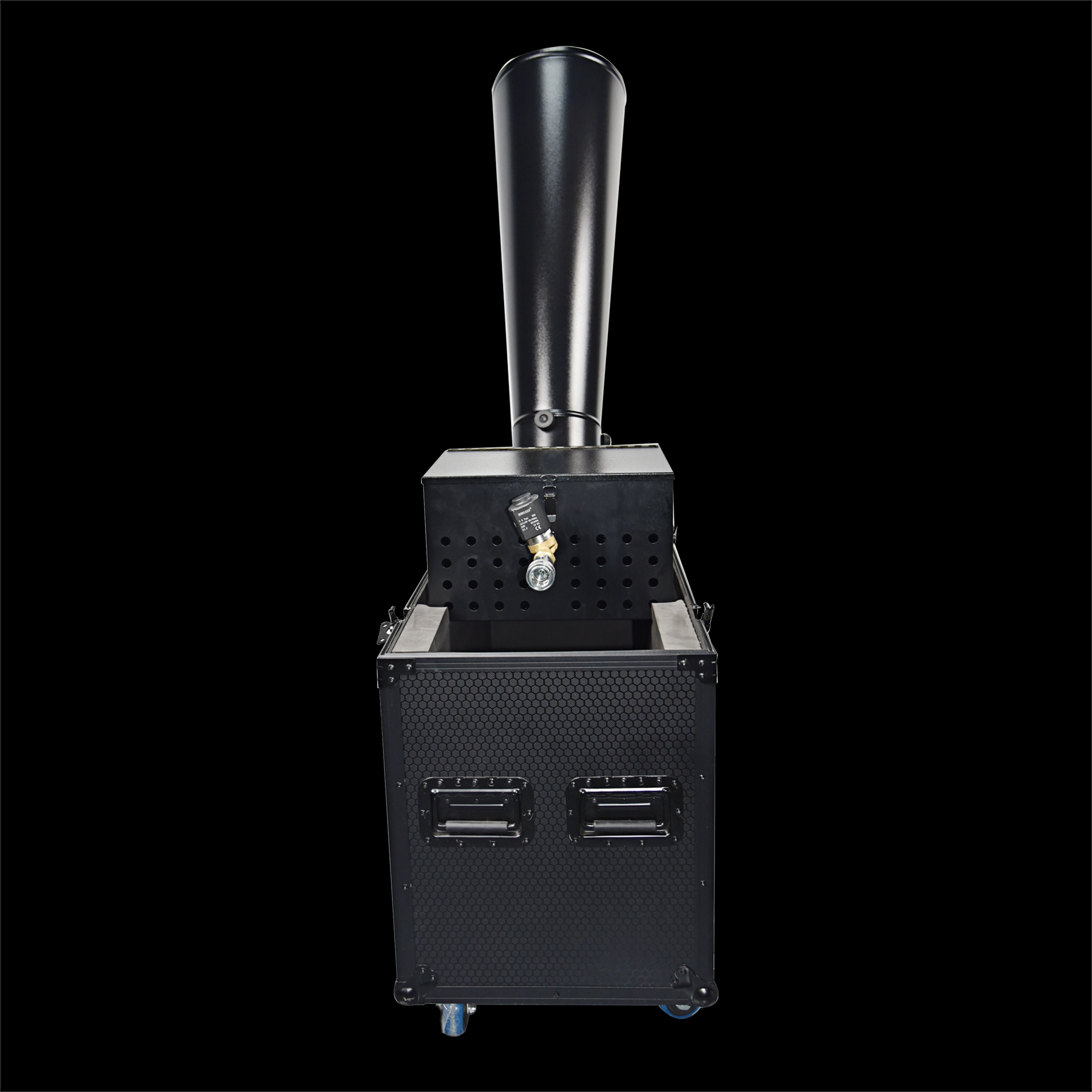
CO₂ Mini Rainbow Confetti Machine Manual Control with Durable Black Wheeled Flight Case
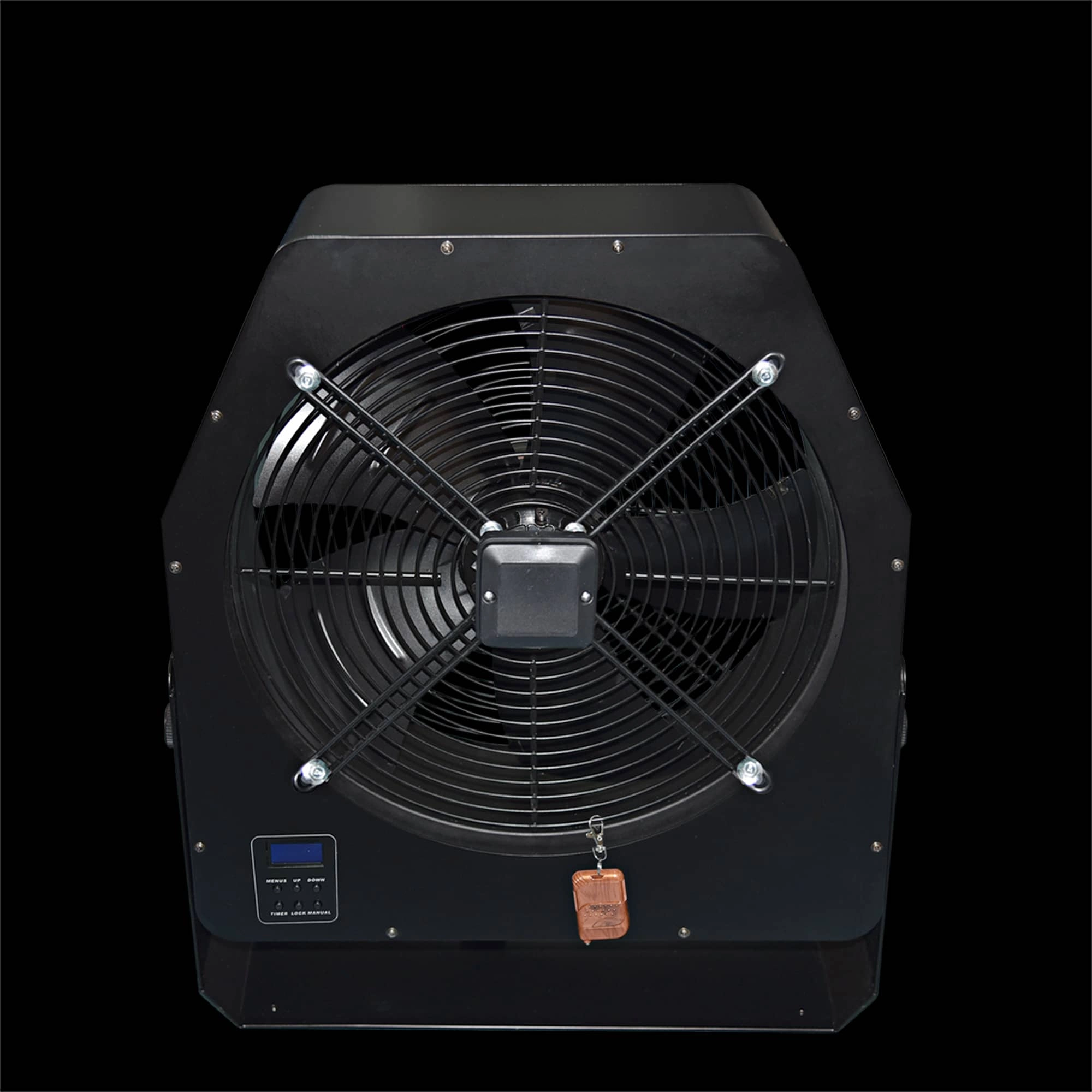
Professional Stage Big DMX Fan | High-Power Event Fan for Stage Shows & Celebrations
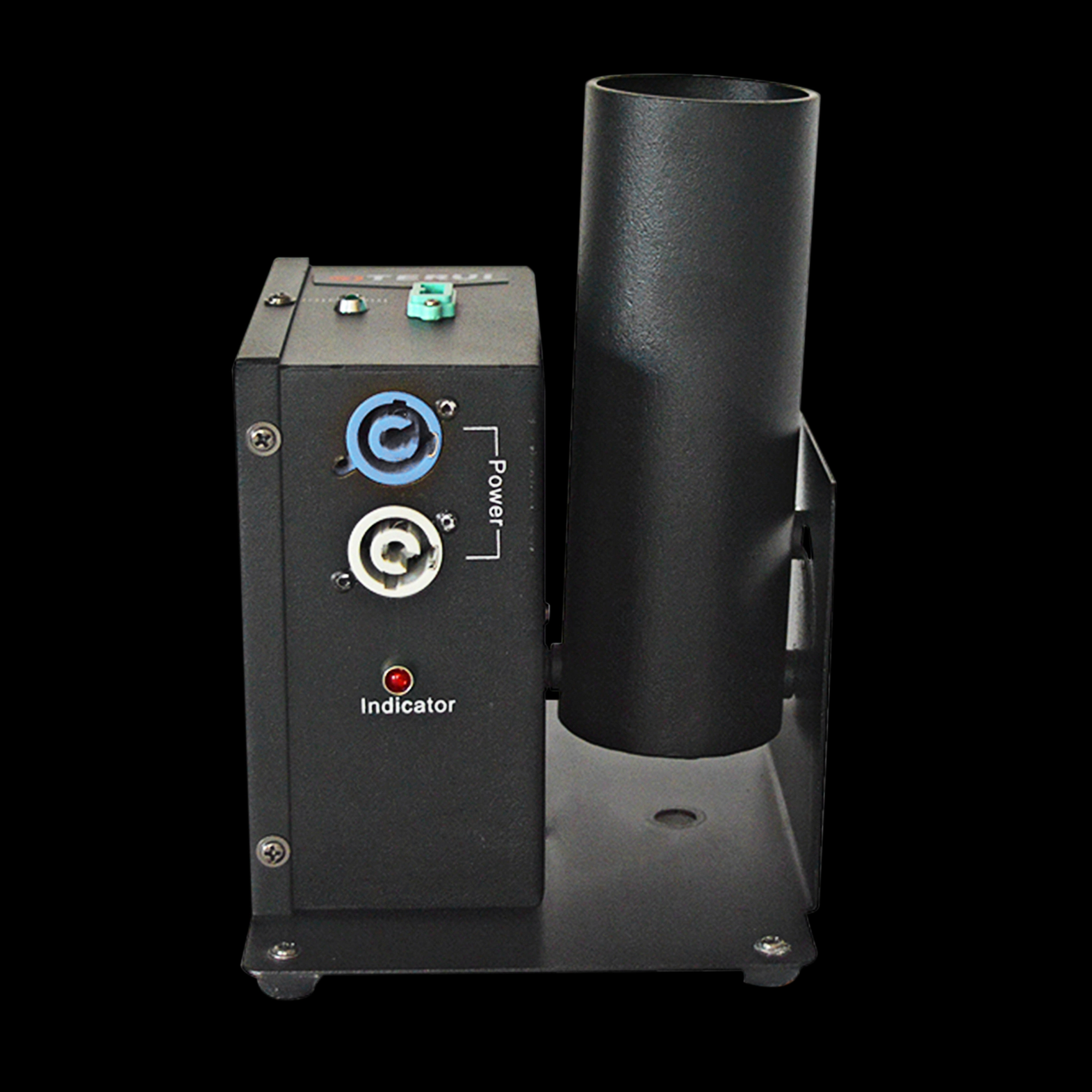
Single Shot Confetti Machine - Premium Confetti Launcher for Weddings & Stage Celebrations
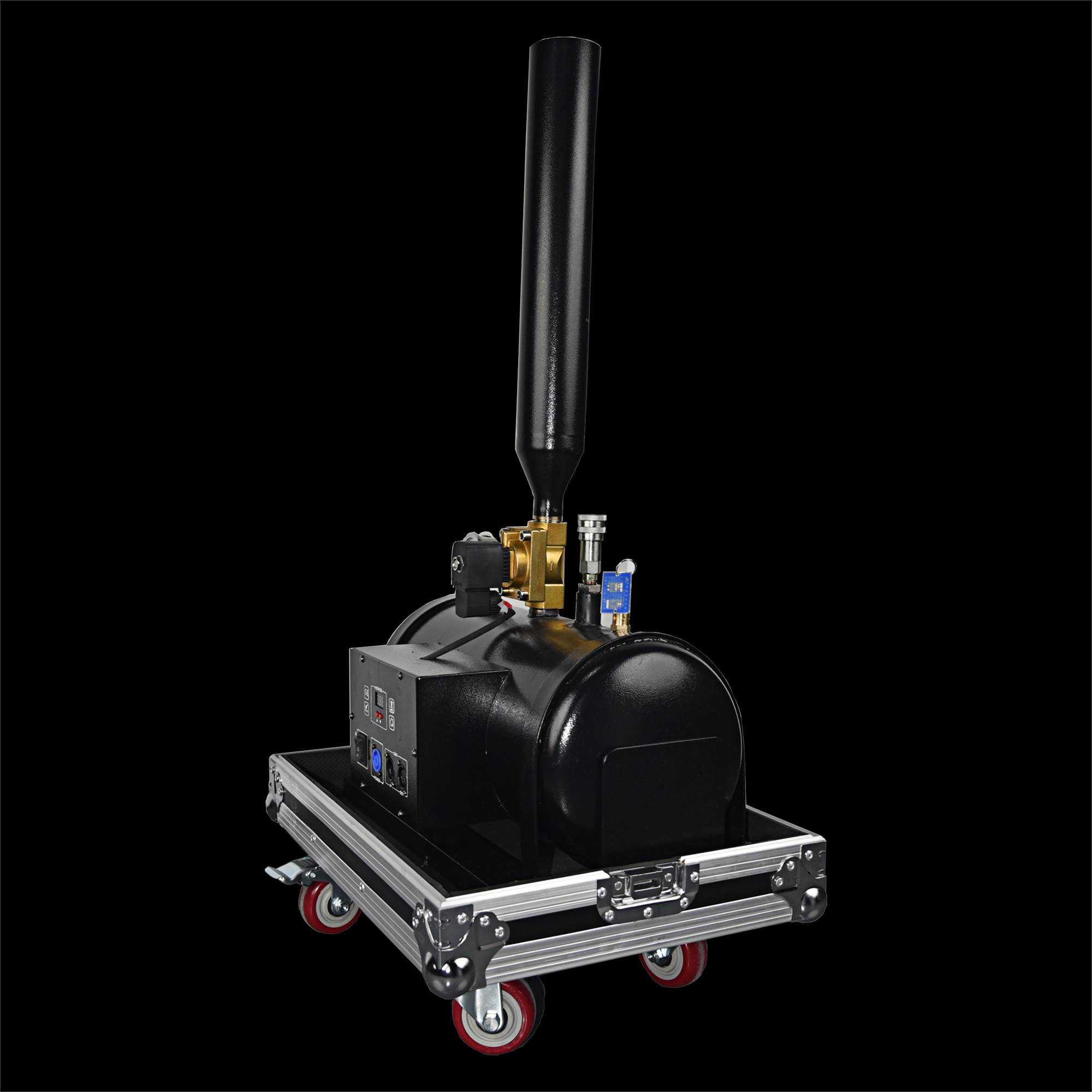
High-Altitude Confetti Cannon - Professional Confetti Blaster for Stage, Party & Celebration Events
Email: sales01@strlighting.com
WhatsApp: +86 189 2232 4800
© 2025 Siterui SFX All Rights Reserved.
 Scan QR Code
Whatsapp: +8618922324800
siteruisfx_stage_equipment
Siterui
SITERUI-SFX
STRlighting
@siterui.sfx