
Top Industrial Haze Machines for Large-Scale Events
- Understanding Haze: Why the Right Machine Changes the Event
- What haze does for large-scale productions
- Common production goals that drive selection
- Key Technical Factors When Choosing a Haze Machine
- Output and coverage — what numbers actually mean
- Fluid type and particle persistence
- Control, integration and automation
- Top Machine Categories and How They Stack Up
- Continuous-water hazers (best overall for large-scale events)
- High-output pulsed hazers and foggers (burst style)
- Distributed low-output units (networked arrays)
- Recommended Machines & Brands for Large-Scale Events
- Industry leaders and why they matter
- Sample recommendations and deployment notes
- Operational Best Practices: Safety, Maintenance and Venue Integration
- Safety and alarms — plan ahead
- Maintenance and lifecycle costs
- Testing and rehearsal recommendations
- Siterui SFX — Professional Manufacturing and Custom Solutions
- Who Siterui SFX is
- Siterui SFX product strengths and main offerings
- Why choose Siterui SFX for large-scale haze solutions
- Buying Checklist & Deployment Plan
- Pre-purchase checklist
- Deployment plan template (basic)
- FAQ
- 1. What is the difference between haze and fog?
- 2. Will haze trigger fire alarms?
- 3. How many haze machines do I need for a large arena?
- 4. Are water-based fluids safe for instruments and skin?
- 5. What controls should I insist on for touring shows?
- Contact & Product Enquiries
- References
Understanding Haze: Why the Right Machine Changes the Event
What haze does for large-scale productions
Haze machines create a thin, persistent aerosol that enhances lighting beams, laser effects, and depth on camera without obscuring sightlines. For concerts, festivals, film sets, and large theatrical productions, professional haze delivers consistent visual texture while remaining manageable by venue HVAC and safety protocols. Choosing the correct haze machine is a balance of output, particle character, controllability, maintenance, and safety compliance.
Common production goals that drive selection
Large-scale events typically require: sustained output for long set runs, low fluid consumption, even distribution across wide spaces, DMX or networked control for timed cues, and reliable multi-device synchronization. Budget, portability, and local regulations (indoor vs outdoor use, public-safety alarm activation) also impact choice.
Key Technical Factors When Choosing a Haze Machine
Output and coverage — what numbers actually mean
Machine output is typically quoted as grams or cubic meters per minute, or as qualitative coverage (small/medium/large venues). For large arenas or outdoor festival stages look for continuous-output hazers designed for long runtime and distributed placement. Rather than relying on single-machine max output claims, plan total output as the sum of networked units and verify with on-site tests: lighting density, airflows, and audience sightlines change perceived haze density.
Fluid type and particle persistence
Two primary haze fluids dominate: water-based (glycol/water) and oil-based. Modern water-based fluids produce fine particles that linger and are safe for most venues and equipment; oil-based fluids historically gave longer persistence but can be greasy and require more cleaning. Check manufacturer fluid specifications, MSDS, and venue ventilation requirements before committing to a fluid type.
Control, integration and automation
Professional events need reliable control: DMX512, Art-Net/sACN, wireless triggers, and simple onboard timers. For multi-device synchronization across a large stage, prefer devices that support wired network control or centralized controllers. Features such as proportional output (variable intensity), remote fluid level sensing, and preheat/standby modes improve operational workflow and safety.
Top Machine Categories and How They Stack Up
Continuous-water hazers (best overall for large-scale events)
Designed to run for long periods with minimal pulsing and quick recovery. Pros: consistent thin haze, low fluid consumption per visible hour, good for beam definition. Cons: typically higher upfront cost and heavier units.
High-output pulsed hazers and foggers (burst style)
Provide dense bursts used for dramatic cues (CO₂ jets and foggers fall here). Pros: powerful visual impact on cue. Cons: not intended for continuous atmospheric haze; can overwhelm sightlines and trigger alarms if misused.
Distributed low-output units (networked arrays)
Multiple low-to-mid output hazers placed strategically around stage and venue provide even coverage and redundancy. Pros: better control of distribution and redundancy; often lower risk of localized over-saturation. Cons: increased logistics (power, mounting, control cabling).
| Category | Typical Use | Pros | Cons |
|---|---|---|---|
| Continuous water-based hazers | Arenas, concert tours, long runs | Even texture, low residue, sustained runtime | Higher cost, heavier |
| Pulsed high-output fog/haze | Special cues, pyrotechnic complements | Immediate dramatic density | Short runs, potential alarms, residue risk |
| Distributed low-output units | Large stages, stadiums | Even coverage, redundancy, flexible placement | More devices to manage and maintain |
Recommended Machines & Brands for Large-Scale Events
Industry leaders and why they matter
When specifying haze for major productions, choose manufacturers with proven service networks, available replacement parts, and well-documented control protocols. MDG, Look Solutions, Antari, Le Maitre and Chauvet (among others) supply machines used on tours and in rental inventories globally. These vendors prioritize reliability, long-run cooling and fluid management features essential for back-to-back events.
Sample recommendations and deployment notes
Below are representative machine classes and typical deployment strategies used by production professionals. Exact model choice depends on venue size, run schedule, and budget.
| Machine / Class | Best for | Deployment tips |
|---|---|---|
| High-capacity continuous water-based hazer (professional tour class) | Arenas, touring shows with long set durations | Mount 1–3 per side at FOH and backline; use DMX/network control and remote fluid sensors; allow HVAC balancing |
| Distributed low-output hazers (rental fleet approach) | Stadiums, large festival stages | Place multiple units across the stage roof and wings; zone control for matched density across light plots |
| Pulsed fog/haze devices (cue-driven effects) | One-off dramatic moments, film takes | Use with coordinated cues and pyrotechnics team; confirm alarm and ventilation mitigation plans |
Operational Best Practices: Safety, Maintenance and Venue Integration
Safety and alarms — plan ahead
Consult venue operations and fire marshals before running haze. Modern hazes are typically safe but dense output can trigger smoke detectors. Solutions include detector masking/covering (where permitted), HVAC timing, or using localized venting and low-output distributed haze. Always have manufacturer MSDS and operation manuals on hand.
Maintenance and lifecycle costs
Major cost drivers beyond purchase price: fluid consumption, regular cleaning, pump and heater servicing, and spares (nozzles, gaskets, PCB modules). For rental and tour inventories, standardize on a small set of machines to simplify spare part stocks and technician training.
Testing and rehearsal recommendations
Run full-output tests during technical rehearsals with final lighting states and HVAC running. Measure haze persistence and redistribution after breaks. Document DMX scenes and label machine addresses. Confirm fog/haze fluid supply chain for multi-day events or international tours.
Siterui SFX — Professional Manufacturing and Custom Solutions
Who Siterui SFX is
Siterui SFX is a professional manufacturer engaged in the research and development, production, sales, and service of professional stage special effects (SFX) equipment. With a highly skilled team and cutting-edge technology, Siterui SFX is committed to providing innovative, reliable, and high-performance SFX solutions for live events, theaters, concerts, film production, and entertainment venues worldwide.
Siterui SFX product strengths and main offerings
Siterui SFX offers a wide product range including spark machines, haze machines, CO₂ jet machines, bubble machines, snow machines, foam machines, confetti machines, fog machines, fire machines and dry ice machines. Key advantages include flexible customization (branding, special functions, size adjustments), integrated wireless control, and synced multi-device setups. Their focus on quality and post-sale service makes them a competitive partner for rental houses and touring productions.
Why choose Siterui SFX for large-scale haze solutions
Siterui distinguishes itself through customizable casings and logos, the ability to tailor outputs and control interfaces, and support for system integration (DMX, Art-Net, wireless). For productions that require bespoke housings, integrated racks, or synchronized fleets, Siterui provides an end-to-end service from specification to after-sales maintenance.
Buying Checklist & Deployment Plan
Pre-purchase checklist
- Define required coverage and runtime (per show/day).
- Decide fluid type and verify MSDS compatibility with venue policies.
- Confirm control protocol compatibility (DMX, Art-Net, wireless).
- Request manufacturer or rental house references for similar event types.
- Plan spares: additional nozzles, fluid, replacement pumps, and fuses.
Deployment plan template (basic)
- Site survey: note HVAC direction, rig points, detector locations.
- Design device layout: FOH, stage wings, flown positions.
- Program DMX scenes and pre-sets; label each unit physically and in the console.
- Technical rehearsal with full lighting & HVAC to validate haze levels.
- Document fluid consumption and refill plan for show days.
FAQ
1. What is the difference between haze and fog?
Haze creates a fine, persistent aerosol that subtly reveals lighting beams without obscuring vision; fog produces denser, cloud-like bursts used for dramatic moments. Haze is preferred for sustained beam effects and broadcast-friendly visuals.
2. Will haze trigger fire alarms?
It can if haze accumulates near smoke detectors. Work with venue staff and fire authorities to plan ventilation, detector masking (where permitted), or use distributed low-output hazers that avoid localized clouding. Always follow local safety regulations.
3. How many haze machines do I need for a large arena?
There is no one-size-fits-all number. Many arenas use a combination of 2–6 high-capacity hazers or a larger number of distributed low-output units. Perform an on-site test during tech rehearsal to finalize the count based on lighting density and HVAC flow.
4. Are water-based fluids safe for instruments and skin?
Water-based glycol fluids used in modern hazers are designed to be low-residue and safe for skin contact in typical exposure scenarios. Always consult the fluid MSDS and manufacturer's guidance and clean stage surfaces periodically.
5. What controls should I insist on for touring shows?
Insist on DMX512 compatibility, Art-Net or sACN for larger networks, remote fluid monitoring, and easily replaceable components. Wireless backup triggering and clear addressing simplify rapid linechecks during load-in.
Contact & Product Enquiries
For tailored haze solutions, multi-device integration, and custom housings, contact Siterui SFX to discuss specification, customization, and global support. Explore their haze machines and full SFX product range to match your event size and artistic goals. Request a quote or consultation to assess the right fleet, control strategy, and maintenance plan for your production.
References
- Theatrical smoke and fog — Wikipedia. https://en.wikipedia.org/wiki/Theatrical_smoke_and_fog (accessed 2026-01-08)
- MDG Fog — Official manufacturer site (product and technical white papers). https://www.mdgfog.com/ (accessed 2026-01-08)
- Look Solutions — Official manufacturer site (hazers and rental information). https://www.looksolutions.com/ (accessed 2026-01-08)
- Antari — Official manufacturer site (professional hazers and foggers). https://www.antari.com/ (accessed 2026-01-08)
- Le Maitre — Special effects manufacturer and safety information. https://www.lemaitreltd.com/ (accessed 2026-01-08)
- Chauvet Professional — Product lines for professional fog and haze. https://www.chauvetprofessional.com/ (accessed 2026-01-08)
For further assistance comparing models or to request a custom SFX specification, contact Siterui SFX for expert consultation and product demos tailored to your event profile.
How to choose the right fluid to avoid machine damage
The latest trends for confetti snow machine
The colored fog machine Cost Guide
How to Use Fog Machines Safely on Stage
1500W Professional Snow Machine
Is the snow safe for indoor use?
Absolutely! The snow fluid is non-toxic, biodegradable, and leaves no
residue.
About us
Does Siterui operate globally?
Yes! Our international team serves clients across regions with localized support.
CO2 Mini Rainbow Confetti Machine
How do I refill CO2 cartridges?
Simply unscrew the empty cartridge and replace it with a new one—no tools required.
Single-Head CO2 Jet Machine
Can this machine be used outdoors?
Yes, but avoid extreme weather conditions to ensure longevity and performance.
1500W 24x3W LED fog machine
How does your factory do regarding quality control
All the products will be 100% checked before the shipment
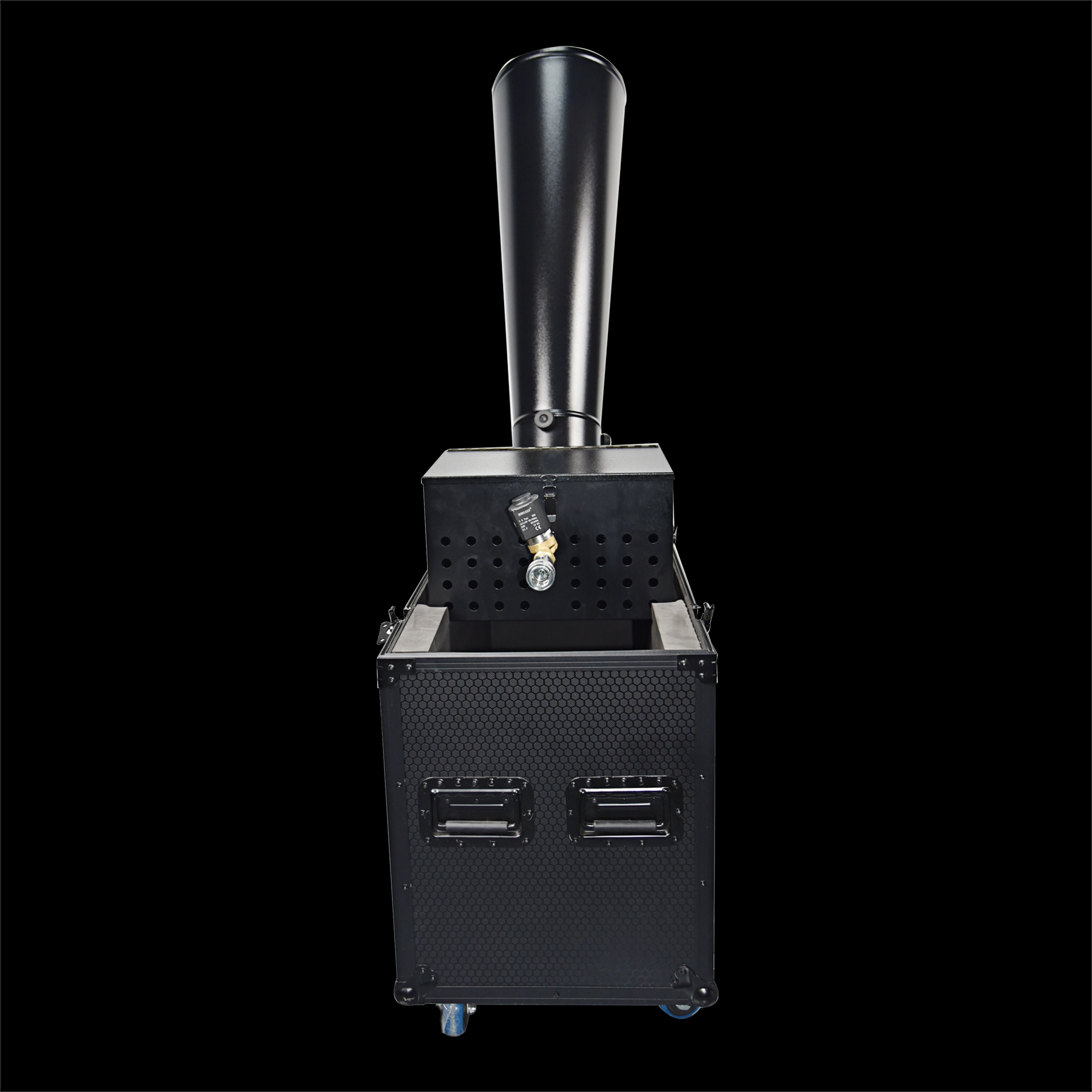
CO₂ Mini Rainbow Confetti Machine Manual Control with Durable Black Wheeled Flight Case
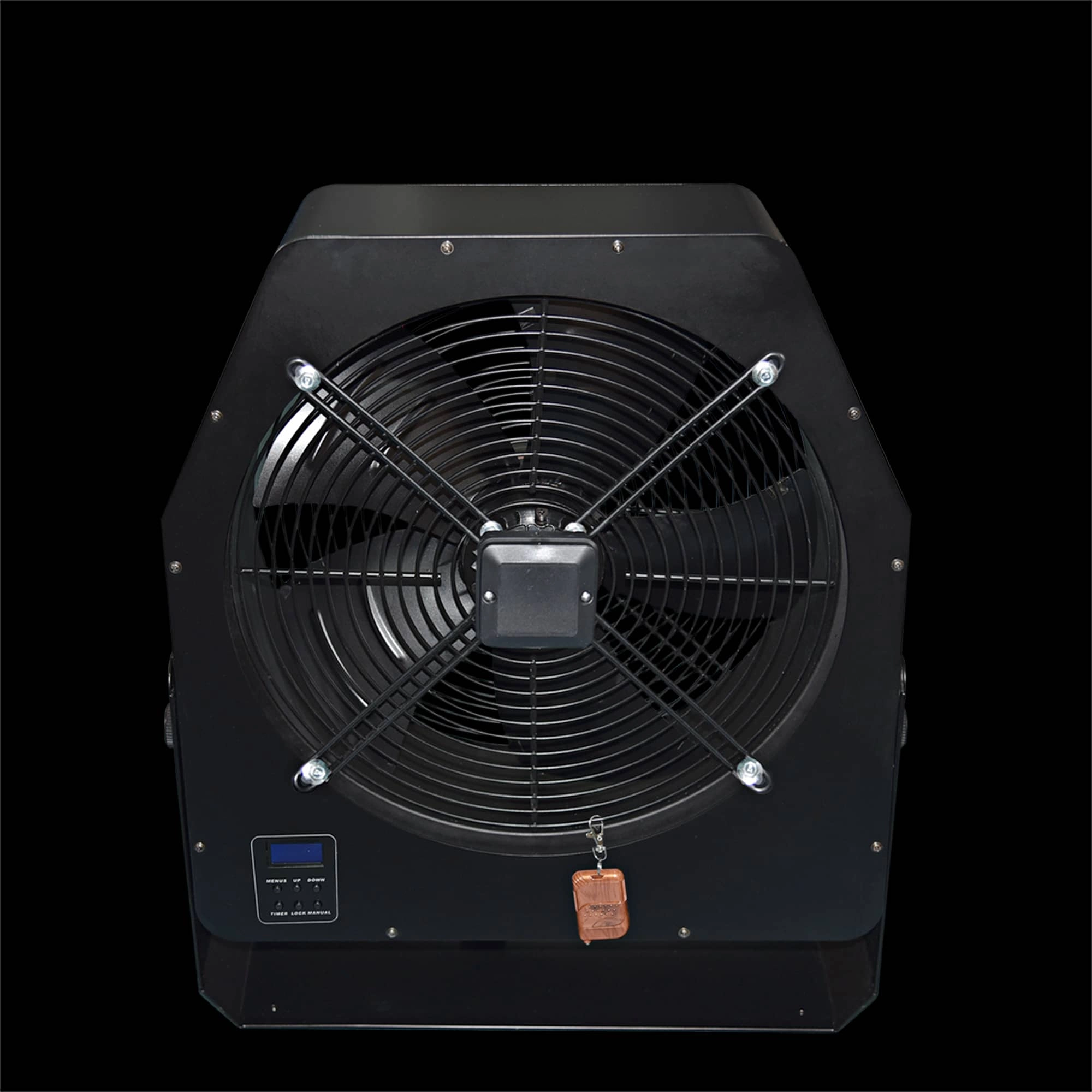
Professional Stage Big DMX Fan | High-Power Event Fan for Stage Shows & Celebrations
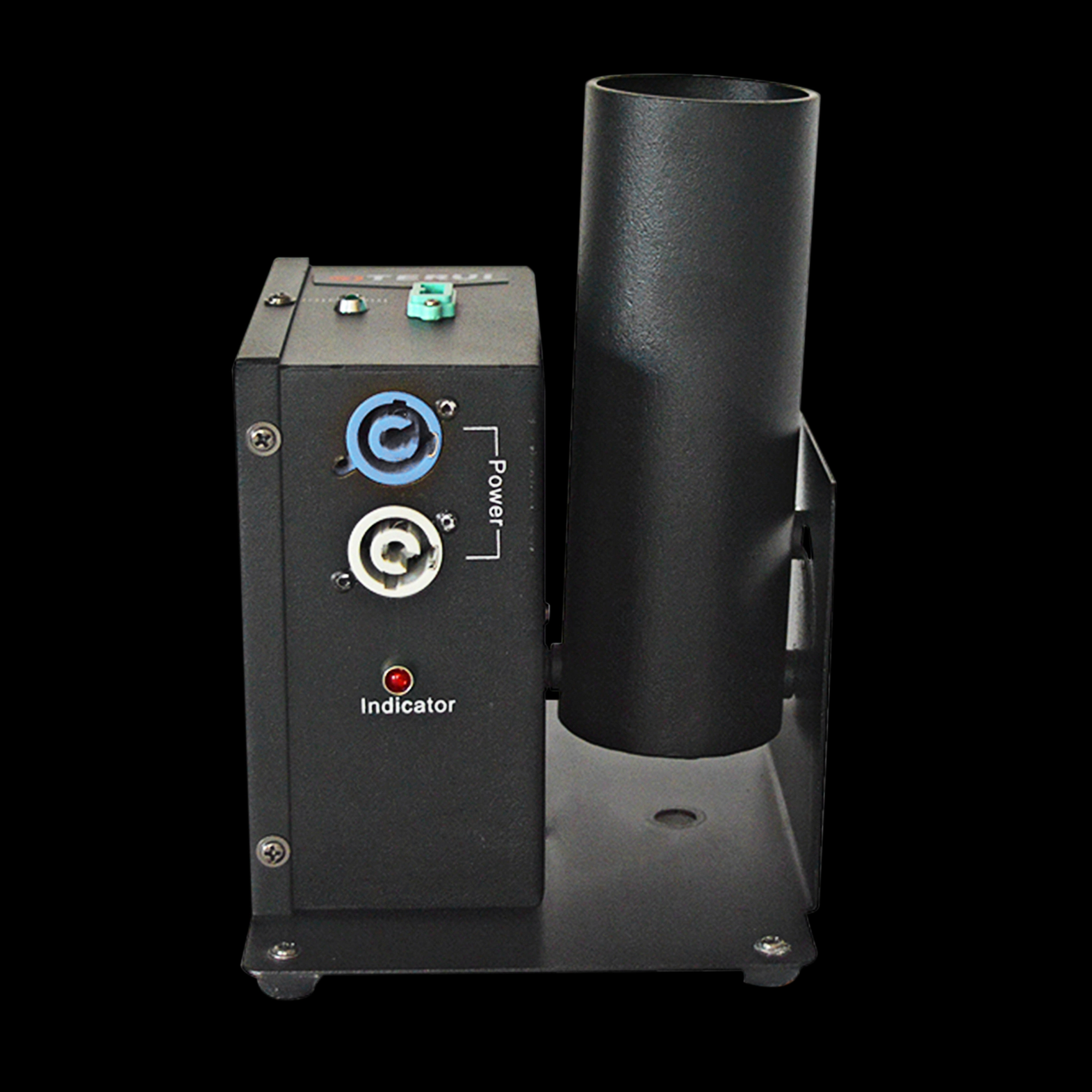
Single Shot Confetti Machine - Premium Confetti Launcher for Weddings & Stage Celebrations
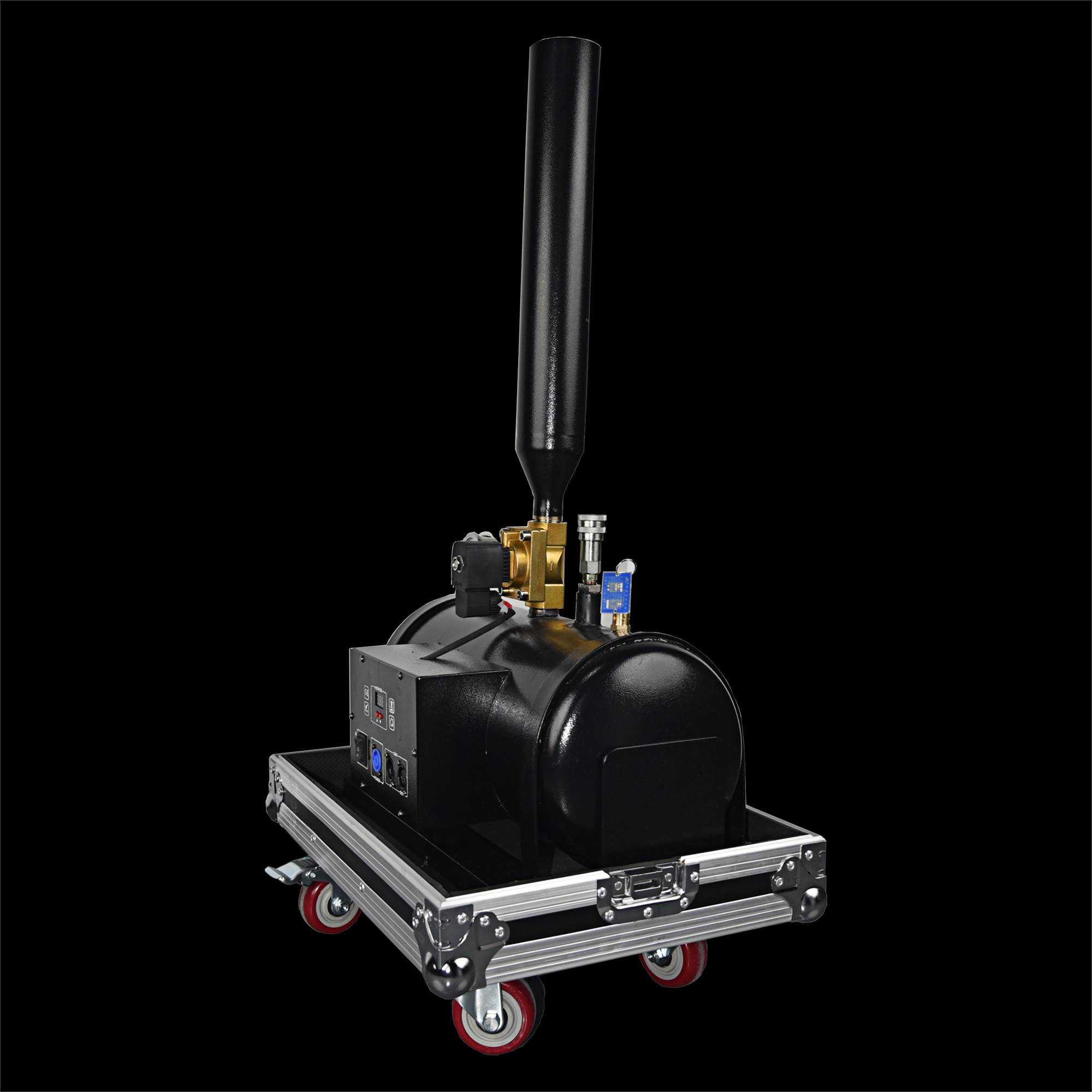
High-Altitude Confetti Cannon - Professional Confetti Blaster for Stage, Party & Celebration Events
Email: sales01@strlighting.com
WhatsApp: +86 189 2232 4800
© 2025 Siterui SFX All Rights Reserved.
 Scan QR Code
Whatsapp: +8618922324800
siteruisfx_stage_equipment
Siterui
SITERUI-SFX
STRlighting
@siterui.sfx