
Using a hazer for film and photography shoots
- Why atmosphere matters: haze in visual storytelling
- Understanding the purpose of a hazer on set
- : choosing the right hazer for film and photography
- Hazer vs fog machine: which to use and when
- Core differences and use cases
- Selecting the right hazer: fluid types, machine styles, and output
- Water-based vs oil-based haze fluids
- Continuous vs chilled-haze vs particle size considerations
- Placement and density control: practical techniques for consistent results
- Placement strategies for film sets and photo studios
- Measuring and maintaining haze density
- Control systems and synchronization: DMX, wireless, and multi-unit setups
- Integrating hazers into lighting workflows
- Timing and ramp strategies
- Safety, health, and venue considerations
- Respiratory safety and allergen concerns
- Building systems, fire alarms, and permits
- Maintenance, cleaning, and long-term reliability
- Daily and preventive maintenance
- Troubleshooting common problems
- Cost, rental considerations, and production budgeting
- Buy vs rent: decision factors
- Siterui SFX: professional hazers and integrated SFX solutions
- Why consider Siterui SFX for haze machines and special effects
- Customization, integration, and product range
- Core advantages and recommended products for film/photo work
- Practical shooting recipes and case examples
- Example setups
- FAQ
- 1. What is the difference between a hazer and a fog machine?
- 2. Is haze safe to use around actors and crew?
- 3. How do I prevent haze from triggering smoke alarms?
- 4. How long should I run the hazer before shooting?
- 5. Can haze damage camera or lighting equipment?
- 6. How many hazers do I need for a large set?
- Contact and product inquiry
- References
Why atmosphere matters: haze in visual storytelling
Understanding the purpose of a hazer on set
Using a hazer on film and photography shoots is not about adding visible smoke for its own sake; it’s about shaping light. Haze subtly scatters light and makes beams, shafts, and texture visible to the camera, increasing perceived depth and mood without obscuring subjects. Cinematographers and photographers use haze to enhance backlight, rim light, and volumetric effects, to sell a location or create atmosphere consistently across takes.
: choosing the right hazer for film and photography
When searching for a hazer for film or a haze machine to buy or rent, decisions should be driven by scene requirements: persistence (how long haze remains), particle size (affects diffusion and visibility), output control (continuous vs burst), and compatibility with control systems (DMX/Wi‑Fi). This article gives practical guidance to select, deploy, and maintain hazers so you can achieve predictable, repeatable atmospheric effects on set.
Hazer vs fog machine: which to use and when
Core differences and use cases
Hazers produce a fine, even mist that lingers and makes light beams visible with minimal opacity. Fog machines produce denser, shorter-lived plumes for dramatic short-term effects. For most narrative film and controlled photography work where continuity and subtlety are needed, a hazer is the preferred tool.
| Feature | Hazer | Fog Machine |
|---|---|---|
| Particle size | Very fine, uniform | Larger droplets, less uniform |
| Persistence | Longer, hangs in the air (minutes to hours with low airflow) | Shorter-lived, disperses or dissipates quickly |
| Control | Precise output control (continuous, variable), often DMX | Often burst-based, less granular control |
| Best for | Volumetric light, continuity, image clarity | Pop-up dramatic effects, music video drops |
Sources for these distinctions include manufacturers and industry guides (see references).
Selecting the right hazer: fluid types, machine styles, and output
Water-based vs oil-based haze fluids
Haze fluids are formulated either water-based (glycol/water blends) or oil-based. Water-based fluids are most common in film and photography because they leave less residue and clean up easily. Oil-based fluids can produce a slightly different sheen and may linger differently on surfaces; they’re more common in live entertainment. For indoor film/photo shoots where sensitive equipment and costumes are present, choose high-quality water-based haze fluid rated for indoor use.
Continuous vs chilled-haze vs particle size considerations
Some hazers use ultrasonic or specialized heating to produce extremely fine particles (often marketed as chilled-haze) that are optimal where very low visual density but long persistence is needed. Check manufacturer specifications for recommended particle size or MMD (mean mass diameter) if available. For most cinematography work a mid- to low-output continuous hazer with adjustable fan is sufficient.
Placement and density control: practical techniques for consistent results
Placement strategies for film sets and photo studios
- Position hazers low when you want a floor-level veil (hidden behind set dressings or practicals) or elevated for general even atmospheric coverage.
- Use multiple low-output units rather than a single high-output unit to avoid hotspots and to create an even field across wide sets.
- Place a hazer near air intake/exhausts carefully—avoid putting it directly into HVAC pathways to prevent uneven distribution and triggering building systems.
Measuring and maintaining haze density
Haze density should be established during tech and locked for takes to maintain continuity. Use the camera to judge haze under actual set lighting; film exposure and backlight intensity make haze visibility variable. Many pros set a baseline haze level during pre-light and save DMX scenes or manual settings so repeatability is straightforward. If precise measurement is needed, specialized light scatter meters exist in rental houses, but most productions rely on visual checks and camera tests.
Control systems and synchronization: DMX, wireless, and multi-unit setups
Integrating hazers into lighting workflows
Professional hazers often support DMX or wireless control. For complex shoots where haze must ramp up/down between cues or sync with lighting changes, DMX control is essential. When using multiple hazers, set each unit with unique DMX addresses or use grouped control to ensure even output across the set. Wireless control can simplify cable runs but verify signal reliability and backups.
Timing and ramp strategies
Plan haze pre-roll: turn hazers on to reach target density well before shooting begins, then maintain a low continual output during takes. For scenes needing sudden thickening, program ramp-units or use a secondary fog source timed to practical effects. Always test the interaction between haze output and lighting cues during tech.
Safety, health, and venue considerations
Respiratory safety and allergen concerns
Modern water-based haze fluids are generally considered safe for occupational exposure at common concentrations used in film and photography, but sensitivities vary. Inform cast and crew ahead of time and solicit medical concerns during pre-production. If anyone has respiratory conditions (asthma, COPD), consult a medical professional and consider alternative techniques (gels, practical smoke, or VFX). Keep MSDS/SDS sheets from your haze fluid supplier on set and visible.
Building systems, fire alarms, and permits
Coordinate with venue or location managers about HVAC and fire alarm systems. Haze can trip smoke detectors in tightly sealed locations—either avoid spaces with sensitive detectors, disable detectors only with explicit venue/fire marshal permission, or use detectors temporarily covered following approved local procedures. Some locations require permits for atmospheric effects; verify local codes and obtain approvals where necessary.
Maintenance, cleaning, and long-term reliability
Daily and preventive maintenance
Follow manufacturer recommendations: use recommended fluids only, drain fluids for storage, flush units periodically, and replace pumps and wicks as scheduled. Keep intake filters clean to avoid reduced output or contamination that can damage the heater or pump systems. For rental units or units used across multiple productions, log hours of operation and maintenance tasks to ensure predictable performance.
Troubleshooting common problems
- No output: check fluid level and pump priming, verify power and control signal.
- Uneven output: clean or replace filters, inspect pump, verify fluid quality.
- Residue on surfaces: likely caused by incompatible fluid or oil-based fluid; switch to approved water-based haze and clean surfaces per MSDS guidance.
Cost, rental considerations, and production budgeting
Buy vs rent: decision factors
Smaller shoots or one-off music videos often rent hazers and fluid; long-term productions, facilities, and rental houses will invest in ownership. Consider total cost of ownership: machine cost, fluid consumption (liters per hour referenced by the manufacturer), maintenance parts, and skilled operator time. For large sets, renting multiple units from a reputable supplier can reduce upfront capital and provide on-call technical support.
| Scenario | Recommended approach |
|---|---|
| Single-day photo shoot | Rent a compact continuous hazer; bring spare fluid and test beforehand |
| Feature film with multiple locations | Buy or long-term rental of multiple DMX-enabled hazers; implement maintenance plan |
| Concert or live event | Use high-capacity units, consider oil-based options per venue, coordinate with venue safety |
Siterui SFX: professional hazers and integrated SFX solutions
Why consider Siterui SFX for haze machines and special effects
Siterui SFX is a professional manufacturer engaged in the research and development, production, sales, and service of professional stage special effects (SFX) equipment. With a highly skilled team and cutting-edge technology, they provide innovative, reliable, and high-performance SFX solutions for live events, theaters, concerts, film production, and entertainment venues worldwide.
Customization, integration, and product range
At Siterui SFX, every project is treated as unique. They offer flexible customization services—branding, special functions, size adjustments, and complete system integration. From custom casing and logo printing to wireless control systems and synced multi-device setups, their team collaborates with clients to design SFX solutions aligned with creative and technical needs.
Core advantages and recommended products for film/photo work
Siterui’s strengths include technical R&D capability, quality control, and a responsive service network—qualities that matter when you require dependable atmospheric effects on set. Key products relevant to film and photography: Haze Machine (various outputs and DMX control), Fog Machine, Dry Ice Machine, CO₂ Jet Machine (for short bursts), Spark Machine, Bubble Machine, Snow Machine, Foam Machine, Confetti Machine, and Fire Machine. For most film/photo applications, their Haze Machine line offers water-based fluid compatibility, adjustable output, and DMX/Wi‑Fi control options.
Practical shooting recipes and case examples
Example setups
- Interview/portrait: Single low-output hazer placed off-camera left, fan on low, maintain subtle haze to give backlight depth. One diffuser or soft key to preserve skin tones.
- Interior period drama: Multiple small hazers in wings and behind furniture to create depth without visible hotspots. Lock density between takes and cross-check with cameras on all lenses used.
- Music promotional: Combined hazer (continuous) for ambient depth and a fog or CO₂ jet for punchy on-beat moments. Sync via DMX/trigger system.
FAQ
1. What is the difference between a hazer and a fog machine?
Hazers produce a fine, persistent mist for subtle volumetric light; fog machines produce denser, short-lived plumes for dramatic bursts. See the comparison table above for details.
2. Is haze safe to use around actors and crew?
Most modern water-based haze fluids are safe at typical occupational concentrations, but sensitivities vary. Always check SDS, inform cast and crew, and consult a health professional if there are concerns. Ensure proper ventilation and consider alternatives if needed.
3. How do I prevent haze from triggering smoke alarms?
Coordinate with venue management and fire marshals. Options include using lower-output hazers, using isolated spaces, temporarily managing detectors with permission, or selecting venues whose detectors are tolerant to theatrical atmospherics. Never disable alarms without authorization.
4. How long should I run the hazer before shooting?
Run hazers during tech to reach target density; this may take minutes depending on unit output and venue volume. Once density is achieved, maintain with low continuous output or minimal periodic bursts for consistency.
5. Can haze damage camera or lighting equipment?
High-quality water-based haze leaves minimal residue; however, long-term exposure to any particulate can deposit on lenses and fixtures. Use recommended fluids, maintain equipment, and schedule cleaning if haze use is frequent.
6. How many hazers do I need for a large set?
It depends on set volume and desired uniformity. For wide sets, multiple low-output units placed strategically yield more even coverage than a single high-output unit. Consult with a supplier or rental house for venue-specific recommendations.
Contact and product inquiry
If you need professional hazers or integrated SFX solutions for film or photography shoots, contact Siterui SFX for product details, customization options, and technical support. Their product range (spark machine, haze machine, CO₂ jet, bubble, snow, foam, confetti, fog, fire, dry ice) and customization capabilities make them a reliable partner for production teams seeking consistent, high-quality atmospheric effects.
References
- Rosco: Haze and Fog — technical guidance on differences and fluid types. https://www.rosco.com/tech-support/haze-and-fog/ (accessed 2025-12-17)
- Chauvet DJ: Hazer product pages and fluid recommendations. https://www.chauvetdj.com/ (accessed 2025-12-17)
- B&H Explora: How to use haze and smoke in photography and film. https://www.bhphotovideo.com/explora/photography/tips-and-solutions/how-use-haze-smoke-photography (accessed 2025-12-17)
- Wikipedia: Smoke machine (overview of theatrical smoke and machines). https://en.wikipedia.org/wiki/Smoke_machine (accessed 2025-12-17)
- SDS/MSDS from haze fluid manufacturers — consult product-specific safety data sheets for fluid composition and health guidance (various manufacturers; request SDS from supplier) (accessed 2025-12-17)
For further assistance or to request custom SFX solutions and price quotes, reach out to Siterui SFX—technical consultations, tailored designs, and world-class service are available.
Where to Buy smoke machine
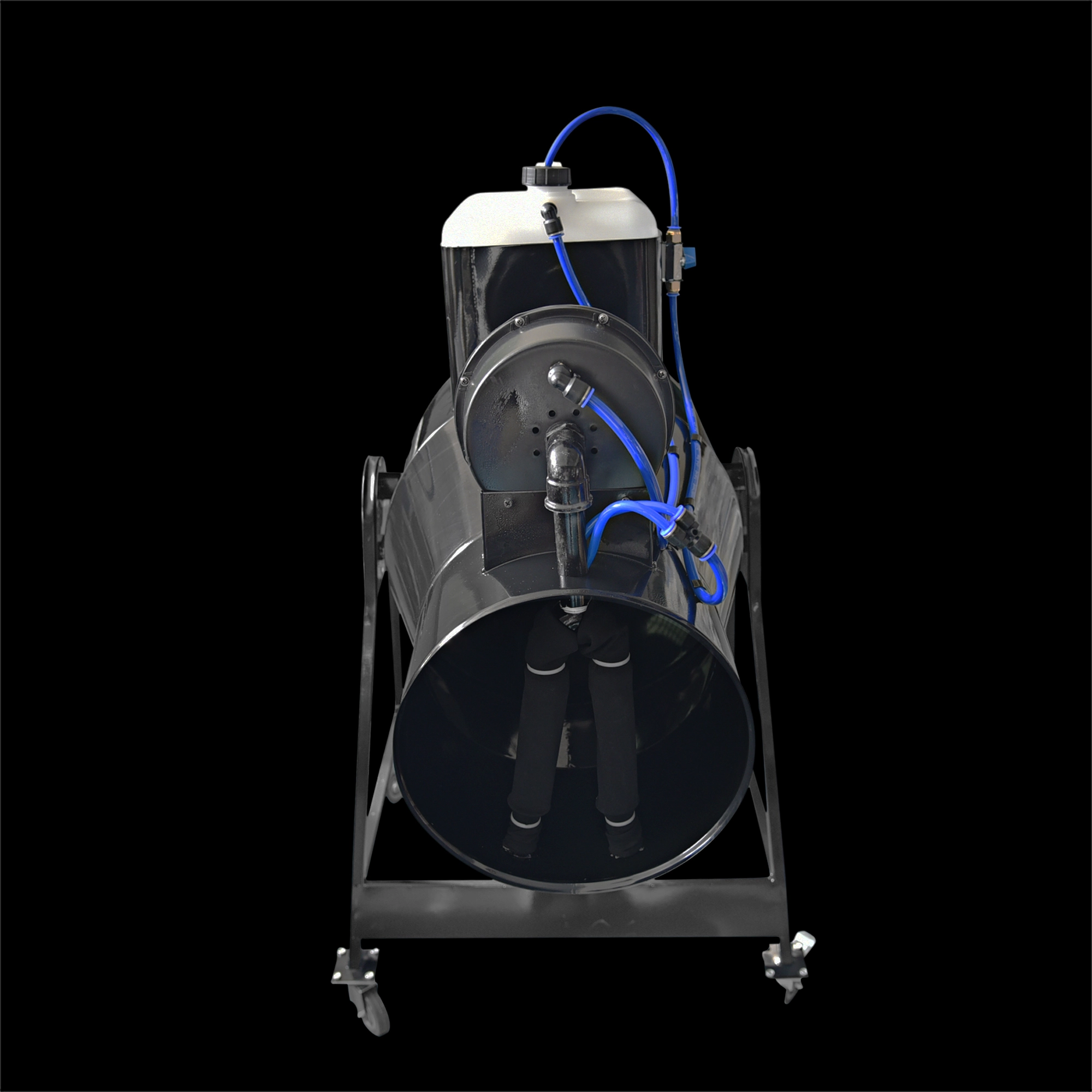
Big Snow Machine with Flight Case — Professional Stage Snow Effect for Live Events
Maintenance Checklist for Reliable Snow Machine Operation
Haunted houses and themed attractions: using haze for spooky effects
3000W fog machine
How does your factory do regarding quality control?
All the products will be 100% checked before the shipment.
750W Move Head Cold Electronic Spark Machine
What’s the warranty policy?
1-year warranty with lifetime technical support.
Solutions
What if the product malfunctions? Do you provide after-sales service?
We offer a 1-year warranty covering free repair and parts replacement (excluding man-made damage). Our support team responds within 24 hours.
About us
How does Siterui’s customer service communicate with clients?
Via phone, email, or online platforms—always responsive and solution-focused.
How experienced is Siterui’s team?
Our team has over 15 years of industry experience, combining expertise to deliver custom solutions.
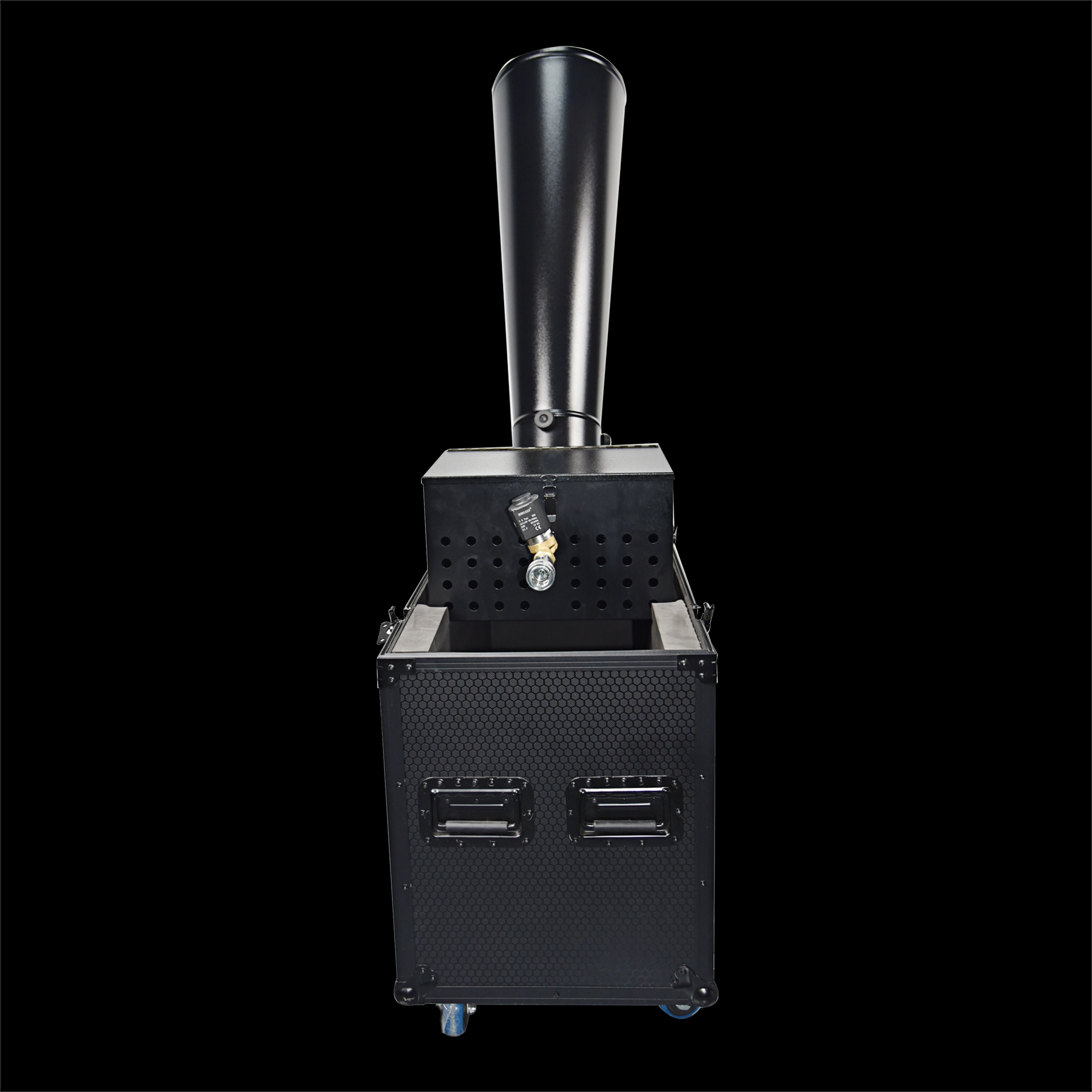
CO₂ Mini Rainbow Confetti Machine Manual Control with Durable Black Wheeled Flight Case
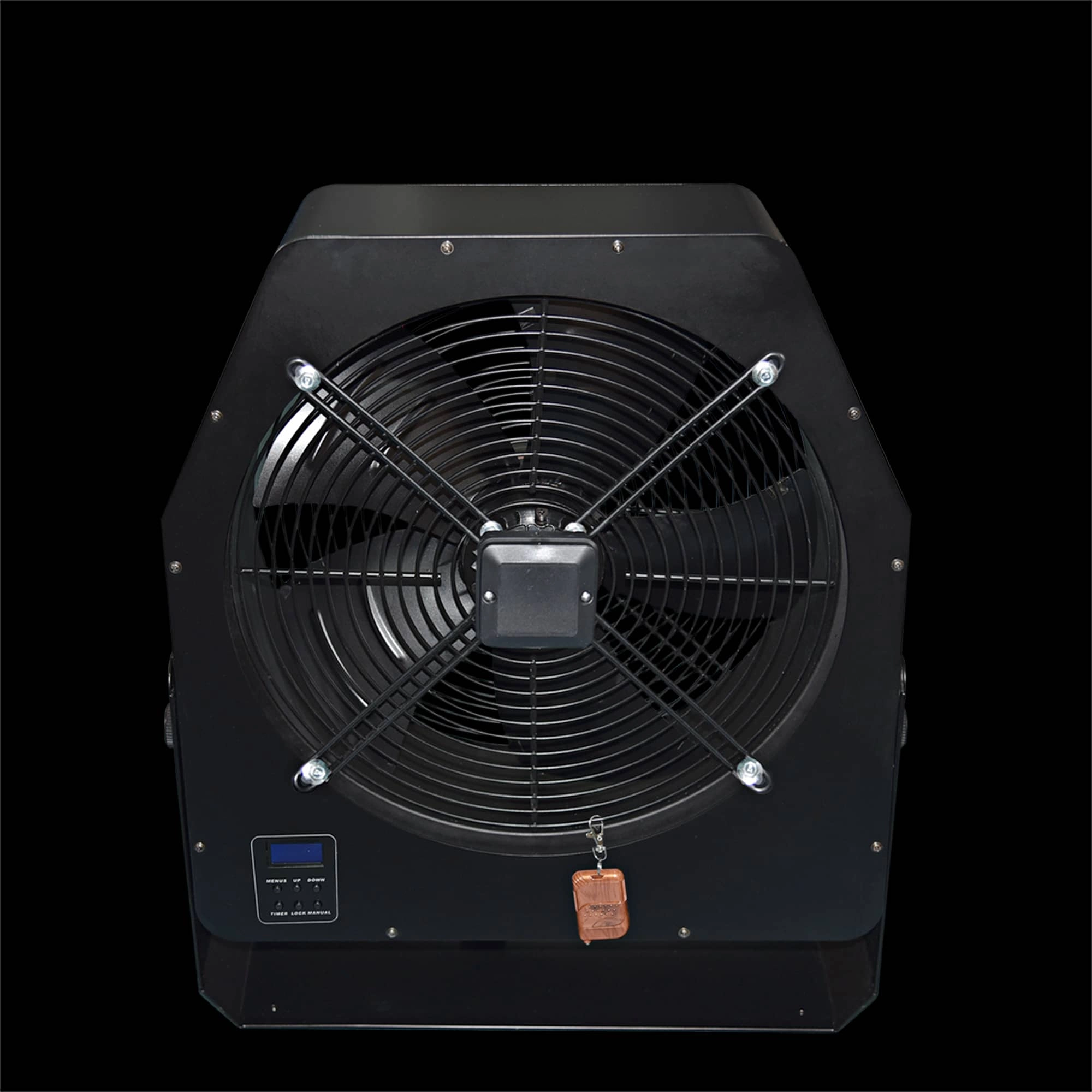
Professional Stage Big DMX Fan | High-Power Event Fan for Stage Shows & Celebrations
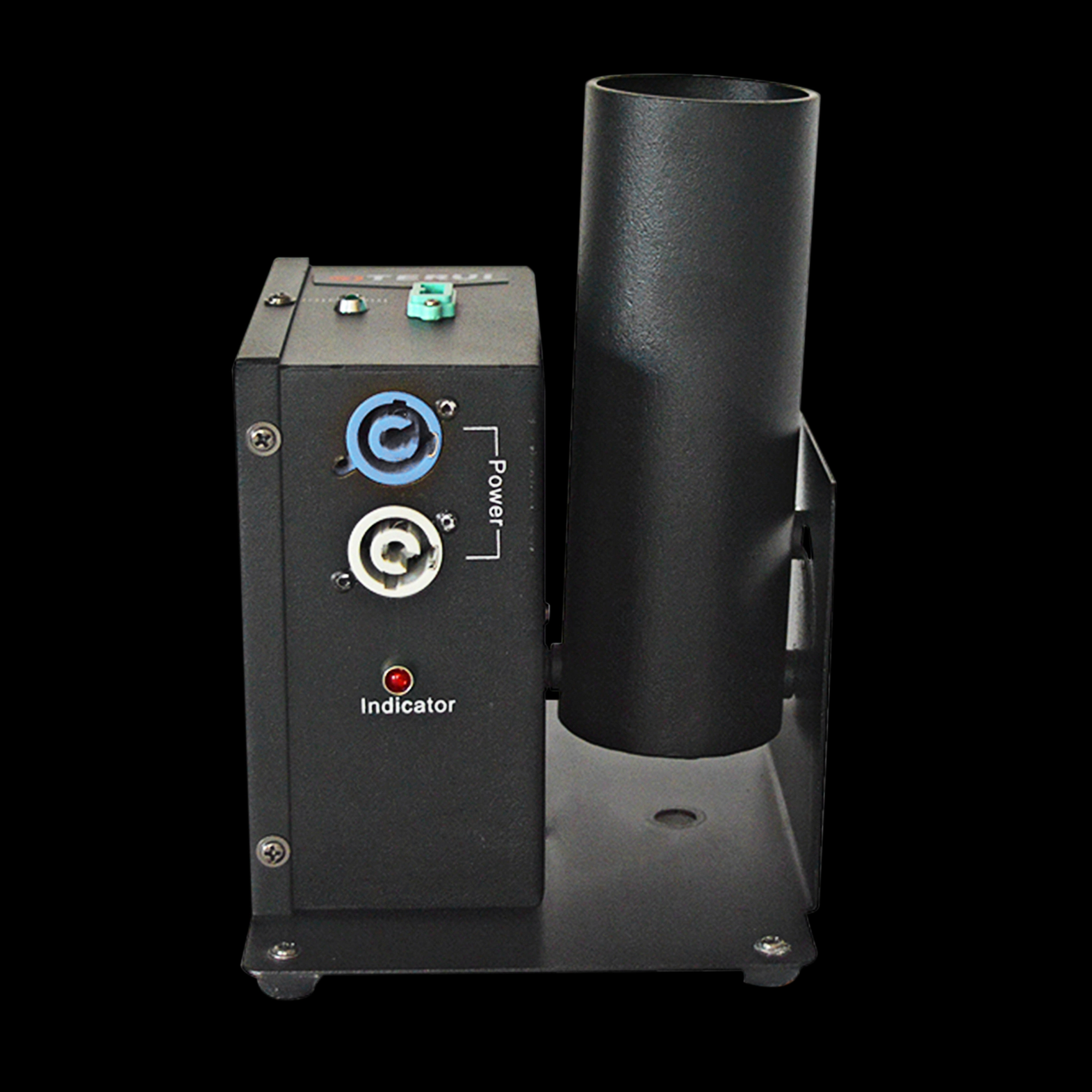
Single Shot Confetti Machine - Premium Confetti Launcher for Weddings & Stage Celebrations
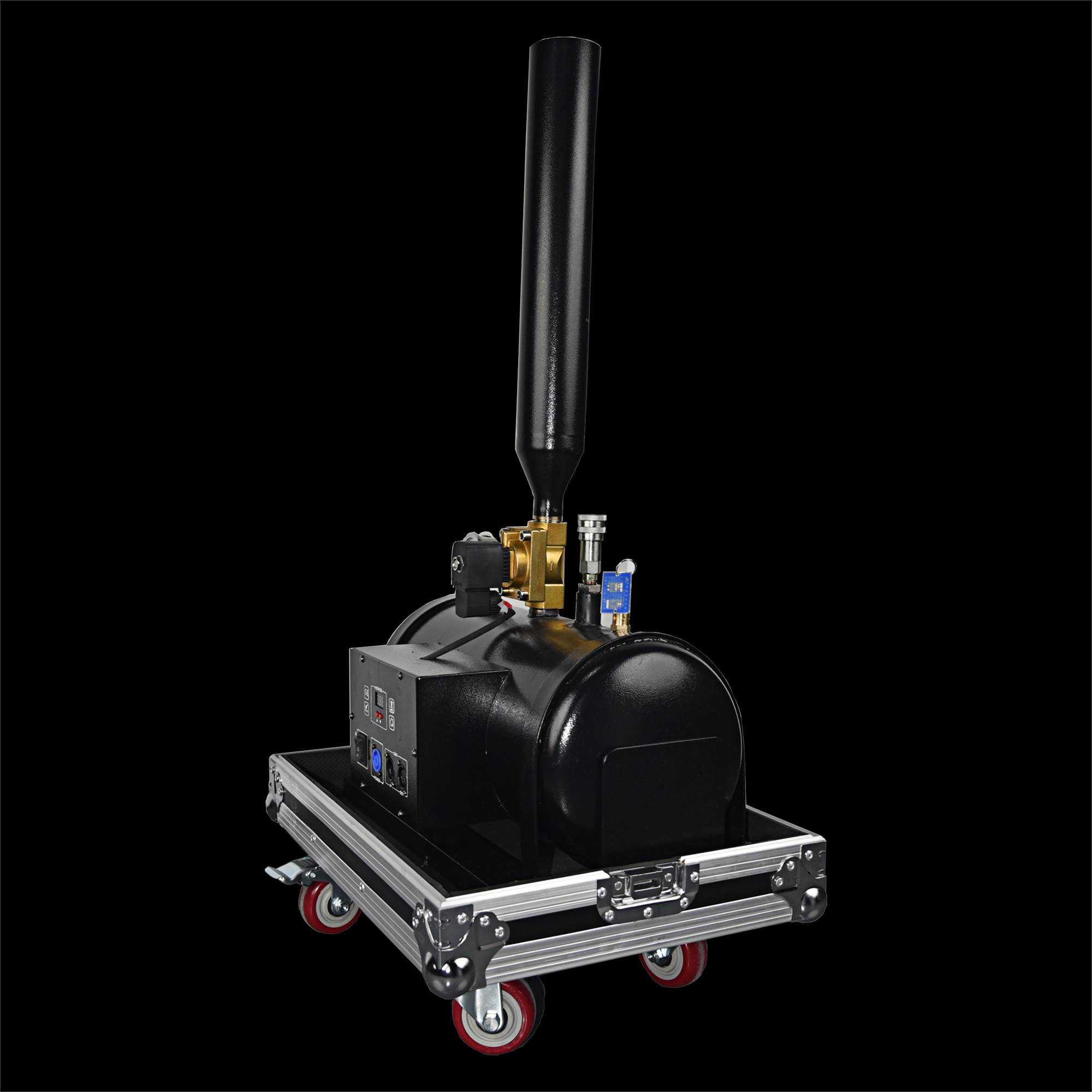
High-Altitude Confetti Cannon - Professional Confetti Blaster for Stage, Party & Celebration Events
Email: sales01@strlighting.com
WhatsApp: +86 189 2232 4800
© 2025 Siterui SFX All Rights Reserved.
 Scan QR Code
Whatsapp: +8618922324800
siteruisfx_stage_equipment
Siterui
SITERUI-SFX
STRlighting
@siterui.sfx