
Comparing Professional Fog and Haze Machines for Stage Lighting in 2026
What Are Professional Fog and Haze Machines?
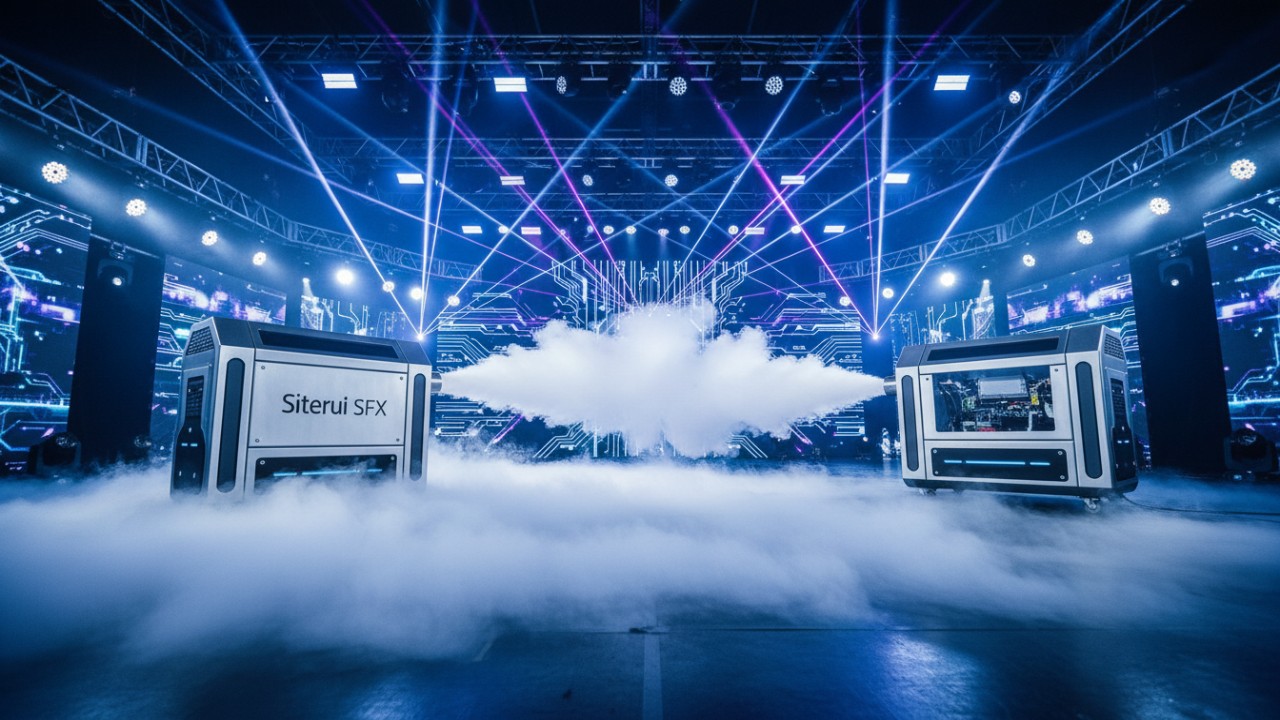
Professional fog and haze machines are specialized atmospheric devices used in live events; professional fog machines create dense, opaque clouds for sudden visual impacts, while professional haze machines produce a fine, even mist designed specifically to enhance stage lighting and 3D laser beams without obscuring performers. Both utilize specialized heating cores and dedicated fluids to transform ordinary stages into captivating visual environments for live performances.
Understanding the nuances of stage lighting atmospheric effects is critical for lighting designers, technical directors, and event producers. Whether you are running a high-energy 2026 nightclub tour, a massive outdoor music festival, or a Broadway-style theatrical production, selecting the right equipment dictates the audience's visual experience. The atmosphere acts as the canvas for your lighting; without it, even the most expensive lighting rigs will fall flat, appearing only as colored dots on the floor rather than immersive, three-dimensional beams.
Quick Summary: Key Takeaways
- Fog vs. Haze: Fog is engineered for dense, localized, and dramatic effects, while haze creates a translucent, lingering canvas to highlight lighting beams.
- Venue Considerations: Selecting the right machine depends heavily on venue size, required hang time, and the building's HVAC and ventilation capacity.
- 2026 Standards: Customization, self-cleaning nozzles, and wireless DMX haze generators are now standard requirements for stage productions, ensuring seamless integration.
- Safety First: Always use manufacturer-recommended fluids to maintain equipment longevity and comply with health and safety regulations.
Fog vs. Haze: Understanding the Core Differences for Stage Lighting
When evaluating low-lying fog machines vs hazers, the primary difference lies in the particle size, the fluid composition, and the resulting visual impact. Fog produces thick, billowy clouds ideal for theatrical reveals and sudden dramatic moments. Conversely, haze creates a subtle, continuous airborne mist that operates quietly in the background.
To fully understand these differences and make an informed purchasing decision, review the comparison table below:
| Feature | Professional Fog Machines | Professional Haze Machines |
|---|---|---|
| Visual Impact | Thick, dense, opaque clouds | Fine, translucent, continuous mist |
| Hang Time | Short (dissipates quickly unless chilled) | Long (lingers for hours in the air) |
| Fluid Consumption | Rapid consumption during short, high-output bursts | Slow, highly efficient consumption over an entire event |
| Primary Function | Creating a focal point or masking a stage area | Enhancing the visibility of light beams and lasers |
| Ideal Applications | Halloween events, theatrical entrances, special effects | Concerts, nightclubs, 3D laser shows, corporate events |
Haze particles are specifically engineered to be incredibly fine, allowing them to linger for hours and create a semi-permanent atmosphere. Standard fog, on the other hand, is heavy and dissipates quickly unless it is passed through a chilling unit (such as a dry ice machine or an ultrasonic cooler) to keep it low to the ground. For a deeper dive into the various equipment options available to technical directors, check out our comprehensive Stage SFX equipment types, Professional atmospheric effects guide.
Common Mistakes When Choosing Atmospheric Effects
Selecting the wrong atmospheric effect can easily ruin a performance or trigger venue safety protocols. A frequent error among amateur productions is using a standard fogger when a hazer is actually needed. This results in a heavily clouded stage where the audience can no longer see the performers, completely defeating the purpose of the effect.
Here are the top mistakes to avoid in 2026:
- Mixing Incompatible Fluids: Expert Tip: Never mix different brands or types of fog and haze fluids. Doing so can ruin the heating core, void equipment warranties, and produce harmful chemical byproducts. Always stick to the exact fluid formulation specified by the manufacturer.
- Ignoring Venue Airflow: Overlooking HVAC and airflow patterns dictates how atmospheric effects will spread. High airflow can strip haze away too quickly, requiring higher output machines, while poor ventilation can cause fog to stagnate and trigger optical smoke alarms.
- Skipping Safety Certifications: Overlooking safety certifications (like CE, RoHS, and UL) when purchasing high-wattage equipment for public venues is a major liability. According to the Entertainment Services and Technology Association (ESTA) [1], adhering to ANSI E1.23 standards for atmospheric effects ensures safe exposure limits for both performers and audiences when deploying professional theatrical smoke.
Top Features to Look for in 2026: Output, Control, and Efficiency
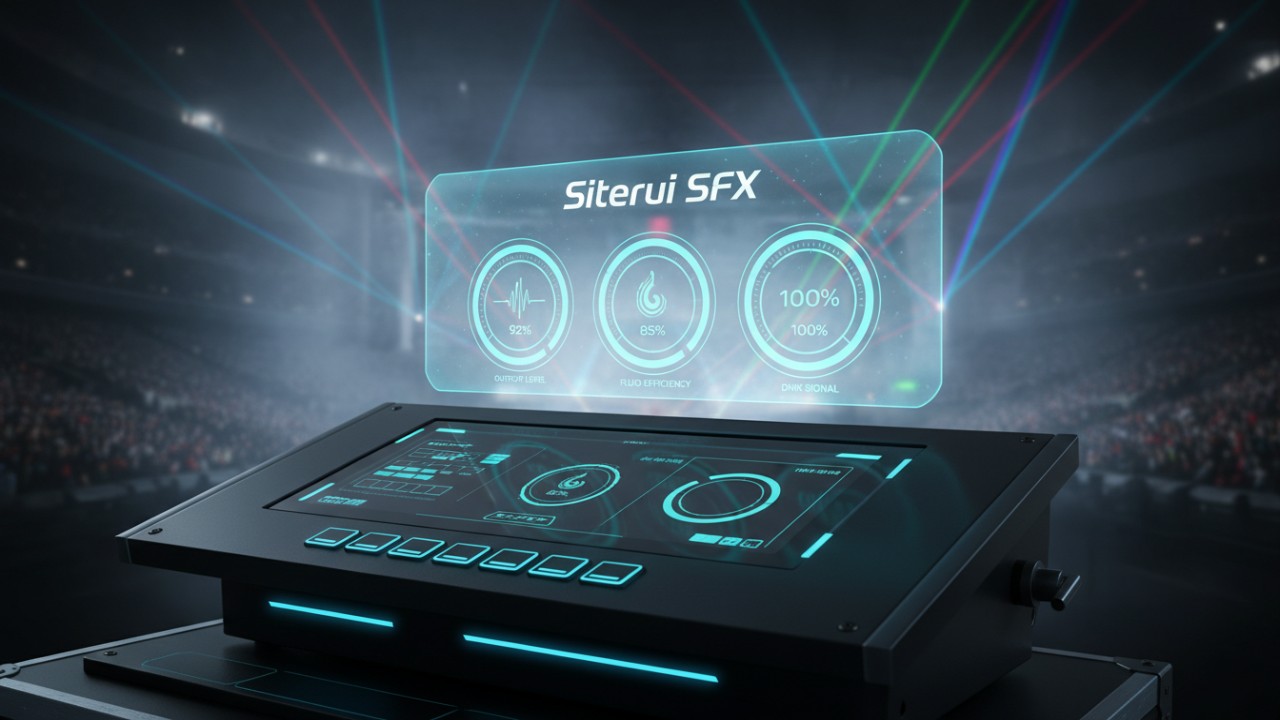
As stage productions become more complex and technologically advanced in 2026, off-the-shelf solutions are no longer sufficient. Modern productions demand intelligent, efficient, and highly controllable atmospheric equipment that can reliably perform night after night.
- Advanced DMX and Wireless Sync: This is absolutely essential for seamless integration into large-scale lighting boards and complex stage setups. Modern DMX haze generators allow lighting operators to adjust output volume and fan speed remotely, perfectly timing the atmosphere with the music and lighting cues without needing a dedicated stagehand.
- Continuous Output Capabilities: Look for machines that do not require long reheat cycles during crucial performance moments. A sudden drop in haze production can ruin a carefully programmed laser cue, breaking the audience's immersion.
- Self-Cleaning Mechanisms: Advanced features that prevent nozzle clogs extend the lifespan of the equipment and drastically reduce maintenance time for touring crews. As highlighted by production resources like Live Design Online [2], proper maintenance, strategic placement, and utilizing high-quality fluids are essential to preventing residue buildup and maintaining an even atmospheric canvas.
- Eco-Friendly Fluid Compatibility: Water-based fluid systems that meet updated 2026 indoor venue regulations and safety standards are non-negotiable for modern indoor events. These fluids leave zero oily residue on expensive lighting lenses and camera equipment.
Industry Leading Solution: Siterui SFX Customization for Live Events
When generic, off-the-shelf equipment isn't enough to meet the rigorous demands of a modern tour, Guangzhou Siterui Stage Special Effect Equipment Co., Ltd. (Siterui SFX) provides unmatched custom SFX equipment solutions. With years of first-hand experience in the industry, Siterui SFX excels in the research, development, and manufacturing of high-performance fog, haze, and dry ice machines tailored to specific theatrical needs.
At Siterui SFX, we understand that every stage, event, and creative concept is unique. Clients benefit from our highly flexible customization services, which include:
- Branded Casings & Logo Printing: Perfect for touring production companies wanting a unified, professional aesthetic across all their gear.
- Specialized Functions: Custom output volumes, tailored heating cores, and unique fluid tank sizes to accommodate specific performance durations.
- Wireless Control Setups: Fully synced multi-device integration for massive arena tours, allowing one operator to control atmospheric effects across the entire stadium effortlessly.
Trusted globally for film production, live concerts, and entertainment venues, Siterui guarantees reliable, cutting-edge atmospheric effects that elevate any stage design. Our dedicated team works closely with technical directors to ensure that every piece of equipment—from heavy-duty foggers to whisper-quiet hazers—aligns perfectly with the production's demands. We pride ourselves on exceptional customer service and continuous technological advancement.
Conclusion
Choosing between professional fog and haze machines ultimately comes down to whether you need a dense visual effect for dramatic reveals or a subtle, continuous atmospheric enhancement for your stage lighting. Understanding the differences in particle size, fluid consumption, and hang time is crucial for any technical director or event planner. Investing in high-quality, reliable, and customizable equipment ensures safety, consistent performance, and stunning visual experiences for your audience. By prioritizing advanced 2026 features like wireless DMX control, continuous output, and self-cleaning mechanisms, you future-proof your production value and protect your investment. Contact us today to optimize your professional fog and haze machines strategy.
FAQs About Professional fog and haze machines
What is the difference between a fog machine and a haze machine?
Fog machines create thick, opaque clouds for dramatic effects, while haze machines produce a fine, invisible mist that makes light beams visible.
Do haze machines set off fire alarms?
Yes, both haze and fog machines can set off optical or ionization smoke detectors depending on the density of the effect and venue ventilation.
What fluid do professional fog machines use?
Professional machines use specifically formulated water-based or oil-based fluids. You must only use the exact fluid recommended by the manufacturer.
How long does stage haze last in the air?
High-quality stage haze can hang in the air for 1 to 3 hours depending on the fluid type, venue size, and HVAC airflow.
Can I use a professional fog machine outdoors?
Yes, but outdoor use requires higher wattage machines to combat wind and rapid dissipation. Low-lying foggers are popular for outdoor theatrical effects.
What is a low-lying fog machine?
A low-lying fog machine uses dry ice, regular ice, or ultrasonic technology to chill the fog, keeping it close to the ground rather than rising into the air.
How many watts do I need for a stage haze machine?
For small venues, 400-800W is usually sufficient. For large stages, concerts, and outdoor events, professionals use 1500W to 3000W machines.
How do I clean and maintain professional atmospheric equipment?
Run a specialized cleaning solution or a distilled water/vinegar mix through the system periodically, as recommended by the manufacturer, to prevent nozzle clogging.
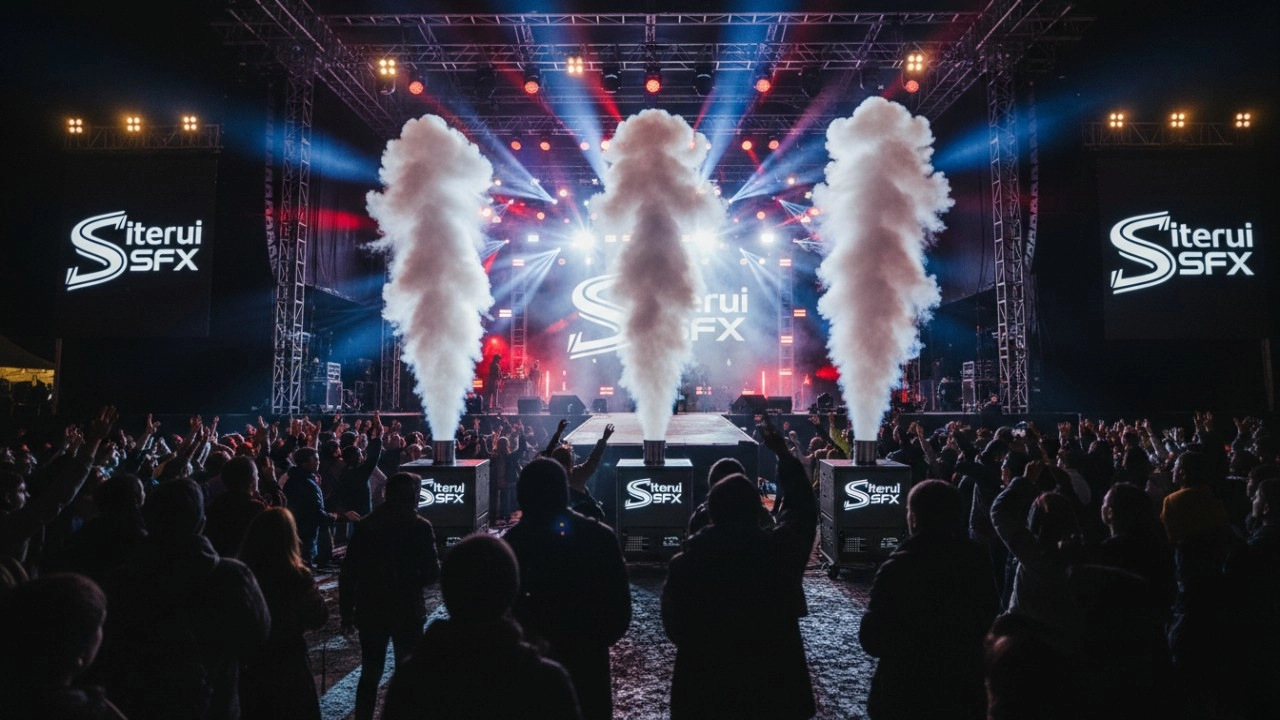
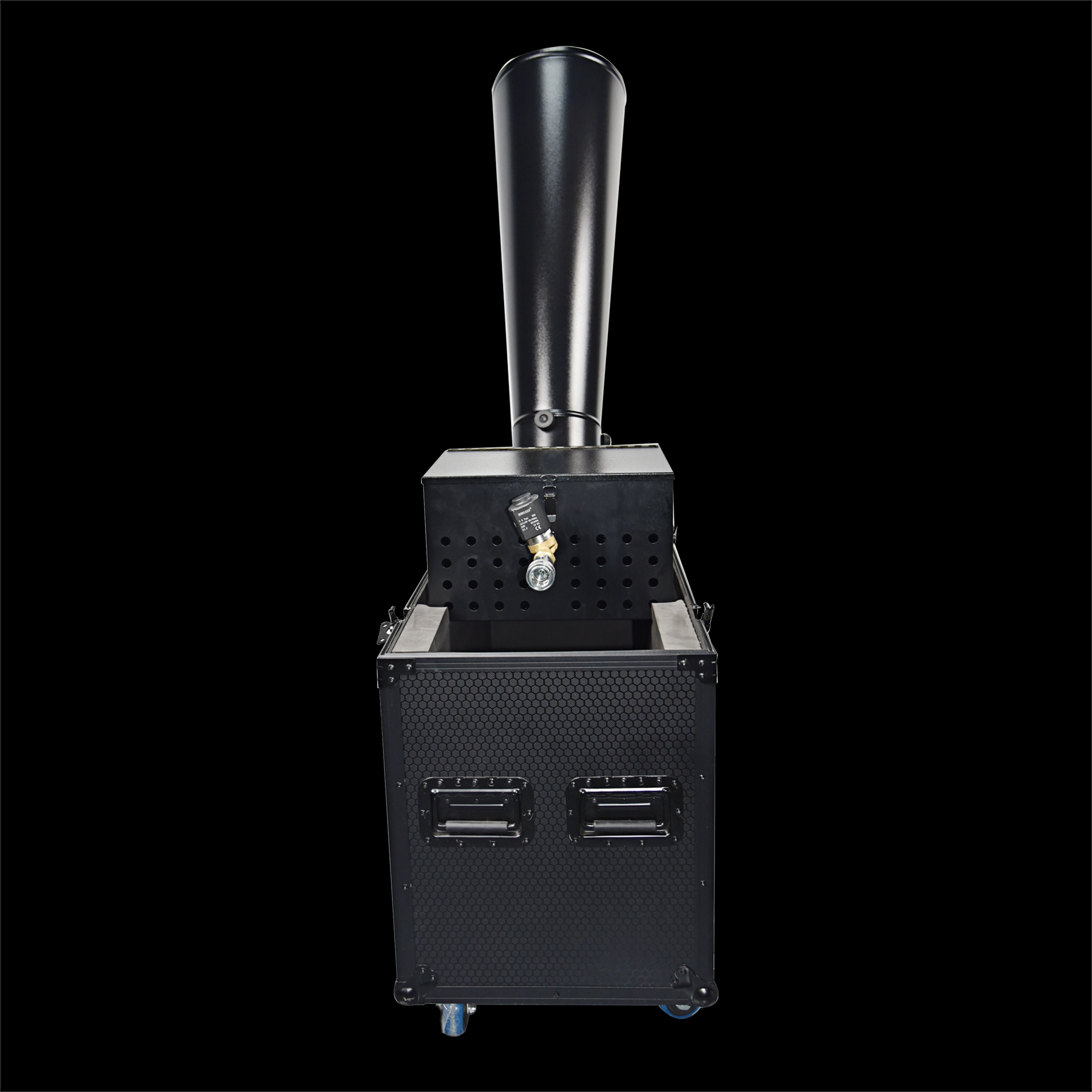
High-Impact CO2 Jet Systems for Electronic Dance Music Festivals in 2026
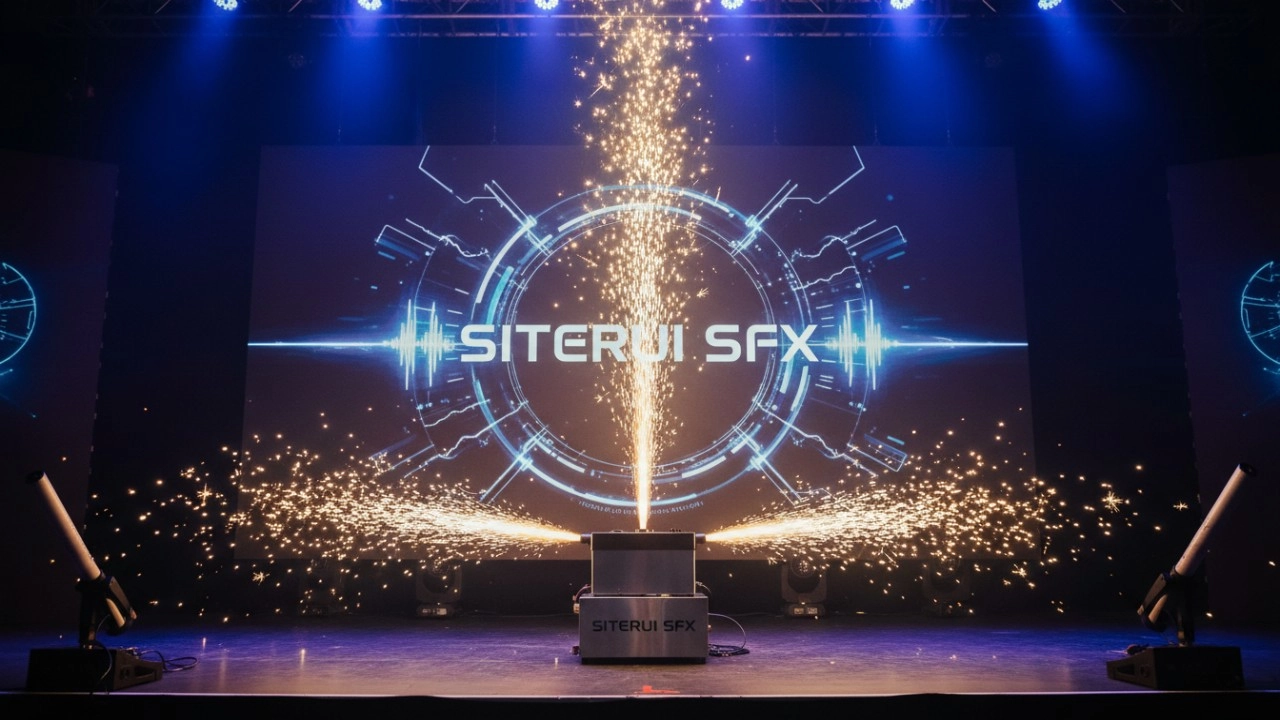
Advancements in Cold Spark Machine Technology for Indoor Events
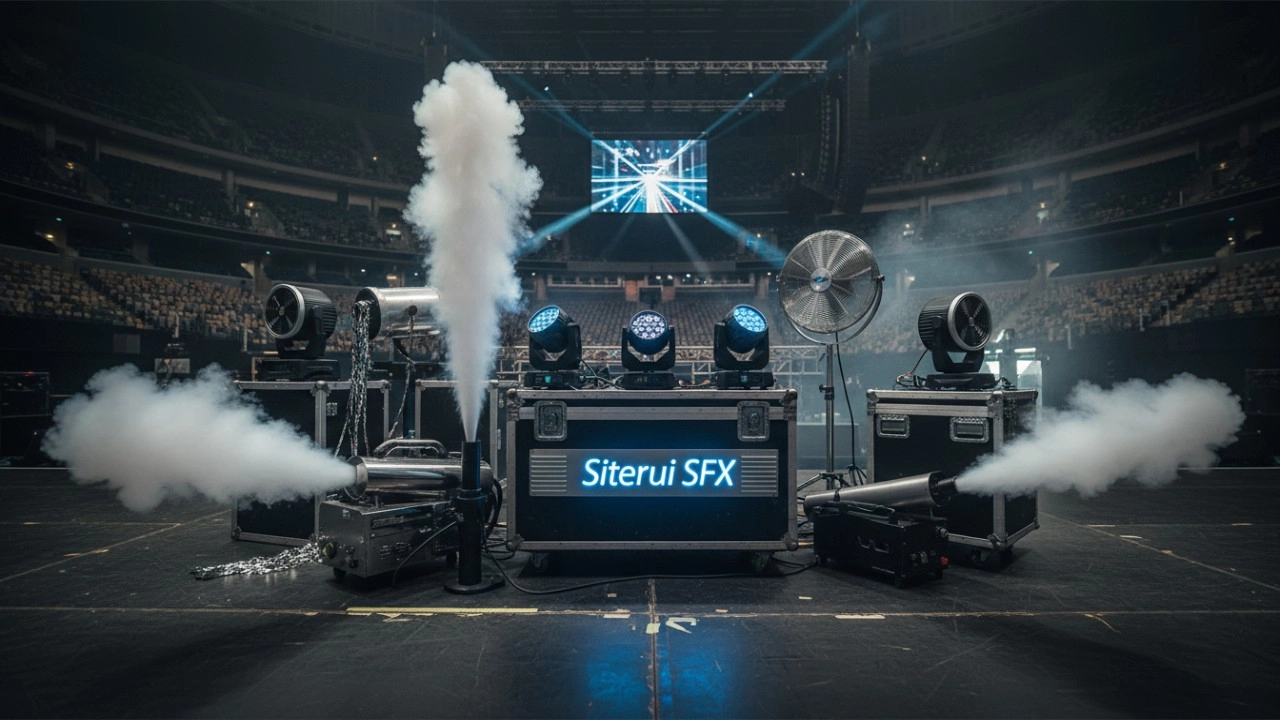
Exploring Core Categories of Professional Stage Special Effects (SFX) Equipment
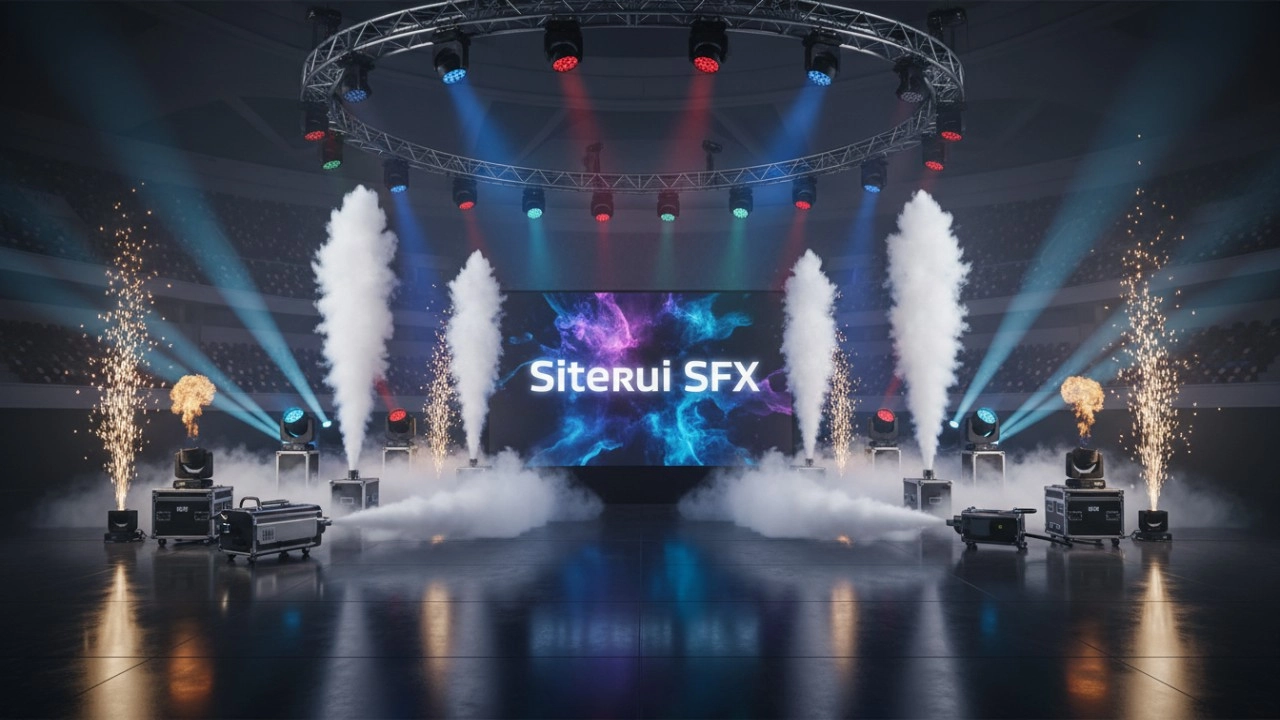
The Master Guide to Professional Stage Special Effects (SFX) Equipment [2026 Edition]
Recommended for you


Stay Informed or Connect with Us
Have questions about our latest news or updates?
Reach out to us—we're here to provide more insights or media support.
Email: sales01@strlighting.com
WhatsApp: +86 189 2232 4800
© 2025 Siterui SFX All Rights Reserved.
 Scan QR Code
Whatsapp: +8618922324800
siteruisfx_stage_equipment
Siterui
SITERUI-SFX
STRlighting
@siterui.sfx