
How to Choose High-Output Haze Machines for Large Stages
- Why Proper Haze Matters on Large Stages
- Production goals and artistic requirements
- Operational context — rental vs. resident use
- Key performance metrics to track
- Core Technical Factors: Output, Fluid, and Particle Behavior
- Understanding output and how it's measured
- Fluid types: water-based vs. oil-based
- Particle size and visibility vs. health considerations
- Distribution, Control, and Integration on Large Stages
- Placement and multi-device synchronization
- Control interfaces: DMX, RDM, wireless, and building systems
- Ventilation and HVAC interactions
- Reliability, Maintenance, and Compliance
- Warm-up, duty cycle, and serviceability
- Residue, cleaning, and lamp/fixture compatibility
- Regulatory compliance and smoke detection
- Comparing High-Output Haze Machines: Practical Table
- Buying Checklist and Procurement Strategy
- Specification checklist before purchase
- Trial, rental test, and on-site validation
- Budgeting: CapEx vs. OpEx considerations
- Siterui SFX — Manufacturer Profile and How We Help
- Why choose Siterui SFX for large-stage haze solutions
- Siterui product strengths and typical offerings
- Integration services and customization
- Practical Tips and Avoiding Common Pitfalls
- Test with your lighting rig, not in isolation
- Document maintenance and cleaning schedules
- Communicate with venue and safety stakeholders early
- FAQ — Common Questions About High-Output Haze Machines
- Q1: What's the difference between a haze machine and a fog machine?
- Q2: Can haze trigger smoke detectors?
- Q3: How many haze machines do I need for a 20,000 sq ft stage?
- Q4: Are water-based fluids always better?
- Q5: What maintenance should be performed on high-output hazers?
- Q6: Can haze be used outdoors for festivals?
- Contact & Product Inquiry
- References
Why Proper Haze Matters on Large Stages
For large venues and outdoor festivals, a haze machine is not just a visual enhancer — it's an essential tool to define light beams, increase perceived depth, and tie scenic elements together. Choosing the right high-output haze machine affects cue-to-cue reliability, operator workload, venue safety, and audience comfort. This article explains the technical factors and operational choices you must evaluate so a haze machine delivers consistent, controllable atmosphere without compromising health, sightlines, or technical schedules.
Production goals and artistic requirements
Start by clarifying artistic intent: do you need a thin, persistent atmospheric veil for lighting texture, or frequent dense plumes for dramatic stabs? For beam definition across a 10,000–50,000 sq ft stage area, continuous, low-concentration haze is usually preferred. For short intensification, a high-flow fogger may be used in concert with a hazer, but that changes safety and cleanup considerations.
Operational context — rental vs. resident use
Rental fleets demand rugged units with easy field serviceability, quick warm-up, and fast recovery; resident venue systems prioritize integration (DMX/RDM, wireless, building automation) and predictable long-term maintenance. Identify whether you require modular multi-device sync, permanent ceiling-mounted units, or portable high-output floor units.
Key performance metrics to track
When comparing haze machines, assess: continuous output (m³/min or cubic feet/min), scatter/particle size, persistence (how long haze remains visible at low concentration), warm-up time, fluid consumption, and control interfaces (analog, DMX, wireless). Manufacturers typically provide some of these metrics — collect them to form apples-to-apples comparisons.
Core Technical Factors: Output, Fluid, and Particle Behavior
Understanding output and how it's measured
High-output can mean different things depending on measurement. Manufacturers report either volumetric output (m³/min or cubic feet/min), throw distance, or recommended coverage. For large stages, prioritize continuous volumetric throughput and particle persistence over short, high-volume bursts. Verify whether the stated output is at 100% continuous run or in burst mode.
Fluid types: water-based vs. oil-based
Water-based haze fluids are the industry standard for indoor venues and touring shows due to lower residue, reduced odor, and better compatibility with smoke detectors and HVAC systems. Oil-based fluids can produce longer persistence but may leave residue on lights and rigging. Choose water-based fluids for most large-scale productions; reserve oil-based only when specific artistic needs or older equipment necessitates it.
Particle size and visibility vs. health considerations
Particle size affects beam sharpness and how long particles stay airborne. Typical haze particles are in the submicron to low-micron range. Smaller particles remain suspended longer but may have different inhalation profiles. Consult manufacturers' MSDS and venue health guidance. Ensure you can achieve desired visual effect at concentrations below recommended exposure thresholds.
Distribution, Control, and Integration on Large Stages
Placement and multi-device synchronization
Large stages rarely rely on a single unit. Plan multiple haze machines zoned across stage volume for uniform coverage. Consider ceiling-mounted vs. floor units: ceiling or catwalk locations create even distribution with less housekeeping; floor units can provide localized intensity. Use synchronized DMX/RDM or wired/wireless protocols to create consistent haze density across devices.
Control interfaces: DMX, RDM, wireless, and building systems
Professional productions require versatile control. DMX512 remains the standard for realtime control; RDM provides remote device configuration. Many high-output hazers offer Art-Net, sACN, or proprietary wireless control. Ensure compatibility with your lighting console, timecode systems, and venue automation.
Ventilation and HVAC interactions
Haze interacts with venue HVAC and can be exhausted or diluted faster in high-exchange systems. Coordinate with venue engineers to determine ACH (air changes per hour) and to place intake/exhaust away from hazer outputs. In venues with high-volume ventilation, increase aggregated haze output or add additional units to maintain visible beam definition.
Reliability, Maintenance, and Compliance
Warm-up, duty cycle, and serviceability
High-output units designed for touring often have short warm-up cycles, active thermal management, and serviceable parts (pumps, heaters, nozzles). Ask for MTBF (mean time between failures) figures or field failure rates from vendors. Ensure the unit’s duty cycle fits your run sheets; some high-output hazers require duty cycles or fluid replenishments that could affect cue timing.
Residue, cleaning, and lamp/fixture compatibility
Residue from haze fluids can accumulate on lenses, moving heads, and UV lamps. Water-based fluids typically minimize residue, but regular cleaning schedules should be planned, especially in touring scenarios. Ask vendors for cleaning recommendations and whether they offer corrosion-resistant internals or easy-access panels for maintenance.
Regulatory compliance and smoke detection
Always coordinate with venue safety officers and local fire codes. Provide test results from detector sensitivity tests if the hazer is to be used with active detectors. Many producers implement pre-show detector masking protocols or use detector-tolerant haze settings; however, permanent detector adjustments require fire marshal approval.
Comparing High-Output Haze Machines: Practical Table
Below is a practical comparison matrix for common haze machine categories used on large stages. The values are typical ranges and features to consider — always verify exact specs with the manufacturer.
| Category | Typical Continuous Output | Warm-up Time | Best Use | Notes |
|---|---|---|---|---|
| Portable high-output hazer (touring) | 100–500 m³/min (approx) | 1–5 min | Rented concert tours, festival stages | Durable, serviceable, DMX/RDM available |
| Installed ceiling hazer | 50–300 m³/min (per unit) | 1–3 min | Permanent venues, theaters | Wired integration, quieter operation |
| Fog-haze hybrid (burst-capable) | Variable: low continuous + high bursts | Rapid for haze; 1–4 min for fog burst | Shows needing both steady haze and dramatic bursts | More complex maintenance; check fluid compatibility |
Sources for ranges above include manufacturer product pages and industry product literature (see references).
Buying Checklist and Procurement Strategy
Specification checklist before purchase
- Confirm continuous output (m³/min or cfm) and example coverage area.
- Verify fluid compatibility (water-based preferred) and MSDS availability.
- Check control options (DMX/RDM, Art-Net, sACN, wireless) and physical connectors.
- Assess warm-up time, duty cycle, and field-replaceable parts.
- Request test reports for particle size, residue, and detector interaction.
- Get a service and spare-parts agreement for touring fleets.
Trial, rental test, and on-site validation
Always run an on-site validation with your lighting designer and venue HVAC team. A controlled trial during load-in identifies dead spots, fixture residue risk, and detector triggers. If possible, rent one unit first to validate coverage and integration, then scale to the number of devices needed.
Budgeting: CapEx vs. OpEx considerations
High-output haze machines can be a meaningful capital investment. For one-off events, renting can be far cheaper and gives access to specialized units and technical support. For resident venues or frequent tours, purchasing and integrating permanent or fleet units may reduce long-term cost and improve reliability.
Siterui SFX — Manufacturer Profile and How We Help
Siterui SFX is a professional manufacturer engaged in the research and development, production, sales, and service of professional stage special effects (SFX) equipment. With a highly skilled team and cutting-edge technology, we are committed to providing innovative, reliable, and high-performance SFX solutions for live events, theaters, concerts, film production, and entertainment venues worldwide.
Why choose Siterui SFX for large-stage haze solutions
At Siterui SFX, we understand that every stage, event, and creative concept is unique. That’s why we offer flexible customization services to meet your specific needs—whether it's branding, special functions, size adjustments, or complete system integration. From custom casing and logo printing to wireless control systems and synced multi-device setups, our expert team works closely with you to design SFX solutions that align perfectly with your needs.
Siterui product strengths and typical offerings
Our commitment to quality and innovation ensures that our clients receive cutting-edge effects that enhance the visual and sensory experience of every performance. We pride ourselves on exceptional customer service and continuous advancement, positioning Siterui as a trusted partner in the professional special effects industry. Key products include:
- Spark Machine
- Haze Machine
- CO₂ Jet Machine
- Bubble Machine
- Snow Machine
- Foam Machine
- Confetti Machine
- Fog Machine
- Fire Machine
- Dry Ice Machine
Siterui SFX differentiates through strong R&D, reliable manufacturing processes, and robust after-sales service. For large-stage haze applications we provide high-output units with:
- Customizable output profiles and multi-device sync
- DMX/RDM, Art-Net and wireless control options
- Low-residue water-based fluid optimization
- Field-serviceable designs and spare-parts support
Integration services and customization
We offer full-system integration: ceiling-mounted systems, rack-mount touring units, and turnkey control packages. Our team assists with fluid selection, detector testing data packs, and venue HVAC coordination to ensure seamless operation. For rental houses, we offer fleet customization and branding; for venues, we provide long-term service contracts and training.
Practical Tips and Avoiding Common Pitfalls
Test with your lighting rig, not in isolation
Haze effectiveness depends on beam intensity, angle, and fixture type. Test under real lighting cues to ensure adequate beam definition without overuse of fluid or high-density haze that can flatten contrast.
Document maintenance and cleaning schedules
Create a maintenance log for each unit: fluid changes, nozzle cleaning, pump inspection, and firmware updates. For touring setups, carry common spares: pumps, gaskets, filters, and a nozzle-cleaning kit.
Communicate with venue and safety stakeholders early
Early engagement with fire marshals, venue technicians, and union safety reps prevents last-minute show stoppages. Provide detector sensitivity data, MSDS for fluids, and a documented pre-show procedure for hazard control.
FAQ — Common Questions About High-Output Haze Machines
Q1: What's the difference between a haze machine and a fog machine?
A: Haze machines produce a fine, persistent mist optimized to reveal lighting beams without creating thick clouds. Fog machines typically produce denser, short-lived plumes for dramatic effects. For continuous beam definition on large stages, hazers are preferred.
Q2: Can haze trigger smoke detectors?
A: Haze can trigger sensitive detectors if concentration is high or detectors are highly sensitive. Use detector-tolerant haze settings, testing, and coordination with venue safety staff. Never disable detectors without formal fire authority approval.
Q3: How many haze machines do I need for a 20,000 sq ft stage?
A: There's no one-size-fits-all answer. Factors include ceiling height, HVAC exchange rate, desired beam visibility, and unit output. Typically, multiple zoned units (3–6) placed to create overlapping coverage are necessary; a site test is the best way to determine exact number.
Q4: Are water-based fluids always better?
A: For most indoor and touring applications, yes — water-based fluids reduce residue, odor, and fixture wear. However, certain artistic needs might lead to oil-based choices. Always consult the hazer’s compatibility list and MSDS.
Q5: What maintenance should be performed on high-output hazers?
A: Regular tasks include nozzle and pump cleaning, fluid quality checks, filter replacement, firmware updates, and visual inspection for leaks or corrosion. Follow the manufacturer’s service schedule and log all maintenance.
Q6: Can haze be used outdoors for festivals?
A: Yes — outdoors the main challenge is dilution from wind and open air. Use higher aggregated output, more units, or positional placement (under truss or near lighting zones) to maintain visible beams.
Contact & Product Inquiry
For tailored recommendations, system design, or fleet procurement of haze machines and other SFX equipment, contact Siterui SFX. We can provide sample units for site tests, technical data sheets, certification documents, and customization options. Visit our product pages or reach out to our sales and technical teams to discuss your venue requirements and receive a quotation.
References
- Theatrical smoke and haze — Wikipedia. https://en.wikipedia.org/wiki/Theatrical_smoke_and_haze (accessed 2026-01-03)
- Look Solutions — product and technical pages (manufacturer reference for hazer specs). https://www.looksolutions.com/ (accessed 2026-01-03)
- Chauvet Professional — haze and fog equipment (example manufacturer specs). https://www.chauvetprofessional.com/ (accessed 2026-01-03)
- PLASA (Professional Lighting and Sound Association) — industry resource for entertainment technology best practices. https://www.plasa.org/ (accessed 2026-01-03)
- ASHRAE — American Society of Heating, Refrigerating and Air-Conditioning Engineers (ventilation and indoor air guidance). https://www.ashrae.org/ (accessed 2026-01-03)
For more detailed product specifications, MSDS sheets, and detector-compatibility testing, request technical packs and site-test services from Siterui SFX.
Common Stage Light Problems and Solutions
Creative Stage Effects Using Dry Ice Machines
Effects layering: combining smoke with pyrotechnics
Portable Fog Machines for Mobile DJs and Events
Single-Head CO2 Jet Machine
What is the price of shipping?
Depending upon the port of delivery, prices varies.
1500W 24x3W LED fog machine
How do I clean the machine?
Follow the manufacturer’s instructions for regular maintenance to prevent residue buildup.
Are you a factory or trading company?
Yes,We are a factory & trading company, we can guarantee our price is first-hand, very cheap and competitive.
3000W fog machine
How could l get a sample?
If you can not buy our product in your local area, we will ship a sample to you. You will be charged a sample price plus all related shipping costs. Express delivery charge depends on the quantity of the samples.
FAQs
Where is Siterui SFX Manufacturer located and do they serve international clients?
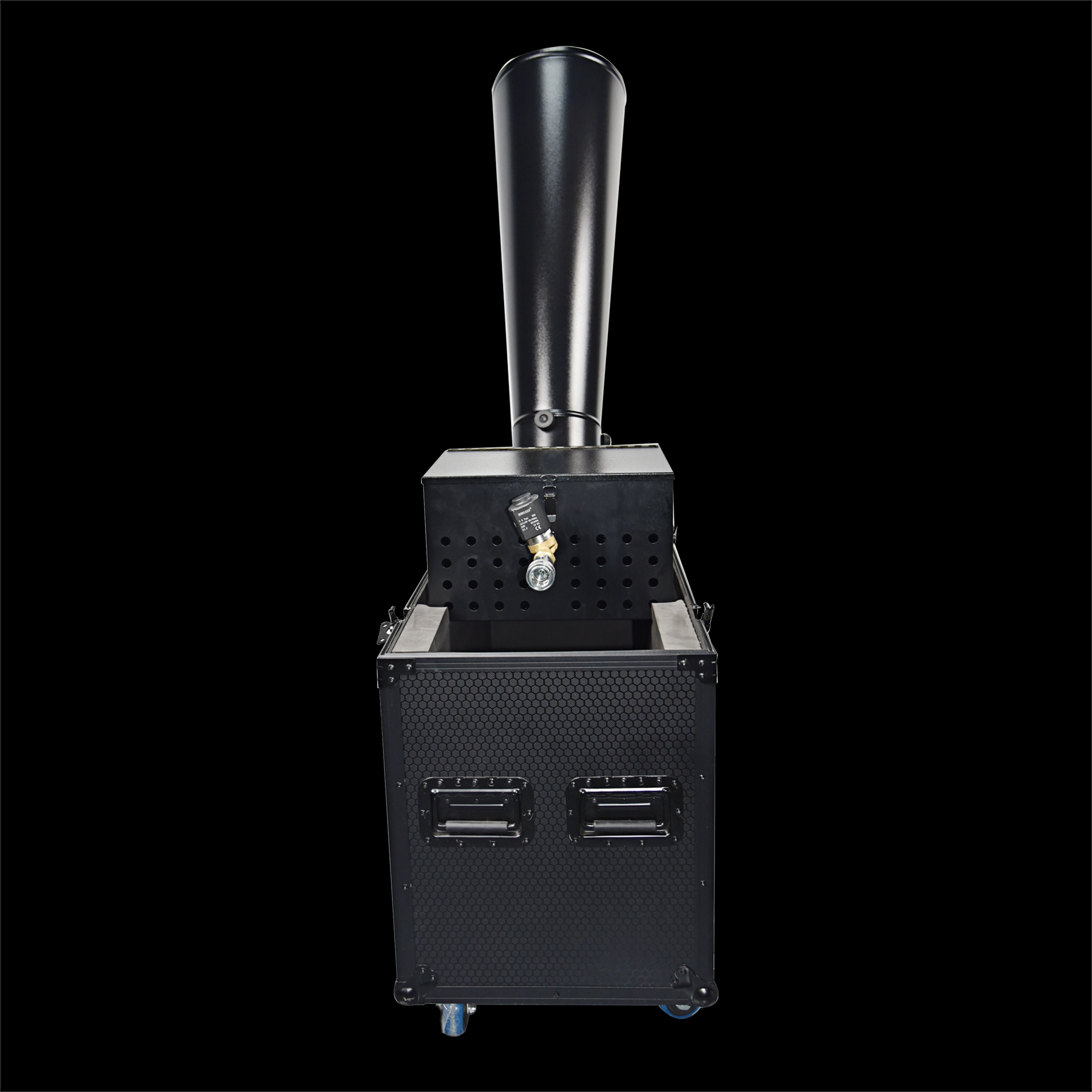
CO₂ Mini Rainbow Confetti Machine Manual Control with Durable Black Wheeled Flight Case
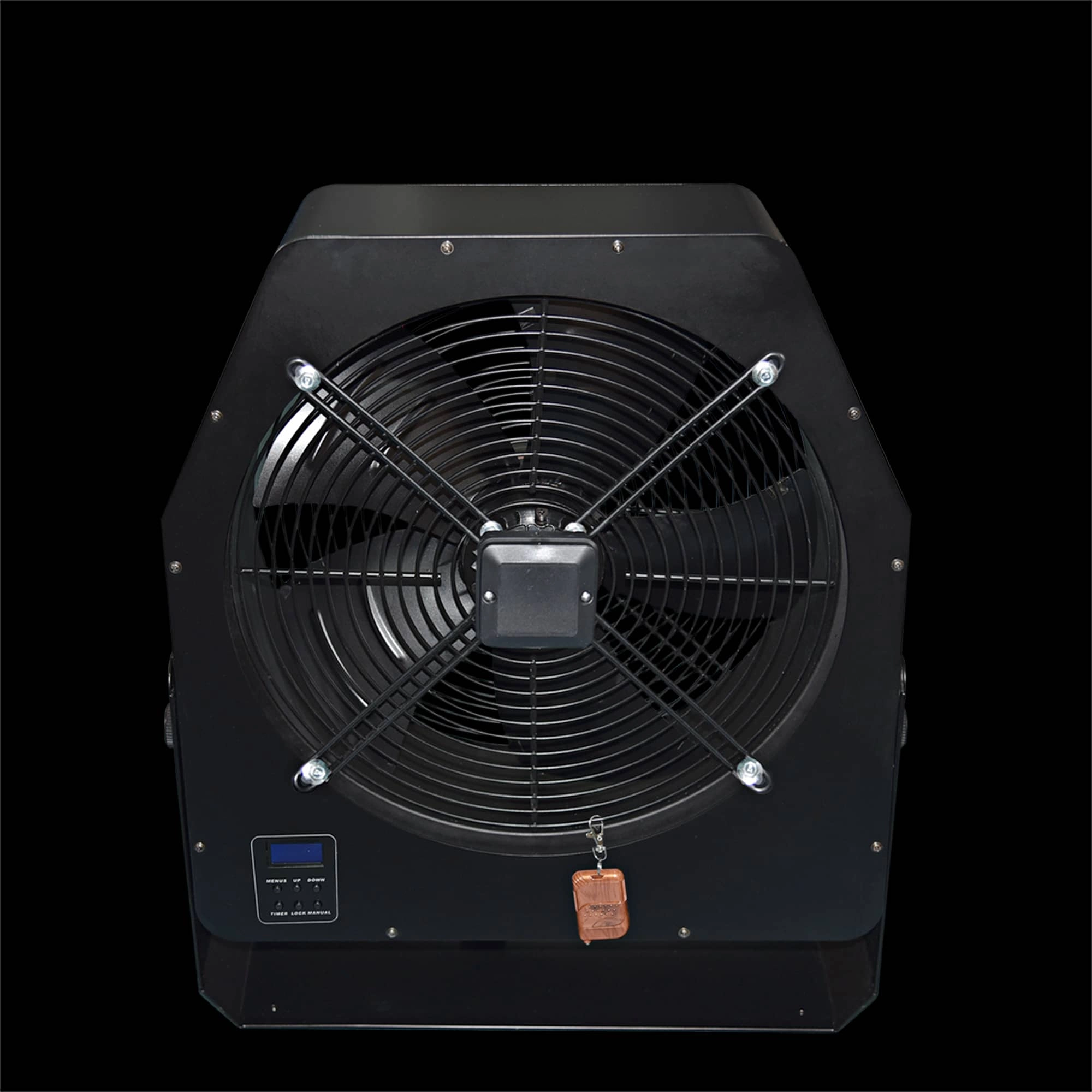
Professional Stage Big DMX Fan | High-Power Event Fan for Stage Shows & Celebrations
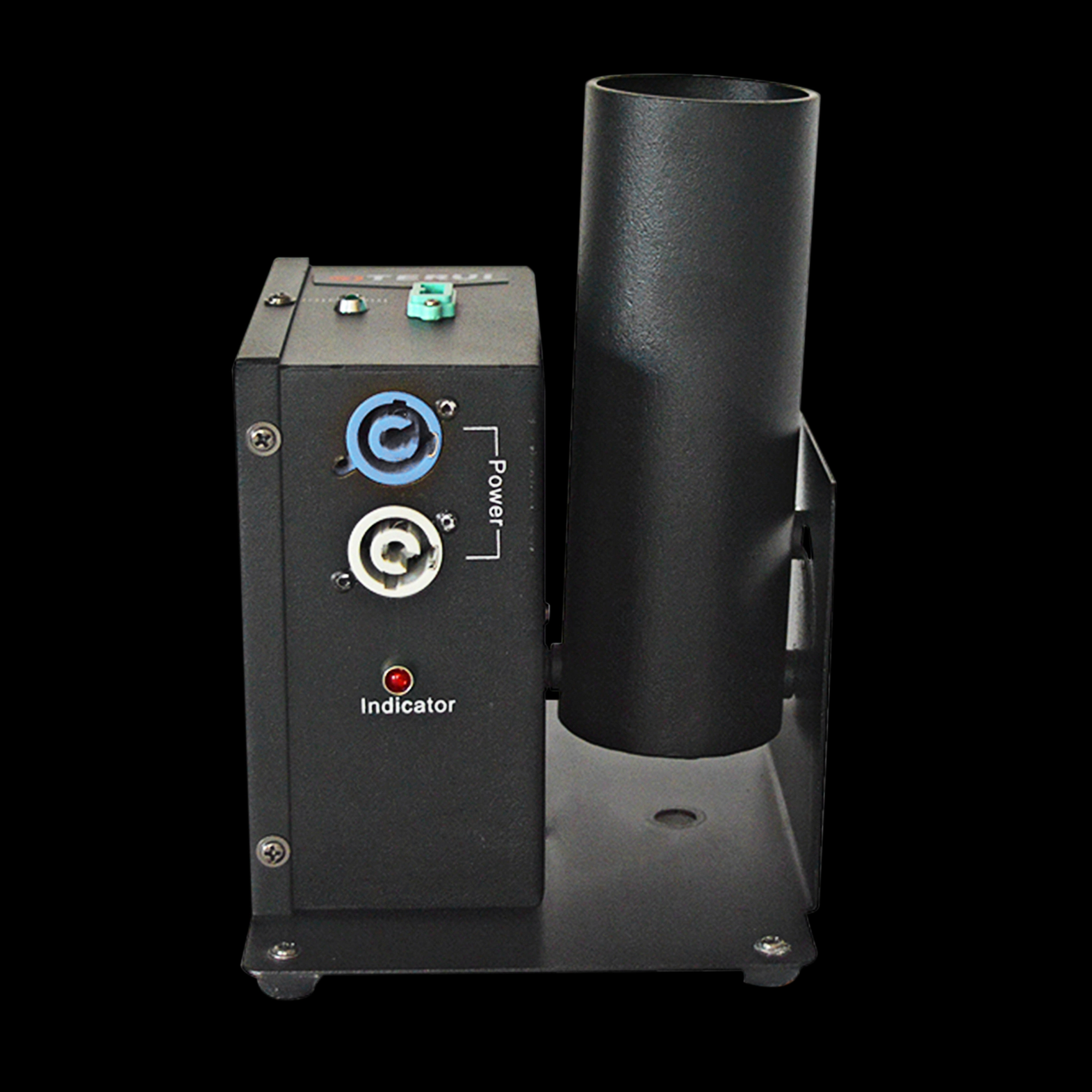
Single Shot Confetti Machine - Premium Confetti Launcher for Weddings & Stage Celebrations
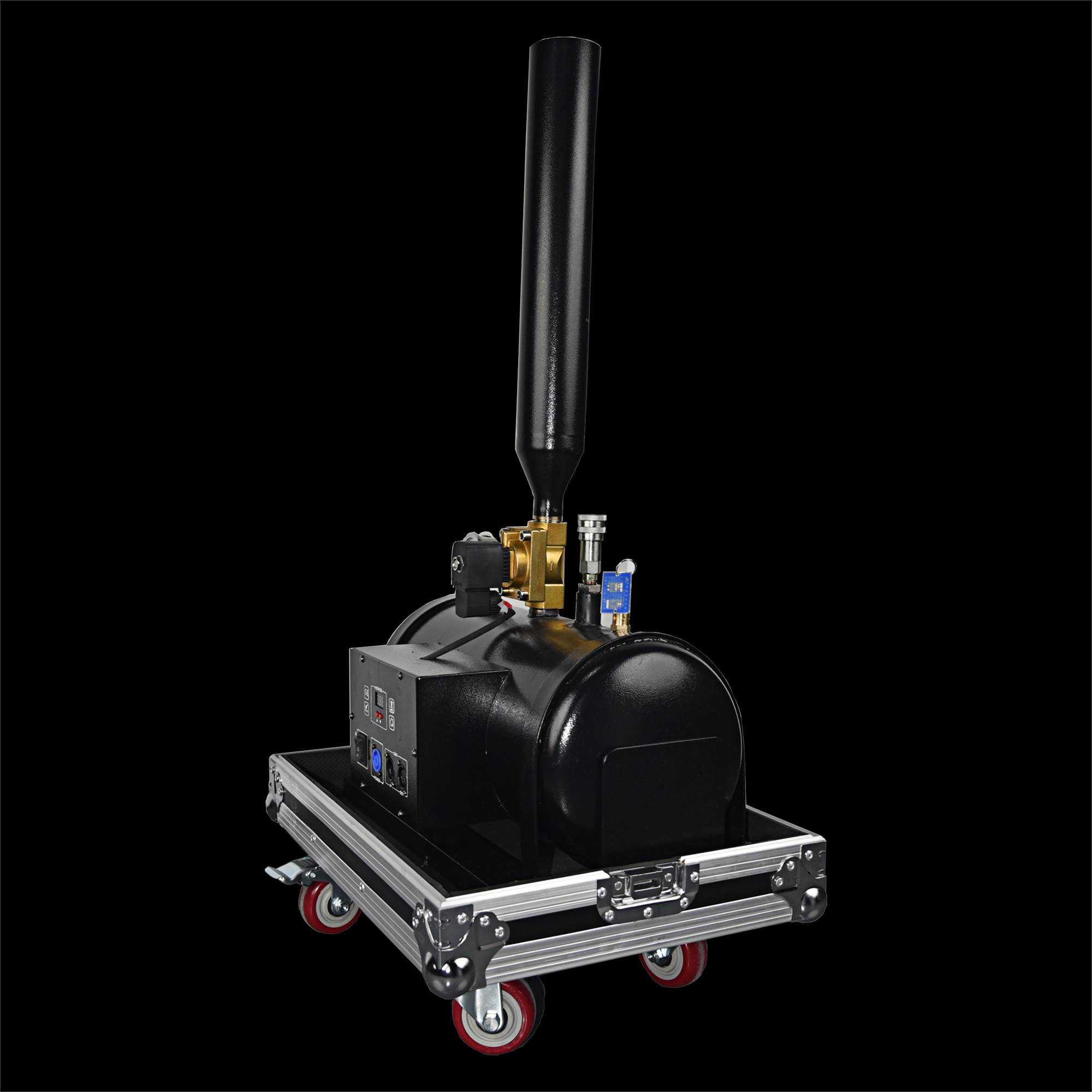
High-Altitude Confetti Cannon - Professional Confetti Blaster for Stage, Party & Celebration Events
Email: sales01@strlighting.com
WhatsApp: +86 189 2232 4800
© 2025 Siterui SFX All Rights Reserved.
 Scan QR Code
Whatsapp: +8618922324800
siteruisfx_stage_equipment
Siterui
SITERUI-SFX
STRlighting
@siterui.sfx