
Fog Fluid Types Explained: Water vs Oil Based
- How Fog Machines Work: A primer for informed fluid choice
- Basic operating principle
- Fluid families: what the machine needs
- Key performance drivers
- Water-based (glycol/glycerin) vs Oil-based (mineral oil) Fluids
- Chemical composition and how it affects fog properties
- Health, residue and housekeeping considerations
- Typical use-cases
- Comparative data: performance, safety, and cost
- Side-by-side comparison table
- Quantitative considerations and monitoring
- Operational cost drivers
- Selecting the right fog fluid: practical workflow
- Assess venue, audience, and regulatory constraints
- Match fluid to machine and desired effect
- Health & safety checklist before deployment
- Maintenance, troubleshooting and best practices
- Routine maintenance to avoid clogs and residue build-up
- Troubleshooting common issues
- Environmental and sustainability considerations
- Siterui SFX: Manufacturer expertise and SFX solutions
- Why choose Siterui for fog & haze solutions
- Integration & customization examples
- FAQ — Common questions about fog fluids and fog machines
- 1. Can I use oil-based fluid in any fog machine?
- 2. Are oil-based fogs more harmful to breathe than water-based ones?
- 3. How do I change from one fluid type to another?
- 4. Which fluid gives the best laser beams and light shafts?
- 5. How often should I clean lighting fixtures if I run haze nightly?
- 6. Do fog fluids trigger smoke detectors or fire alarms?
- Final recommendations & contact
Fog machines are essential tools for live events, theatre, film, and themed entertainment. Choosing the right fog fluid affects visual quality, equipment lifespan, performer and audience safety, and operational costs. This article explains the chemical and physical differences between water-based and oil-based fog fluids, examines performance and safety trade-offs, and provides practical selection and maintenance guidance tailored to event professionals, lighting and SFX technicians, venue managers, and rental houses.
How Fog Machines Work: A primer for informed fluid choice
Basic operating principle
Most electrically heated fog machines create a visible aerosol by vaporizing a carrier liquid and condensing it into tiny droplets. Typical professional fog machines use a heat-exchange block or boiler to evaporate the fog fluid; on cooling in ambient air the vapor condenses into a fine mist that scatters light and creates the “fog” you see. For details on common fog machine designs, see the industry overview on Wikipedia.
Fluid families: what the machine needs
Fog fluids are engineered liquids chosen for boiling point, vapor pressure, viscosity, and residue behavior. Two broad families dominate the market: water-based fluids (glycol- or glycerin-containing) and oil-based fluids (commonly refined mineral oil). Choice of fluid must match the machine technology and pump/heater materials — using the wrong fluid can clog lines, damage seals, or void warranties.
Key performance drivers
Visual density, particle size distribution, hang time (persistence), and compatibility with lighting and laser systems depend primarily on fluid chemistry and output volume. The same fog machine will behave differently with different fluids; technicians must calibrate pump duty cycles and fan use accordingly.
Water-based (glycol/glycerin) vs Oil-based (mineral oil) Fluids
Chemical composition and how it affects fog properties
Water-based fog fluids commonly use propylene glycol, triethylene glycol, or glycerin blended with deionized water. These fluids vaporize and form droplets with a range of sizes that produce volumetric fog suitable for dense theatrical smoke and short- to medium-hang haze. Oil-based fluids typically use refined mineral oil or synthetic hydrocarbons; they produce very fine particles that hang longer and create a thinner, more even haze often preferred for concert haze and laser effects.
Health, residue and housekeeping considerations
Water-based glycol fluids leave a water-soluble residue that can attract dust but is usually removable with water-based cleaning. Oil-based fluids can leave oily residues on fixtures, lenses, and air handling surfaces — increasing cleaning frequency and sometimes requiring solvents. Health and exposure concerns vary by formulation; authoritative guidance, workplace exposure limits, and venue policy should be consulted (see the UK Health & Safety Executive guidance on theatrical smoke and haze: HSE - Theatrical smoke and haze).
Typical use-cases
Water-based fluids are the go-to for theaters and film where dense, short-lived fog is needed for scenes and where easy clean-up is important. Oil-based fluids (or oil-formula hazes) are preferred for concerts, television studios, and arenas requiring long-lasting, even atmosphere for lighting beams and lasers. Machine type (fog machine vs hazer) also dictates fluid choice; many hazers require oil-based or specialized low-water formulas for optimal performance.
Comparative data: performance, safety, and cost
Side-by-side comparison table
| Property | Water-based (glycol/glycerin) | Oil-based (mineral oil) |
|---|---|---|
| Primary chemistry | Glycols (propylene, triethylene), glycerin + water | Refined mineral oil or synthetic hydrocarbons |
| Visual density | High short-term density; good for clouds and pockets | Lower instantaneous density; creates even haze and long beams |
| Hang time | Short to medium (minutes) | Long (tens of minutes to hours in still air) |
| Residue | Water-soluble residues; cleaner with water | Oily residue; can build up on lenses and HVAC filters |
| Equipment compatibility | Designed for most standard fog machines; avoids oil seals | Requires oil-compatible pumps, seals; avoid in some foggers |
| Typical applications | Theatre, film, themed attractions, short-effect fog | Concerts, arena haze, long-duration atmospheric effects |
| Health & ventilation | Follow MSDS and venue ventilation; HSE guidance recommended | Increased cleaning and possible HVAC filter loads; monitor exposure |
| Relative cost | Mid-range | Often similar or slightly higher depending on purity |
Sources: manufacturer technical data, general industry knowledge, and regulatory guidance such as the HSE theatrical smoke and haze page (HSE) and product chemistry overviews (Wikipedia).
Quantitative considerations and monitoring
Many venues use particle counters and CO2/ventilation monitoring to ensure audience and performer safety during extended effects. Recommended best practice is to run a pre-show test at set levels and measure particulate concentration against local occupational exposure limits or venue guidelines. Consult product MSDS for specific exposure data — these are supplied by fluid manufacturers and should be kept on site for each fluid type.
Operational cost drivers
Fluid consumption rates, cleaning labor to remove residue, and maintenance intervals (pump seals, filter replacements) affect total cost of ownership. Oil-based fluids often increase cleaning frequency and HVAC maintenance, which should factor into budgeting for long-running residuary haze in indoor venues.
Selecting the right fog fluid: practical workflow
Assess venue, audience, and regulatory constraints
Ask: Is the venue a small theatre, a TV studio, or a large arena? What are local fire code and smoke detector policies? Does the audience include people with respiratory sensitivities? Indoor spaces with limited ventilation favor controlled, short-duration effects (often water-based). Large well-ventilated arenas often use oil-based haze for consistent beams. Check local fire authority and building management for acceptable practices and detector compatibility.
Match fluid to machine and desired effect
Always use fluids specified for your fog or hazer model. Many manufacturers list compatible fluid chemistries in manuals. Using an oil-based fluid in a machine designed for aqueous glycols can cause pump and heater failure. When in doubt, test on spare equipment or at low duty cycles before a show.
Health & safety checklist before deployment
- Obtain and review the MSDS of each fluid.
- Run pre-show tests and measure particulate levels if feasible.
- Inform venue staff and event management; coordinate with HVAC control.
- Use signage and announcements if effects might affect sensitive patrons.
- Maintain a cleaning schedule for lighting fixtures, lenses, and HVAC filters.
Maintenance, troubleshooting and best practices
Routine maintenance to avoid clogs and residue build-up
Flush lines with manufacturer-recommended cleaners when changing fluid families (e.g., oil out, water-based in). Clean nozzles, wicks, and heat exchangers per service intervals. Inspect seals and pumps: mineral oil can swell or harden certain elastomers — verify material compatibility.
Troubleshooting common issues
Low output could be blocked nozzles (residue), pump failure, or wrong fluid viscosity. Uneven fog may signal contaminated fluid or partial clogging. If oily residue forms on lights, increase cleaning frequency and consider switching fluid family or using an inline filter where feasible.
Environmental and sustainability considerations
Choose fluids from reputable suppliers that publish full ingredient lists and MSDS. Some newer formulations aim to reduce volatile organics and residues. Also plan for responsible disposal — don’t dump large volumes of used fluid into drains; follow local hazardous-waste guidance where applicable.
Siterui SFX: Manufacturer expertise and SFX solutions
Siterui SFX is a professional manufacturer engaged in the research and development, production, sales, and service of professional stage special effects (SFX) equipment. With a highly skilled team and cutting-edge technology, we are committed to providing innovative, reliable, and high-performance SFX solutions for live events, theaters, concerts, film production, and entertainment venues worldwide.
At Siterui SFX, we understand that every stage, event, and creative concept is unique. That’s why we offer flexible customization services to meet your specific needs—whether it's branding, special functions, size adjustments, or complete system integration. From custom casing and logo printing to wireless control systems and synced multi-device setups, our expert team works closely with you to design SFX solutions that align perfectly with your needs.
Our commitment to quality and innovation ensures that our clients receive cutting-edge effects that enhance the visual and sensory experience of every performance. We pride ourselves on exceptional customer service and continuous advancement, positioning Siterui as a trusted partner in the professional special effects industry.
Siterui SFX advantages and core products include: spark machine, haze machine, CO₂ jet machine, bubble machine, snow machine, foam machine, confetti machine, fog machine, fire machine, and dry ice machine. We provide full-service support from system design to after-sales maintenance. Learn more at https://www.siteruisfx.com/ or contact sales01@strlighting.com for consultation and quotes.
Why choose Siterui for fog & haze solutions
Siterui emphasizes compatibility testing, supplying recommended fluids and MSDS, and offering customization (e.g., fluid reservoirs, multi-device synchronization, and wireless control). This reduces risk when switching fluid families and allows you to tailor effects to venue and show requirements.
Integration & customization examples
Examples include synced multi-fog arrays for large venues, dimmable output control for camera-sensitive film shoots, and integrated HVAC venting considerations for long-run hazes. Siterui’s R&D lab supports fluid-machine testing to verify residue rates and optimal operating parameters.
FAQ — Common questions about fog fluids and fog machines
1. Can I use oil-based fluid in any fog machine?
No. Always consult your fog machine or hazer manual. Many fog machines designed for glycol/water fluids are not compatible with oil-based fluids and may be damaged by them.
2. Are oil-based fogs more harmful to breathe than water-based ones?
Health effects depend on specific formulations, exposure duration, and ventilation. Follow MSDS recommendations, venue policies, and guidance such as the UK HSE theatrical smoke and haze guidance (HSE). Use monitoring for extended effects or sensitive audiences.
3. How do I change from one fluid type to another?
Flush the system thoroughly using the manufacturer-specified cleaning procedure. Replace or inspect seals if switching to oil-based formulations. Perform a controlled test before returning to normal show duty.
4. Which fluid gives the best laser beams and light shafts?
Oil-based hazes often provide longer hang time and finer particles that create continuous, even beams ideal for lasers and moving lights. However, high-quality water-based hazes can also perform well depending on particle size and ventilation.
5. How often should I clean lighting fixtures if I run haze nightly?
Cleaning frequency depends on fluid type, venue ventilation, and fixture exposure. For oil-based hazes in indoor venues, inspect and clean lenses and gobos weekly to monthly. Track residue accumulation and adjust schedules accordingly.
6. Do fog fluids trigger smoke detectors or fire alarms?
Fog and haze can interact with detectors depending on type and sensitivity. Coordinate with venue safety officers and fire authorities; many venues use special detector settings, beam detectors, or notification protocols when effects are planned.
Final recommendations & contact
Choose the fog fluid that aligns with your effect goals, venue constraints, and equipment specifications. Prioritize safety: review MSDS for every fluid, test pre-show, and maintain a rigorous cleaning and monitoring program. For complex setups (multi-device synchronization, large arena haze, or film-camera sensitive environments), consult the manufacturer or a specialized SFX supplier.
For professional advice, system design, and high-quality fog and haze equipment, contact Siterui SFX. Visit https://www.siteruisfx.com/ or email sales01@strlighting.com to request product details, MSDS, or a custom quote for spark machines, haze machines, CO₂ jet machines, bubble machines, snow machines, foam machines, confetti machines, fog machines, fire machines, and dry ice machines.
Sources & further reading: Industry summaries and technical overviews such as Wikipedia - Fog machine and regulatory guidance from the UK Health & Safety Executive (HSE) were used to support recommendations. For manufacturer-specific data, consult product MSDS and technical datasheets provided by fluid and equipment suppliers.
Fog Machine vs Haze Machine: Which to Choose?
Creative Stage Effects Using Dry Ice Machines
Top 5 Quiet Haze Machines for Studio Shooting: A Buyer's Guide
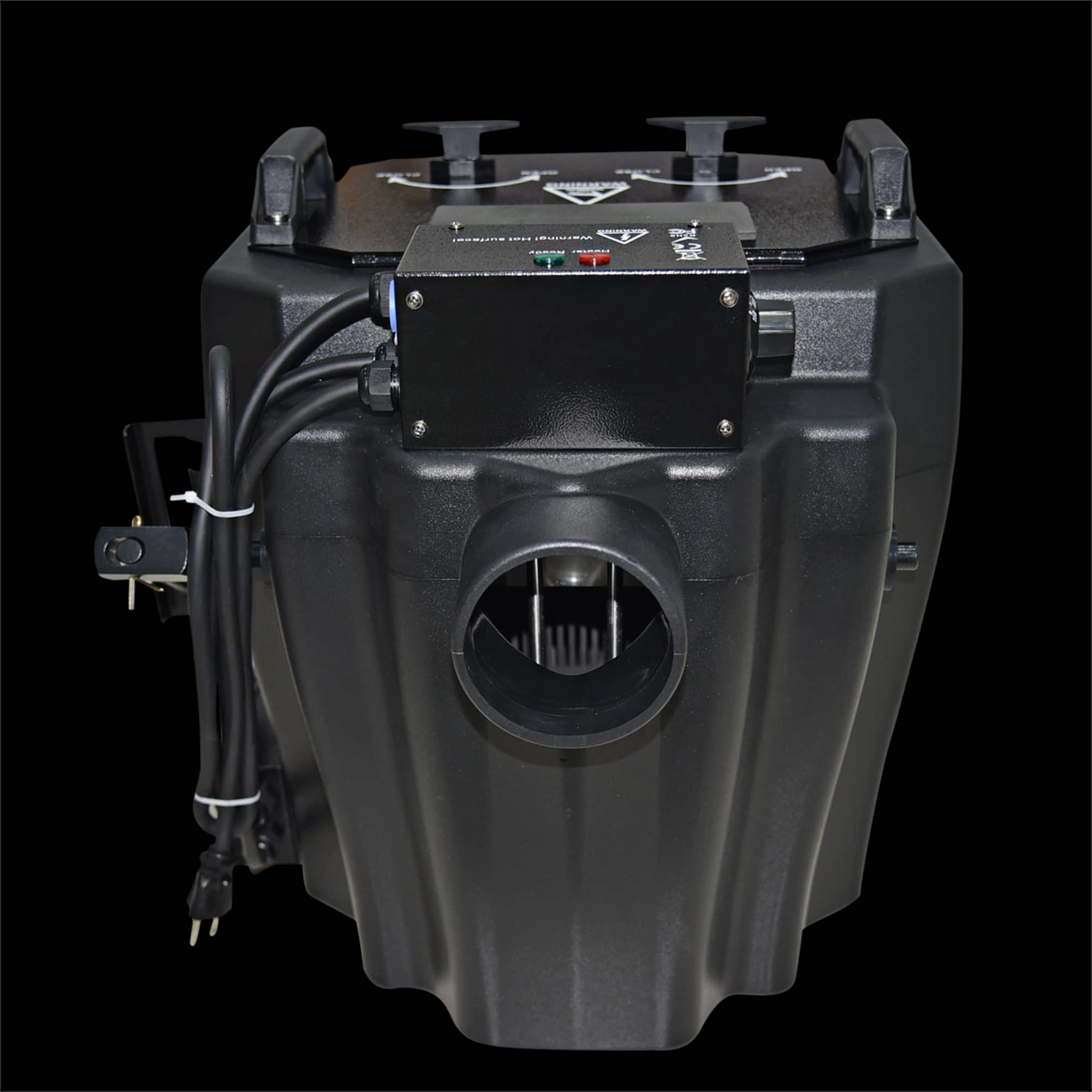
6000W Dry Ice Machine — Professional Low-Lying Fog for Live Events
About us
How does the team collaborate on projects?
Cross-functional collaboration ensures seamless execution from design to delivery.
Single-Head CO2 Jet Machine
How does your factory do regarding quality control
All the products will be 100% checked before the shipment
1500W 24x3W LED fog machine
What type of smoke oil should I use with this machine?
For optimal performance, use high-quality smoke oil.
CO2 Mini Rainbow Confetti Machine
Are you a factory or trading company?
We are a factory-direct supplier, ensuring competitive pricing and quality control.
3000W fog machine
Are you a factory or trading company?
Yes,We are a factory & trading company, we can guarantee our price is first-hand, very cheap and competitive.
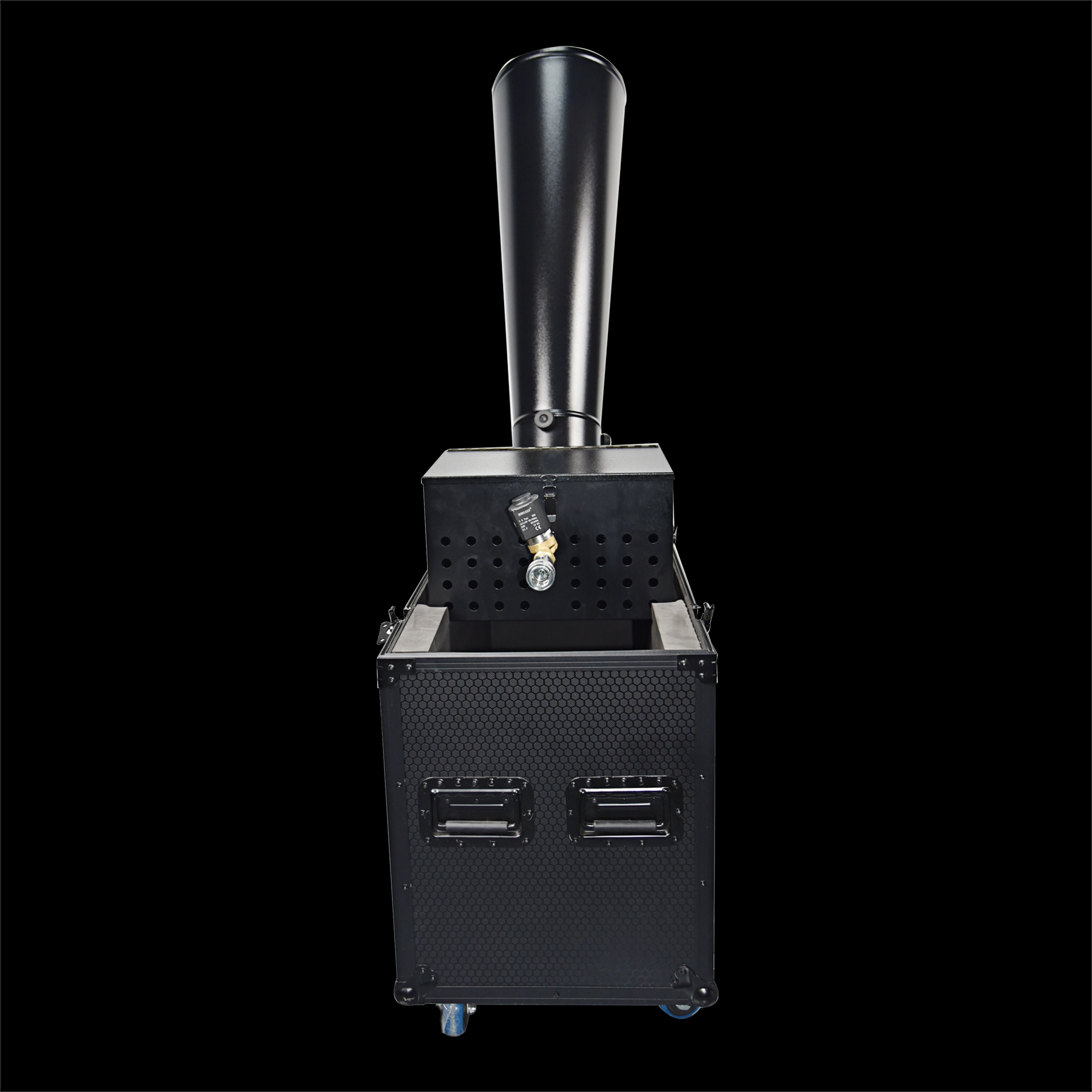
CO₂ Mini Rainbow Confetti Machine Manual Control with Durable Black Wheeled Flight Case
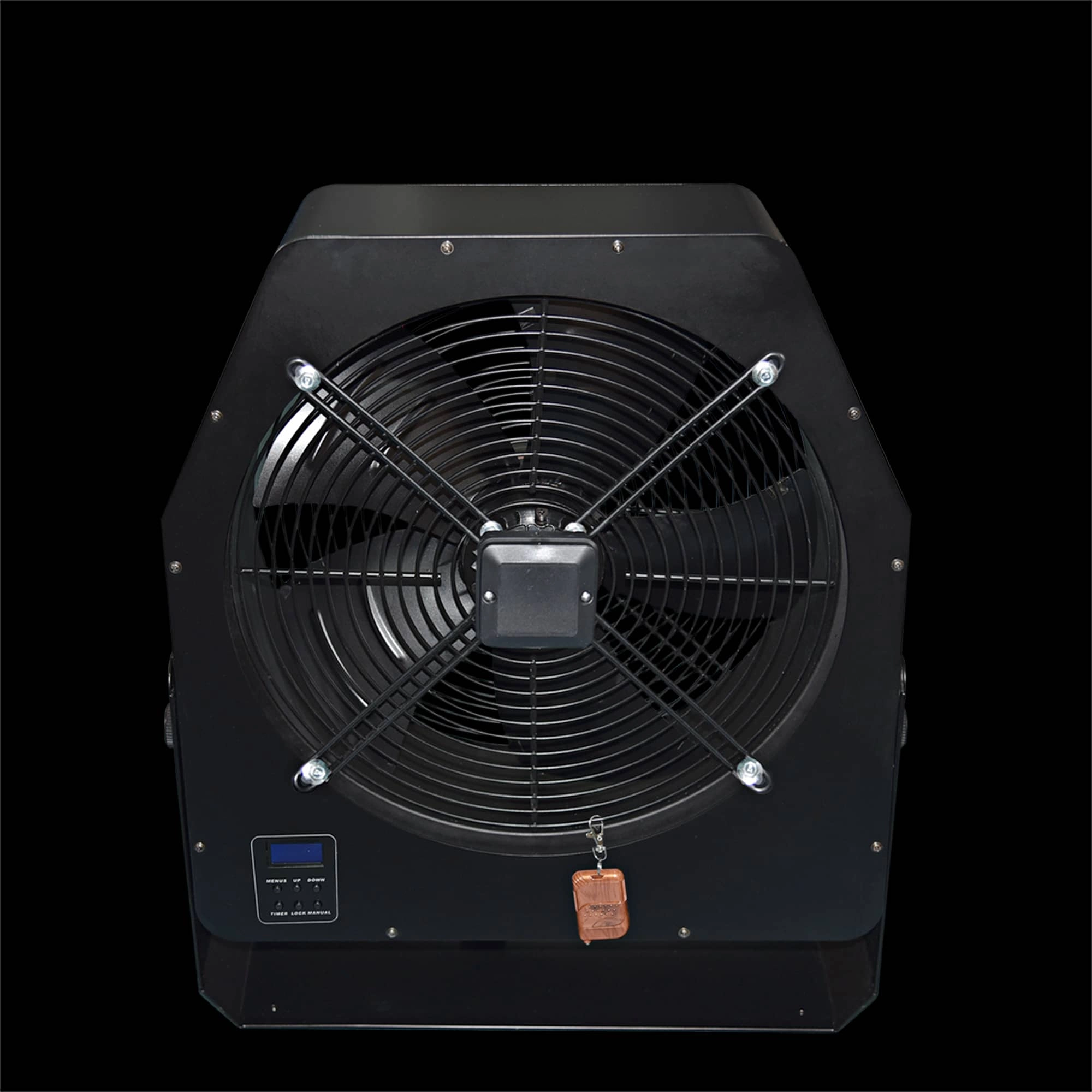
Professional Stage Big DMX Fan | High-Power Event Fan for Stage Shows & Celebrations
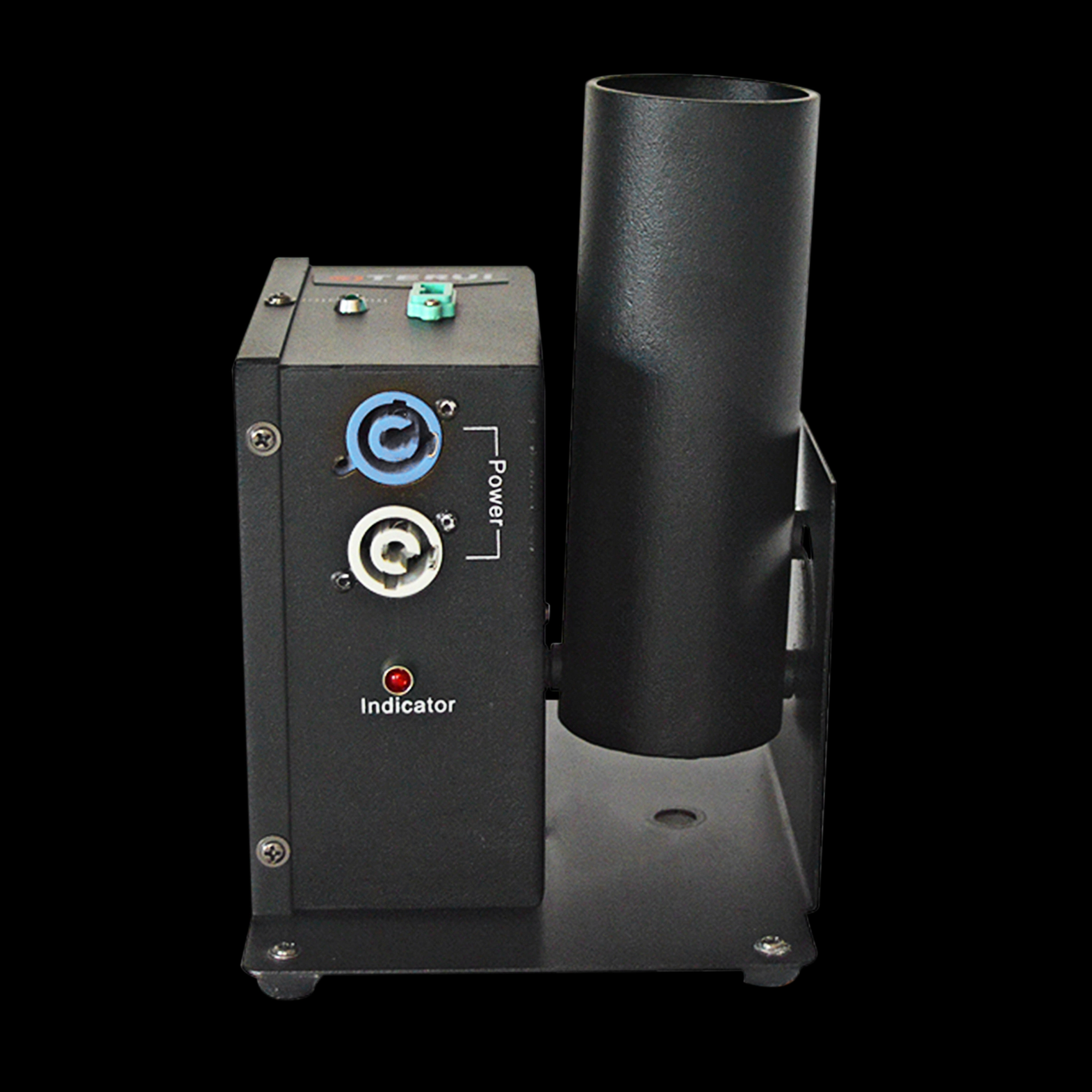
Single Shot Confetti Machine - Premium Confetti Launcher for Weddings & Stage Celebrations
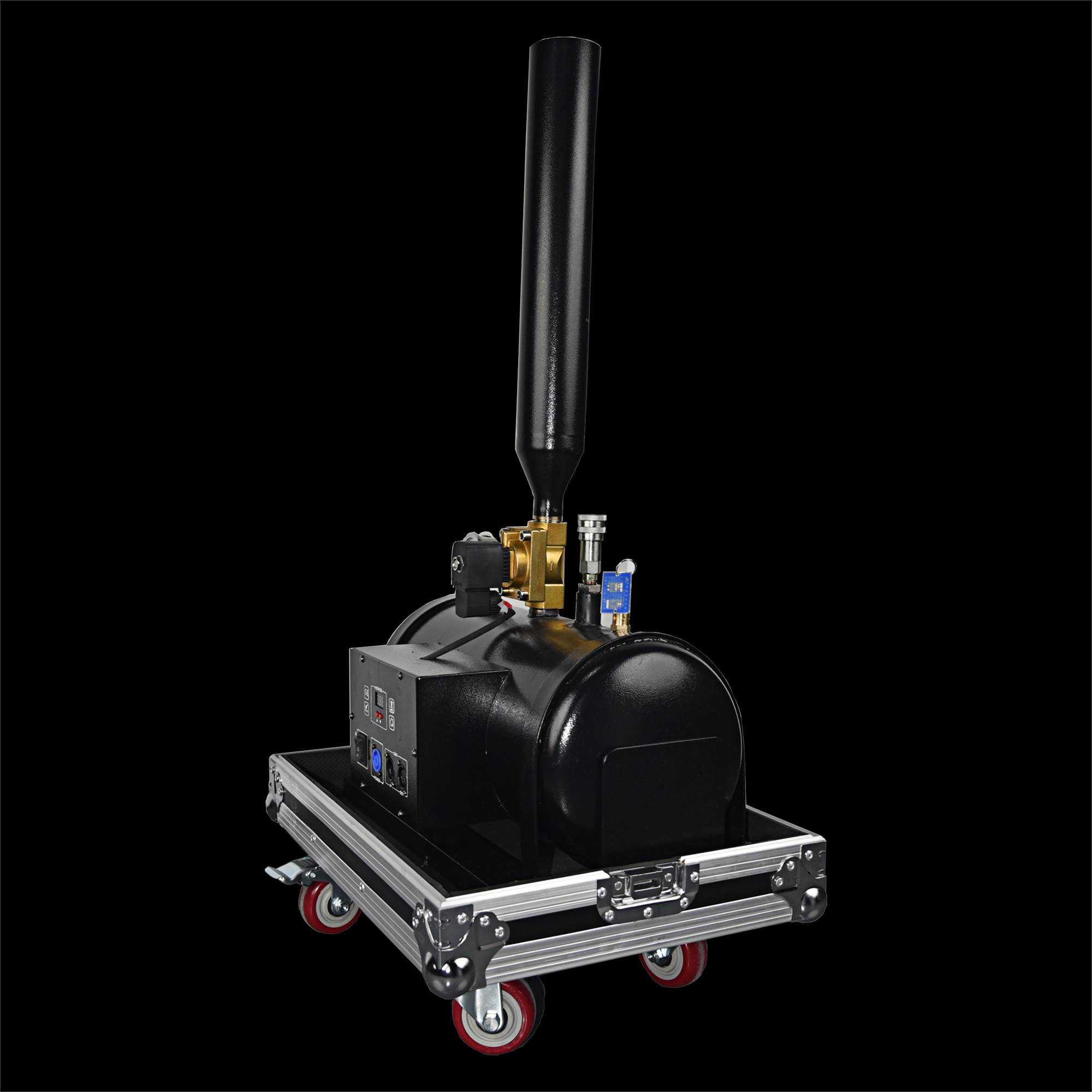
High-Altitude Confetti Cannon - Professional Confetti Blaster for Stage, Party & Celebration Events
Email: sales01@strlighting.com
WhatsApp: +86 189 2232 4800
© 2025 Siterui SFX All Rights Reserved.
 Scan QR Code
Whatsapp: +8618922324800
siteruisfx_stage_equipment
Siterui
SITERUI-SFX
STRlighting
@siterui.sfx