
Fog Machine vs Haze Machine: Which to Choose?
- Understanding atmospheric effects and their roles
- Why atmospheric effects matter
- Common applications and environments
- Standards and industry guidance
- Fog Machine vs Haze Machine: Technical differences
- How fog machines work
- How haze machines work
- Fluid types, particle size and visibility
- Choosing the right effect: practical considerations
- Artistic intent: density vs subtlety
- Venue constraints: ventilation, detectors, and audience
- Health, allergies and performers
- Operational and purchasing guide
- Maintenance, reliability and running costs
- Comparative specification table
- When to rent vs buy
- Comparing real-world scenarios and recommendations
- Concert tour and arenas
- Theater and live stage
- Film, TV and broadcast
- Siterui SFX: Your partner for professional atmospheric solutions
- Practical checklist before deploying fog or haze
- FAQ
- 1. Will fog or haze set off fire alarms?
- 2. Is haze safer than fog for performers with asthma?
- 3. Can I use the same fluid for both fog machines and hazers?
- 4. How do I choose between water-based and glycol-based fluids?
- 5. What maintenance do fog machines and hazers require?
- 6. Can I integrate fog and haze devices into a DMX or networked control system?
- 7. Should I rent or buy for a one-off event?
- Contact and next steps
Choosing between fog machines and haze machines is a common decision for event producers, lighting designers, technical directors, and venue managers. This article explains the technical differences, typical applications, health and safety considerations, and purchase/operation trade-offs so you can select the right atmospheric effect for your production goals. It integrates industry best practices and references to authoritative sources to support practical recommendations.
Understanding atmospheric effects and their roles
Why atmospheric effects matter
Atmospherics—produced by fog and haze devices—are used to make light beams visible, add depth, and create mood or illusion onstage. For lighting designers, controlled particulate matter in the air enhances volumetric lighting, giving shows dramatic three-dimensional looks that pure lights alone cannot achieve.
Common applications and environments
Fog machines and hazers are used across many settings: concert touring, theaters, TV/film sets, nightclubs, theme parks, and corporate events. The intended artistic outcome determines the device type: dense, momentary cloud for a reveal or theatrical moment typically comes from fog; consistent, subtle atmosphere for lighting effects or laser work is usually produced by haze.
Standards and industry guidance
When planning atmospheric effects, consult industry guidance for safety and performance. The Entertainment Services and Technology Association (ESTA) provides technical committees and resources on atmospherics, and NFPA/OSHA guidance can inform fire detection and ventilation strategies. See ESTA's atmospherics resources (ESTA atmospherics working group) and general safety guidance from NFPA (NFPA).
Fog Machine vs Haze Machine: Technical differences
How fog machines work
Fog machines (also called smoke machines) use heat to vaporize a glycol- or glycerin-based fluid (or produce dry-ice/dry vapor) into a visible cloud of droplets or vapor. Many theatrical fog machines are designed to produce short-duration, high-density bursts for dramatic moments. For background reading, see the general description on Wikipedia's Fog machine page (Wikipedia: Fog machine).
How haze machines work
Haze machines (hazers) produce a fine, long-lasting aerosol that creates a uniform, thin atmosphere ideal for showing light beams and laser effects without obscuring visibility. Hazers typically output much lower particle concentrations than fog machines and are engineered to run continuously or for extended periods to maintain a steady effect.
Fluid types, particle size and visibility
Different fluids influence output density, particle size and residue. Typical haze fluids create particles in the sub-micron to low-micron range for even scattering, while fog machines produce larger droplets for immediate, dense clouds. Particle size and chemical composition determine persistence, beam definition and residue on surfaces and optics. For safety and composition references, consult manufacturer MSDS sheets and summaries like those on Wikipedia (Wikipedia: Smoke machine).
Choosing the right effect: practical considerations
Artistic intent: density vs subtlety
Ask what you need visually. If you need dense clouds for scene reveals, ground fog or burst fog is appropriate. If the goal is to reveal lighting beams, sustain mood, or support lasers without blocking sightlines, a hazer is typically the correct choice. Many productions combine both: haze for the show baseline and small fog bursts for cues.
Venue constraints: ventilation, detectors, and audience
Venue size, HVAC capacity, and fire/smoke detection systems are critical. Dense fog can trigger smoke detectors or affect evacuation signage, while haze generally interacts less with detectors but still requires coordination with venue staff and possibly detector masking or detector logic adjustments. Coordination with venue technical staff and reference to local fire codes (see NFPA) is essential.
Health, allergies and performers
Although many modern fluids are formulated to be low-irritant, performers, staff, or audience members with asthma or chemical sensitivities may react. Use manufactures' safety data sheets (SDS) and consider spot tests in the venue. For occupational exposure guidance, consult resources such as OSHA (OSHA). When in doubt, prefer a hazer with low output settings or increase ventilation.
Operational and purchasing guide
Maintenance, reliability and running costs
Fog machines often place higher thermal stress on heaters and pumps due to intermittent high-output bursts; hazers are designed for long continuous operation and often have lower peak power draw. Consider routine maintenance: fluid filters, pump service, nozzle cleaning, and firmware updates. Use manufacturer recommended fluids to minimize residue and service downtime.
Comparative specification table
| Characteristic | Fog Machine | Haze Machine (Hazer) |
|---|---|---|
| Typical output | Dense bursts; short duration (e.g., 5–60 seconds) | Low-density continuous output; steady atmosphere |
| Particle size | Larger droplets, visible cloud (micron-scale and above) | Fine aerosol (sub-micron to low micron range) |
| Best use | Reveals, special moments, ground fog | Volumetric lighting, lasers, continuous ambience |
| Run profile | Intermittent bursts; higher thermal demand | Continuous or long runs; designed for endurance |
| Residue | Higher risk if improper fluid used | Low residue when using quality haze fluids |
| Cost range (typical pro units) | $300–$2,000+ | $500–$3,000+ |
| Detector interaction | Higher risk of activating smoke detectors | Lower risk but requires coordination |
Note: ranges above are for guidance; consult specific product datasheets for exact figures.
When to rent vs buy
Small, infrequent events generally favor renting to access high-end equipment without capital expenditure. Regular touring, fixed installations, or venues with recurring events typically justify purchasing. Evaluate total cost of ownership: initial price, maintenance, fluid consumption, warranty, and service availability.
Comparing real-world scenarios and recommendations
Concert tour and arenas
For stadiums and arenas, continuous haze helps lighting designers create long, dramatic beam shots that read well on broadcast and in the audience. Combined setups that include fog machines for song cues are common. Ensure hazers are DMX/Art-Net compatible and can be integrated into the show control system.
Theater and live stage
Theater productions often require strict control of density and cueing. Fog machines are used for atmospheric moments, while hazers support consistent stage wash. For enclosed spaces, minimize fog density and coordinate with HVAC to keep smoke detectors informed of planned use.
Film, TV and broadcast
Film and TV frequently require subtle haze for lighting, or dry-ice fog for low ground-level clouds. Consider residue on camera lenses and lighting fixtures—haze is preferred for long takes; fog is used for quick visual impact where camera settings and take durations are short.
Siterui SFX: Your partner for professional atmospheric solutions
Siterui SFX is a professional manufacturer engaged in the research and development, production, sales, and service of professional stage special effects (SFX) equipment. With a highly skilled team and cutting-edge technology, we are committed to providing innovative, reliable, and high-performance SFX solutions for live events, theaters, concerts, film production, and entertainment venues worldwide.
At Siterui SFX, we understand that every stage, event, and creative concept is unique. That’s why we offer flexible customization services to meet your specific needs—whether it's branding, special functions, size adjustments, or complete system integration. From custom casing and logo printing to wireless control systems and synced multi-device setups, our expert team works closely with you to design SFX solutions that align perfectly with your needs.
Products and core strengths:
- Product range: spark machine, haze machine, CO₂ jet machine, bubble machine, snow machine, foam machine, confetti machine, fog machine, fire machine, dry ice machine.
- Customization: casing, logo, wireless & DMX/Art-Net control, tailored multi-unit sync.
- Technical advantages: robust thermal management, low-residue fluid compatibility, modular serviceable design.
- Service: global sales and after-sales support, factory testing, and on-site commissioning.
Siterui SFX differentiates itself through integrated R&D, strict quality control, and proactive customer service. Our devices are designed to minimize downtime, simplify maintenance, and support professional workflows. Learn more at Siterui SFX or contact sales at sales01@strlighting.com.
Practical checklist before deploying fog or haze
- Confirm artistic goals: beam visibility vs dense effects.
- Check venue fire codes and detector locations; get written approval if needed.
- Test fluids and machines in the actual environment during tech rehearsal.
- Plan HVAC interaction and smoke detector logic—coordinate with venue engineers.
- Document MSDS/SDS and make them available to venue staff and medical personnel.
FAQ
1. Will fog or haze set off fire alarms?
Both can potentially interact with smoke detectors. Dense fog is more likely to trigger alarms. Many venues require pre-approval and may temporarily mask or re-route detectors (only by authorized personnel) for planned effects. Coordinate with venue operations and consult NFPA guidance (NFPA).
2. Is haze safer than fog for performers with asthma?
Haze generally produces lower particle concentrations, but safety depends on the fluid chemistry and individual sensitivities. Use low-odor, low-residue certified fluids, run trials, and consult physicians or occupational guidance like OSHA (OSHA) if there are health concerns.
3. Can I use the same fluid for both fog machines and hazers?
No. Fog machines and hazers require fluids formulated for their heat and dispersion systems. Using the wrong fluid can clog equipment or produce unwanted residue. Always follow the manufacturer's recommendations and SDS documentation.
4. How do I choose between water-based and glycol-based fluids?
Water-based haze fluids tend to have lower residue and are often favored for continuous hazing. Glycol-based fluids are common in fog machines for dense clouds. Choose fluids certified for your machine and consider residue and cleaning schedules.
5. What maintenance do fog machines and hazers require?
Routine maintenance includes cleaning nozzles and pumps, replacing filters, checking heater elements, and using manufacturer-approved fluids. Service intervals depend on usage intensity—consult product manuals and service schedules.
6. Can I integrate fog and haze devices into a DMX or networked control system?
Yes. Many professional fog machines and hazers support DMX, RDM, Art-Net, or wireless remote systems, enabling precise cueing and synchronization with lighting and show control. Verify control protocol compatibility when purchasing.
7. Should I rent or buy for a one-off event?
For single events or occasional use, renting professional-grade fog or haze equipment is usually more cost-effective. Buy if you have regular events, tours, or installations that amortize the equipment cost over time.
Contact and next steps
If you need tailored recommendations for fog machines, haze machines, or integrated SFX systems, Siterui SFX can help specify, customize, and supply equipment that fits your venue and creative needs. Visit our website: https://www.siteruisfx.com/ or email our sales team at sales01@strlighting.com to request quotes, technical datasheets, or on-site consultation.
Key services we provide: custom casing & branding, wireless and synchronized multi-device control, fluid and residue optimization, and global after-sales support—designed to keep your show running and looking exceptional.
Hazer safety: ventilation and legal guidelines
Retrofit and Upgrade Options for Fog Systems
Beginner's Guide to Stage Lights: Types and Uses
Fogging Machine Buying Guide: How to Choose for Stage Shows
Single-Head CO2 Jet Machine
What is the price of shipping?
Depending upon the port of delivery, prices varies.
750W Move Head Cold Electronic Spark Machine
Can I request a sample?
Yes. Samples are available at a discounted price + shipping cost.
Solutions
What if the product malfunctions? Do you provide after-sales service?
We offer a 1-year warranty covering free repair and parts replacement (excluding man-made damage). Our support team responds within 24 hours.
Can you customize the products based on our brand? Do you support OEM/ODM?
Absolutely. With our in-house design team, we provide full OEM/ODM customization from product appearance, color, function, logo branding, to packaging and complete equipment.
660 Dual Haze machine
What is the lifespan of a dual oil-based machine?
With proper maintenance, the machine can be used continuously for up to 15 hours and then requires a period of rest.
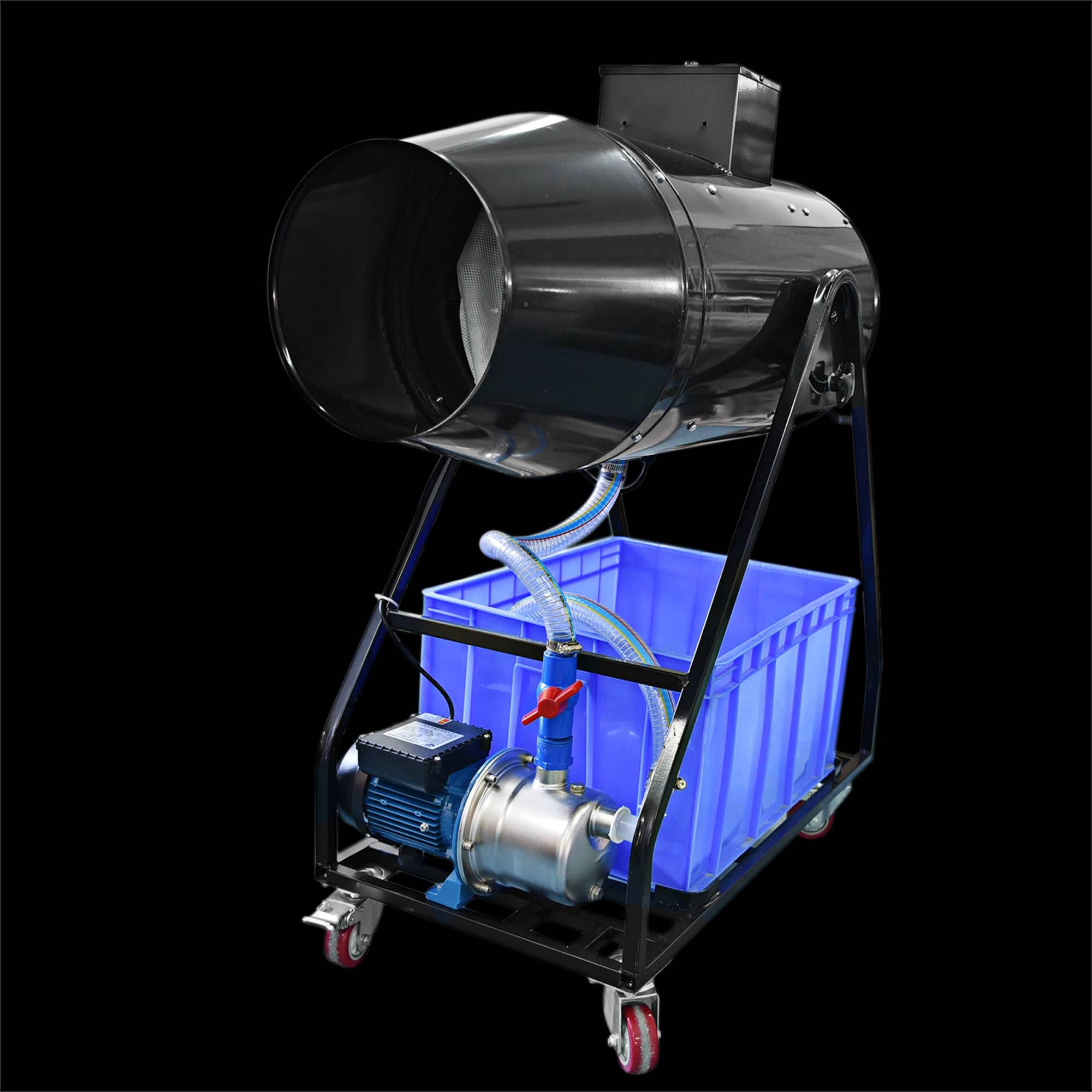
Siterui SFX 1800W Spraing foam machine High Power Professional Foam Party Maker
Elevate your event with the Siterui SFX 1800W Spraing Foam Machine. This high-power, professional foam party maker creates dense, vibrant bubbles—perfect for weddings and celebrations. Reliable and easy to use, it’s the foam and bubble machine for unforgettable moments.
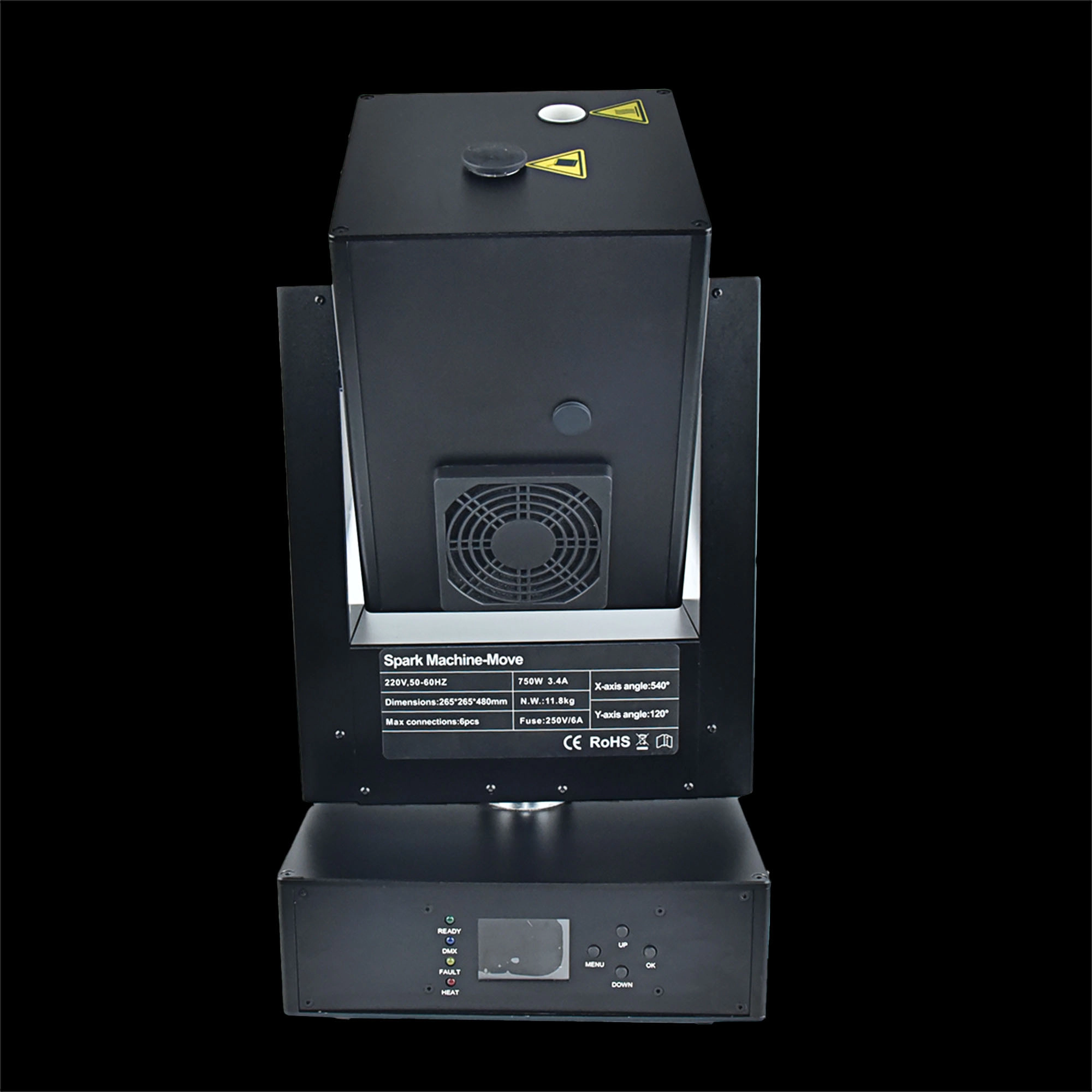
750w moving head spark machine
Siterui SFX 750w moving head spark machine delivers high-impact cold-spark effects with 360° moving head, DMX control, adjustable output and safe, long-lasting performance - perfect for concerts, weddings and stage shows.
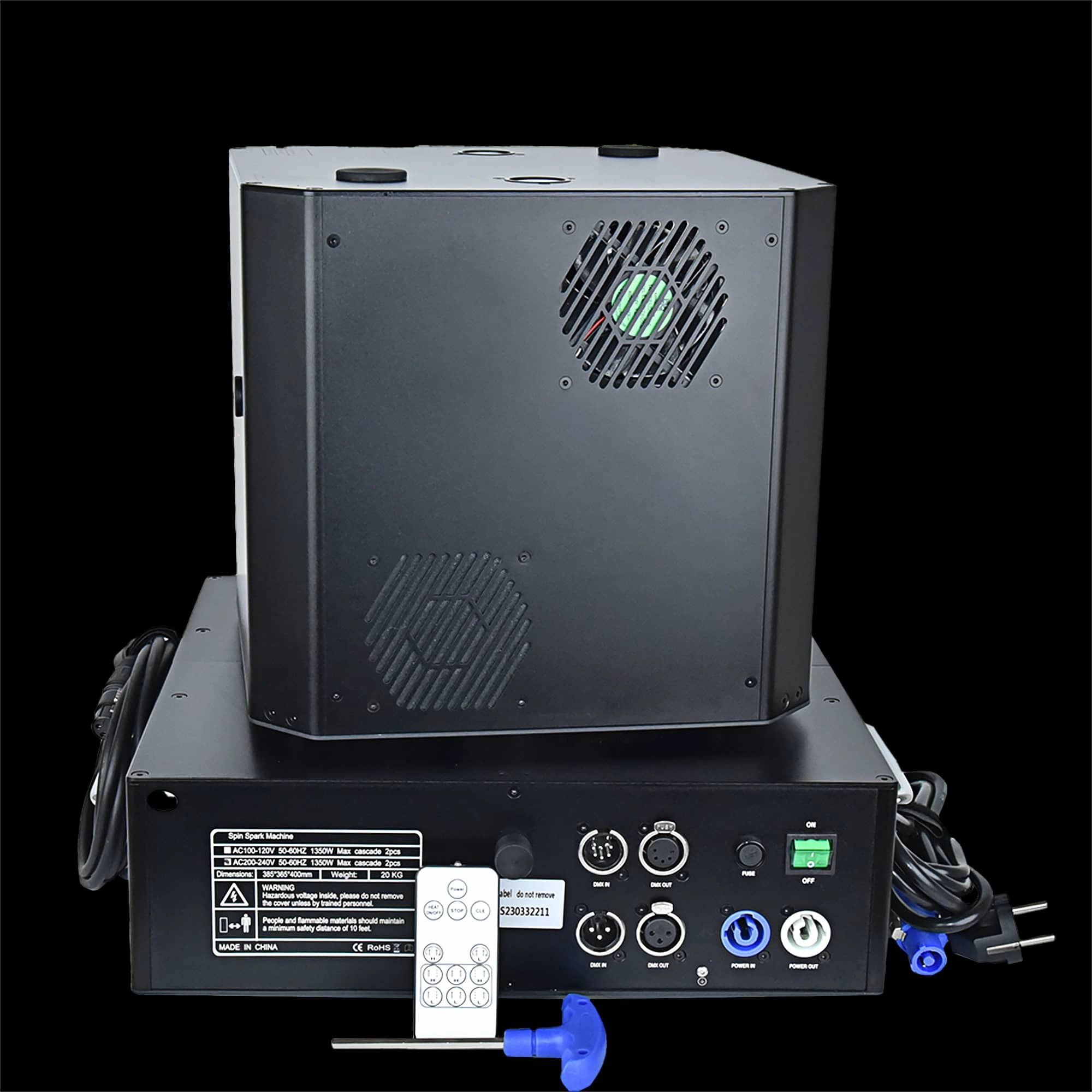
Double head 1300W Spin Spark machine DMX+Remote control
Double head 1300W Spin Spark machine -powerful dual-head 1300W spin spark effect with DMX + remote control for precise timing. Durable, professional-grade pyrotechnic effect ideal for concerts, clubs and events.
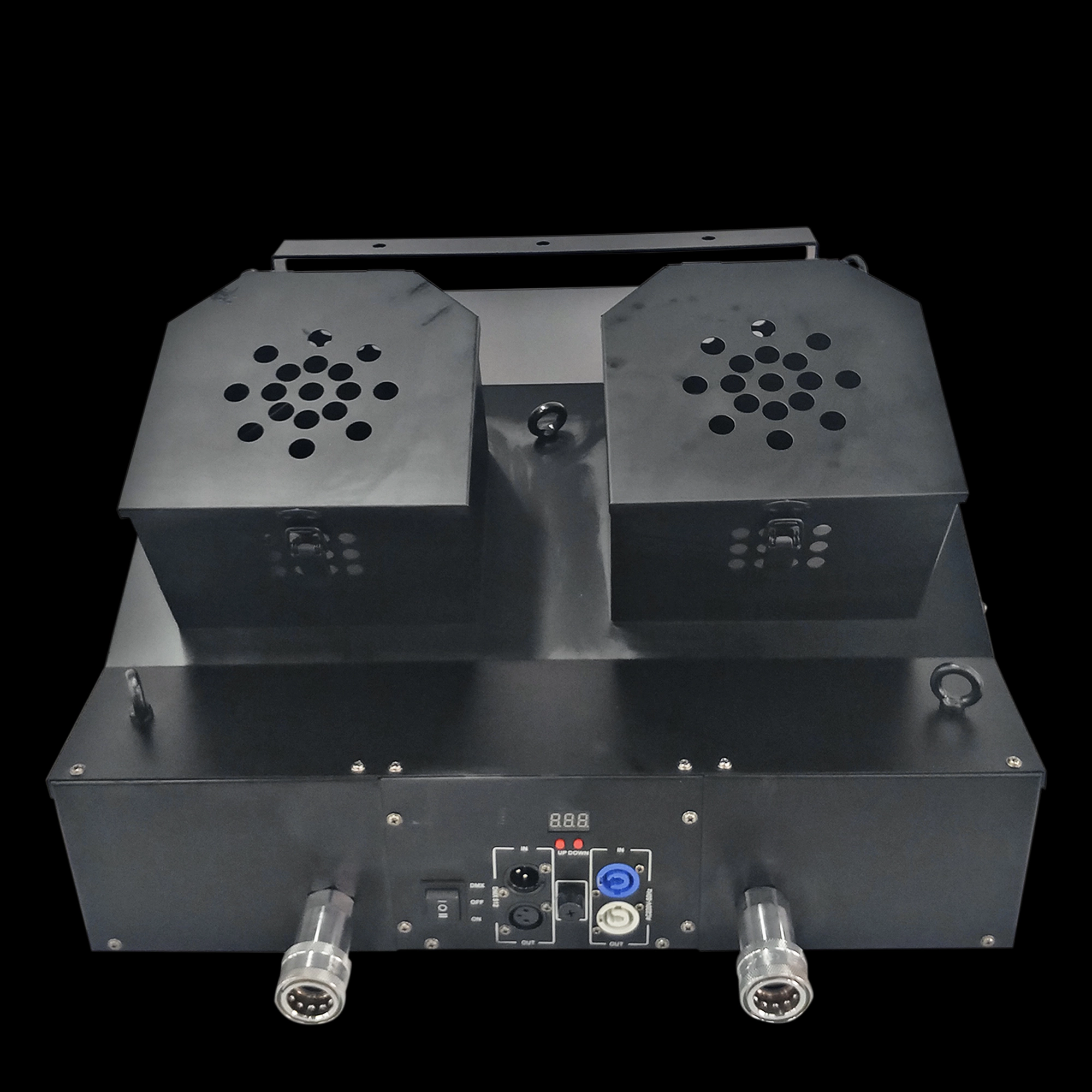
Snowstorm Paper Machine Double outlet sprayer snowstorm paper machine dual nozzle sprayer
Email: sales01@strlighting.com
WhatsApp: +86 189 2232 4800
© 2025 Siterui SFX All Rights Reserved.
 Scan QR Code
Whatsapp: +8618922324800
siteruisfx_stage_equipment
Siterui
SITERUI-SFX
STRlighting
@siterui.sfx