
Fogging Machine Buying Guide: How to Choose for Stage Shows
- Why fog and haze matter for live productions
- Artistic and technical roles of fog
- Audience experience and sightlines
- Regulatory and health considerations
- Types of fogging and haze systems — pros and cons
- Glycol/Fluid-based thermal foggers (traditional fog machines)
- Haze machines (continuous low-density output)
- Dry ice and CO₂ effects
- Ultrasonic and cold-fog innovations
- Comparison table: common fog/haze systems
- How to match fogging machine specs to your venue and creative goals
- Assessing venue volume and effect density
- Power (W), duty cycle and warm-up
- Control options: DMX, wireless, and manual
- Fluid compatibility and ongoing costs
- Safety, compliance, and maintenance
- Health and ventilation
- Certifications, local regulations, and insurance
- Routine maintenance checklist
- Troubleshooting common faults
- Buying checklist and sample selection scenarios
- Essential checklist before purchase
- Sample selection: three real-world scenarios
- Budgeting: cost vs performance
- Siterui SFX — manufacturer expertise and customization options
- Why consider a specialized manufacturer
- About Siterui SFX
- Customization and technical capabilities
- FAQ — Frequently asked questions
- 1. How do I choose between a haze machine and a fog machine?
- 2. Are fog machine fluids safe for performers and audiences?
- 3. What maintenance should I expect for a fog machine?
- 4. How do I size a fogging system for a multi-room venue?
- 5. Can fog machines trigger smoke alarms?
- 6. What is the environmental impact of fog fluids?
- 7. How does DMX control improve fog effects?
Choosing the right fogging machine for stage shows is more than picking the most powerful unit you can find. In my experience as a stage special effects consultant and content specialist, the ideal fog machine balances creative intent, venue size, safety, control, and ongoing serviceability. This guide explains the types of fog and haze systems, how to match performance specs to production needs, standards and safety considerations supported by authoritative sources, and practical buying and maintenance advice. It also highlights customization options from experienced manufacturers to ensure your fog effects are reliable, repeatable, and safe.
Why fog and haze matter for live productions
Artistic and technical roles of fog
Fog and haze make light visible, create atmosphere, and hide or reveal stage elements. I always start every design by asking: is the goal subtle beam enhancement (haze) or dramatic conceal-and-reveal moments (dense fog)? Haze machines provide long-lasting, low-density aerosols that read well under moving lights; fog machines produce short bursts of dense medium that quickly obscure and then dissipate.
Audience experience and sightlines
Fog density affects sightlines, performer comfort, and camera work. For televised or filmed events, fog can create unwanted backscatter on camera sensors if improperly tuned. For immersive theater, fog must be balanced to avoid obscuring actors’ faces while still serving scenic vision. I recommend always testing effects under rehearsal lighting and camera conditions.
Regulatory and health considerations
Before choosing equipment, be aware of workplace guidance on theatrical smoke and fog. The UK Health and Safety Executive provides practical advice for entertainment venues (HSE Entertainment guidance), and general background on fog machines is available on Wikipedia (Fog machine — Wikipedia). For aerosol and indoor air quality considerations, see NIOSH/CDC resources (CDC/NIOSH).
Types of fogging and haze systems — pros and cons
Glycol/Fluid-based thermal foggers (traditional fog machines)
Thermal foggers heat a glycol- or glycerin-based fluid to produce dense plumes. They are the standard for dramatic bursts and quick stage fills. Pros: high instantaneous output, fast bursts. Cons: heavier residue potential if low-quality fluid is used, warm-up time, and higher power draw.
Haze machines (continuous low-density output)
Haze machines (oil-based or water-based) create fine particles to sustain visible light beams for extended periods. They’re ideal for concerts and lighting design. Pros: long runtime, subtle and uniform aerosol. Cons: lower instantaneous density—less suitable for thick fog moments unless paired with fog banks.
Dry ice and CO₂ effects
Dry ice and CO₂ jets produce heavy, grounded fog and dramatic bursts. These systems differ from traditional fog machines (they use temperature/pressure rather than fluid vaporization). Pros: striking, grounded effects. Cons: short-lived pockets, safety protocols for CO₂ concentration and ventilation.
Ultrasonic and cold-fog innovations
Ultrasonic machines create fog using high-frequency vibrations and water-based fluids; they are quieter and cooler but typically produce larger droplets that dissipate faster. They are useful where heat or power is constrained.
Comparison table: common fog/haze systems
| Type | Best for | Output character | Fluid / Source | Typical power | Notes |
|---|---|---|---|---|---|
| Thermal fogger (glycol) | Bursts, heavy fog effects | High, short bursts | Glycol- or glycerin-based fog fluid | 800–3000 W | Requires warm-up; choose quality fluid to reduce residue |
| Haze machine (water-based) | Continuous beam enhancement | Low, sustained | Water-based haze fluid | 50–500 W | Low noise options; good for long performances |
| Dry ice fog | Ground-hugging fog, theatrical moments | Dense, localized | Dry ice + water | Low (no heating element) | Logistics (storage) and CO₂ monitoring required |
| CO₂ Jets | Concert impact bursts | Very high instantaneous | Liquid CO₂ | Low (pneumatic) | Safety protocols for gas; short visible time |
| Ultrasonic / cold fog | Low-heat environments | Fine mist, dissipates faster | Water-based fluids | Low | Quiet, low-residue |
Note: power ranges and behaviors are representative industry guidance based on typical product specifications; always confirm with manufacturer data sheets.
How to match fogging machine specs to your venue and creative goals
Assessing venue volume and effect density
I always start with venue volume (length × width × height) and decide between haze (continuous subtle density) and fog (short dense bursts). Instead of fixed numeric rules, I use the following approach: for intimate clubs and black-box theaters, lower-power thermal units (800–1500W) or a haze machine suffice. For mid-size theaters, choose 1500–2500W foggers or a haze plus a supplementary fogger. For arenas and outdoor shows, multiple high-power units and CO₂/jet systems are common.
Power (W), duty cycle and warm-up
Power correlates with how much fluid can be vaporized quickly. But duty cycle (how long you can run before cooldown) and warm-up time matter operationally. If your show needs repeated fog hits every 2 minutes, select a machine with a short warm-up, large fluid tank, and a high duty cycle or plan synchronized multi-machine setups to avoid overheating.
Control options: DMX, wireless, and manual
Modern fog machines often support DMX or wireless control for precise cues. If your lighting designer requires integrated cues, confirm DMX compatibility and the available channels (e.g., master trigger, intensity, fan control). For complex setups, RDM (Remote Device Management) and wireless DMX simplify multi-unit control and diagnostics. I recommend at least both manual and DMX control on professional units.
Fluid compatibility and ongoing costs
Fluid quality affects performance, residue, and safety. Use manufacturer-recommended fluids—mixing incompatible fluids can clog pumps and void warranties. Water-based fluids generally leave less residue and work well with haze machines; glycol fluids give richer, thicker bursts. Consider ongoing fluid cost and how many liters you’ll use per show when budgeting.
Safety, compliance, and maintenance
Health and ventilation
Run a risk assessment before any show. HSE entertainment guidance and public health resources are useful starting points (HSE — Entertainment). For indoor events, ensure sufficient ventilation, monitor CO₂ if using dry ice/CO₂ effects, and have protocols for performers or crew with respiratory conditions. I advise sharing test runs with cast to validate comfort levels.
Certifications, local regulations, and insurance
Check that equipment carries CE marking (for EU markets) or other applicable certifications. For pyrotechnic-adjacent effects, consult NFPA or local fire codes. While there isn’t a single global standard that covers all special effects, many venues require technical data sheets and method statements prior to approval—plan ahead and include manufacturer support in your submissions.
Routine maintenance checklist
Routine maintenance extends machine life and reduces failures on show day. My recommended checklist:
- Use only recommended fluids and keep spare reservoirs.
- Flush lines monthly or per manufacturer guidance to avoid buildup.
- Check heating elements, thermostats, and thermal cutouts before events.
- Test remote/DMX controls and backup manual triggers.
- Document run-hours and service logs; replace pumps per manufacturer intervals.
Troubleshooting common faults
Common issues include low output (often clogged nozzles or wrong fluid), inconsistent bursts (pump or thermostat faults), and overheating (duty-cycle exceedance). Keep a spare nozzle kit, a small pump rebuild set, and a service contact for rapid support.
Buying checklist and sample selection scenarios
Essential checklist before purchase
Use this checklist when evaluating vendors and models:
- Desired effect: haze vs fog vs ground-hugging.
- Venue size and expected audience capacity.
- Power availability and duty-cycle needs.
- Fluid type and ongoing cost estimates.
- Control protocols (DMX, wireless, manual overrides).
- Certifications, warranty, and local regulatory compliance.
- Maintenance requirements and local service/support availability.
Sample selection: three real-world scenarios
Scenario A — Intimate black-box theater (100–200 people): Choose a water-based haze unit for continuous beam enhancement and a small 800–1200W thermal fogger for occasional bursts. Prioritize quiet operation and low residue.
Scenario B — Mid-size theater or club (500–1,500 people): Use a 1500–2500W thermal fogger for strong stage fills, paired with an automated haze machine for periods between cues. Choose units with DMX control and medium tank capacity for multi-act shows.
Scenario C — Arena or outdoor festival (5,000+ people): Plan multiple high-output thermal foggers (2000W+), CO₂ jets for impact bursts, and distributed haze systems to create consistent beam visibility across large volumes. Factor in logistics for fluid resupply and increased maintenance.
Budgeting: cost vs performance
Entry-level haze units may start under $400, while professional thermal foggers and commercial haze systems can range from $1,000 to $6,000+ depending on power, features, and brand. Consider total cost of ownership: fluid consumption, spare parts, and service contracts can exceed the initial equipment price over multi-year operations.
Siterui SFX — manufacturer expertise and customization options
Why consider a specialized manufacturer
From my industry experience, working with a manufacturer that offers R&D, customization, and after-sales service simplifies integrating effects into complex productions. A trusted vendor can provide tailored mounting, control integration, or fluid recommendations and help produce method statements for venue approvals.
About Siterui SFX
Siterui SFX is a professional manufacturer engaged in the research and development, production, sales, and service of professional stage special effects (SFX) equipment. With a highly skilled team and cutting-edge technology, Siterui is committed to providing innovative, reliable, and high-performance SFX solutions for live events, theaters, concerts, film production, and entertainment venues worldwide. Their product lineup includes spark machines, haze machines, CO₂ jet machines, bubble machines, snow machines, foam machines, confetti machines, fog machines, fire machines, and dry ice machines.
Customization and technical capabilities
What sets Siterui SFX apart is flexible customization: branding, size adjustments, wireless control systems, and synced multi-device setups. They can implement custom casing and logo printing, integrate wireless DMX, and help design complete system interoperability across lighting and show control systems. This level of integration reduces deployment risk and improves on-site troubleshooting efficiency.
For inquiries or custom solutions, visit https://www.siteruisfx.com/ or contact sales at sales01@strlighting.com.
FAQ — Frequently asked questions
1. How do I choose between a haze machine and a fog machine?
Choose haze for continuous, subtle aerosol that enhances beam effects; choose fog for dense, short-lived clouds and dramatic reveals. Often the best approach is a combination: haze for the show and fog for cue-based moments.
2. Are fog machine fluids safe for performers and audiences?
Most commercial fog fluids are formulated for theatrical use, but sensitivities exist. Use manufacturer-recommended fluids, follow ventilation guidance, and perform pre-show tests. Refer to HSE guidance for ventilation and risk assessment (HSE — Entertainment).
3. What maintenance should I expect for a fog machine?
Regular flushing of lines, using correct fluids, checking thermostats and pumps, keeping spare nozzles, and logging run-hours. Annual professional servicing is recommended for high-usage equipment.
4. How do I size a fogging system for a multi-room venue?
Assess each room’s volume and effect needs separately. Use smaller units distributed across rooms rather than a single large machine to improve responsiveness and reduce plumbing complexity. Plan control and fluid logistics accordingly.
5. Can fog machines trigger smoke alarms?
Yes—dense fog can activate smoke detectors. Coordinate with venue management and fire safety officials; use detector masking procedures where permitted, or locate machines to minimize false alarms. Always secure written approval from venue and local authorities before operation.
6. What is the environmental impact of fog fluids?
Choose water-based fluids where possible to reduce residue. Glycol-based fluids are common; verify the manufacturer’s environmental and safety datasheets. Proper disposal of leftover fluid and used containers is essential.
7. How does DMX control improve fog effects?
DMX provides precise timed triggers, adjustable intensity, and integration with lighting cues. For complex shows, DMX removes human latency and allows programmable scenes and chained device coordination.
If you have other specific questions or want a custom solution for your stage show, contact me or reach out to Siterui SFX for product recommendations and customized designs. Visit https://www.siteruisfx.com/ or email sales01@strlighting.com to discuss requirements, request datasheets, or arrange a demo.
References:
How to Use a Stage Haze Machine to Enhance Concert Lighting
What are the application scenarios of confetti gun machine?
Cold spark machine use limits: indoor vs outdoor capabilities and venue considerations
Wholesale best fog machine manufacturer and supplier in china
CO2 Mini Rainbow Confetti Machine
Can I test a sample before bulk order?
Yes! Sample cost includes product + shipping. Contact us for details.
FAQs
Where is Siterui SFX Manufacturer located and do they serve international clients?
Does Siterui provide after-sales support and service?
1200W Haze Machine
Can I use other brands of haze fluid?
We recommend our certified fluid for optimal performance and longevity.
large 300W Silver Iron Case Bubble Machine
Is this machine suitable for outdoor use?
Yes, the iron case is weather-resistant, but avoid direct rain exposure.
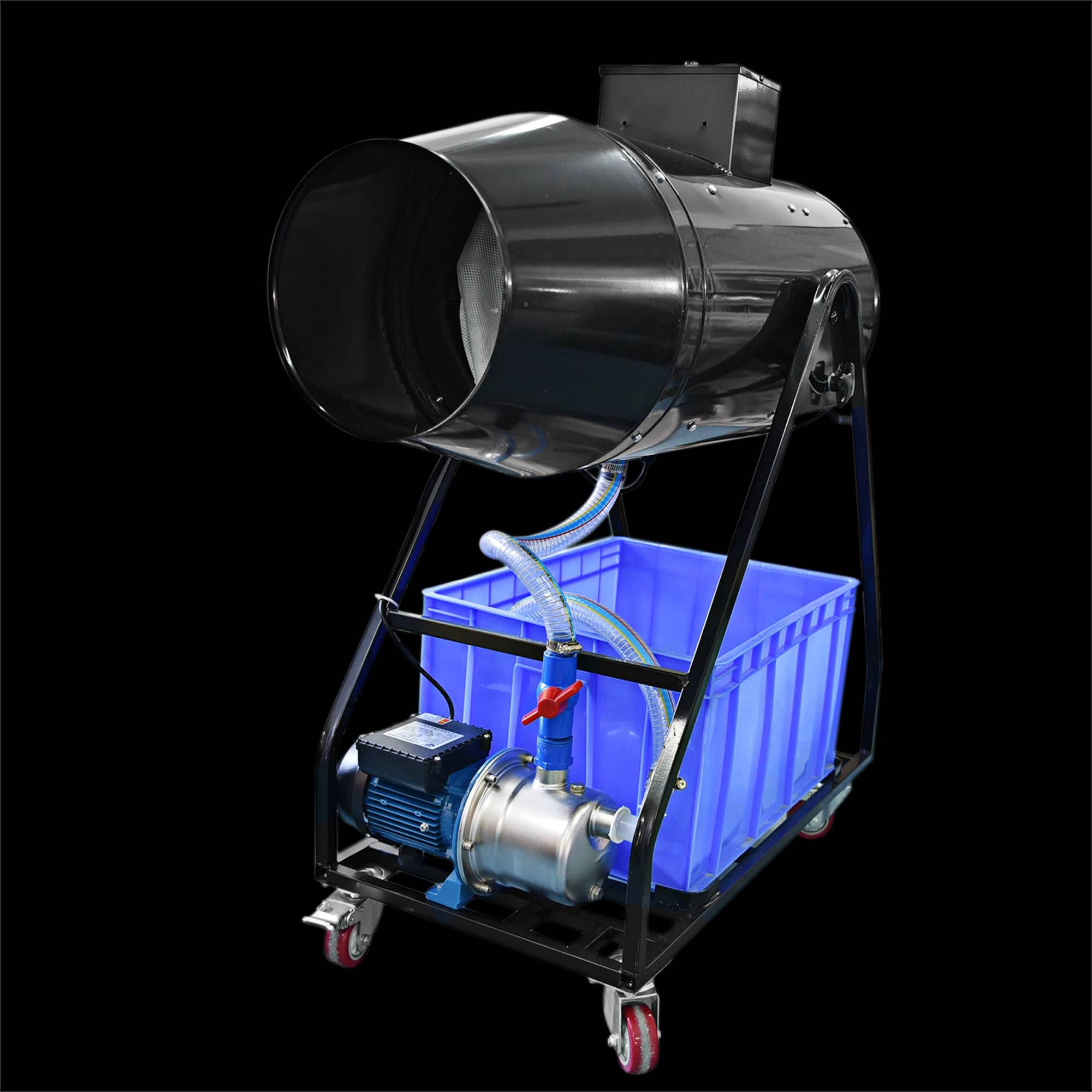
Siterui SFX 1800W Spraing foam machine High Power Professional Foam Party Maker
Elevate your event with the Siterui SFX 1800W Spraing Foam Machine. This high-power, professional foam party maker creates dense, vibrant bubbles—perfect for weddings and celebrations. Reliable and easy to use, it’s the foam and bubble machine for unforgettable moments.
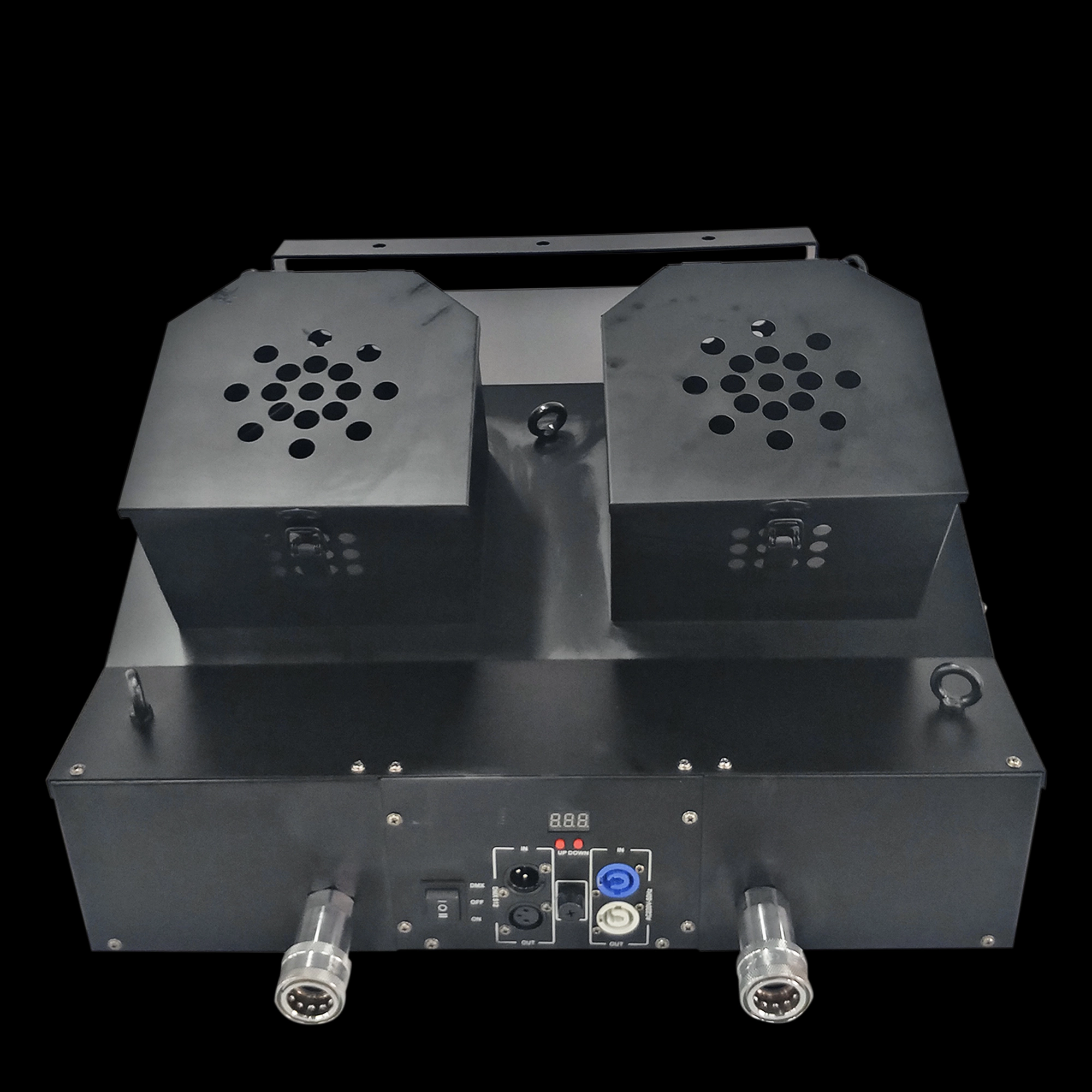
Snowstorm Paper Machine Double outlet sprayer snowstorm paper machine dual nozzle sprayer
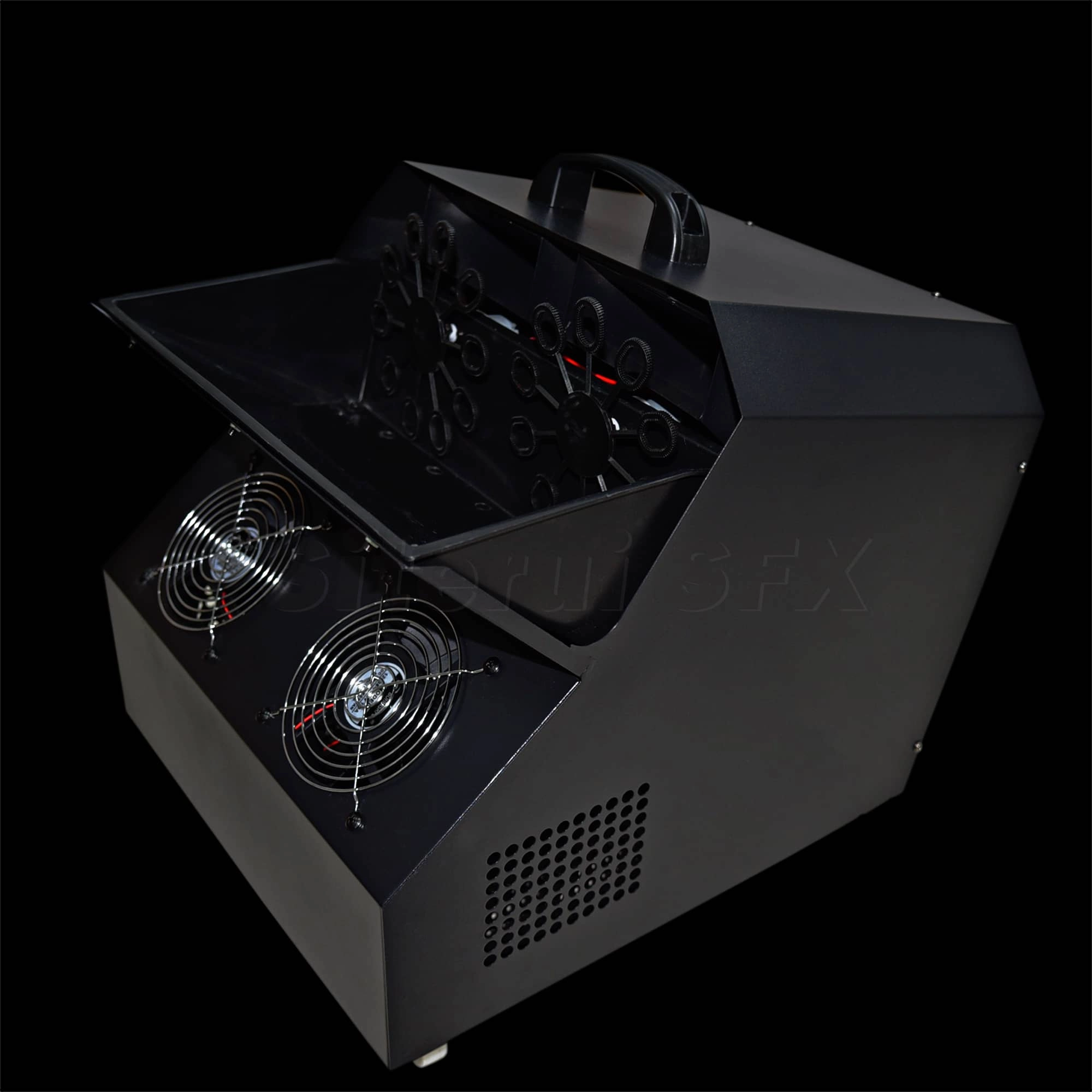
Big black housing bubble machine wireless remote + electric control
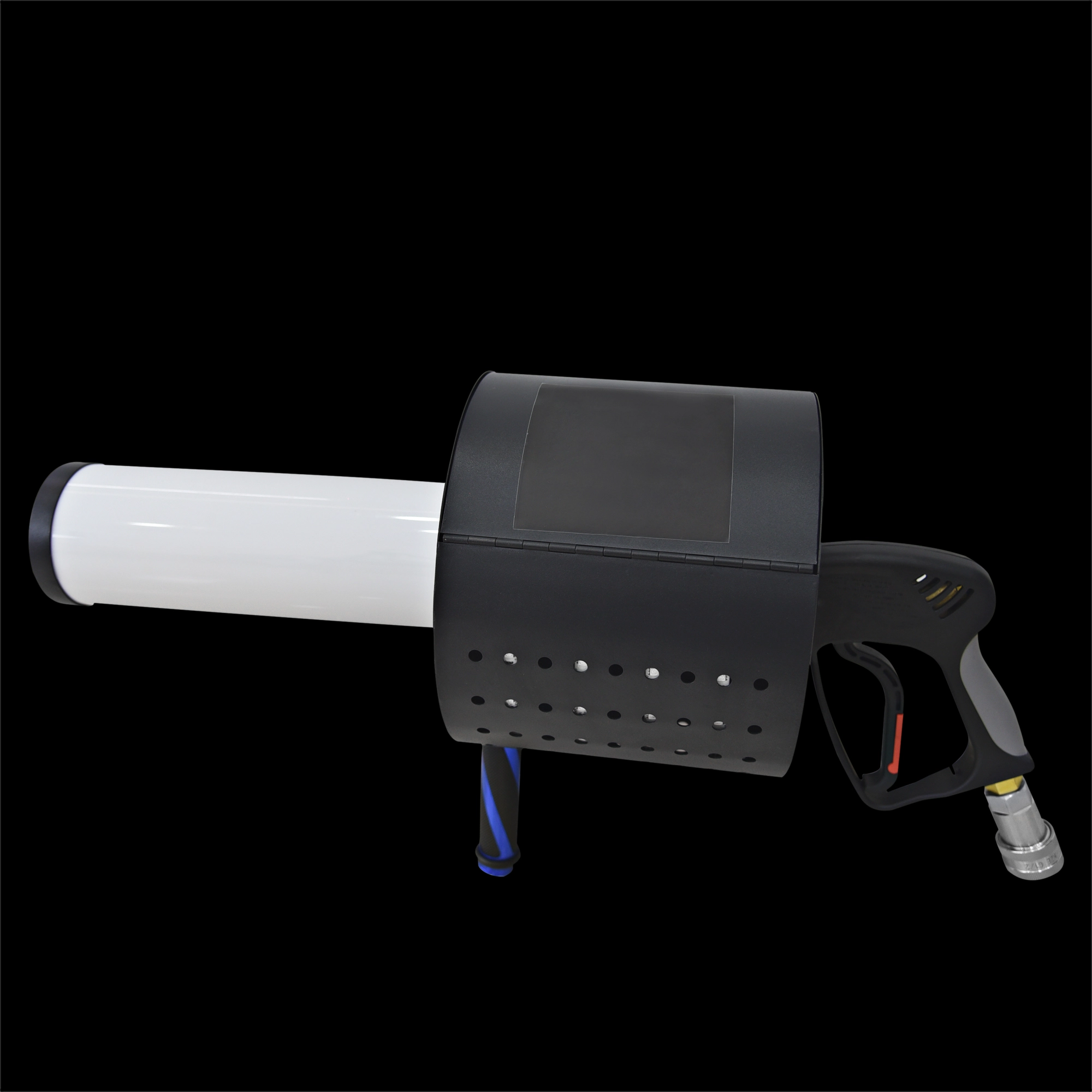
LED co2 jet confetti gun LED CO2 confetti cannon for stage shows DMX LED CO2 confetti gun for concerts Portable LED CO2 confetti blaster
Email: sales01@strlighting.com
WhatsApp: +86 189 2232 4800
© 2025 Siterui SFX All Rights Reserved.
 Scan QR Code
Whatsapp: +8618922324800
siteruisfx_stage_equipment
Siterui
SITERUI-SFX
STRlighting
@siterui.sfx