
Cold spark machine use limits: indoor vs outdoor capabilities and venue considerations
- Understanding cold spark technology and safety basics
- What a cold spark machine actually produces
- How safety is framed in industry guidance
- Key safety takeaways
- Indoor vs outdoor capabilities and limits
- Comparative overview
- Why indoor use requires extra documentation
- Outdoor considerations that often get overlooked
- Venue considerations and risk management
- Pre-event checklist I use on-site
- Permits, insurance and legal compliance
- Mitigations I typically specify
- Selecting, integrating and operating cold spark machines
- How to read manufacturer specs and what to verify
- Control systems and show integration
- Operational best practices
- Siterui SFX — capability, customization and why it matters for your project
- Why choose a professional manufacturer partner
- Case example (anonymized)
- FAQ — common questions I get from venues and event teams
- 1. Are cold spark machines safe to use indoors?
- 2. Do cold spark machines set off smoke detectors?
- 3. What clearances are required for the audience and overhead rigging?
- 4. Do I need a permit or a licensed pyrotechnician?
- 5. How do I manage residue and cleanup after a show?
- 6. How does wind affect outdoor use?
- 7. Where can I find technical or regulatory references?
- Contact and next steps
I have worked on hundreds of live events, theatre productions and corporate shows installing and advising on special effects, including cold spark machines. In this article I explain what cold spark technology is, the realistic limits of indoor versus outdoor use, applicable safety and regulatory considerations, and practical venue-level checks you should perform before specifying or approving an effect. I reference industry standards and authoritative guidance so you can make verifiable, defensible decisions for your production.
Understanding cold spark technology and safety basics
What a cold spark machine actually produces
Cold spark machines generate a fountain-like visual effect by ejecting a metallic, powder-based composition that creates bright, short-lived sparks. Unlike traditional pyrotechnic gerbs or ground-based flame effects, cold sparks are engineered to minimize heat transfer to nearby surfaces and people. That said, “cold” is relative: the effects are designed to be lower temperature and lower ignition risk compared with conventional pyrotechnics, not absolutely zero risk. Manufacturer datasheets and independent testing remain the best source for device-specific performance data.
How safety is framed in industry guidance
Regulatory and safety organizations treat cold sparklers as a form of special effect. The National Fire Protection Association (NFPA) provides standards that are routinely used as the legal or insurance benchmark for pyrotechnic and flame-effect work in the United States. See NFPA guidance for pyrotechnics and proximate-audience effects here: NFPA 1126. General consumer safety guidance on fireworks and spark-producing devices from the U.S. Consumer Product Safety Commission (CPSC) is useful to understand injury patterns and hazards: CPSC: Fireworks Safety. For technical background on pyrotechnics and combustion products consult the overview on pyrotechnics: Wikipedia: Pyrotechnics.
Key safety takeaways
From my on-site experience and by following NFPA best practice, the main considerations are: device-specific operating envelope (manufacturer specs), clearances to audience and combustible surfaces, ventilation/air quality, residue cleanup and slip risk, electrical/power and control integration, and necessary permits and trained operators. Treat cold spark effects as engineered special effects—documented risk assessment and proof of trained operator competence are commonly required by venues and insurers.
Indoor vs outdoor capabilities and limits
Comparative overview
Cold spark machines are marketed for both indoor and outdoor use, but operational limits and ancillary requirements vary. Below I summarize typical differences and the on-the-ground implications for event planners and venue managers.
| Factor | Indoor | Outdoor |
|---|---|---|
| Permits & approvals | Often stricter; venue and local fire marshal approval commonly required | Permits may still be required but are generally easier to secure |
| Clearance & audience distance | Defined by manufacturer and venue; limited by ceiling height and fireproofing | More flexible; wind can influence safe operating zones |
| Ventilation & air quality | Critical: HVAC impact on smoke/spark residue and evacuation systems | Less concern about ventilation, but wind disperses residues |
| Residue & cleanup | Higher operational cost due to sticky/dusty residues on floors/seating | Easier to clear or disperse with weather; environmental rules may apply |
| Weather sensitivity | Not applicable | Wind, rain and humidity affect trajectory and visibility |
Why indoor use requires extra documentation
Indoor environments concentrate people and infrastructure (lighting, drapery, speakers). Fire marshals and venue managers therefore require documented risk assessments, manufacturer’s technical files showing operating temperatures and residue characteristics, trained operator certificates, and often a site-specific operations plan. In my experience, saving “time to approval” means assembling these documents early and proactively engaging venue safety officers.
Outdoor considerations that often get overlooked
Outdoors may appear simpler, but I regularly see errors: overlooking wind direction (sparks drifting into vegetation), setting devices on combustible bases (dry grass), or failing to account for nearby structures. Even outdoors you should check local ordinances, proximity to overhead cables, and environmental restrictions (for example in parks or heritage sites).
Venue considerations and risk management
Pre-event checklist I use on-site
Before approving an effect I always complete a checklist. Below is a condensed version of my working checklist:
- Obtain and review the cold spark machine manufacturer’s technical datasheet and operator manual.
- Confirm operator training and proof of previous usage for similar venues.
- Map audience sightlines and measure clearances to nearest combustible surfaces.
- Confirm ventilation behavior (HVAC on/off impacts) and smoke detection interlocks.
- Consult with the venue’s fire officer and secure written authorization or permits.
- Plan residue cleanup methods, slip mitigation and post-effect inspection.
Permits, insurance and legal compliance
Many jurisdictions treat cold spark devices under the same regulatory umbrella as pyrotechnics or proximate audience effects. NFPA standards are frequently referenced in permit assessments. I recommend contacting local fire authorities early and ensuring your liability insurance covers the special effect. If a venue refuses to accept a cold spark device without additional mitigations, respect that decision and adapt the creative plan.
Mitigations I typically specify
Common mitigations that enable safer indoor use include: protective flameproof mats where residue may fall, designated device cages or mounting rigs to prevent tipping, interlocks with show control systems for emergency cut-offs, and keeping a trained standby fire warden and portable extinguishers nearby. These are practical, verifiable measures that venues and insurers look for.
Selecting, integrating and operating cold spark machines
How to read manufacturer specs and what to verify
Don’t accept marketing claims at face value. Ask for: independent test reports, CE/UL compliance where applicable, detailed operating temperature measurements, spark composition safety data sheets (SDS), residue mass per minute, and recommended clearances. I also ask for recorded test runs with calibrated thermal imaging to confirm the stated temperature envelope—if a manufacturer cannot provide reasonable technical evidence, I treat that device as higher risk.
Control systems and show integration
Cold spark devices are often integrated into lighting and show control via DMX, wireless triggers or dedicated wired control protocols. In my projects I prefer wired interlocks for critical cues to avoid RF interference issues. Ensure emergency stop integration with the venue’s main safety circuits.
Operational best practices
On show day: run a full tech rehearsal with devices placed exactly as in the final show, verify operator line-of-sight and command communications, and run a post-effect inspection for embers or hot residue. Keep operators and riggers familiar with SDS details and cleanup procedures—this reduces downtime and protects staff and audience safety.
Siterui SFX — capability, customization and why it matters for your project
Siterui SFX is a professional manufacturer engaged in the research and development, production, sales, and service of professional stage special effects (SFX) equipment. With a highly skilled team and cutting-edge technology, we are committed to providing innovative, reliable, and high-performance SFX solutions for live events, theaters, concerts, film production, and entertainment venues worldwide.
At Siterui SFX, we understand that every stage, event, and creative concept is unique. That’s why we offer flexible customization services to meet your specific needs—whether it's branding, special functions, size adjustments, or complete system integration. From custom casing and logo printing to wireless control systems and synced multi-device setups, our expert team works closely with you to design SFX solutions that align perfectly with your needs.
Our commitment to quality and innovation ensures that our clients receive cutting-edge effects that enhance the visual and sensory experience of every performance. We pride ourselves on exceptional customer service and continuous advancement, positioning Siterui as a trusted partner in the professional special effects industry. Learn more at https://www.siteruisfx.com/ or contact our sales team at sales01@strlighting.com.
Siterui SFX core product categories include: spark machine (cold spark machines), haze machine, CO₂ jet machine, bubble machine, snow machine, foam machine, confetti machine, fog machine, fire machine, and dry ice machine. Our strengths lie in custom engineering, product compliance, and integrated control solutions that make implementation in complex venues practical and safe.
Why choose a professional manufacturer partner
Working with an established manufacturer like Siterui SFX adds value: traceable technical documentation for permit approvals, spare parts and service, and engineering support for custom integrations. These factors materially shorten approval timelines and reduce operational risk compared with one-off or uncertified devices.
Case example (anonymized)
In a recent corporate launch I supervised, we replaced open-air confetti cannons with synchronized cold spark devices to meet a venue’s sprinkler-sensitive environment. By providing the manufacturer’s test reports and a site-specific operations plan, we secured the fire marshal’s approval and delivered a high-impact visual aligned with strict venue constraints. That kind of outcome is the reason I prioritize documented evidence and a manufacturer partner who will stand behind the product.
FAQ — common questions I get from venues and event teams
1. Are cold spark machines safe to use indoors?
They can be, but only if the device is designed for indoor use, manufacturer specifications are followed, the venue and fire authority approve, and trained operators run the device. Documented risk assessment and clear mitigation measures are generally required.
2. Do cold spark machines set off smoke detectors?
Cold spark machines typically produce minimal combustion smoke compared with traditional pyro, but residue or aerosolized particulates can still trigger smoke detectors depending on HVAC and detector sensitivity. Coordinate with venue staff and test with systems armed in a controlled manner.
3. What clearances are required for the audience and overhead rigging?
Clearances are device-specific. Manufacturers will provide minimum audience distances and overhead clearances. NFPA 1126 and local fire authorities often stipulate proximate-audience distances for spark-producing effects. Always use the stricter of venue or manufacturer guidance.
4. Do I need a permit or a licensed pyrotechnician?
Many jurisdictions require permits and/or certified operators for proximate-audience effects. Even where not mandatory, venues and insurers generally require trained personnel. Contact local authorities early to confirm requirements.
5. How do I manage residue and cleanup after a show?
Plan for vacuuming and non-slip cleaning of floors, and for inspecting drapery or lighting fixtures for deposited particles. For indoor shows, protective mats under devices and sealed cases for nearby equipment reduce cleanup time. Ask your manufacturer for typical residue rates so you can estimate cleanup resources.
6. How does wind affect outdoor use?
Wind alters spark trajectory and dispersion. A gust can carry sparks into unintended areas (vegetation, nearby structures). I typically require wind-speed thresholds and contingency plans; when wind exceeds a safe threshold, we postpone or substitute the effect.
7. Where can I find technical or regulatory references?
Key references include NFPA standards for pyrotechnics (NFPA 1126) and general safety guidance from the CPSC (CPSC: Fireworks Safety). Manufacturer datasheets and independent test reports are essential for device-specific data.
Contact and next steps
If you are planning an event and considering cold spark effects, start by gathering the device’s technical datasheet and an initial venue diagram showing audience and rigging. I recommend contacting your venue’s technical manager and the device manufacturer at the earliest stage. For turnkey devices, custom integration or documentation support, Siterui SFX can provide product datasheets, compliance information and system customization: https://www.siteruisfx.com/. For inquiries email sales01@strlighting.com.
My final piece of advice from years in the field: prioritize documented evidence, early stakeholder engagement (venue/fire marshal/insurer), and choose a supplier who offers technical backup and spares. Doing so converts a creative risk into a controlled, repeatable spectacle.
Automating Dry Ice Machines for Repeatable Effects
What are the application scenarios of blue flame machine?
Wholesale Stage Flame Projectors: Safe Indoor & Outdoor Solutions
Top 10 foam machine Manufacturers and Supplier Brands
600W High-Quality Stainless Steel
How is quality ensured?
Each unit undergoes rigorous testing, including spark consistency and safety checks.
About us
Does Siterui operate globally?
Yes! Our international team serves clients across regions with localized support.
Single-Head CO2 Jet Machine
Are you a factory or trading company?
Yes,We are a factory & trading company, we can guarantee our price is first-hand, very cheap and competitive.
FAQs
Does Siterui provide after-sales support and service?
CO2 Mini Rainbow Confetti Machine
Are you a factory or trading company?
We are a factory-direct supplier, ensuring competitive pricing and quality control.
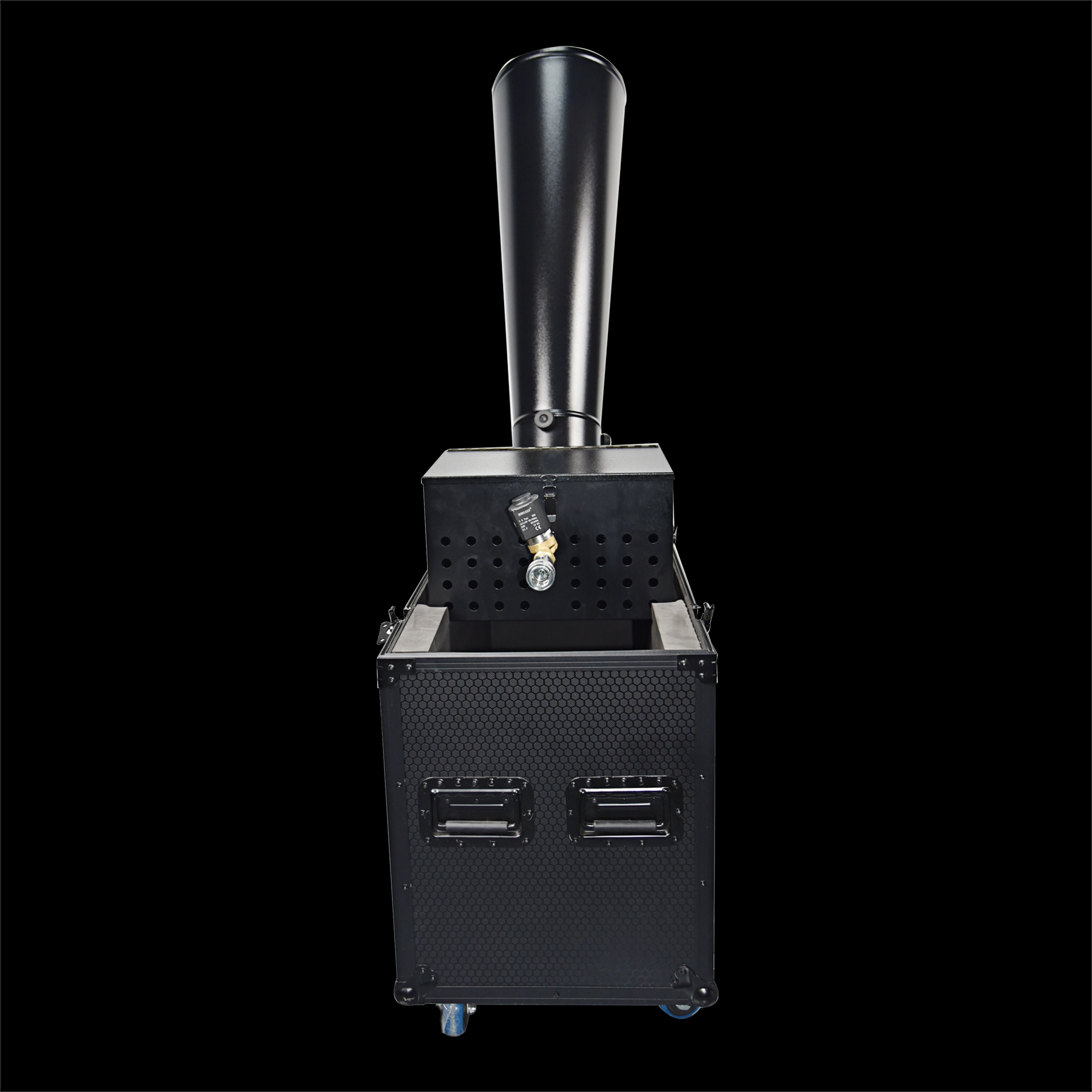
CO₂ Mini Rainbow Confetti Machine Manual Control with Durable Black Wheeled Flight Case
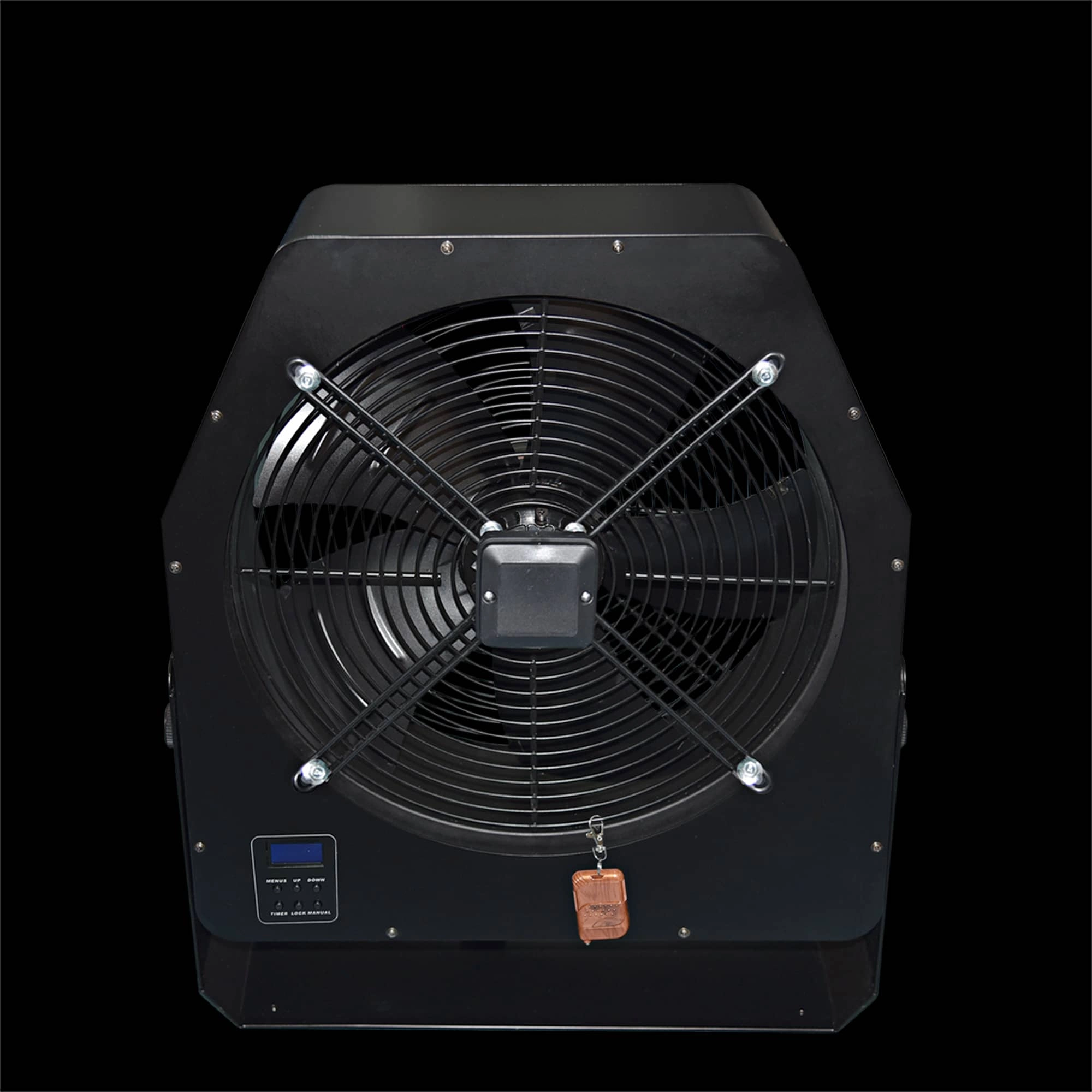
Professional Stage Big DMX Fan | High-Power Event Fan for Stage Shows & Celebrations
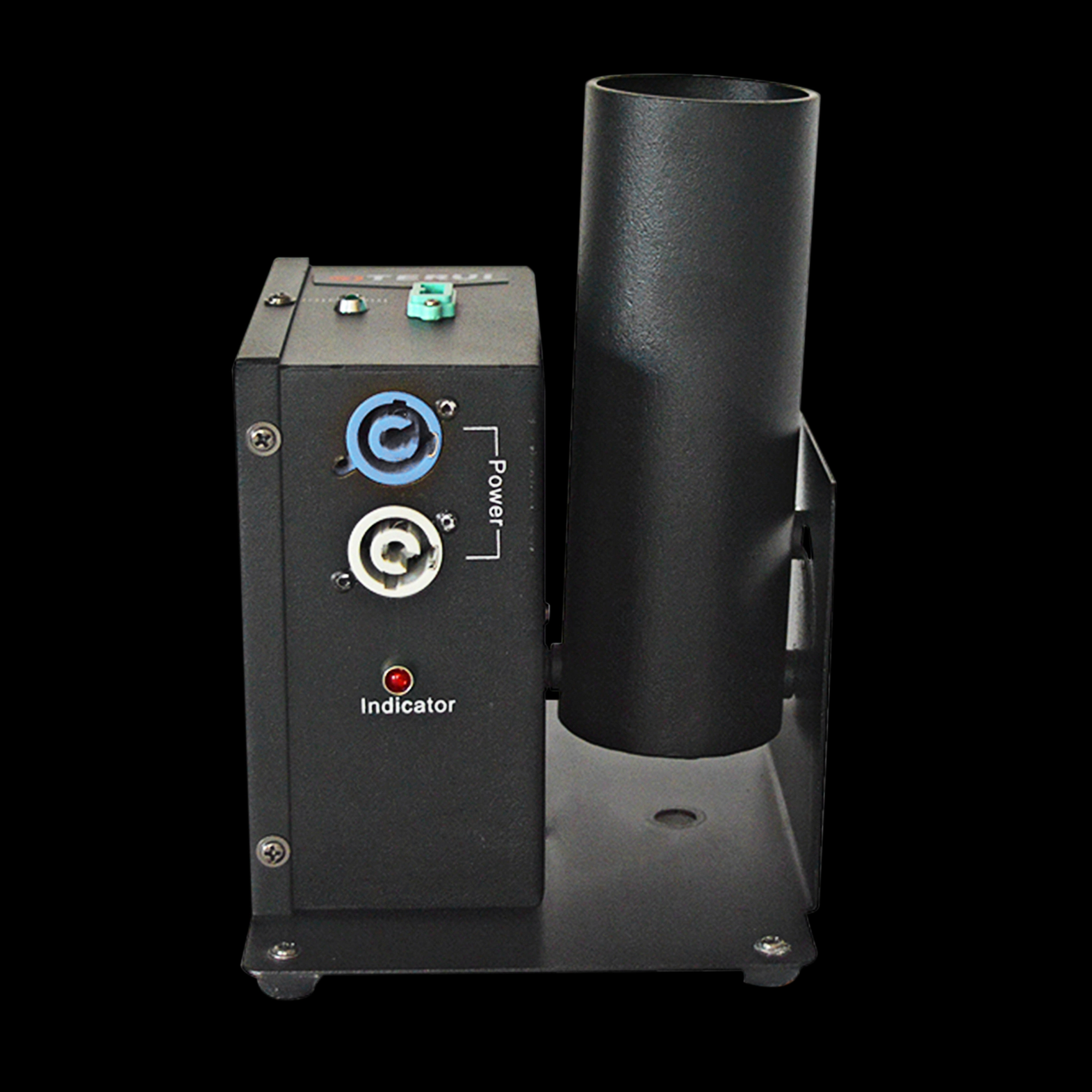
Single Shot Confetti Machine - Premium Confetti Launcher for Weddings & Stage Celebrations
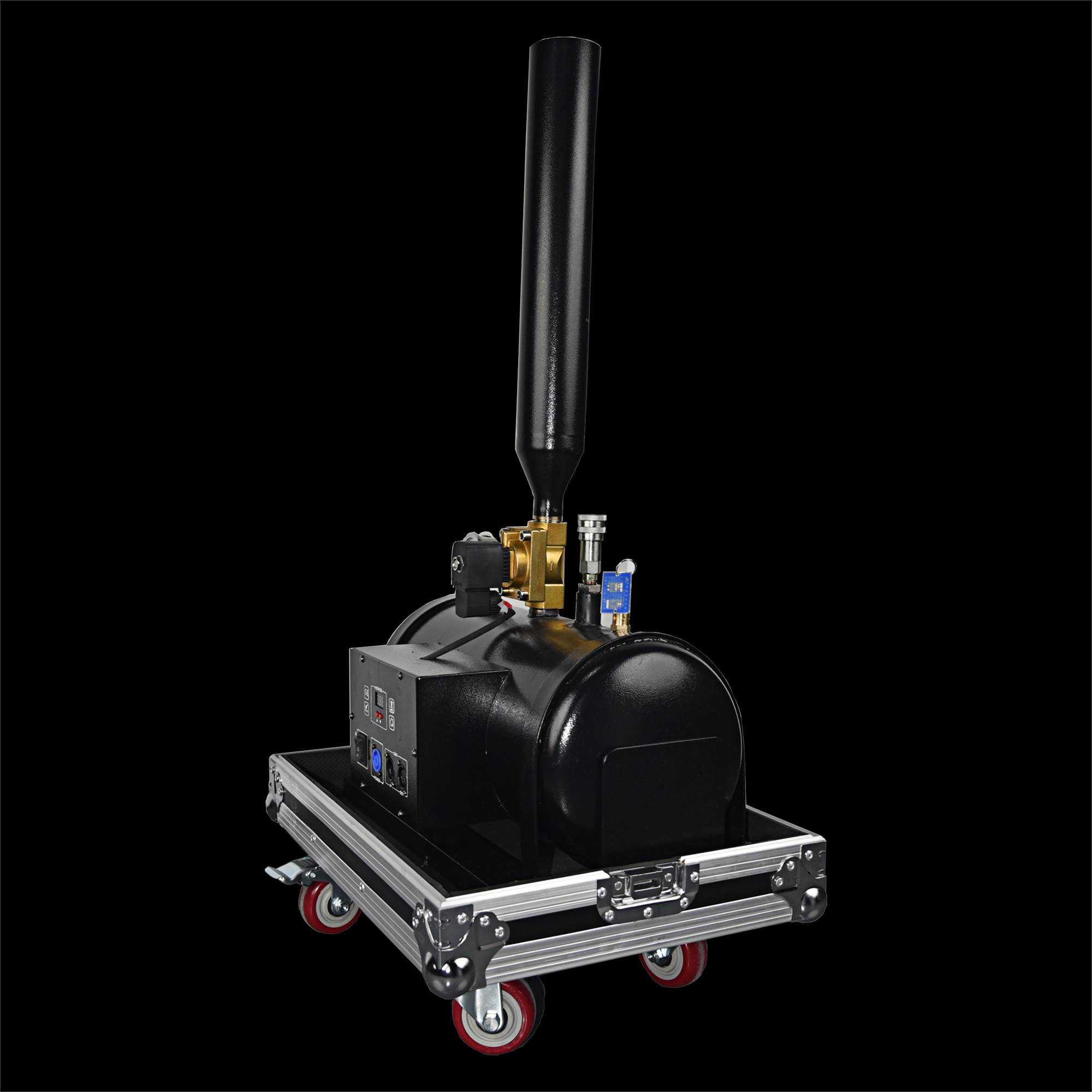
High-Altitude Confetti Cannon - Professional Confetti Blaster for Stage, Party & Celebration Events
Email: sales01@strlighting.com
WhatsApp: +86 189 2232 4800
© 2025 Siterui SFX All Rights Reserved.
 Scan QR Code
Whatsapp: +8618922324800
siteruisfx_stage_equipment
Siterui
SITERUI-SFX
STRlighting
@siterui.sfx