
Haze Machine vs Fog Machine: Differences for Venues
- Choosing the Right Atmospheric Effect for Your Venue
- What venues need from atmospheric effects
- How this guide helps you decide
- How Haze and Fog Machines Work
- Haze machines: technology and output
- Fog machines: technology and output
- Direct Comparison: Visual, Technical and Safety Differences
- At-a-glance comparison
- What the particle differences mean for venues
- Venue Considerations: Safety, Systems and Cost
- Fire alarms, HVAC and regulations
- Health, comfort and ventilation
- Operational cost and maintenance
- Technical Integration and Best Practices
- Power, DMX and control strategies
- Placement and distribution
- Testing, measurement and documentation
- Buying Guide: Selecting Hazers and Foggers for Different Venues
- Small venues and houses of worship
- Mid-size theaters, clubs and touring rigs
- Large arenas, film and TV production
- Siterui SFX: Professional Supplier and Customization Partner
- Who we are and what we offer
- Customization and integration capabilities
- Product strengths and lineup
- Frequently Asked Questions (FAQ)
- 1. Will haze or fog set off the fire alarm?
- 2. Which is better for enhancing lighting: haze or fog?
- 3. Are haze fluids safe for the audience and performers?
- 4. How often do I need to service hazers and foggers?
- 5. Can I use the same fluid in hazers and foggers?
- 6. How do I choose between water-based and oil-based fluids?
- Contact and Product Inquiry
- References
Choosing the Right Atmospheric Effect for Your Venue
What venues need from atmospheric effects
Venues—concert halls, theaters, nightclubs, houses of worship, TV/film stages, and corporate event spaces—use atmospheric effects to shape light, mood, and perceived depth. Key venue needs are controllability, even coverage, audience comfort, compatibility with fire and safety systems, and predictable maintenance and operating costs.
How this guide helps you decide
This article compares haze machines (hazers) and fog machines from the practical perspective of venue operators and technical directors. You will learn functional differences, performance trade-offs (visual, physical, and safety), recommended use-cases, installation and integration tips, and vendor selection criteria—backed by manufacturer guidance and industry best practice.
How Haze and Fog Machines Work
Haze machines: technology and output
Haze machines create a very fine, evenly distributed atmospheric layer to make light beams and gobos visible. Hazers typically use water-glycol or mineral-oil-based fluids (or ultrasonic/thermal methods) to produce a continuous, low-density aerosol. Output is fine particles suspended for longer periods with minimal visible clouding.
Fog machines: technology and output
Fog machines produce thicker, denser clouds by vaporizing and condensing glycol/water or oil-based fluids into larger droplets. The result is an opaque, volumetric cloud suitable for dramatic reveal effects and short-duration cover. Fog output is generally bursty (timed blasts) rather than continuous.
Direct Comparison: Visual, Technical and Safety Differences
At-a-glance comparison
The table below summarizes attributes most relevant to venue decision-makers: visibility impact on lighting, particle characteristics, persistence, and common fluids.
| Attribute | Haze Machine (Hazer) | Fog Machine (Fogger) |
|---|---|---|
| Primary use | Continuous atmospheric layering to reveal light beams and texture | Thick clouds for dramatic effects, conceal/reveal, camera/scene atmosphere |
| Typical particle size | Very fine; generally submicron to a few microns (fine aerosol) | Larger droplets; typically an order of magnitude larger than haze particles |
| Visual density | Low-density, near-invisible when not lit | High-density, visibly opaque |
| Persistence | Longer-lasting, remains suspended and spreads evenly | Shorter-term plumes that dissipate or sink faster |
| Control style | Continuous output, fine control (DMX, analogue) | Timed bursts; some models allow variable output and DMX control |
| Common fluids | Water-glycol or mineral oil haze fluids | Glycol/water fog fluids (water-based), oil-based fog fluids |
| Typical venues | Theaters, concert halls, TV/film, houses of worship, galleries | Clubs, concerts, theatrical effects, film, haunted attractions |
What the particle differences mean for venues
Smaller haze particles scatter light in a way that accentuates beams and textures without obscuring sight lines—ideal for lighting design. Larger fog droplets create visible volume and concealment but can limit visibility and impact audience comfort if overused.
Venue Considerations: Safety, Systems and Cost
Fire alarms, HVAC and regulations
Both haze and fog can interact with smoke detectors. Optical (photoelectric) detectors are sensitive to aerosols; dense fog plumes are more likely to trigger alarms than low-density haze. Many venues must coordinate with local fire authorities and perform on-site tests or install detector masking/timing strategies or use dedicated IAS (instrumentation) approaches. Consult NFPA guidance and your local authority having jurisdiction (AHJ) before regular use.
Health, comfort and ventilation
Most professional haze and fog fluids are formulated to industry safety standards; however, prolonged or excessive exposure can cause discomfort for sensitive individuals. Use recommended fluid types, follow manufacturer SDS instructions, maintain ventilation, and limit exposure in enclosed spaces. Consider performing audience notifications where effects are in use.
Operational cost and maintenance
Haze machines often consume fluid slowly but run for long durations, so fluid cost is steady. Fog machines consume larger volumes in shorter bursts and may require more frequent refills for heavy use. Maintenance items include regular cleaning cycles, pump and heater inspections, and preventive replacement of seals and tubing. Budget for approved fluids, spare parts, and service contracts.
Technical Integration and Best Practices
Power, DMX and control strategies
Choose units with appropriate control options for your rig: analog, DMX/RDM, wireless or timed triggers. For synchronized lighting cues and multi-device setups, DMX or networked control provides best results. Ensure adequate power distribution and surge protection for heater-based foggers.
Placement and distribution
Haze devices are typically placed for even room distribution—ceiling-mounted or elevated with circulation fans to assist spread. Foggers are staged where a localized dense effect is desired (low-level foggers for ground effects, high-output units for stage clouds). Consider smoke/heat detection and sightlines when choosing mounting.
Testing, measurement and documentation
Before public shows, test effects in full run-throughs with your lighting and detection systems. Document settings, fluid type, and control plots. Record any AHJ conditions and produce a site-specific operational procedure to reduce surprises during events.
Buying Guide: Selecting Hazers and Foggers for Different Venues
Small venues and houses of worship
Small rooms benefit from a low-output hazer with quiet operation and low maintenance. A compact water-based hazer provides long-lasting, subtle beam enhancement without overwhelming sight lines. If occasional dramatic effects are needed, a single fog machine may supplement the hazer.
Mid-size theaters, clubs and touring rigs
Mid-size venues often need a hybrid approach: multiple hazers for even coverage and one or more fog machines for occasional dramatic moments. Prioritize DMX control, fluid availability, and devices rated for frequent use. Consider units with wireless remote options and quick-change fluid tanks for touring.
Large arenas, film and TV production
Large-scale productions rely on multiple high-capacity hazers and foggers integrated into lighting and stage networks. Scene reproducibility, remote fluid monitoring, synchronized multi-device control, and robust maintenance/service contracts become critical. For film/TV, choose fluids and effects compatible with camera sensors and color grading considerations.
Siterui SFX: Professional Supplier and Customization Partner
Who we are and what we offer
Siterui SFX is a professional manufacturer engaged in the research and development, production, sales, and service of professional stage special effects (SFX) equipment. With a highly skilled team and cutting-edge technology, we are committed to providing innovative, reliable, and high-performance SFX solutions for live events, theaters, concerts, film production, and entertainment venues worldwide.
Customization and integration capabilities
At Siterui SFX, we understand that every stage, event, and creative concept is unique. That’s why we offer flexible customization services to meet your specific needs—whether it's branding, special functions, size adjustments, or complete system integration. From custom casing and logo printing to wireless control systems and synced multi-device setups, our expert team works closely with you to design SFX solutions that align perfectly with your needs.
Product strengths and lineup
Our commitment to quality and innovation ensures that our clients receive cutting-edge effects that enhance the visual and sensory experience of every performance. Siterui’s main products and advantages include:
- Spark Machine — certified reliable ignition control and consistent visual output
- Haze Machine — low-noise, long-run hazers with fine-particle output and DMX/RDM control
- CO₂ Jet Machine — high-thrust jets with precise timing and refill systems
- Bubble Machine — adjustable bubble size and output for family-friendly shows
- Snow Machine — water-based snow with low-residue formula for indoor use
- Foam Machine — high-capacity, safe-formula foam for festivals and events
- Confetti Machine — pneumatic and electric launchers with reusable confetti handling
- Fog Machine — high-output foggers and low-lying dry ice systems
- Fire Machine — theatrical flame systems with certified safety interlocks
- Dry Ice Machine — controllable low-lying fog effects with chilled airflow
With robust R&D, quality control, and global service capabilities, Siterui positions itself as a trusted partner for venues seeking both off-the-shelf and bespoke SFX solutions.
Frequently Asked Questions (FAQ)
1. Will haze or fog set off the fire alarm?
Both can set off detectors under some conditions. Dense fog plumes are more likely to trigger optical detectors than low-density haze. Always coordinate with your local authority having jurisdiction (AHJ), conduct tests, and document any detector mitigation or operational procedures.
2. Which is better for enhancing lighting: haze or fog?
Haze is better for continuous beam definition and subtle volumetric lighting effects. Fog creates bold, visible clouds that can obscure or dramatically alter sightlines; use fog for short, high-impact moments.
3. Are haze fluids safe for the audience and performers?
Professional haze fluids formulated for entertainment use are manufactured to safety guidelines and accompanied by SDS (safety data sheets). Use recommended fluids, follow ventilation guidance, and allow sensitive persons the option to avoid affected zones. When in doubt, consult manufacturer SDS and venue health & safety officers.
4. How often do I need to service hazers and foggers?
Service intervals depend on usage. Light venue use may require yearly inspections; heavy touring or nightly club use requires more frequent checks (quarterly or per-tour maintenance). Regular cleaning cycles, fluid-line checks, and spare-part inventories reduce downtime.
5. Can I use the same fluid in hazers and foggers?
No. Haze fluids and fog fluids have different formulations and viscosity profiles optimized for their respective technologies. Use only fluids specified by the manufacturer to avoid damage and ensure warranty compliance.
6. How do I choose between water-based and oil-based fluids?
Water-based fluids are common for fog and many hazers and leave less residue; oil-based haze fluids can provide longer hang times but may leave light residue and require different cleaning protocols. Follow venue policies, equipment manufacturer recommendations, and any camera/lighting compatibility requirements.
Contact and Product Inquiry
For help choosing the right hazer or fogger for your venue, equipment customization, or a quote for system integration, contact Siterui SFX: visit our product pages or request a consultation. Our team can advise on device selection, fluid compatibility, control integration (DMX/wireless), and installation planning to meet your venue’s technical and safety needs.
References
- Fog machine — Wikipedia. https://en.wikipedia.org/wiki/Fog_machine (accessed 2026-01-01)
- Chauvet DJ — Fog vs Haze: Differences and Uses. https://www.chauvetdj.com/knowledge-base/fog-vs-haze/ (accessed 2026-01-01)
- ETC (Electronic Theatre Controls) — Haze and Fog Guidance. https://www.etcconnect.com/ (accessed 2026-01-01)
- Rosco — Haze & Fog Fluid Product & Safety Information. https://www.rosco.com/ (accessed 2026-01-01)
- NFPA — National Fire Alarm and Signaling Code (NFPA 72). https://www.nfpa.org/ (accessed 2026-01-01)
What are the application scenarios of cold spark machine?
Preventing Residue and Damage from Fog Machines
Portable smoke machines for mobile DJs and clubs
Top water based haze machine Manufacturers and Suppliers in us
CO2 Mini Rainbow Confetti Machine
What’s the shipping cost to [country]?
Costs vary by destination and method. We’ll provide a quote upon order confirmation.
660 Dual Haze machine
How long is the warranty period?
This product comes with a 1-year warranty, excluding damages caused by human factors.
1500W 24x3W LED fog machine
What type of smoke oil should I use with this machine?
For optimal performance, use high-quality smoke oil.
3000W fog machine
How could l get a sample?
If you can not buy our product in your local area, we will ship a sample to you. You will be charged a sample price plus all related shipping costs. Express delivery charge depends on the quantity of the samples.
What is the price of shipping?
Depending upon the port of delivery, prices varies.
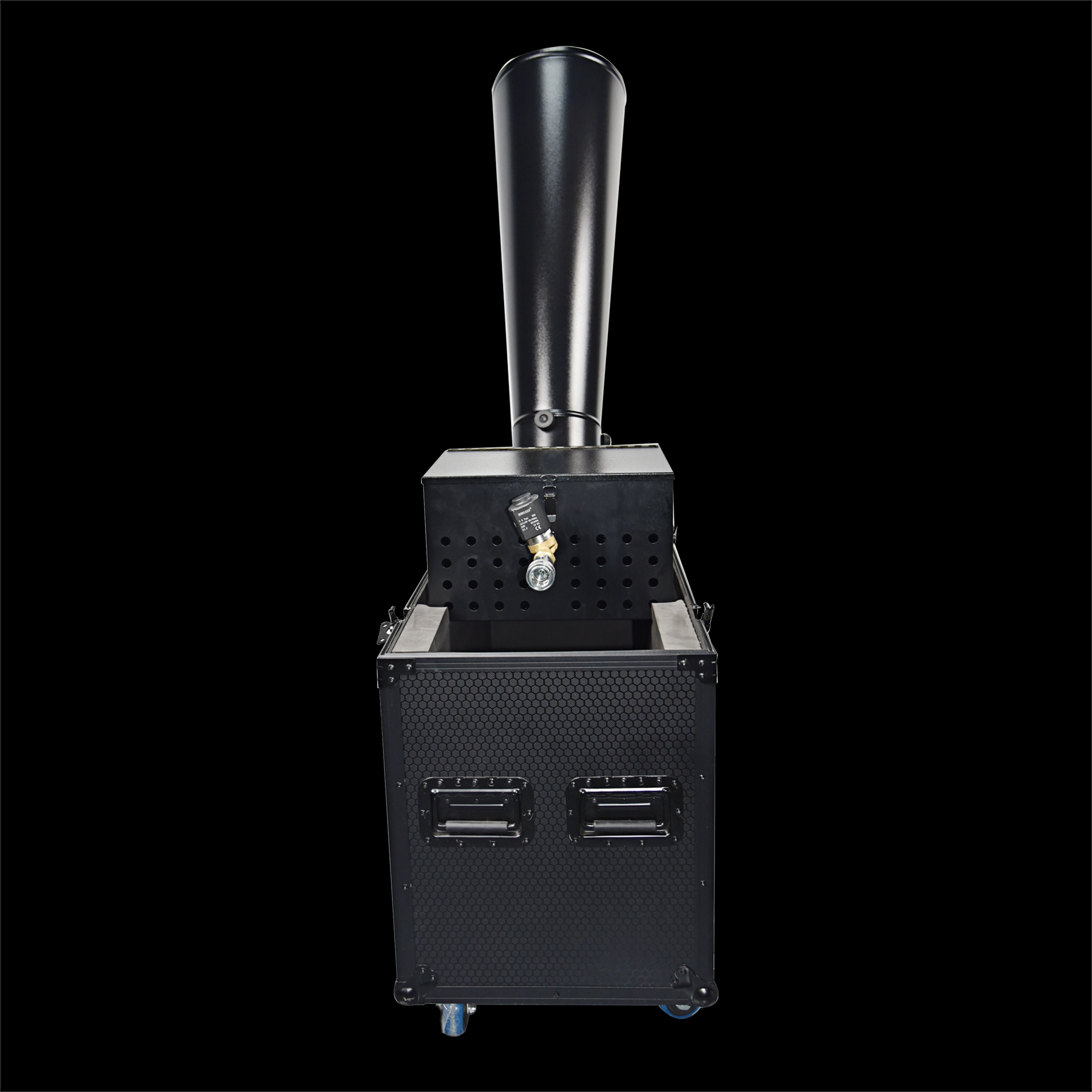
CO₂ Mini Rainbow Confetti Machine Manual Control with Durable Black Wheeled Flight Case
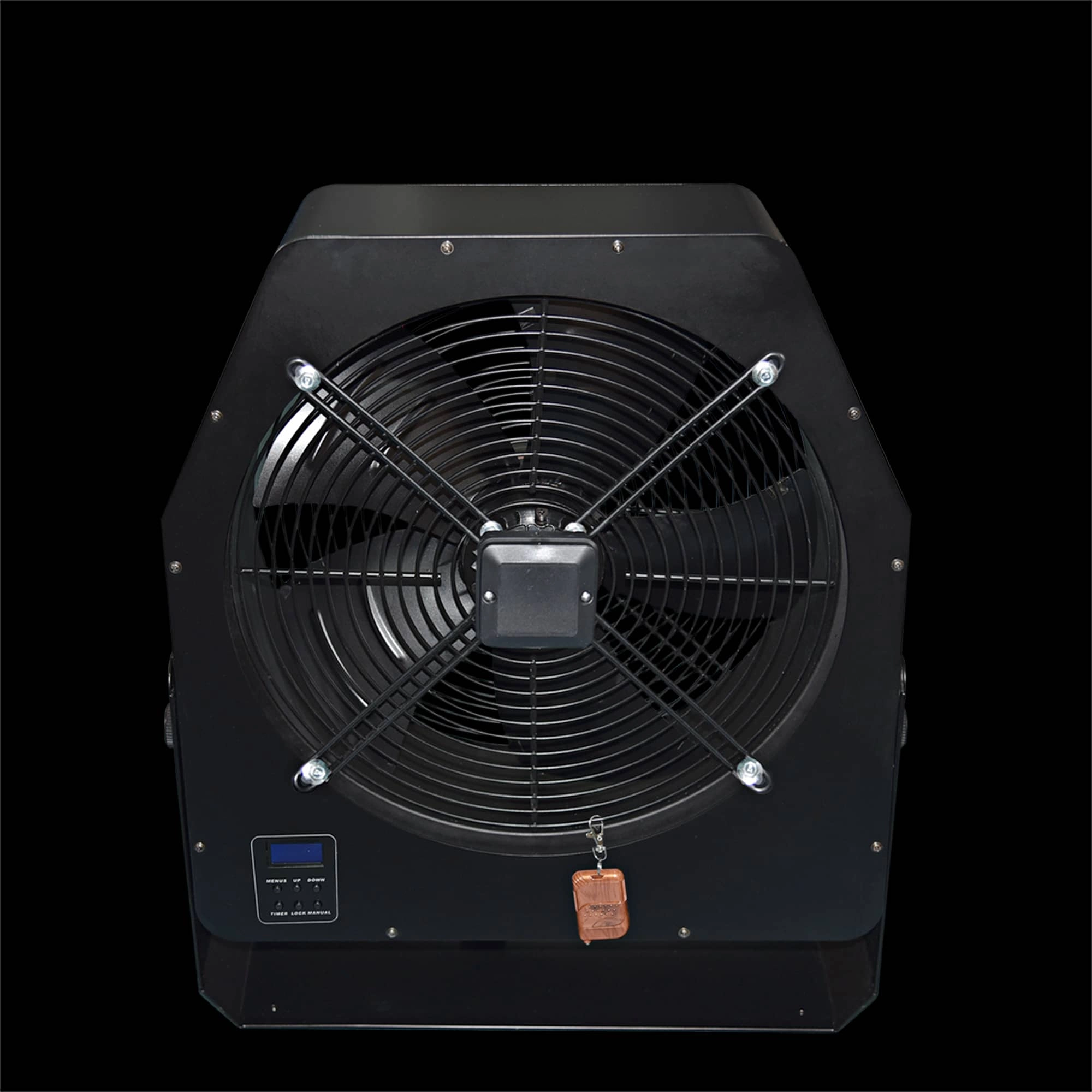
Professional Stage Big DMX Fan | High-Power Event Fan for Stage Shows & Celebrations
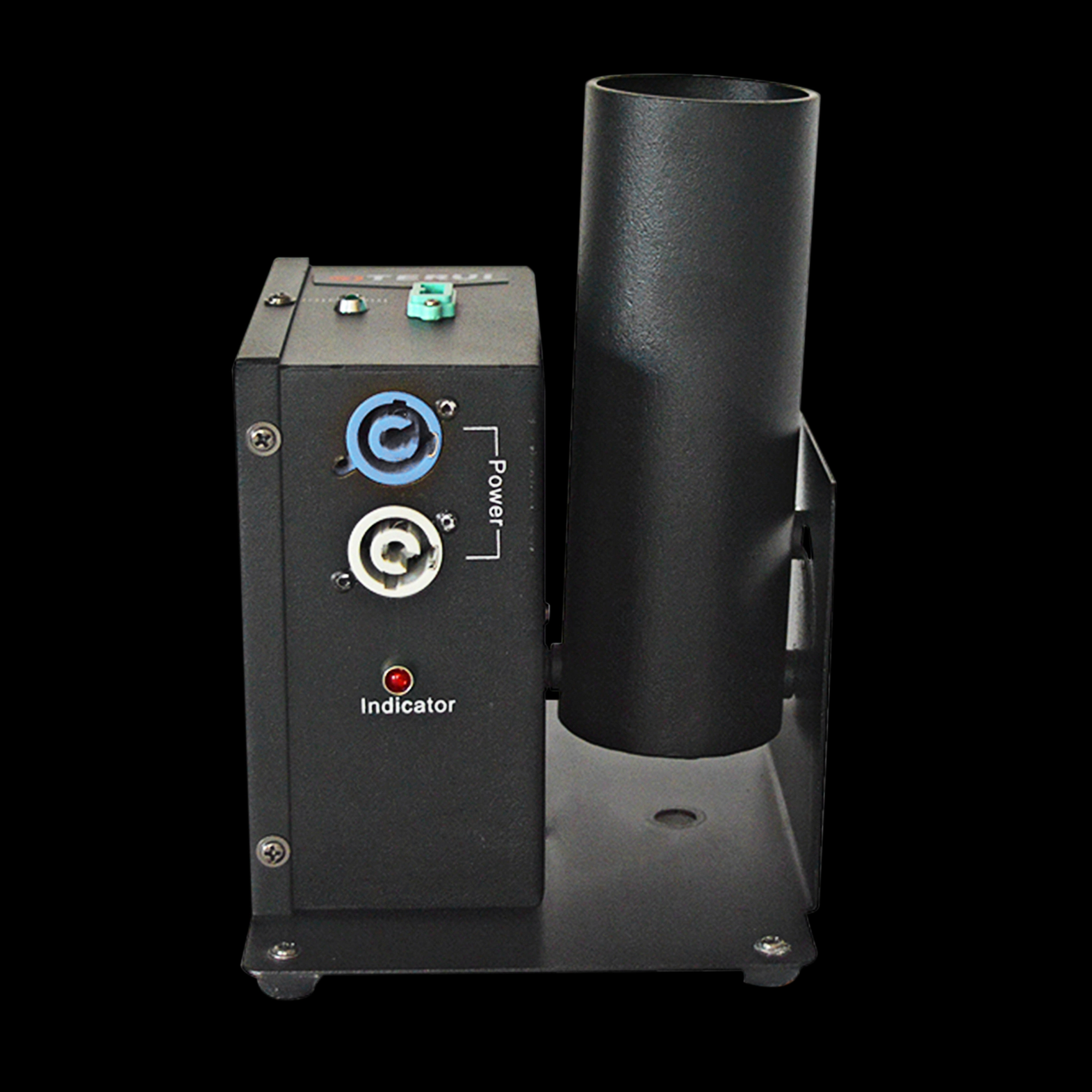
Single Shot Confetti Machine - Premium Confetti Launcher for Weddings & Stage Celebrations
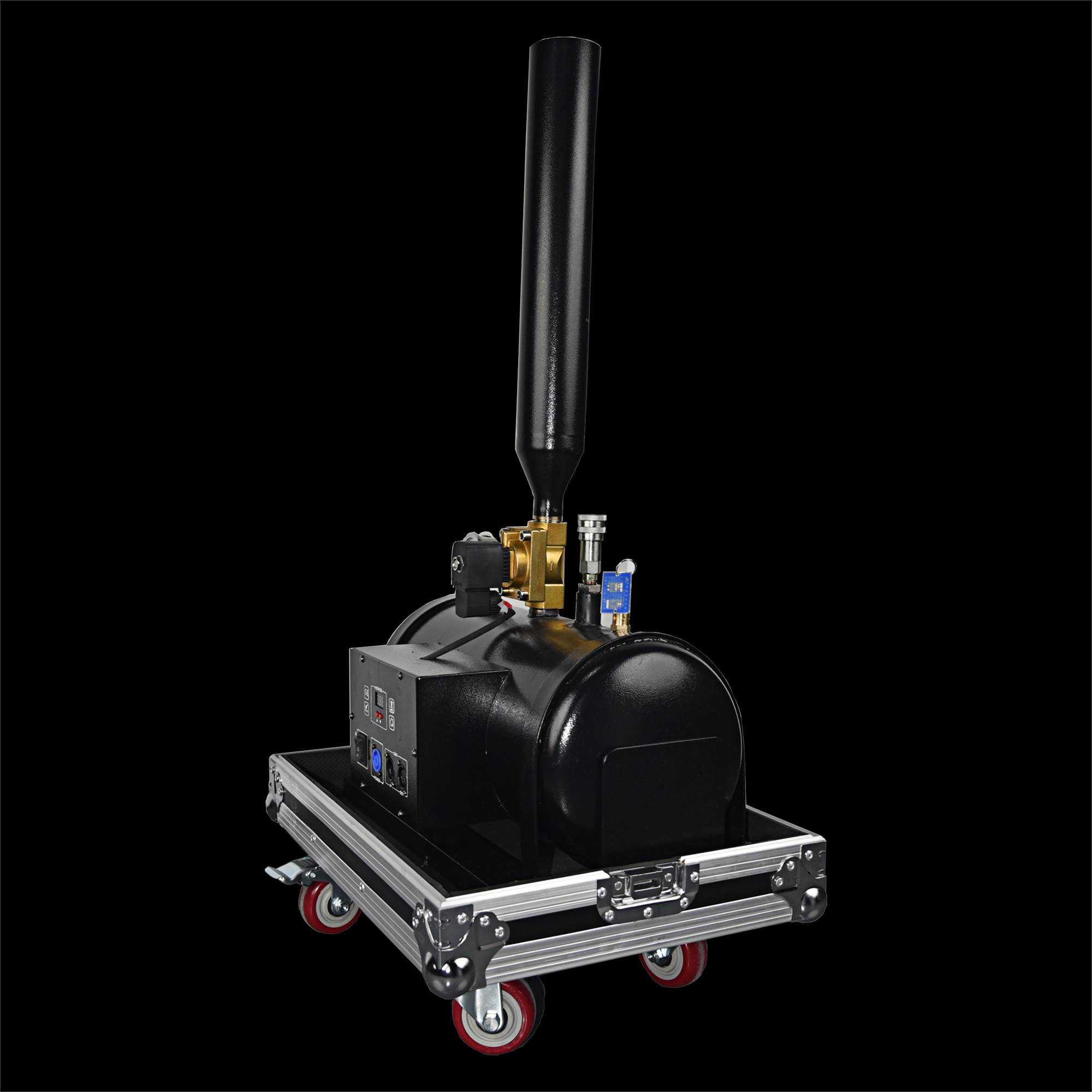
High-Altitude Confetti Cannon - Professional Confetti Blaster for Stage, Party & Celebration Events
Email: sales01@strlighting.com
WhatsApp: +86 189 2232 4800
© 2025 Siterui SFX All Rights Reserved.
 Scan QR Code
Whatsapp: +8618922324800
siteruisfx_stage_equipment
Siterui
SITERUI-SFX
STRlighting
@siterui.sfx