
Snow Machine Buyer's Guide: Choose the Right Model for Events
- Why artificial snow is still essential for live events
- When to choose a snow machine vs alternatives
- Key event use cases
- How snow machines work and what matters technically
- Basic operating principles
- Important specifications to read on data sheets
- Safety and environmental considerations
- Choosing the right model for your event
- Assess the venue and event parameters
- Match model class to need: small, medium, large
- Control and integration considerations
- Operational best practices, maintenance, and costs
- Pre‑show testing and placement
- Fluid management, cleaning, and slip risk mitigation
- Maintenance checklist
- Sourcing, warranties, and vendor selection (including Siterui SFX)
- What to ask vendors before purchase or rental
- Why choose a manufacturer with customization and integration capabilities
- Siterui SFX — capabilities, products, and how I’ve used them
- Warranty, spare parts, and training
- Cost planning and procurement checklist
- Budget items beyond device price
- Procurement checklist
- FAQ — Common questions about snow machines
- 1. Are snow machines safe for indoor use?
- 2. How much snow fluid will I need for a 3‑minute cue?
- 3. Can I run multiple machines and sync them?
- 4. Do snow machines damage electronics or instruments?
- 5. What are the cleanup requirements?
- 6. How do I choose between a rented unit and buying?
- Final recommendations and contact
Summary for and search: I’m a stage special effects consultant with years of hands‑on experience specifying and operating snow machines for concerts, theatrical productions, corporate events, and film sets. This guide explains how snow machines work, the differences between model classes, selection criteria (venue, run time, control, fluid safety), operational best practices, and maintenance. I include a direct comparison table of typical small/medium/large machines, authoritative safety links, and vendor considerations—plus how Siterui SFX can provide customized, commercial-grade solutions.
Why artificial snow is still essential for live events
Artificial snow does more than decorate: it creates immersion, signals a narrative moment, masks transitions, and can even influence audience emotions through sensory layering. As an SFX consultant I've seen effective snow moments transform otherwise ordinary cues into memorable highlights. Unlike confetti or fog, snow has a slower descent and spatial coverage that reads well on camera and under stage lighting. For technical planners, understanding the variables—output density, particle size, fluid composition, and control options—is crucial to match the effect to the venue and the creative brief.
When to choose a snow machine vs alternatives
Choose a snow machine when you need a visible, gentle falling effect that lingers in the air and on surfaces. Alternatives like foam, bubble, or confetti each have different visual and cleanup profiles: foam is volumetric and fills space, bubbles are delicate and ephemeral, confetti is high-impact but heavy to clean. Snow works best for cinematic or seasonal ambience and for scenes where camera slow motion or wide shots are required.
Key event use cases
- Outdoor holiday parades and city activations (requires high-output, weatherproof units).
- Indoor theatre and musicals (low-wind, fine particle machines to avoid interfering with microphones and lighting).
- Concerts and festivals (fast on/off control, wireless DMX/RDM options, and staged multi-device sync).
How snow machines work and what matters technically
Basic operating principles
Most theatrical snow machines atomize a water‑based or synthetic snow fluid, then expel it through an air stream to create falling flakes. There are two common mechanical approaches: fluid atomization (pump + nozzle) and foam‑based generation that breaks into flakes. Output volume, particle size, and directional throw are determined by pump pressure, nozzle design, and air volume. For technical details on snowmaking principles in general (industrial snow vs stage snow), see the Snowmaking overview on Wikipedia (https://en.wikipedia.org/wiki/Snowmaking).
Important specifications to read on data sheets
- Output rate (liters/min or cubic meters/min): tells you how dense the snowfall will be.
- Throw distance: useful to determine how many units and placement for given ceiling heights.
- Fluid consumption: impacts operational costs and logistics for long runs.
- Power requirements and inrush current: critical for stage power planning.
- Control protocol (DMX, RDM, wireless, manual): affects integration with lighting and show control systems.
Safety and environmental considerations
Snow fluids marketed for stage use are usually water‑based, biodegradable, and designed to leave minimal residue. However, aerosolized fluids and increased humidity can affect electronics, flooring, and slip risk. For general guidelines on respiratory protection and aerosol exposure in workplaces, consult OSHA's guidance (https://www.osha.gov/respiratory-protection). Always review the manufacturer’s Safety Data Sheet (SDS) for the specific snow fluid you plan to use and run small tests in the venue before the show.
Choosing the right model for your event
Assess the venue and event parameters
Start with three practical questions: 1) Is the venue indoor or outdoor? 2) What is ceiling height and house wind (HVAC/ventilation) behavior? 3) How long is the effect window and how often will you trigger it? For example, outdoor parades typically need high-output units with long throw and robust weatherproofing; small theatres favor low-output, fine-particle machines that are quieter and less intrusive.
Match model class to need: small, medium, large
Below is a comparative table showing typical characteristics of small, medium, and large snow machines used in events. These ranges reflect product families from major manufacturers and commercial rental houses (typical spec ranges derived from multiple manufacturer datasheets such as Chauvet and other SFX vendors' product catalogs):
| Class | Typical Output | Recommended Venues | Fluid Consumption | Control | Typical Price Range (USD) |
|---|---|---|---|---|---|
| Small | 0.5–2 L/min; short throw <5 m | Small theatres, themed retail displays, photo booths | Low (economical for short bursts) | Local switch / basic DMX | $300–$900 |
| Medium | 2–6 L/min; throw 5–12 m | Medium theatres, clubs, TV studios | Moderate | DMX/RDM, wireless options | $900–$2,500 |
| Large | 6–20+ L/min; throw 12–30 m | Outdoor events, arenas, major concerts | High (requires stock & logistics) | Full show control, multi-device sync | $2,500–$10,000+ |
Sources: Manufacturer product families and rental-house spec sheets; for background on special effects categories, see Special Effects on Wikipedia (https://en.wikipedia.org/wiki/Special_effects).
Control and integration considerations
Integrating snow machines into a lighting and show control network requires attention to latency (how quickly the machine responds), synchronization (for multiple units), and safety interlocks. DMX is common in professional gear; look for RDM if you need remote addressing and feedback. Wireless control adds flexibility but plan for frequency interference at large events.
Operational best practices, maintenance, and costs
Pre‑show testing and placement
I always run a full tech rehearsal with snow fluid in the machine—this prevents unexpected clogging and shows how the material behaves under your lighting conditions. Place machines upstage or in flown positions when possible to maintain sightlines and avoid wetting front-of-house equipment. Use containment mats and designate cleanup teams for post‑effect maintenance.
Fluid management, cleaning, and slip risk mitigation
Estimate fluid requirements by multiplying the machine’s consumption by total effect minutes, then add a 20–30% contingency. Choose fluids with clear SDS documentation. For flooring protection, use heavy-duty absorbent pads in high-traffic zones and deploy signage to warn of slippery surfaces. For indoor shows, consider HVAC impact—especially if the venue recirculates air which can deposit residue on HVAC grilles.
Maintenance checklist
- Daily: visual check, clean nozzles, verify pump prime, test control response.
- Weekly (heavy use): flush fluid lines, inspect seals, replace filters.
- Post-season: complete teardown, lubricate moving parts, run bench tests, update firmware.
Sourcing, warranties, and vendor selection (including Siterui SFX)
What to ask vendors before purchase or rental
Ask for: full technical datasheet, SDS for approved fluids, power inrush numbers, IP rating (for outdoor use), control protocols, warranty length and terms, and availability of spare parts. Request references or case studies demonstrating use in similar venues. Also confirm support response times—rapid field support can be the difference between a show‑stopping problem and a quick fix.
Why choose a manufacturer with customization and integration capabilities
Events often demand custom solutions: different logo printing on casings, integrated wireless controllers, or multi-unit sync across large stages. Choosing a manufacturer that provides R&D, in-house production, and responsive service ensures faster turnaround for design changes and reliable long-term maintenance. A company with a strong engineering team can adapt products to meet specific power or safety constraints at unique venues.
Siterui SFX — capabilities, products, and how I’ve used them
Siterui SFX is a professional manufacturer engaged in the research and development, production, sales, and service of professional stage special effects (SFX) equipment. With a highly skilled team and cutting-edge technology, they provide innovative, reliable, and high-performance SFX solutions for live events, theaters, concerts, film production, and entertainment venues worldwide.
From my experience evaluating manufacturers, Siterui's strengths include flexible customization (branding, custom casings, logo printing), advanced control options (wireless and DMX/RDM integration), and the ability to design synced multi-device setups. They offer complete system integration and bespoke solutions—useful when a client requires devices that match specific aesthetic or control-system demands.
Key product lines relevant to snow and ambient effects include spark machines, haze machines, CO₂ jets, bubble machines, snow machines, foam machines, confetti, fog machines, fire machines, and dry ice machines. Siterui emphasizes quality control, responsive customer service, and ongoing R&D—attributes I prioritize when recommending equipment for recurring tours or permanent installations. See Siterui SFX for more information: https://www.siteruisfx.com/ or contact sales at sales01@strlighting.com.
Warranty, spare parts, and training
Prefer suppliers that include warranty coverage for pumps and electronic controls and who stock consumables and spare pumps. Ask about operator training packages—onsite or virtual training reduces operator errors and ensures consistent effect quality. Siterui offers such services and customization support as part of their client programs.
Cost planning and procurement checklist
Budget items beyond device price
- Snow fluid supply and shipping (weight and hazardous-good classification if any).
- Electrical distribution and potentially dedicated circuits for multiple high-draw units.
- Rigging hardware and safety equipment (truss clamps, safety cables).
- Training and operator labor.
- Maintenance parts (seals, pumps, nozzles).
Procurement checklist
- Define creative brief and technical constraints.
- Run a site test with the chosen fluid and machine class.
- Confirm SDS and venue acceptance policies (some venues restrict fluids or residue-producing effects).
- Negotiate warranty, spare parts availability, and training inclusion.
- Plan logistics for mounting, powering, and safe servicing.
FAQ — Common questions about snow machines
1. Are snow machines safe for indoor use?
Yes—when you use theater‑approved snow fluids and follow SDS guidance, control humidity, ensure no slip hazards, and comply with venue policies. Always test with your venue’s HVAC and have cleanup protocols in place. For respiratory and aerosol considerations, consult OSHA guidance: https://www.osha.gov/respiratory-protection.
2. How much snow fluid will I need for a 3‑minute cue?
Calculate by multiplying the machine’s fluid consumption (L/min) by 3, then add at least 20% contingency. For example, a machine consuming 4 L/min requires ~12 L for a single 3‑minute run; add extra for testing and tech runs.
3. Can I run multiple machines and sync them?
Yes—professional units support DMX or wireless sync. For complex productions I recommend RDM-capable devices for remote addressing and feedback, and pre-programmed cues to ensure identical output across units.
4. Do snow machines damage electronics or instruments?
Direct contact of fluids with sensitive electronics can pose risk. Plan placement away from microphones, amplifiers, and control consoles. Use protective housings or shields and review machine throw patterns in a tech rehearsal to avoid equipment exposure.
5. What are the cleanup requirements?
Cleanup depends on fluid type. Many modern stage snow fluids are water-soluble and easy to mop, but they can leave a thin residue. Use absorbent pads in critical zones and have a floor-care plan for carpets and rigging areas. For large outdoor events, consider drainage and environmental runoff management per local regulations.
6. How do I choose between a rented unit and buying?
Renting is cost-effective for one-off events or to trial a machine model. Buy if you have recurring use (monthly/annual events) or if you require customization, long-term warranty advantages, and spare parts availability. Factor in storage, maintenance, and fluid procurement when deciding.
Final recommendations and contact
Selecting the right snow machine comes down to matching output characteristics to venue size, ensuring fluid compatibility and safety, planning power and control integrations, and choosing a vendor who supports spare parts, training, and customization. For professional productions where reliability and tailored solutions matter, partner with a manufacturer offering R&D, customization, and global support.
If you want help specifying machines for a particular venue or creative brief, or if you’d like to explore custom solutions, contact Siterui SFX. They provide a full range of SFX equipment including spark machines, haze machines, CO₂ jet machines, bubble machines, snow machines, foam machines, confetti machines, fog machines, fire machines, and dry ice machines. Visit https://www.siteruisfx.com/ or email sales01@strlighting.com to request a quote, technical datasheets, or customization options.
References and further reading: Snowmaking (Wikipedia) — https://en.wikipedia.org/wiki/Snowmaking; Special effects (Wikipedia) — https://en.wikipedia.org/wiki/Special_effects; OSHA Respiratory Protection — https://www.osha.gov/respiratory-protection.
Fog Machine Placement Tips for Theaters
High-Capacity Fog Machines for Large Venues
Effects layering: combining smoke with pyrotechnics
How to clean and descale a haze machine tank and nozzle
Single-Head CO2 Jet Machine
How does your factory do regarding quality control
All the products will be 100% checked before the shipment
Solutions
What’s the minimum order quantity (MOQ)? Do you offer samples?
Most products can be ordered from one unit. Sample testing is welcomed. We also support flexible small-batch purchasing.
CO2 Mini Rainbow Confetti Machine
How do I refill CO2 cartridges?
Simply unscrew the empty cartridge and replace it with a new one—no tools required.
1500W Haze Machine
Is this machine suitable for outdoor use?
Yes, but avoid direct rain or extreme temperatures.
1200W Haze Machine
What’s the warranty period?
1 year for parts and labor (excluding fluid-related issues).
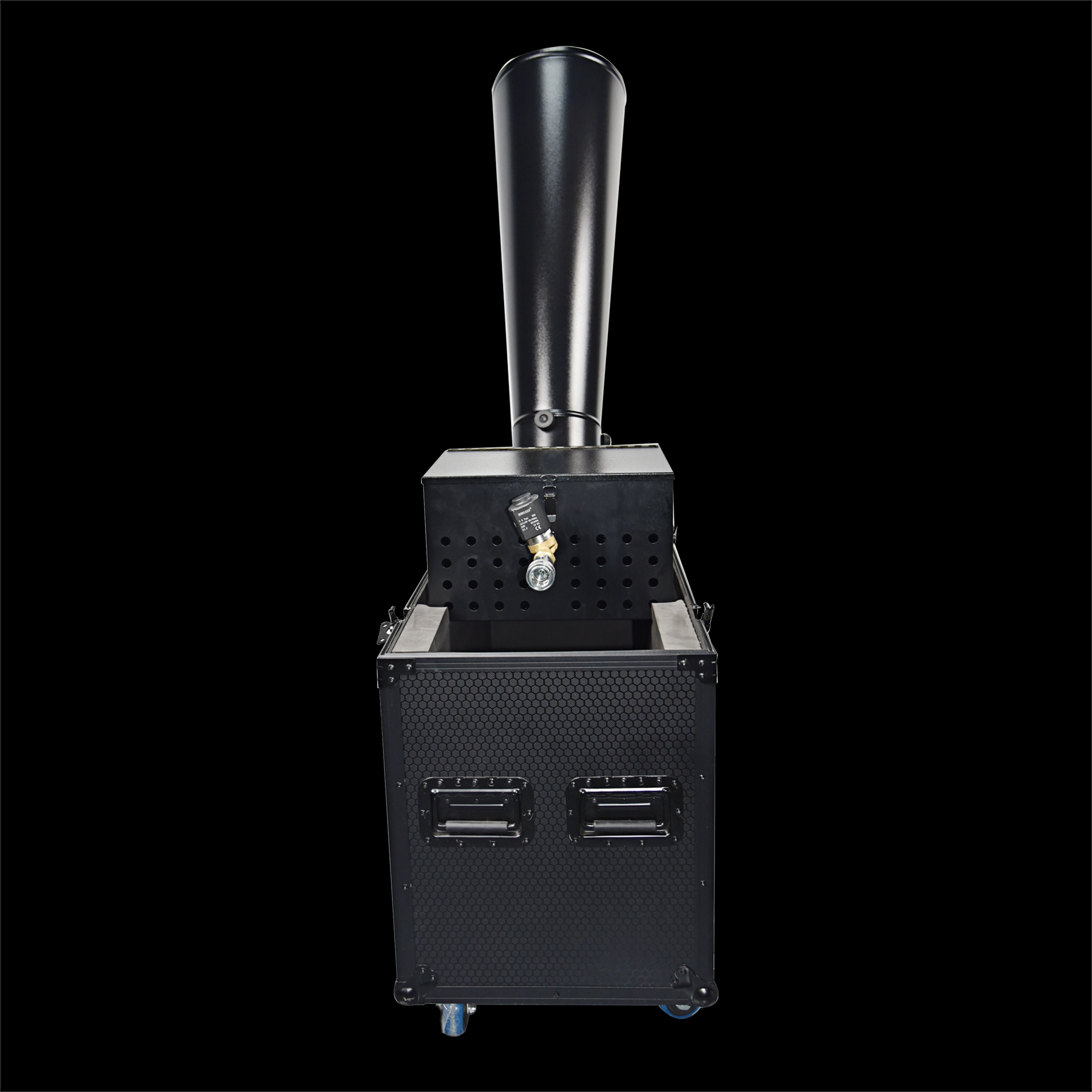
CO₂ Mini Rainbow Confetti Machine Manual Control with Durable Black Wheeled Flight Case
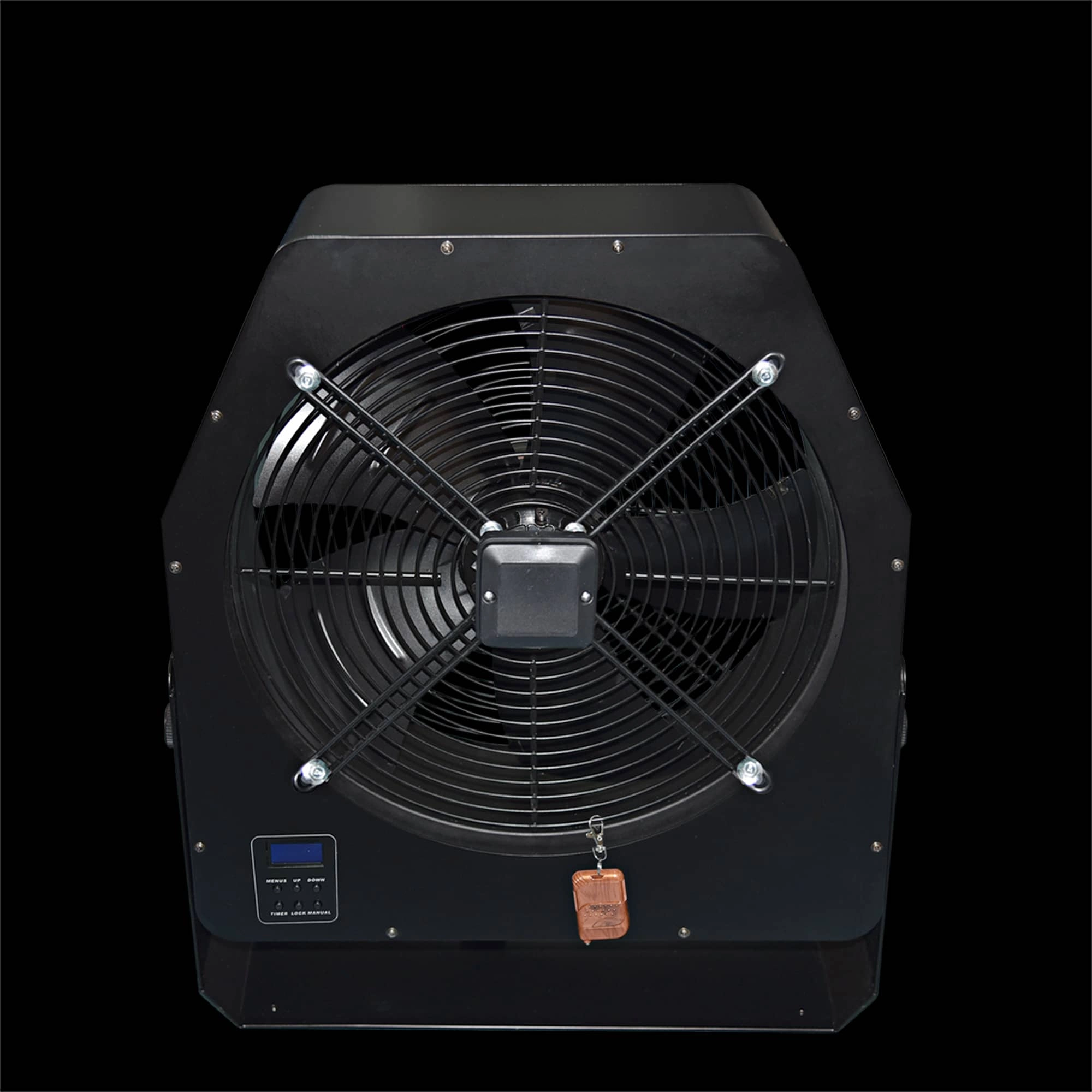
Professional Stage Big DMX Fan | High-Power Event Fan for Stage Shows & Celebrations
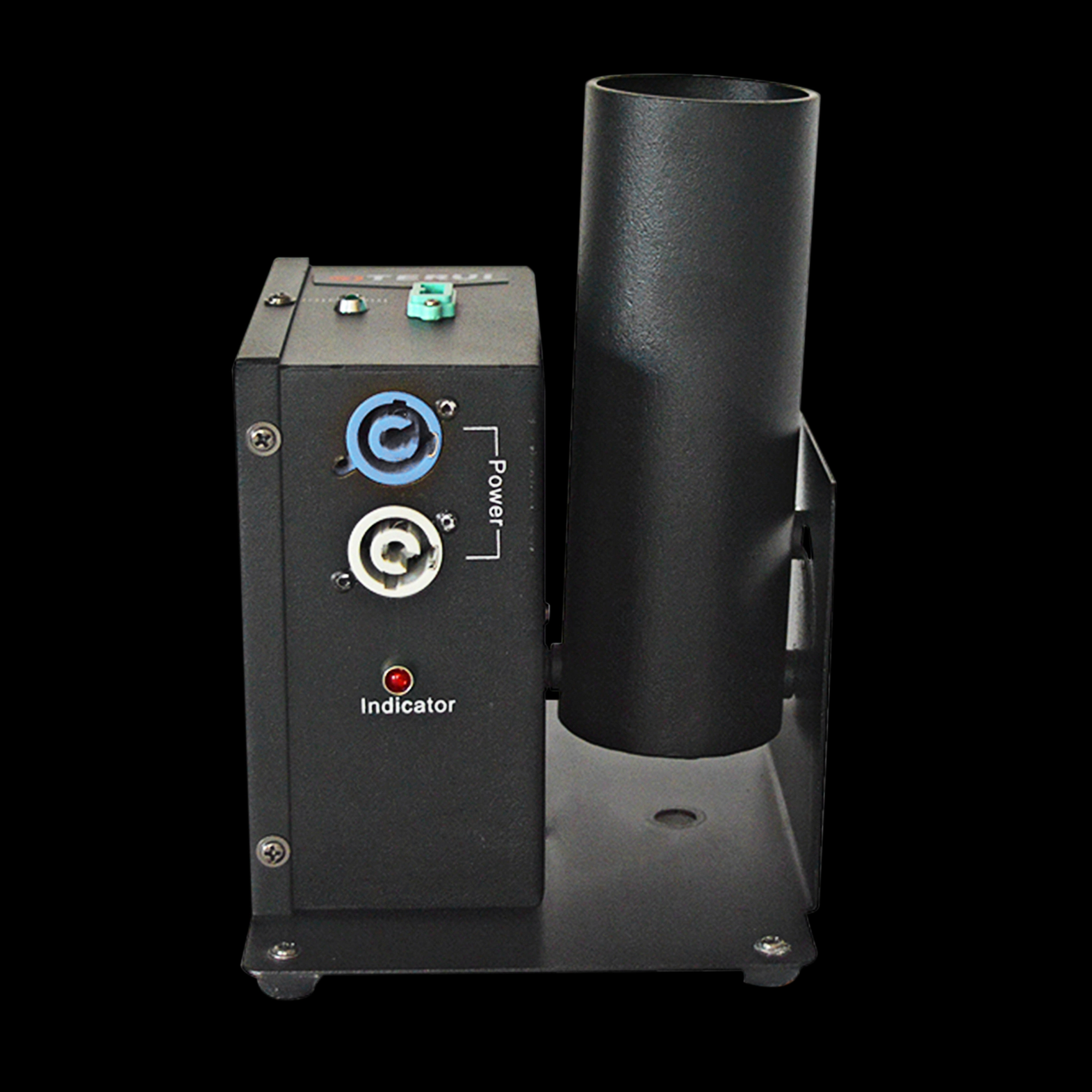
Single Shot Confetti Machine - Premium Confetti Launcher for Weddings & Stage Celebrations
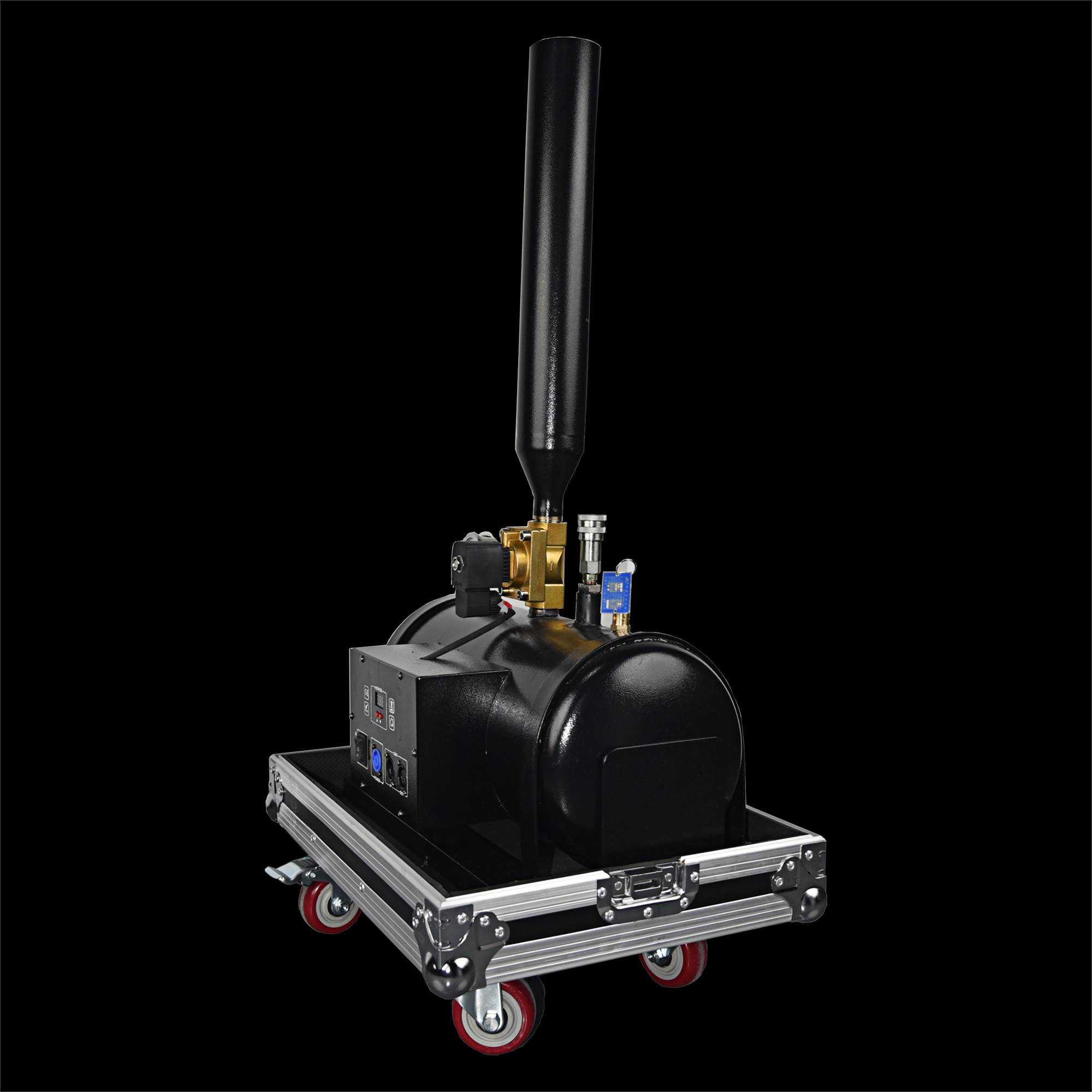
High-Altitude Confetti Cannon - Professional Confetti Blaster for Stage, Party & Celebration Events
Email: sales01@strlighting.com
WhatsApp: +86 189 2232 4800
© 2025 Siterui SFX All Rights Reserved.
 Scan QR Code
Whatsapp: +8618922324800
siteruisfx_stage_equipment
Siterui
SITERUI-SFX
STRlighting
@siterui.sfx