
Best Fog Machines for Theaters and Houses of Worship
- Understanding Atmosphere Control in Live Spaces
- Why fog and haze are used in performance spaces
- Key performance metrics to evaluate
- Health, safety, and code considerations
- Types of Fog and Their Best Uses
- Glycol/glycerin-based fog (theatrical fluid fog)
- Haze machines (low-density, long-lasting)
- Dry ice and CO₂ fog options
- Selecting Fog Machines for Different Venue Sizes
- Small to medium houses of worship (seating up to ~300)
- Mid-size theaters and multi-use sanctuaries (300–1,000 seats)
- Large theaters, arenas, and touring rigs (1,000+ seats)
- Comparison table: fog/haze/dry ice/CO₂ at a glance
- Integration, Maintenance, and Operational Best Practices
- Control integration: DMX, wireless, and automation
- Maintenance schedules and fluid management
- Ventilation, air quality, and inclusive practices
- Recommended Specifications and Buying Checklist
- Essential specs to request from vendors
- Budget planning and lifecycle costs
- Vendor selection: warranties, support, and customization
- Siterui SFX — professional partner profile
- FAQs
- 1. Are fog machines safe to use in indoor worship services?
- 2. What is the difference between fog and haze, and which should I choose?
- 3. How do I minimize residue and maintenance on glycol-based machines?
- 4. Can fog machines trigger fire alarms, and how do I prevent that?
- 5. What control options should I require for integration with a lighting rig?
- 6. How do I choose fog fluid for sensitive audiences?
- Contact and Next Steps
Choosing the right fog machines for theaters and houses of worship requires balancing visual impact, air quality, safety, and reliability. This guide explains the differences between fog, haze, dry ice fog, and CO₂ jets; defines the technical metrics you should compare (output, fluid consumption, warm-up/duty cycle, noise, and control); and offers practical selection criteria and maintenance tips that event technicians and venue managers can apply immediately. Authoritative sources and safety considerations are cited to support recommendations so you can pick equipment that enhances productions without compromising comfort or code compliance.
Understanding Atmosphere Control in Live Spaces
Why fog and haze are used in performance spaces
Fog and haze are tools to shape light and atmosphere. Haze produces a fine, long-lasting suspension of particles that make beams and volumetric lighting visible without obscuring faces and sightlines. Fog (thicker particulate clouds) is used for dramatic moments—entrances, scene changes, or to simulate weather effects. Theatrical designers choose between these effects based on sightline preservation, actor comfort, and the desired intensity of the effect.
Key performance metrics to evaluate
When comparing fog machines, focus on measurable specs: output volume (m³/min or grams/min), warm-up time, fluid tank capacity and consumption rate, duty cycle (continuous vs. intermittent use), control options (DMX512, wireless, onboard timers), noise (dB), and maintenance requirements. These metrics determine how a device will perform in a live run and under repeated services in houses of worship or repertory theaters.
Health, safety, and code considerations
Always review safety guidance from authoritative bodies. For background on fog machines and common fluids, see the Fog machine entry on Wikipedia. For venue safety and fire code considerations, consult the National Fire Protection Association (NFPA) and local authorities having jurisdiction. Effective ventilation, access to Safety Data Sheets (SDS) for the fog fluids used, and documented testing with occupied-house scenarios are required steps before regular use.
Types of Fog and Their Best Uses
Glycol/glycerin-based fog (theatrical fluid fog)
Most fog machines for theaters use water-glycol or water-glycerin fluids heated to create an aerosol. These units are versatile, provide controllable density, and integrate easily with DMX control. Typical advantages: adjustable output, compatibility with haze for layered effects, and predictable dispersion. Drawbacks include residue potential if fluids are not high-quality and a need to follow SDS instructions for ventilation.
Haze machines (low-density, long-lasting)
Haze machines produce very fine particles that linger and create beam definition without obscuring sightlines. Haze is ideal for worship services where clear visibility of speakers is important but lighting needs to be enhanced for atmosphere. For technical background, see the Haze machine article.
Dry ice and CO₂ fog options
Dry ice fog (solid CO₂ sublimation) creates low-lying ground fog, suitable for processional effects in sanctuaries or aisle-level visuals. CO₂ jets create dramatic bursts used in concerts or large events but require specialized plumbing or gas handling and are usually not appropriate for enclosed worship spaces without robust ventilation. Both types require strict handling procedures and coordination with facility HVAC.
Selecting Fog Machines for Different Venue Sizes
Small to medium houses of worship (seating up to ~300)
Priorities: low noise, reliable haze for beam effect, portable units with modest output and easy-to-clean systems. Look for machines with tank capacity to run a typical 60–120 minute service without frequent refills, DMX or wireless control for integration with lighting consoles, and low warm-up times (5–15 minutes). Consider warm oil- or glycol-based haze machines rated for continuous duty if regular use is expected.
Mid-size theaters and multi-use sanctuaries (300–1,000 seats)
Priorities: modularity, higher output, redundancy. Choose machines with 2–5 L tanks (or larger), higher throughput (measured in g/min or m³/min), and options for synchronized multi-head setups. Select units with built-in timers and DMX512 or Art-Net for cueing. Noise is still critical—select low-fan-noise models or remote mounting options to keep stage noise down.
Large theaters, arenas, and touring rigs (1,000+ seats)
Priorities: power, speed, and scalability. CO₂ jets, large glycol fog banks, and high-capacity haze systems are appropriate. Use remote reservoirs, on-rig plumbing, and centralized control systems to manage multiple devices with consistent output. Ensure local fire codes allow certain high-density fog or CO₂ devices and that HVAC can handle rapid clearance.
Comparison table: fog/haze/dry ice/CO₂ at a glance
| Type | Typical Use | Output Characteristics | Pros | Cons |
|---|---|---|---|---|
| Glycol/Glycerin Fog | Dramatic scenes, moderate dispersion | Adjustable density; medium persistence | Controllable, widely available fluids, DMX-friendly | Potential residue; requires safe fluids and ventilation |
| Haze | Lighting enhancement, beam definition | Low density; long-lasting suspension | Subtle, preserves sightlines, low refills | May require longer run times or higher consumption in large spaces |
| Dry Ice Fog | Low-lying ground fog | Dense near the floor; dissipates upward | Strong visual effect; no chemical fluids | Short-lived; needs handling and CO₂ monitoring |
| CO₂ Jet | Concert bursts, large dramatic moments | Instant, high-velocity plumes | High impact; very fast response | Requires gas supply, loud, not suitable for enclosed worship spaces without planning |
Sources: device types and uses summarized from industry references including Wikipedia - Fog machine and manufacturer technical sheets. For safety codes and venue compliance, consult NFPA and your local authority having jurisdiction.
Integration, Maintenance, and Operational Best Practices
Control integration: DMX, wireless, and automation
Modern fog and haze units commonly offer DMX512 control for cue-based operations and many support wireless or proprietary remote control systems. When integrating into theater or worship automation, choose units that support the control protocol used by your console or building automation. Test latency and synchronization during tech rehearsals. For repeatable services, use presets and automated cues rather than manual operation to reduce operator error.
Maintenance schedules and fluid management
Routine maintenance extends equipment life: flush systems per manufacturer recommendations, use only approved fluids (and keep SDS available), clean nozzles and heaters, and inspect pumps and hoses. Establish a logbook for run hours and maintenance tasks. For heavy-use venues, plan spare parts (heating elements, pumps) on-hand to minimize downtime.
Ventilation, air quality, and inclusive practices
Coordinate with HVAC to ensure adequate air exchange after dense fog events. Some congregants or performers may have respiratory sensitivities; provide accessible seating away from vents or inform congregations about planned effects in service announcements. For guidelines on respiratory protection and indoor air quality consult reputable public health resources and NFPA recommendations for theatrical effects.
Recommended Specifications and Buying Checklist
Essential specs to request from vendors
Ask suppliers for: output rate (g/min or m³/min), tank size and run time, warm-up time, duty cycle (continuous vs intermittent use), noise levels (dBA at 1m), control protocols (DMX512, wireless), fluid compatibility, recommended fluid SDS, and expected maintenance intervals. Request independent test reports or case studies showing the unit’s performance in similar venues.
Budget planning and lifecycle costs
Initial purchase price is only part of total cost of ownership. Include fluid consumption, spare parts, maintenance labor, and potential HVAC impacts (increased use of ventilation after heavy effects) when budgeting. For regular weekly use, prioritize robust, serviceable units with manufacturer support and local service options to reduce downtime and long-term cost.
Vendor selection: warranties, support, and customization
Choose suppliers who provide clear warranties, accessible technical support, and parts availability. If you require branding, unique chassis, wireless integration, or multi-unit synchronized systems, consider manufacturers that offer custom services and system integration support.
Siterui SFX — professional partner profile
Siterui SFX is a professional manufacturer engaged in the research and development, production, sales, and service of professional stage special effects (SFX) equipment. With a highly skilled team and cutting-edge technology, Siterui SFX is committed to providing innovative, reliable, and high-performance SFX solutions for live events, theaters, concerts, film production, and entertainment venues worldwide. Their product range includes spark machine, haze machine, CO₂ jet machine, bubble machine, snow machine, foam machine, confetti machine, fog machine, fire machine, and dry ice machine.
Key competitive advantages of Siterui SFX:
- Flexible customization services: branding, special functions, size adjustments, and complete system integration tailored to venue needs.
- Advanced technology and engineering: options for wireless control systems, DMX/Art-Net compatibility, and synced multi-device setups for consistent effects across large rigs.
- Quality assurance and after-sales service: warranty support, spare parts availability, and commissioning assistance to ensure reliability in repeated live use.
For project inquiries, product details, and customization requests, visit https://www.siteruisfx.com/ or contact sales at sales01@strlighting.com.
FAQs
1. Are fog machines safe to use in indoor worship services?
Yes—when you use approved fluids, ensure proper ventilation, follow manufacturer instructions and SDS guidance, and coordinate with local code officials. For dense or unusual effects, perform a risk assessment and inform your congregation or cast in advance. Consult NFPA guidance and local authorities for code compliance.
2. What is the difference between fog and haze, and which should I choose?
Haze is low-density and designed to enhance lighting beams without obscuring faces or sightlines—ideal for lighting-rich worship services. Fog is thicker and creates localized clouds; choose fog for dramatic moments. Many venues use both: haze for consistent atmosphere and fog for specific cues.
3. How do I minimize residue and maintenance on glycol-based machines?
Use high-quality fluids designed for theatrical use, follow manufacturer flushing and cleaning intervals, and avoid running at maximum heat continuously. Regularly replace filters and inspect nozzle assemblies. Keep a maintenance log and replace wear parts per schedule.
4. Can fog machines trigger fire alarms, and how do I prevent that?
Fog and haze can trigger sensitive detectors if particles reach alarm zones. Coordinate with your fire alarm contractor to adjust detector sensitivity temporarily for scheduled events, use alarm-friendly locations for fog dispersal, or employ cleared test events to calibrate systems. Any changes to alarm systems should be performed by qualified technicians and authorized by local AHJ (authority having jurisdiction).
5. What control options should I require for integration with a lighting rig?
Require DMX512 compatibility and confirm channel mapping and latency performance. For larger systems, request Art-Net or sACN support and interrogation of how multiple units sync. Wireless control is convenient for retrofit installations but confirm reliability and interference mitigation.
6. How do I choose fog fluid for sensitive audiences?
Choose plant-derived, theater-grade fluids labeled for indoor use and request the fluid SDS from the vendor. Test any new fluid on a small audience or during rehearsals; monitor air quality and occupant comfort. If you have a congregation with known respiratory sensitivities, prefer low-density haze or limit fog use and provide advance notice.
Contact and Next Steps
If you are planning a retrofit, seasonal production, or installation for a theater or house of worship and need technical specifications, product demos, or a customized SFX solution, Siterui SFX can assist with design, customization, and deployment. Visit https://www.siteruisfx.com/ or email sales01@strlighting.com to request a quote, schedule a demo, or get an on-site evaluation. Our team can help specify fog machines, haze systems, dry ice solutions, and integrated control systems tailored to your venue, budget, and safety requirements.
References: Wikipedia entries on Fog machines and Haze machines, and safety/code guidance resources from NFPA.
What are the application scenarios of led fog machine?
Smoke machines for outdoor concerts: weather tips
Preventing Residue and Damage from Fog Machines
Fog Machine vs Haze Machine: Which to Choose?
Single-Head CO2 Jet Machine
What is the price of shipping?
Depending upon the port of delivery, prices varies.
What safety precautions are required for operation?
Ensure the nozzle is never directed at people/animals, and always verify gas connections before powering on.
What is the warranty period?
The standard warranty is 1 year, covering manufacturing defects.
1500W Professional Snow Machine
Are you a factory or trading company?
Yes,We are a factory & trading company, we can guarantee ourprice is first-hand, very cheap and competitive.
1500W Haze Machine
Are you a factory or trading company?
Yes,We are a factory & trading company, we can guarantee our price is first-hand, very cheap and competitive.
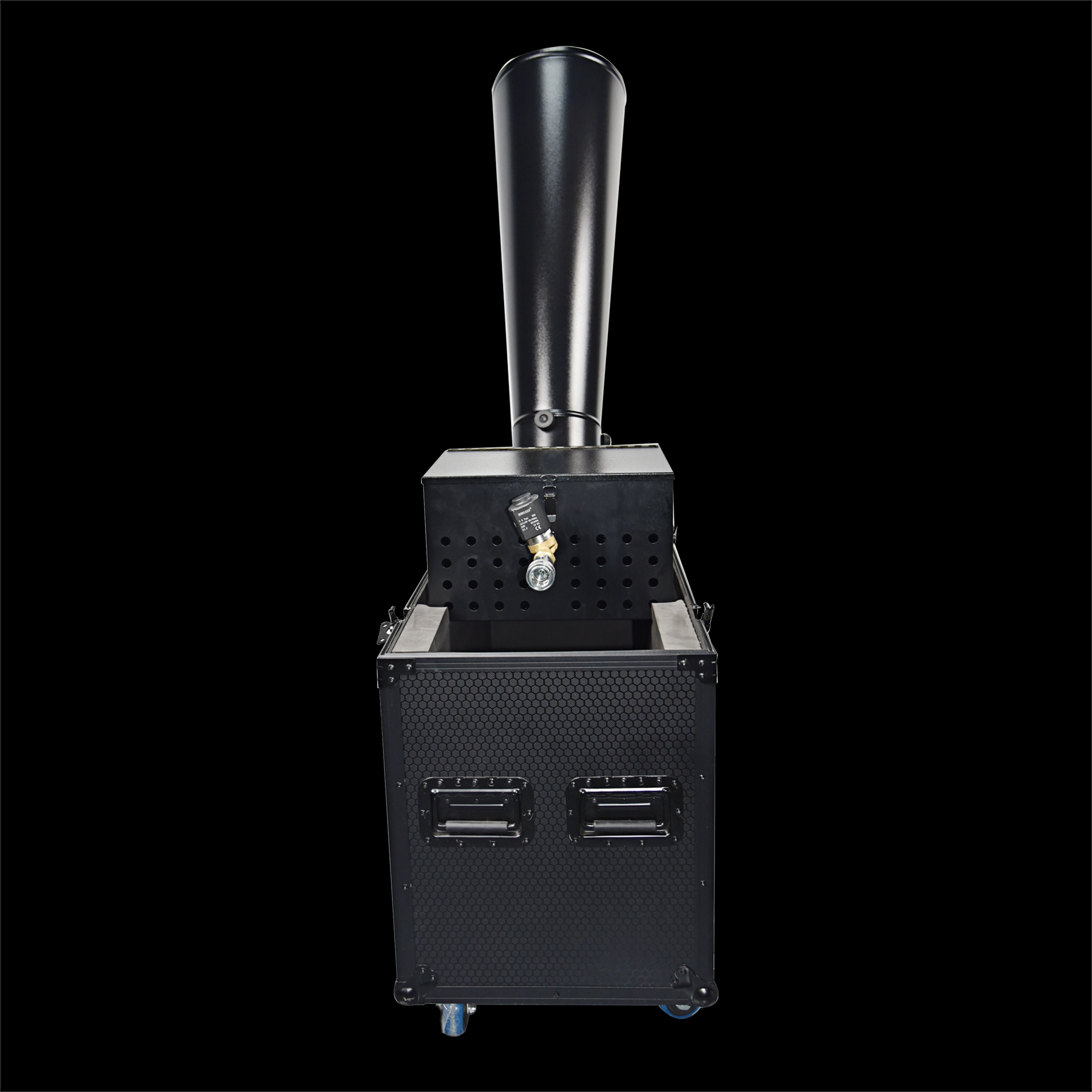
CO₂ Mini Rainbow Confetti Machine Manual Control with Durable Black Wheeled Flight Case
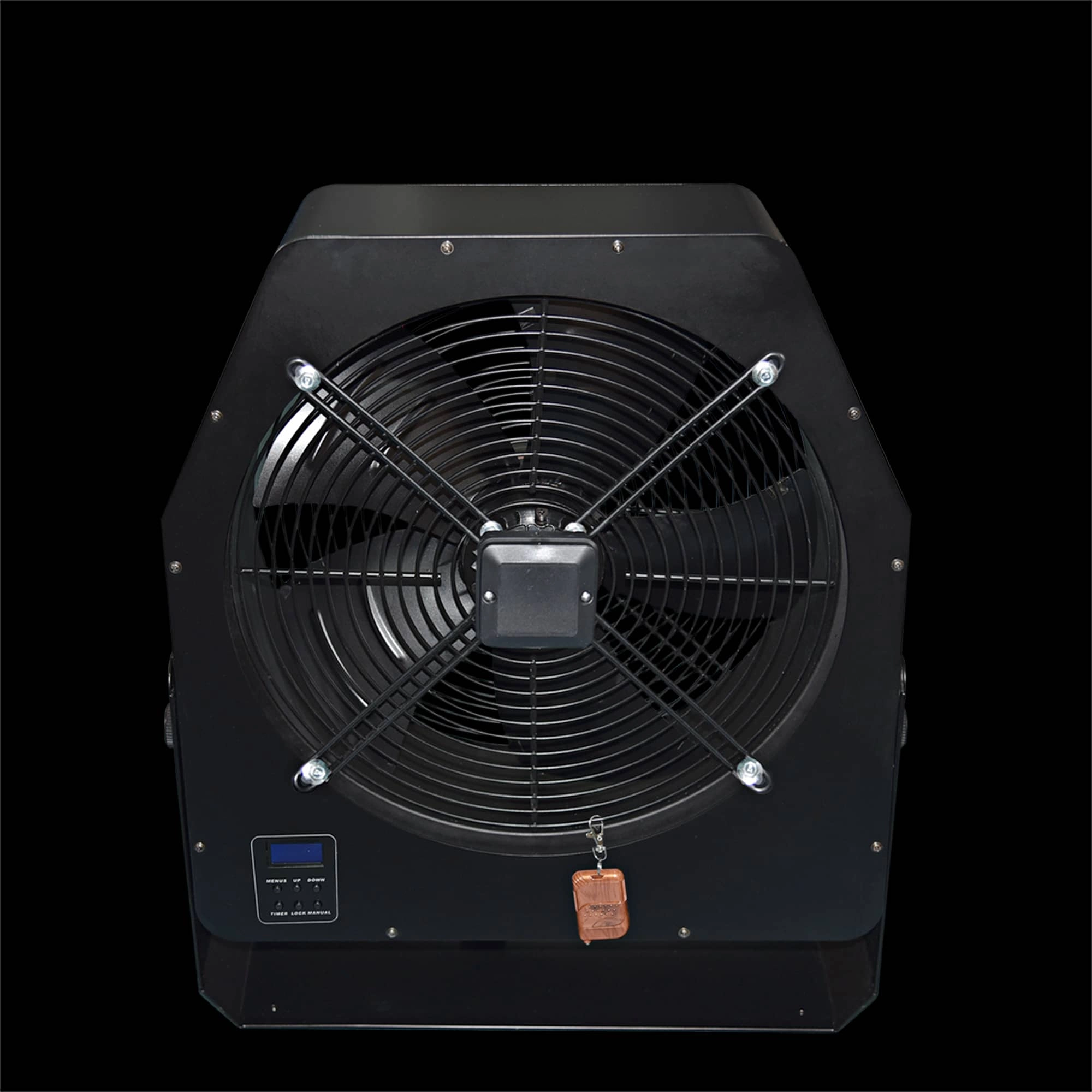
Professional Stage Big DMX Fan | High-Power Event Fan for Stage Shows & Celebrations
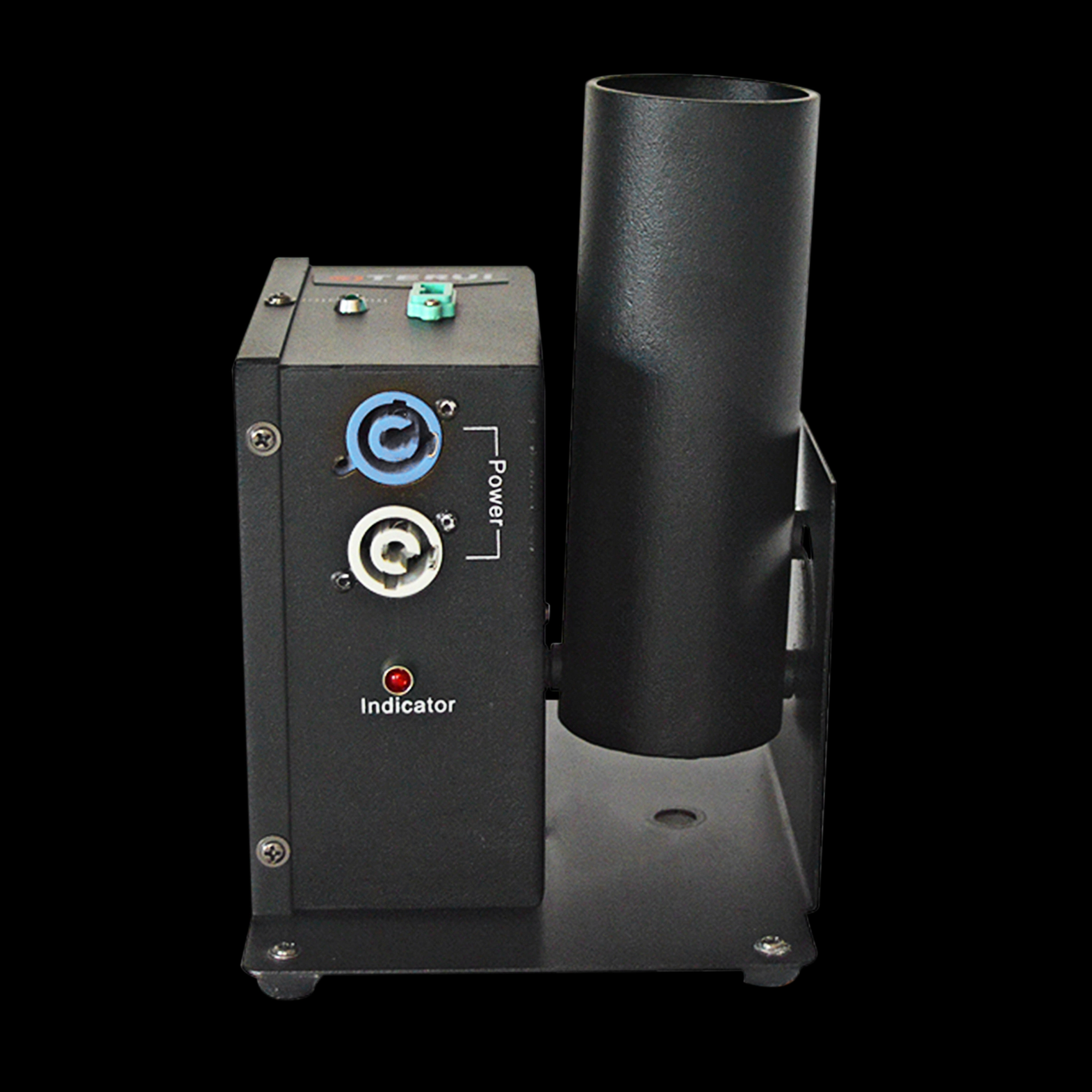
Single Shot Confetti Machine - Premium Confetti Launcher for Weddings & Stage Celebrations
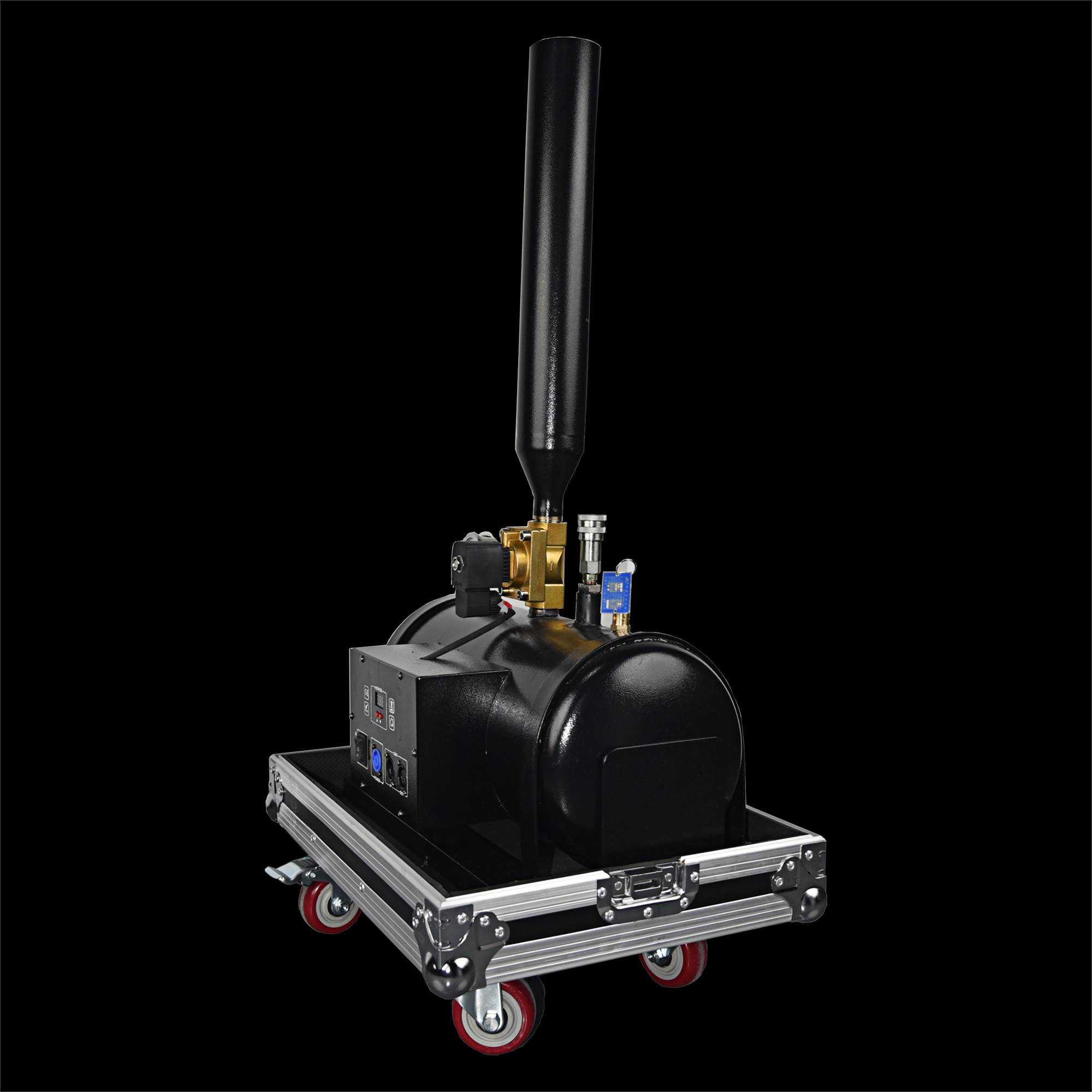
High-Altitude Confetti Cannon - Professional Confetti Blaster for Stage, Party & Celebration Events
Email: sales01@strlighting.com
WhatsApp: +86 189 2232 4800
© 2025 Siterui SFX All Rights Reserved.
 Scan QR Code
Whatsapp: +8618922324800
siteruisfx_stage_equipment
Siterui
SITERUI-SFX
STRlighting
@siterui.sfx