
Choosing Fog Fluid: Compatibility and Safety
- Quick Compatibility Snapshot for Fog Fluids
- Understanding Fog Fluid Types
- Glycol-based (propylene glycol) fluids
- Glycerin-based fluids
- Water-based and hybrid fluids
- Compatibility with Fog Machines
- Manufacturer specifications and warranties
- Viscosity, concentration and pump systems
- Heater design and nozzle considerations
- Safety and Health Considerations
- Occupational exposure and ventilation
- Respiratory, allergy and sensitive-population concerns
- Fire, electrical and slip hazards
- Choosing the Right Fluid for Your Application
- Live events and theatre
- Film, TV and studio work
- Nightclubs, attractions and permanent installations
- Maintenance, Testing and Troubleshooting
- Routine maintenance and cleaning
- Testing for residue and particle size
- Common problems and remedies
- Fluid Comparison Table
- Procurement and Commercial Considerations
- Buying fog machines and fluids
- Cost vs. lifetime value
- Supplier relationships and testing
- FAQs
- 1. Can I use any fog fluid in any fog machine?
- 2. Are fog machine fluids toxic?
- 3. How often should I clean my fog machine?
- 4. What causes white residue after using a fog machine?
- 5. How can I minimize health complaints from fog or haze?
- Contact and Product Inquiry
- References
Quick Compatibility Snapshot for Fog Fluids
Fog machines are essential tools across live events, film production, attractions and nightclubs. Choosing the correct fog fluid affects performance (density, hang time, beam visibility), machine reliability (pump & heater life, clogging), and safety (air quality, residue, regulatory compliance). This article explains fluid types, compatibility checks for different fog machines, practical safety measures, maintenance practices, and real-world decision frameworks so you can buy fog machines or fluid with confidence and reduce downtime and risk.
Understanding Fog Fluid Types
Glycol-based (propylene glycol) fluids
Propylene glycol (PG) formulations are among the most common fog fluids. They typically create dense, low-lying plumes and good beam definition when used with hazers or controlled heaters. PG fluids are compatible with a wide range of machines designed for glycol-based fluids, but concentration and viscosity matter: straight PG is thick and usually blended with water to achieve proper pumpability and droplet formation.
Glycerin-based fluids
Glycerin (glycerol) fluids produce a different fog character — often thicker, with a slower decay and noticeable sheen in bright lights. Some vintage or specialty machines were designed around glycerin blends. Glycerin is more hygroscopic and can leave sticky residues faster than PG if used improperly or at high concentrations.
Water-based and hybrid fluids
Modern water-based and hybrid fluids are engineered to balance visibility, low residue and lower odor. These mixtures often pair water with a small percentage of glycols or glycerin and sometimes proprietary surfactants to control droplet size. They’re popular for venues prioritizing ease of housekeeping and reduced clogging.
Compatibility with Fog Machines
Manufacturer specifications and warranties
Always check the fog machine manufacturer’s fluid compatibility list. Many manufacturers (e.g., Chauvet, Antari, Le Maitre) specify approved fluids; using unapproved or oil-based fluids can void warranties and damage pumps or heaters. When you purchase fog machines for rental fleets or venues, keep a copy of the recommended fluid spec and require its use in rental agreements.
Viscosity, concentration and pump systems
Pumps are tuned to a safe viscosity range. Fluids that are too viscous strain pumps and can cause cavitation, reduced output and overheating. Conversely, overly thin or high-water-content fluids can vaporize differently and affect fog output. If you switch fluid types, perform a controlled run and inspect the pump and filter for strain or unusual wear.
Heater design and nozzle considerations
Different machines use different heating methods (thermal block, coil, high-output heat exchangers). Heater temperature and dwell time influence whether a fluid vaporizes cleanly or thermally degrades and leaves residues. Machines with fine nozzles or atomizers are especially sensitive to residue-forming fluids. For example, units labeled for water-based fluids may clog quickly if used with heavy glycerin blends.
Safety and Health Considerations
Occupational exposure and ventilation
Fog aerosols are small droplets. Adequate ventilation and monitoring reduce the risk of adverse reactions among performers and audience members. For occupational settings, follow local regulations and guidance (OSHA, local health authorities) on aerosol exposures and ensure event ventilation achieves sufficient air exchanges per hour. Consider spot monitoring of particulate concentrations for recurring productions or enclosed venues.
Respiratory, allergy and sensitive-population concerns
Some individuals report irritation, asthma triggers or dermatitis from fog fluid aerosols. While most theatrical fluids (especially propylene-glycol-based) have low acute toxicity, sensitive people can still react. Use signage and pre-show warnings in environments where fog or haze is used, and provide low-fog or fog-free seating and clear evacuation routes. For prolonged or heavy use, consult an industrial hygienist for exposure assessment.
Fire, electrical and slip hazards
Fog itself is not generally flammable when produced from water/glycol blends, but certain oil-based fluids (rare in theatrical use) can present increased fire risk. Ensure fluids are stored in labeled, sealed containers away from ignition sources, and train staff on safe filling procedures to avoid spills on electrical equipment and slippery surfaces.
Choosing the Right Fluid for Your Application
Live events and theatre
For theatrical productions prioritize reproducible density, low residue and performer safety. Water-glycol blends specified by the machine manufacturer are usually the best balance. Coordinate with stage management and the venue’s health & safety officer when fog will be used during rehearsals and performances.
Film, TV and studio work
Studios often require very consistent particle size and minimal residue (to protect lenses and equipment). Use studio-grade, low-residue fluids and run machine maintenance cycles between takes. Communicate with camera and lighting departments: some fluids show different color temperatures and beam effects on camera.
Nightclubs, attractions and permanent installations
For high-duty-cycle environments (nightclubs, theme-park attractions), choose fluids formulated for long runtime and low maintenance. Low-odor, low-residue commercial-grade fluids extend service intervals. Establish a scheduled maintenance and fluid-change protocol to prevent buildup in pumps and heaters.
Maintenance, Testing and Troubleshooting
Routine maintenance and cleaning
Regular flushing with manufacturer-recommended cleaning fluid or distilled water prevents buildup. Replace inline filters on schedule and inspect pump seals and heater elements for wear. Maintain a log for each fog machine in a rental fleet or venue—note fluid brands used, cleaning intervals and any issues.
Testing for residue and particle size
Simple residue checks: run the machine for a set interval, then inspect chamber, nozzle and external surfaces for tackiness or visible deposits. For more rigorous checks, particle counters and gravimetric sampling (performed by industrial hygiene professionals) quantify droplet concentration and size distribution to ensure ventilation plans are adequate.
Common problems and remedies
Clogged nozzles: flush with recommended cleaning solution; if persistent, disassemble per manual. Weak output: check pump priming, clean filters, and verify fluid viscosity. Strange odor or smoke: stop operation immediately, inspect for burnt residues on heater elements and replace if necessary.
Fluid Comparison Table
| Fluid Type | Main Component | Typical Visibility / Hang Time | Machine Compatibility | Residue & Maintenance | Health Note |
|---|---|---|---|---|---|
| Propylene Glycol blends | Propylene glycol + water | High density, medium-to-long hang time | Compatible with most modern fog machines; confirm concentration | Moderate residue; regular flushing recommended | Generally low acute toxicity; may irritate sensitive people |
| Glycerin blends | Glycerin + water | Thick, longer hang; more visible sheen | Works with machines designed for glycerin; can clog if not diluted | Higher residue risk; more frequent cleaning | Low acute toxicity; higher residue can exacerbate irritation |
| Water-based / Low-residue | Water + small % glycols/surfactants | Lower density; shorter hang time; subtle effect | Broad compatibility; good for sensitive environments | Low residue; low maintenance | Generally low irritation; preferred for public spaces |
| Oil-based / Specialty | Oil or mineral compounds | Varies; often heavy and oily | Not compatible with most theatrical fog machines | High residue; can damage equipment | Potentially hazardous; avoid for public venues |
Procurement and Commercial Considerations
Buying fog machines and fluids
When you buy fog machines, purchase fluids from reputable suppliers and insist on manufacturer-recommended brands to preserve warranties and performance. For rental operations, include approved fluid lists in rental contracts and inspect returned machines for unauthorized fluid use.
Cost vs. lifetime value
Cheaper fluids can increase maintenance costs and reduce machine lifetime through deposits and wear. Evaluate total cost of ownership: initial fluid price, cleaning time, parts replacement and potential downtime. Often mid-range, manufacturer-approved fluids deliver the best lifetime value.
Supplier relationships and testing
Develop relationships with fluid suppliers who provide technical data sheets (TDS), material safety data sheets (MSDS/SDS) and compatibility documentation. Request sample bottles for in-house testing before switching fluids at scale — run a machine for a standardized cycle and inspect for performance and residues.
FAQs
1. Can I use any fog fluid in any fog machine?
No. Always refer to the machine manufacturer’s approved fluid list. Using the wrong fluid can clog pumps, damage heaters or void warranties. If uncertain, contact the manufacturer or supplier for compatibility advice.
2. Are fog machine fluids toxic?
Most theatrical fog fluids (propylene glycol and glycerin blends) have low acute toxicity when used as directed, but they can irritate sensitive individuals. For occupational guidance, follow safety data sheets and consult local regulations.
3. How often should I clean my fog machine?
Cleaning frequency depends on usage and fluid type. For regular use (weekly events), flush and clean filters monthly and inspect heaters every 3–6 months. For heavy daily use, follow a more frequent schedule and maintain a log.
4. What causes white residue after using a fog machine?
Residue usually results from improper fluid concentration, overheating or using incompatible fluids. It can be reduced by switching to low-residue fluids, ensuring correct heater settings, and performing regular cleaning.
5. How can I minimize health complaints from fog or haze?
Use low-residue, water-based fluids, ensure adequate ventilation and air exchanges, provide pre-show warnings, and offer fog-free seating. For recurring concerns, commission air monitoring and consult an industrial hygienist.
Contact and Product Inquiry
If you need help selecting fog fluid for a specific fog machine model, want machine-compatible fluid recommendations, or require service for a rental fleet, contact our technical sales team to review your equipment, usage profile and venue constraints. View our compatible fog fluids and fog machines at our product page or request a compatibility assessment and sample testing.
References
- Agency for Toxic Substances and Disease Registry (ATSDR) — Toxicological information (accessed 2026-01-12)
- Occupational Safety and Health Administration (OSHA) — Workplace aerosol and air contaminants guidance (accessed 2026-01-12)
- National Fire Protection Association (NFPA) — Codes and standards for theatrical effects (accessed 2026-01-12)
- Chauvet Professional — Fog and haze fluids and compatibility information (accessed 2026-01-12)
- Le Maitre Special Effects — Technical guides and product information (accessed 2026-01-12)
- Antari — Manufacturer guidance on fog fluids and maintenance (accessed 2026-01-12)
For specific MSDS/SDS sheets and manufacturer technical datasheets, consult supplier pages linked above or contact our technical team for direct files and compatibility testing.
Snow Machine Comparison: Foam vs Paper vs Biodegradable
Safety, Ventilation and Regulations for Haze Machine Use
Budget-Friendly Stage Lighting for Community Theaters
Top Haze Machines for Stage and Theater: 2026 Buying Guide
About us
Does Siterui operate globally?
Yes! Our international team serves clients across regions with localized support.
How does Siterui’s customer service communicate with clients?
Via phone, email, or online platforms—always responsive and solution-focused.
1500W Professional Snow Machine
Is the snow safe for indoor use?
Absolutely! The snow fluid is non-toxic, biodegradable, and leaves no
residue.
Single-Head CO2 Jet Machine
What is the price of shipping?
Depending upon the port of delivery, prices varies.
Solutions
Are your stage FX products compliant with international safety standards?
Yes, all our products comply with CE, RoHS and other international certifications. For special effect consumables like fog fluid and snow fluid, we can provide MSDS and test reports to ensure smooth customs clearance globally.
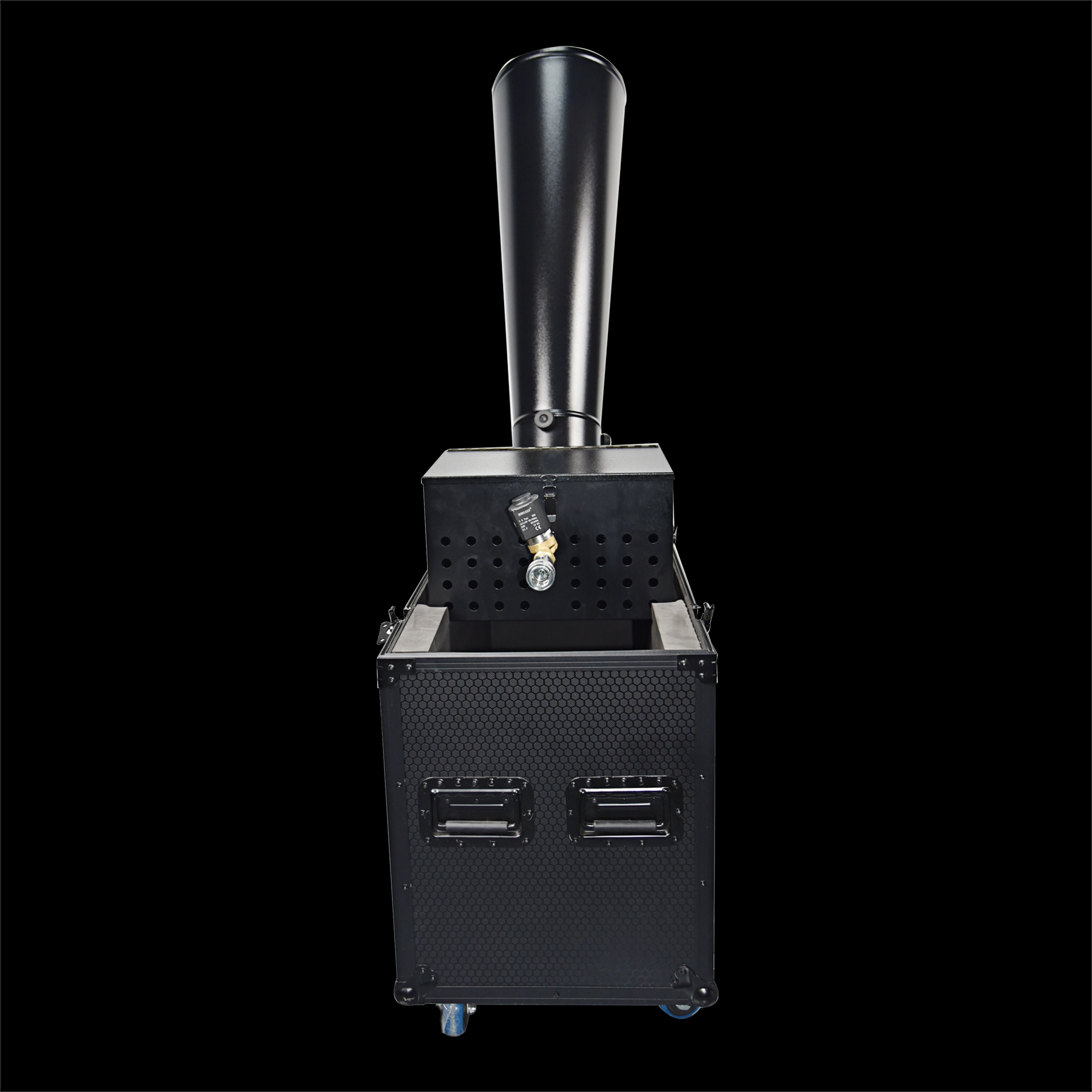
CO₂ Mini Rainbow Confetti Machine Manual Control with Durable Black Wheeled Flight Case
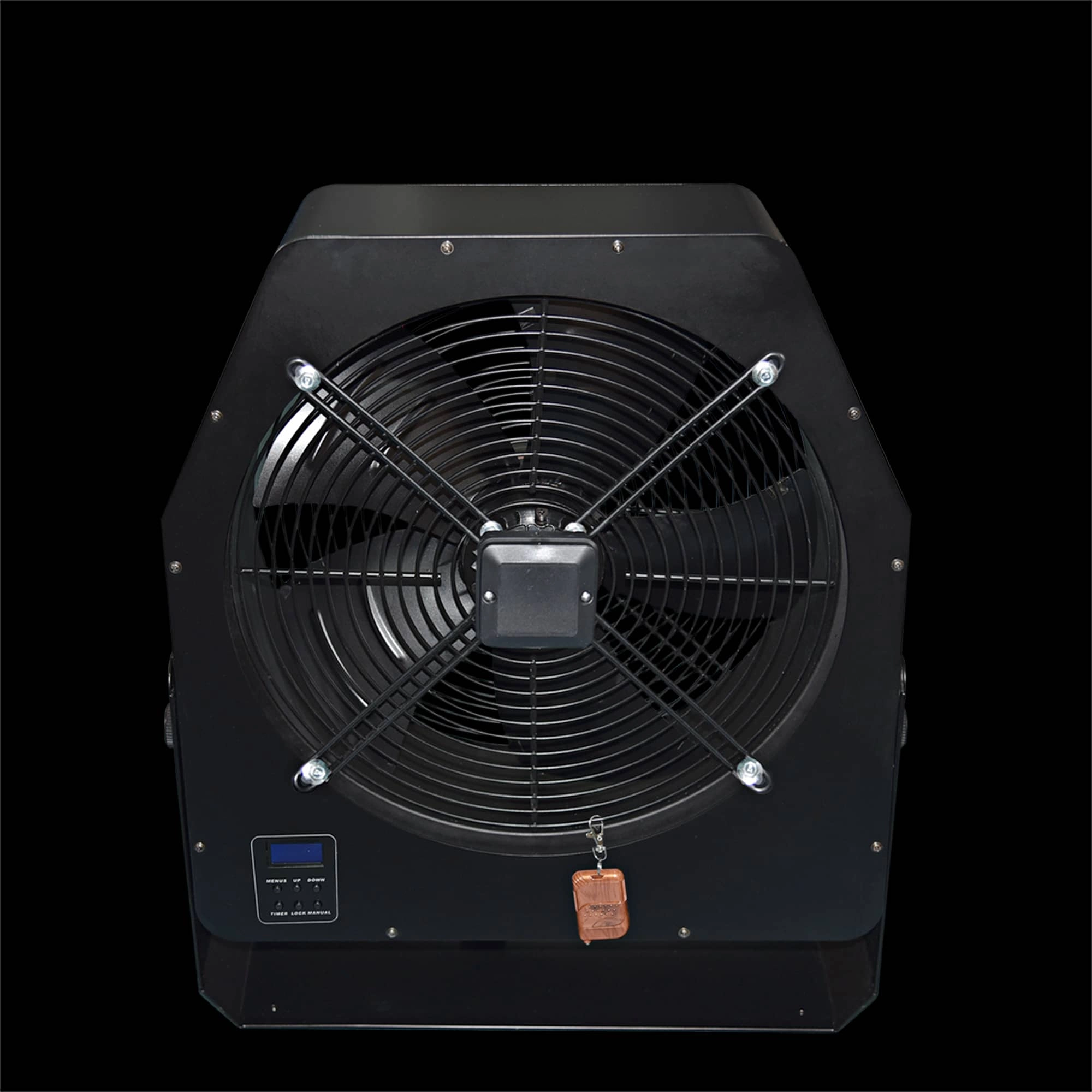
Professional Stage Big DMX Fan | High-Power Event Fan for Stage Shows & Celebrations
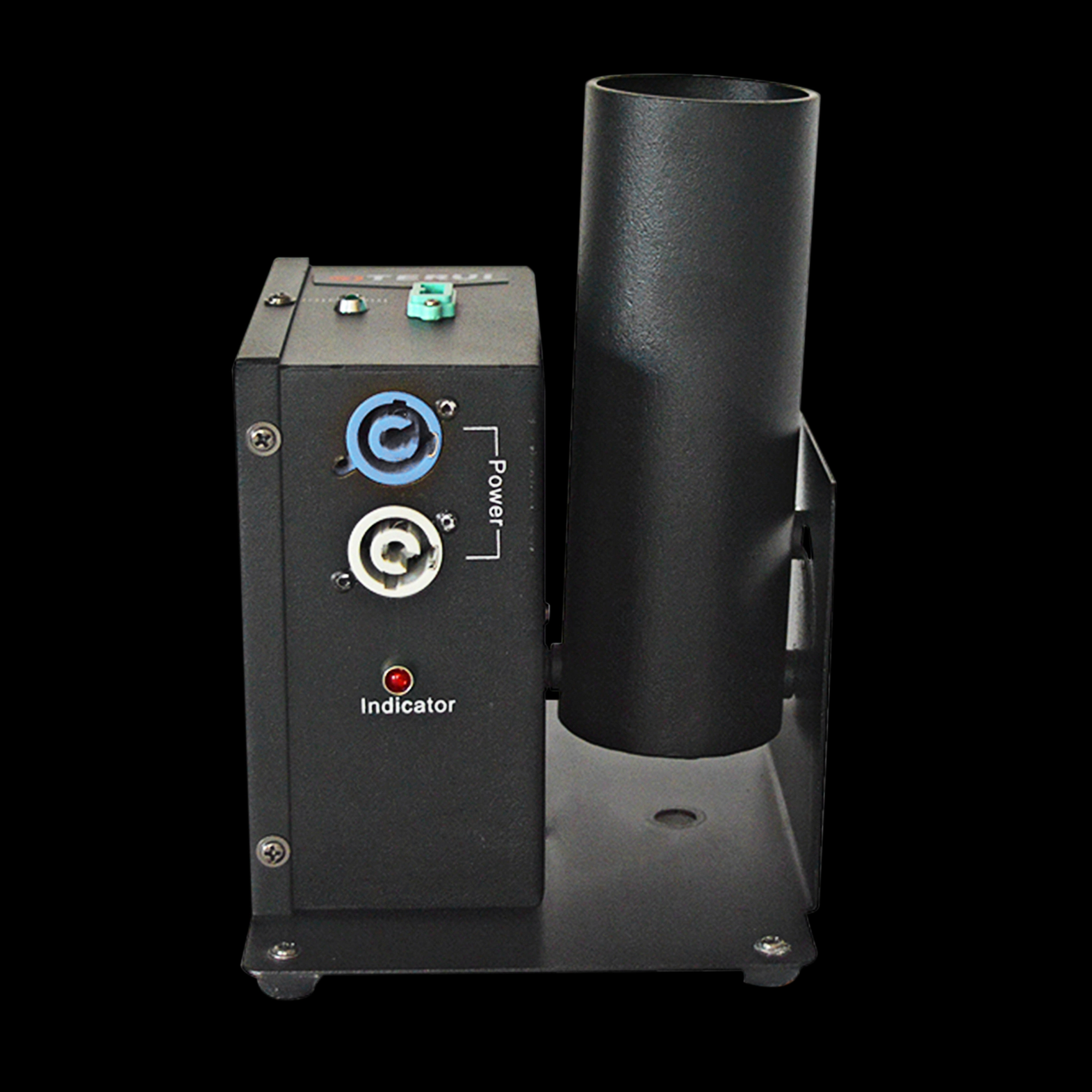
Single Shot Confetti Machine - Premium Confetti Launcher for Weddings & Stage Celebrations
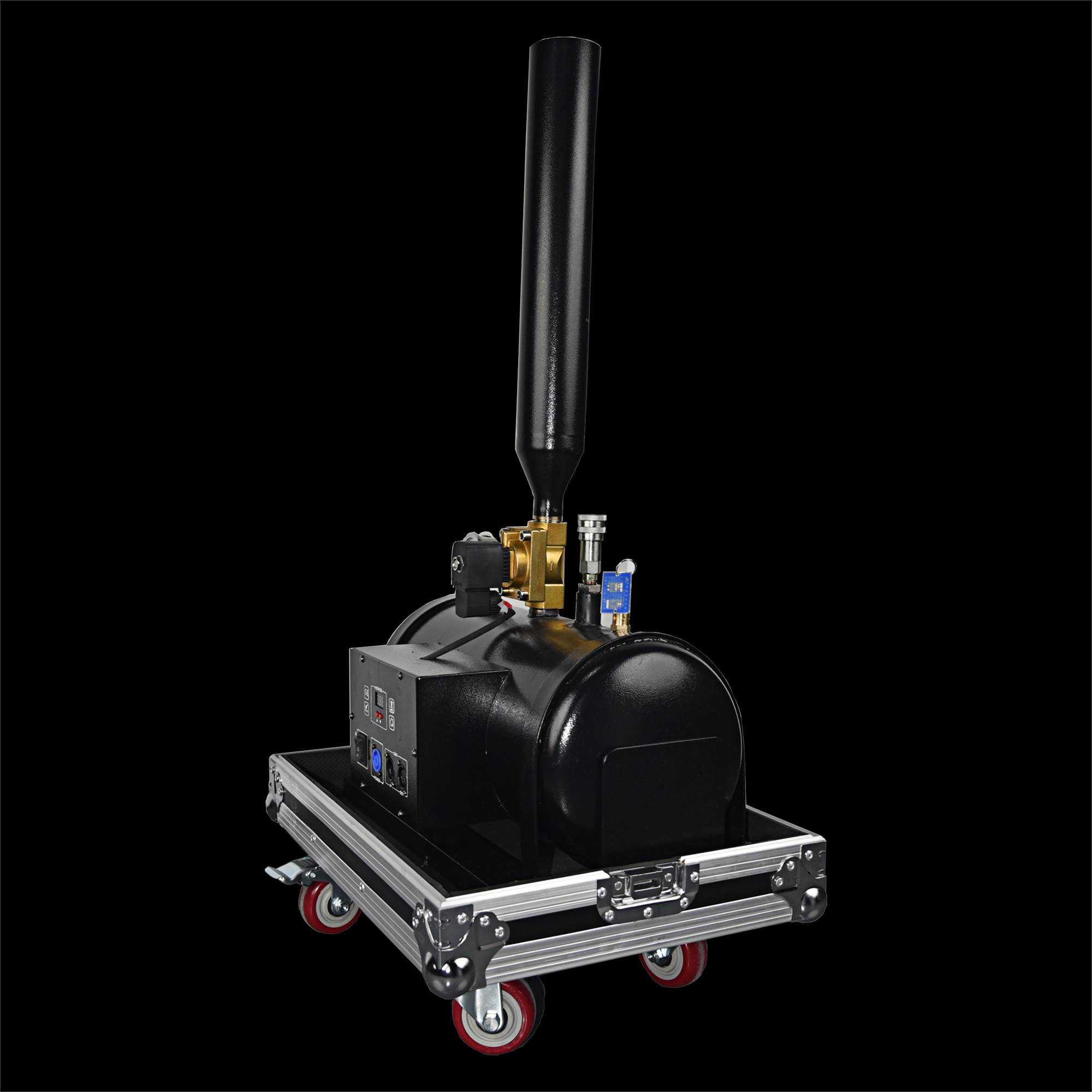
High-Altitude Confetti Cannon - Professional Confetti Blaster for Stage, Party & Celebration Events
Email: sales01@strlighting.com
WhatsApp: +86 189 2232 4800
© 2025 Siterui SFX All Rights Reserved.
 Scan QR Code
Whatsapp: +8618922324800
siteruisfx_stage_equipment
Siterui
SITERUI-SFX
STRlighting
@siterui.sfx