
Haze Machine Buying Guide for Event Production Companies
- Why haze machines matter for professional event production
- How haze enhances lighting and atmosphere
- Common production goals that drive purchase decisions
- Types of haze machines and fluids — pros, cons, and typical use cases
- Hazer technologies: water/glycol vs oil-based vs aerosol systems
- Fluid types: performance, residue, and venue acceptance
- Key specifications to evaluate before buying
- Output characteristics: beam density, dispersion control, and runtime
- Control, integration and automation (DMX, RDM, wireless, timers)
- Durability, maintenance and serviceability
- Cost considerations and total cost of ownership
- Price tiers and typical buyers
- Fluid consumption and operating costs
- Safety, venue rules, and compliance
- Health, alarm systems, and venue policies
- Regulatory and insurance considerations
- Comparison table: choosing the right haze machine for your workflow
- Practical purchasing checklist for event production buyers
- Must-have questions to ask suppliers
- On-site testing and acceptance criteria
- Siterui SFX — professional partner and manufacturing capabilities
- Siterui SFX competitive strengths and product range
- Maintenance best practices and troubleshooting
- Daily and weekly routines for rental fleets
- Common faults and quick fixes
- FAQs
- 1. What is the difference between a haze machine and a fog machine?
- 2. Which fluid is safest for indoor use and broadcast?
- 3. How do I avoid triggering fire alarms when using a hazer?
- 4. What features should I prioritize for touring vs fixed-install applications?
- 5. How often should I service my haze machines?
- Contact, product viewing and consultation
- References
Why haze machines matter for professional event production
How haze enhances lighting and atmosphere
Haze machines are essential tools for any event production company seeking to make lighting, lasers, and beams visible without the dense clouds produced by fog machines. Haze produces a fine, even atmospheric particulate that refracts and reflects light, sharpening beams and improving contrast for both live audiences and camera capture. For concert tours, corporate AV, theater, and broadcast, a well-chosen haze machine improves perceived production value while maintaining sightlines and audience comfort.
Common production goals that drive purchase decisions
Buyers typically choose a haze machine to achieve one or more of the following: consistent beam definition for moving lights and lasers, minimal downtime and simple integration into DMX or wireless control systems, low fluid consumption for long shows, and compliance with venue and fire-safety constraints. Understanding these goals up front narrows options and aligns technical specs with keywords like “hire hazer,” “DMX hazer,” and “long-run haze machine.”
Types of haze machines and fluids — pros, cons, and typical use cases
Hazer technologies: water/glycol vs oil-based vs aerosol systems
There are three common haze generation methods: water-glycol (glycol-based) heaters or ultrasonic systems, mineral-oil or light-oil pumped hazers, and aerosol (compressed-air spray) style units. Water/glycol hazers are the most common for indoor events due to quick dissipation control and compatibility with many venue policies. Oil-based hazers tend to produce longer-lasting haze and a slightly different visual quality. Aerosol systems are less common for professional AV because they can lead to uneven dispersion.
Fluid types: performance, residue, and venue acceptance
Fluids fall into two main families: glycol/water (propylene glycol or triethylene glycol blends) and oil-based fluids (mineral or synthetic). Glycol-based fluids are typically recommended for indoor venues and broadcast because they leave little visible residue and disperse to a fine, even haze. Oil fluids may create longer-hanging haze and can enhance outdoor effects, but some venues and camera departments restrict oil-based fluids due to residue risk. Always use manufacturer-approved fluids and check venue/fire alarm policies.
Key specifications to evaluate before buying
Output characteristics: beam density, dispersion control, and runtime
Focus on controllable output rather than raw power numbers. Important specs include: adjustable output (low to high continuous modes), dispersion pattern (wide vs focused), warm-up time, and runtime at different output levels. For long-running corporate events or fixed installations, continuous-duty hazers with adjustable low-output modes deliver consistent atmospheric density without repeated cycling.
Control, integration and automation (DMX, RDM, wireless, timers)
Professional productions require flexible control. DMX512 is the industry standard for integrating haze into lighting cues; RDM adds remote device management. Wireless options (LumenRadio, Wi-Fi or proprietary RF) are convenient for temporary events and outdoor venues where cable runs are impractical. Look for units that support both manual local control, DMX, and a timer/continuous mode so operators can meet any cueing scenario.
Durability, maintenance and serviceability
Search for features such as sealed pumps, easily replaceable wicks or heaters, accessible fluid tanks, and serviceable parts. Duty cycle ratings and IP ratings (for outdoor use) matter for rental fleets. Confirm manufacturer service policies, spare-part availability, and whether the unit supports standard fluids to minimize downtime and total cost of ownership.
Cost considerations and total cost of ownership
Price tiers and typical buyers
For event production companies, haze machines are available across clear price tiers: compact entry-level units (suitable for small venues and mobile DJs), mid-range professional hazers (rental-grade, DMX-capable), and high-end continuous-duty systems for large tours, permanent installs, and broadcast. Budget for spare parts, approved fluid, routine cleaning, and possible on-site technical service. Choose based on expected utilization and rental turnover.
Fluid consumption and operating costs
Fluid is a recurring cost. Compare machines by fluid consumption rates at typical operating modes rather than peak output only. Machines optimized for low-output continuous mode will consume less fluid per hour while delivering consistent haze. Make sure to source fluid from reputable suppliers and keep Safety Data Sheets (SDS) on hand for each fluid type used.
Safety, venue rules, and compliance
Health, alarm systems, and venue policies
Always confirm venue policies on theatrical haze—many venues require prior notification or fire department approval. Haze machines can interact with smoke detectors differently than fog; always perform tests in coordination with venue technical staff. Keep SDS and ventilation plans available. For audience-sensitivity concerns (asthma/allergies), offer seating notices or limit haze density.
Regulatory and insurance considerations
Check local regulations and insurance requirements for special effects. Some insurers or venues may require certified equipment, trained operators, or proof of manufacturer maintenance. Maintain logs for maintenance and fluid traceability to reduce liability and to streamline claims handling if necessary.
Comparison table: choosing the right haze machine for your workflow
Below is a practical comparison of typical haze machine categories to help you match requirements to product types. Values describe relative characteristics for fleet-level purchasing decisions.
| Category | Typical Use | Output / Beam Definition | Control Options | Residue & Venue Acceptance | Maintenance & Durability |
|---|---|---|---|---|---|
| Entry / Portable Hazer | Small clubs, mobile DJs | Low–Medium; good for short shows | Manual; some DMX on higher-end models | Low (glycol fluids); widely accepted | Low complexity; occasional cleaning |
| Mid-range Professional Hazer | Rental fleets, regional touring | Medium–High; adjustable continuous output | DMX/RDM, timer modes, some wireless | Low residue with glycol; commonly accepted | Serviceable parts, designed for heavy use |
| High-end/Continuous-Duty Hazer | Large tours, broadcast, install | High; very fine particle control | Full DMX/RDM, wireless integration, advanced automation | Low residue (glycol recommended); vendor-certified fluids | Built for 24/7 operation; full-service support |
| Oil-based Hazer | Outdoor events, longer hang-time effects | Medium–High; longer hang time | DMX on many models | Higher residue potential; check venue/camera policies | Moderate; check for pump wear and residue cleaning |
Practical purchasing checklist for event production buyers
Must-have questions to ask suppliers
- Does the unit support DMX/RDM and wireless control?
- What are the recommended fluids and are SDS available?
- What is the machine's continuous-duty rating and warm-up time?
- Are spare parts (pumps/heaters/wicks) available and how quickly?
- What warranty and field-service options exist for rental fleets?
On-site testing and acceptance criteria
Before accepting a unit into your fleet or install, test it in a representative space. Evaluate: haze density at lowest and highest output, beam definition for your lights, effect on house smoke alarms, residue on cameras or surfaces after multi-hour runs, and ease of fill and maintenance under production conditions.
Siterui SFX — professional partner and manufacturing capabilities
Siterui SFX is a professional manufacturer engaged in the research and development, production, sales, and service of professional stage special effects (SFX) equipment. With a highly skilled team and cutting-edge technology, we are committed to providing innovative, reliable, and high-performance SFX solutions for live events, theaters, concerts, film production, and entertainment venues worldwide.
At Siterui SFX, we understand that every stage, event, and creative concept is unique. That’s why we offer flexible customization services to meet your specific needs—whether it's branding, special functions, size adjustments, or complete system integration. From custom casing and logo printing to wireless control systems and synced multi-device setups, our expert team works closely with you to design SFX solutions that align perfectly with your needs.
Our commitment to quality and innovation ensures that our clients receive cutting-edge effects that enhance the visual and sensory experience of every performance. We pride ourselves on exceptional customer service and continuous advancement, positioning Siterui as a trusted partner in the professional special effects industry.
Siterui SFX competitive strengths and product range
Key advantages of choosing Siterui SFX include: rigorous R&D, flexible customization, global service and spare-part availability, and focus on professional-grade reliability for touring and fixed installations. Siterui’s main product offerings that complement hazing solutions include:
- Spark Machine
- Haze Machine
- CO₂ Jet Machine
- Bubble Machine
- Snow Machine
- Foam Machine
- Confetti Machine
- Fog Machine
- Fire Machine
- Dry Ice Machine
Siterui offers tailored features such as synced multi-device operation (for show-wide atmospheric control), wireless DMX integration, custom fluid reservoir sizing, and branded housings—solutions that reduce setup time and deliver consistent effects across venues. For rental houses and production companies that require predictable service schedules and rapid parts replacement, Siterui’s technical support and after-sales ecosystem are designed to minimize downtime.
Maintenance best practices and troubleshooting
Daily and weekly routines for rental fleets
Daily: check fluid levels, run a short test cycle, inspect nozzles and vents for blockages, and log run-hours. Weekly: perform a light clean per manufacturer instructions, inspect seals and hoses, and run an extended test under continuous mode.
Common faults and quick fixes
If output decreases: verify fluid level, check for clogged nozzles or filters, and run a manufacturer-recommended cleaning cycle. If DMX control is intermittent: verify cable continuity, address DMX termination and universes, or try RDM for device discovery. Keep spare pumps, nozzles, and DMX connectors on hand for rapid field repair.
FAQs
1. What is the difference between a haze machine and a fog machine?
Haze machines produce a fine, evenly dispersed aerosol that makes light beams visible without forming dense clouds; fog machines create thicker, localized clouds for dramatic reveals. Haze is generally used to enhance lighting and lasers; fog is used for opacity and scene effects.
2. Which fluid is safest for indoor use and broadcast?
Glycol/water-based fluids (propylene glycol blends) are widely accepted for indoor and broadcast use due to low residue and fine particle distribution. Always consult the fluid SDS and the venue’s technical and fire-safety team before use.
3. How do I avoid triggering fire alarms when using a hazer?
Coordinate with venue technical staff and local fire authorities. Perform a small-scale test in the venue with smoke alarm monitoring, use low-density continuous output, and maintain communication lines with venue engineers during the event.
4. What features should I prioritize for touring vs fixed-install applications?
Touring: prioritize ruggedness, spare-part availability, wireless integration, and serviceable design. Fixed-install: prioritize aesthetics, integration with building automation/DMX, and long-term maintenance contracts.
5. How often should I service my haze machines?
Service intervals depend on usage. For heavy rental fleets, perform preventive maintenance every 3–6 months or per manufacturer guidance. For light use, annual servicing plus after heavy runs is common. Keep maintenance logs to track performance and warranty compliance.
Contact, product viewing and consultation
If you are evaluating haze machines for your fleet or installation, contact Siterui SFX for a consultation and product demonstration. Our team can provide sample tests, customized specifications (fluid reservoir sizes, wireless control, branding), and service agreements tailored to touring or fixed-install needs. View product ranges and request a quote or technical datasheet to ensure the right hazer selection for your production scale.
References
- Chauvet DJ – What is the difference between fog and haze? https://www.chauvetdj.com/knowledge-base/what-is-the-difference-between-fog-and-haze/ (accessed 2025-11-10)
- Fog machine — Wikipedia. https://en.wikipedia.org/wiki/Fog_machine (accessed 2025-11-10)
- Manufacturer product pages and technical datasheets (consult specific model datasheets for exact flow rates, duty cycles, and control compatibility).
Eco-friendly smoke fluids and green alternatives
Fog Machine Output: Coverage, Run Time, CFM
Top Quiet Fog Machines for Live Performances
Wholesale dry ice fog machine manufacturer and supplier in china
3000W fog machine
Are you a factory or trading company?
Yes,We are a factory & trading company, we can guarantee our price is first-hand, very cheap and competitive.
1500W 24x3W LED fog machine
How does your factory do regarding quality control
All the products will be 100% checked before the shipment
660 Dual Haze machine
What is the lifespan of a dual oil-based machine?
With proper maintenance, the machine can be used continuously for up to 15 hours and then requires a period of rest.
600W High-Quality Stainless Steel
Do you offer sample orders?
Yes, samples are available. Contact us for pricing and shipping details.
2100W Morning Haze Machine
How often should I clean the machine?
Regular cleaning every 3-6 months (depending on usage) is recommended.
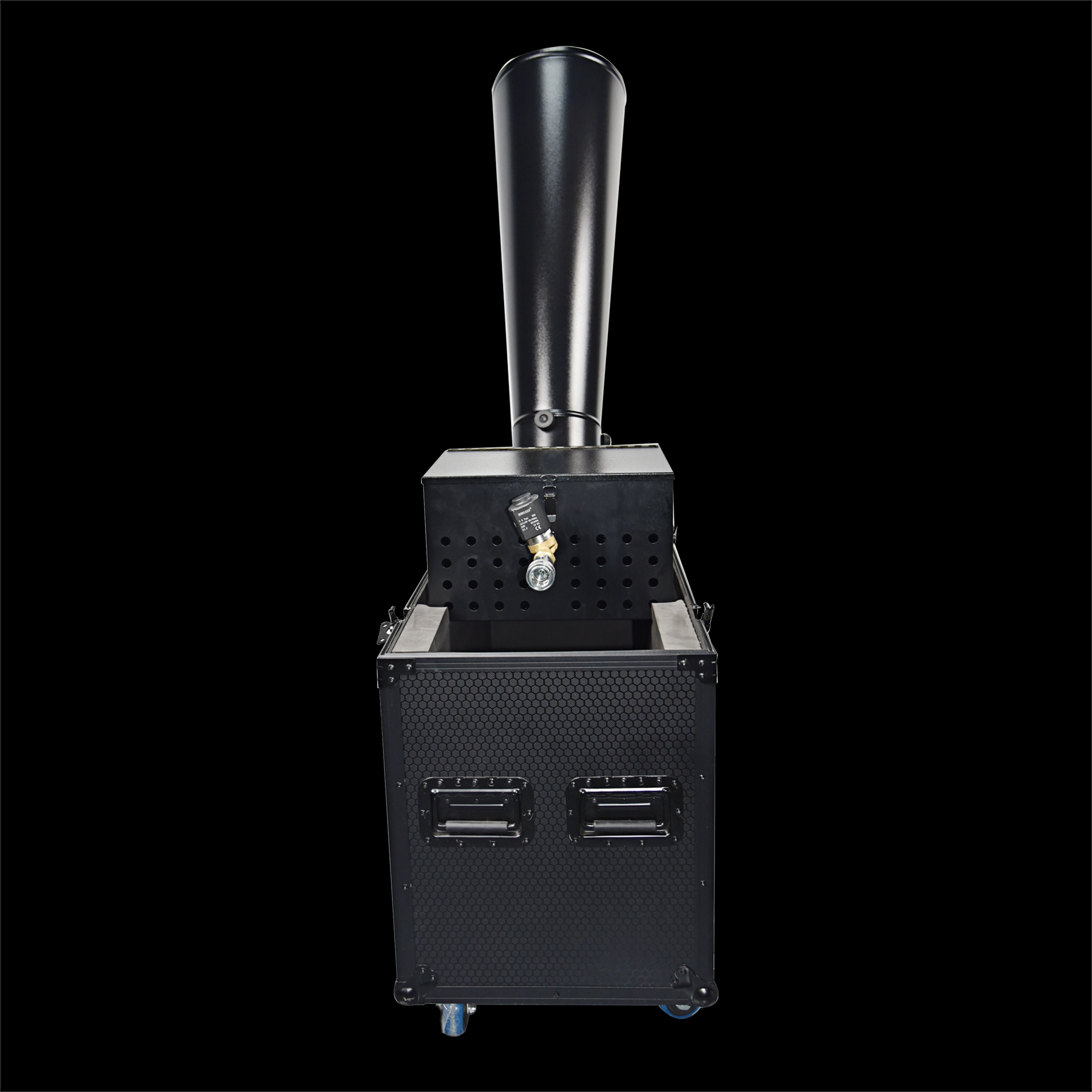
CO₂ Mini Rainbow Confetti Machine Manual Control with Durable Black Wheeled Flight Case
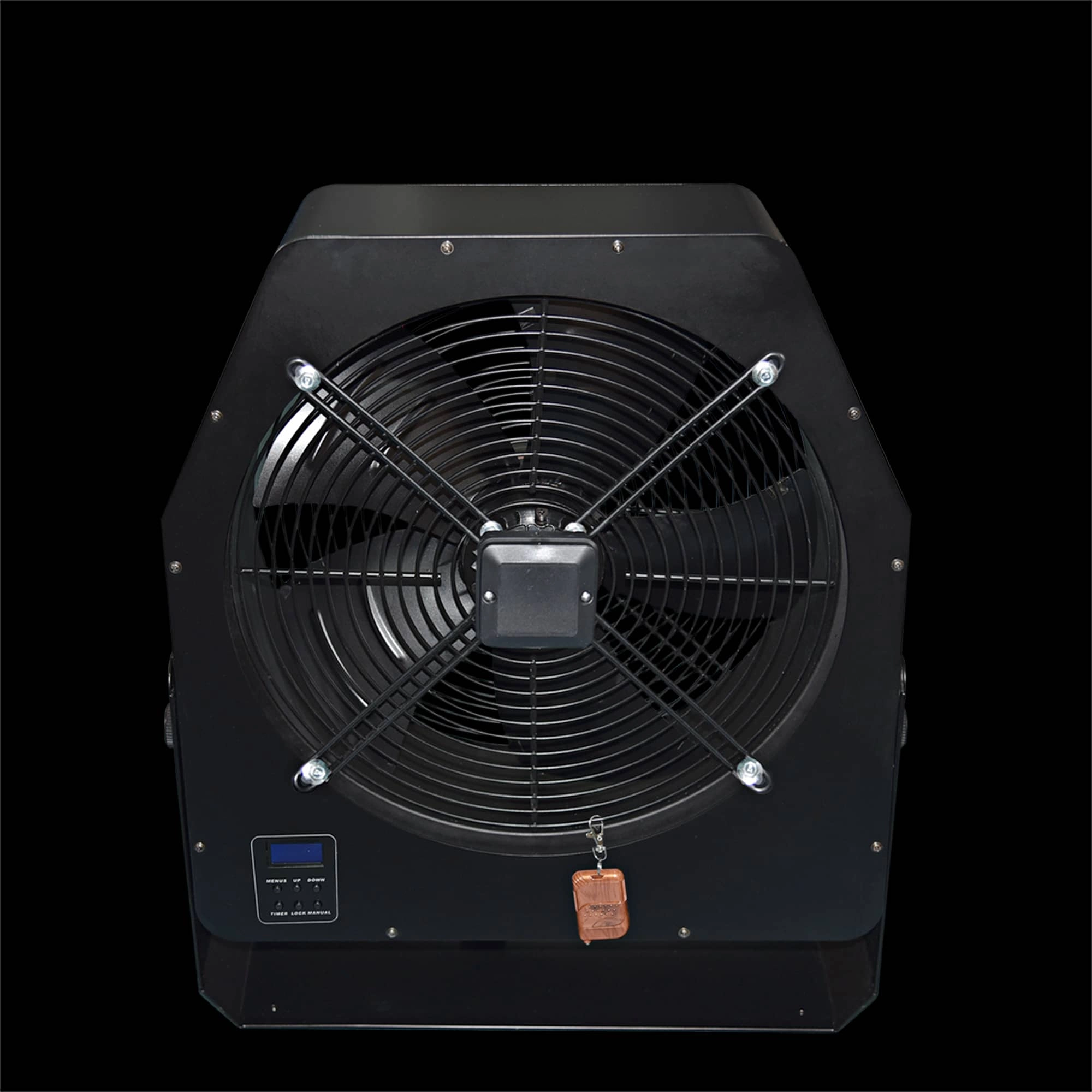
Professional Stage Big DMX Fan | High-Power Event Fan for Stage Shows & Celebrations
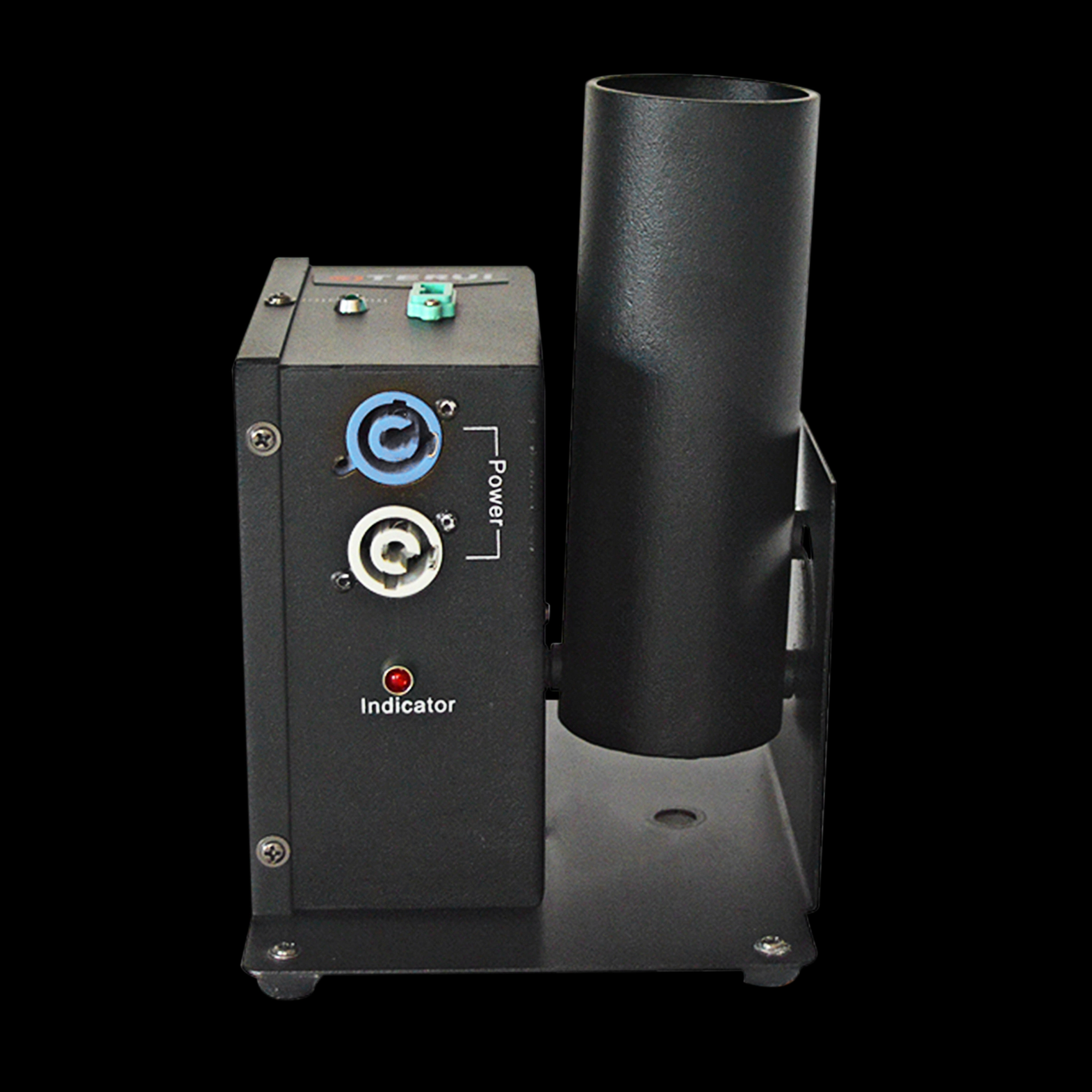
Single Shot Confetti Machine - Premium Confetti Launcher for Weddings & Stage Celebrations
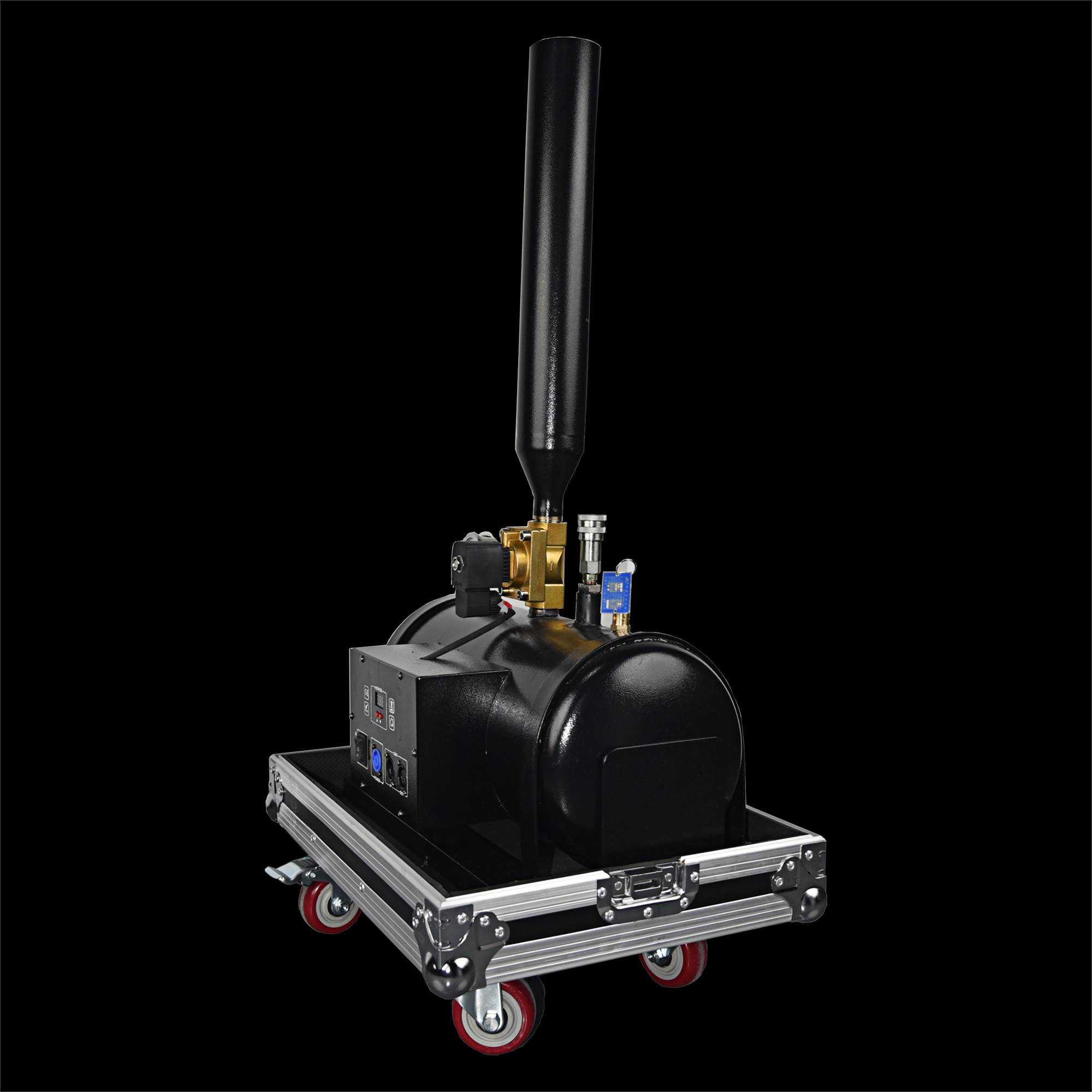
High-Altitude Confetti Cannon - Professional Confetti Blaster for Stage, Party & Celebration Events
Email: sales01@strlighting.com
WhatsApp: +86 189 2232 4800
© 2025 Siterui SFX All Rights Reserved.
 Scan QR Code
Whatsapp: +8618922324800
siteruisfx_stage_equipment
Siterui
SITERUI-SFX
STRlighting
@siterui.sfx