
Ultimate Guide to Commercial Low Fog Machines: 3000W to 6000W Models
- How low fog works and why power matters
- Principles of dry ice and water-based low fog
- What the watt rating tells you
- Safety considerations tied to power
- Choosing between 3000W, 4000W, 5000W and 6000W low fog machines
- Matching machine class to venue and effect
- Representative comparison table (typical specifications)
- When to prefer dry ice vs. heated-fluid low fog
- Installation, operation, and compliance
- Site assessment and ventilation planning
- Electrical and rigging considerations
- Maintenance, fluid selection, and test protocols
- Siterui SFX: professional manufacturer & customization options
- Who Siterui SFX is and what they offer
- Customization and system integration
- Quality, service, and why it matters
- Choosing, testing, and deploying: practical checklist
- Pre-purchase checklist
- On-site testing protocol
- Operator training essentials
- FAQs
- 1. What is the difference between a commercial dry ice machine and a regular fog machine?
- 2. Are dry ice low fog machines safe indoors?
- 3. How do I estimate how much dry ice I need for a show?
- 4. Can I control multiple machines synchronously?
- 5. What maintenance should I expect for a commercial low fog machine?
- 6. How do I minimize visible residue and odor?
- Final notes and contact
I write this guide drawing on years of experience designing, specifying, and operating stage special effects systems for theatres, concerts, film sets, and large-scale events. If you are evaluating commercial dry ice machines or electric low fog systems in the 3000W–6000W range, my goal is to give you practical, verifiable guidance: how low fog is produced, what the power rating means for output and duty cycle, safety and ventilation best practices, and how to choose the right unit for your venue or touring rig.
How low fog works and why power matters
Principles of dry ice and water-based low fog
Low fog effects are created either by sublimating dry ice (solid CO2) in warm water or by using glycol/water fog fluid vaporized by a heated element. A dry ice fog is heavier-than-air because the CO2-enriched vapor cools and hugs the stage floor, creating the iconic low-lying fog. Water/glycol machines rely on temperature and particle size to stay low; proper cooling and magnetic/airflow management are critical.
What the watt rating tells you
When manufacturers list 3000W to 6000W for a low fog machine, they refer to electrical heating capacity and total installed power for vaporization and pump systems. Higher wattage generally allows faster vaporization, larger continuous output, and shorter warm-up times. However, wattage alone doesn’t define performance—pump design, heat-exchanger efficiency, fluid formulation, and CO2 handling (for dry ice systems) also matter. In practice, a 3000W machine is sized for small venues or mobile setups; 6000W units are for large theatrical stages and sustained long-run applications.
Safety considerations tied to power
Higher-power units produce larger volumes of aerosolized fluid or CO2-enriched vapor that can affect ventilation, occupant CO2 levels, and visibility. Regulatory guidance on CO2 and indoor air quality from agencies such as the CDC/NIOSH should be consulted when using dry ice machines inside enclosed venues. Additionally, fire and smoke safety standards (see NFPA) should inform system integration and emergency procedures.
Choosing between 3000W, 4000W, 5000W and 6000W low fog machines
Matching machine class to venue and effect
To choose correctly, I recommend evaluating three variables: volume of fog required (density and coverage), duty cycle (continuous vs. intermittent use), and deployment environment (indoor with strict ventilation vs. open-air). A commercial dry ice machine rated at 3000W is typically appropriate for small clubs, corporate events, and photo/video shoots where short, controlled bursts are needed. For mid-sized theatres and touring bands, 4000W–5000W delivers the reliability and sustained output performers require. Large arenas, film stages, and long-running theatrical productions benefit from 6000W systems, especially when multiple synchronized outputs are required.
Representative comparison table (typical specifications)
The table below provides representative specifications for commercial low fog equipment classes. These are typical industry ranges—always consult specific product datasheets for exact figures.
| Class (W) | Typical Peak Output (m3/min) | Reservoir / Dry Ice Capacity | Typical Warm-up | Use Case |
|---|---|---|---|---|
| 3000W | 10–20 | 5–10 L / 10–15 kg dry ice | 8–12 min | Small clubs, photo/video, portable rentals |
| 4000W | 20–35 | 8–15 L / 15–25 kg dry ice | 6–10 min | Mid-size theatres, corporate events |
| 5000W | 30–45 | 15–25 L / 25–40 kg dry ice | 5–9 min | Touring acts, larger theatres |
| 6000W | 45–70+ | 20–40 L / 40+ kg dry ice | 4–8 min | Arenas, film soundstages, long-run productions |
Data source: compiled from manufacturer spec ranges and field experience. Always verify with specific product datasheets and in-situ tests.
When to prefer dry ice vs. heated-fluid low fog
I often recommend a commercial dry ice machine when you need ultra-low, floor-hugging fog with minimal air movement. Dry ice fog uses sublimated CO2 and water and can produce denser, colder fog that stays low longer. Heated-fluid machines are more convenient for continuous operation (no repeated dry ice handling) and can be preferable where CO2 management is a concern. For enclosed venues where CO2 concentration or ventilation is limited, heated-fluid fog combined with chilled airflow management can be safer and easier to regulate.
Installation, operation, and compliance
Site assessment and ventilation planning
Perform a site assessment before specifying equipment: room volume, HVAC capacity, occupancy, emergency egress sightlines, and aircraft/smoke detectors. For CO2-related risks, consult NIOSH and facility engineers. The NIOSH and OSHA resources provide exposure limits and workplace safety guidance. I recommend measuring baseline CO2 levels during a dry run and ensuring HVAC can exchange air sufficiently to maintain occupant safety.
Electrical and rigging considerations
High-wattage machines require appropriately sized circuits, stable AC supply, and in many cases soft-start or staged control to avoid nuisance tripping. Confirm inrush current and continuous draw with the vendor. For rigging, ensure the weight and center-of-gravity are accounted for; many professional units support truss clamps, but permanent installs may require custom mounting and service access for fluid and dry ice replenishment.
Maintenance, fluid selection, and test protocols
Regular maintenance preserves performance and minimizes risks. For fluid-based low fog, use manufacturer-specified fog fluids to avoid residue or odor. For commercial dry ice machines, train technicians on safe handling and storage of dry ice, and maintain surge protection and filters. Implement a pre-show checklist: warm-up verification, pump function, output test, CO2/air monitoring, and emergency stop checks.
Siterui SFX: professional manufacturer & customization options
Who Siterui SFX is and what they offer
Siterui SFX is a professional manufacturer engaged in the research and development, production, sales, and service of professional stage special effects (SFX) equipment. With a highly skilled team and cutting-edge technology, they are committed to providing innovative, reliable, and high-performance SFX solutions for live events, theaters, concerts, film production, and entertainment venues worldwide. Their product portfolio includes spark machines, haze machines, CO₂ jet machines, bubble machines, snow machines, foam machines, confetti machines, fog machines, fire machines, and dry ice machines.
Customization and system integration
One advantage I emphasize when specifying Siterui equipment is their flexibility. From custom casing and logo printing to wireless control systems and synced multi-device setups, Siterui offers customization to meet branding and technical requirements. Their team can adapt size, controls, and functions for integration with DMX or wireless show control systems—especially important when synchronizing several units to create a uniform low-fog layer across wide stages.
Quality, service, and why it matters
In my deployments, technical support responsiveness and build quality are decisive. Siterui's commitment to quality and innovation, combined with post-sale service, reduces downtime on critical tours and long-running shows. For a test or technical consultation, reach out via their website https://www.siteruisfx.com/ or email sales01@strlighting.com.
Choosing, testing, and deploying: practical checklist
Pre-purchase checklist
- Define required fog density, coverage area, and duty cycle.
- Confirm electrical supply and inrush/current draw details.
- Ask for certified performance data and request a demo or sample run.
- Verify maintenance plans, spare parts, and local service network.
On-site testing protocol
Run a full systems check during a technical rehearsal: warm-up time, repeated burst tests, CO2/air monitoring for dry ice, visibility checks for sightlines and safety, and smoke detector verification. Document outcomes and adjust machine placement and HVAC settings before public performances.
Operator training essentials
Operators should be trained on safe dry ice handling, the machine’s control interface (DMX or wired), emergency stop procedures, and daily maintenance. Keep manufacturer manuals and a troubleshooting cheat-sheet on-site. For regulatory alignment, maintain logs of usage, maintenance, and any incidents.
FAQs
1. What is the difference between a commercial dry ice machine and a regular fog machine?
Commercial dry ice machines use CO2 sublimation to generate cold, floor-hugging fog, while regular (heated-fluid) fog machines vaporize glycol/water solutions to create warmer, more buoyant fog. Dry ice machines produce denser, lower-lying effects; heated-fluid machines are better for continuous use and easier ventilation control.
2. Are dry ice low fog machines safe indoors?
They can be safe when used with proper ventilation, CO2 monitoring, and trained operators. Follow guidance from NIOSH/CDC on CO2 exposure and consult venue engineers to confirm HVAC can maintain safe air quality during use.
3. How do I estimate how much dry ice I need for a show?
Estimate based on run-time and effect intensity. The representative table above gives typical dry ice capacities per class; for exact calculations, test your selected machine in-situ and log kg/hour consumption at the desired output level.
4. Can I control multiple machines synchronously?
Yes. Many commercial machines support DMX or wireless control and can be synchronized for consistent effects across a stage. Ask your manufacturer about multi-unit control protocols and whether they provide master control solutions or presets for sync.
5. What maintenance should I expect for a commercial low fog machine?
Regular tasks include cleaning fluid lines and filters, checking pumps and seals, inspecting heating elements or heat exchangers, and verifying control interfaces. For dry ice machines, ensure CO2 handling components are intact and that insulation and drain lines are clear.
6. How do I minimize visible residue and odor?
Use manufacturer-approved fluids and follow recommended mix ratios. For dry ice machines, ensure water temperature and circulation are optimal to reduce particulate formation. Regular cleaning prevents buildup that causes residue or odors.
Final notes and contact
If you are planning an installation or touring solution and would like help specifying the right commercial dry ice machine (3000W–6000W) or a mixed low-fog system, I can assist with site assessments, load calculations, and vendor comparisons. For turnkey equipment and customization, consider Siterui SFX: they deliver a broad product range—including spark machines, haze machines, CO₂ jet machines, bubble machines, snow machines, foam machines, confetti machines, fog machines, fire machines, and dry ice machines—plus tailored options for branding, wireless controls, and integrated multi-device setups.
Contact Siterui SFX for product enquiries and customization:
- Website: https://www.siteruisfx.com/
- Email: sales01@strlighting.com
I recommend arranging a demonstration and on-site trial before final procurement. Practical testing under real conditions is the most reliable way to ensure the selected unit meets your creative and safety requirements.
For a tailored consultation — including power calculations, control-system integration, or to request Siterui SFX product datasheets and pricing — contact sales01@strlighting.com or visit Siterui SFX today.
References:
- Dry ice (Wikipedia): https://en.wikipedia.org/wiki/Dry_ice
- Fog machine (Wikipedia): https://en.wikipedia.org/wiki/Fog_machine
- NIOSH Pocket Guide to Chemical Hazards — Carbon Dioxide: https://www.cdc.gov/niosh/npg/npgd0104.
- National Fire Protection Association: https://www.nfpa.org/
Portable Fog Machines for Mobile DJs and Events
Top 10 dry ice machine Manufacturers and Supplier Brands
Best smoke fluid types: water vs oil-based fluids
Fog Fluid Types Explained: Water vs Oil Based
660 Dual Haze machine
Does this machine comply with international voltage standards?
Yes, you can inform the seller of the required voltage when making a purchase.
750W Move Head Cold Electronic Spark Machine
Can I request a sample?
Yes. Samples are available at a discounted price + shipping cost.
FAQs
What does Siterui specialize in?
Siterui specializes in the research, development, production, sales, and service of professional stage special effects (SFX) equipment for live events, theaters, concerts, film production, and entertainment venues.
Where is Siterui SFX Manufacturer located and do they serve international clients?
2100W Morning Haze Machine
Is the haze machine suitable for outdoor use?
Yes, but avoid direct exposure to rain or extreme weather conditions.
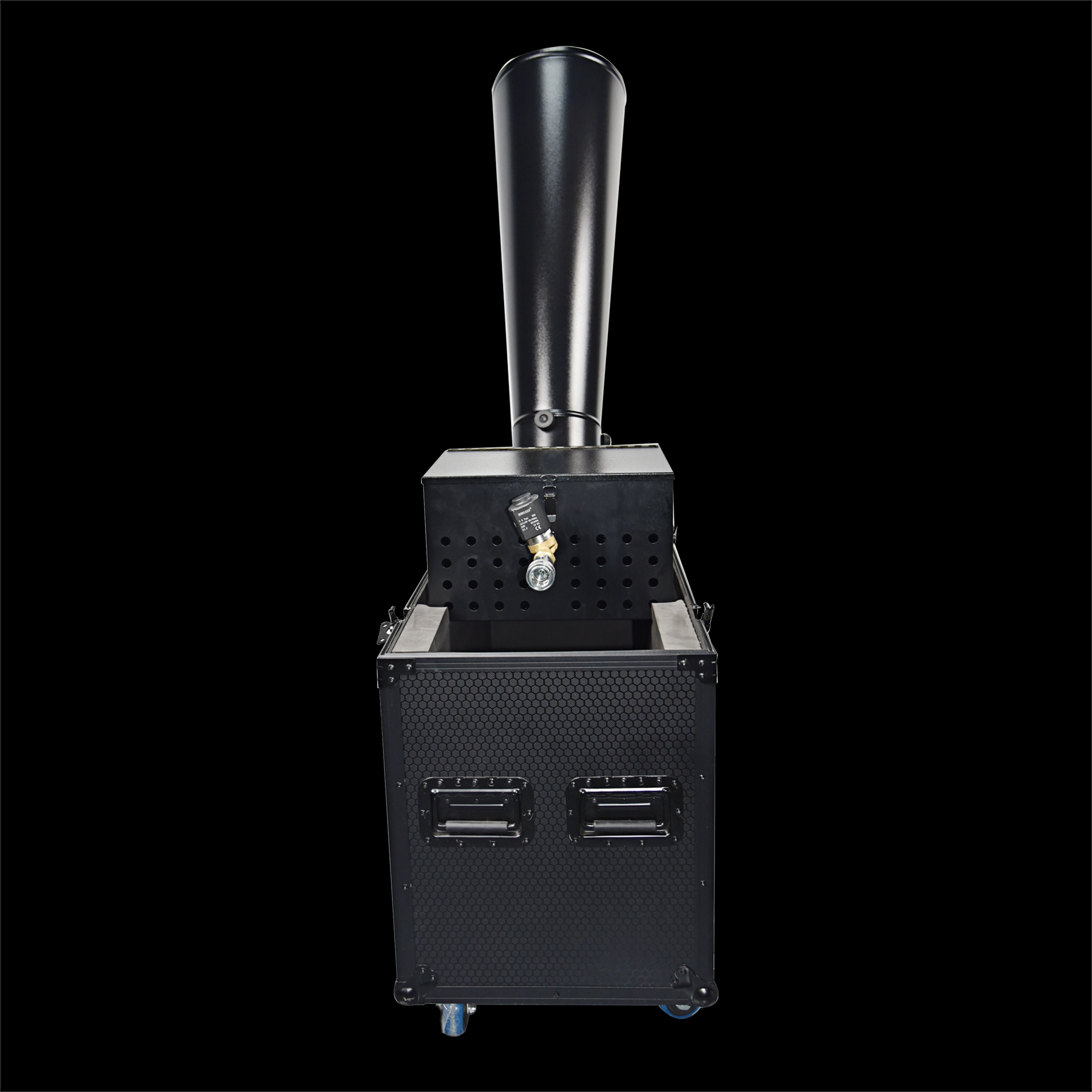
CO₂ Mini Rainbow Confetti Machine Manual Control with Durable Black Wheeled Flight Case
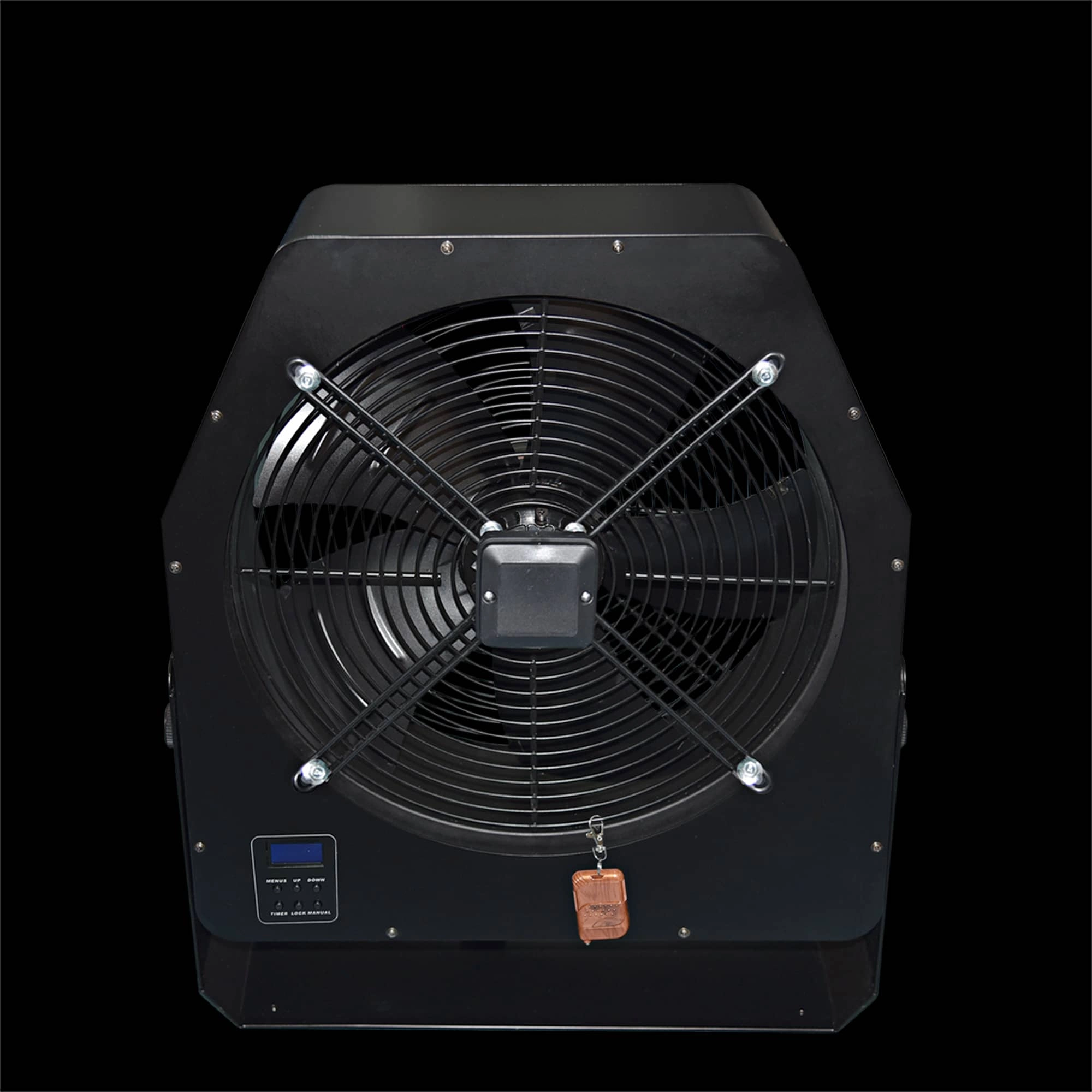
Professional Stage Big DMX Fan | High-Power Event Fan for Stage Shows & Celebrations
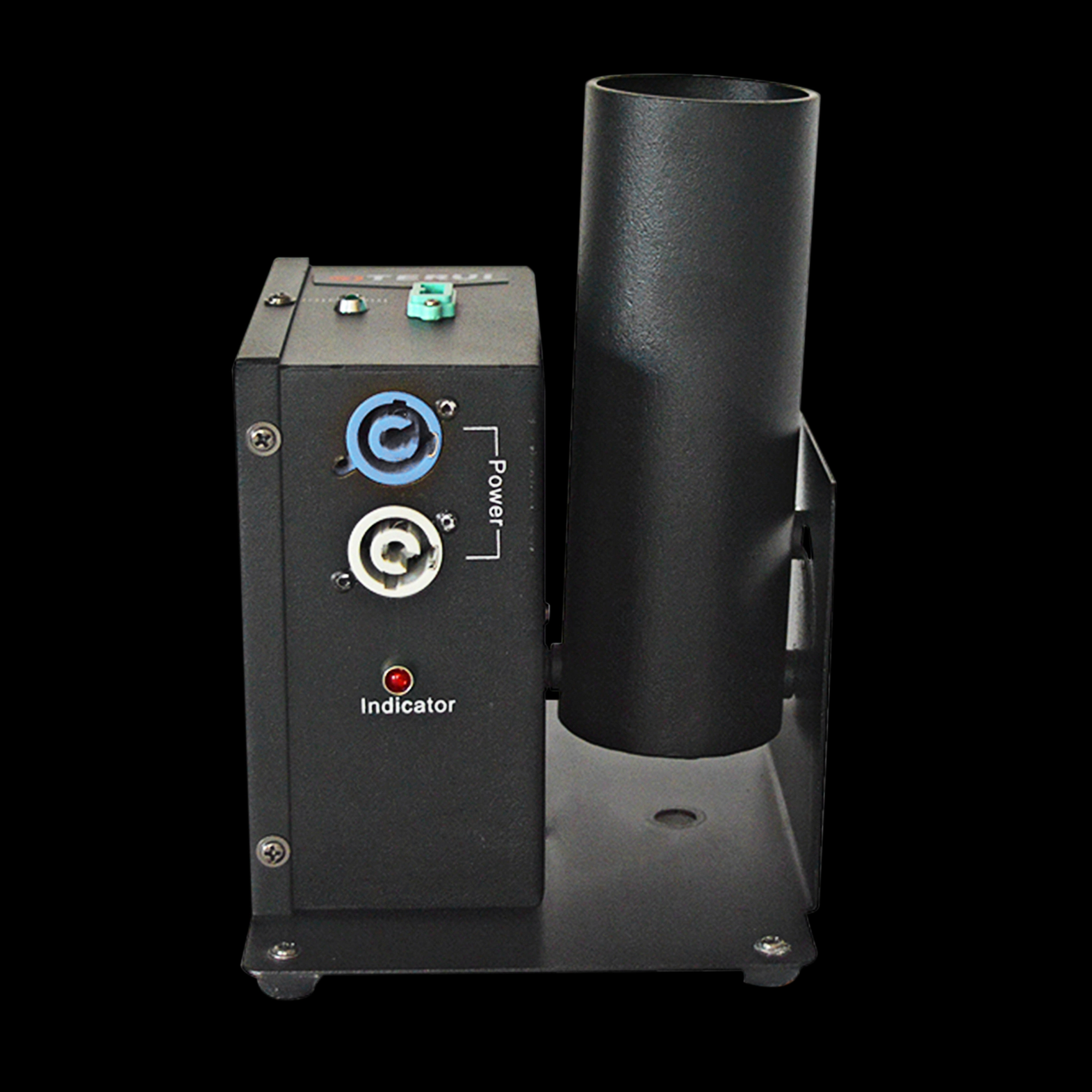
Single Shot Confetti Machine - Premium Confetti Launcher for Weddings & Stage Celebrations
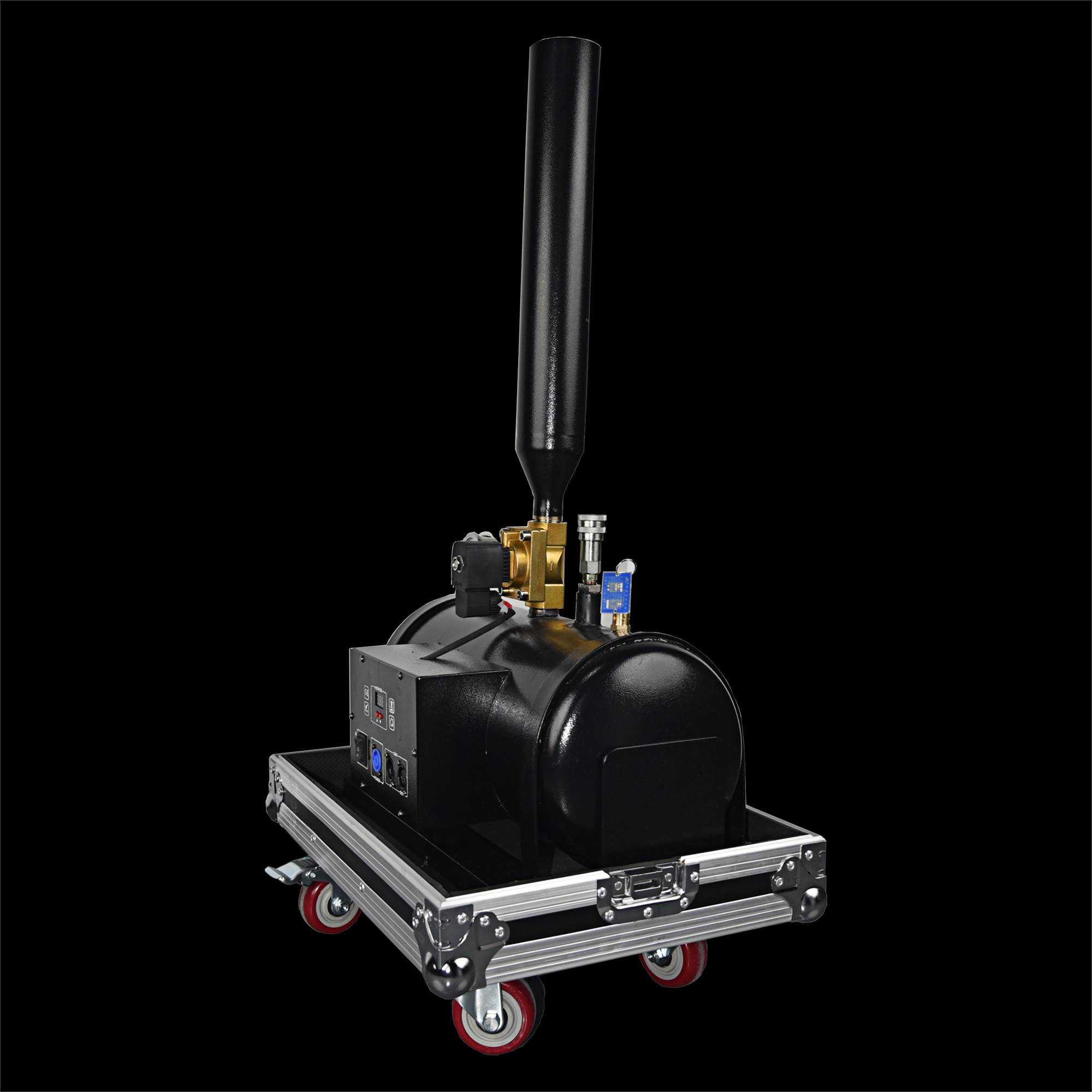
High-Altitude Confetti Cannon - Professional Confetti Blaster for Stage, Party & Celebration Events
Email: sales01@strlighting.com
WhatsApp: +86 189 2232 4800
© 2025 Siterui SFX All Rights Reserved.
 Scan QR Code
Whatsapp: +8618922324800
siteruisfx_stage_equipment
Siterui
SITERUI-SFX
STRlighting
@siterui.sfx