
Creative Effects: Combining Fog Machines with Lighting
- Why atmosphere matters in live events
- Perception and visual depth
- Emotional and narrative impact
- and practical outcomes
- Design principles for combining fog and lighting
- Match particle size to lighting goals
- Layering and timing: build vs. hit
- Color mixing and beam shaping
- Equipment, setup, and safety
- Types of fog and haze machines (comparison)
- Fluid selection and venue considerations
- Health, safety, and venue compliance
- Integration with lighting and control systems
- DMX, RDM and wireless control workflows
- Syncing to music and timecode
- Placement, airflow, and HVAC interaction
- Advanced techniques, tuning, and troubleshooting
- Shaping beams with gobos and moving lights
- Multi-device setups and system reliability
- Troubleshooting common issues
- Siterui SFX: professional partner and product overview
- FAQ
- 1. What is the difference between a fog machine and a haze machine?
- 2. Are fog and haze safe for performers and audiences?
- 3. How do I control fog machines with my lighting console?
- 4. Which fluid should I use for broadcast or camera-heavy events?
- 5. How can I prevent fire detectors from being triggered by fog?
- 6. How many haze machines do I need for a medium-sized concert hall?
Combining fog machines with lighting transforms light into visible architecture—beams, shafts, and volumetric color—that dramatically elevates live events. This guide explains how to select and position fog machines, choose fluids, integrate lighting and control systems (DMX/RDM/Wi‑Fi), and apply creative techniques while meeting safety and venue requirements. It draws on industry best practices and authoritative references to help production managers, lighting designers, AV technicians, and rental houses achieve reliable, repeatable atmospheric effects using fog and haze.
Why atmosphere matters in live events
Perception and visual depth
Fog and haze make light visible in three dimensions. Where clean air only reflects light off surfaces, suspended aerosol particles scatter light along beams and volumes, revealing air movement, beam texture, and spatial layers. This increases perceived depth on stage and in venues, supporting sightlines and enhancing camera capture for broadcast or streaming.
Emotional and narrative impact
Different fog densities and lighting palettes evoke different moods: subtle haze with warm backlight produces intimacy; dense, fast-moving fog with strobe and sharp beams yields high-energy drama. Thoughtful coordination between fog intensity and lighting cues complements choreography, scene transitions, and storytelling.
and practical outcomes
Users searching for fog machines usually want actionable guidance: which machine type to buy or rent, how to set it up safely, what fluid to use, and how to integrate with lighting (DMX, MIDI, timecode). This article prioritizes those practical questions and provides decision-making criteria, data-based comparisons, and troubleshooting tips for real-world productions.
Design principles for combining fog and lighting
Match particle size to lighting goals
Fog machines produce aerosols of varying particle sizes. Fine haze (aerosol particle sizes typically <5 µm) is ideal for soft, even beam definition and washes; denser theatrical fog (larger droplets) creates opaque clouds and thicker bursts. Choose haze machines when you want subtle volumetric beams; choose fog machines for localized clouds, abrupt scene changes, or where fog will be used as a physical element.
Layering and timing: build vs. hit
Use a low-level haze to maintain a consistent aerial medium throughout a set, and trigger denser fog bursts for hits and accent moments. Continuous haze preserves beam texture for camera and audience sightlines, while bursts (from fog or CO₂ jets) create focal punctuations—think of haze as the canvas and fog bursts as brushstrokes.
Color mixing and beam shaping
When beams interact with colored light, scattering emphasizes color saturation and gradient transitions. To avoid muddy visuals, plan your rig so that high-intensity beams use cleaner, colder white when cutting through dense fog, and reserve deep saturated colors for less-dense haze or backlight to silhouette performers.
Equipment, setup, and safety
Types of fog and haze machines (comparison)
Choosing between machine types depends on desired look, venue ventilation, runtime, and safety constraints. The table below compares common types used in live production.
| Type | Typical Output Character | Common Fluids | Warm-up / Response | Best Uses |
|---|---|---|---|---|
| Heated Fog Machine | Thick, opaque clouds | Glycol/water blends | Warm-up 5–10 min; medium response | Scene transitions, low-lying effects (with chiller) |
| Haze Machine / Hazer | Fine, even haze—long hang time | Mineral oil or water/glycol aerosols (manufacturer dependent) | Quick; continuous low output | Concerts, TV, continuous beam definition |
| CO₂ Jet / Cryo Jet | Short, high-velocity plumes; cooling | Liquid CO₂ | Immediate; pulse output | Payoffs, choreography accent, cold effect |
| Dry Ice (CO₂ Fog) | Low-lying ground fog | Water + dry ice | Manual; variable duration | Stage-level fog, dance entrances |
Sources and further reading on fog and haze machine types: Fog machine (Wikipedia) and Theatrical smoke and fog (Wikipedia).
Fluid selection and venue considerations
Not all fluids are interchangeable. Follow manufacturer recommendations to avoid clogged nozzles, decreased output, or health complaints. In enclosed or poorly ventilated venues consider low‑ODP water-based hazers or mineral-oil based hazers with documented hang-time and low residue. For broadcast, use fluids with low particulate residue to protect optics and camera sensors.
Health, safety, and venue compliance
Safety considerations include visibility, fire detection, and respiratory effects. Venues often require pre-approval to disable detectors or to operate theatrical smoke. Refer to venue fire codes and consult authoritative sources such as the NFPA and local fire marshals. For general background on theatrical smoke and related health considerations, see Theatrical smoke and fog (Wikipedia). Always provide material safety data sheets (MSDS) for fluids to venue staff and consider testing effects in advance during load-in.
Integration with lighting and control systems
DMX, RDM and wireless control workflows
Most professional fog and haze machines support DMX512 for trigger and intensity control; some also implement RDM for two-way reporting (fluid level, temperature, status). For synchronized cues, use the lighting console to send DMX scenes that include both light and fog/haze levels. Wireless control via Wi‑Fi or proprietary RF can be used for mobile setups, but ensure reliable RF channels and redundancy for critical cues.
Syncing to music and timecode
For concert-grade effects, synchronize fog bursts to SMPTE timecode or MIDI show control so effects coincide precisely with musical hits. Many production rigs use a master timeline in show control software (e.g., QLab, Hog 4) to trigger fog machines, lighting scenes, pyrotechnics, and video playback together.
Placement, airflow, and HVAC interaction
Position machines to optimize beam visibility while minimizing interference from house HVAC. Place hazers upstage and low-profile where continuous output is needed; use localized fog machines for stage front hits. Understand venue airflow: strong vents above stage can disperse haze quickly, requiring higher output or different machine locations. Run tests during load-in and coordinate with venue engineers to manage ventilation if possible.
Advanced techniques, tuning, and troubleshooting
Shaping beams with gobos and moving lights
Use gobos and moving-head focus to sculpt beams enhanced by fog. In dense fog, narrower shutters and tighter focus prevent washed-out beams. For wide audience coverage, use multi-source layering—backlight and side light with haze for silhouette depth, and front light for facial visibility without reducing beam contrast.
Multi-device setups and system reliability
For large venues, sync multiple haze units for even coverage. Consider segmented DMX addresses and staggered outputs to avoid plume collisions that create uneven visual density. Implement redundancy: duplicate power circuits and backup controllers for critical shows. Synchronized multi-device setups can be custom-integrated—see manufacturer customization options for wireless master/slave setups and centralized fluid delivery systems.
Troubleshooting common issues
Problem: Fog looks yellowish or leaves residue on lenses. Possible cause: wrong fluid or old residue. Solution: flush unit per manufacturer, switch to recommended fluid, and clean optics. Problem: detectors trigger false alarms. Solution: pre-notify venue, use approved low-output hazers, and place particles away from detectors or use detector covers only if permitted by authority. Problem: inconsistent output. Solution: check heating element, pump, fluid quality, ventilation, and DMX signal integrity.
Siterui SFX: professional partner and product overview
Siterui SFX is a professional manufacturer engaged in the research and development, production, sales, and service of professional stage special effects (SFX) equipment. With a highly skilled team and cutting-edge technology, we are committed to providing innovative, reliable, and high-performance SFX solutions for live events, theaters, concerts, film production, and entertainment venues worldwide.
At Siterui SFX, we understand that every stage, event, and creative concept is unique. That’s why we offer flexible customization services to meet your specific needs—whether it's branding, special functions, size adjustments, or complete system integration. From custom casing and logo printing to wireless control systems and synced multi-device setups, our expert team works closely with you to design SFX solutions that align perfectly with your needs.
Our core product range includes: spark machine, Haze Machine, CO₂ Jet Machine, Bubble Machine, Snow Machine, Foam Machine, Confetti Machine, fog machine, fire machine, and dry ice machine. Siterui SFX emphasizes product reliability, low maintenance, and integration-ready features (DMX/RDM compatibility, optional wireless modules, and system-level customization). For more details, product specs, and custom quotes visit Siterui SFX or contact sales at sales01@strlighting.com.
Why consider Siterui SFX? Competitive advantages include vertical manufacturing control, rapid R&D cycles for new effects technologies, and a global service network. These strengths mean faster lead times for custom projects, reliable post-sale support, and equipment designed specifically for professional production workflows.
FAQ
1. What is the difference between a fog machine and a haze machine?
Fog machines create thicker, cloud-like plumes for opaque effects, while haze machines produce very fine particulate aerosols that hang longer and provide consistent beam definition. Choose haze for continuous beam visibility and fog for dramatic bursts or low-lying effects. See Fog machine (Wikipedia) for background.
2. Are fog and haze safe for performers and audiences?
When using manufacturer-recommended fluids and following venue safety protocols, fog and haze are generally safe. Always review material safety data sheets (MSDS), test with venue staff during load-in, and comply with local fire codes. People with respiratory sensitivities may still be affected—consider communication to patrons and alternative staging if needed.
3. How do I control fog machines with my lighting console?
Most professional fog and haze machines support DMX512 for level and trigger control. Assign DMX channels per device and include them in lighting scenes. For advanced synchronization, use RDM-capable devices for status feedback and show control software or timecode for frame-accurate triggering.
4. Which fluid should I use for broadcast or camera-heavy events?
Use low-residue fluids specified by the machine manufacturer and consider water-based haze fluids for reduced lens contamination. Always verify fluid compatibility with cameras and test on-site to confirm no unexpected reflections or residue on lenses.
5. How can I prevent fire detectors from being triggered by fog?
Coordinate with venue management and local fire officials. Options include using low-output haze instead of dense fog, repositioning machines away from detectors, or following an approved detector management plan. Never disable detectors without explicit authority and safety procedures in place.
6. How many haze machines do I need for a medium-sized concert hall?
Coverage depends on venue volume, HVAC, and desired density. As a rule of thumb, start with one high-capacity hazer per 500–1,000 m³ of usable audience/stage volume and supplement with localized units for stage fill. Conduct smoke/haze tests during load-in and adjust placement and output accordingly.
If you have more specific questions about machine selection, DMX integration, or custom SFX systems, contact Siterui SFX for consultations and product options: https://www.siteruisfx.com/ or email sales01@strlighting.com.
For standards and further technical reading, consider technical references such as the NFPA publications and industry knowledge on theatrical smoke: Theatrical smoke and fog (Wikipedia), and background on stage lighting techniques: Stage lighting (Wikipedia).
Ready to upgrade your atmospheric effects or design a custom multi-device setup? Contact Siterui SFX for product information, customization, and global service support at Siterui SFX or sales01@strlighting.com. Explore fog machines, haze machines, CO₂ jets, dry ice systems, and integrated SFX solutions built for professionals.
Portable Snow Machines for Touring and Outdoor Events
The latest trends for foam bubbles machine
The latest trends for confetti snow machine
Choosing the Right Haze Machine for Concert Venues
About us
Does Siterui operate globally?
Yes! Our international team serves clients across regions with localized support.
FAQs
What does Siterui specialize in?
Siterui specializes in the research, development, production, sales, and service of professional stage special effects (SFX) equipment for live events, theaters, concerts, film production, and entertainment venues.
Does Siterui provide after-sales support and service?
Solutions
Can you customize the products based on our brand? Do you support OEM/ODM?
Absolutely. With our in-house design team, we provide full OEM/ODM customization from product appearance, color, function, logo branding, to packaging and complete equipment.
750W Move Head Cold Electronic Spark Machine
How is quality controlled?
All products undergo 100% inspection before shipment.
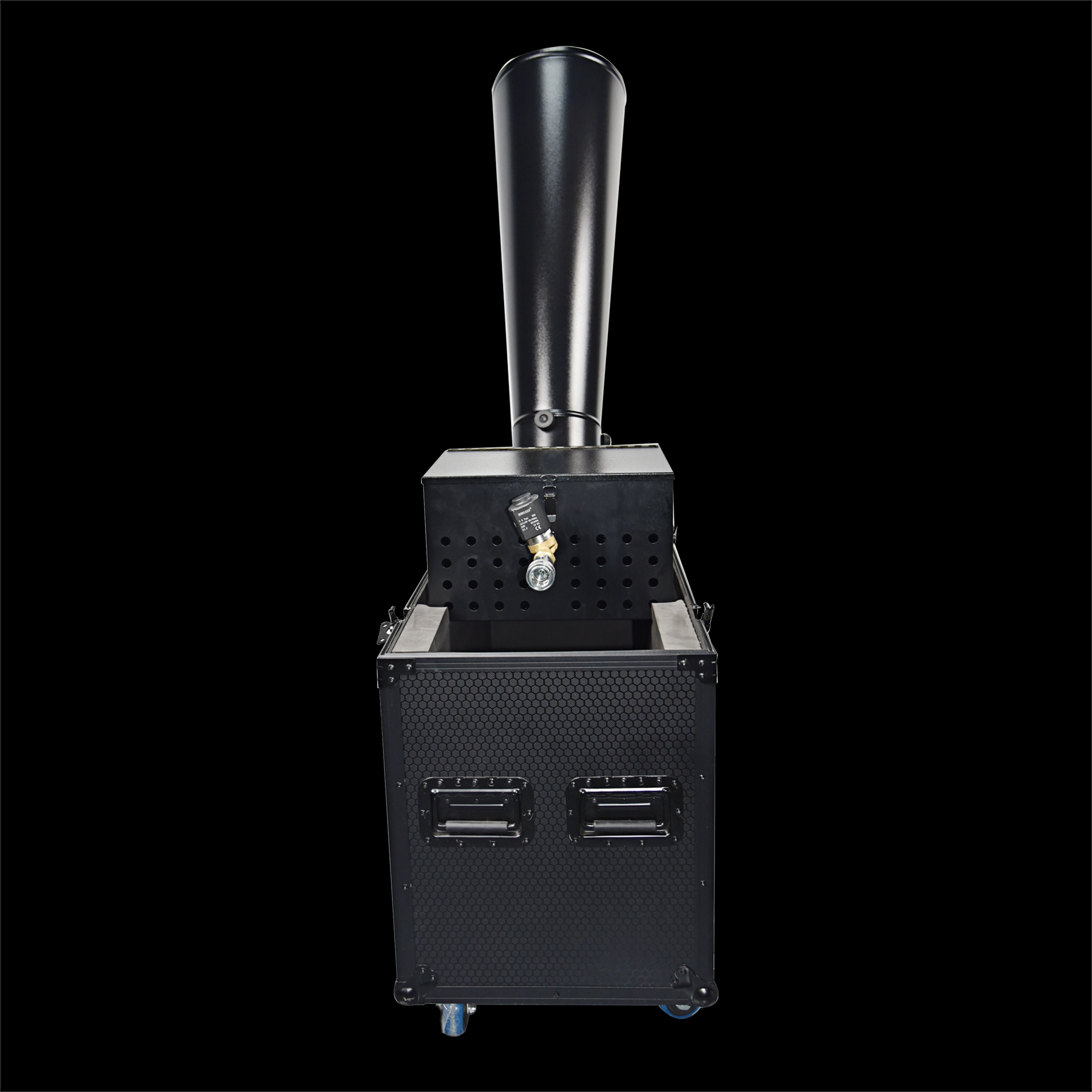
CO₂ Mini Rainbow Confetti Machine Manual Control with Durable Black Wheeled Flight Case
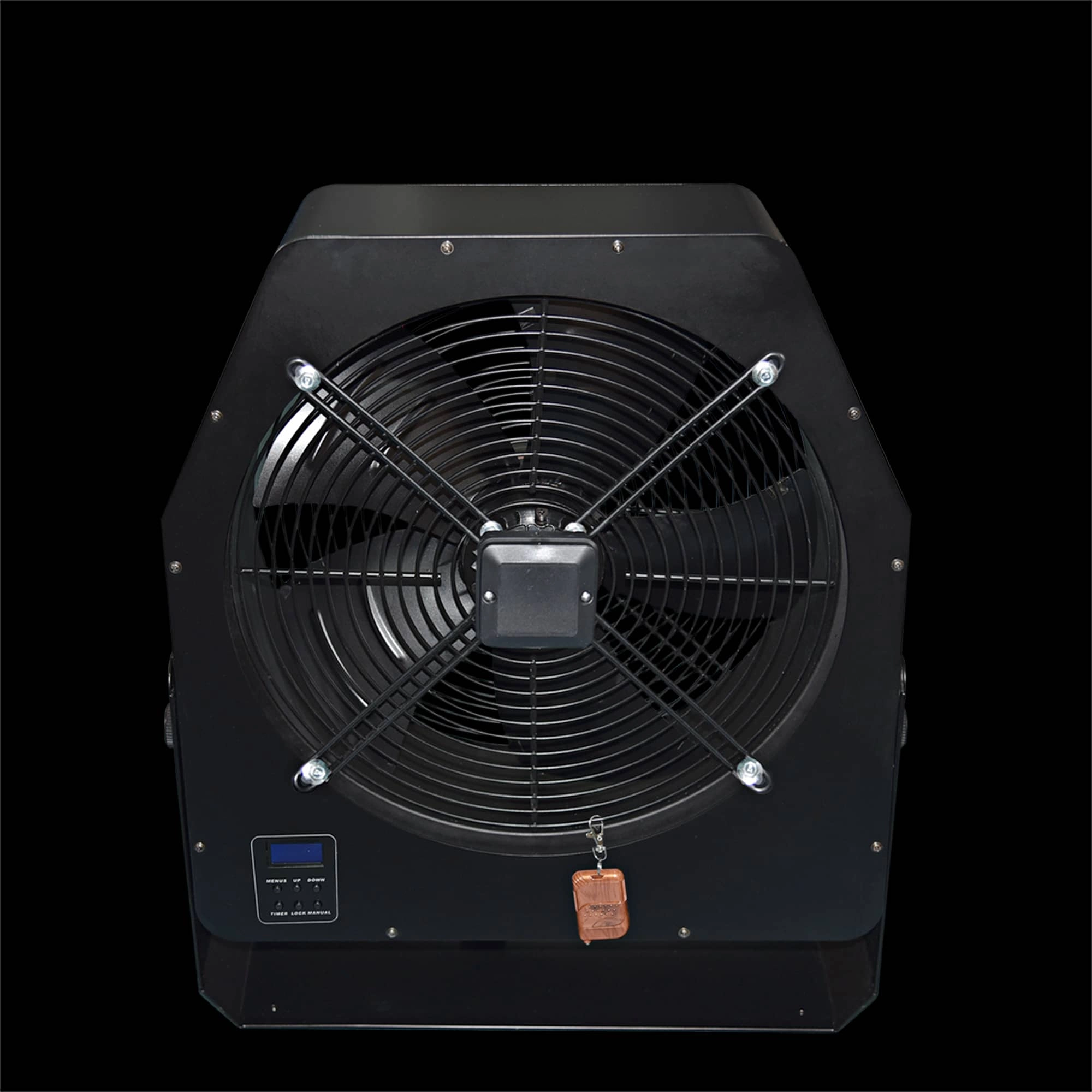
Professional Stage Big DMX Fan | High-Power Event Fan for Stage Shows & Celebrations
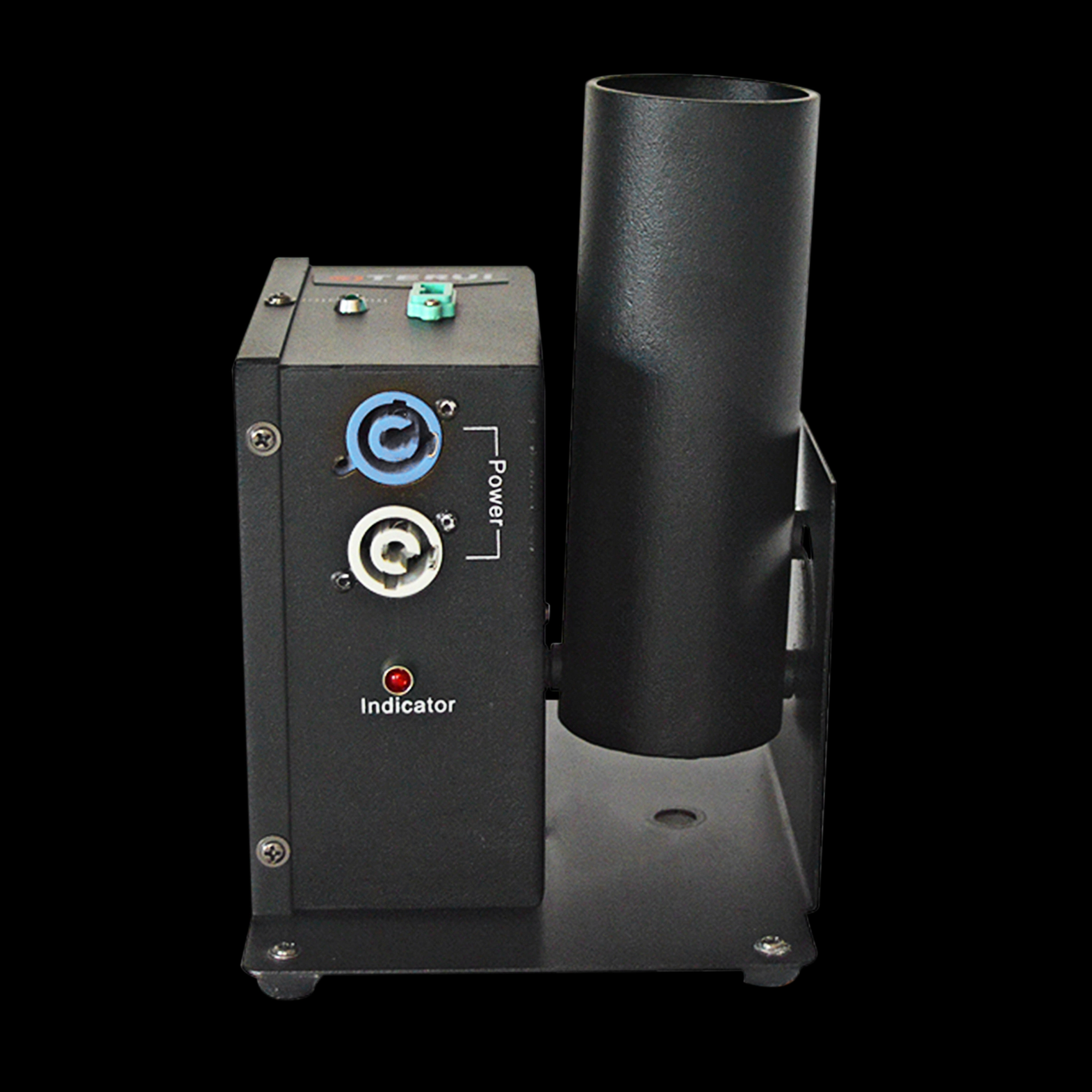
Single Shot Confetti Machine - Premium Confetti Launcher for Weddings & Stage Celebrations
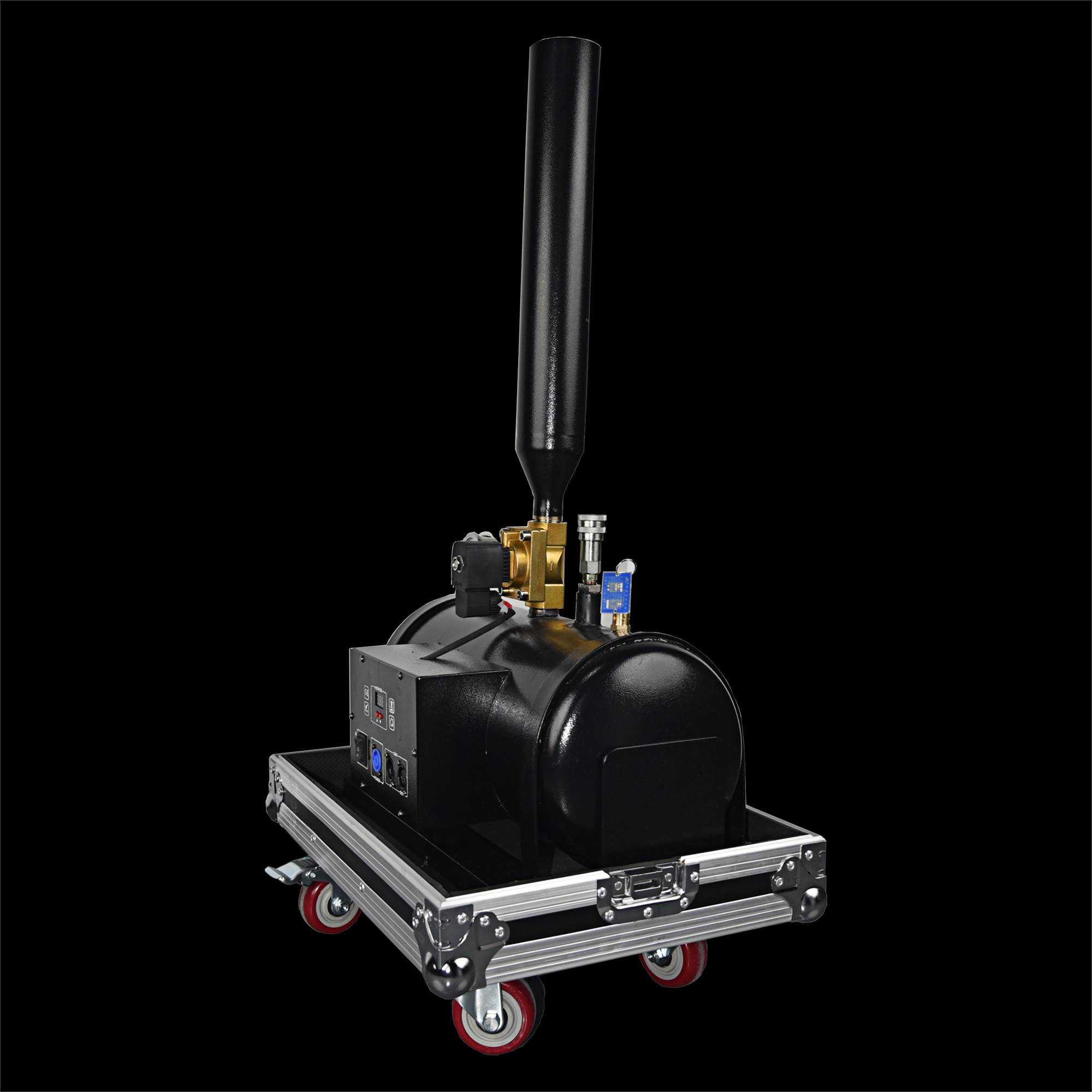
High-Altitude Confetti Cannon - Professional Confetti Blaster for Stage, Party & Celebration Events
Email: sales01@strlighting.com
WhatsApp: +86 189 2232 4800
© 2025 Siterui SFX All Rights Reserved.
 Scan QR Code
Whatsapp: +8618922324800
siteruisfx_stage_equipment
Siterui
SITERUI-SFX
STRlighting
@siterui.sfx