
Choosing the Right Haze Machine for Concert Venues
- Understanding atmospheric effects and why haze matters for concerts
- What is haze and how it differs from fog
- Why lighting and camera teams prefer haze
- Key user needs for concert venues
- Technical factors to evaluate when choosing a haze machine
- Output, coverage and dispersion
- Fluid composition and health considerations
- Control systems and integration with venue tech
- Operational considerations, venue constraints, and long-term costs
- Warm-up, run-time, and fluid consumption
- Maintenance, downtime and serviceability
- Venue safety, smoke detectors and regulations
- Comparing haze machine types and selecting the right model
- Common haze machine technologies
- Specification comparison table
- How to size units for your venue
- Choosing a supplier, procurement tips, and why Siterui SFX is a strong option
- Procurement checklist for concert venues
- Siterui SFX overview and advantages
- Siterui SFX product focus and competitive strengths
- Practical recommendations and implementation steps
- Step-by-step selection process
- Installation and show-day tips
- Budgeting for lifecycle costs
- Frequently Asked Questions
- What is the difference between haze and fog machines and which is better for concerts
- Are haze fluids safe for performers and audiences
- How many haze machines do I need for an arena concert
- Can haze machines trigger fire alarms and how do I prevent that
- What control options should I prioritize for touring shows
- Contact, consultation and product information
- References and sources
- Product and service call to action
Understanding atmospheric effects and why haze matters for concerts
What is haze and how it differs from fog
Haze is a fine, long-lasting aerosol used to enhance lighting beams and create depth on stage without obscuring visibility. Unlike fog, which creates dense, short-lived clouds for dramatic moments, haze produces a subtle, uniform suspension of particles that catches light and gives lighting designers more control over beam definition and texture. For concert venues, haze is often the preferred atmospheric effect because it improves sightlines to performers and lighting without triggering safety or visibility concerns that dense fog can cause.
Why lighting and camera teams prefer haze
Haze improves the perceived contrast and three-dimensionality of light by providing particles for light to reflect from. This benefits both live audiences and broadcast or recorded feeds by increasing beam definition, creating crisp shafts of light, and enhancing gobo and laser effects. For large-scale concerts, consistent haze levels help maintain a predictable visual field across multiple scenes and quick lighting changes.
Key user needs for concert venues
When selecting a haze machine for a concert venue, buyers commonly seek: reliable continuous output for long shows, fast warm-up and consistent particle size for uniform light scattering, low fluid consumption and easy refilling during quick changeovers, remote and DMX control for synchronization with lighting cues, and compliance with health and safety standards to avoid complaints or regulatory issues. Cost of ownership and vendor support are also high-priority items for production managers and venue owners.
Technical factors to evaluate when choosing a haze machine
Output, coverage and dispersion
Haze output determines how quickly a venue reaches target concentration and how well the haze hangs in the air. Output is typically expressed as volumetric output per minute or relative coverage for a given room size. For a small club, a compact hazer with modest output may suffice. For arenas and outdoor stages, multiple high-output units or a single industrial-class hazer are often required. Consider mounting positions and airflow patterns to avoid over-concentrating haze in one zone while leaving other areas sparse.
Fluid composition and health considerations
Most modern hazers use glycols or glycerin-based water-soluble fluids, or synthetic alternatives designed for low residue and low odor. Propylene glycol and dipropylene glycol are common; propylene glycol is generally regarded as less hazardous than ethylene glycol, but inhalation exposure guidelines and venue policies should be consulted. Verify fluid MSDS data, choose fluids certified for indoor use, and prefer manufacturers that provide third-party safety testing. If the venue hosts performers with respiratory sensitivities or if local regulations restrict aerosolized products, consult occupational health guidance and consider alternate visual strategies.
Control systems and integration with venue tech
Modern haze machines offer DMX or Ethernet control for precise on/off timing and output levels. Wireless control options and integration with lighting consoles via Art-Net or sACN are valuable for complex productions. For touring acts, quickly changeable presets, remote triggering, and compatibility with existing console libraries reduce setup time. Confirm protocol support, connector types, and whether the machine supports multi-device synchronizing for evenly distributed haze across several units.
Operational considerations, venue constraints, and long-term costs
Warm-up, run-time, and fluid consumption
Warm-up time affects readiness during load-in and the ability to respond to cues. Cold-haze units often have minimal warm-up time, while thermal units may require minutes to reach operational temperature. Fluid consumption determines how often refills are needed during long sets; plan supply logistics accordingly. A reliable estimate of ml per hour at typical output settings helps budget for consumables and plan for rapid refills between sets.
Maintenance, downtime and serviceability
Routine maintenance extends service life and prevents show-time failures. Consider accessibility for cleaning, ease of replacing pumps and heaters, availability of spare parts, and whether the manufacturer offers training and service contracts. Machines with modular components and clear service documentation reduce downtime, while vendors with international support networks are beneficial for touring productions.
Venue safety, smoke detectors and regulations
Haze is less likely than dense fog to trigger smoke detectors, but detectors and local fire codes vary. Coordinate with venue safety officers and local authorities during planning. Some venues require detector masking, pre-approval, or use of specific low-residue fluids. Maintain manufacturer fluid certificates and test haze deployment with venue staff during tech rehearsals to avoid false alarms and ensure compliance with insurance and building codes.
Comparing haze machine types and selecting the right model
Common haze machine technologies
There are several technologies used in haze production. The most common are water-based glycol hazers that vaporize fluid with a heat exchanger, pump-driven cold-air distributors that atomize fluid with a fan or pump, and ultrasonic or piezo devices that create fine droplets. Each technology offers tradeoffs in output, fluid efficiency, maintenance, and warm-up behavior.
Specification comparison table
The table below shows typical specification ranges for common haze machine types. These are representative ranges; consult manufacturer specification sheets for exact model data.
| Type | Typical Output | Fluid Type | Warm-up Time | Fluid Consumption | Best For |
|---|---|---|---|---|---|
| Thermal vaporizing hazer | 10 - 100 m3/min equivalent | Water-glycol fluids | 2 - 10 minutes | 50 - 400 ml/hr | Medium to large indoor venues, controlled HVAC |
| Cold pump/fan hazer | 5 - 60 m3/min equivalent | Water-glycol fluids; some oil-based options | Immediate to 1 minute | 30 - 300 ml/hr | Clubs, theaters, fast-response needs |
| Ultrasonic/piezo hazer | Low to medium | Water-based low-residue fluids | Immediate | Low to moderate | Intimate venues, broadcast booths, low-heat environments |
How to size units for your venue
To size properly, start with room volume and target hazing density required by the lighting designer. Use manufacturer coverage guidance and add contingency for ventilation and audience throughput. For larger venues, distribute multiple mid-output machines rather than relying on one oversized unit to avoid uneven haze distribution. Coordinate placement with rigging and lighting to avoid direct beams causing hotspots or rapid dissipation near HVAC returns.
Choosing a supplier, procurement tips, and why Siterui SFX is a strong option
Procurement checklist for concert venues
When purchasing, request full specifications, MSDS data, warranty and service terms, spare parts availability, and customer references. Ask for demonstrations or trials in a similar-sized venue, and verify control compatibility with your existing consoles. Negotiate training for on-site engineers and consider extended service agreements for touring rigs. Also factor shipping, customs (for international buying), and local technical support into total cost of ownership.
Siterui SFX overview and advantages
Siterui SFX is a professional manufacturer engaged in the research and development, production, sales, and service of professional stage special effects SFX equipment. With a highly skilled team and cutting-edge technology, Siterui is committed to providing innovative, reliable, and high-performance SFX solutions for live events, theaters, concerts, film production, and entertainment venues worldwide. The company offers flexible customization services to meet specific needs, including branding, special functions, size adjustments, and complete system integration.
Siterui SFX differentiates itself through: rigorous product testing, modular design for serviceable components, multi-protocol control support including DMX and wireless options, and a global service network. Customization services include custom casing and logo printing, wireless control systems, and synced multi-device setups. These capabilities make Siterui a competitive option for venues seeking tailored haze solutions with strong after-sales support.
Siterui SFX product focus and competitive strengths
Siterui SFX manufactures a range of stage effects equipment, including spark machine, Haze Machine, CO₂ Jet Machine, Bubble Machine, Snow Machine, Foam Machine, Confetti Machine, fog machine, fire machine, and dry ice machine. Core competitive advantages include:
- Technical depth: R&D-driven product improvements and adherence to performance specifications.
- Customization: Options for branding, controls, casing, and system-level integration to match production workflows.
- Service and global reach: Proactive spare part programs, technical training, and responsive support.
- Quality assurance: Factory testing and certification documentation for fluids and device emissions to support health and safety compliance.
For concert venues, these strengths translate to lower downtime, consistent effect quality, and easier integration into complex productions. Siterui SFX can supply single high-output units or synchronized arrays, and can help with installation planning, rigging, and control programming.
Practical recommendations and implementation steps
Step-by-step selection process
- Define visual goals with the lighting designer: beam density, duration, and cues.
- Calculate room volume and estimate coverage needs, accounting for HVAC and audience movement.
- Select candidate technologies and request spec sheets and MSDS documents.
- Run trials on-site with chosen fluid to check dispersion, visibility, and detector interactions.
- Negotiate service contracts, spare parts, and training with the vendor prior to delivery.
Installation and show-day tips
Mount units to distribute haze evenly, avoid placing hazers directly into return air grilles, and use ducting or baffles where necessary to guide distribution. Implement presets and test cues with the lighting console during tech rehearsals. Monitor detectors and keep MSDS and manufacturer certificates on hand for venue staff and authorities.
Budgeting for lifecycle costs
Beyond purchase price, budget for consumable fluids, spare pumps or heaters, periodic servicing, and training. Compare total cost of ownership across brands to identify machines that offer best mix of efficiency, reliability and vendor support.
Frequently Asked Questions
What is the difference between haze and fog machines and which is better for concerts
Haze machines produce a fine, long-lasting aerosol to define lighting beams with minimal visibility impact. Fog machines produce denser clouds for dramatic moments. For concerts where continuous beam shaping is desired, haze machines are usually better. Fog is better for short, high-impact moments. Many productions use both, coordinated with lighting cues.
Are haze fluids safe for performers and audiences
Most commercial haze fluids are formulated for indoor use and are based on propylene glycol, dipropylene glycol or refined glycerin. These fluids have MSDS documentation and are widely used in live entertainment. Nevertheless, venues should consult MSDS sheets, follow manufacturer guidance, and consider performers with respiratory sensitivities. For regulatory questions, consult local occupational health authorities and NIOSH guidance.
How many haze machines do I need for an arena concert
Haze machine count depends on room volume, HVAC, and desired visual density. Large arenas typically use multiple mid-to-high output units distributed across the truss to ensure uniform coverage. Consult lighting designers and vendors to model placement and quantify the number based on manufacturer coverage specifications.
Can haze machines trigger fire alarms and how do I prevent that
Haze is less likely than dense fog to trigger smoke detectors, but it can still cause alarms depending on detector type and sensitivity. Preventive steps include testing in the venue, coordinating with venue technical staff, temporarily masking detectors if permitted, or using specially certified low-residue fluids. Always follow local fire code and venue policies.
What control options should I prioritize for touring shows
Prioritize DMX compatibility, Art-Net or sACN support for Ethernet-based control, and wireless triggering for flexibility. Preset recall, synchronized multi-unit control, and onboard memory for cues are also helpful. Verify compatibility with the lighting console commonly used by the touring production.
Contact, consultation and product information
If you need help selecting a haze machine or designing an integrated SFX solution for your concert venue, contact Siterui SFX for consultation, customized design, and global support. Siterui offers demonstrations, on-site trials, and tailored service agreements to meet venue and production requirements. To view product lines including haze machine, spark machine, CO₂ jet machine, bubble machine, snow machine, foam machine, confetti machine, fog machine, fire machine, and dry ice machine, or to request a quote and technical consultation, reach out to Siterui SFX through their official contacts.
References and sources
- Chauvet Professional knowledge base, Haze vs Fog. Source link: https://www.chauvetprofessional.com/knowledge-base/haze-vs-fog/ . Accessed 2026-01-06.
- Wikipedia article Fog machine. Source link: https://en.wikipedia.org/wiki/Fog_machine . Accessed 2026-01-06.
- NIOSH Pocket Guide to Chemical Hazards, Propylene glycol. Source link: https://www.cdc.gov/niosh/npg/npgd0469. . Accessed 2026-01-06.
- PLASA and industry resources on atmospheric effects and venue safety guidance. Source link: https://www.plasa.org/ . Accessed 2026-01-06.
- Manufacturer specification sheets and MSDS documents from major hazer vendors for performance ranges and control protocols. Representative vendor pages include Martin by HARMAN and other established suppliers. Example link: https://www.martin.com/ . Accessed 2026-01-06.
Product and service call to action
Ready to specify the right haze machine for your next concert? Contact Siterui SFX for a tailored consultation, on-site trials, and global after-sales support. Explore product specifications, request a quote, or schedule a demo to ensure the effects and reliability your production needs.
Top haze bubble machine Manufacturers and Suppliers in us
Maintenance Checklist for Reliable Snow Machine Operation
Portable hazers for small venues and clubs
Top Quiet Fog Machines for Live Performances
CO2 Mini Rainbow Confetti Machine
How do I refill CO2 cartridges?
Simply unscrew the empty cartridge and replace it with a new one—no tools required.
1200W Haze Machine
Can I use other brands of haze fluid?
We recommend our certified fluid for optimal performance and longevity.
1500W 24x3W LED fog machine
How do I clean the machine?
Follow the manufacturer’s instructions for regular maintenance to prevent residue buildup.
750W Move Head Cold Electronic Spark Machine
How is quality controlled?
All products undergo 100% inspection before shipment.
About us
Can Siterui handle large-scale projects?
Absolutely! Our expertise, equipment, and resources enable us to tackle complex orders.
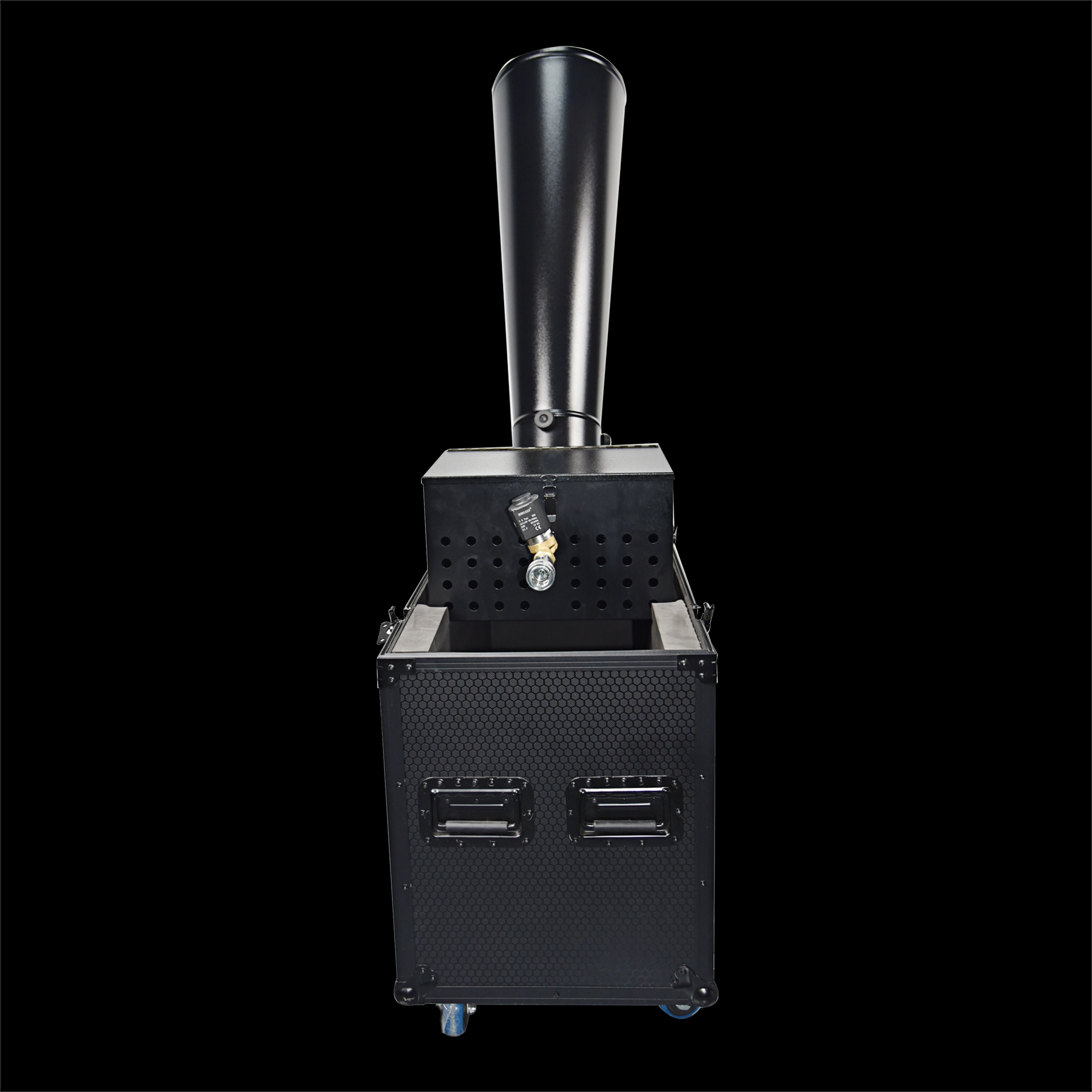
CO₂ Mini Rainbow Confetti Machine Manual Control with Durable Black Wheeled Flight Case
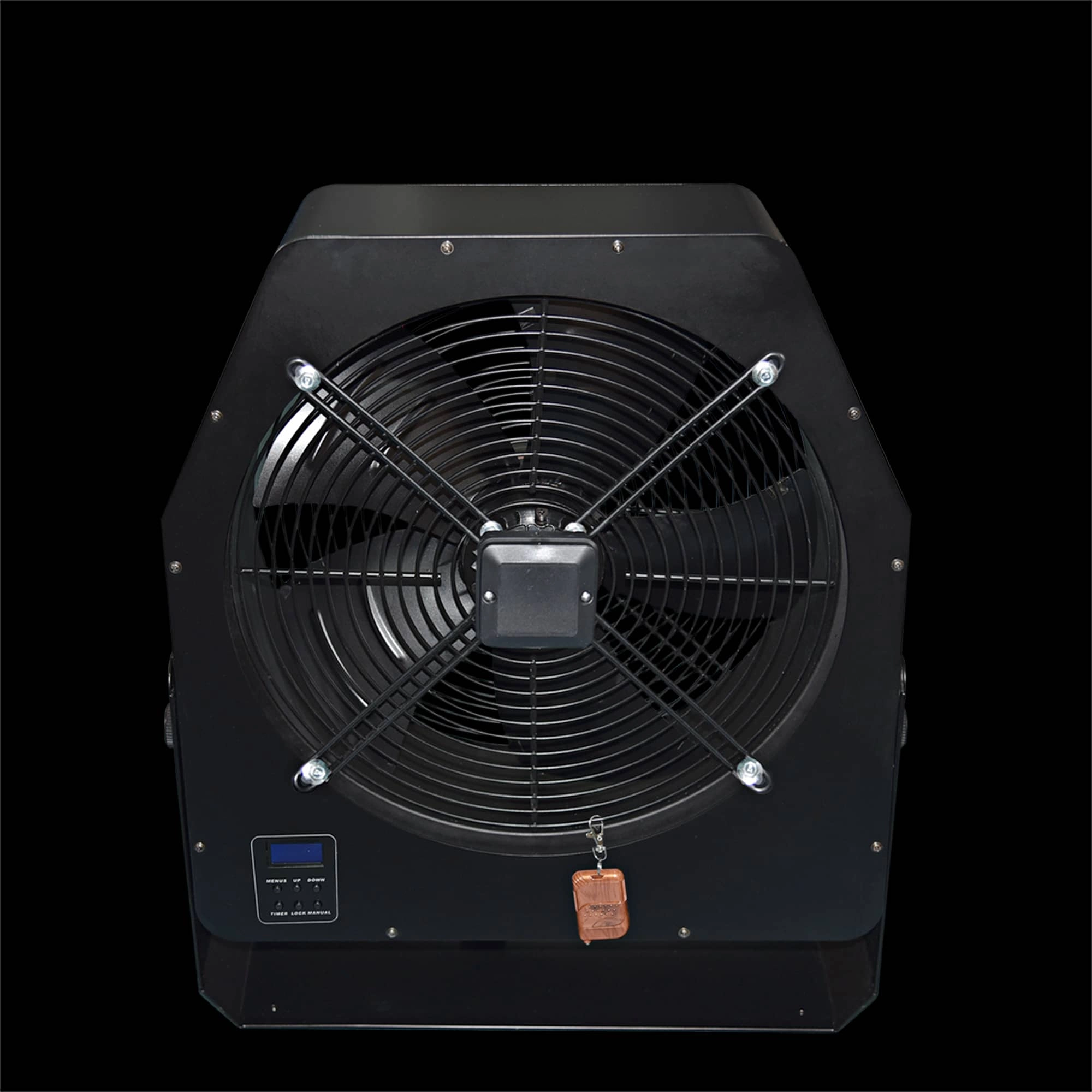
Professional Stage Big DMX Fan | High-Power Event Fan for Stage Shows & Celebrations
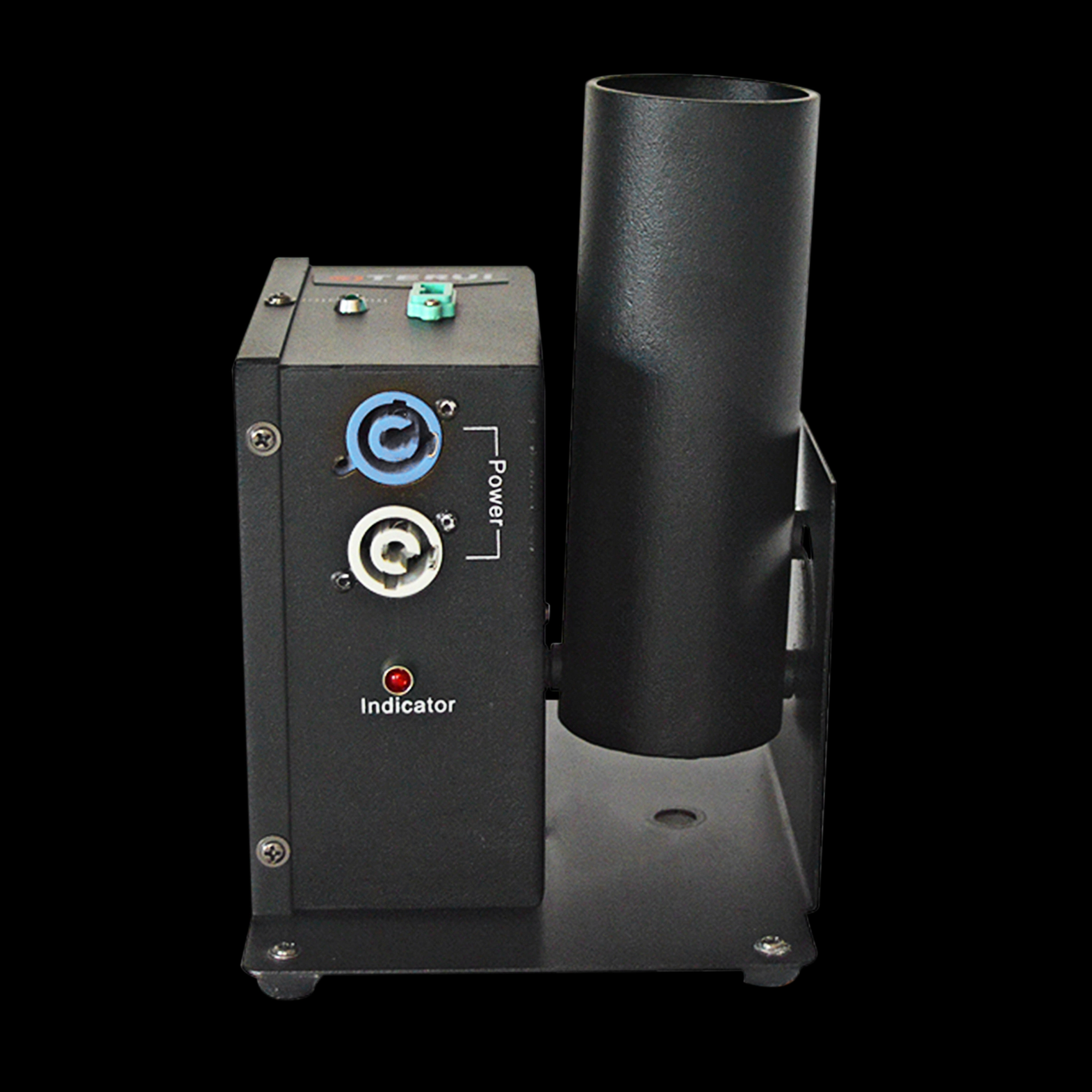
Single Shot Confetti Machine - Premium Confetti Launcher for Weddings & Stage Celebrations
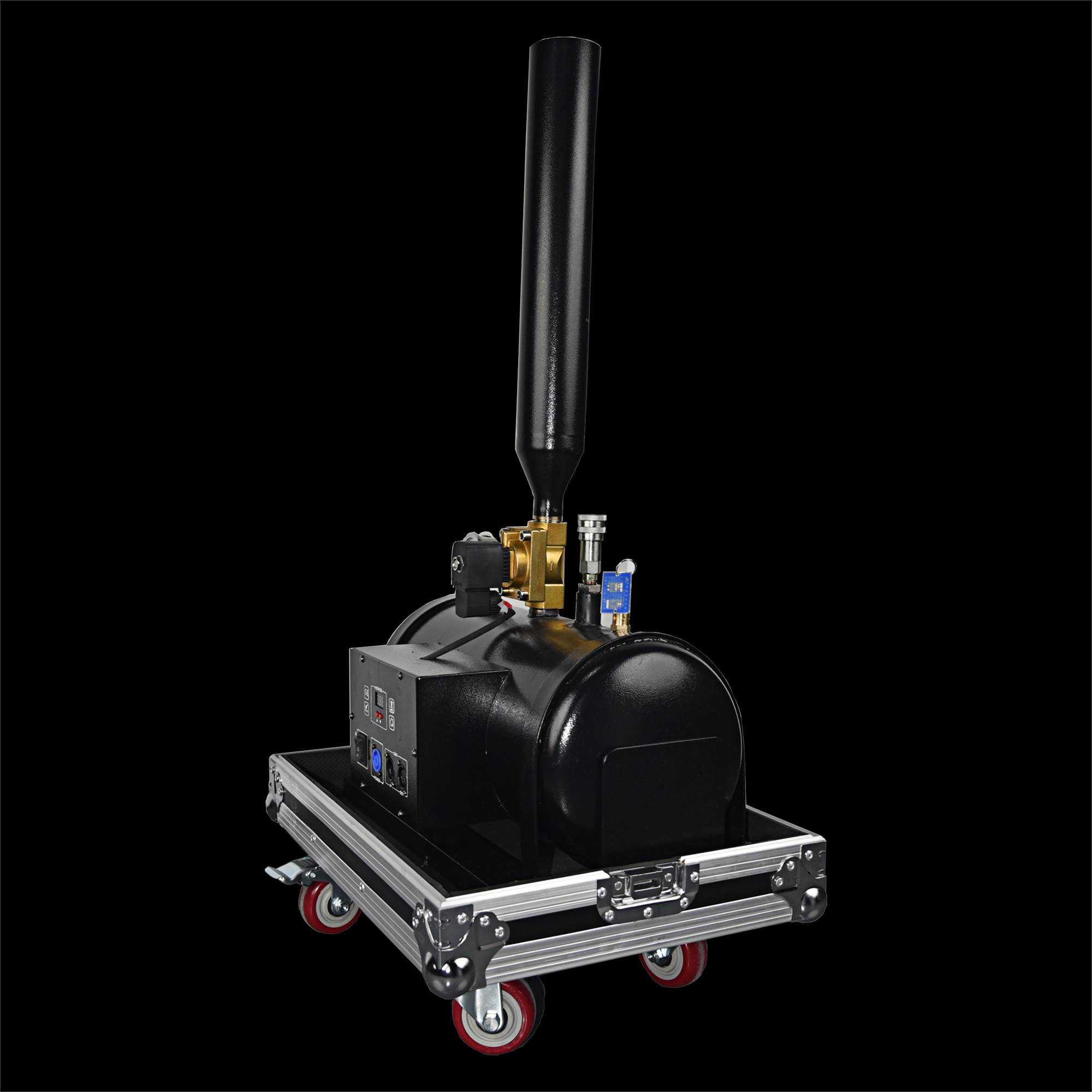
High-Altitude Confetti Cannon - Professional Confetti Blaster for Stage, Party & Celebration Events
Email: sales01@strlighting.com
WhatsApp: +86 189 2232 4800
© 2025 Siterui SFX All Rights Reserved.
 Scan QR Code
Whatsapp: +8618922324800
siteruisfx_stage_equipment
Siterui
SITERUI-SFX
STRlighting
@siterui.sfx