
Top Quiet Fog Machines for Live Performances
- Choosing the Right Fog Solution for Your Venue
- Understand audience and production needs
- Key performance metrics to evaluate
- Noise measurement and how to read specifications
- Top Quiet Fog Machines and Practical Comparisons
- Types of quiet fog solutions
- Feature comparison (typical values and selection guidance)
- Selecting specific models — what to request from vendors
- Installation, Control and Safety Best Practices
- Noise mitigation during installation
- Control integration: DMX, wireless, and show automation
- Health, ventilation and regulatory considerations
- Maintenance, Fluids and Troubleshooting
- Fluid selection and its impact on noise and output
- Regular maintenance checklist to ensure quiet operation
- Common troubleshooting steps
- Professional Solutions and Manufacturer Spotlight
- Why choose a specialized manufacturer?
- Siterui SFX — capabilities and why it matters
- Customization examples and competitive advantages
- FAQ — Common Questions About Quiet Fog Machines
- 1. How loud are quiet fog machines in practice?
- 2. Are water-based fluids safer or quieter than oil-based fluids?
- 3. Can I place the fog machine off-stage to reduce noise?
- 4. Do fog machines set off smoke detectors?
- 5. How do I choose between a fog machine and a haze machine?
- 6. What about health concerns for performers and audiences?
- Next Steps & Contact
Fog machines are an essential tool for adding atmosphere, depth, and light interaction to live performances. For venues where audience experience and clear speech intelligibility matter—small theatres, corporate stages, worship spaces, and acoustic concerts—selecting a quiet, reliable fog solution is as important as choosing the right effect. This article evaluates the best approaches to low-noise fog generation, explains what to look for in specifications, compares common machine types and control systems, and provides practical guidance on safety, ventilation and maintenance to help production teams make informed decisions.
Choosing the Right Fog Solution for Your Venue
Understand audience and production needs
Before selecting a fog machine, map the production requirements: do you need dense bursts for strong beam effects, or a subtle, continuous haze for light diffusion? Smaller venues and spoken-word events prioritize minimal audible intrusion and fast warm-up. Concerts and large stages may accept louder pumps in exchange for higher output. Aligning fog output, fluid type (water-based vs oil-based), and noise profile with artistic goals prevents compromises to sound quality or audience comfort.
Key performance metrics to evaluate
When comparing fog machines, look at these measurable attributes:
- Acoustic noise (dB) during normal operation and warm-up—especially important for intimate venues.
- Output rate and density (often expressed as m³/min or grams/min) to gauge coverage per shot.
- Warm-up time and duty cycle for responsiveness during cues.
- Control interfaces (DMX512, wireless, remote, or manual) to ensure integration with show control.
- Fluid compatibility and recommended maintenance intervals to maintain consistent output and avoid clogs.
Reference guidance on fog and haze machines can be found in general summaries such as the Wikipedia entry on fog machines (en.wikipedia.org/wiki/Fog_machine) and haze devices (en.wikipedia.org/wiki/Haze_machine).
Noise measurement and how to read specifications
Manufacturers sometimes report 'sound pressure level' using a microphone at a specific distance (commonly 1 m). For live performance use, prioritize units with quoted noise levels or ask for measured dB(A) data in your venue. Remember that perceived intrusiveness depends on frequency spectrum—low-frequency pump noise can be felt more than high-frequency hiss—so demo units in-situ whenever possible.
Top Quiet Fog Machines and Practical Comparisons
Types of quiet fog solutions
For low-noise operation, consider these options:
- Low-noise electric foggers with insulated pumps and vibration isolation—designed specifically for theatres.
- Haze machines (continuous low-output units) that operate quietly and produce a fine, long-lasting aerosol for lighting effects.
- CO₂ and cryogenic effects (not true foggers) which can be very quiet but have different safety and logistical requirements; they require specialist handling and venting strategies.
Feature comparison (typical values and selection guidance)
Below is a comparative table of typical characteristics for three general classes of fog/haze solutions used in live performance. These numbers are representative ranges reported by manufacturers; verify model-specific specs before purchase.
| Class | Typical Noise Level (dB(A) at 1 m) | Output Behavior | Warm-up Time | Price Range (USD) |
|---|---|---|---|---|
| Low-noise fog machine (theatre-grade) | 35–55 dB(A) | Compact bursts; medium-to-high density | 30 s–3 min | $400–$2,500 |
| Haze machine (continuous) | 30–50 dB(A) | Low-output continuous haze for light beams | 30 s–5 min | $800–$4,000 |
| CO₂/cryogenic effect (specialty) | 20–55 dB(A) (blower noise varies) | Instant, high-impact plumes (short duration) | Immediate (system fill time varies) | $1,200–$8,000+ |
Note: Price ranges and noise bands will vary by brand and model. For manufacturer-quoted data, consult product pages and technical documents. For haze vs fog guidance see the haze machine summary on Wikipedia.
Selecting specific models — what to request from vendors
Ask vendors for:
- Measured SPL (dB(A)) at 1 m and at typical stage distances.
- Output in standardized units (m³/min or g/min) and fluid consumption rates.
- DMX/control protocol specifications and whether wireless or remote triggers introduce latency.
- Maintenance documentation: recommended cleaning intervals, recommended fluids, and warranty terms.
Installation, Control and Safety Best Practices
Noise mitigation during installation
Even quiet units can transmit vibration through staging and trussing. Best practices to reduce perceptible noise include:
- Mounting machines on vibration-damping pads or isolators.
- Placing units off-stage in fly towers or behind acoustic baffles if effect requirements allow.
- Using flexible ducts or tube routing to deliver fog to the stage while keeping the machine physically separated.
Control integration: DMX, wireless, and show automation
For precise timing with minimal operator noise interference, integrate fog devices into your DMX or show automation system. Many professional fog machines offer DMX512 control with programmable intensities and chases. Wireless controllers can reduce cable runs but verify latency and RF reliability before deployment.
Health, ventilation and regulatory considerations
Using fog and haze responsibly requires attention to air quality and local regulations. For indoor venues, ensure HVAC contribution provides adequate air changes per hour and consider local indoor air quality guidance such as general ventilation principles from ASHRAE and workplace indoor air quality guidance from OSHA. Manufacturers typically publish recommended fluid types (water-based theatrical fluids are common) and exposure recommendations. If performers or patrons have respiratory sensitivities, perform a pre-show test and provide advance notice in house communications.
Maintenance, Fluids and Troubleshooting
Fluid selection and its impact on noise and output
Choice of fluid affects output density, longevity of particles in the air, and machine maintenance. Water-glycol or water-based fluids are industry-standard for theatrical use and are generally recommended for compatibility and ease of cleanup. Avoid automotive or unapproved fluids—these can generate unpleasant odors, accelerate clogging, and void warranties. For fluid safety standards and fluid composition information, consult manufacturer datasheets and material safety data sheets (MSDS).
Regular maintenance checklist to ensure quiet operation
To preserve low-noise performance and consistent output:
- Follow the manufacturer’s scheduled cleaning (e.g., weekly or monthly depending on use).
- Use recommended fluids only; old or contaminated fluid increases pump strain and noise.
- Check and replace seals and tubing proactively—small leaks can cause cavitation noise.
- Lubricate moving parts only as specified by the vendor.
Common troubleshooting steps
If your machine becomes noisier over time, check:
- Mounting points for loosening or new vibration transfer.
- Pump inlet for air ingestion, which causes rattling or chattering.
- Clogging in nozzles—perform manufacturer cleaning cycle.
- Electrical supply stability—voltage fluctuations can alter motor noise and performance.
Professional Solutions and Manufacturer Spotlight
Why choose a specialized manufacturer?
Buying from a manufacturer that focuses on professional SFX equipment ensures access to application engineering, reliable replacement parts, and customization. Professional teams benefit from tailored solutions—custom control options, quieter components, and system integration that align with creative and operational constraints.
Siterui SFX — capabilities and why it matters
Siterui SFX is a professional manufacturer engaged in the research and development, production, sales, and service of professional stage special effects (SFX) equipment. With a highly skilled team and cutting-edge technology, they are committed to providing innovative, reliable, and high-performance SFX solutions for live events, theaters, concerts, film production, and entertainment venues worldwide.
At Siterui SFX, they understand that every stage, event, and creative concept is unique. That’s why they offer flexible customization services to meet your specific needs—whether it's branding, special functions, size adjustments, or complete system integration.
From custom casing and logo printing to wireless control systems and synced multi-device setups, their expert team works closely with clients to design SFX solutions that align perfectly with production requirements. Their commitment to quality and innovation ensures clients receive cutting-edge effects that enhance the visual and sensory experience of every performance. Siterui prides itself on exceptional customer service and continuous advancement, positioning the company as a trusted partner in the professional special effects industry.
Key Siterui SFX products include: spark machine, haze machine, CO₂ jet machine, bubble machine, snow machine, foam machine, confetti machine, fog machine, fire machine, and dry ice machine. Learn more at https://www.siteruisfx.com/ or contact sales at sales01@strlighting.com.
Customization examples and competitive advantages
Siterui offers customization such as low-noise enclosures, alternative fan speeds for quieter output, DMX and wireless integration, and custom fluid reservoirs. Their R&D focus on thermal management and vibration isolation reduces audible artifacts in quiet venues. When comparing suppliers, prioritize companies that provide acoustic data, in-field support, and spare-part availability; Siterui emphasizes these elements as part of post-sale service.
FAQ — Common Questions About Quiet Fog Machines
1. How loud are quiet fog machines in practice?
Quiet fog machines for theatre or small venues typically operate in the 35–55 dB(A) range at 1 m, depending on model and installation. Haze machines often fall at the lower end due to continuous low-output operation. Always request manufacturer SPL data and conduct an in-situ test when possible.
2. Are water-based fluids safer or quieter than oil-based fluids?
Water-based theatrical fluids are standard for safety, ease of cleanup, and compatibility with most fog/haze machines. Fluid type can influence particle size and persistence, but noise is primarily driven by pump/fan design rather than fluid chemistry.
3. Can I place the fog machine off-stage to reduce noise?
Yes. Using ducts, flexible tubing, or locating the machine in a ventilated off-stage space can reduce perceived noise, provided you account for heat dissipation and ensure safe routing of aerosol to the effect area.
4. Do fog machines set off smoke detectors?
They can. Coordinate with venue safety staff to identify detector locations and, if necessary, use detectors with appropriate sensitivity settings or temporary isolation procedures. In many professional venues, staff will temporarily mask or reprogram detectors in line with local fire codes and with fire authority approval. Always follow local regulations and consult fire safety authorities.
5. How do I choose between a fog machine and a haze machine?
Choose a fog machine for dense, short-duration bursts (e.g., dramatic reveals). Choose a haze machine for continuous, low-density aerosols that enhance beam effects without overwhelming sight lines or mic clarity. For mixed-programming venues, consider both types or hybrid units depending on space and budget.
6. What about health concerns for performers and audiences?
Adhere to manufacturer exposure recommendations, select appropriate fluids, and ensure venue ventilation meets indoor air quality norms (see guidance from ASHRAE and OSHA). Perform a pre-show test and include warnings in house programs if necessary. For workers with known sensitivities, provide alternatives or accommodations.
Next Steps & Contact
If you need hands-on advice, acoustic data for machine selection, or a customized silent fog solution for your venue, Siterui SFX can assist from specification through system integration. Visit Siterui SFX to view product lines or email sales01@strlighting.com for a consultation and quote. Our team can provide A/B demos, acoustic measurements, and tailored maintenance plans to ensure quiet, reliable atmospheric effects for your next performance.
Maintenance and Service Checklist for Haze Machines
Safety Guidelines for Using Fog Machines Indoors
Where to Buy fog machine
How to Maintain and Service a Dry Ice Machine
1500W 24x3W LED fog machine
What is the warranty period?
The standard warranty is 1 year, covering manufacturing defects.
Can this machine be used outdoors?
Yes, but avoid extreme weather conditions to ensure longevity and performance.
2100W Morning Haze Machine
Is the haze machine suitable for outdoor use?
Yes, but avoid direct exposure to rain or extreme weather conditions.
Can I use third-party haze fluids?
We recommend using approved fluids to ensure optimal performance and longevity.
Single-Head CO2 Jet Machine
What is the warranty period?
The standard warranty is 1 year, covering manufacturing defects.
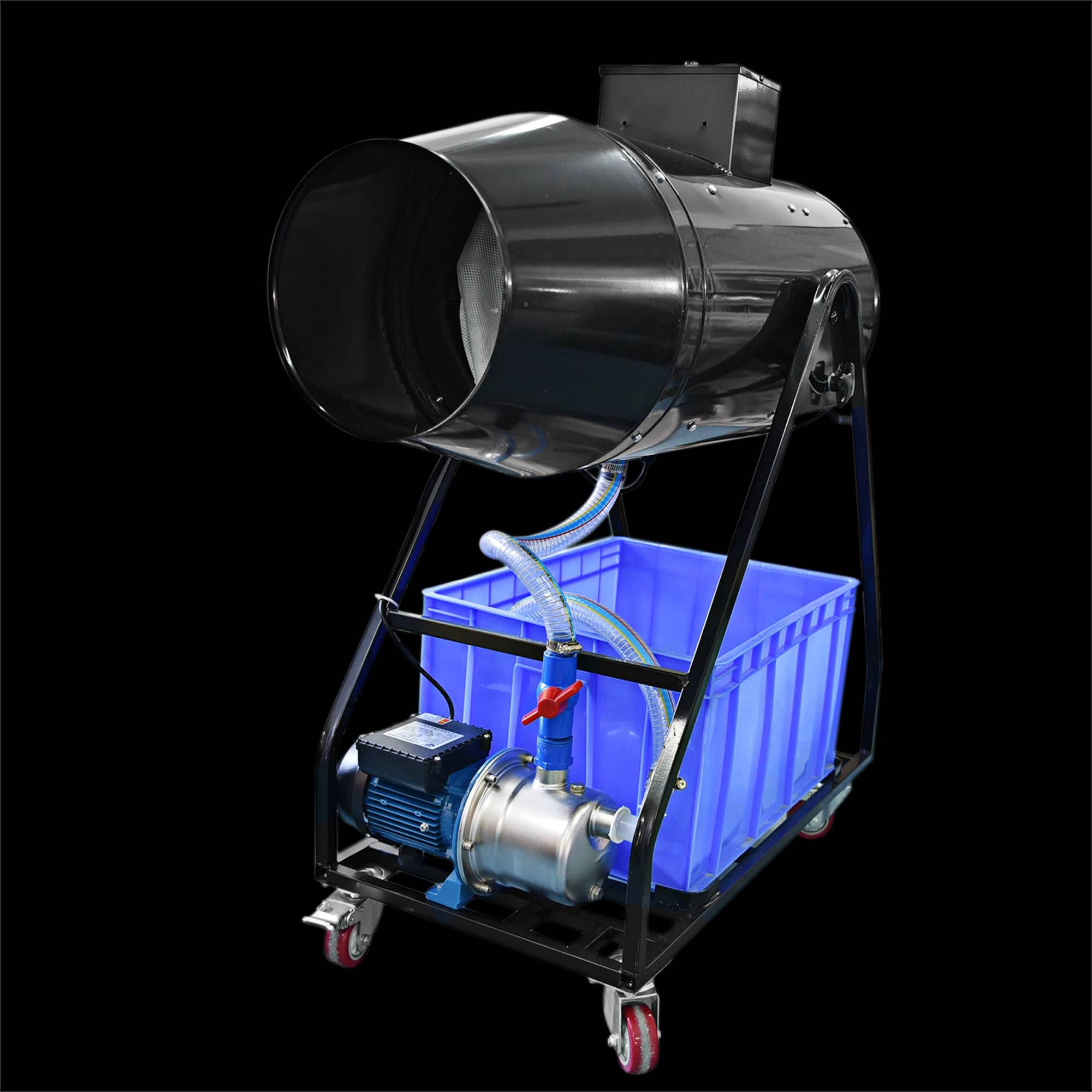
Siterui SFX 1800W Spraing foam machine High Power Professional Foam Party Maker
Elevate your event with the Siterui SFX 1800W Spraing Foam Machine. This high-power, professional foam party maker creates dense, vibrant bubbles—perfect for weddings and celebrations. Reliable and easy to use, it’s the foam and bubble machine for unforgettable moments.
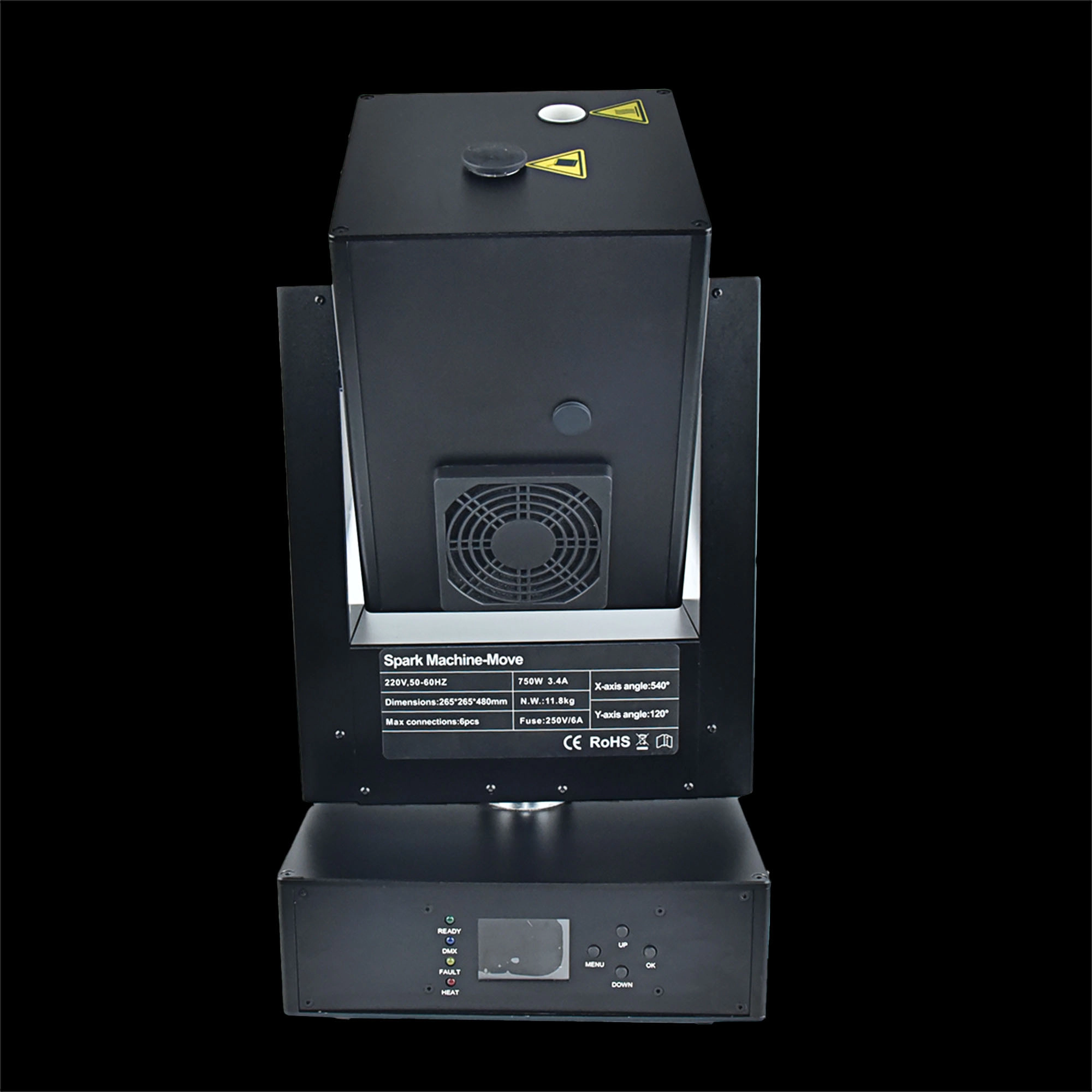
750w moving head spark machine
Siterui SFX 750w moving head spark machine delivers high-impact cold-spark effects with 360° moving head, DMX control, adjustable output and safe, long-lasting performance - perfect for concerts, weddings and stage shows.
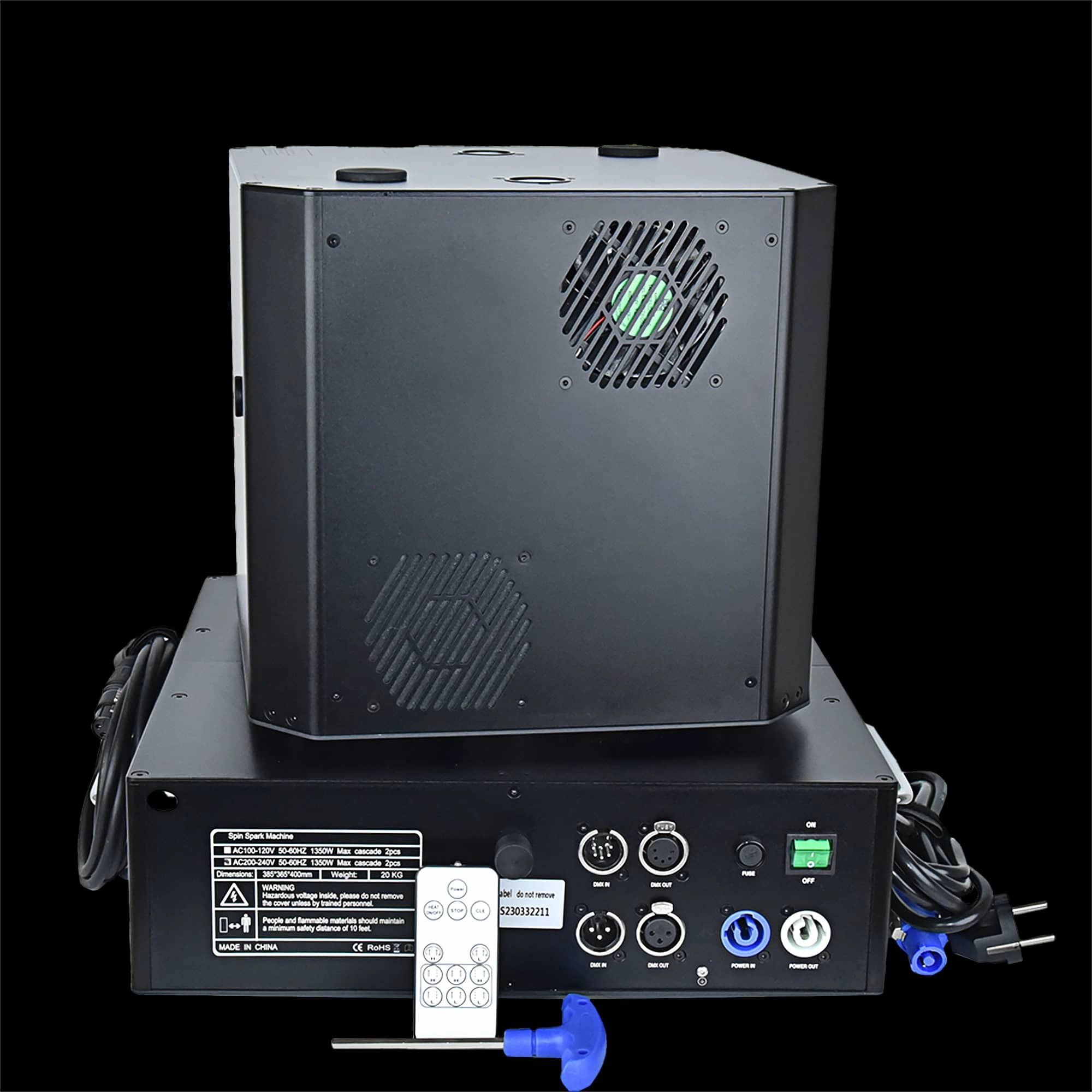
Double head 1300W Spin Spark machine DMX+Remote control
Double head 1300W Spin Spark machine -powerful dual-head 1300W spin spark effect with DMX + remote control for precise timing. Durable, professional-grade pyrotechnic effect ideal for concerts, clubs and events.
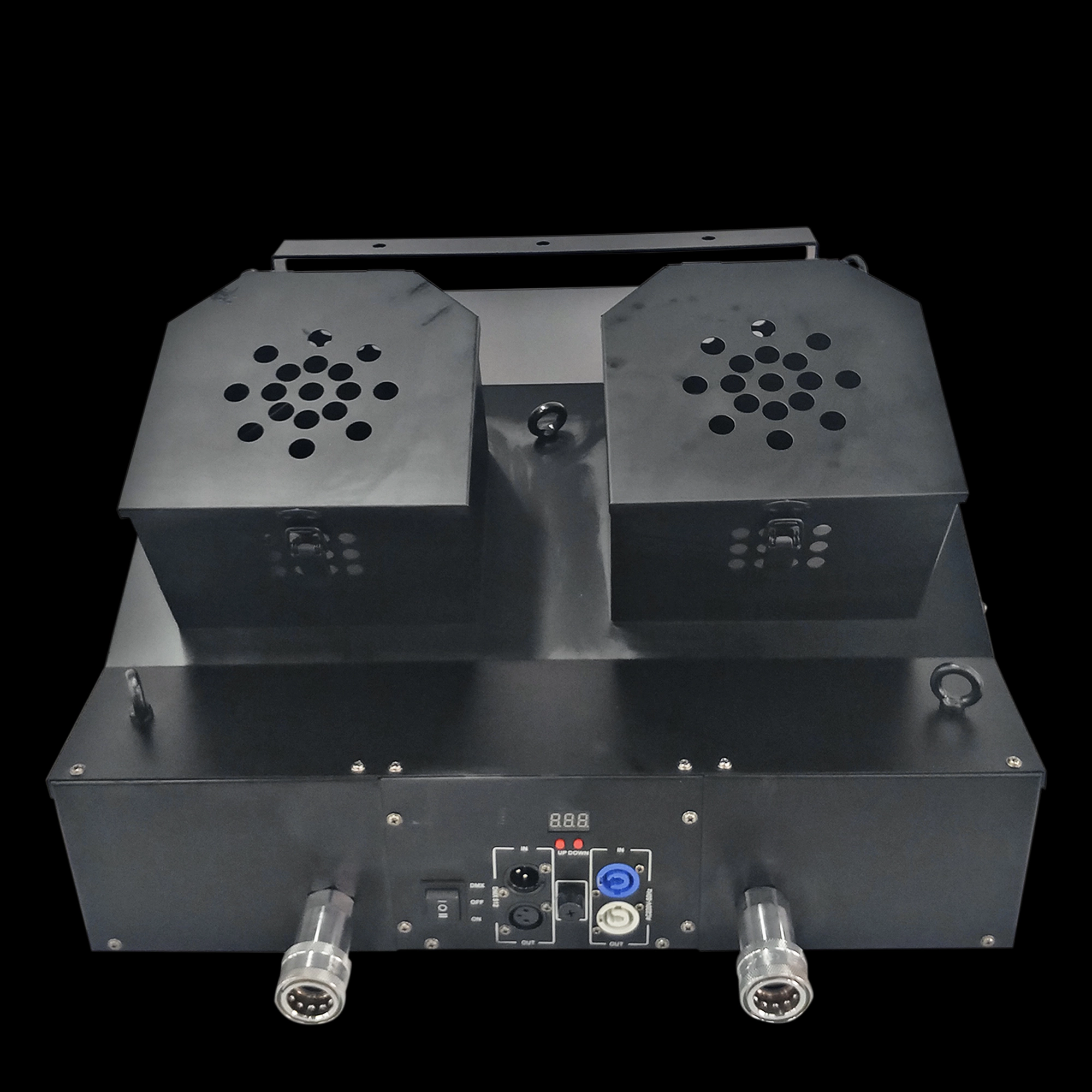
Snowstorm Paper Machine Double outlet sprayer snowstorm paper machine dual nozzle sprayer
Email: sales01@strlighting.com
WhatsApp: +86 189 2232 4800
© 2025 Siterui SFX All Rights Reserved.
 Scan QR Code
Whatsapp: +8618922324800
siteruisfx_stage_equipment
Siterui
SITERUI-SFX
STRlighting
@siterui.sfx