
Maintenance and Service Checklist for Haze Machines
- Why Proper Haze Machine Maintenance Matters
- Routine Maintenance: Daily, Weekly, and Monthly Tasks
- Daily Checks (before and after each use)
- Weekly Maintenance (for regularly used units)
- Monthly Maintenance (or every 20–50 hours)
- Annual and Preventive Service
- Full Service (annually or every 200–500 hours)
- When to Schedule Professional Service
- Cleaning Procedures and Safe Fluids Handling
- Safe Cleaning Workflow
- Fluid Selection and Quality Control
- Troubleshooting: Common Failures and Fixes
- Symptom: Reduced or No Output
- Symptom: Sputtering or Irregular Output
- Electrical and Control Issues
- Service Log Template and Asset Management
- Why a Service Log Matters
- Sample Service Log Fields
- Performance Metrics and When to Replace
- Key Performance Indicators (KPIs)
- End-of-Life Indicators
- Siterui SFX: Professional Support, Customization, and Product Advantages
- Who We Are and Why It Matters
- Customization, Service, and Technical Edge
- Product Range and Competitive Advantages
- Maintenance Checklist (Printable Quick Reference)
- Frequently Asked Questions (FAQ)
- 1. How often should I clean my haze machine?
- 2. Can I use any haze fluid in my machine?
- 3. My haze machine sputters—what should I do first?
- 4. Is professional servicing necessary or can I do all maintenance in-house?
- 5. How can I reduce residue and streaking in lights caused by haze machines?
- Contact & Product Inquiry
- References
Why Proper Haze Machine Maintenance Matters
Haze machines are critical for atmosphere, lighting highlights, and visual depth in concerts, theaters, film sets, and themed venues. Regular, methodical maintenance preserves output consistency, reduces unexpected failures during events, ensures occupant safety, and prolongs product life. This guide provides a practical, field-tested maintenance and service checklist for technicians, rental houses, venue staff, and production managers responsible for haze machine uptime.
Routine Maintenance: Daily, Weekly, and Monthly Tasks
Daily Checks (before and after each use)
- Visual inspection: Check casing, power cable, control wiring (DMX/wireless), and mounting hardware for visible damage or wear. Replace frayed cables and loose fasteners immediately.
- Fluid level and type: Confirm correct haze fluid (manufacturer-approved). Top up only with recommended fluid—never mix fluid types. Record batch/lot if available.
- Warm-up and test: Power on unit and run a short test cycle to ensure pumps, heaters (if present), and nozzle output are functioning normally. Note any unusual smoke, sputtering, or delays in output.
Weekly Maintenance (for regularly used units)
- System purge: Run a short purge cycle with haze fluid to clear static build-up in lines and nozzle. If the unit will be stored dry, perform a controlled flush per manufacturer guidance.
- Clean external air intakes and fan grills with compressed air or soft brush to prevent dust ingress. Dust accumulation increases fan load and can throttle output.
- Check filters: Some units include intake filters—clean or replace per manufacturer specs.
Monthly Maintenance (or every 20–50 hours)
- Internal inspection: Open the service panel (with power disconnected) to inspect pump connections, tubing, and solder joints for leaks, cracks, or loose fittings.
- Nozzle and heater care: For fluid-based hazers with heater elements, inspect for scale or residue; follow manufacturer-approved cleaning procedures (commonly a distilled water flush or approved cleaning solution).
- Lubrication and mechanical checks: Apply recommended lubricants to moving parts if specified. Verify that fan bearings run smoothly without excessive noise.
Annual and Preventive Service
Full Service (annually or every 200–500 hours)
- Replace wearable parts: Pumps, tubing, seals, and filters have finite life—replace them on schedule or when showing wear. Manufacturers often recommend specific intervals—adhere to those to avoid mid-show failures.
- Calibration and performance test: Measure output characteristics (haze density over time) to detect pump degradation or heater inefficiency. Document results in the machine’s service log.
- Firmware and control check: Update any firmware for digital control modules, check DMX addressing and wireless modules for correct operation.
When to Schedule Professional Service
- Persistent clogging, reduced output despite cleaning, abnormal electrical behavior (tripping breakers, burning smells), and failure of core components like pumps or heaters. Professional service ensures correct diagnosis and uses OEM parts for reliable repair.
Cleaning Procedures and Safe Fluids Handling
Safe Cleaning Workflow
- Always disconnect power before opening the machine. Wear nitrile gloves and eye protection when handling fluids or cleaning agents.
- Flushing: Use distilled water flushes only if the manufacturer permits. Some haze fluids are glycol or mineral-oil based—use only approved solvents and procedures detailed in the SDS and service manual.
- Nozzle care: Remove nozzle as recommended and soak in an approved cleaner for a short period, then rinse and dry thoroughly before reassembly to avoid mineral deposits.
Fluid Selection and Quality Control
- Use OEM or manufacturer-approved haze fluids. Fluid composition (e.g., mineral oil vs. glycols) affects residue, haze persistence, and compatibility with heaters and pumps.
- Keep fluids in tightly sealed containers, away from heat and direct sunlight. Label open containers with date opened and batch number. Avoid using contaminated fluid—sight-check for cloudiness, separation, or particulates before pouring.
- SDS (Safety Data Sheet): Keep the SDS for each fluid on-site and share with venue safety officers. Manufacturers such as MDG, Rosco, and others publish SDS documents for their fluids.
Troubleshooting: Common Failures and Fixes
Symptom: Reduced or No Output
Possible causes and checks:
| Cause | Check | Fix |
|---|---|---|
| Empty or low fluid | Inspect reservoir level | Refill with approved fluid |
| Clogged nozzle or tubing | Run purge, inspect nozzle | Clean/soak nozzle; replace tubing if brittle |
| Pump failure | Listen for pump operation; check voltage | Replace pump or seek professional repair |
Symptom: Sputtering or Irregular Output
- Air or foam in fluid lines, contaminated fluid, or failing pump. Perform purge cycles, verify fluid quality, and inspect feed lines for leaks or air ingress. Replace one-way valves if present.
Electrical and Control Issues
- If DMX or wireless control is intermittent, verify signal chain and grounding. Test with direct control (manual on-board controls) to isolate whether the problem is the unit or the external control system. Update firmware if available and note any recurring control errors in logs.
Service Log Template and Asset Management
Why a Service Log Matters
Keeping a detailed service log improves traceability, helps with warranty claims, and informs decisions about part replacement and lifecycle planning. For rental inventory and venue fleets, logs reduce downtime and support predictable maintenance budgets.
Sample Service Log Fields
- Asset ID / Serial Number
- Model
- Date of service
- Hours run (cumulative)
- Performed by (technician name)
- Tasks completed (daily/weekly/monthly checklist items)
- Parts replaced (part number, vendor)
- Fluids used (brand, batch number)
- Test results (output measurements, pass/fail)
- Notes and next scheduled service date
Performance Metrics and When to Replace
Key Performance Indicators (KPIs)
- Output consistency: Measure haze density (lux attenuation at a fixed distance) before and after service periods.
- Mean Time Between Failures (MTBF): Track the hours between service events and failures to plan preventive replacements.
- Cost-per-hour: Calculate maintenance and part costs vs. productive hours to decide on repair vs. replace.
End-of-Life Indicators
- Repeated pump failures, unrepairable PCB faults, obsolete control modules without available firmware updates, or replacement part scarcity. When maintenance costs exceed 40–50% of replacement cost, evaluate asset replacement for reliability and safety.
Siterui SFX: Professional Support, Customization, and Product Advantages
Who We Are and Why It Matters
Siterui SFX is a professional manufacturer engaged in the research and development, production, sales, and service of professional stage special effects (SFX) equipment. With a highly skilled team and cutting-edge technology, we are committed to providing innovative, reliable, and high-performance SFX solutions for live events, theaters, concerts, film production, and entertainment venues worldwide.
Customization, Service, and Technical Edge
At Siterui SFX, we understand that every stage, event, and creative concept is unique. That’s why we offer flexible customization services to meet your specific needs—whether it's branding, special functions, size adjustments, or complete system integration. From custom casing and logo printing to wireless control systems and synced multi-device setups, our expert team works closely with you to design SFX solutions that align perfectly with your needs. Our commitment to quality and innovation ensures that our clients receive cutting-edge effects that enhance the visual and sensory experience of every performance. We pride ourselves on exceptional customer service and continuous advancement, positioning Siterui as a trusted partner in the professional special effects industry.
Product Range and Competitive Advantages
Siterui SFX’s main products include spark machine, Haze Machine, CO₂ Jet Machine, Bubble Machine, Snow Machine, Foam Machine, Confetti Machine, fog machine, fire machine, and dry ice machine. Advantages include:
- In-house R&D and manufacturing for tighter quality control and faster custom development.
- OEM-approved parts and service network to minimize downtime.
- Flexible customization (control protocols, casings, branding) to fit rental houses and fixed installations.
- Global shipping and technical support with clear maintenance guidance and spare parts availability.
Maintenance Checklist (Printable Quick Reference)
| Interval | Task | Notes |
|---|---|---|
| Before each use | Visual inspection, fluid level, short test cycle | Keep log entry |
| Daily (if used) | Purge lines, clean intakes | Check filters |
| Weekly | Inspect tubing, nozzle check | Address minor leaks |
| Monthly | Open internal inspection, clean heater/nozzle | Replace small wear parts as needed |
| Annually | Full service: replace pumps/tubing/filters, firmware updates | Performance test, calibration |
Frequently Asked Questions (FAQ)
1. How often should I clean my haze machine?
For regular event use, perform daily purge cycles, weekly intake and nozzle checks, monthly internal inspections, and an annual full service. Adjust frequency upward if operating in dusty environments or under extended continuous use.
2. Can I use any haze fluid in my machine?
No. Use only fluids approved by the machine manufacturer. Fluid chemistry (mineral oil vs. water/glycol) affects system compatibility. Using unapproved fluids can clog lines, damage pumps/heaters, and void warranties.
3. My haze machine sputters—what should I do first?
Stop use, power down, and check fluid level. Run a controlled purge to clear air pockets. Inspect nozzle and tubing for blockages. If sputtering continues, replace tubing or pump, or send the unit for professional service.
4. Is professional servicing necessary or can I do all maintenance in-house?
Routine maintenance (visual checks, purges, filter cleaning) can be done in-house by trained staff. Professional servicing is recommended for pump replacement, PCB or heater repairs, firmware updates, and whenever warranty or safety is a concern.
5. How can I reduce residue and streaking in lights caused by haze machines?
- Use manufacturer-recommended haze fluids with low residue.
- Keep output at consistent levels and avoid excessive continuous high-output runs.
- Schedule regular cleaning of fixtures and follow the haze machine’s recommended maintenance plan to minimize residue buildup.
Contact & Product Inquiry
For maintenance kits, spare parts, and custom haze machine solutions, contact Siterui SFX for consultations, service contracts, and product quotes. Visit our product pages or reach out to our technical sales team for tailored recommendations and warranty-compatible service plans.
References
- Fog machine — Wikipedia. https://en.wikipedia.org/wiki/Fog_machine (accessed 2026-01-04)
- MDG Fog — Product and Safety Information. https://www.mdgfog.com/ (accessed 2026-01-04)
- Chauvet DJ — Product Manuals and Support. https://www.chauvetdj.com/ (accessed 2026-01-04)
- Rosco — Haze & Fog Fluids and Safety Data. https://www.rosco.com/ (accessed 2026-01-04)
- Occupational Safety and Health Administration (OSHA) — General Industry Safety and Health Topics. https://www.osha.gov/ (accessed 2026-01-04)
Service logs, KPIs, and procedural recommendations above are based on industry best practices and manufacturer guidance. Always consult your unit’s specific user manual and SDS before performing maintenance.
What are the application scenarios of concert flame machine?
Snow Machine Power, Output & Coverage: Match to Venue Size
Top haze smoke machine Manufacturers and Suppliers in us
Ultrasonic vs heated foggers: pros and cons
About us
Does Siterui operate globally?
Yes! Our international team serves clients across regions with localized support.
Solutions
Can you customize the products based on our brand? Do you support OEM/ODM?
Absolutely. With our in-house design team, we provide full OEM/ODM customization from product appearance, color, function, logo branding, to packaging and complete equipment.
Single-Head CO2 Jet Machine
What is the warranty period?
The standard warranty is 1 year, covering manufacturing defects.
CO2 Mini Rainbow Confetti Machine
Can I test a sample before bulk order?
Yes! Sample cost includes product + shipping. Contact us for details.
large 300W Silver Iron Case Bubble Machine
Is this machine suitable for outdoor use?
Yes, the iron case is weather-resistant, but avoid direct rain exposure.
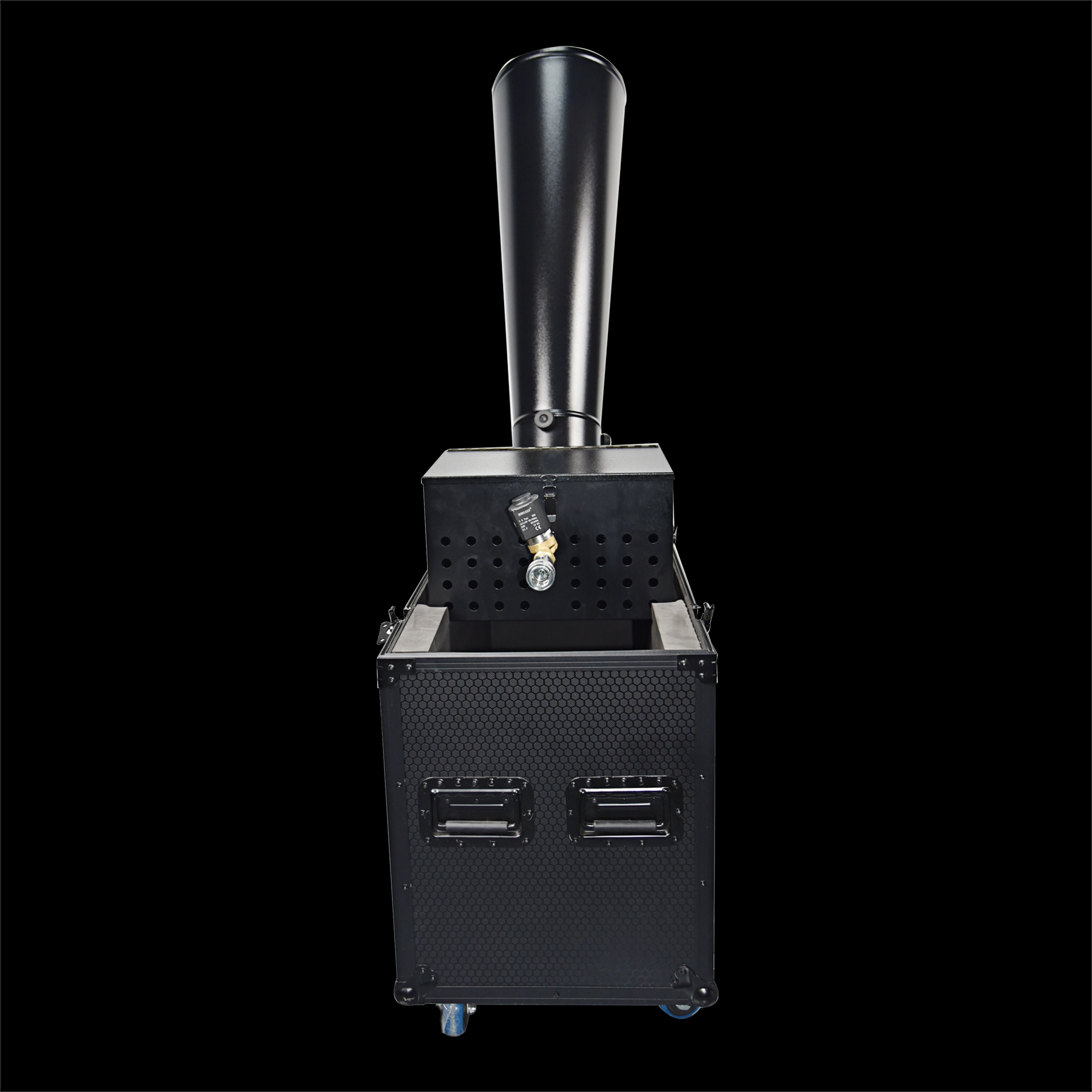
CO₂ Mini Rainbow Confetti Machine Manual Control with Durable Black Wheeled Flight Case
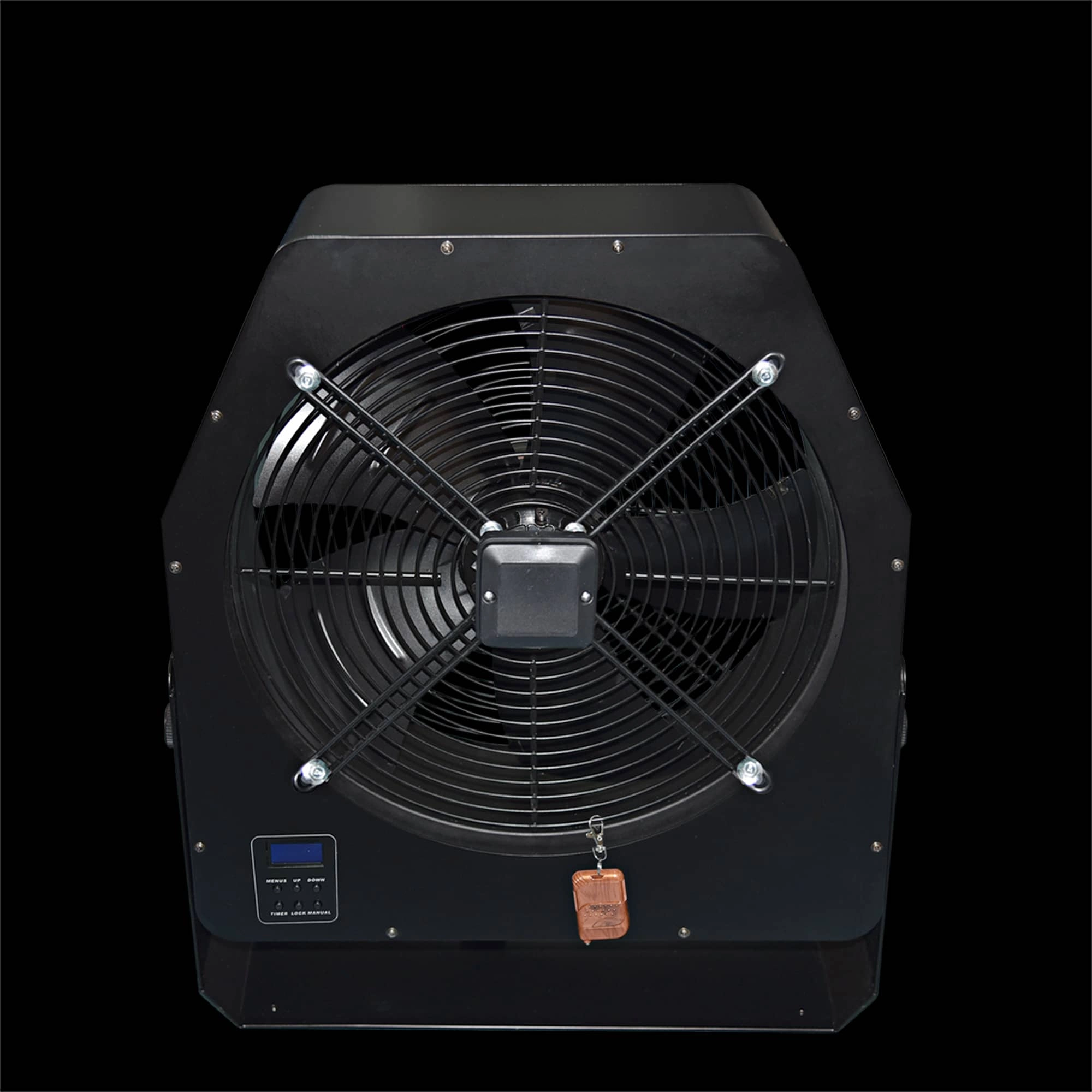
Professional Stage Big DMX Fan | High-Power Event Fan for Stage Shows & Celebrations
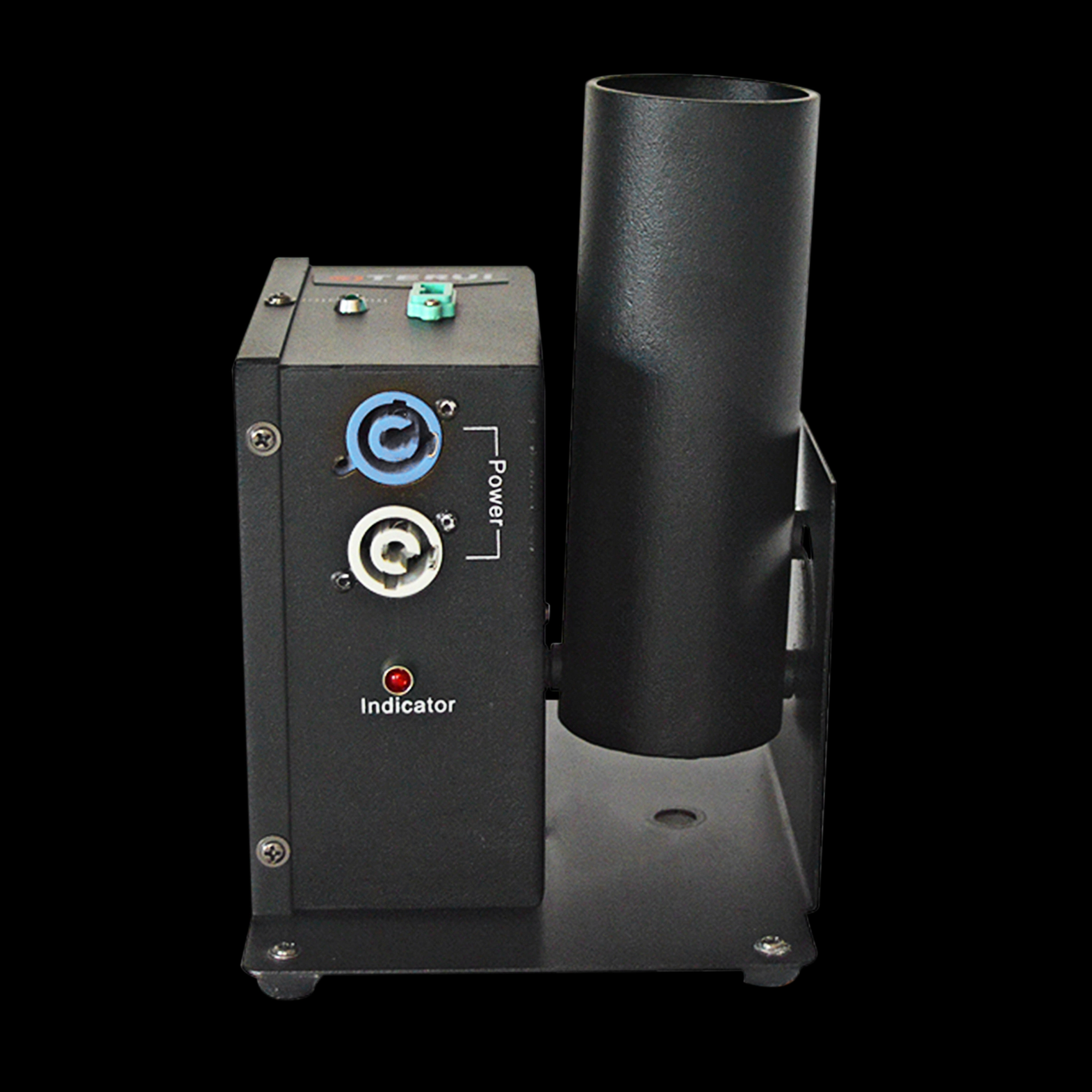
Single Shot Confetti Machine - Premium Confetti Launcher for Weddings & Stage Celebrations
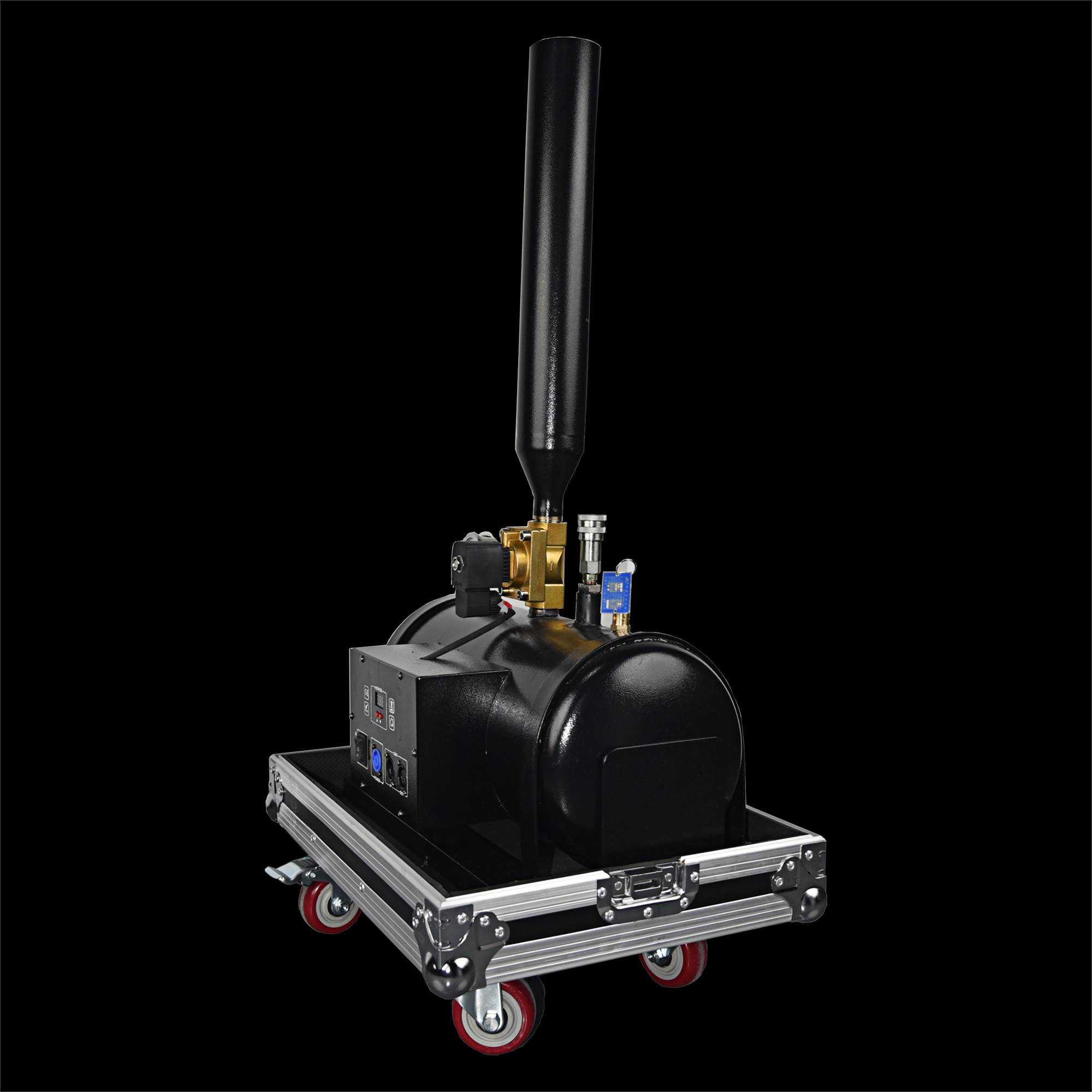
High-Altitude Confetti Cannon - Professional Confetti Blaster for Stage, Party & Celebration Events
Email: sales01@strlighting.com
WhatsApp: +86 189 2232 4800
© 2025 Siterui SFX All Rights Reserved.
 Scan QR Code
Whatsapp: +8618922324800
siteruisfx_stage_equipment
Siterui
SITERUI-SFX
STRlighting
@siterui.sfx