
Maintenance Checklist for Reliable Snow Machine Operation
- Operational Reliability Fundamentals
- Understand snow machine types and implications for maintenance
- Key components to monitor
- Environmental factors that affect maintenance frequency
- Routine Inspection & Daily Maintenance
- Pre-show checklist (use this before every event)
- Post-show checklist (immediately after use)
- Operator log and recordkeeping
- Preventive Maintenance & Scheduled Servicing
- Weekly and monthly tasks
- Fluid care, additives, and nozzle maintenance
- Electrical and control systems maintenance
- Troubleshooting, Repairs and Manufacturer Support
- Common failure modes and corrective actions
- When to contact the manufacturer or a certified technician
- Siterui SFX manufacturer support, customization and service
- Practical Maintenance Schedule (table)
- Safety and regulatory considerations
- Troubleshooting Flowchart & Practical Tips
- Quick checks for when the snow output is weak or uneven
- Electric faults and intermittent control problems
- Handling long-term storage and winterization
- Cost & Downtime Considerations
- FAQs
- 1. How often should I replace snow machine nozzles?
- 2. Can I use any snow fluid in my machine?
- 3. What are the signs my pump is cavitating?
- 4. How do I ensure my snow machine is safe for indoor audience use?
- 5. What warranty and support should I expect from a snow machine manufacturer?
- 6. How can I reduce nozzle clogging in dusty environments?
- Contact, Ordering and Service CTA
Reliable performance from a snow machine requires a blend of correct setup, routine inspections, scheduled preventive maintenance, and clear safety practices. This guide consolidates industry-proven maintenance steps, troubleshooting procedures, and recordkeeping practices to minimize downtime, extend service life, and ensure safe operation during live events, theatrical productions, concerts, or installations.
Operational Reliability Fundamentals
Understand snow machine types and implications for maintenance
“Snow machines” used in entertainment include cold-air snow machines, fluid-based snow machines (snow fluid atomizers), foam-to-snow systems, and dry-ice/snow cart systems. Each technology has different wear-points and consumables: pumps and nozzles for fluid-based systems, compressor and refrigeration components for cold-air units, and circulation/blower systems for foam conversion units. Knowing your machine's technology is the first step for targeted preventive care. For background on snowmaking physics and different approaches, see Snowmaking — Wikipedia.
Key components to monitor
Prioritize these components when planning maintenance: pumps (diaphragm or centrifugal), atomizing nozzles and jets, fluid lines and quick-connects, filter assemblies, blowers/fans, heaters (if equipped), compressors (cold air units), control electronics (DMX/RDM/Wireless), and mechanical seals. Regular inspection of hoses and connections for kinks, abrasion, and leaks is essential to prevent sudden failures on show day.
Environmental factors that affect maintenance frequency
Humidity, airborne dust, salt (coastal venues), and ambient temperature accelerate wear. For outdoor concerts or tours, service intervals should be shortened; indoor theaters with controlled environments generally allow longer intervals between deep servicing.
Routine Inspection & Daily Maintenance
Pre-show checklist (use this before every event)
- Visual inspection of all exterior components, mounting brackets, and safety chains.
- Verify all electrical connections are secure and protected; ensure GFCI or appropriate circuit protection.
- Check fluid level and use only manufacturer-approved snow fluid; inspect for contamination or phase separation.
- Test run at low output to listen for unusual noises (bearing hum, cavitation, rubbing).
- Confirm DMX/RDM/wireless latency and command responsiveness; verify backup control path.
Keeping a simple pre-show checklist reduces the chance of preventable failures during a performance and provides a quick record for operations staff.
Post-show checklist (immediately after use)
- Flush fluid lines with clean water or manufacturer-recommended flush solution to prevent residue buildup and nozzle clogging.
- Wipe down exterior surfaces; remove spilled fluid from casings and stage decks to avoid slips and corrosion.
- Inspect filters and strainers; clean or replace as required.
- Record run-time hours, issues observed, and any parameter changes in the operator log.
Operator log and recordkeeping
Maintain an equipment log capturing pre/post checks, run-hours, fluid batch numbers (traceability), service interventions, and replacement parts used. Consistent logs help diagnose recurring issues and are indispensable for warranty claims and lifecycle costing.
Preventive Maintenance & Scheduled Servicing
Weekly and monthly tasks
Weekly: strainer/filter cleaning, visual hose inspection, test-control verification, and brief system run to circulate fluids. Monthly: check pump seals, inspect fan bearings for play, verify nozzle orifice sizes and alignment, examine and clean control panel vents and any cooling fins.
Fluid care, additives, and nozzle maintenance
Use only fluids specified by the machine manufacturer. Fluids contain surfactants and carriers formulated for droplet size and evaporation behavior. Contaminated or off-spec fluids accelerate nozzle clogging, pump wear, and can alter spray characteristics. Rinse the system before long storage and follow manufacturer guidance on fluid shelf life. When cleaning nozzles, use soft brushes or ultrasonic cleaning where available; avoid harsh mechanical scraping that changes nozzle geometry and affects droplet distribution.
Electrical and control systems maintenance
Inspect wiring harnesses for chafing and strain reliefs for proper routing. Check connectors for corrosion, especially in outdoor or coastal use. Test any wireless transceivers and replace internal batteries per the vendor schedule. For DMX/RDM systems, periodically update firmware (follow vendor release notes) and confirm termination integrity (120-ohm DMX termination where appropriate).
Troubleshooting, Repairs and Manufacturer Support
Common failure modes and corrective actions
- Nozzle clogging: perform nozzle cleaning and line flushes; replace nozzles if ultrasonic cleaning fails.
- Pump cavitation or reduced output: check inlet filters for blockage, confirm fluid viscosity matches spec, and verify pump priming.
- Intermittent DMX or wireless control: inspect shielding/grounding, change batteries, and swap cables to isolate a bad link.
- Overheating or fan failure: clean vents, verify fan operation, and check for belt wear (if belt-driven).
When to contact the manufacturer or a certified technician
Escalate to manufacturer support when failures involve sealed components, compressor/refrigeration systems, or when failures occur within warranty periods. If calibration or replacement involves pressure-rated components, certified service ensures safety and preserves warranty. Always follow lockout/tagout and electrical safety procedures as recommended by regulators such as OSHA when performing repairs.
Siterui SFX manufacturer support, customization and service
Siterui SFX is a professional manufacturer engaged in the research and development, production, sales, and service of professional stage special effects (SFX) equipment. With a highly skilled team and cutting-edge technology, we are committed to providing innovative, reliable, and high-performance SFX solutions for live events, theaters, concerts, film production, and entertainment venues worldwide.
At Siterui SFX, we understand that every stage, event, and creative concept is unique. That’s why we offer flexible customization services to meet your specific needs—whether it's branding, special functions, size adjustments, or complete system integration.
From custom casing and logo printing to wireless control systems and synced multi-device setups, our expert team works closely with you to design SFX solutions that align perfectly with your needs. Our commitment to quality and innovation ensures that our clients receive cutting-edge effects that enhance the visual and sensory experience of every performance. We pride ourselves on exceptional customer service and continuous advancement, positioning Siterui as a trusted partner in the professional special effects industry.
Key competitive points and product focus:
- Technical strength: in-house R&D and adherence to quality systems such as ISO 9001 practices for design and production control.
- Flexibility: custom hardware, control firmware options (DMX/Wireless), and multi-device synchronization services.
- After-sales service: technical support, spare part availability, and certified warranty repairs.
Primary products: spark machine, haze machine, CO₂ jet machine, bubble machine, snow machine, foam machine, confetti machine, fog machine, fire machine, dry ice machine. More information and contact: https://www.siteruisfx.com/ or email sales01@strlighting.com.
Practical Maintenance Schedule (table)
The table below provides an actionable maintenance schedule. Adjust frequencies based on usage intensity and environmental exposure.
| Task | Frequency | Notes / Expected Action |
|---|---|---|
| Pre-show inspection | Before every show | Visual checks, fluid level, test run at low output |
| Post-show flush & clean | After every show | Flush lines, clean nozzles, wipe exterior |
| Filter and strainer cleaning | Weekly | Remove debris and check for damage |
| Pump seal inspection / replacement | Monthly / 6 months (depends on use) | Look for leaks; replace seals preventatively |
| Control firmware / DMX test | Monthly | Update firmware as recommended; test RDM parameters |
| Deep service (bearings, compressor check) | Annually | Send to certified service center for bearings, compressors, pressure tests |
Safety and regulatory considerations
Follow local electrical codes and ensure grounding and overcurrent protection consistent with the National Electrical Code (NEC) and local authorities having jurisdiction. For workplace safety guidance related to theatrical equipment handling and electrical safety, see OSHA eTools. When adding effects that create aerosols or particulates, consult venue ventilation experts and provide Material Safety Data Sheets (MSDS) for all effect fluids.
Troubleshooting Flowchart & Practical Tips
Quick checks for when the snow output is weak or uneven
1) Confirm fluid level and viscosity. 2) Run a flush to clear nozzles. 3) Inspect pump inlet for air leaks (suction side leaks cause cavitation). 4) Verify nozzle orifice size and alignment. 5) Check blower/fan speed and belt tension (if applicable).
Electric faults and intermittent control problems
Check mains supply voltage and circuit protection first; look for tripped breakers. Use an isolation transformer or RCD/GFCI for portable setups. For DMX dropout, examine cable integrity, grounding scheme, and terminators. If intermittent problems persist after cable swaps, document symptoms and escalate to manufacturer support with the operator log attached.
Handling long-term storage and winterization
Flush and dry all fluid lines to avoid microbial growth and freezing. Remove batteries from wireless controllers, store machines in a clean, dry environment and consider desiccant packs for enclosed storage. For refrigeration-based snow systems, engage manufacturer-recommended preservation procedures to protect compressors.
Cost & Downtime Considerations
Well-executed preventive maintenance minimizes unplanned downtime and costly emergency repairs. While specific ROI varies by usage pattern, budgeting for consumables (nozzles, seals, filters), periodic professional service, and spare parts (pump heads, control modules) is essential for event continuity. Maintaining an operator log helps quantify MTTF (mean time to failure) and supports procurement planning.
FAQs
1. How often should I replace snow machine nozzles?
Nozzle replacement depends on usage and fluid quality. For heavy touring usage, inspect weekly and consider replacement every 3–6 months. For low-rate indoor theater use, nozzles may last 12 months or longer if flushed and cleaned after each event.
2. Can I use any snow fluid in my machine?
No. Use only fluids approved by your machine manufacturer. Off-spec fluids can clog nozzles, damage seals, and void warranties. Keep batch and supplier records for traceability.
3. What are the signs my pump is cavitating?
Typical signs include reduced output despite correct pump speed, unusual noise (sputtering or gravel-like sound), and increased vibration. Inspect inlet filters and suction lines for blockages or air leaks.
4. How do I ensure my snow machine is safe for indoor audience use?
Verify the particle size and carrier properties of the snow fluid are appropriate for indoor use, ensure adequate ventilation, provide MSDS to venue staff, and follow local regulations. Conduct a test run in the venue to check dispersion and cleanup requirements.
5. What warranty and support should I expect from a snow machine manufacturer?
Expect a clear warranty on defects, defined service intervals, and access to spare parts. Reputable manufacturers provide technical documentation, firmware updates, and an authorized service network. Siterui SFX offers R&D-backed products, customization, and after-sales support—more at siteruisfx.com.
6. How can I reduce nozzle clogging in dusty environments?
Install inline strainers, use filtered fluid, perform more frequent flushes, and consider a pre-show compressed-air blowout cycle (follow manufacturer guidance). Regularly check and clean the inlet screen and replace disposable filters more often.
Contact, Ordering and Service CTA
If you need customized snow machine solutions, spare parts, or certified maintenance support, contact Siterui SFX. We provide tailored system integration, wireless control options, and synchronized multi-device setups. Visit https://www.siteruisfx.com/ or email our sales and service team at sales01@strlighting.com to request a service quote, schedule preventative maintenance, or discuss product customization.
References & further reading:
Smart Fog Machines: IoT and Remote Monitoring
Top outdoor haze machine Manufacturers and Suppliers in us
What are the application scenarios of fire machine?
How to position hazers for optimal effect
3000W fog machine
How does your factory do regarding quality control?
All the products will be 100% checked before the shipment.
1500W Haze Machine
Is this machine suitable for outdoor use?
Yes, but avoid direct rain or extreme temperatures.
2100W Morning Haze Machine
How often should I clean the machine?
Regular cleaning every 3-6 months (depending on usage) is recommended.
About us
How does Siterui ensure product quality?
Rigorous inspections at every stage—production, assembly, and final QA—guarantee flawless devices.
FAQs
What distinguishes Siterui’s products from others in the market?
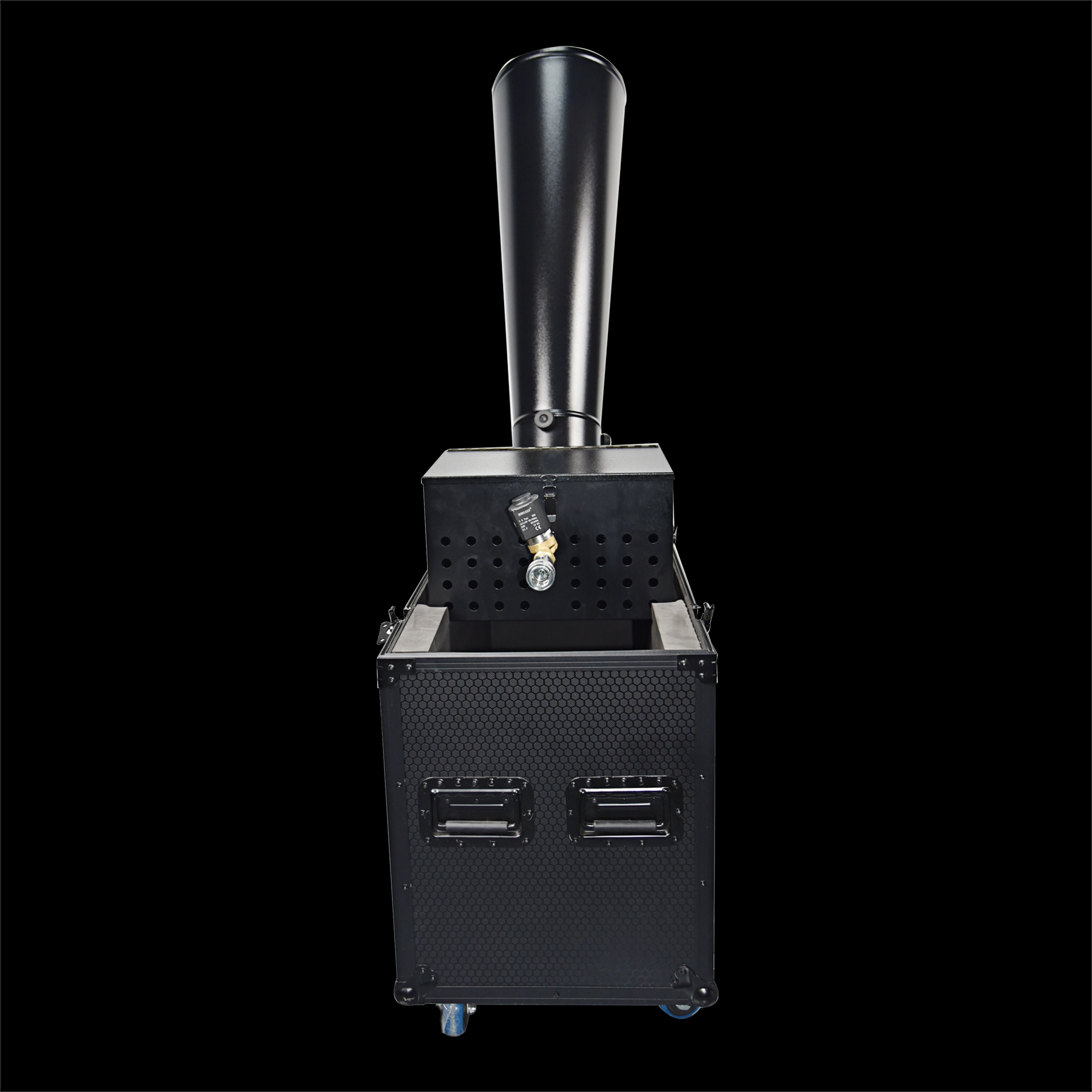
CO₂ Mini Rainbow Confetti Machine Manual Control with Durable Black Wheeled Flight Case
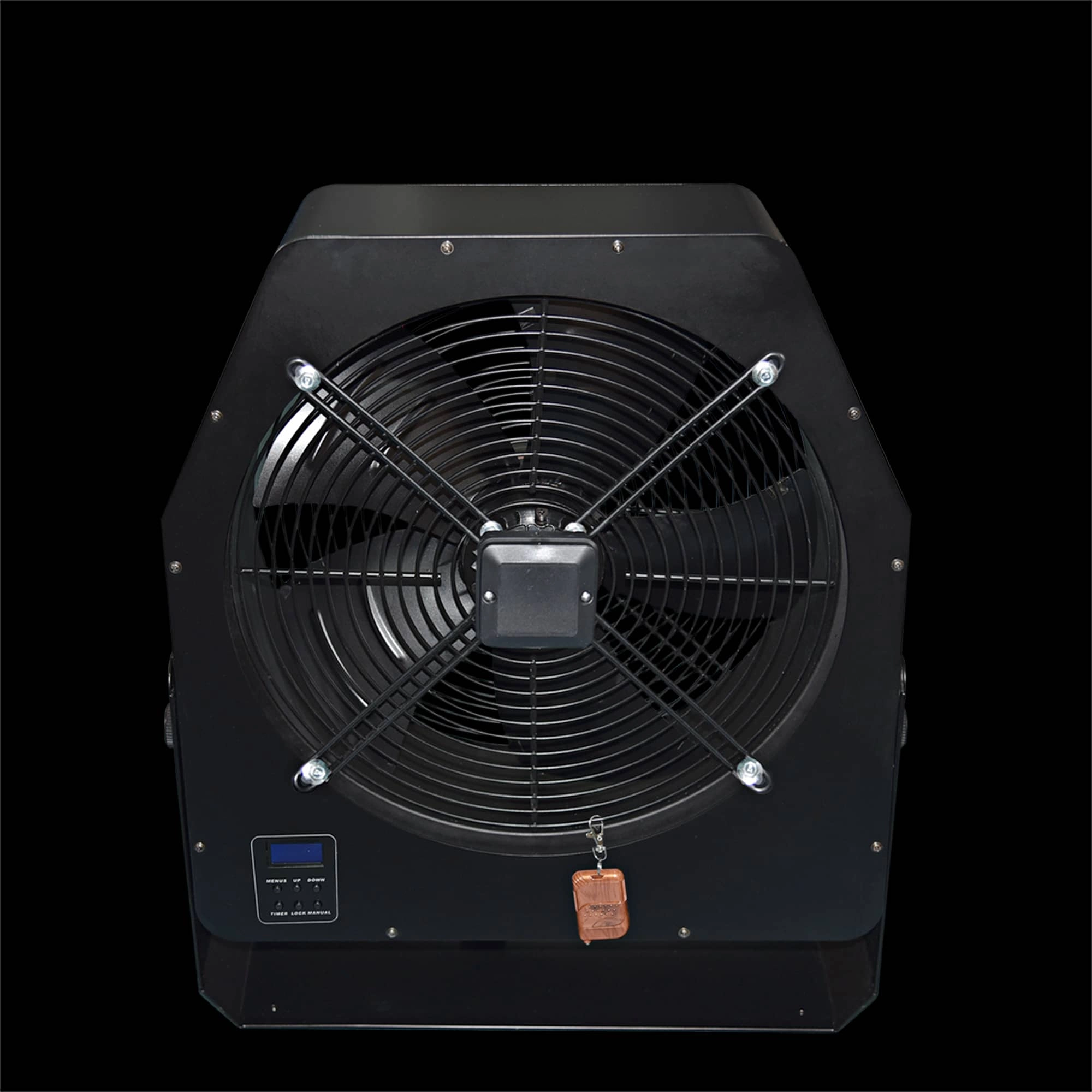
Professional Stage Big DMX Fan | High-Power Event Fan for Stage Shows & Celebrations
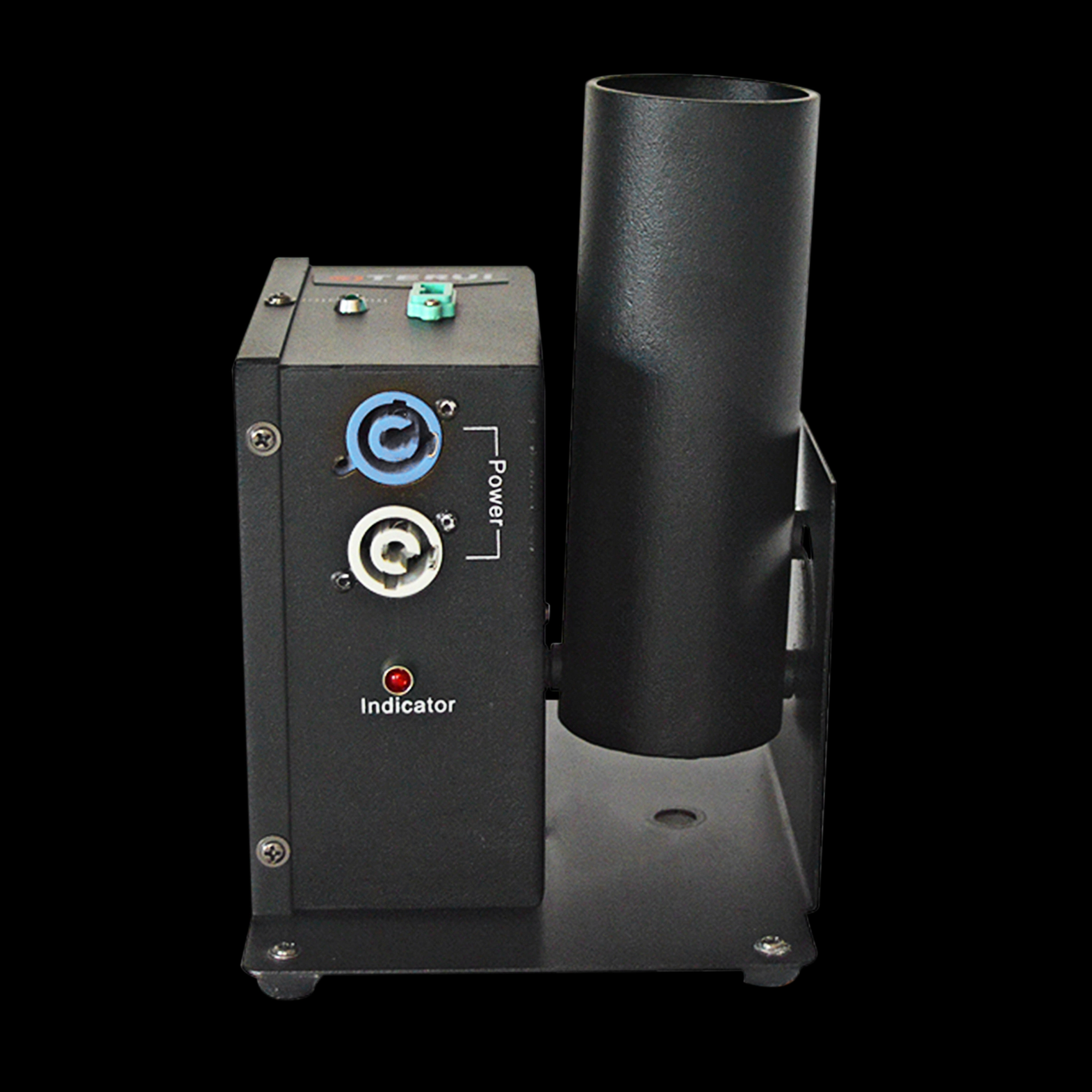
Single Shot Confetti Machine - Premium Confetti Launcher for Weddings & Stage Celebrations
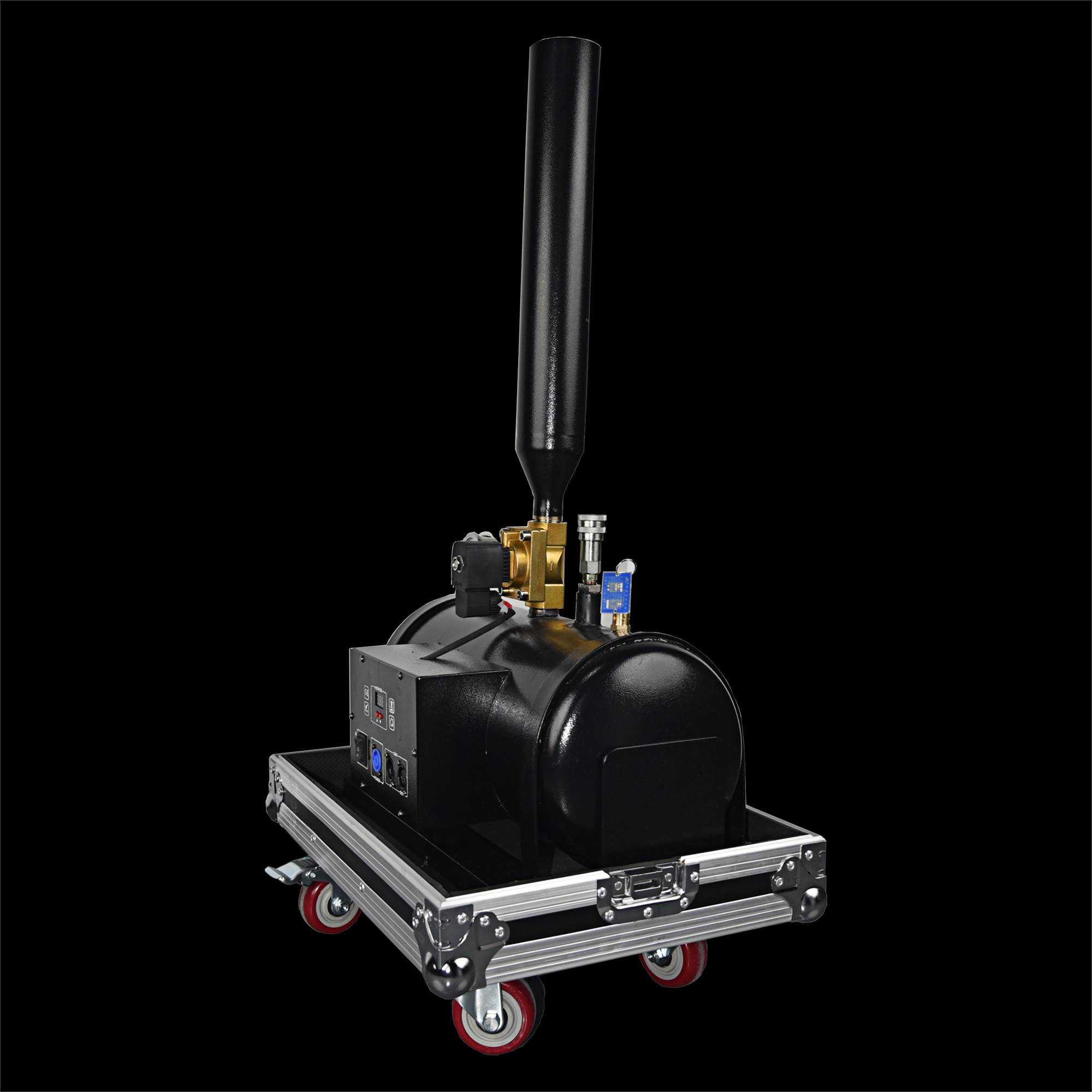
High-Altitude Confetti Cannon - Professional Confetti Blaster for Stage, Party & Celebration Events
Email: sales01@strlighting.com
WhatsApp: +86 189 2232 4800
© 2025 Siterui SFX All Rights Reserved.
 Scan QR Code
Whatsapp: +8618922324800
siteruisfx_stage_equipment
Siterui
SITERUI-SFX
STRlighting
@siterui.sfx