
Energy Efficient Fog Machines: Save Power and Costs
- Understanding Fog Effects and Their Energy Profiles
- What a fog machine is and how it creates fog
- Core components that affect energy use
- Typical power ranges and variables
- Design and Operational Strategies to Reduce Energy Use
- Choose the right technology: fluid type and machine topology
- Modern features that lower consumption
- Operational best practices: duty cycle, staging, and scheduling
- Energy and cost examples
- Maintenance, Fluid Selection and Venue Integration
- Regular maintenance improves efficiency
- Fog fluid choice: impact on energy and output
- Integrating fog systems with venue HVAC, detectors, and control
- Buying Guide and ROI for Energy Efficient Fog Machines
- How to read specs and what to prioritize
- Simple ROI calculation and an example case study
- Where to source professional-grade energy-efficient units
- Implementation Checklist and Best Practices
- Pre-purchase checklist
- Deployment checklist
- Monitoring and continuous improvement
- Frequently Asked Questions (FAQ)
- 1. Do fog machines use a lot of electricity?
- 2. Will a low-power fog machine produce the same effect as a high-power one?
- 3. How much can I save by switching to an energy-efficient model?
- 4. Are there maintenance steps that improve energy efficiency?
- 5. How should I coordinate fog use with a venue’s HVAC and fire detection systems?
- 6. Where can I buy professional energy-efficient fog machines and get custom solutions?
Energy-efficient fog machines can significantly lower venue operating costs while delivering the same dramatic effects audiences expect. This article explains how fog machines work, which components drive energy use, practical ways to reduce consumption (from equipment selection to operations and maintenance), and how to calculate real savings. It is written for technical buyers, venue managers, and production professionals seeking measurable reductions in energy use and total cost of ownership for fog effects.
Understanding Fog Effects and Their Energy Profiles
What a fog machine is and how it creates fog
Fog machines (also called smoke machines) produce a visible vapor used in theatrical, concert, and event environments. Most machines heat a specialized fluid (typically water mixed with glycol or glycerin) and force that vapor into the ambient air to create fog effects. For a technical overview, see the Wikipedia entry on fog machines for basic operating principles and historical development: Fog machine - Wikipedia.
Core components that affect energy use
Energy consumption is driven primarily by three components:
- Heater block/wattage: the element that vaporizes fluid—this is usually the largest single consumer of power.
- Pump and fluid delivery: small DC/AC pumps deliver fluid to the heater; their duty cycle affects average power draw.
- Control electronics and fans: microcontrollers, DMX interfaces, and fans for fog dispersal consume lower but continuous power.
Minor differences in system design (e.g., more efficient heater design, thermal insulation of the heater block, variable-power heaters) yield measurable operational savings.
Typical power ranges and variables
Commercial fog machines used in professional settings commonly range from about 400 W for small units to over 2,000 W for high-output models. Energy use changes with mode (continuous vs. pulse), warm-up time, and duty cycle. Manufacturers list power ratings in product specifications; compare those numbers rather than relying solely on marketing claims when estimating operating costs.
Design and Operational Strategies to Reduce Energy Use
Choose the right technology: fluid type and machine topology
Fog technology choices affect both effect quality and energy use. Water-based and glycol/glycerin-based fluids require heaters but differ in residue and vapor density. CO2 jets, dry-ice (carbon dioxide sublimation) machines, and cryogenic effects use entirely different energy profiles—CO2 jets use compressed gas and high-pressure hardware rather than electric heaters. Select technology based on effect requirements and the energy trade-offs of each method.
Modern features that lower consumption
Look for machines with energy-saving features: low-power heater elements with better thermal transfer, intelligent preheat/standby modes, PWM-driven pumps, and software-controlled pulse modes that deliver the same visible effect using less continuous energy. DMX or networked control lets you schedule devices to preheat only when needed, avoiding long idle-on periods.
Operational best practices: duty cycle, staging, and scheduling
Operational changes can yield immediate savings without new equipment:
- Reduce warm-up time by scheduling preheat only immediately before use; avoid leaving heaters on between acts.
- Use pulse mode or short bursts for rhythmic effects rather than continuous fog, which reduces average power draw and fluid consumption.
- Coordinate effects across multiple devices so some remain in standby while others handle output peaks.
Energy and cost examples
Electricity costs vary. The U.S. Energy Information Administration reports average retail electricity prices (residential and commercial) that can be used to estimate operating costs; see: U.S. EIA - Electricity Prices. The simple formula is:
Cost per hour = (Power in kW) × (Electricity price per kWh)
| Model type | Typical power (W) | kW | Cost/hour* (USD, at $0.1542/kWh) | Notes |
|---|---|---|---|---|
| Small low-power fog machine | 400 | 0.4 | ~$0.06 | Low output, suitable for small stages and clubs |
| Standard professional unit | 1200 | 1.2 | ~$0.19 | Common choice for medium to large venues |
| High-output professional unit | 2000 | 2.0 | ~$0.31 | Used for arena-sized effects |
| CO₂ Jet (electrically driven controls) | Variable (low electrical; high gas cost) | — | Gas cost varies | Different cost profile—electric draw is small but CO₂ gas costs apply |
*Cost calculation uses an example electricity price of $0.1542/kWh (U.S. average recent values). Replace with local utility rates for precise budgeting; source: EIA electricity prices.
Maintenance, Fluid Selection and Venue Integration
Regular maintenance improves efficiency
Regular cleaning and maintenance reduce warm-up times and avoid clogged nozzles that force higher heater duty cycles to achieve the same output. Recommended practices include routine flushing with manufacturer-recommended cleaning fluid, descaling where required, and scheduled inspection of heater elements and pumps. Document maintenance intervals and track fluid usage to detect inefficiencies early.
Fog fluid choice: impact on energy and output
Fog fluid viscosity and boiling characteristics affect how much energy is required to produce the same visible output. High-concentration glycol fluids may produce denser fog at the cost of more residue and potentially longer warm-up. Water-based, low-residue fluids can offer cleaner operation and sometimes lower energy per visible output because they vaporize more readily and reduce the need for repeated burst cycles to achieve density.
Integrating fog systems with venue HVAC, detectors, and control
Integrate effects control with venue HVAC and smoke detection strategies. Coordinate with facility engineers to avoid excessive HVAC operation during fog events—temporary adjustments to air handling can both preserve the effect and reduce unnecessary energy use. Also ensure compliance with local code and fire detection systems; many venues use preprogrammed sequences or detector masking strategies approved by local authorities to avoid nuisance alarms while maintaining safety.
Buying Guide and ROI for Energy Efficient Fog Machines
How to read specs and what to prioritize
When selecting a fog machine for energy efficiency, examine the specification sheet for:
- Rated power consumption (W)
- Warm-up time (minutes) and standby power
- Duty cycle and recommended continuous runtime
- Fluid consumption rate (ml/min or ml/shot)
- Control options (DMX, wireless, scheduling)
- Certifications and IP rating for specific venue conditions
Simple ROI calculation and an example case study
Example scenario: a venue runs fog effects 800 hours/year (200 events × 4 hours). Replace an old 1,600 W machine with a modern 800 W energy-efficient model.
| Metric | Old machine (1600 W) | New machine (800 W) |
|---|---|---|
| Power (kW) | 1.6 | 0.8 |
| Cost / hour @ $0.1542/kWh | $0.25 | $0.12 |
| Annual hours | 800 | |
| Annual electricity cost | $197.38 | $98.69 |
| Annual savings (electricity) | $98.69 | |
Additional savings come from reduced fluid consumption and maintenance (often 10–30% depending on usage patterns). Use local electricity prices and realistic event hours to refine the ROI. A small incremental capital cost for an efficient unit often pays back in 1–3 years for venues with regular fog usage.
Where to source professional-grade energy-efficient units
For professional, customizable, energy-efficient fog and haze solutions, consider specialized manufacturers who design both hardware and control systems for integration and low energy operation. One example is Siterui SFX, a manufacturer focused on professional stage special effects equipment and integrated solutions.
Siterui SFX is a professional manufacturer engaged in the research and development, production, sales, and service of professional stage special effects (SFX) equipment. With a highly skilled team and cutting-edge technology, we are committed to providing innovative, reliable, and high-performance SFX solutions for live events, theaters, concerts, film production, and entertainment venues worldwide.
At Siterui SFX, we understand that every stage, event, and creative concept is unique. That’s why we offer flexible customization services to meet your specific needs—whether it's branding, special functions, size adjustments, or complete system integration.
From custom casing and logo printing to wireless control systems and synced multi-device setups, our expert team works closely with you to design SFX solutions that align perfectly with your needs. Our commitment to quality and innovation ensures that our clients receive cutting-edge effects that enhance the visual and sensory experience of every performance.
We pride ourselves on exceptional customer service and continuous advancement, positioning Siterui as a trusted partner in the professional special effects industry. Learn more at https://www.siteruisfx.com/ or contact sales at sales01@strlighting.com.
Key Siterui SFX products include: spark machine, haze machine, CO₂ jet machine, bubble machine, snow machine, foam machine, confetti machine, fog machine, fire machine, and dry ice machine. Siterui offers customization, intelligent controls (DMX and wireless options), and robust service support for venue integrations.
Implementation Checklist and Best Practices
Pre-purchase checklist
- Define effect goals and required fog density/duration.
- Estimate annual operating hours and local electricity costs.
- Request measured power curves and fluid consumption data from vendors.
- Check compatibility with venue detection and HVAC systems.
Deployment checklist
- Program preheat windows and automated standby to minimize idle-on time.
- Schedule regular maintenance and document fluid batches to detect changes in efficiency.
- Train operators on pulse modes and energy-saving operational sequences.
Monitoring and continuous improvement
Track electricity consumption for fog equipment as part of your venue’s energy monitoring program. Collect baseline data for old equipment, and compare after upgrades. Over time, refine device scheduling, fluid choice, and control automation to maximize both effect quality and energy savings.
Frequently Asked Questions (FAQ)
1. Do fog machines use a lot of electricity?
Fog machines can use moderate amounts of electricity depending on size and mode. Typical professional units draw 400–2,000 W. Using pulse modes and modern low-power heaters can reduce average consumption considerably.
2. Will a low-power fog machine produce the same effect as a high-power one?
Not always. Low-power machines are optimized for smaller spaces or for pulsed usage. For arena-sized effects, higher-output units or synchronized multiple units may be required. Selecting the right technology depends on venue size and visual goals.
3. How much can I save by switching to an energy-efficient model?
Savings depend on usage. In an example scenario (800 hours/year), replacing a 1,600 W unit with an 800 W unit saved about $99/year in electricity at a $0.1542/kWh rate, plus additional savings from lower fluid and maintenance costs. Adjust calculations to your local rates and usage.
4. Are there maintenance steps that improve energy efficiency?
Yes. Regular cleaning, flushing, timely replacement of worn nozzles or pumps, and using manufacturer-approved fluids reduce warm-up times, lower the heater duty cycle, and maintain peak efficiency.
5. How should I coordinate fog use with a venue’s HVAC and fire detection systems?
Coordinate with facility engineers and local authorities. Use approved sequences, temporary HVAC adjustments, and detector zoning strategies where permitted. Always prioritize safety and conform to local codes and manufacturer guidance.
6. Where can I buy professional energy-efficient fog machines and get custom solutions?
Specialized manufacturers like Siterui SFX provide professional fog machines and integrated SFX solutions with customization and after-sales service. Visit Siterui SFX or contact sales01@strlighting.com for product details and custom quotes.
Ready to upgrade your fog effects while reducing power consumption and operating costs? Contact Siterui SFX for a consultation, custom design, or a product demonstration: https://www.siteruisfx.com/ | sales01@strlighting.com. Explore fog machines, haze machines, CO₂ jets, and full-stage SFX solutions designed for energy efficiency and reliability.
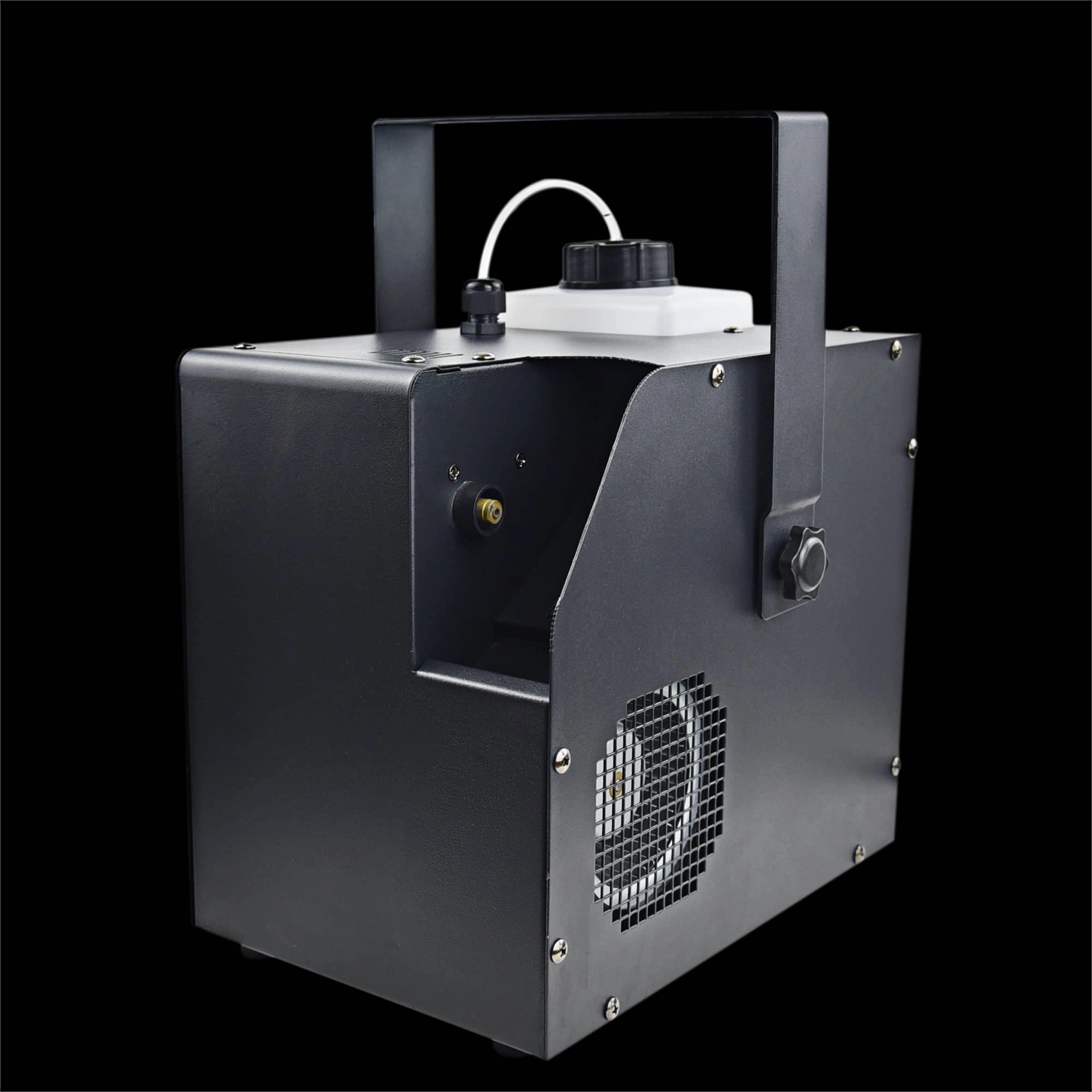
1200W Haze Machine DMX: Complete Buying Guide for Event Pros
What are the application scenarios of cold spark machine?
Integrating Cold Spark Machines with DMX and Show Control
Smoke machine accessories every tech should own
1200W Haze Machine
Is this machine suitable for outdoor use?
Yes, but avoid direct exposure to rain or extreme winds.
About us
Can Siterui handle large-scale projects?
Absolutely! Our expertise, equipment, and resources enable us to tackle complex orders.
CO2 Mini Rainbow Confetti Machine
What’s the shipping cost to [country]?
Costs vary by destination and method. We’ll provide a quote upon order confirmation.
1500W 24x3W LED fog machine
Can this machine be used outdoors?
Yes, but avoid extreme weather conditions to ensure longevity and performance.
Single-Head CO2 Jet Machine
What safety precautions are required for operation?
Ensure the nozzle is never directed at people/animals, and always verify gas connections before powering on.
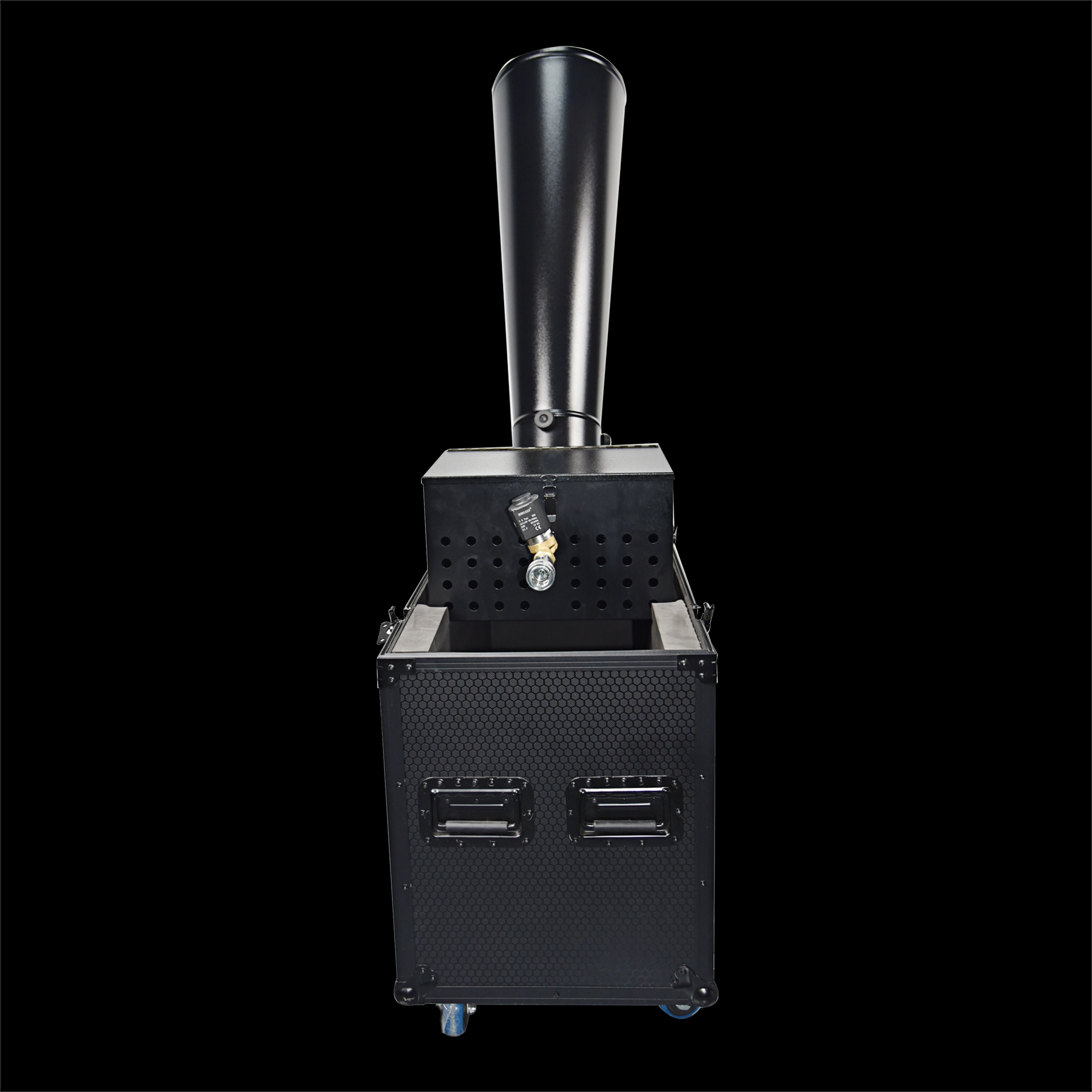
CO₂ Mini Rainbow Confetti Machine Manual Control with Durable Black Wheeled Flight Case
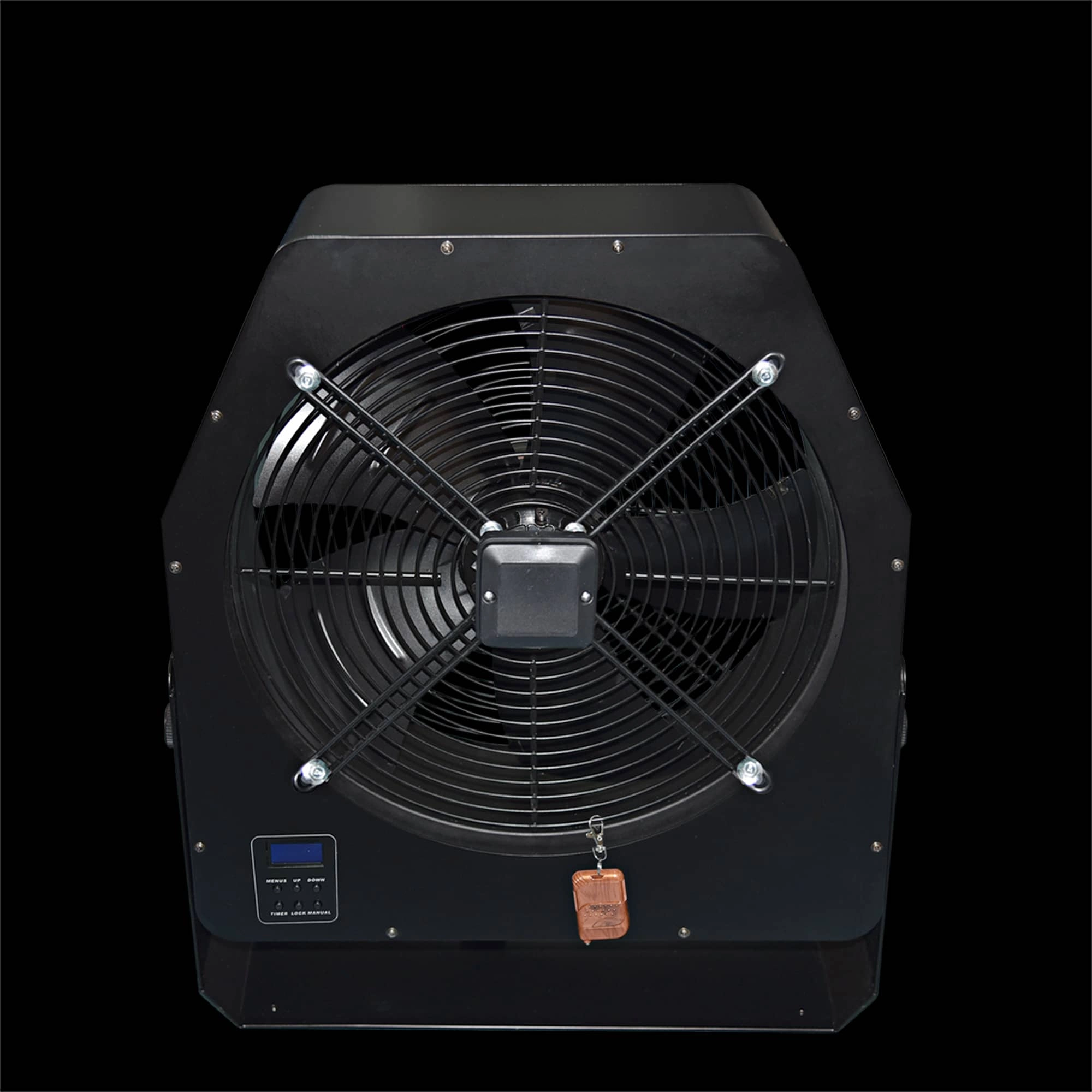
Professional Stage Big DMX Fan | High-Power Event Fan for Stage Shows & Celebrations
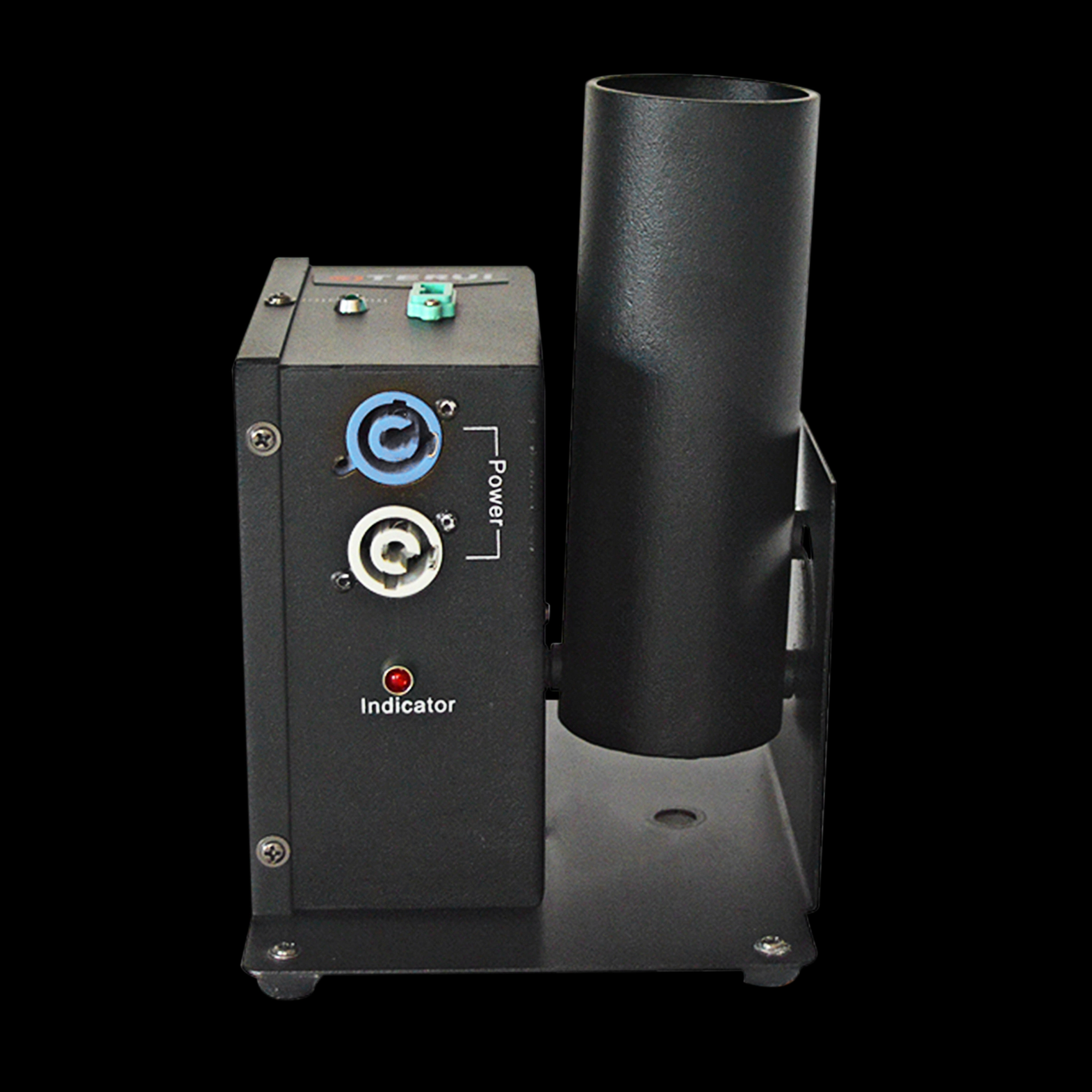
Single Shot Confetti Machine - Premium Confetti Launcher for Weddings & Stage Celebrations
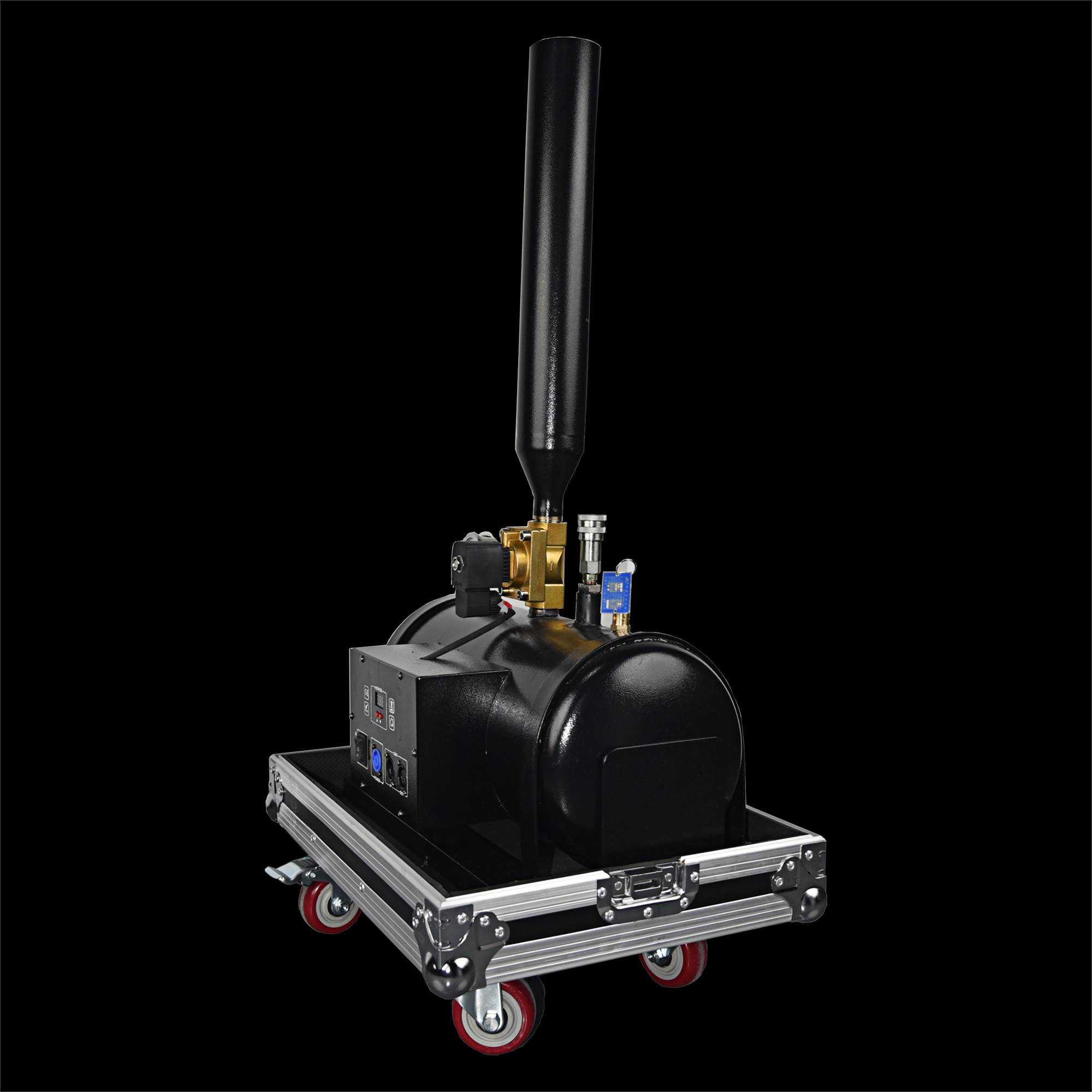
High-Altitude Confetti Cannon - Professional Confetti Blaster for Stage, Party & Celebration Events
Email: sales01@strlighting.com
WhatsApp: +86 189 2232 4800
© 2025 Siterui SFX All Rights Reserved.
 Scan QR Code
Whatsapp: +8618922324800
siteruisfx_stage_equipment
Siterui
SITERUI-SFX
STRlighting
@siterui.sfx