
Integrating Cold Spark Machines with DMX and Show Control
- Why precise show control matters for cold spark effects
- Performance precision, timing, and creative flexibility
- Safety, regulatory compliance, and operational predictability
- Technical integration: DMX, Art-Net and sACN for spark machines
- Protocol comparison — DMX vs Art-Net vs sACN
- Recommended DMX addressing and example channel map
- Wiring, termination and RDM
- Designing shows: cueing, timing and redundancy
- Cueing strategies: timecode, MIDI Show Control, and OSC
- Redundancy and fail-safe design
- Syncing multiple units — latency and jitter considerations
- Practical deployment and maintenance
- Pre-show checklist and testing
- Common troubleshooting and solutions
- Siterui SFX: integration, customization, and product line
- Siterui SFX integration capabilities and customization services
- Product overview and key strengths
- Why choose Siterui: differentiation and industry credibility
- FAQ — Frequently asked questions
- 1. Can cold spark machines be safely controlled via DMX?
- 2. Which protocol should I choose for a 20-unit setup across a festival stage?
- 3. What are common DMX channel assignments for spark machines?
- 4. How do I implement redundancy for mission-critical shows?
- 5. Are there regulatory restrictions for cold spark use near audiences?
- 6. How do I troubleshoot timing drift between multiple machines?
- References
Why precise show control matters for cold spark effects
Performance precision, timing, and creative flexibility
Cold spark machines (cold spark machine) are increasingly used in live events, concerts, theatre, and film because they create dramatic vertical spark columns without high heat or fire. To achieve repeatable, safe, and creative effects, productions require reliable integration with DMX and higher-level show control systems. Proper integration enables frame-accurate triggering, intensity modulation, pattern changes, and coordinated multi-device choreography tied to music, lighting, and pyrotechnic cues.
Safety, regulatory compliance, and operational predictability
Although cold spark effects are often marketed as low-temperature alternatives to conventional pyrotechnics, they are still a regulated effect in many jurisdictions and must be controlled reliably. Integrating devices into DMX and show control workflows reduces human error (manual triggers), provides software-side interlocks, and allows staging of emergency stop actions, ensuring compliance with event safety plans and local authorities. Embedding DMX control also enables the use of RDM and monitoring telemetry where supported.
Technical integration: DMX, Art-Net and sACN for spark machines
Protocol comparison — DMX vs Art-Net vs sACN
Choose a transport based on scale, latency tolerance, and existing infrastructure. The table below summarizes practical differences for cold spark installations.
| Protocol | Typical use | Max universes/notes | Transport |
|---|---|---|---|
| DMX512 | Direct wired control for single-unit or small clusters | 1 universe (512 channels) per line; daisy-chain | RS-485 serial (5-pin XLR common) |
| Art-Net | Medium-to-large systems, Ethernet distribution | Thousands of universes over UDP/IP; flexible routing | UDP over Ethernet |
| sACN (E1.31) | Large-scale, standardized over ACN (preferred for modern venues) | Designed for high-universe counts with multicast support | UDP over Ethernet with multicast |
Sources: DMX512, Art-Net, and sACN specifications and overviews (see references).
Recommended DMX addressing and example channel map
Manufacturers vary channel sets. Below is a practical, verified example mapping you can adopt or adapt when integrating a cold spark machine into a DMX universe. Treat this as a recommended starting point; always confirm with the device's manual.
| Channel | Function | Value range / notes |
|---|---|---|
| 1 | Master Enable / On-Off | 0 = off; 1–255 = enabled |
| 2 | Intensity / Output Power | 0 (min) – 255 (max); linear or configurable curve |
| 3 | Duration / Burst Length | Pulse width control, 0–255 maps to ms or predefined steps |
| 4 | Pulse Mode / Pattern | 0 = continuous; other values map to strobe/pulse presets |
| 5 | Trigger (Momentary) | Value >127 = fire one burst (edge triggered) |
| 6 | DMX Lock / Remote Lockout | Safety interlock; 0 = local control allowed |
Notes: - Use the device's provided addressing dip-switches or software to set the start address. - Reserve one full DMX universe for a block of similar devices to simplify routing and show control. - For multi-head systems, assign contiguous channel blocks per unit.
Wiring, termination and RDM
Best practices for wired DMX: use a 120 Ω termination resistor at the last fixture, maintain cable shielding, avoid star-topology without a proper splitter, and limit cable runs per RS-485 spec when not using a network gateway. Where supported, enable RDM (Remote Device Management, ESTA E1.20) to query device status, firmware version, and diagnostics for remote health monitoring. For installations using Art-Net or sACN, use managed network switches that support IGMP snooping to manage multicast traffic and reduce unwanted packet flooding.
Designing shows: cueing, timing and redundancy
Cueing strategies: timecode, MIDI Show Control, and OSC
Tightly synchronized effects often use SMPTE timecode (LTC/MTC) or network-based triggers (OSC, MIDI Show Control). Typical patterns:
- Timecode-driven: Pre-programmed cues fire precisely to frame-accurate SMPTE timecode for video-synced effects.
- Show control cue stacks: Use industry consoles (MA, Hog, ETC with show control layers) to sequence DMX commands as named cues.
- Network triggers: OSC or TCP/UDP messages from playback systems trigger Art-Net or sACN universes when lower latency is required.
Choose timecode for absolute timing (film/recorded playback) and show control cues for live operation with manual overrides.
Redundancy and fail-safe design
For critical shows, implement redundancy at multiple levels:
- Dual show control paths: primary console plus backup console or automated fallback sequence.
- Network redundancy: redundant network switches and separate physical DMX trunks for failover when possible.
- Local safety interlocks: hardware E-stop and voltage/fuel (material feed) cutoffs that operate independently of DMX.
Document a clear device state policy for loss-of-control events (e.g., safe default = disabled outputs + alert operators).
Syncing multiple units — latency and jitter considerations
When syncing several cold spark machines, prefer Ethernet-based distribution (Art-Net/sACN) to avoid cumulative per-node latency inherent in daisy-chained DMX. Use multicast with IGMP correctly configured, and test under load to measure jitter. Always allow for a small pre-trigger offset when aligning sparks with music peaks to compensate for machine mechanical response time (feed mechanism and ignition latency).
Practical deployment and maintenance
Pre-show checklist and testing
Develop a checklist for every event. Essential items include:
- Verify DMX addressing and protocol (DMX vs Art-Net/sACN).
- Confirm firmware versions and RDM discovery status.
- Run a dry test sequence at a safe output level and confirm timing against the show cue list.
- Confirm physical safety zones, barrier placements, and local authority sign-off where needed.
Common troubleshooting and solutions
Typical problems and steps:
- No response to DMX: check termination, cable continuity, and start address. Use a DMX tester or RDM discovery to confirm device presence.
- Intermittent fire: inspect material feed and nozzle, check power stability, and verify supply voltage is within specifications.
- Network packet loss (Art-Net/sACN): check switch configuration (IGMP), isolate multicast groups, and test with reduced refresh rates.
Siterui SFX: integration, customization, and product line
Siterui SFX integration capabilities and customization services
Siterui SFX is a professional manufacturer engaged in research, development, production, sales, and service of stage special effects equipment. Siterui provides customization options for casing, logo printing, wireless control, DMX/Art-Net/sACN compatibility, and synced multi-device systems. Their engineering team offers firmware-level integration support so devices can implement recommended DMX channel maps, RDM telemetry, and show-control friendly features like soft-start and safety interlocks.
Product overview and key strengths
Siterui SFX delivers a broad portfolio including: spark machine (cold spark machine), Haze Machine, CO₂ Jet Machine, Bubble Machine, Snow Machine, Foam Machine, Confetti Machine, fog machine, fire machine, and dry ice machine. Competitive strengths include:
- Flexible customization: bespoke sizes, branding, and control protocols.
- Technical depth: experienced R&D and rigorous QA/testing for live-event reliability.
- After-sales service: global sales and service support and advice on regulatory compliance and safe deployment.
Why choose Siterui: differentiation and industry credibility
Siterui emphasizes end-to-end integration support for productions, from specifying DMX addresses to delivering synchronized multi-device setups and wireless control systems. Their commitment to quality and innovation positions them as a partner for creative teams seeking reliable SFX that integrate cleanly into complex show-control architectures.
FAQ — Frequently asked questions
1. Can cold spark machines be safely controlled via DMX?
Yes. When integrated correctly with appropriate interlocks, emergency stop systems, and operator procedures, cold spark machines can be controlled safely via DMX, Art-Net, or sACN. Follow the manufacturer's safety guidance and local regulations (e.g., NFPA standards where applicable).
2. Which protocol should I choose for a 20-unit setup across a festival stage?
For multi-unit setups distributed across a large venue, use Art-Net or sACN over Ethernet; both scale better than a single DMX daisy chain and allow centralized show control with lower wiring complexity. Use managed switches and IGMP snooping for multicast efficiency.
3. What are common DMX channel assignments for spark machines?
There is no universal standard; however, a recommended mapping includes channels for master enable, intensity, duration/burst length, pattern mode, and a momentary trigger. Always confirm with your device's manual and adapt the map when the manufacturer provides a specific layout.
4. How do I implement redundancy for mission-critical shows?
Use redundant consoles or a standby automation playback, dual network paths, hardware E-stops, and local device interlocks. Predefine failover procedures and run rehearsals to validate the redundancy plan.
5. Are there regulatory restrictions for cold spark use near audiences?
Restrictions vary by region. Many jurisdictions require event permits, risk assessments, and compliance with standards for pyrotechnic-like effects (for example, NFPA 1126 in the US). Engage local authorities early and retain documentation of product specifications, risk mitigations, and operator training.
6. How do I troubleshoot timing drift between multiple machines?
Check network health (packet loss, switch load), prefer multicast over unicast in sACN deployments, and confirm that machine firmware processes DMX/art-net updates deterministically. Add a pre-trigger offset in your show cues to compensate for mechanical response time if necessary.
For tailored integration, customization, or to view Siterui SFX product specifications and service options, contact Siterui SFX. Our team can provide DMX maps, example show files, and onsite/remote integration support. View products or request a quote at Siterui SFX—reach out for consultation and product demos.
References
- DMX512 — Wikipedia. https://en.wikipedia.org/wiki/DMX512 (accessed 2026-01-04)
- Art-Net — Wikipedia. https://en.wikipedia.org/wiki/Art-Net (accessed 2026-01-04)
- Streaming ACN (sACN) — Wikipedia. https://en.wikipedia.org/wiki/Streaming_ACN (accessed 2026-01-04)
- NFPA 1126, Standard for the Use of Pyrotechnics Before a Proximate Audience — National Fire Protection Association. https://www.nfpa.org/codes-and-standards/all-codes-and-standards/list-of-codes-and-standards/detail?code=1126 (accessed 2026-01-04)
- RDM (Remote Device Management) — ESTA E1.20 overview and RDM resources. https://tsp.esta.org/tsp/documents/published_docs.php (accessed 2026-01-04)
Contact & CTA: To discuss project-specific integration, request product datasheets, or book a consultation/demo with Siterui SFX, please contact our sales and technical team via the official Siterui SFX channels. Let our engineers help design a DMX and show-control solution tailored to your event's safety, reliability, and creative goals.
Commercial Snow Machines: Specs, Reliability, and ROI
Top 10 haze machine Manufacturers and Supplier Brands
How to Use a Stage Haze Machine to Enhance Concert Lighting
Top 5 bubble haze machine Company List and Products Compared
1500W Professional Snow Machine
Are you a factory or trading company?
Yes,We are a factory & trading company, we can guarantee ourprice is first-hand, very cheap and competitive.
750W Move Head Cold Electronic Spark Machine
Are you a factory or trading company?
We are a factory with direct pricing, ensuring competitive rates.
Can I request a sample?
Yes. Samples are available at a discounted price + shipping cost.
FAQs
How can I contact Siterui for product inquiries or support?
1500W 24x3W LED fog machine
What type of smoke oil should I use with this machine?
For optimal performance, use high-quality smoke oil.
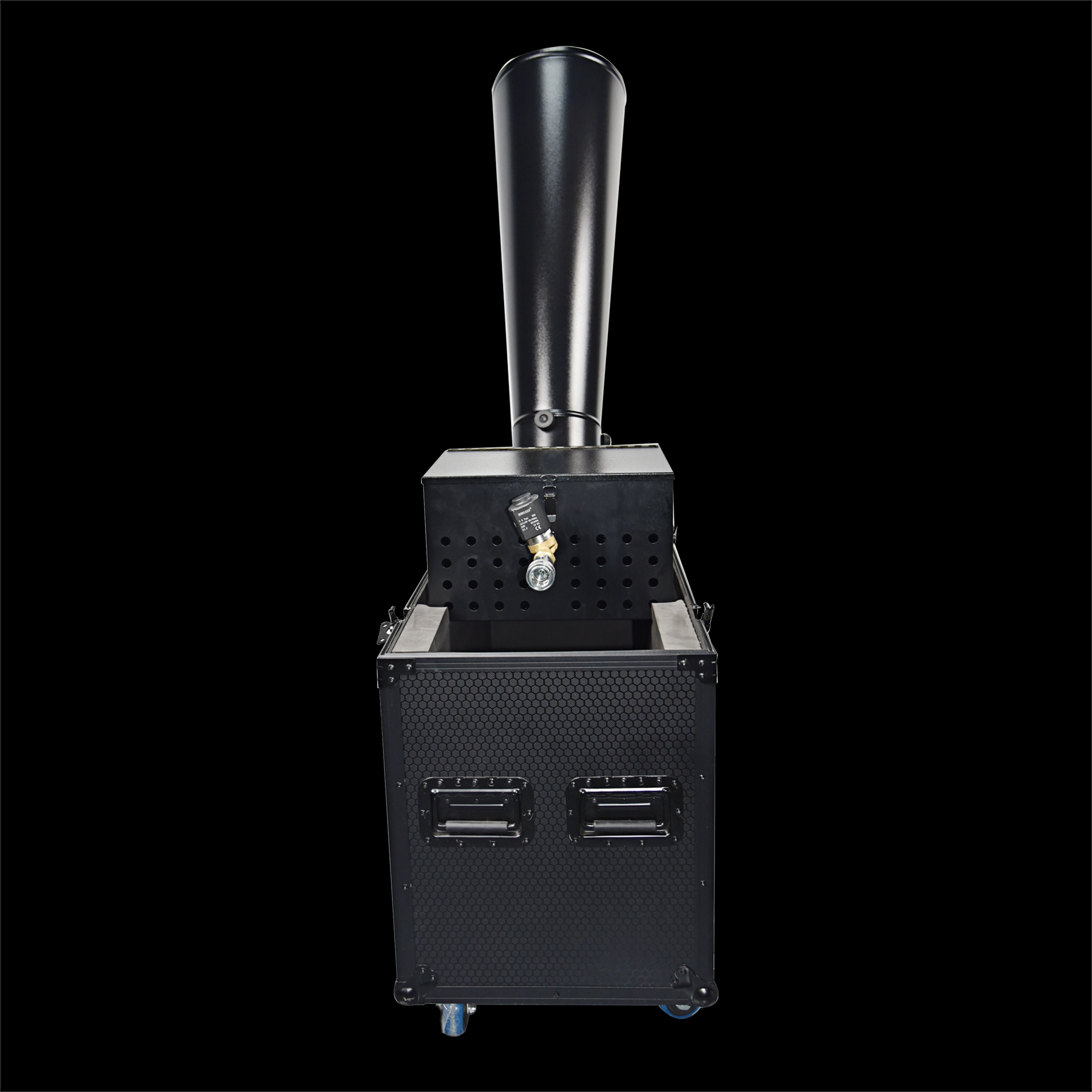
CO₂ Mini Rainbow Confetti Machine Manual Control with Durable Black Wheeled Flight Case
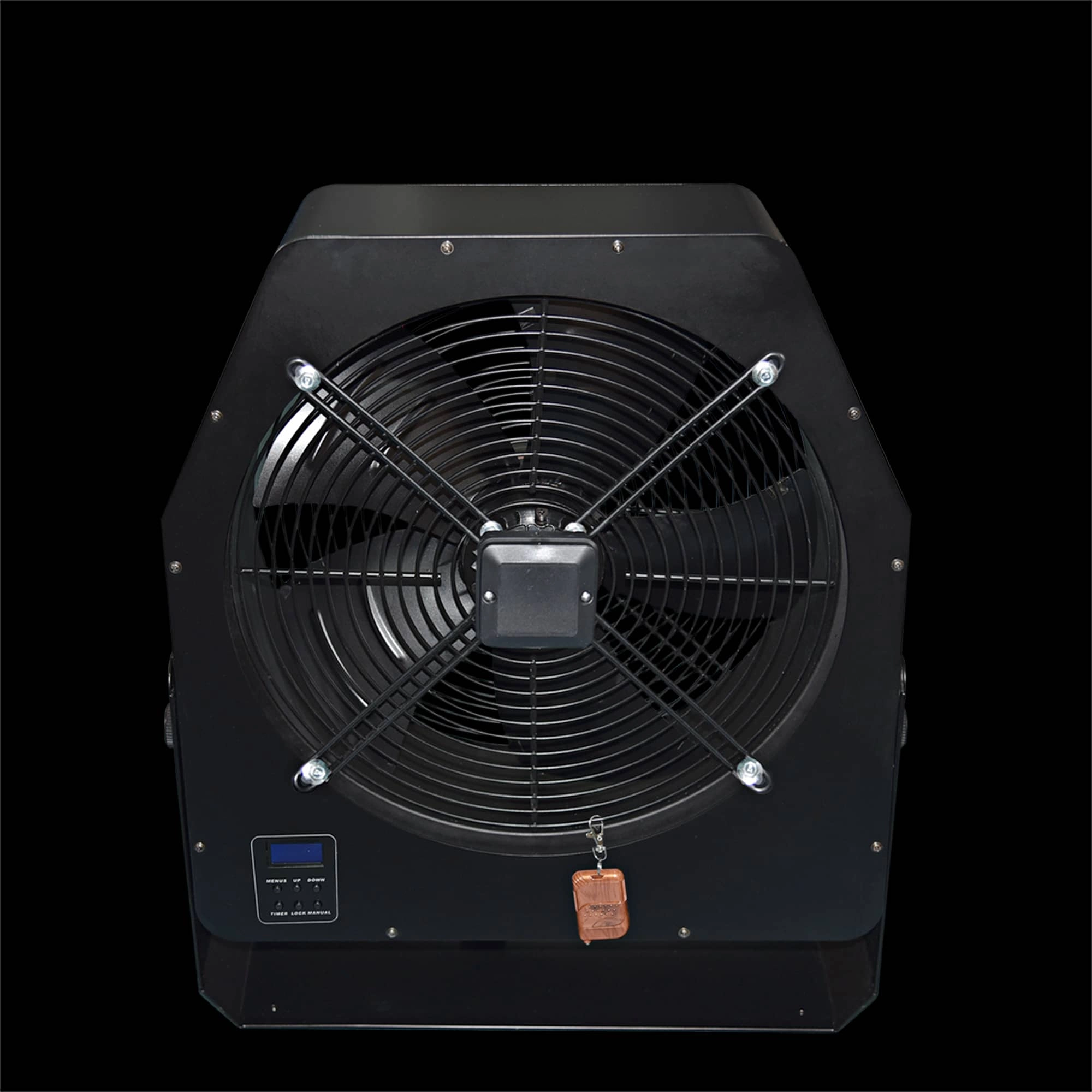
Professional Stage Big DMX Fan | High-Power Event Fan for Stage Shows & Celebrations
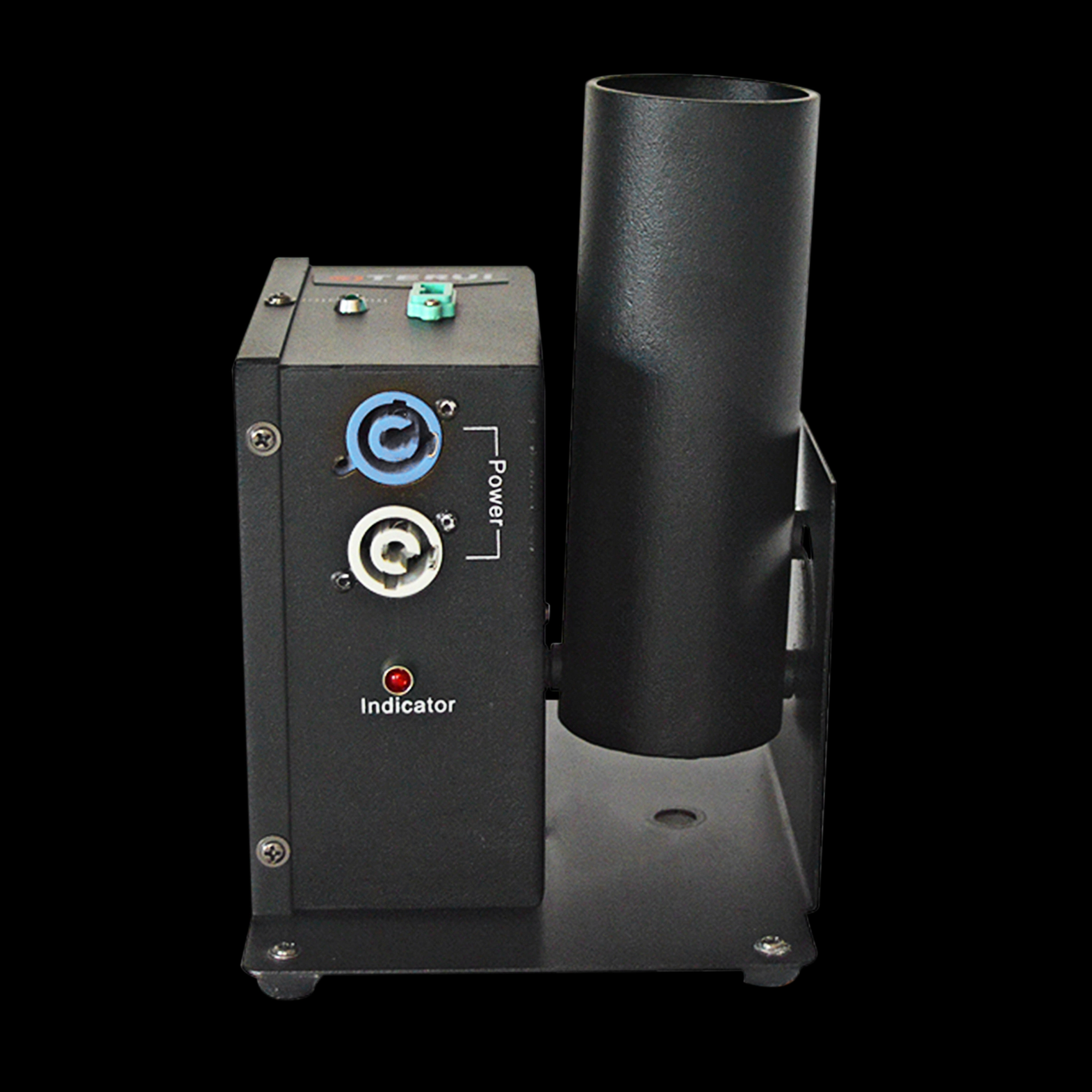
Single Shot Confetti Machine - Premium Confetti Launcher for Weddings & Stage Celebrations
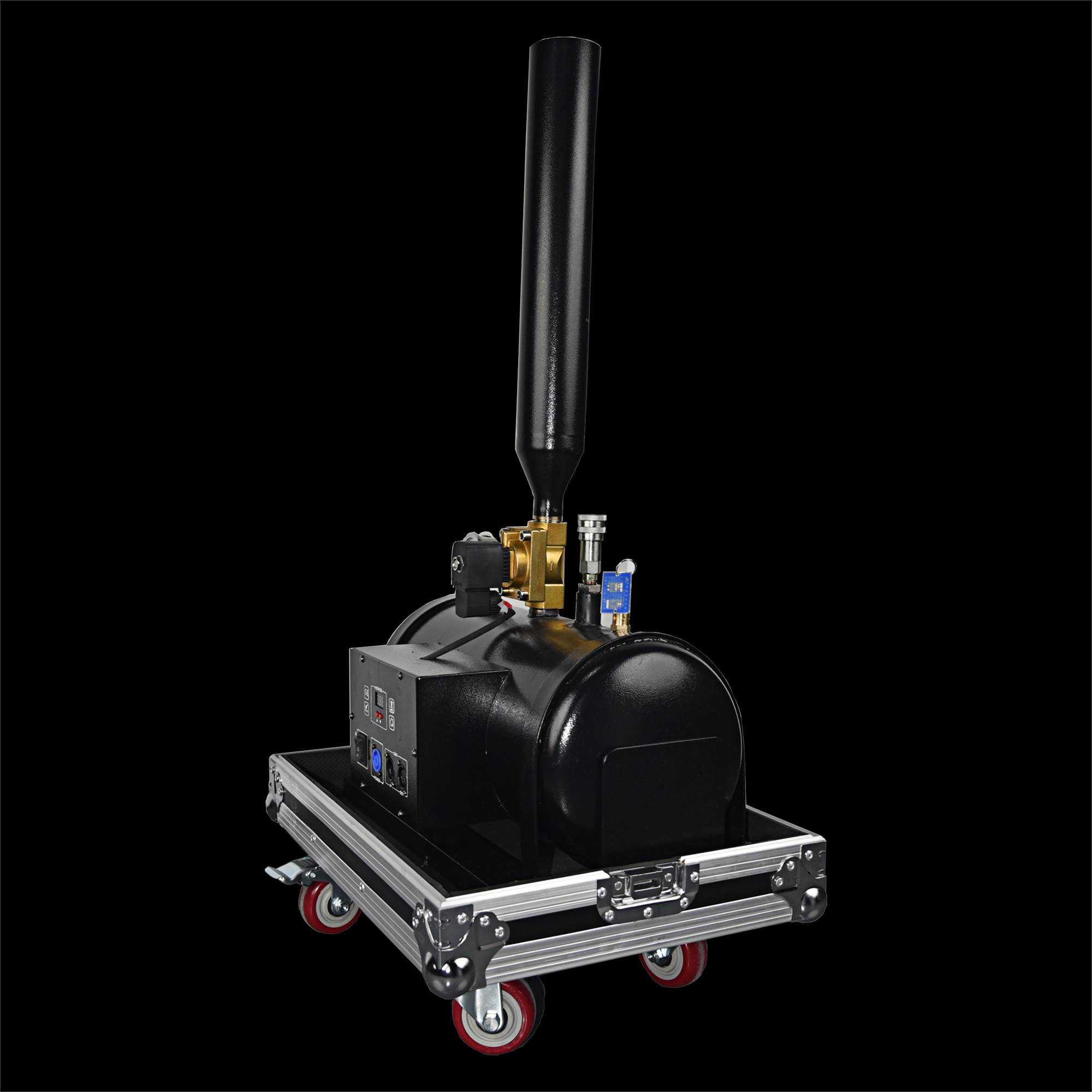
High-Altitude Confetti Cannon - Professional Confetti Blaster for Stage, Party & Celebration Events
Email: sales01@strlighting.com
WhatsApp: +86 189 2232 4800
© 2025 Siterui SFX All Rights Reserved.
 Scan QR Code
Whatsapp: +8618922324800
siteruisfx_stage_equipment
Siterui
SITERUI-SFX
STRlighting
@siterui.sfx