
Combining Fog and Lighting for Dramatic Effects
- Creating Atmosphere with a Fog Machine: The Art of Light and Air
- Understanding Fog Machine Types and Optical Effects
- Lighting Techniques That Work Best with a Fog Machine
- Practical Setup: Placing a Fog Machine with Stage Lighting
- Control, Timing, and Synchronization Between Fog Machine and Lighting
- Fog Machine Safety, Ventilation, and Air Quality Considerations
- Comparing Fog Machine, Haze Machine, and Dry Ice Options
- Choosing a Fog Machine for Your Venue: A Practical Buying Guide
- Siterui SFX: Professional Fog Machines and Integrated SFX Solutions
- Operational Checklist: Pre-Show Tests and Rehearsals with a Fog Machine
- FAQ — Frequently Asked Questions about Fog Machines and Lighting
- How safe is a fog machine for indoor venues and performers?
- Which fog machine type is best for visible light beams?
- Can fog machines trigger fire alarms, and how do I prevent it?
- How do I synchronize fog machine bursts with lighting cues?
- What maintenance does a fog machine require during a tour or long run?
- Is there a recommended fog fluid for minimizing residue and equipment wear?
- How do I choose between a single powerful fog machine or multiple smaller units?
- References
Creating Atmosphere with a Fog Machine: The Art of Light and Air
Combining a fog machine with thoughtful lighting transforms a flat stage into a three-dimensional, immersive environment. Whether you are producing a concert, theatrical performance, fashion show, or corporate experience, the intelligent use of fog enhances visible light beams, intensifies colors, masks transitions, and emphasizes motion. This article explains the physics, practical setup, control strategies, safety requirements, and product choices for achieving repeatable, dramatic effects using fog machines and lighting systems.
Understanding Fog Machine Types and Optical Effects
Not all fog is the same. Choosing the right fog machine and fluid fundamentally influences how light interacts with the airborne particles. Common categories include glycol/glycerin-based fog, water-based fog, dry-ice (CO₂) fog, and theatrical haze. Each produces particles with different sizes, densities, and residence times in the air, which in turn affect scattering, beam definition, and visibility.
- Glycol/glycerin fog machines: Produce dense, cloud-like plumes good for short, dramatic bursts and local obscuration.
- Water-based fog: Cleaner and often chosen for indoor use where residue and odor are concerns; can produce broad coverage or shorter bursts depending on the unit.
- Dry-ice/CO₂ fog: Creates low-lying fog that hugs the stage floor, ideal for moody scenes and choreography.
- Haze machines: Produce very fine, evenly distributed particles to reveal continuous light beams without obscuring visibility.
From an optics perspective, light interacting with fog/haze is primarily governed by scattering (Mie and geometric scattering for particle sizes comparable to the wavelength of visible light). Larger droplets create bright, well-defined beams and visible columns; finer aerosols produce soft shafts and diffuse ambience (see Mie scattering for details).
Lighting Techniques That Work Best with a Fog Machine
Design choices in lighting—angle, intensity, color, focus, and movement—determine how dramatically fog will render. Here are proven techniques to maximize visual impact when using a fog machine.
- Backlighting and side lighting: Place strong units behind or to the side of performers to create distinct light columns and silhouettes;
- Gobos and texturing: Use patterned gobos in combination with fog to project visible texture in midair;
- Narrow-beam fixtures (spot/beam lights): These generate tight columns that the fog will trace cleanly, ideal for concert looks;
- Soft wash fixtures with haze: A low-density haze uniformly reveals washes and color blending without reducing sightlines;
- Dynamic color shifts: Color changes are more readable in fog—saturations appear deeper, and transitions show layered depth.
Experimenting with the relative intensity of fixture groups (front, back, side) while varying fog density is the fastest route to a distinctive signature look.
Practical Setup: Placing a Fog Machine with Stage Lighting
Placement of the fog machine affects coverage, dissipation, and the relationship between smoke volume and lights. Consider these operational tips when integrating a fog machine into a rig:
- Elevation and direction: Elevated units near the upstage area create beams that sweep toward the audience; floor units yield low-lying or on-stage fog when combined with low airflow;
- Airflow management: Use quiet fans or stage HVAC control to shape fog flow—small, consistent airflow produces sustained beams, while stronger currents disperse fog quickly;
- Multiple units: For large venues, distribute multiple fog machines (DMX-synced if possible) to achieve even coverage and avoid hotspots;
- Fluid storage and piping: For long shows, plan for fluid reservoirs or remote feed systems to avoid downtime;
- Accessibility and service: Position units for safe refill and maintenance without impacting performers or sightlines.
Control, Timing, and Synchronization Between Fog Machine and Lighting
Professional results depend on precise timing and synchronized control. DMX512 and modern lighting consoles support fog machine control channels, allowing cues to trigger fog bursts, adjust intensity, and coordinate with moving lights. Key considerations:
- DMX or wireless control: Choose devices with DMX or wireless control packs for cue integration; some manufacturers offer Art-Net/sACN options for complex networks;
- Preheat and duty cycles: Understand warm-up times and recommended duty cycles to prevent missed cues; integrate preheat and cool-down cues into your cue list;
- Cue timing: Anticipate diffusion time—fog density peaks a few seconds after emission—so trigger fog slightly earlier for exact sync with lighting effects;
- Automated sequences: For festivals and touring productions, programmable sequences triggered by show control systems ensure consistent looks night after night.
Fog Machine Safety, Ventilation, and Air Quality Considerations
Safety and audience comfort are paramount. Proper planning reduces respiratory complaints, prevents slippery surfaces, and maintains compliance with venue regulations. Follow these guidelines:
- Check fluid compatibility: Only use manufacturer-recommended fluids; mixing types can cause clogs or residues;
- Ventilation planning: Ensure venue ventilation can clear fog to acceptable levels between cues—coordinate with HVAC staff;
- Health guidance: Consider local occupational and public-health guidance (consult HSE/NIOSH resources for exposure recommendations) and accommodate performers with respiratory conditions;
- Fire systems: If the venue has smoke detectors, consult fire authorities about detector zoning, temporary masking, or alternate control procedures; never disable life-safety systems without formal authorization;
- Environmental residues: Water-based fluids often minimize residue; test in advance for effects on instruments and scenic elements.
Comparing Fog Machine, Haze Machine, and Dry Ice Options
Use the following comparative overview when deciding which equipment suits your creative and operational needs. The table is qualitative—intended to guide decisions rather than replace field tests.
| Effect Type | Visual Character | Duration / Coverage | Best for | Operational Notes |
|---|---|---|---|---|
| Fog machine | Dense clouds and localized plumes | Short to medium bursts; high local density | Dramatic bursts, scene transitions, low-lying fog with chillers | Higher fluid consumption; requires warm-up; choose fluid for indoor use |
| Haze machine | Fine, even particulate veil; continuous beams | Long-lasting, uniform coverage with low volume | Concert beams, continuous atmosphere, lighting shows | Low visibility impact; lower maintenance; ideal for extended runs |
| Dry-ice / CO₂ fog | Low-lying, dense floor fog | Short-lived near the surface; dissipates upward slowly | Mood scenes, theatrical illusions, camera-friendly low fog | Requires handling of dry ice/CO₂; special equipment and ventilation |
Choosing a Fog Machine for Your Venue: A Practical Buying Guide
When selecting a fog machine, weigh the following features against your creative brief and operational constraints:
- Output capacity (m³/min or relative scale): Higher output for large venues;
- Fluid type compatibility: Confirm recommended fluids and residue characteristics;
- Control options: DMX, analog, wireless, or timer control for integration flexibility;
- Duty cycle and maintenance: Continuous-run vs intermittent units, and ease of service;
- Noise and footprint: Consider audience proximity—fan and pump noise can be disruptive;
- Safety certifications: CE, UL or other regional certifications demonstrate compliance with electrical and safety standards.
Siterui SFX: Professional Fog Machines and Integrated SFX Solutions
Siterui SFX is a professional manufacturer engaged in the research and development, production, sales, and service of professional stage special effects (SFX) equipment. With a highly skilled team and cutting-edge technology, Siterui offers innovative, reliable, and high-performance SFX solutions for live events, theaters, concerts, film production, and entertainment venues worldwide. Their offering includes spark machines, haze machines, CO₂ jet machines, bubble machines, snow machines, foam machines, confetti machines, fog machines, fire machines, and dry ice machines.
Key advantages of Siterui SFX:
- Customization: Flexible options from custom casing and logo printing to wireless control and multi-device synchronization;
- Integration: Systems engineered for DMX, Art-Net, and show-control interoperability to ensure consistent performance across venues;
- Quality and innovation: Continuous R&D and quality control to meet demanding tour and theatrical schedules;
- Service and support: End-to-end assistance from system design to after-sales service, reducing downtime and simplifying logistics.
For productions that require repeatable looks and robust service levels, Siterui SFX’s product range and technical support make them a competitive partner. Their fog machines are designed for professional duty cycles, offer multiple control modes, and are compatible with a range of theatrical and touring fluids, enabling creative teams to achieve both dramatic bursts and subtle atmospheric haze as required.
Operational Checklist: Pre-Show Tests and Rehearsals with a Fog Machine
Before showtime, run a checklist to ensure consistent effects and safety:
- Fluid test: Verify type and batch of fluid in each unit; test for odor and residue;
- Cue rehearsal: Run fog and lighting cues at performance intensity to confirm visuals and dissipation times;
- Detector and HVAC coordination: Confirm detector zoning strategy and HVAC adjustments with venue engineers;
- Performer briefing: Inform performers of fog cues and possible floor residue; ensure costume and prop compatibility;
- Emergency plan: Establish procedures to clear fog quickly if needed (ventilation boost, fans, or halting emissions).
FAQ — Frequently Asked Questions about Fog Machines and Lighting
How safe is a fog machine for indoor venues and performers?
Fog machines are safe when used with manufacturer-approved fluids, appropriate ventilation, and adherence to venue regulations. Test fluids ahead of time and monitor performer comfort. Consult local occupational-health guidance for specific exposure limits if you have concerns.
Which fog machine type is best for visible light beams?
Haze machines (fine particulate output) are ideal for continuous, even beams, while fog machines create denser, shorter-lived plumes that emphasize contrast and silhouette. The choice depends on whether you want sustained beams or dramatic bursts.
Can fog machines trigger fire alarms, and how do I prevent it?
Yes, fog and smoke can trigger detectors. Coordinate with venue fire authorities before shows. Solutions include detector zoning, temporary alarm masking (with approval), alternative staging of detectors, or using low-output haze that reduces false alarms. Never disable life-safety systems without formal authorization.
How do I synchronize fog machine bursts with lighting cues?
Use DMX control channels or show-control systems to trigger fog machine outputs as part of lighting cues. Account for the emission-to-peak delay—trigger a few seconds earlier when precise timing is required.
What maintenance does a fog machine require during a tour or long run?
Regularly clean fluid lines and nozzles, use recommended fluids, monitor heaters and pumps, and follow the manufacturer’s duty-cycle guidelines. Keep spare parts (nozzles, pumps) and fluids on hand for quick swaps.
Is there a recommended fog fluid for minimizing residue and equipment wear?
Water-based fluids generally leave less residue than heavier glycol-based fluids. However, compatibility varies by unit—always consult your fog machine’s specifications and test before large-scale deployment.
How do I choose between a single powerful fog machine or multiple smaller units?
Multiple distributed units provide more even coverage and redundancy (a failure is less catastrophic), while a single powerful unit can be more cost-effective for small venues. For large stages and touring setups, distributed, DMX-synced units are preferred.
If you’d like to discuss specific project requirements, test a demo, or review Siterui SFX’s product range (fog machine, haze, CO₂ jets, spark machines, etc.), contact our team for a customized proposal and technical consultation. View products and request a quote at Siterui SFX—our experts will help design a solution tailored to your production needs.
References
- Fog machine — Wikipedia. https://en.wikipedia.org/wiki/Fog_machine (accessed 2025-12-09)
- Haze machine — Wikipedia. https://en.wikipedia.org/wiki/Haze_machine (accessed 2025-12-09)
- Mie scattering — Wikipedia. https://en.wikipedia.org/wiki/Mie_scattering (accessed 2025-12-09)
- Stage lighting — Wikipedia. https://en.wikipedia.org/wiki/Stage_lighting (accessed 2025-12-09)
- Health and Safety Executive (HSE) — Guidance on theatrical fog and smoke. https://www.hse.gov.uk/entertainment/fog.htm (accessed 2025-12-09)
Commercial Snow Machines: Specs, Reliability, and ROI
Safety Regulations and Compliance for Stage Fogging Machines
The Best Haze Machines for Film & Theater in 2026 (Quiet & DMX Ready)
Budget Fog Machines That Deliver Big Results
FAQs
What distinguishes Siterui’s products from others in the market?
large 300W Silver Iron Case Bubble Machine
How could l get a sample?
if you can not buy our product in your local area, we will ship a sample to you.You will be charged a sample priceplus all related shipping costs.Express delivery charge depends on the quantity of the samples.
660 Dual Haze machine
How long is the warranty period?
This product comes with a 1-year warranty, excluding damages caused by human factors.
About us
Does Siterui operate globally?
Yes! Our international team serves clients across regions with localized support.
3000W fog machine
Are you a factory or trading company?
Yes,We are a factory & trading company, we can guarantee our price is first-hand, very cheap and competitive.
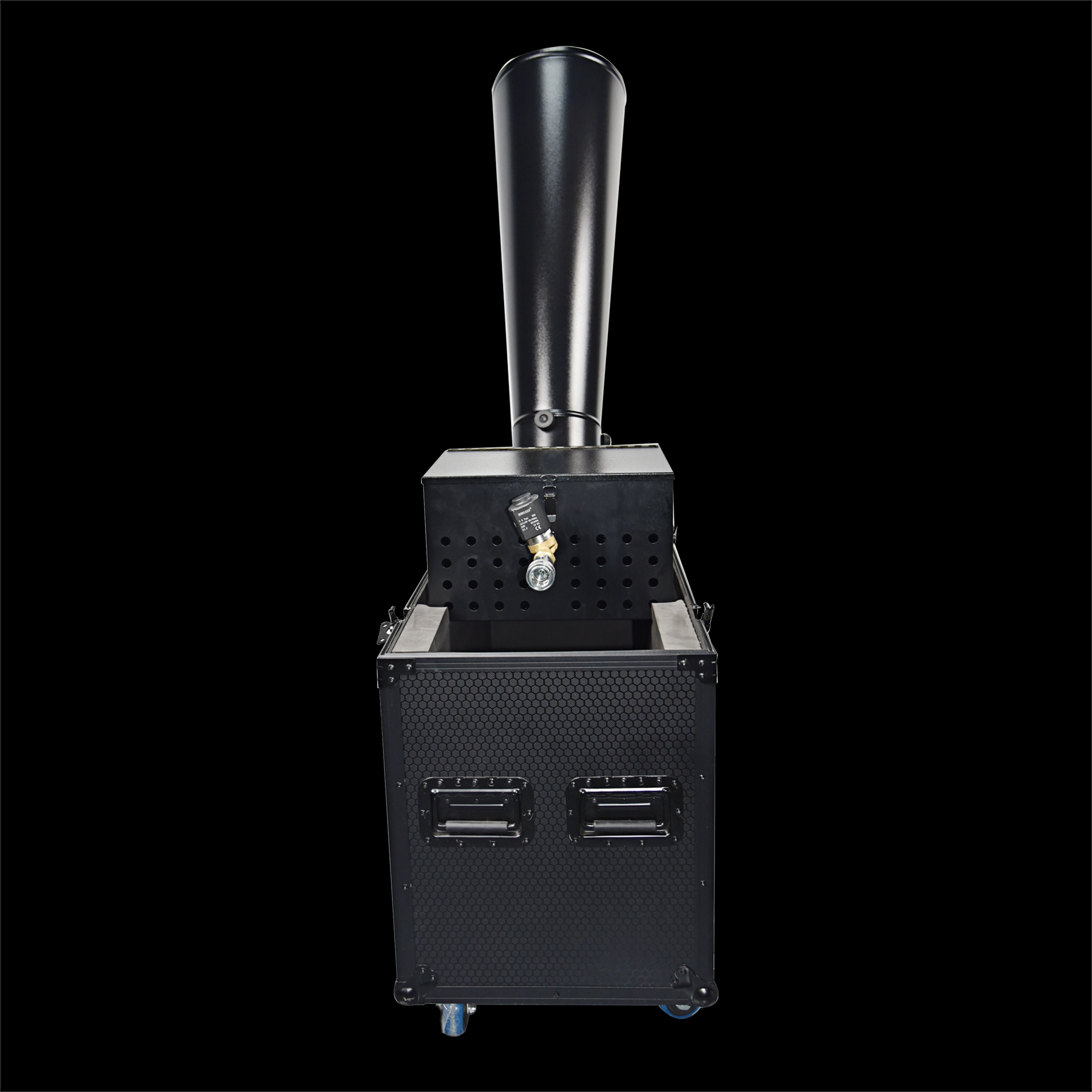
CO₂ Mini Rainbow Confetti Machine Manual Control with Durable Black Wheeled Flight Case
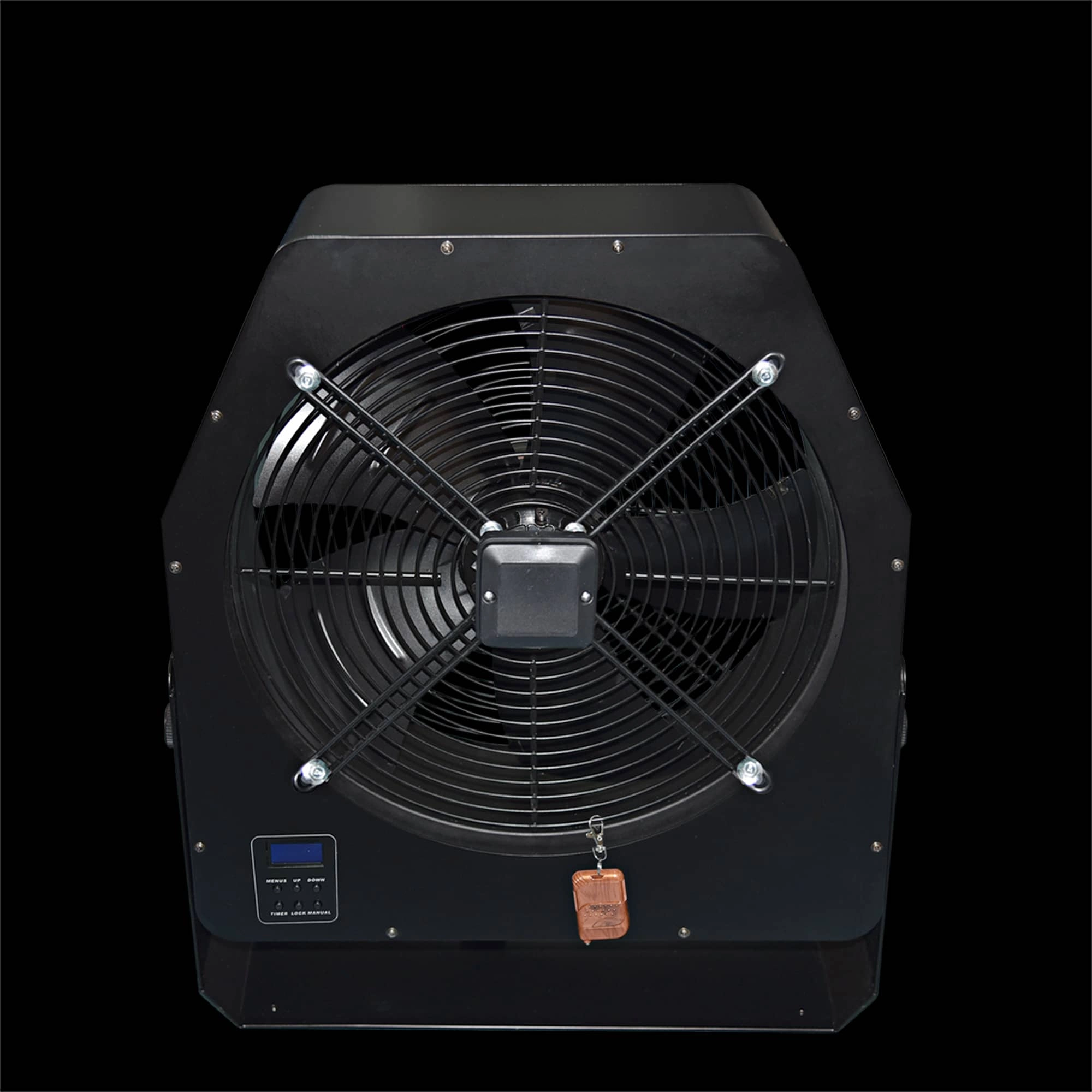
Professional Stage Big DMX Fan | High-Power Event Fan for Stage Shows & Celebrations
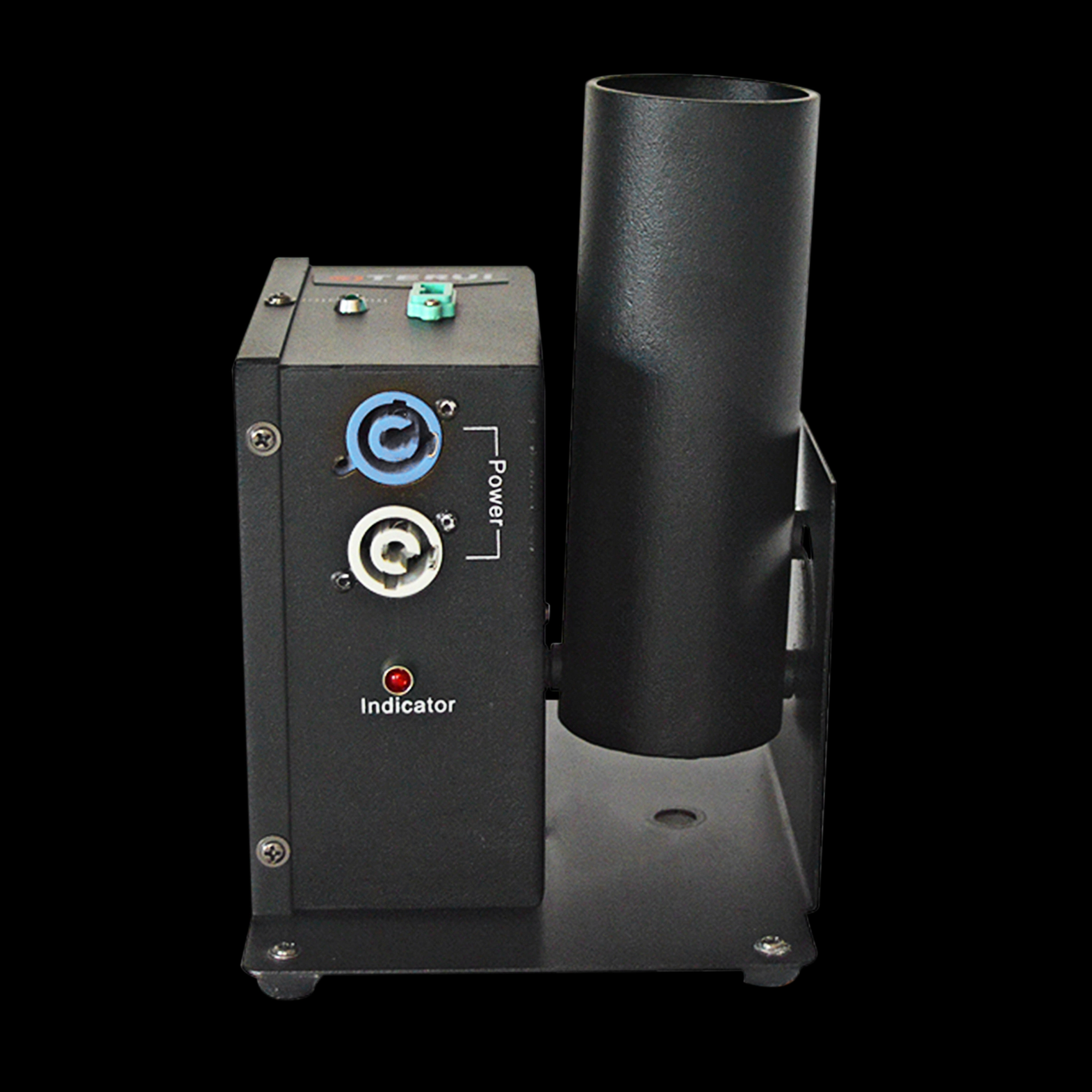
Single Shot Confetti Machine - Premium Confetti Launcher for Weddings & Stage Celebrations
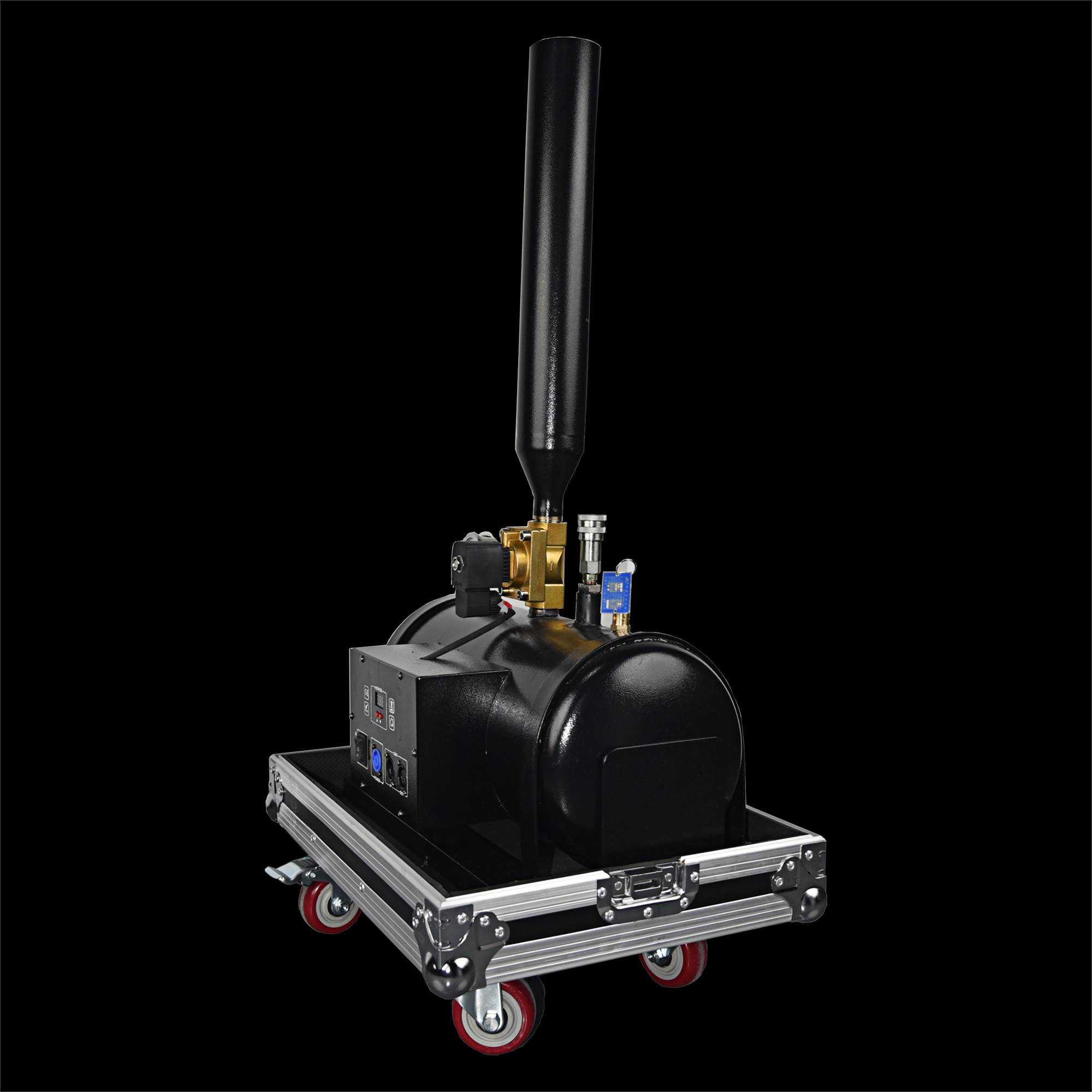
High-Altitude Confetti Cannon - Professional Confetti Blaster for Stage, Party & Celebration Events
Email: sales01@strlighting.com
WhatsApp: +86 189 2232 4800
© 2025 Siterui SFX All Rights Reserved.
 Scan QR Code
Whatsapp: +8618922324800
siteruisfx_stage_equipment
Siterui
SITERUI-SFX
STRlighting
@siterui.sfx