
Integrating hazers with lighting design
- Why atmospheric effects matter on stage
- Hazer impact on visibility, mood, and beam definition — keyword: hazer
- Types of hazers and how they affect lighting choices
- Understanding haze fluid technologies — keyword: haze machine
- How particle behavior influences beam rendering
- Particle size, scattering, and visual clarity — keyword: stage hazer
- Placement and airflow: practical rules for effective integration
- Where to position hazers for even coverage — keyword: haze machine placement
- Control systems: DMX, RDM, and wireless options
- Integrating hazers into lighting control — keyword: hazer DMX control
- Programming techniques to maximize visual impact
- Sculpting beams, transitions, and cue timing — keyword: lighting design hazer
- Safety, health, and venue compliance
- Regulatory and respiratory considerations — keyword: hazer safety
- Comparing hazers, foggers, and other atmospheric tools
- Choosing the right tool for the visual goal — keyword: fog vs haze
- Troubleshooting common integration problems
- Resolving uneven haze, clogging, and control lag — keyword: hazer troubleshooting
- Specifying hazers for rental, theatre, and touring
- Choosing capacity, footprint, and reliability — keyword: buy haze machine
- Siterui SFX: professional SFX partner and hazer solutions
- Siterui SFX capabilities and product offerings — keyword: Siterui SFX hazer
- How Siterui SFX stands out in hazer technology
- Technical differentiators and industry reputation — keyword: buy hazer Siterui
- Case study suggestions and practical deployment checklist
- Checklist for integrating hazers into a show — keyword: haze machine hire
- FAQs
- 1. What is the difference between a hazer and a fog machine?
- 2. How do I control haze density from a lighting desk?
- 3. Are haze fluids safe for audiences and performers?
- 4. How many hazers do I need for a typical theatre or concert?
- 5. Can haze machines be used outdoors?
- 6. What maintenance do hazers require?
- Contact and product inquiry
- Request a quote or technical consultation — keyword: Siterui SFX contact
- References and further reading
Why atmospheric effects matter on stage
Hazer impact on visibility, mood, and beam definition — keyword: hazer
Atmospheric effects such as haze are often overlooked by those new to production, but they are a cornerstone of modern lighting design. A hazer increases the visibility of light beams, adds depth to visuals, and creates texture without obscuring performers. For lighting designers, a properly specified and integrated hazer can transform a flat wash into a dynamic, three-dimensional stage picture.
Types of hazers and how they affect lighting choices
Understanding haze fluid technologies — keyword: haze machine
There are two primary haze technologies used in professional productions: water-based (glycol or glycerin) haze and oil-based haze. Water-based haze is the industry standard for most theatres and indoor concerts because it disperses evenly and tends to settle more slowly. Oil-based hazers generate a slightly denser, longer-lasting haze and can be preferred for outdoor events or special visual effects. Choosing between them affects particle size distribution, haze persistence, and how lights interact with the atmosphere.
How particle behavior influences beam rendering
Particle size, scattering, and visual clarity — keyword: stage hazer
Haze particles scatter light to make beams visible. Smaller particles provide a smooth, even curtain that accentuates fine beam details; larger particles create more defined shafts and sometimes visible floating droplets. For tight beam shows using moving heads and narrow-beam fixtures, choose a hazer that produces fine particles for continuous streaks. For dramatic, chunky shafts, a denser output or hybrid fog-haze approach may be appropriate.
Placement and airflow: practical rules for effective integration
Where to position hazers for even coverage — keyword: haze machine placement
Correct placement is critical. General rules include positioning hazers upstage and slightly off-center for even lateral spread, placing multiple units on flown truss for arenas to minimize obstructions, and avoiding direct proximity to strong HVAC intakes that can clear the haze prematurely. Use a combination of circulation fans and controlled vents to maintain a stable atmosphere without creating visible turbulence that breaks beam consistency.
Control systems: DMX, RDM, and wireless options
Integrating hazers into lighting control — keyword: hazer DMX control
Modern hazers support DMX512 control and often RDM (Remote Device Management) for addressing and monitoring. Map haze density to a channel or use scenes and macros for synchronized cueing with lights. Wireless DMX or Art-Net can be used when cabling is impractical, but ensure reliable signal paths and backup triggers. TTL or dedicated remote contacts remain useful for simple on/off calls in rental venues.
Programming techniques to maximize visual impact
Sculpting beams, transitions, and cue timing — keyword: lighting design hazer
Program haze intensity to complement lighting cues. For example, raise haze level slightly before a peak moment so beams are already defined, and reduce haze for intimate ballads to keep sightlines clear. Use automated gradual ramps to avoid noticeable jumps in atmosphere. Consider submixing haze automation with fog fills or CO₂ bursts for punctuated effects while keeping a baseline haze for consistent beam definition.
Safety, health, and venue compliance
Regulatory and respiratory considerations — keyword: hazer safety
Always evaluate venue policies and local regulations. Many venues require safety data sheets (SDS) for haze fluids and may restrict certain chemistries. Water-based glycol fluids used at recommended concentrations are generally considered safe for healthy audiences and performers, but some individuals with respiratory sensitivities may be affected. Maintain proper ventilation rates, keep fluid reservoirs sealed and labeled, and use recommended maintenance schedules to prevent microbial growth or machine malfunctions.
Comparing hazers, foggers, and other atmospheric tools
Choosing the right tool for the visual goal — keyword: fog vs haze
Haze provides an even atmosphere for beam definition and is ideal for shows where lighting is the primary visual element. Fog machines and dry ice create thicker clouds and are better for theatrical moments where obscuration or low-lying effects are required. CO₂ jets and pyro create instantaneous, high-impact bursts that are often synchronized with music but should be used with rigorous safety protocols.
| Effect Type | Typical Particle Behavior | Best Use Cases | Control Options |
|---|---|---|---|
| Haze | Fine, even particles; long persistence | Beam definition, concerts, theatre lighting | DMX, RDM, timer, remote |
| Fog | Thicker, denser clouds; shorter persistence | Low-lying scenes, sudden obscuration | DMX, manual, wireless |
| CO₂ Jet | Instant dense plume; dissipates quickly | Punctuated stage bursts, club drops | DMX, trigger, wireless |
Data sources for the table include product specification pages and manufacturer technical notes cited in the references section below.
Troubleshooting common integration problems
Resolving uneven haze, clogging, and control lag — keyword: hazer troubleshooting
Common issues include uneven distribution, fluid clogging, and delayed responses to DMX commands. Solutions: verify fluid viscosity and use manufacturer-recommended fluids; perform routine pump and nozzle maintenance; check DMX termination and cabling; and log and test RDM parameters before load-in. In multi-unit setups, stagger start times slightly to avoid pressure spikes and verify that wireless control channels do not collide with other wireless equipment.
Specifying hazers for rental, theatre, and touring
Choosing capacity, footprint, and reliability — keyword: buy haze machine
When specifying for rental houses or touring rigs, prioritize reliability, size-to-output ratio, and serviceability. Touring units should have robust casings, easy access for consumables, and comprehensive diagnostics. For theatres, consider built-in reservoirs and low-noise fans to maintain actor audibility. Evaluate duty cycle, pump design, and manufacturer support networks when selecting equipment for high-utilization environments.
Siterui SFX: professional SFX partner and hazer solutions
Siterui SFX capabilities and product offerings — keyword: Siterui SFX hazer
Siterui SFX is a professional manufacturer engaged in the research and development, production, sales, and service of professional stage special effects (SFX) equipment. With a highly skilled team and cutting-edge technology, Siterui is committed to providing innovative, reliable, and high-performance SFX solutions for live events, theaters, concerts, film production, and entertainment venues worldwide.
At Siterui SFX, we understand that every stage, event, and creative concept is unique. That’s why we offer flexible customization services to meet your specific needs—whether it's branding, special functions, size adjustments, or complete system integration. From custom casing and logo printing to wireless control systems and synced multi-device setups, our expert team works closely with you to design SFX solutions that align perfectly with your needs.
Siterui SFX main products include: spark machine, haze machine, CO₂ jet machine, bubble machine, snow machine, foam machine, confetti machine, fog machine, fire machine, and dry ice machine. Our advantages include robust R&D capability, competitive production quality, customizable features, and full after-sales service. We focus on reliability, clear documentation, and compatibility with industry-standard control systems such as DMX512 and Art-Net.
How Siterui SFX stands out in hazer technology
Technical differentiators and industry reputation — keyword: buy hazer Siterui
Siterui differentiates itself through modular designs that simplify maintenance, flexible fluid compatibility options to suit venue requirements, and integrated control interfaces for seamless lighting desk integration. Their products are engineered for low acoustic footprint, stable output over long runs, and easy customization for touring flightcases or fixed installation panels. Siterui also provides technical consultation and on-site commissioning to ensure effective integration with lighting plots and venue environmental systems.
Case study suggestions and practical deployment checklist
Checklist for integrating hazers into a show — keyword: haze machine hire
- Confirm venue policies and SDS requirements for haze fluids.
- Determine desired beam density and select hazer technology accordingly.
- Plan placement to avoid HVAC intakes and to provide even coverage.
- Map control channels and test DMX/RDM ahead of load-in.
- Schedule maintenance and provide spare fluids and nozzles.
- Run a dry tech to verify cue timing and haze persistence under house conditions.
FAQs
1. What is the difference between a hazer and a fog machine?
A hazer produces a fine, even atmospheric veil to reveal lighting beams without obscuring visibility. Fog machines produce thicker clouds designed for obscuration or low-lying effects. Hazers are typically used continuously; foggers are used for discrete moments.
2. How do I control haze density from a lighting desk?
Most professional hazers support DMX512. Assign a channel for intensity, use RDM for addressing and status, and create cues or macros in your lighting desk to increment or ramp haze density as part of show cues. Wireless DMX or Art-Net are alternatives when cabling is limited.
3. Are haze fluids safe for audiences and performers?
When used according to manufacturer instructions and venue policies, water-based haze fluids are generally considered safe for most audiences. Always review Safety Data Sheets, keep concentrations within recommended levels, and consider local regulations and any known sensitivities among performers or audience members.
4. How many hazers do I need for a typical theatre or concert?
Quantity depends on venue size, ceiling height, and visual goals. Small theatres may require a single high-quality unit; larger prosceniums and arenas often use multiple units distributed on truss to achieve even coverage. Conduct a smoke or haze test during tech to fine-tune placement.
5. Can haze machines be used outdoors?
Yes, but outdoor conditions like wind and humidity affect haze persistence and visibility. Oil-based hazers or units with higher output may be preferred for outdoor shows. Secure all units against weather and follow venue and local regulations.
6. What maintenance do hazers require?
Regular maintenance includes cleaning nozzles, replacing pump parts as recommended, using manufacturer-approved fluids to avoid clogging, and periodic full-service checks. For touring, keep spare consumables and a maintenance log.
Contact and product inquiry
Request a quote or technical consultation — keyword: Siterui SFX contact
If you need assistance specifying hazers for your next production, request a consultation or view Siterui SFX product catalog. Our team provides tailored recommendations, system integration planning, and on-site commissioning. Contact Siterui SFX to discuss custom casing, wireless control integration, synchronized multi-device setups, and full-service support for rentals, tours, or fixed installations.
References and further reading
- Fog machine. Wikipedia. https://en.wikipedia.org/wiki/Fog_machine (accessed 2025-12-20).
- DMX512. Wikipedia. https://en.wikipedia.org/wiki/DMX512 (accessed 2025-12-20).
- Chauvet DJ — articles and product pages on hazers and fog. https://www.chauvetdj.com/ (accessed 2025-12-20).
- Le Maitre — hazers and technical specifications. https://www.lemaitreltd.com/ (accessed 2025-12-20).
- Martin Professional — haze and fog guidance pages. https://www.martin.com/ (accessed 2025-12-20).
- Siterui SFX corporate and product information. Manufacturer materials and technical sheets (company technical documentation on hazers and SFX products). (accessed 2025-12-20).
For up-to-date product specifications, SDS documents, and commissioning assistance, contact manufacturers directly or consult venue technical staff before deployment.
Wholesale best fog machine manufacturer and supplier in china
Fog Machine Rental Tips for Event Planners
Common Stage Light Problems and Solutions
Wholesale fog maker machine manufacturer and supplier in china
1500W Haze Machine
Can I use other brands of haze fluid?
Yes, but high-quality fluids ensure optimal performance and longevity.
How often should I clean the nozzle?
Recommend cleaning every 20 hours of Use water spray for cleaning
1500W 24x3W LED fog machine
How does your factory do regarding quality control
All the products will be 100% checked before the shipment
CO2 Mini Rainbow Confetti Machine
Are you a factory or trading company?
We are a factory-direct supplier, ensuring competitive pricing and quality control.
3000W fog machine
Are you a factory or trading company?
Yes,We are a factory & trading company, we can guarantee our price is first-hand, very cheap and competitive.
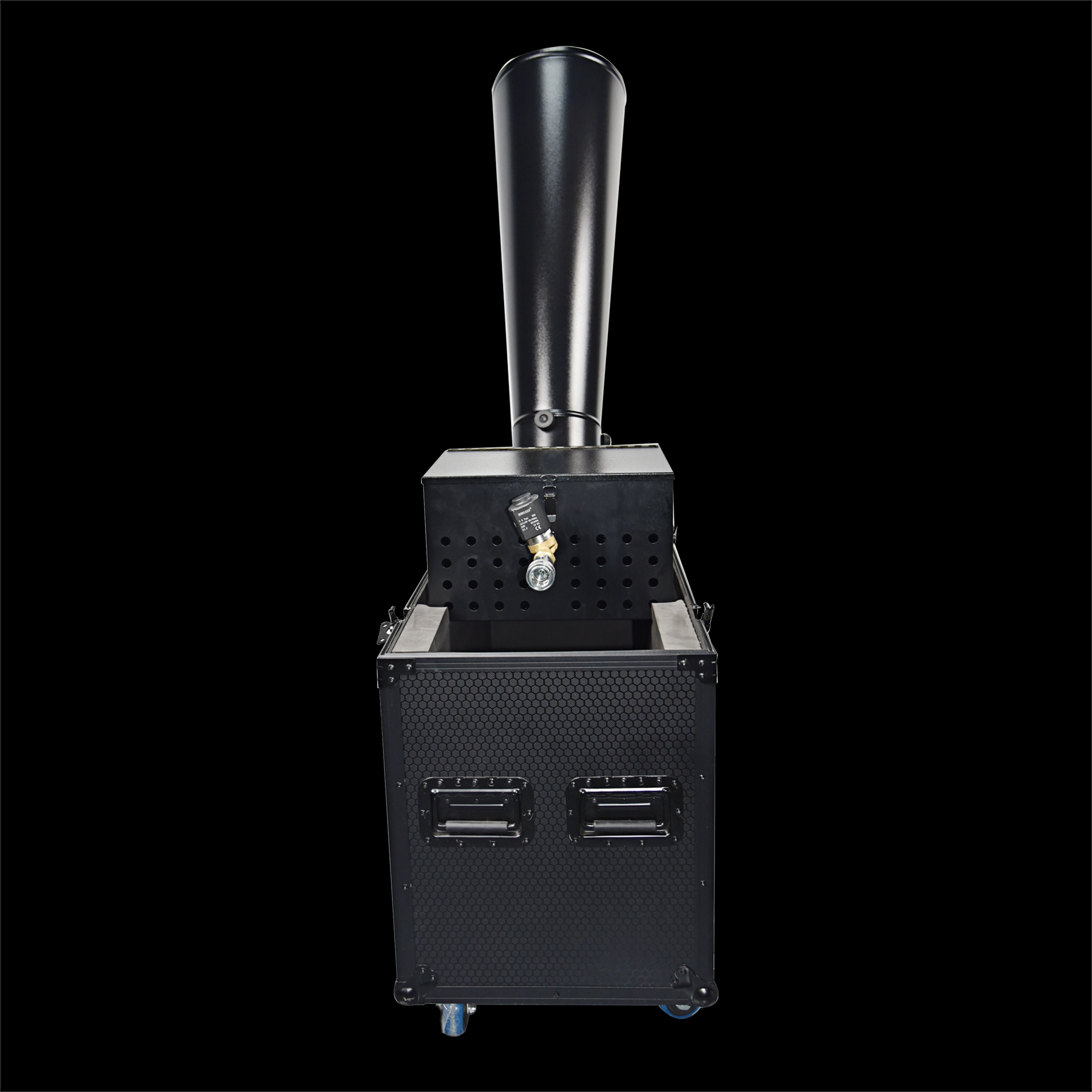
CO₂ Mini Rainbow Confetti Machine Manual Control with Durable Black Wheeled Flight Case
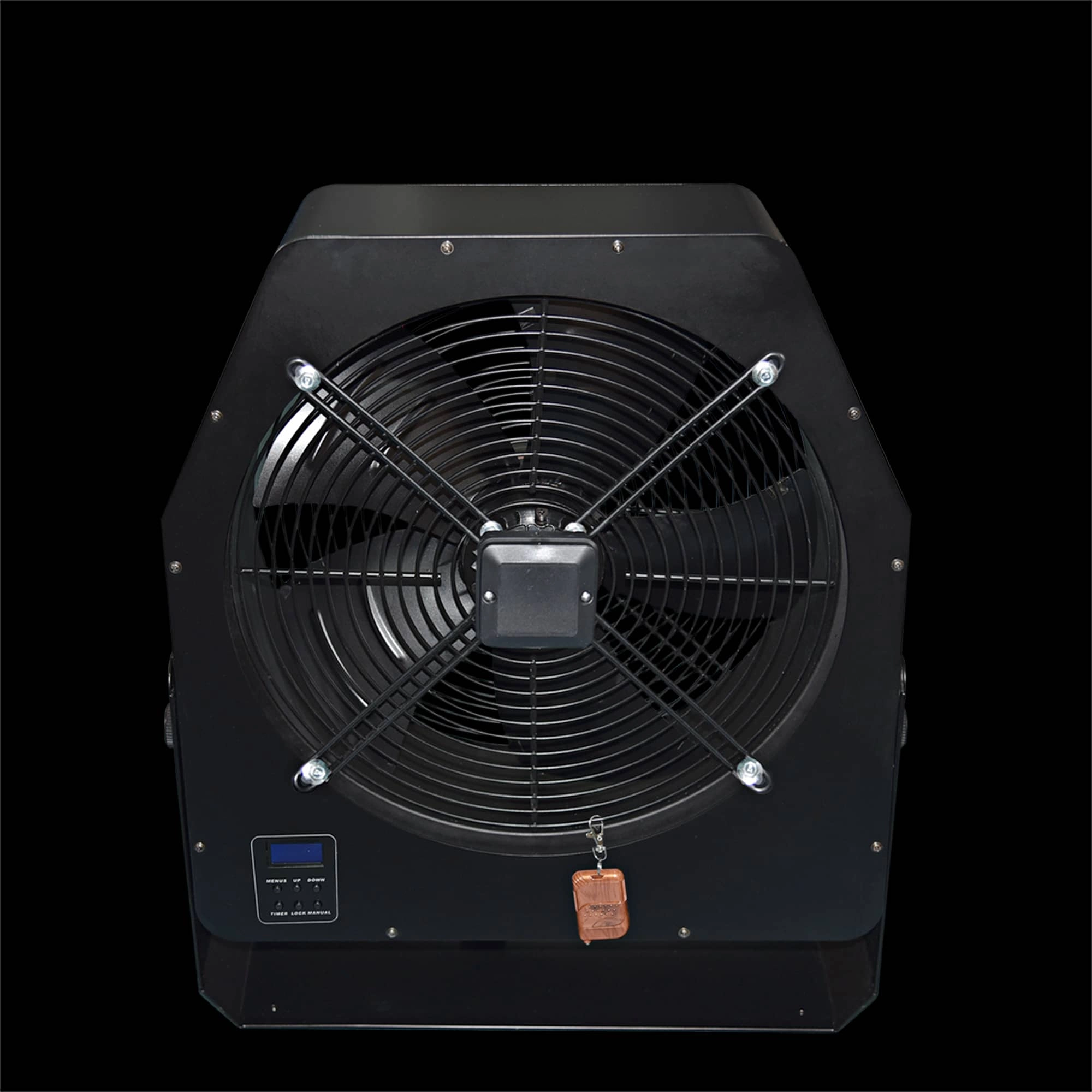
Professional Stage Big DMX Fan | High-Power Event Fan for Stage Shows & Celebrations
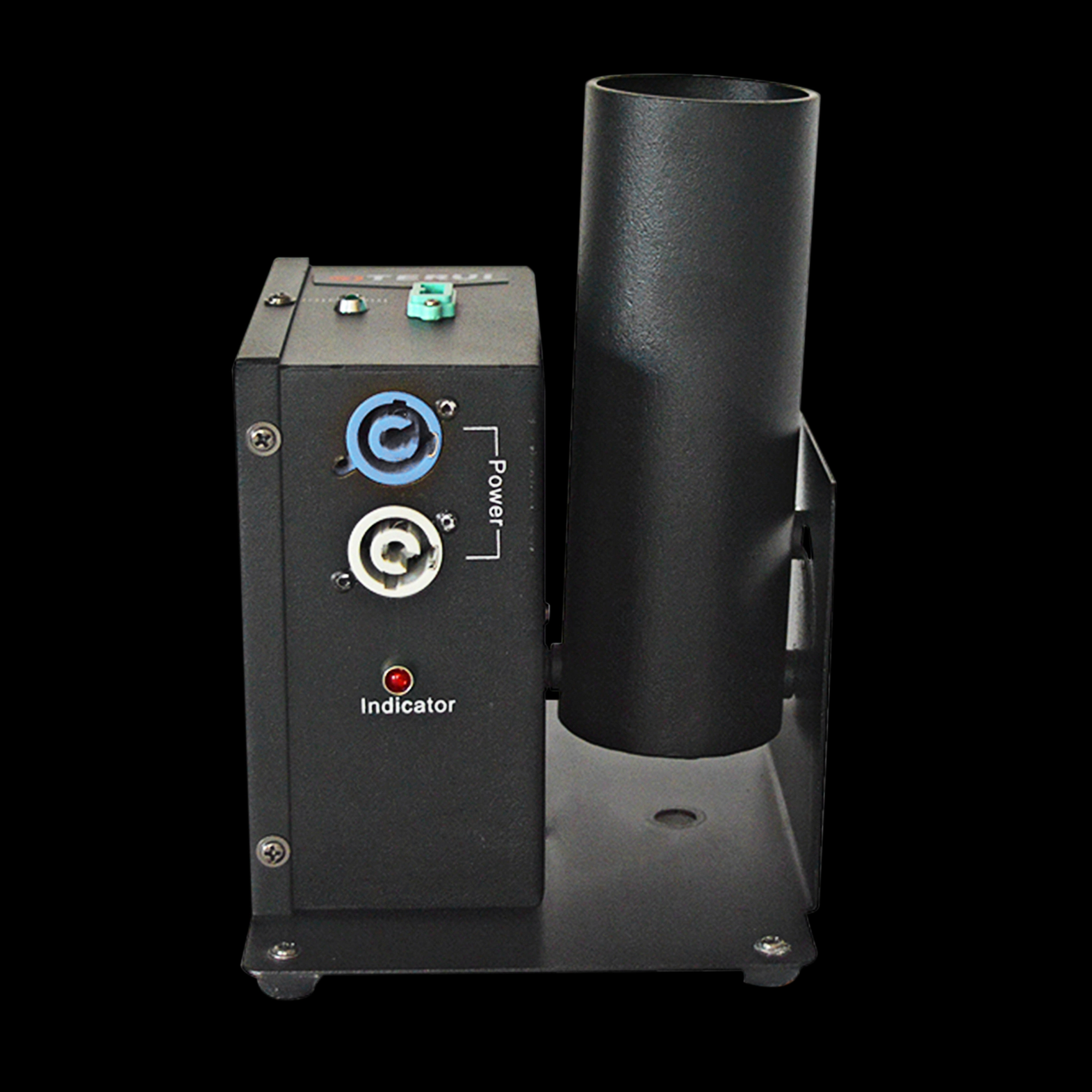
Single Shot Confetti Machine - Premium Confetti Launcher for Weddings & Stage Celebrations
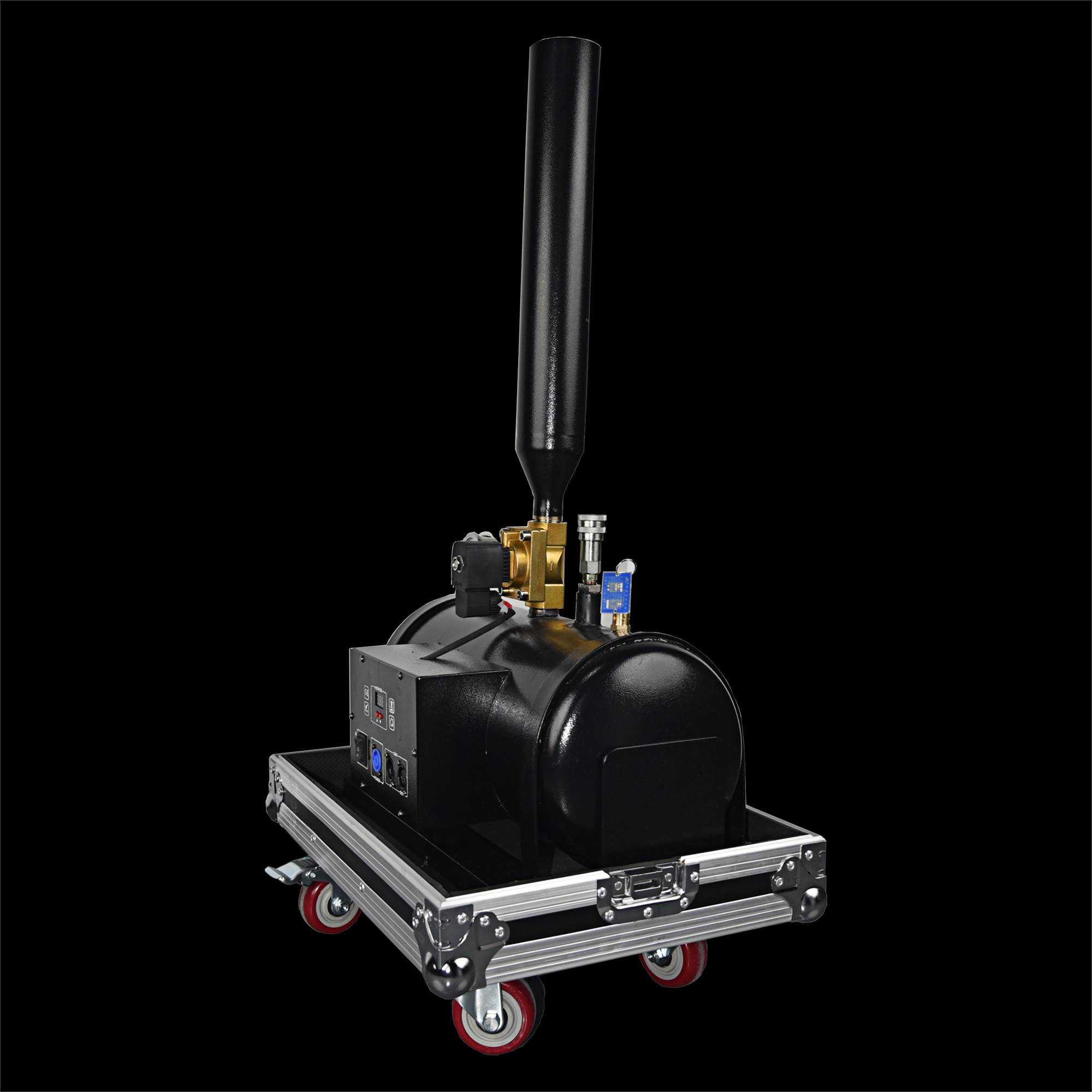
High-Altitude Confetti Cannon - Professional Confetti Blaster for Stage, Party & Celebration Events
Email: sales01@strlighting.com
WhatsApp: +86 189 2232 4800
© 2025 Siterui SFX All Rights Reserved.
 Scan QR Code
Whatsapp: +8618922324800
siteruisfx_stage_equipment
Siterui
SITERUI-SFX
STRlighting
@siterui.sfx