
Fog Machine Output: Coverage, Run Time, CFM
- How to size a fog machine for your venue
- Determine the problem you’re solving
- Measure the venue volume and desired effect
- Translate effect into technical requirements
- Understanding CFM, output characteristics and coverage
- What CFM (cubic feet per minute) means for fog
- Output vs. visual density: why higher isn’t always better
- Factors that change effective coverage
- Run time, fluid consumption and duty cycles
- How manufacturers specify run time
- Estimating run time from fluid consumption
- Maintaining duty cycle and preventing damage
- Practical setup, measurement and comparison
- Placement, fans and airflow management
- How to measure and verify coverage on site
- Comparison table: practical classes of fog/haze equipment
- Control, safety, compliance and best practices
- Control systems and synchronization
- Safety, sensors and venue regulations
- Maintenance and operational checks
- Siterui SFX: professional solutions and customization
- Company profile and strengths
- Customization and integration services
- Technical capabilities and product portfolio
- FAQ — Common questions about fog machines, output and run time
- 1. How do I calculate the fog machine size for my venue?
- 2. Will a high CFM machine be better for lighting beams?
- 3. How does HVAC affect fog coverage and run time?
- 4. How can I avoid triggering smoke detectors?
- 5. What maintenance keeps a fog machine reliable during a multi-show run?
- 6. Can I run fog machines continuously through a long performance?
- References
How to size a fog machine for your venue
Determine the problem you’re solving
Before selecting a fog machine, clarify whether you need short bursts for spot effects, a continuous carpet of fog for theatrical atmosphere, or a sustained haze for lighting beam definition. Each use case requires different output characteristics: burst volume, steady-state fluid consumption, or fine-particle haze control.
Measure the venue volume and desired effect
Calculate room/venue volume in cubic feet (length × width × height). Decide the visibility/obscuration target (e.g., low fog to stage floor, mid-level coverage at 4–6 ft, or room-filling). Coverage is a function of volume and the fog machine’s volumetric output (CFM) plus the venue’s ventilation/air exchange.
Translate effect into technical requirements
Convert your creative target into technical terms: required volumetric flow per burst (CFM), target persistence (how long the fog should remain visible before dissipating), and acceptable run time between refills. These numbers drive the choice of heating element size, pump capacity, fan/venturi design and fluid tank size.
Understanding CFM, output characteristics and coverage
What CFM (cubic feet per minute) means for fog
CFM is the volumetric flow rate of air a fan or blower moves. For fan-assisted foggers, CFM indicates how quickly fog is displaced into the room and how far the plume travels. Higher CFM gives faster spread and broader instantaneous coverage; lower CFM concentrates fog in a smaller area and gives denser local obscuration.
Output vs. visual density: why higher isn’t always better
Output volume doesn't equal perceived density. A high-CFM machine will spread fog thinly over a wide area; a low-CFM, high-fluid-rate unit will create dense localized fog. For lighting beams and haze effects you often want low-volume, fine-particle haze with long hang time; for dramatic bursts you want high-volume machines that move large clouds quickly.
Factors that change effective coverage
- Room airflow and HVAC (air changes per hour). More ventilation rapidly dilutes fog.
- Temperature gradients and stratification (hot air rising may carry fog upward).
- Particle size: smaller droplets hang longer and create haze rather than heavy fog.
- Placement and orientation of output nozzles and fans.
Run time, fluid consumption and duty cycles
How manufacturers specify run time
Run time is commonly expressed in two ways: continuous run time at a set output (e.g., ml/min or g/min) and burst length with cooldown/duty cycle limits (e.g., 30 seconds on, 2 minutes off). Always read the spec sheet: continuous-use models and burst-style models are engineered differently.
Estimating run time from fluid consumption
Calculate run time by dividing the fluid reservoir capacity by the machine’s fluid consumption rate. Example formula: run time (minutes) = tank volume (ml) / consumption (ml/min). Because consumption varies by output level and pulse settings, use manufacturer curves where available.
Maintaining duty cycle and preventing damage
Heating elements and pumps have thermal and mechanical limits. Respect duty cycles to avoid overheating. For long shows, choose a machine with a larger tank and rated continuous output or deploy multiple machines staggered via DMX or wireless triggers for redundancy.
Practical setup, measurement and comparison
Placement, fans and airflow management
Place fog outputs so the plume reaches the target area before being mixed by HVAC. Use directional fans or ducting for focus. When you need uniform coverage, use multiple low-output units placed evenly rather than a single high-output source, which can create uneven density and sensor-triggering issues.
How to measure and verify coverage on site
Simple verification methods: visual reference points with known heights, handheld anemometer to measure local airflow (cfm estimates), and timed bursts to observe dissipation. For repeatability, document burst lengths, fan speed, and HVAC state.
Comparison table: practical classes of fog/haze equipment
Below is a practical comparison of typical equipment classes used in live events. These are representative ranges—always consult specific product datasheets for precise specs.
| Class | Typical application | Fluid consumption (ml/min) | Reservoir | Expected coverage behavior |
|---|---|---|---|---|
| Small (portable) | Small stages, DJ booths, short bursts | 50–200 | 200–1000 ml | Dense local bursts, short run time; portable |
| Medium (theatre / club) | Medium venues, haze + bursts | 200–600 | 1–5 L | Balanced coverage, can support moderate continuous use |
| Large / Concert | Arenas, stadiums, large pyrotechnic effects | 600–2000+ | 5–20 L or external supply | High-volume bursts, long throw, needs ventilation planning |
Sources: manufacturer class guidelines and industry references (see References section below). Use the table to narrow product selection and then verify exact specs per model.
Control, safety, compliance and best practices
Control systems and synchronization
DMX, wireless remote, and remote relay control are standard for professional shows. Synchronize multiple devices for consistent coverage (staggered bursts to maintain atmosphere without overloading HVAC). Consider optical triggers and interlocks if fog interacts with pyrotechnics or CO₂ jets.
Safety, sensors and venue regulations
Coordinate with venue safety officers regarding smoke detector sensitivity and local regulations. Many venues require low-residue fluids and pre-approval for special effects. Implement signage and notify staff and audience when effects will be used. For regulatory references, consult local fire codes and NFPA guidance.
Maintenance and operational checks
Daily pre-show checks: fluid level, pump priming, heater warm-up times, nozzle cleanliness, DMX addressing and wireless ranges. Regularly run cleaning cycles prescribed by the manufacturer to prevent clogging and residue buildup.
Siterui SFX: professional solutions and customization
Company profile and strengths
Siterui SFX is a professional manufacturer engaged in the research and development, production, sales, and service of professional stage special effects (SFX) equipment. With a highly skilled team and cutting-edge technology, we are committed to providing innovative, reliable, and high-performance SFX solutions for live events, theaters, concerts, film production, and entertainment venues worldwide.
Customization and integration services
At Siterui SFX, we understand that every stage, event, and creative concept is unique. That’s why we offer flexible customization services to meet your specific needs—whether it's branding, special functions, size adjustments, or complete system integration.
Technical capabilities and product portfolio
From custom casing and logo printing to wireless control systems and synced multi-device setups, our expert team works closely with you to design SFX solutions that align perfectly with your needs. Our commitment to quality and innovation ensures that our clients receive cutting-edge effects that enhance the visual and sensory experience of every performance. We pride ourselves on exceptional customer service and continuous advancement, positioning Siterui as a trusted partner in the professional special effects industry.
Siterui SFX main product strengths include spark machines, haze machines, CO₂ jet machines, bubble machines, snow machines, foam machines, confetti machines, fog machines, fire machines, and dry ice machines—engineered for reliability, safety and repeatable performance.
FAQ — Common questions about fog machines, output and run time
1. How do I calculate the fog machine size for my venue?
Calculate venue volume (ft³). Decide desired effect persistence and coverage. Match required volumetric output (CFM) and fluid consumption to that volume—either via single high-output machine or multiple distributed units. Use run time = tank size / consumption to check refill intervals. When in doubt, choose redundant coverage with multiple medium units rather than a single point of failure.
2. Will a high CFM machine be better for lighting beams?
Not necessarily. Lighting beams usually benefit from fine-particle haze with long hang time rather than broad high-CFM dispersion. Haze machines or low-output foggers with small droplet size are preferred for sharp beams.
3. How does HVAC affect fog coverage and run time?
HVAC increases air exchanges per hour and will dilute fog/haze quickly, reducing persistence. For predictable results, test with the venue’s HVAC settings you’ll use during performance. If HVAC must remain on, increase source density (more units or higher output) or use localized ducting and directional fans.
4. How can I avoid triggering smoke detectors?
Coordinate with venue management and local authorities. Use low-residue fluids recommended by suppliers and perform detector sensitivity tests. You may need to use beam-blocking arrangements, temporary detector masking approved by fire authorities, or alternative effects where detectors cannot be bypassed.
5. What maintenance keeps a fog machine reliable during a multi-show run?
Daily: check fluid, purge lines, verify pump pressures and nozzle cleanliness. Weekly: run cleaning fluid cycles per manufacturer. Keep spares of consumables (tubing, nozzles, fuses) and test all control paths (DMX, wireless) before load-in.
6. Can I run fog machines continuously through a long performance?
Only if the machine is rated for continuous operation and has adequate tank capacity and cooling. For long performances, use machines designed for continuous duty, or stage rotation among multiple units to allow cool-down and refills without interrupting effect continuity.
For tailored system recommendations, product specifications, or to request a customized SFX solution, contact Siterui SFX to discuss your venue, creative goals and technical constraints. View our product range and request a quote on our website or email our technical sales team for a site-specific recommendation.
References
- Fog machine. Wikipedia. https://en.wikipedia.org/wiki/Fog_machine (accessed 2026-01-10).
- Haze machine. Wikipedia. https://en.wikipedia.org/wiki/Haze_machine (accessed 2026-01-10).
- Volumetric flow rate. Wikipedia. https://en.wikipedia.org/wiki/Volumetric_flow_rate (accessed 2026-01-10).
- Chauvet DJ product pages and specification sheets (example reference of manufacturer product datasheets for real-world specs). https://www.chauvetdj.com/ (accessed 2026-01-10).
- Rosco product pages — haze and fog products (manufacturer guidance on fog/haze use). https://www.rosco.com/ (accessed 2026-01-10).
- National Fire Protection Association (NFPA) — for codes and special effects guidance: https://www.nfpa.org/ (accessed 2026-01-10).
Contact & product enquiry: For detailed specifications, custom integration and volume pricing, contact Siterui SFX via our website or sales@ siteruisfx.com (replace with actual contact) to arrange a technical consultation and product demo.
Fog Machine Maintenance and Care Checklist
Hazer fluid types: compatibility and safety
Environmental Impact and Eco-Friendly Fog Fluids
Programming Light Cues for Live Performances
Solutions
Is it difficult to install? What if I don’t know how to use it?
Most devices are plug-and-play. We provide manuals, video tutorials, and remote technical support. On-site or live guidance is also available for customized setups.
2100W Morning Haze Machine
Can I use third-party haze fluids?
We recommend using approved fluids to ensure optimal performance and longevity.
What is the warranty period?
1-year limited warranty Excluding human damage
large 300W Silver Iron Case Bubble Machine
Is this machine suitable for outdoor use?
Yes, the iron case is weather-resistant, but avoid direct rain exposure.
1500W 24x3W LED fog machine
How do I clean the machine?
Follow the manufacturer’s instructions for regular maintenance to prevent residue buildup.
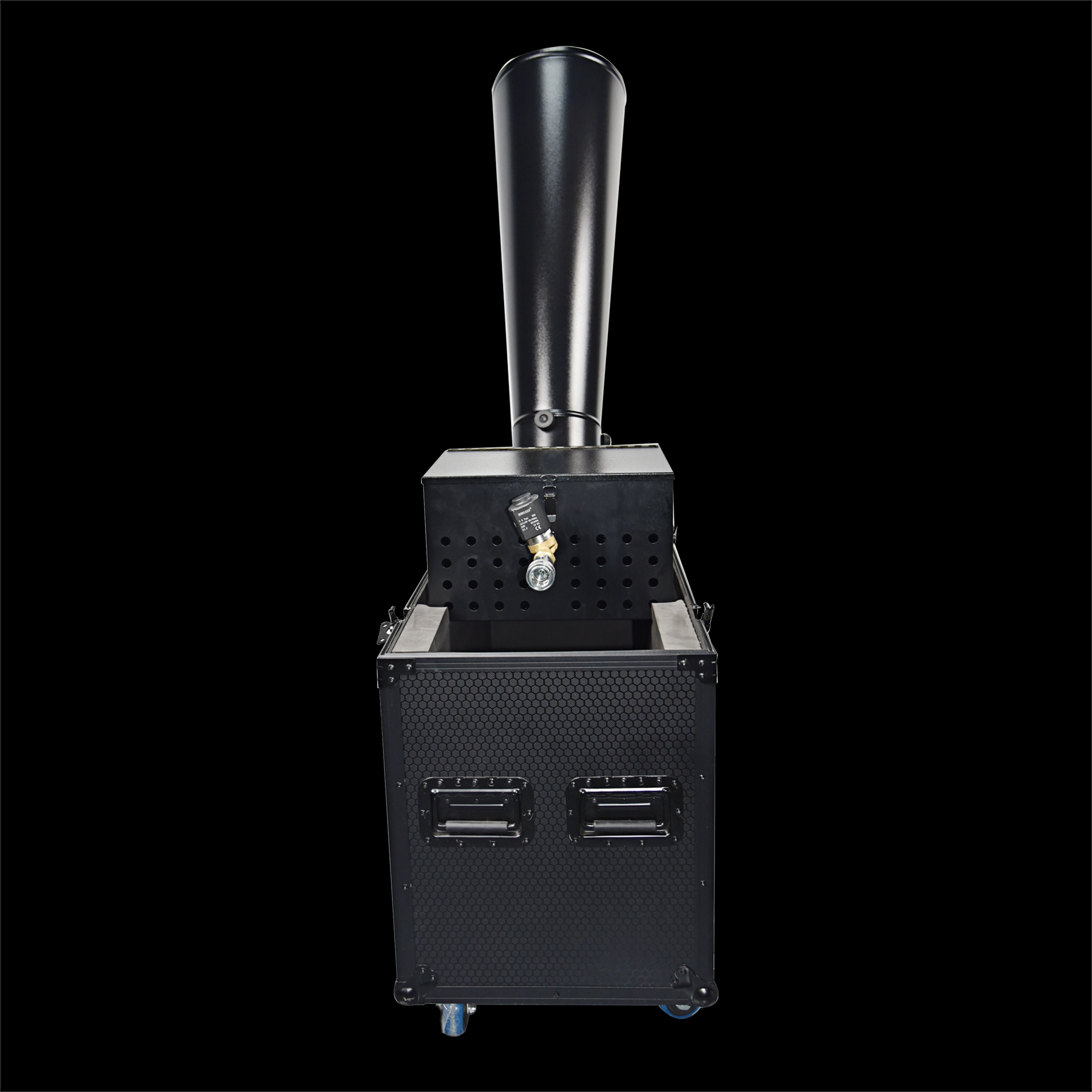
CO₂ Mini Rainbow Confetti Machine Manual Control with Durable Black Wheeled Flight Case
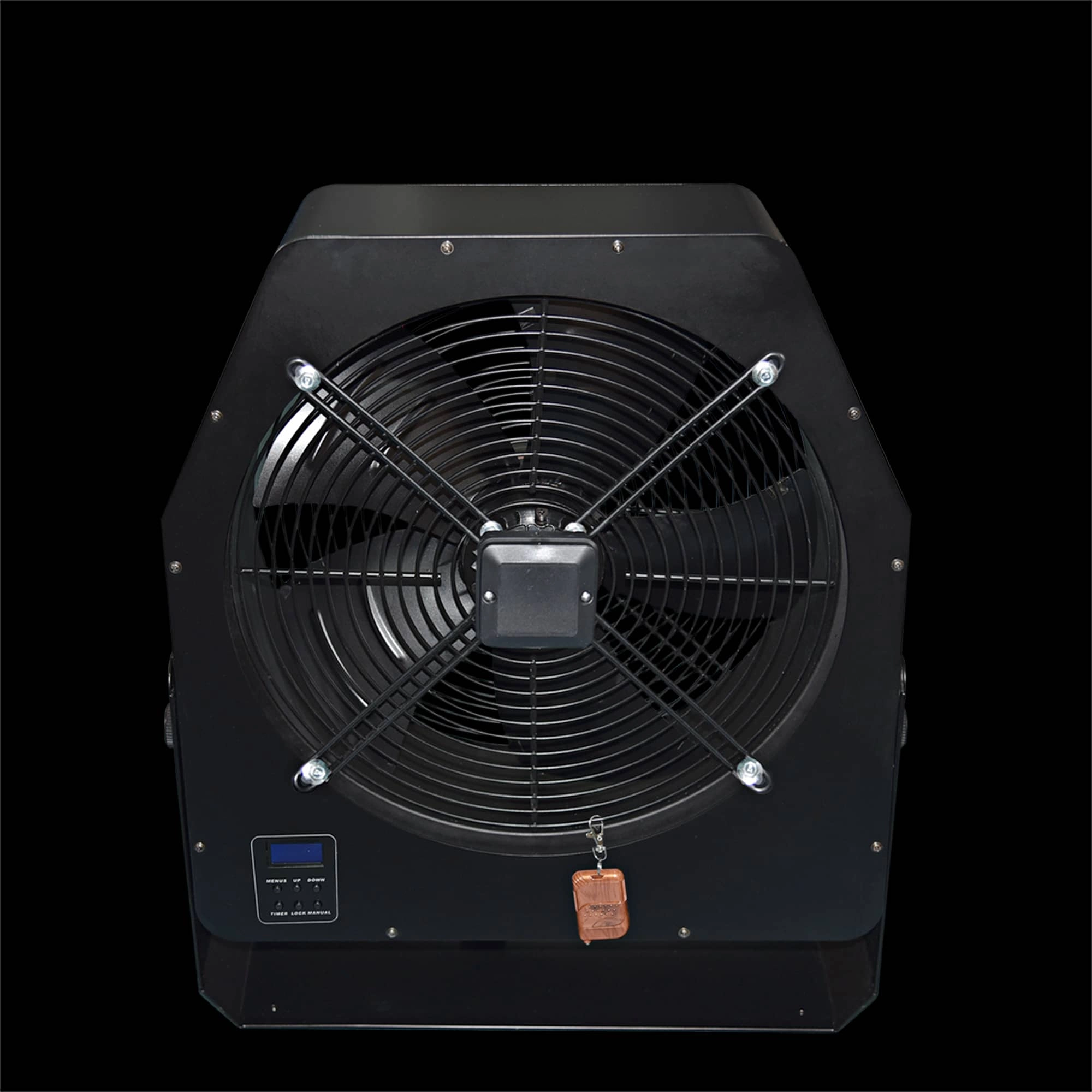
Professional Stage Big DMX Fan | High-Power Event Fan for Stage Shows & Celebrations
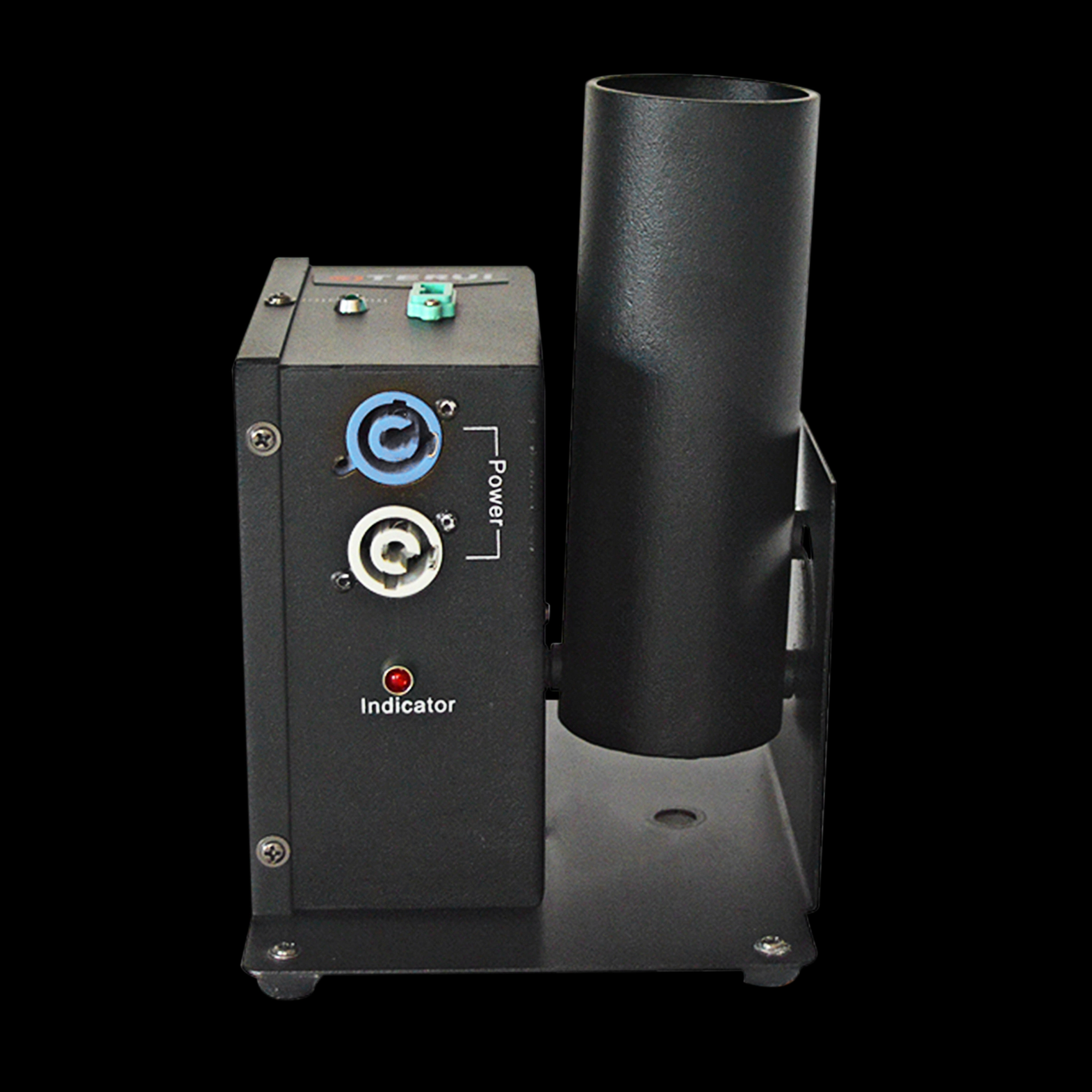
Single Shot Confetti Machine - Premium Confetti Launcher for Weddings & Stage Celebrations
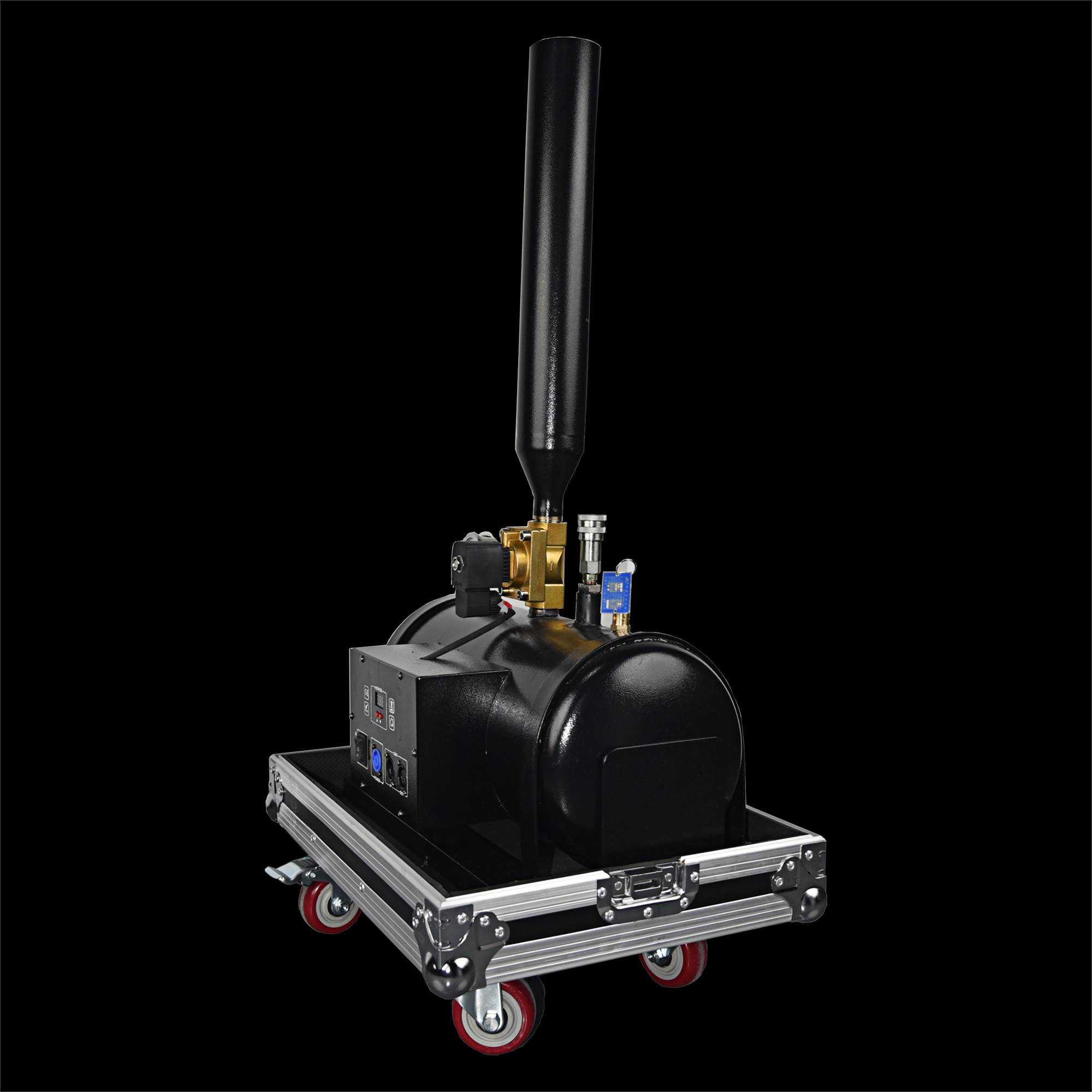
High-Altitude Confetti Cannon - Professional Confetti Blaster for Stage, Party & Celebration Events
Email: sales01@strlighting.com
WhatsApp: +86 189 2232 4800
© 2025 Siterui SFX All Rights Reserved.
 Scan QR Code
Whatsapp: +8618922324800
siteruisfx_stage_equipment
Siterui
SITERUI-SFX
STRlighting
@siterui.sfx