
Portable Fog Machines for Touring and Rentals
- Operational needs and audience intent: why portability matters
- Touring constraints and rental workflows
- Common s and practical decisions
- Key semantic keywords embedded
- Types of fog and portable fog machines
- Heat-based foggers (glycol/water heating)
- Haze machines and continuous effect devices
- Low-lying and dry-ice fog systems
- Specifying a portable fog machine for touring and rental
- Key specification parameters
- Decision matrix: choosing for venue size and cueing
- Power, connectivity and control
- Transport, maintenance, safety and compliance
- Packing, transport and rackability
- Routine maintenance and troubleshooting
- Health, ventilation and regulatory considerations
- Cost, rental pricing and ROI for rental houses
- Initial cost vs lifetime value
- Rental pricing strategies
- Insurance and risk management
- Siterui SFX — Manufacturer profile and why they matter for touring and rental houses
- Who is Siterui SFX?
- Products, customization and technical strengths
- How Siterui SFX fits touring and rental needs
- Practical checklist before buying or renting fog machines
- Quick pre-purchase checklist
- Operational best practices
- When to consult specialists
- Frequently Asked Questions (FAQ)
- 1. What is the difference between haze and fog?
- 2. Can I use any fog fluid in my machine?
- 3. How do I avoid setting off smoke detectors?
- 4. Are battery-powered fog machines reliable for touring?
- 5. What maintenance extends the life of a fog machine?
- 6. How should rental houses price fog machine packages?
- Contact and next steps — consult Siterui SFX
Portable fog machines are essential tools for touring productions, rental houses, and event companies who need flexible, reliable atmospheric effects. This article explains the technology behind fog and haze, compares portable foggers and low-lying systems, and gives actionable guidance for specification, transport, power, safety, and maintenance — helping production managers, rental technicians, and tour engineers choose the right fog machine for each application.
Operational needs and audience intent: why portability matters
Touring constraints and rental workflows
Touring productions and rental companies demand equipment that balances output, reliability, and ease of service. Portable fog machines (also called compact fog generators or rental foggers) are selected for: fast setup and teardown, predictable output for lighting choreography, easy refill and fluid handling, and compatibility with DMX/wireless control. For rental inventories, durability and standardized service parts reduce downtime and total cost of ownership.
Common s and practical decisions
Users searching for fog machines often want to know: which model is best for indoor vs. outdoor use, how much fog output is needed for a space, fluid type (water/glycol vs. glycerin), warm-up and duty cycles, and transport weight. This guide addresses those intents with evidence-based ranges and decision rules you can apply to specific venues and tours.
Key semantic keywords embedded
Throughout this guide you will see related terms such as portable fog machine, compact fog generator, haze vs fog, low-lying fog machine, DMX fog machine, battery-powered fog machine, fog fluid, water-based fog, glycol fog, rental foggers, and touring fog effects. These reflect common user queries and technical categories used by rental inventory managers and touring crews.
Types of fog and portable fog machines
Heat-based foggers (glycol/water heating)
Most portable fog machines for touring use a heated block to vaporize a glycol- or glycerin-based fluid mixed with water to create visible fog. These units provide dense bursts suitable for cue-driven effects, and they are widely used for concerts and theatrical moments. For technical detail, see the Fog machine Wikipedia entry (en.wikipedia.org/wiki/Fog_machine).
Haze machines and continuous effect devices
Haze machines (hazers) create a finer aerosol for lighting beams and are typically lower-concentration and continuous-output devices compared with burst foggers. Hazers are often used in touring to maintain atmosphere for front-of-house and followspots without obstructing sightlines. See Hazer (theatre) for more background (en.wikipedia.org/wiki/Hazer_(theatre)).
Low-lying and dry-ice fog systems
Low-lying fog machines either use chilled glycol/water or dry ice to keep fog close to stage level. Portable low-lying solutions can be heavier (due to chilling systems) but are often modular for tour use. Dry ice machines require special handling and regulatory awareness for CO2 buildup in enclosed spaces.
Specifying a portable fog machine for touring and rental
Key specification parameters
When comparing portable fog machines consider these metrics: output volume (m³/min or cubic feet/min), nozzle dispersion angle, warm-up time, duty cycle (continuous vs. intermittent use), fluid consumption (ml/min), weight, and power draw (W/VA). For safety and electrical advice, consult OSHA guidance on electrical equipment (osha.gov).
Decision matrix: choosing for venue size and cueing
Use the following practical rules of thumb:
- Small clubs & rehearsal rooms (≤200 m²): compact units with 1–2 kg/min output and short warm-up.
- Mid-size theaters & small arenas (200–1000 m²): mid-output units (2–6 kg/min) or distributed smaller units synced via DMX.
- Large arenas & outdoor stages (>1000 m²): high-output fog machines and/or multiple haze units, often combined with CO₂ jets for short bursts.
- Low-lying effects: choose specifically engineered machines with chilling systems; dry ice use requires trained operators.
Power, connectivity and control
Touring rigs often require DMX/RDM control and remote wireless triggering. Battery-powered or inverter-compatible foggers are helpful for festival stages with limited mains access. Confirm mains voltage compatibility (110/120V vs 220/240V) and inrush current to avoid tripping distro or breaker panels.
Transport, maintenance, safety and compliance
Packing, transport and rackability
Portable fog machines intended for touring should be shock-mounted or flight-cased. Consider service access (filter, pump, heating block), spare parts commonality, and whether the machine can be installed in a rack or on a flight case lid to save truck space. Standardize on models across your rental fleet where possible to simplify spares.
Routine maintenance and troubleshooting
Common maintenance tasks: regular flushing of fluid lines to prevent blockages, replacing inline filters, inspecting pumps and connectors, and cleaning the nozzle and heating block per manufacturer instructions. Keep a maintenance log for each unit to track hours and incidents — this reduces downtime on tour.
Health, ventilation and regulatory considerations
Fog fluid composition matters. Water-based propylene glycol and glycerin fluids are common; mineral oil-based fluids exist but have different residue and ventilation characteristics. For each venue, confirm local fire codes and building management acceptance: many theatres and arenas have fire-alarm sensitivity that requires pre-approval or the use of detector-safe haze oils and coordinated testing. Reference guidance on safety and atmospheric effects from industry bodies and health/safety agencies, and liaise with venue technical staff well before load-in.
Cost, rental pricing and ROI for rental houses
Initial cost vs lifetime value
Table-style comparison helps purchasing and rental decisions. Typical price bands and operational parameters are shown below (ranges are illustrative from market surveys of common professional manufacturers):
| Class | Typical Output (g/min) | Warm-up | Weight (kg) | Use Case | Typical Price (USD) |
|---|---|---|---|---|---|
| Compact portable | 200–800 | 2–7 min | 6–12 | Small clubs, rehearsal | $250–$900 |
| Mid-range touring | 800–2500 | 1–5 min | 12–25 | Theaters, small arenas | $900–$3000 |
| High-output / pro | 2500–8000+ | ≤3 min | 20–50+ | Large arenas, outdoor | $3,000–$15,000+ |
Sources: aggregated manufacturer spec sheets and industry overviews; for base technical background see Wikipedia - Fog machine.
Rental pricing strategies
Rental houses should price based on daily/weekly rates adjusted for seasonality, accessory needs (fluid, cables, flight cases), and service contracts. Consider offering packages with synchronized control (wireless DMX/triggering), spare units for multi-day tours, and fluid supply subscriptions to secure recurring revenue.
Insurance and risk management
Ensure equipment insurance covers transport and on-site use, and that venue certificates (e.g., public liability) are in order. Keep MSDS (material safety data sheets) for all fog fluids on hand and provide pre-show documentation to venue staff if requested.
Siterui SFX — Manufacturer profile and why they matter for touring and rental houses
Who is Siterui SFX?
Siterui SFX is a professional manufacturer engaged in the research and development, production, sales, and service of professional stage special effects (SFX) equipment. With a highly skilled team and cutting-edge technology, they provide innovative, reliable, and high-performance SFX solutions for live events, theaters, concerts, film production, and entertainment venues worldwide.
Products, customization and technical strengths
Siterui SFX offers a broad product range including spark machine, Haze Machine, CO₂ Jet Machine, Bubble Machine, Snow Machine, Foam Machine, Confetti Machine, fog machine, fire machine, and dry ice machine. Their competitive advantages include:
- Flexible customization: branding, special functions, size adjustments, and full system integration (custom casing, logo printing, wireless control, synced multi-device setups).
- Engineering capability: experienced R&D team, quality control processes, and accessible spare parts that support touring reliability.
- After-sales service: service-level agreements and technical support for global tours and rental fleets.
How Siterui SFX fits touring and rental needs
For rental houses, Siterui’s customizable fog machines and haze units can be configured for DMX/RDM compatibility, multiple voltage inputs, and flight-case friendly dimensions. Tour managers benefit from the brand’s focus on robust components and service networks that minimize downtime in multi-city legs.
Practical checklist before buying or renting fog machines
Quick pre-purchase checklist
- Define venue sizes and maximum audience capacity to choose appropriate output class.
- Confirm power availability and inrush current limits on stage distro.
- Check fire-alarm interferences and venue smoke detector policies; obtain approvals where needed.
- Plan for spare parts (nozzles, pumps, filters) and a maintenance schedule.
- Arrange for MSDS and operator training for all staff handling dry ice or chemical fluids.
Operational best practices
Always use manufacturer-recommended fluids and keep a small amount of spare fluid type on tour. Flush lines before long storage, and run a full system check before the first show of a tour leg. Use DMX or wireless synchronization to ensure consistent cues and consider using multiple smaller units timed together to create even coverage rather than a single oversized source.
When to consult specialists
If your production includes pyro, CO₂ jets, cryo, or low-lying effects, engage a qualified SFX technician and the venue’s safety officer during pre-production. Complex integrations—such as synchronized multi-device effects across multiple stage levels—benefit from custom engineering and on-site support from manufacturers like Siterui SFX.
Frequently Asked Questions (FAQ)
1. What is the difference between haze and fog?
Haze creates a fine, persistent aerosol used to reveal light beams, with low concentration and longer persistence. Fog (burst fog) produces denser vapor for moments and set pieces. Hazers are often continuous; fog machines are cue-driven.
2. Can I use any fog fluid in my machine?
No. Always use fluids specified by the manufacturer. Fluid chemistry affects residue, clogging, and detector response. Keep MSDS for each fluid and follow manufacturer flushing procedures.
3. How do I avoid setting off smoke detectors?
Coordinate with venue management before use. Options include pre-show detector masking (if permitted), using detector-tolerant haze fluids, or scheduling tests with the venue fire control. Never defeat or tamper with fire systems.
4. Are battery-powered fog machines reliable for touring?
Battery-powered foggers can be useful for remote locations or short outdoor effects, but they often offer lower output and limited duty cycle compared to mains units. For long runs or large venues, mains-powered professional units are preferred.
5. What maintenance extends the life of a fog machine?
Regularly flush the machine, replace inline filters, inspect and clean the nozzle and heating block, use quality fluids, and maintain a usage log. Preventive maintenance minimizes clogging and pump failures.
6. How should rental houses price fog machine packages?
Include daily/weekly base rates, fluid costs, flight-case rental, insurance, and technician time for setup. Offer bundle discounts for multi-device synchronized systems to encourage larger bookings.
Contact and next steps — consult Siterui SFX
If you need customized portable fog machines, synchronized multi-device setups, or support sizing a rental inventory for touring, contact Siterui SFX. Their experienced team provides tailored solutions — from product selection to custom casing, logo printing, wireless control systems, and on-tour service. Explore Siterui’s product lines for spark machine, Haze Machine, CO₂ Jet Machine, Bubble Machine, Snow Machine, Foam Machine, Confetti Machine, fog machine, fire machine, and dry ice machine, and ask about fleet discounts, customization options, and spare-part packages.
To discuss a specification or request a quote, contact Siterui SFX through their official channels and request a consultation for touring or rental deployment.
How to Choose a Fog Machine for Stage Productions
Environmental Impact of Dry Ice Machines
Top outdoor haze machine Manufacturers and Suppliers in us
Where to Buy confetti machine
FAQs
What distinguishes Siterui’s products from others in the market?
1500W 24x3W LED fog machine
What is the warranty period?
The standard warranty is 1 year, covering manufacturing defects.
How could l get a sample
If you can not buy our product in your local area, we will ship a sample to you.You will be charged a sample price plus all related shipping costs.Express delivery charge depends on the quantity of the samples.
About us
How does Siterui’s customer service communicate with clients?
Via phone, email, or online platforms—always responsive and solution-focused.
3000W fog machine
What is the price of shipping?
Depending upon the port of delivery, prices varies.
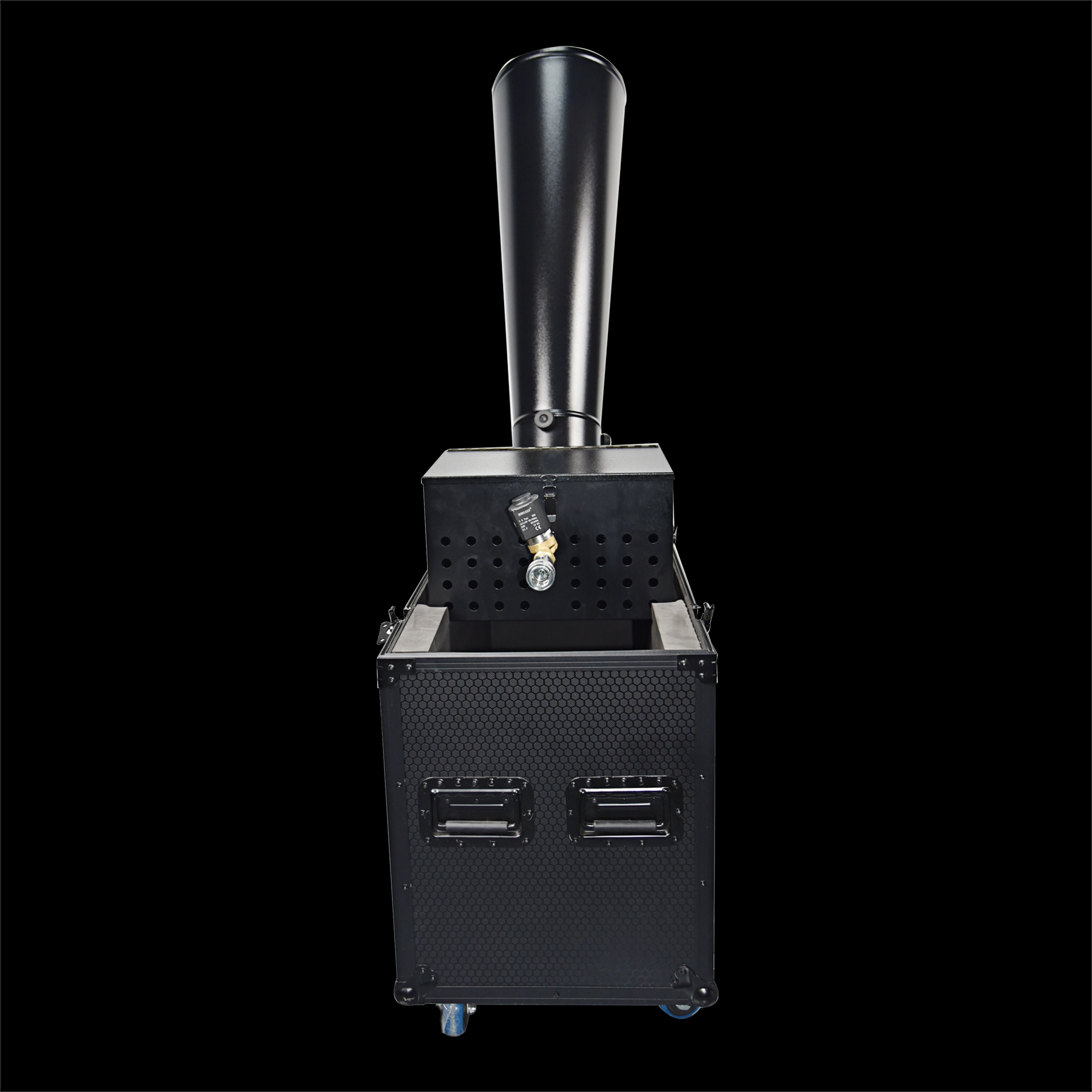
CO₂ Mini Rainbow Confetti Machine Manual Control with Durable Black Wheeled Flight Case
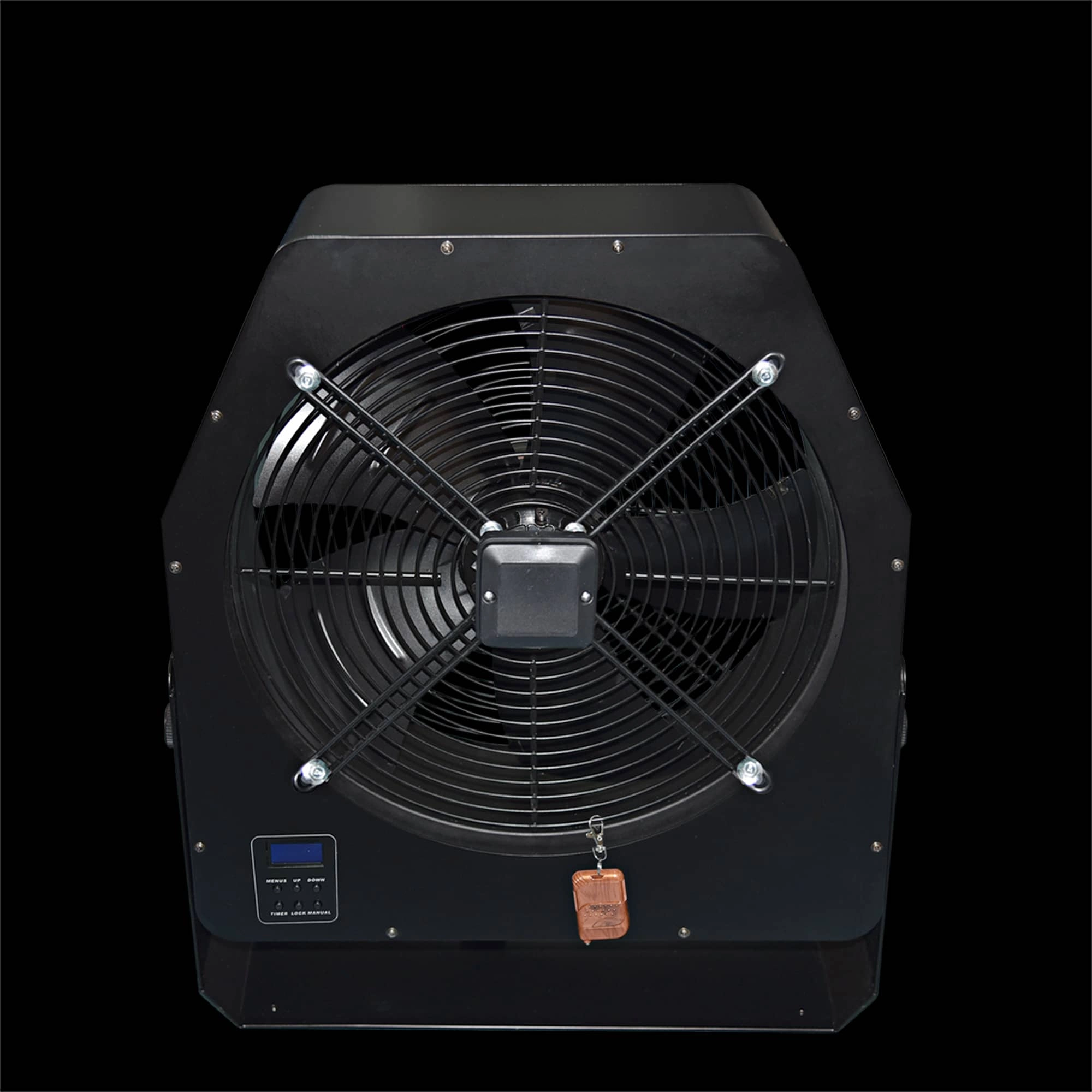
Professional Stage Big DMX Fan | High-Power Event Fan for Stage Shows & Celebrations
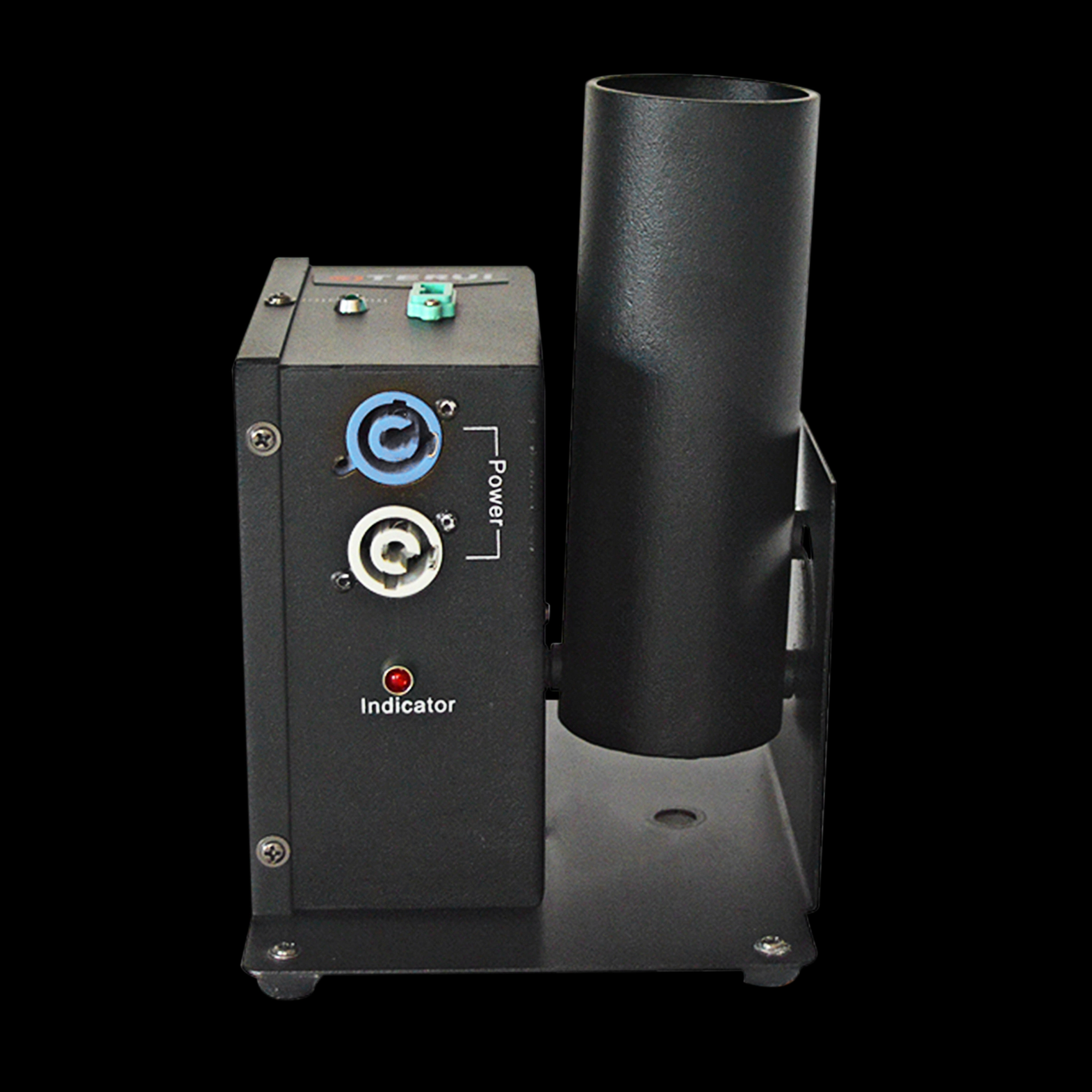
Single Shot Confetti Machine - Premium Confetti Launcher for Weddings & Stage Celebrations
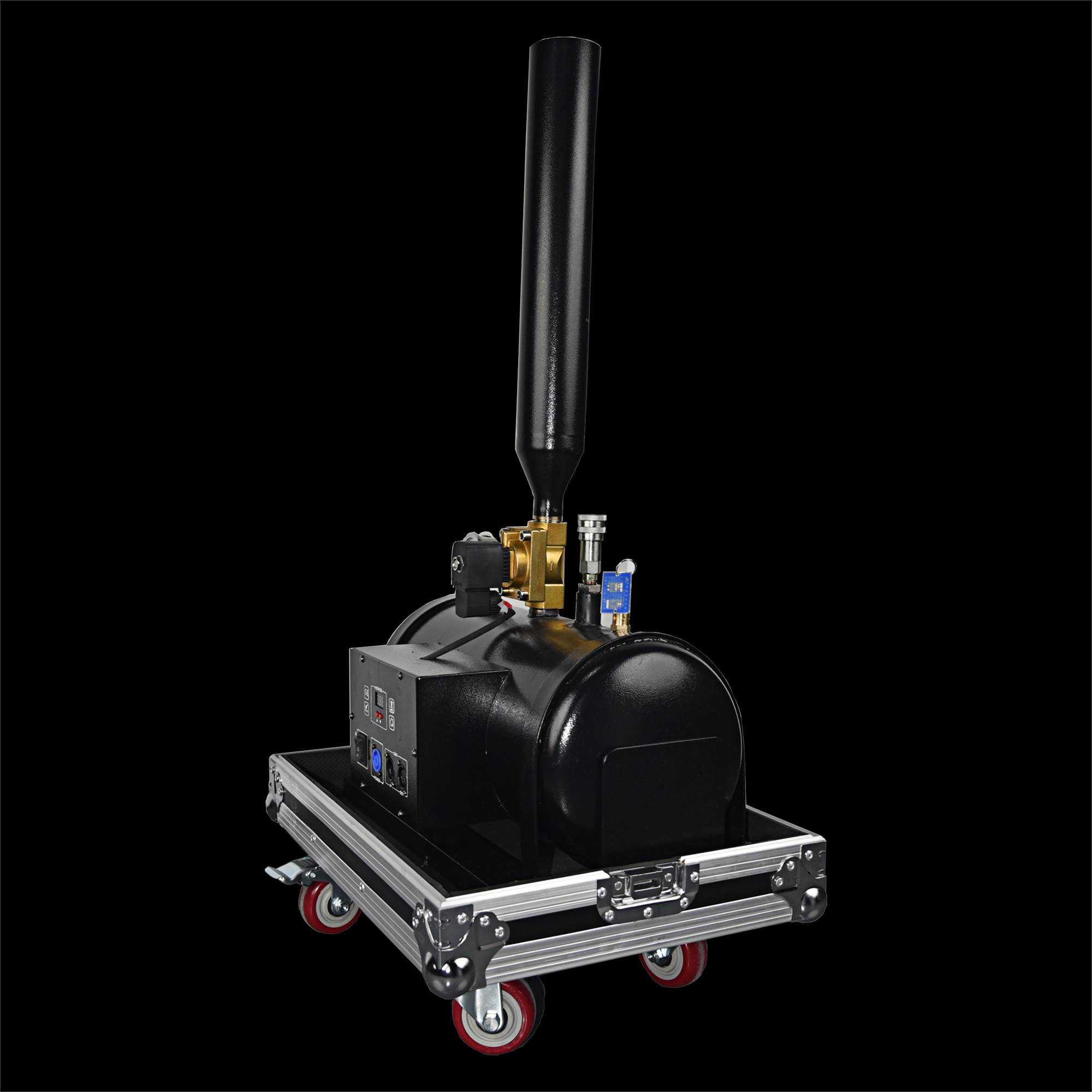
High-Altitude Confetti Cannon - Professional Confetti Blaster for Stage, Party & Celebration Events
Email: sales01@strlighting.com
WhatsApp: +86 189 2232 4800
© 2025 Siterui SFX All Rights Reserved.
 Scan QR Code
Whatsapp: +8618922324800
siteruisfx_stage_equipment
Siterui
SITERUI-SFX
STRlighting
@siterui.sfx